
AutoGen
AI-агент от Microsoft, который генерирует код, документы и другие материалы по текстовым запросам.
Обзор
AutoGen
Описание нейросети AutoGen
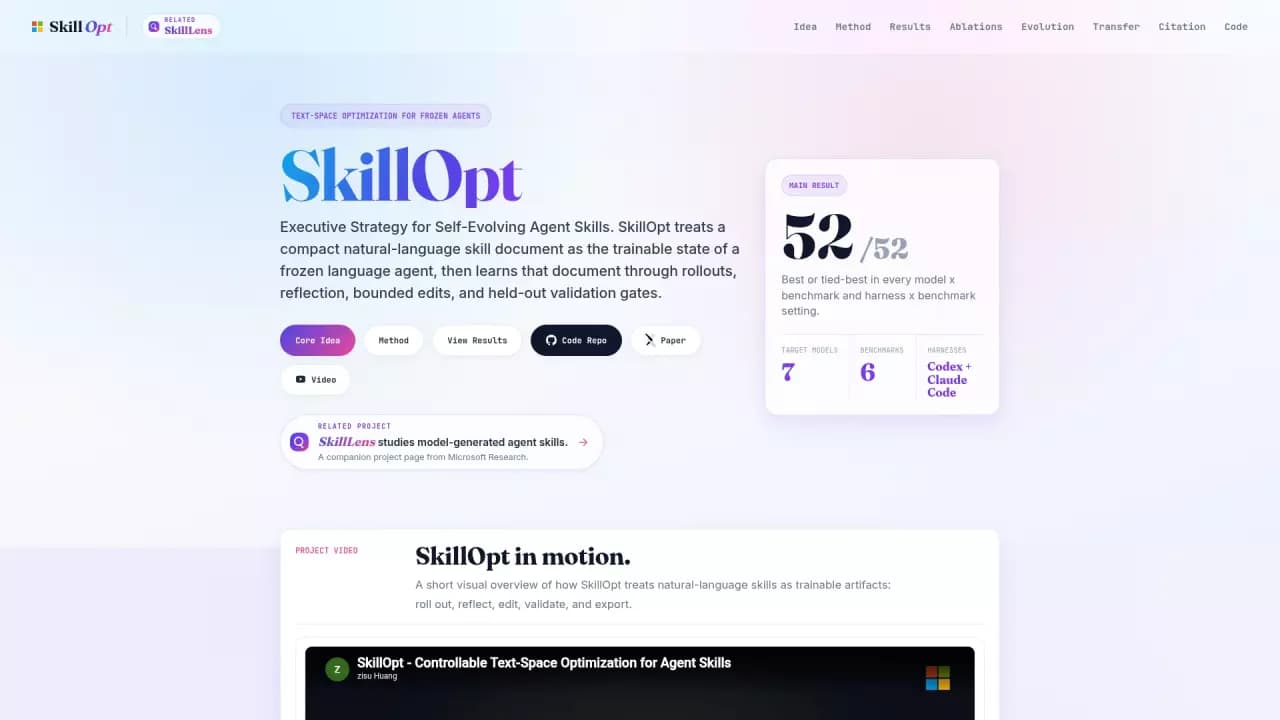
AutoGen — это AI-агент от Microsoft, который по простым текстовым подсказкам генерирует код, документы и другой контент. Инструмент позволяет автоматизировать рутинные задачи разработки, применяя языковые модели для выполнения запросов пользователя.
Проект напрямую связан с исследовательской работой Microsoft Research в области оптимизации языковых агентов. Вместо дообучения модели с изменением её весов AutoGen предлагает иной подход: оптимизируется текстовая инструкция (навык) агента на основе анализа результатов его работы. Агент выполняет задачи, а специальная модель-оптимизатор изучает допущенные ошибки и предлагает точечные правки, которые принимаются только в том случае, если они действительно улучшают итоговый результат.
Ключевая особенность проекта — открытый исходный код. Полученный навык можно экспортировать в единый файл best_skill.md, который затем используется для развёртывания агента в новых средах и на других моделях.
Характеристики AutoGen
| Характеристика | Значение |
|---|---|
| Тип | Исследовательский проект / инструмент для оптимизации навыков языковых агентов |
| Категории | Инструменты разработчика, ИИ-агент, Исследования |
| Разработчик | Microsoft Research |
| Доступность кода | Открытый код |
| Поддерживаемые модели | GPT-5.5, GPT-5.4, GPT-5.4-mini, GPT-5.4-nano, GPT-5.2, Qwen3.6-35B-A3B, Qwen3.5-4B |
| Дата публикации на каталоге | 26-05-2026 |
| Дата проверки | 15.06.2026 |
| Модель распространения | Не указана |
Для кого подходит нейросеть AutoGen?
Разработчикам
Подойдёт разработчикам, которые работают с языковыми агентами и хотят улучшить их поведение без переобучения и изменения весов моделей. Инструмент помогает автоматизировать рутинные задачи разработки и повышать эффективность агентов в повседневной работе.
Исследователям
Будет полезен исследователям в области машинного обучения и обработки естественного языка, изучающим способы оптимизации языковых агентов через изменение текстовых инструкций. Открытый код позволяет детально разобраться в алгоритме и адаптировать его под собственные эксперименты.
Как использовать нейросеть AutoGen?
Начало работы с проектом
Необходимо посетить страницу проекта на GitHub и ознакомиться с открытым исходным кодом, сопроводительной статьёй и видеообзором. Это позволит понять, как устроен алгоритм оптимизации и какие возможности он предоставляет.
Процесс оптимизации навыка
Работа строится вокруг итеративного цикла: агент прогоняется на наборе задач, собираются результаты, модель-оптимизатор анализирует успехи и провалы, после чего вносит точечные правки в инструкцию — добавляет, удаляет или заменяет отдельные элементы.
Экспорт и развёртывание
Итоговый навык экспортируется в один файл best_skill.md. Для развёртывания агента нужен только этот файл — без дополнительного веса модели или памяти оптимизатора, что упрощает перенос навыка между средами выполнения.
Основные функции AutoGen
Оптимизация инструкции агента
Проект позволяет улучшать поведение замороженного языкового агента, изменяя только текстовую инструкцию (навык), без изменения весов модели.
Итеративный цикл обучения
Реализован полноценный алгоритм обучения с прямым и обратным проходом: агент работает над задачами, результаты собираются и анализируются моделью-оптимизатором, которая предлагает точечные правки для улучшения.
Механизм контроля правок
Отбираются только те изменения, которые реально улучшают результат на отложенной выборке. Механизм бюджета правок предотвращает полное переписывание всех паттернов одним удачным изменением, а отклонённые правки используются как отрицательная обратная связь для оптимизатора.
Переносимость навыка
Полученный навык можно экспортировать в один файл и переносить между разными моделями и средами выполнения без потери эффективности.
Преимущества AutoGen
Высокая результативность
Проект достиг лучшего или совместно лучшего результата в 52 из 52 комбинаций модели, бенчмарка и среды выполнения. Средний прирост у GPT-5.5 составил плюс 23,5 процентного пункта относительно запуска без навыка.
Переносимость навыков
Навык, натренированный для одной модели, переносится на другую — например, при переносе с GPT-5.4 на GPT-5.4-nano прирост составил 15,2 пункта. Навык из Codex-среды переносится в Claude Code с приростом 31,8 пункта на SpreadsheetBench.
Простота развёртывания
Для деплоя агента нужен только один файл навыка, без дополнительного веса или памяти оптимизатора. Открытый код сопровождается статьёй и видеообзором, что упрощает знакомство с проектом.
Недостатки AutoGen
Проект ориентирован преимущественно на техническую аудиторию: для полноценной работы с ним требуются знания в области разработки и понимание принципов функционирования языковых агентов. Интерфейс и модель-оптимизатор доступны только на английском языке, что может ограничивать круг пользователей.
Цены и условия регистрации официально не указаны, однако проект имеет открытый код, что предполагает бесплатное использование. Раздел с недостатками содержит ограниченные данные в исходных материалах.
Какие задачи решает AutoGen
Улучшение поведения языкового агента
Инструмент позволяет повышать качество работы языкового агента без изменения его весов, что особенно ценно, когда переобучение модели невозможно или нецелесообразно.
Оптимизация текстовой инструкции
Проект решает задачу оптимизации навыка агента на основе анализа результатов его работы, автоматизируя процесс, который вручную потребовал бы значительных усилий и времени.
Цены AutoGen
Точная стоимость использования не указана. Проект распространяется с открытым кодом, что предполагает возможность бесплатного использования. Для получения актуальной информации о ценах рекомендуется обращаться к странице проекта на GitHub.
Условия использования AutoGen
Проект имеет открытый код и размещается на GitHub. Требуется ли регистрация для использования — в исходных данных не указано. Рекомендуется ознакомиться с условиями на официальной странице проекта.
Доступность AutoGen
AutoGen доступен как открытый проект Microsoft Research на GitHub. Язык интерфейса и модели-оптимизатора — английский. Использование не требует VPN. Проект доступен для изучения и запуска на актуальных языковых моделях, включая GPT-5.5, GPT-5.4, GPT-5.4-mini, GPT-5.4-nano, GPT-5.2, Qwen3.6-35B-A3B и Qwen3.5-4B.
Чем отличается AutoGen от аналогов
В отличие от простой самоправки промпта, AutoGen реализует полноценный алгоритм обучения с прямым и обратным проходом, бюджетом правок и отрицательной обратной связью. Такой подход позволяет не просто корректировать инструкцию, а системно улучшать навык агента с проверкой эффективности каждого изменения на отложенной выборке.
Дополнительным отличием является возможность переноса полученного навыка между разными моделями и средами выполнения, что делает проект гибким инструментом для тех, кто работает сразу с несколькими языковыми моделями или планирует менять их в будущем.
Заключение
AutoGen — исследовательский проект Microsoft Research, который позволяет эффективно улучшать навыки языковых агентов, оптимизируя текстовую инструкцию, а не саму модель. Показывает впечатляющие результаты на бенчмарках, поддерживает перенос навыков между разными моделями и средами выполнения. Благодаря открытому коду и сопроводительным материалам проект доступен для изучения как разработчикам, так и исследователям, заинтересованным в практическом применении технологии оптимизации языковых агентов.
Часто задаваемые вопросы
Смотрите также
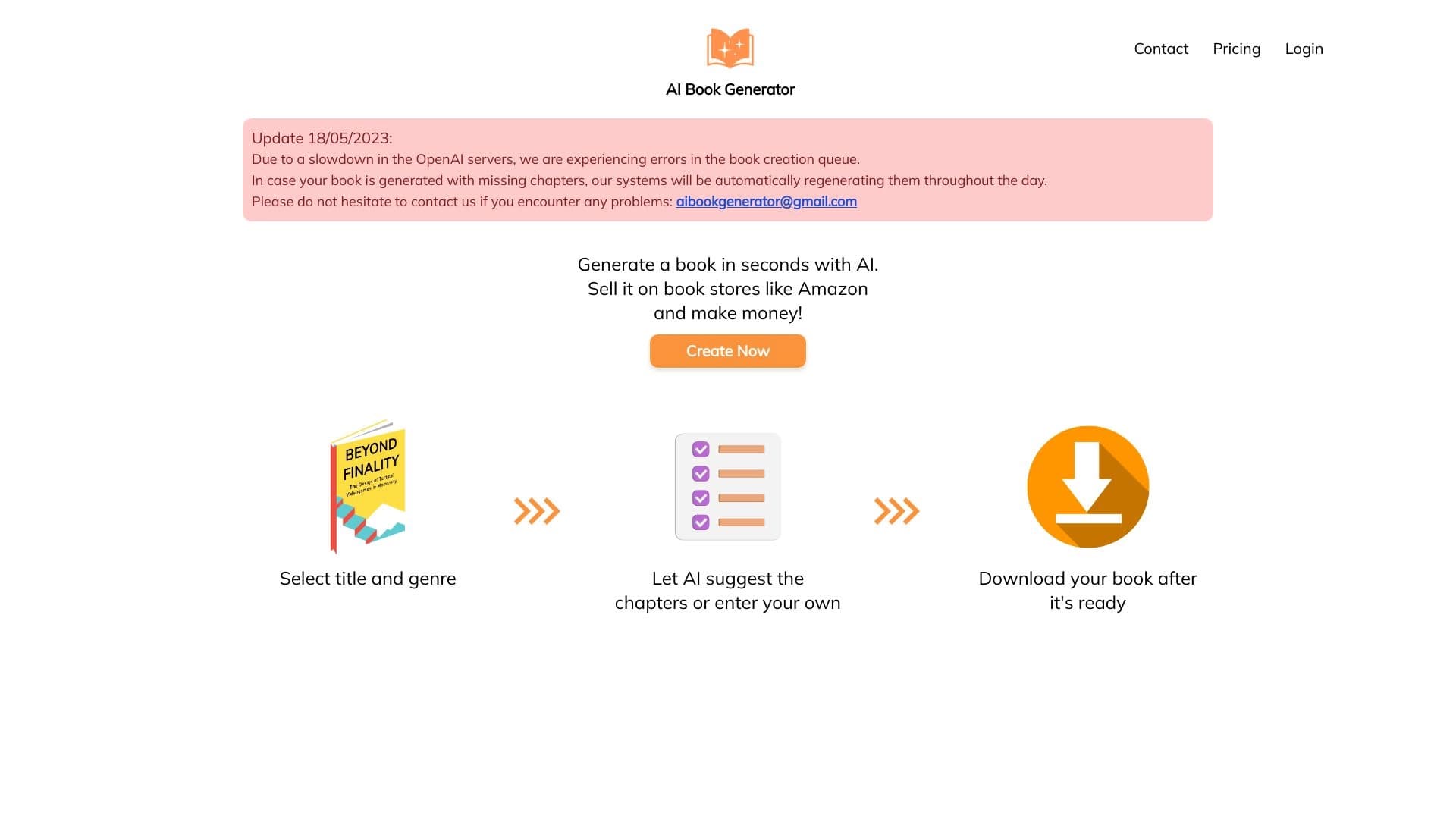

Сервис для быстрой генерации электронных книг по заданной теме.
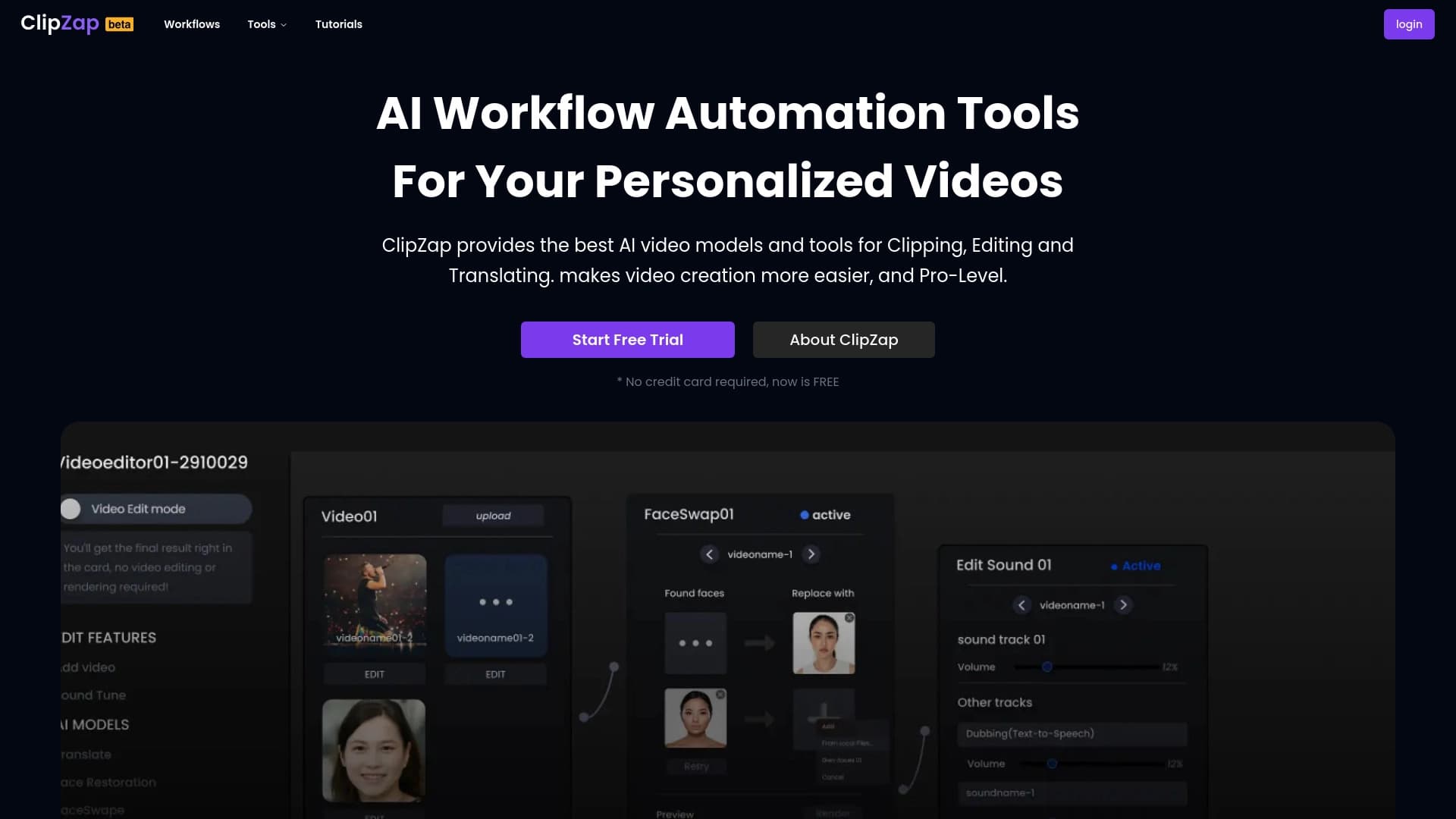

Платформа для автоматизированного создания, редактирования и перевода видеоклипов с помощью ИИ.
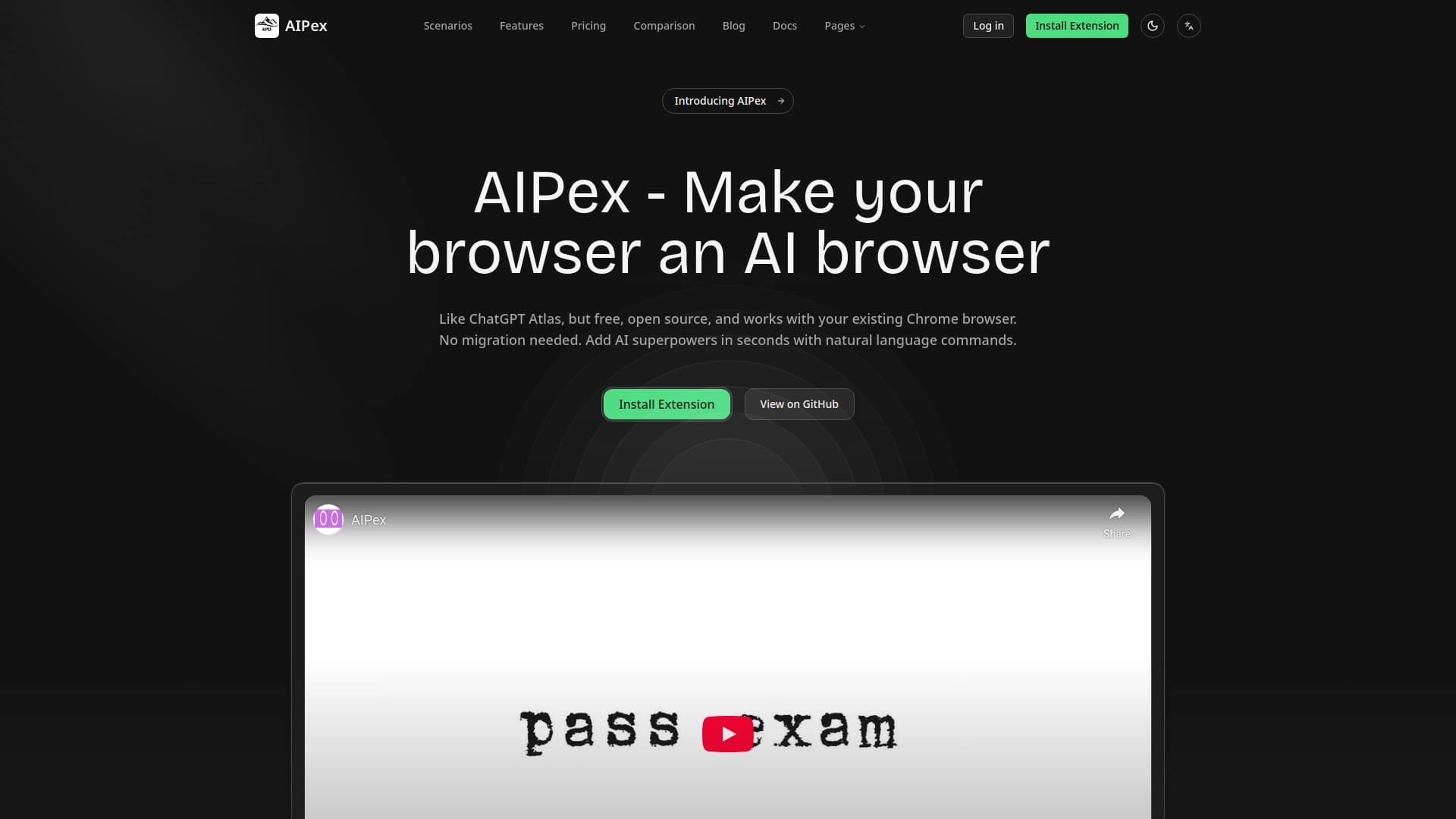

Расширение для Chrome, которое помогает управлять вкладками, историей и закладками с помощью ИИ-ассистента.
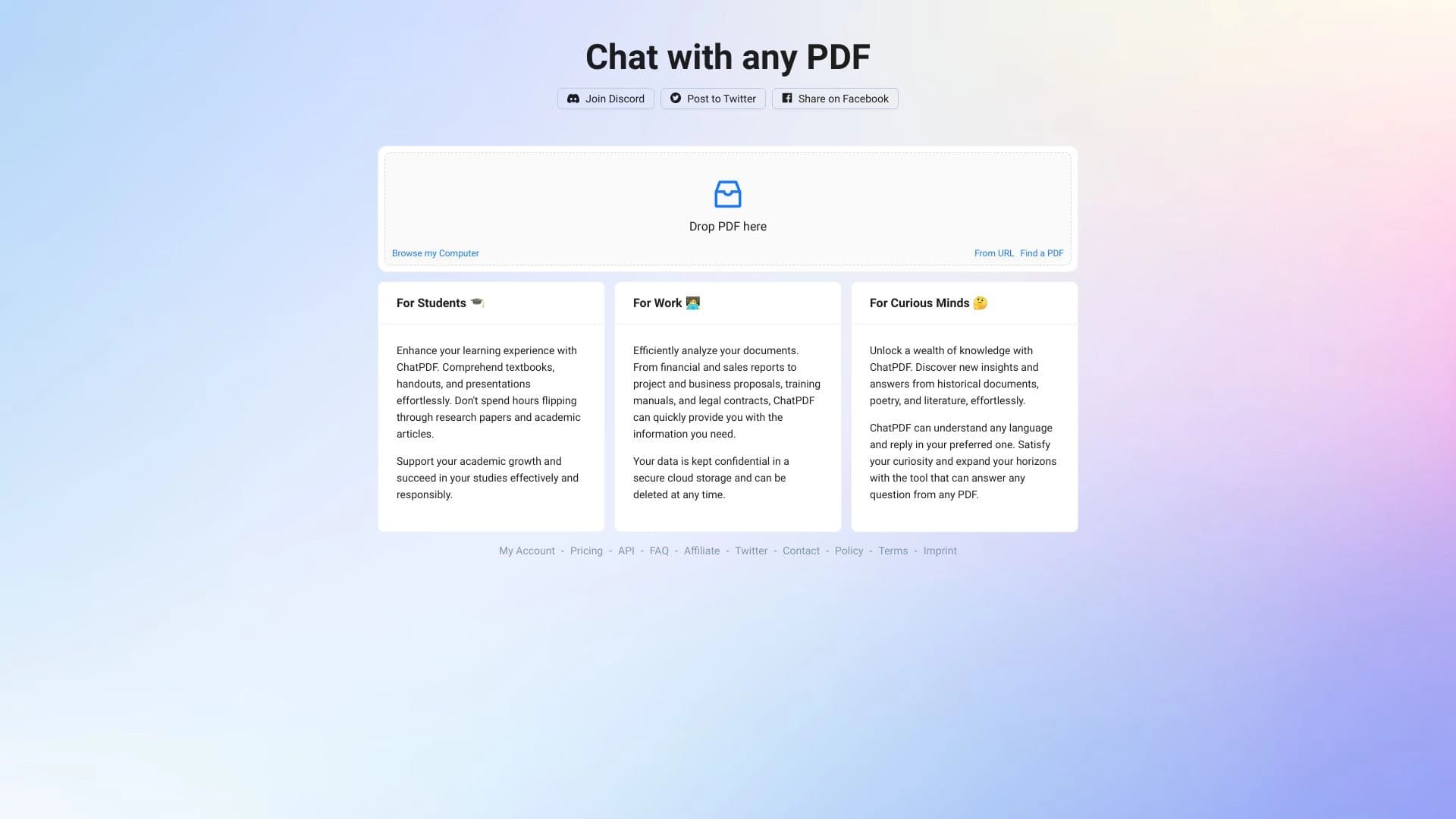
Онлайн-сервис, который позволяет общаться с PDF-документами в чате: задавать вопросы и получать краткие ответы с указанием источника.
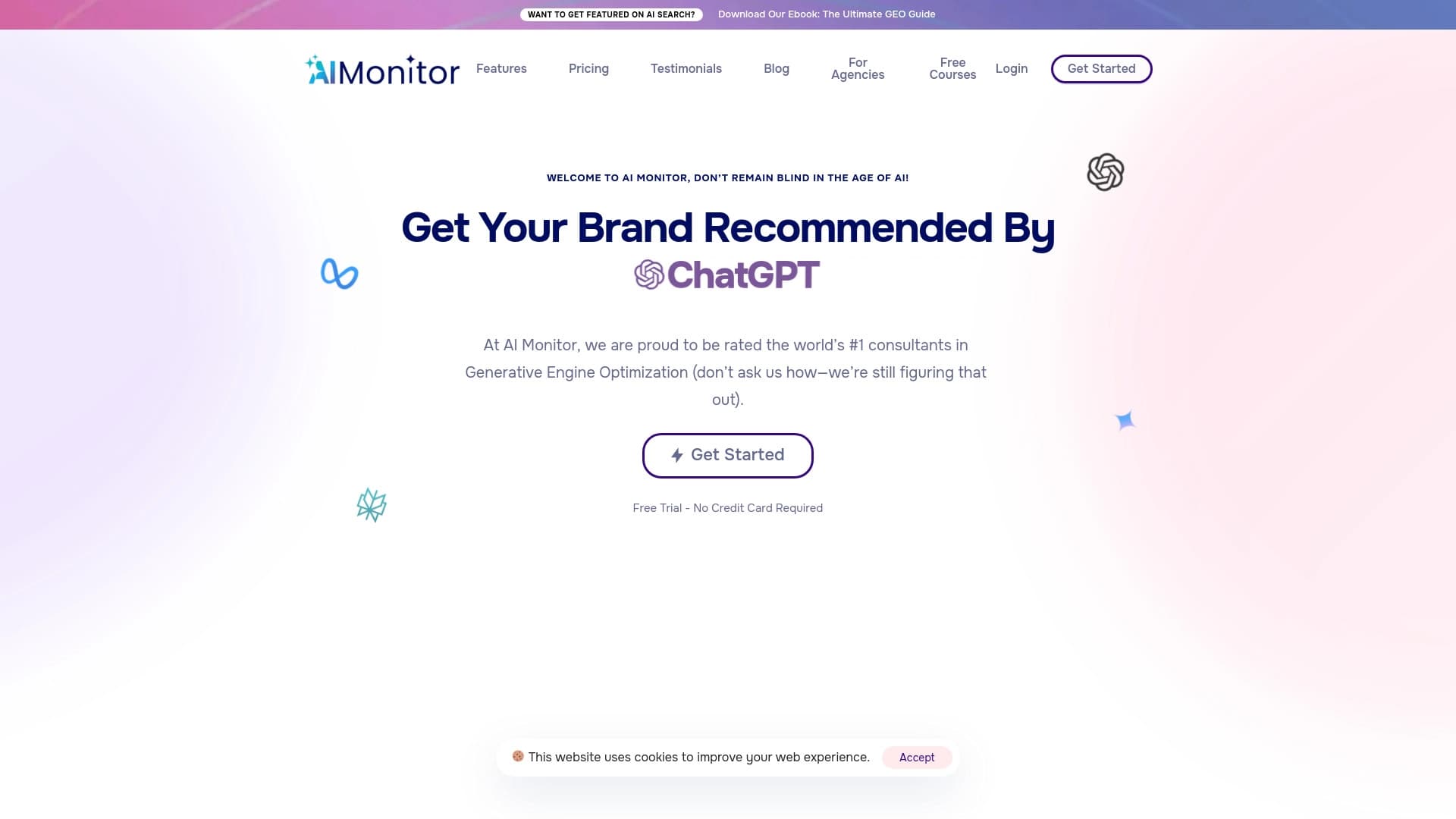

Сервис для отслеживания упоминаний бренда в ответах генеративных нейросетей.
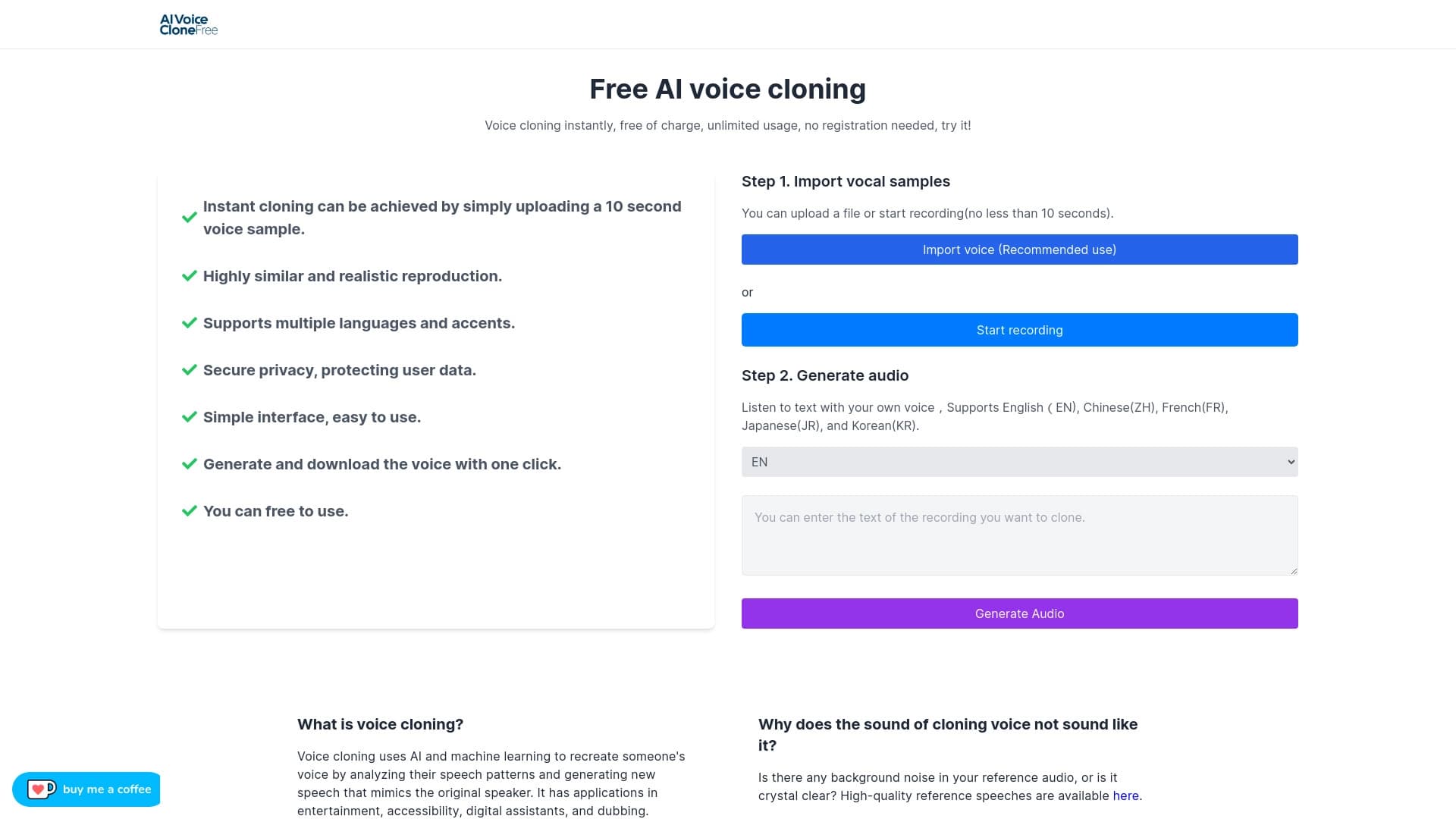
Онлайн-сервис для создания реалистичного клона голоса по короткой аудиозаписи и озвучивания текста.
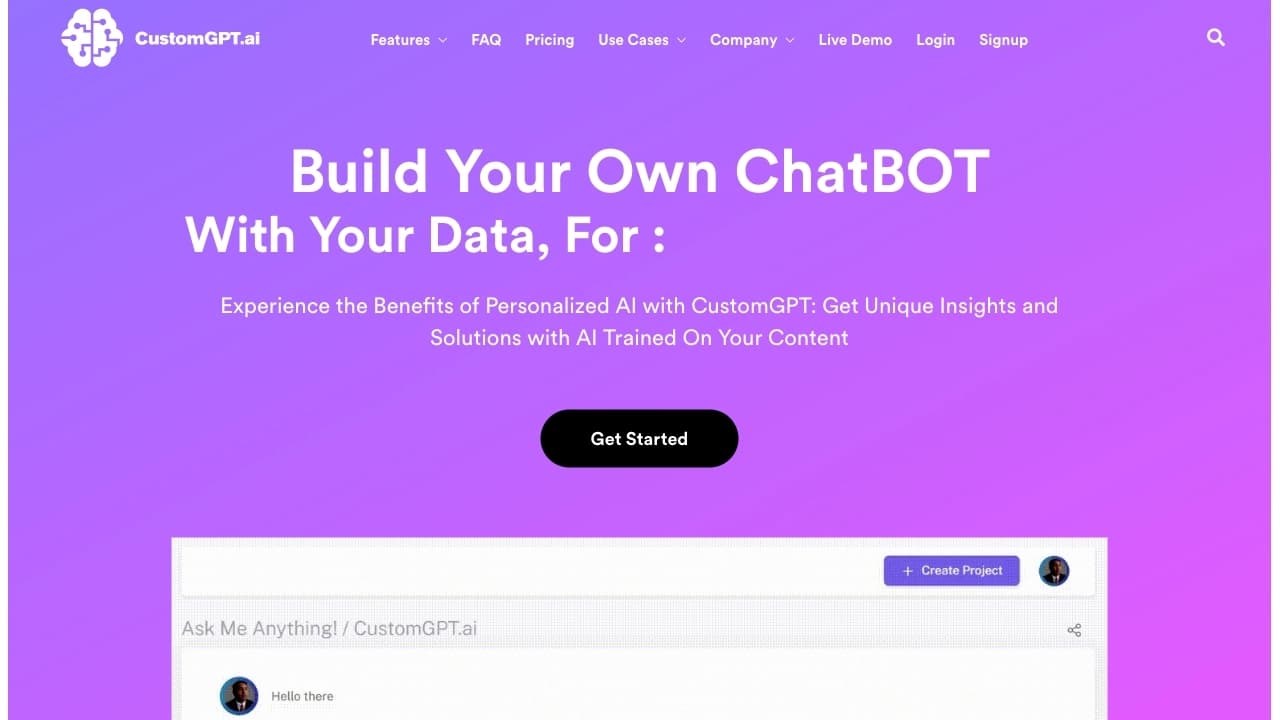

Платформа для создания корпоративных чат-ботов на основе собственных документов без программирования.

Платформа с искусственным интеллектом для анализа финансовых данных и поддержки инвестиционных решений.