

Audiomatic
Audiomatic automatically dubs videos and audio into other languages while preserving the original voice.

Overview
Audiomatic Neural Network Description
Audiomatic is a web service for automatic video and audio dubbing into other languages. The tool's main feature is preserving the original speaker's voice in the translated version.
How the Technology Works
Instead of classic text-to-speech synthesis from scratch, the service analyzes the original audio track, extracts the speaker's vocal characteristics, and creates a cloned voice model. Based on this model, the neural network generates new voiceover in the target language, replicating the timbre, speech manner, and intonation patterns of the original. The result is not a faceless machine translation but naturally sounding speech that is nearly indistinguishable from a live recording.
Areas of Application
The service is designed for video content localization tasks. By automating processes that previously required hiring voice actors and sound engineers, users can adapt their materials for new markets and audiences many times faster. Translation is performed automatically, without manual processing.
Audiomatic Features
| Feature | Value |
|---|---|
| Type | Automatic video dubbing with voice cloning |
| Categories | Video translation, Voice cloning |
| Platforms | Web application (audiomatic.app) |
| Distribution model | Not specified |
| Free tier | Not specified |
| Interface languages | Not specified |
Who Is Audiomatic Suitable For?
Video Content Creators
The tool will be useful for video bloggers and YouTube channel creators who want to expand their audience with viewers from other countries. There's no need to record tracks manually or hire voice actors — just upload a finished video, and the service will create its multilingual version.
Podcasters and Online Schools
Podcast hosts and educators can quickly translate their episodes and lessons into foreign languages while preserving the host's recognizable voice. This makes it possible to enter new markets without losing their personal brand.
Business Teams
Marketing departments and international companies can use the service to localize advertising videos, presentations, employee training materials, and corporate videos. Reducing the time needed to prepare versions for different regions allows campaigns to be launched faster.
How to Use Audiomatic?
Step 1: Upload the Source File
The user uploads a video or audio file to the service through the web interface. The system automatically detects the audio track and analyzes the speaker's voice.
Step 2: Select Target Languages
At this stage, the user selects the languages into which the content should be translated. You can choose one language or several at once to prepare versions for different markets in a single session.
Step 3: Generate the Result
After selecting languages, the service independently creates new tracks with the cloned voice. No manual synchronization or parameter adjustment is required — the process is fully automatic.
Key Features of Audiomatic
- Automatic translation and dubbing — the service processes audio and video without human involvement, turning the source material into a translated file.
- Voice cloning — a copy of the voice from the original track is created, preserving intonations, timbre, and pronunciation characteristics.
- Creating multilingual versions — a single uploaded file can be converted into multiple language versions at once, building a library of localized content.
Advantages of Audiomatic
Natural Speech Quality
Thanks to voice cloning, the final voiceover is perceived as the live speech of a specific person rather than a mechanical synthesizer. This is important for retaining viewer attention and maintaining a trustworthy tone of communication with the audience.
Time Savings
The localization process that could traditionally take weeks is reduced to a few minutes. Users don't need to find voice actors, pay for studios, or wait for track mixing.
Easy Entry into New Markets
Thanks to the low barrier to entry and automation, testing hypotheses becomes simpler: you can quickly translate one video and gauge the reaction of a foreign audience before investing in large-scale localization.
Disadvantages of Audiomatic
Public sources do not specify the service's limitations, such as file duration limits, translation quality for rare languages, or requirements for the original audio track quality. There is also no information about the availability of a free tier — this should be checked directly on the website.
What Problems Does Audiomatic Solve?
- Automatic translation and voiceover — allows translating video or audio into another language without manual work.
- Preserving the original speaker's voice — the service's key task, distinguishing it from simple translators with synthesized voiceover.
- Fast content localization — needed for simultaneously adapting materials for multiple markets.
- Building a library of multilingual versions — accumulating translated versions of videos for reuse and publication on different platforms.
Audiomatic Pricing
Specific plans and service usage costs are not disclosed in available sources. To get up-to-date pricing information, you need to visit the official website audiomatic.app and review the terms.
Audiomatic Terms of Use
Exact terms of use, including registration requirements, restrictions on commercial use, and licenses, are not specified in the documentation. Before starting work, it is recommended to review the user agreement and privacy policy on the service's website.
Audiomatic Availability
The service is available at audiomatic.app; signing in requires an account. The web interface does not require installing additional software — a browser and internet access are sufficient.
How Audiomatic Differs from Alternatives
Audiomatic's main difference from competitors is the deep integration of voice cloning into the automatic dubbing process. While many services offer either simple speech synthesis or manual adjustment, Audiomatic focuses on maximizing the preservation of the original timbre and intonations. This makes it a suitable tool for tasks where the speaker's personal style matters.
Similar tools on the market include Fish Audio and Dubbing AI, but they offer different approaches: for example, Dubbing AI works as a real-time voice changer, while Audiomatic is aimed at post-processing finished files. Creata AI, Jellypod, and Translate This Video are also considered close in functionality — each solves similar tasks but with different emphases.
Conclusion
Audiomatic is a specialized tool for automatic video and audio dubbing using voice cloning technology. The service is aimed at content creators, podcasters, educational platforms, and business teams that need to quickly adapt materials for different languages. By preserving the timbre, intonations, and speech manner of the original speaker, the service allows content localization without losing individuality. The tool's main advantages are processing speed, natural-sounding results, and the ability to create multilingual versions of a single file. For a final purchasing decision, it's worth reviewing the pricing on the official website.
Frequently asked questions
See also
Service for creating personalized avatars and photo shoots using AI based on uploaded selfies.

Aimi is a service that automatically creates music and voiceovers for videos by analyzing the video footage.

Service for transforming AI-generated text into a more natural-looking form that is harder for artificial intelligence detectors to recognize.
A community platform for discovering, publishing, and sharing open AI image generation models.
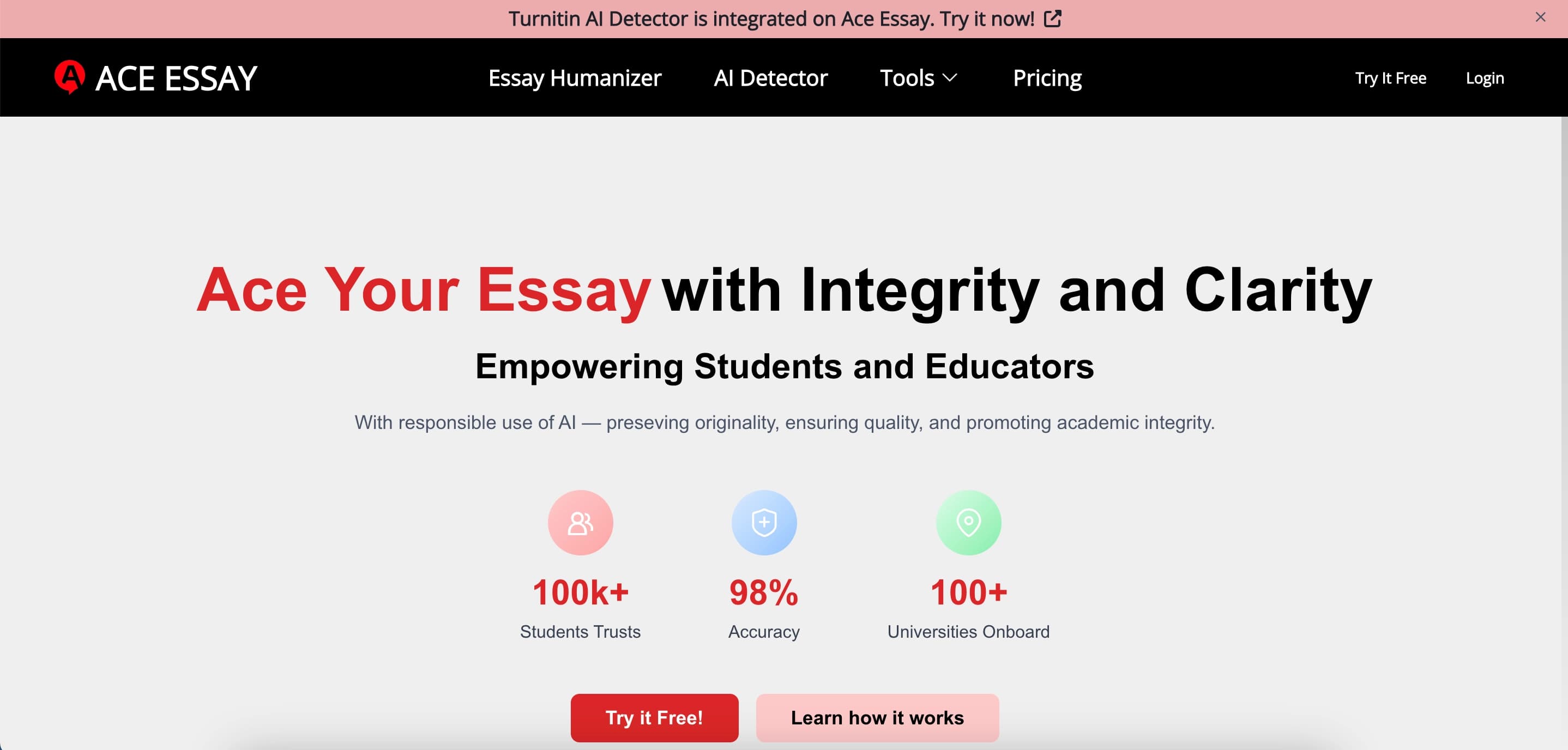

Online service for rewriting texts to make them look human-written and bypass AI detectors.
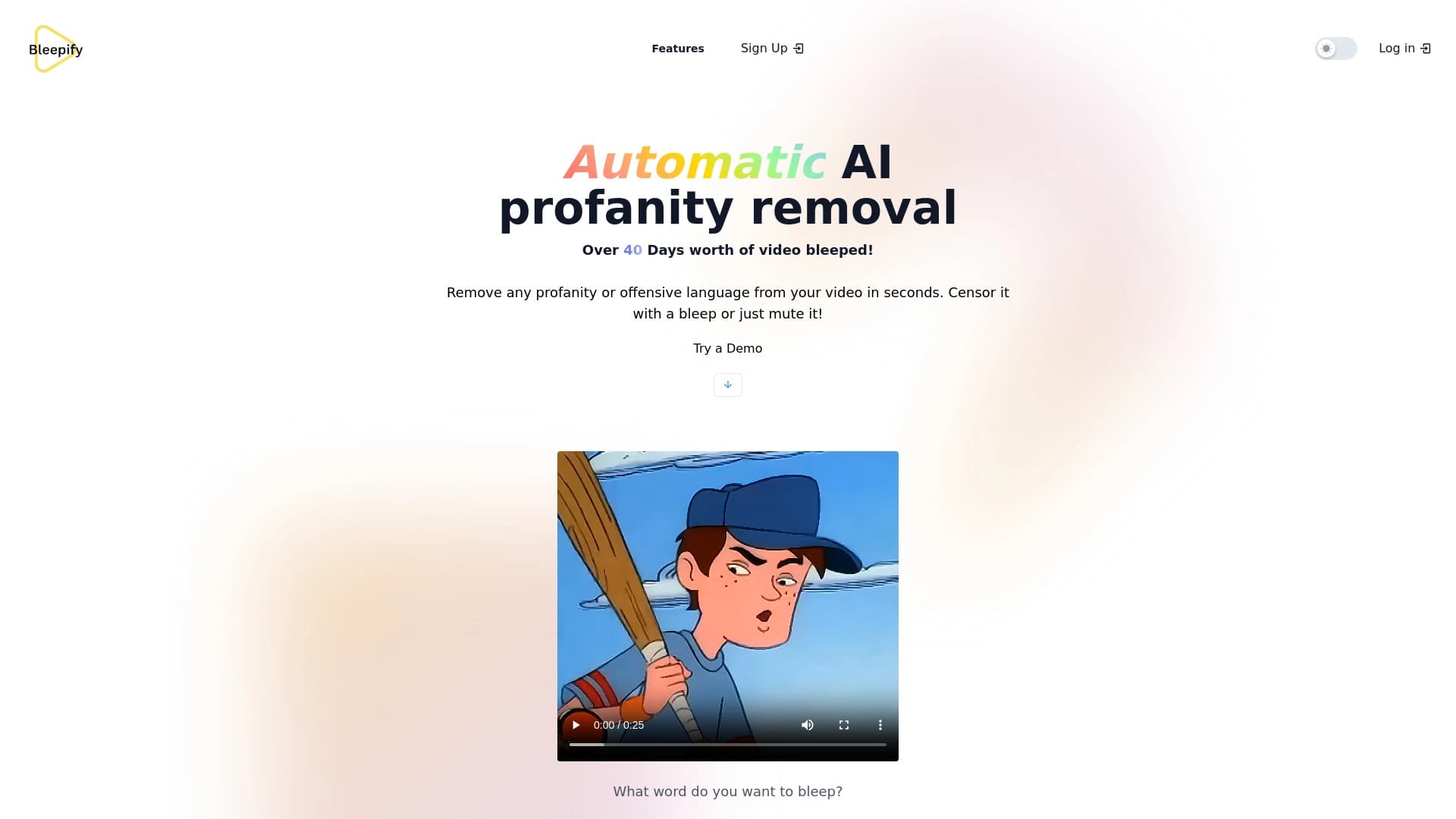

Bleepify automatically detects and bleeps out profanity in video and audio.
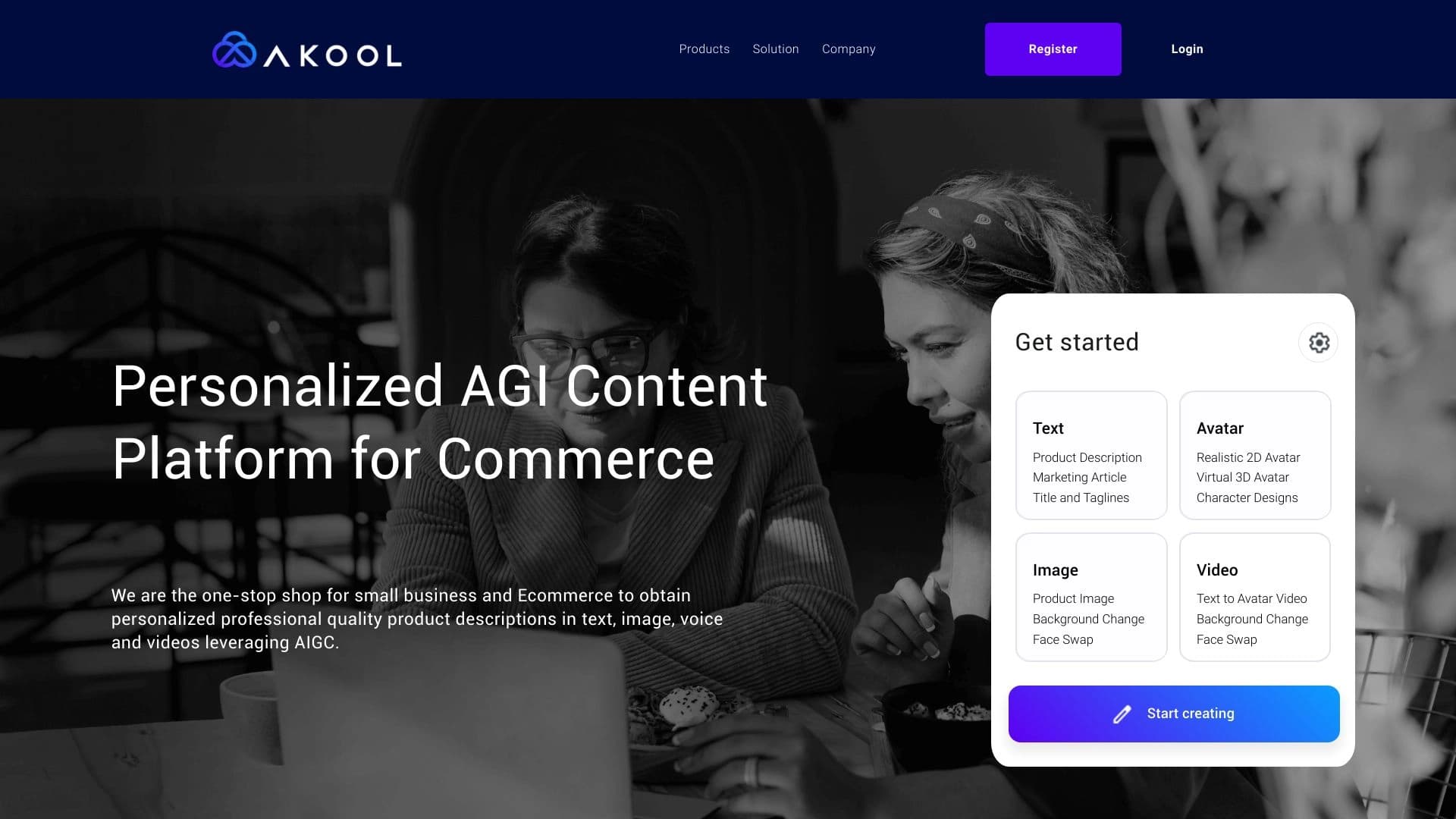
Platform for generating videos, images, and digital avatars using AI.

A platform for creating and interacting with AI characters, each with their own personality and story.