

Atom Limbs
Platform for developing and supporting bionic prostheses using neural networks.

Overview
Atom Limbs is a specialized neural network platform designed for the development and improvement of bionic prosthetics, as well as for supporting medical research. The tool operates through a web interface and is positioned as a technological solution at the intersection of robotics and healthcare. The platform's main goal is to accelerate the process of creating smart prosthetics, enhancing their functionality and adaptability through machine learning algorithms. The system allows for modeling, testing, and implementing solutions that help people with disabilities restore lost motor functions.
The platform is not a mass-market product and is aimed at the professional community. Access to the service is subject to certain regional restrictions, which may impose limitations on the geographic reach of the tool, but does not diminish its value for specialists working in the field of biomedical engineering.
Purpose and Core Technology
The core technology of Atom Limbs lies in applying neural network algorithms to process signals, control prosthetics, and adapt them to the individual characteristics of each patient. Neural networks are used to analyze muscle activity, predict movements, and generate natural behavior for artificial limbs. This enables the creation of prosthetics that respond better to commands from the human nervous system.
Web Platform as the Primary Environment
Atom Limbs functions as a web platform, simplifying access to the tool from various devices and ensuring centralized software updates. Users do not need to install heavy software on local machines—all computations are performed remotely. This approach, however, makes the service dependent on a stable internet connection and subject to regional access restrictions.
Professional Focus
The tool is designed for a professional audience. Developers of robotic devices, researchers, and physicians can use the platform for conducting experiments, collecting data, and calibrating prosthetics. The solution is suitable for clinical practice as well as for research activities in the field of rehabilitation medicine.
Atom Limbs Features
| Feature | Value |
|---|---|
| Editor's Rating | 7.9 out of 10 according to NeuroFolder criteria |
| User Rating | 4.7 |
| Platforms | Web |
| Category | Health, Robots & Devices, Universal |
| Target Audience | For doctors, for all types of activities |
| Main Functions | Development of bionic prosthetics, support for medical research |
| Tasks | Healthcare tasks, development of robots and devices |
Who is Atom Limbs suitable for?
Medical Specialists and Doctors
Atom Limbs is primarily designed for doctors and medical professionals involved in prosthetics and patient rehabilitation. The platform provides clinicians with tools for selecting prosthetic parameters tailored to individual patients, adjusting sensor sensitivity, and evaluating the effectiveness of recovery procedures. Doctors can use neural network algorithms to monitor patient progress and adjust treatment plans based on objective data.
Engineers and Robotics Developers
Roboticists and engineers working on creating bionic devices will find in Atom Limbs an environment for prototyping and testing new designs. The platform supports the development process from concept to practical implementation, offering capabilities for simulating and modeling prosthetic behavior under various conditions. Researchers can use the collected data to improve control algorithms and expand device functionality.
Research Sector
For scientists studying neural interfaces and human-machine interaction, Atom Limbs opens up opportunities for conducting experiments and collecting clinical data. Through the integration of neural network technologies, researchers can analyze large datasets on motor activity and develop new rehabilitation methods. This makes the platform valuable not only in clinical but also in academic settings.
How to use the Atom Limbs neural network?
Getting Started with the Platform
Using Atom Limbs requires a web browser and access to the platform's official website. Given regional restrictions, users from certain countries may need to configure a VPN connection beforehand. After successful login, an interface opens where you can create new projects, upload patient data, and run simulation processes.
Key Use Cases
The primary workflow involves uploading user biometric data (e.g., electromyographic signals) and subsequent processing by the neural network. The system analyzes muscle activity patterns and generates settings for the prosthetic. Engineers can iteratively modify design parameters while observing simulation results in real time. Doctors, in turn, can track clinical indicators and adapt training regimens.
Integration into Clinical Practice
For medical applications, the platform serves as an auxiliary diagnostic and rehabilitation tool. Specialists use data obtained from the neural network to create individualized recovery programs. A doctor can monitor changes over time and adjust prosthetic settings remotely, minimizing the need for patient visits to the clinic.
Key Features of Atom Limbs
Development of Bionic Prosthetics
The platform provides a full-cycle support for designing bionic limbs. Neural network algorithms allow modeling prosthetic responses to various nerve impulses, which is critical for creating devices with high control precision. Simulation tools help engineers verify design functionality before physical prototyping.
Support for Medical Research
Atom Limbs includes functionality for collecting, storing, and analyzing clinical data. Research groups can use the platform for conducting multicenter studies, sharing data, and standardizing methods for evaluating prosthetic effectiveness. Integration with neural networks enables the identification of hidden patterns in recovery processes that are inaccessible to traditional analysis methods.
Adaptive Calibration and Learning
Another feature is the adaptive tuning of the prosthetic to the individual characteristics of the patient. The neural network can learn from each specific user, gradually improving the recognition of their motor intentions. This makes using the prosthetic more natural and reduces the cognitive load on the individual.
Advantages of Atom Limbs
High Precision and Adaptability
A key advantage of Atom Limbs is the use of neural networks, which provide high accuracy in signal recognition and adaptation to the individual motor characteristics of the patient. The platform can learn from new data, improving prosthetic control quality over time.
Web Accessibility and Centralization
Working through a web interface eliminates the need for users to install complex software, simplifies system updates, and provides access to the latest algorithm versions. All computations are performed on servers, reducing hardware requirements at workstations.
Professional Research Support
The platform is suitable not only for practical applications but also for scientific research. Data collection and analysis tools make Atom Limbs a valuable resource for research groups working on neuroprosthetics challenges. Integration with medical data allows building an evidence base for new treatment methods.
Disadvantages of Atom Limbs
Limited Geographic Availability
A significant limitation is the inability to access the platform from certain regions without using a VPN. This creates inconvenience and potential legal risks for professional users. The VPN requirement may also reduce connection speed and cause data transmission issues.
Narrow Focus
Atom Limbs is oriented toward a fairly limited range of tasks—prosthetic development and medical research. The platform is not a universal tool, so it is not suitable for general use or adjacent fields. Potential users needing broader medical AI solutions will have to consider other options.
Lack of Transparent Pricing Policy
Information about the cost of using the platform is not disclosed in available sources. For commercial organizations and private practitioners, this can be an obstacle when planning budgets. The absence of open pricing information makes it difficult to assess the economic feasibility of implementing the tool.
What tasks does Atom Limbs solve?
Healthcare and Clinical Practice
Atom Limbs is directly used to address healthcare challenges related to restoring motor functions in patients with amputations and congenital limb pathologies. The platform helps doctors select and configure prosthetics, reducing patient adaptation time and improving their quality of life. The system is also used to evaluate the effectiveness of rehabilitation programs and adjust treatment based on objective neural network data.
Development of Robots and Devices
Engineering tasks are addressed through the creation and refinement of bionic mechanisms. Atom Limbs acts as a constructor and simulator, allowing development teams to test new control algorithms and design solutions. The platform accelerates the time-to-market for innovative prosthetics and smart devices, increasing their accessibility for people with disabilities.
Scientific Research in Neural Interfaces
The platform provides researchers with tools for studying the interaction between the human nervous system and artificial devices. Tasks include signal analysis, statistical data processing, and machine learning. This paves the way for creating more advanced neural interfaces that will find applications not only in medicine but also in other fields, such as general-purpose robotics.
Atom Limbs Pricing
Current pricing and distribution models for Atom Limbs are not disclosed in available sources. It is unknown whether the platform operates on a subscription model, one-time payment, or offers a free tier for researchers. The lack of public pricing information does not allow for a comparative cost analysis with competitors. For accurate data, it is recommended to contact the development team directly through the official product website.
Terms of Use for Atom Limbs
The terms of use for the platform are directly related to its target audience—medical professionals and engineers. Professional use of the tool is implied, which entails compliance with ethical standards and medical legislation when handling patient data. Working with personal data will likely require adherence to local regulatory requirements (e.g., HIPAA or GDPR).
Technical requirements include a modern web browser and a stable internet connection. Since the platform may be accessed from certain regions via VPN, the user is responsible for ensuring legal access to the service. It is also worth noting that using the tool may require verification of professional status; however, the exact registration and verification procedure is not described in open sources.
Atom Limbs Availability
Atom Limbs is available as a web platform. It is a cross-platform solution that works on any operating system with a modern browser. The main limitation is geographic blocking: the tool is not directly accessible from certain regions. Using a VPN for access is a workaround technical solution, though the company's official stance on such actions is unclear.
It is worth noting that the web interface means there is no offline mode. Full functionality of Atom Limbs requires a constant connection to the platform's servers. This should be considered when planning clinical sessions or field research where network access may be unstable.
How Atom Limbs differs from alternatives
There are several alternative AI solutions in the healthcare sector on the market. However, Atom Limbs occupies a unique niche, as most of these alternatives are focused on diagnostics and medical image analysis rather than robotics.
The key difference of Atom Limbs is its specialization in bionics and prosthetic development. While competitors primarily work with data in a "doctor-patient" format, Atom Limbs covers the "engineer-robot-patient" connection. The platform combines medical research with engineering tasks, making it valuable for interdisciplinary projects. Alternatives do not have tools for managing hardware or are not designed for calibrating physical devices.
The professional focus and regional access requirements make Atom Limbs more complex for mass adoption compared to clinical alternatives, which typically have local versions and are easier to deploy. This creates both a barrier to entry and specialized value for those specifically engaged in bionic prosthetics.
Conclusion
Atom Limbs is a specialized neural network platform that addresses current challenges in the development of bionic prosthetics and medical research. The tool is oriented toward professional users: doctors, engineers, and researchers, providing them with the ability to create advanced devices for restoring motor functions. High user ratings and a solid editorial score confirm the platform's quality. At the same time, regional access restrictions, narrow focus, and the lack of transparent pricing may hinder the tool's widespread adoption. Nevertheless, for its niche, Atom Limbs appears to be a technologically advanced and promising solution capable of making a significant contribution to the development of wearable robotics and rehabilitation medicine.
Frequently asked questions
See also


AI assistant for doctors that automatically creates structured SOAP notes from appointment audio recordings.


Neural network for automating the analysis of lumbar spine MRI and report preparation.


AI platform for CRM automation, call analytics, and real-time sales training.
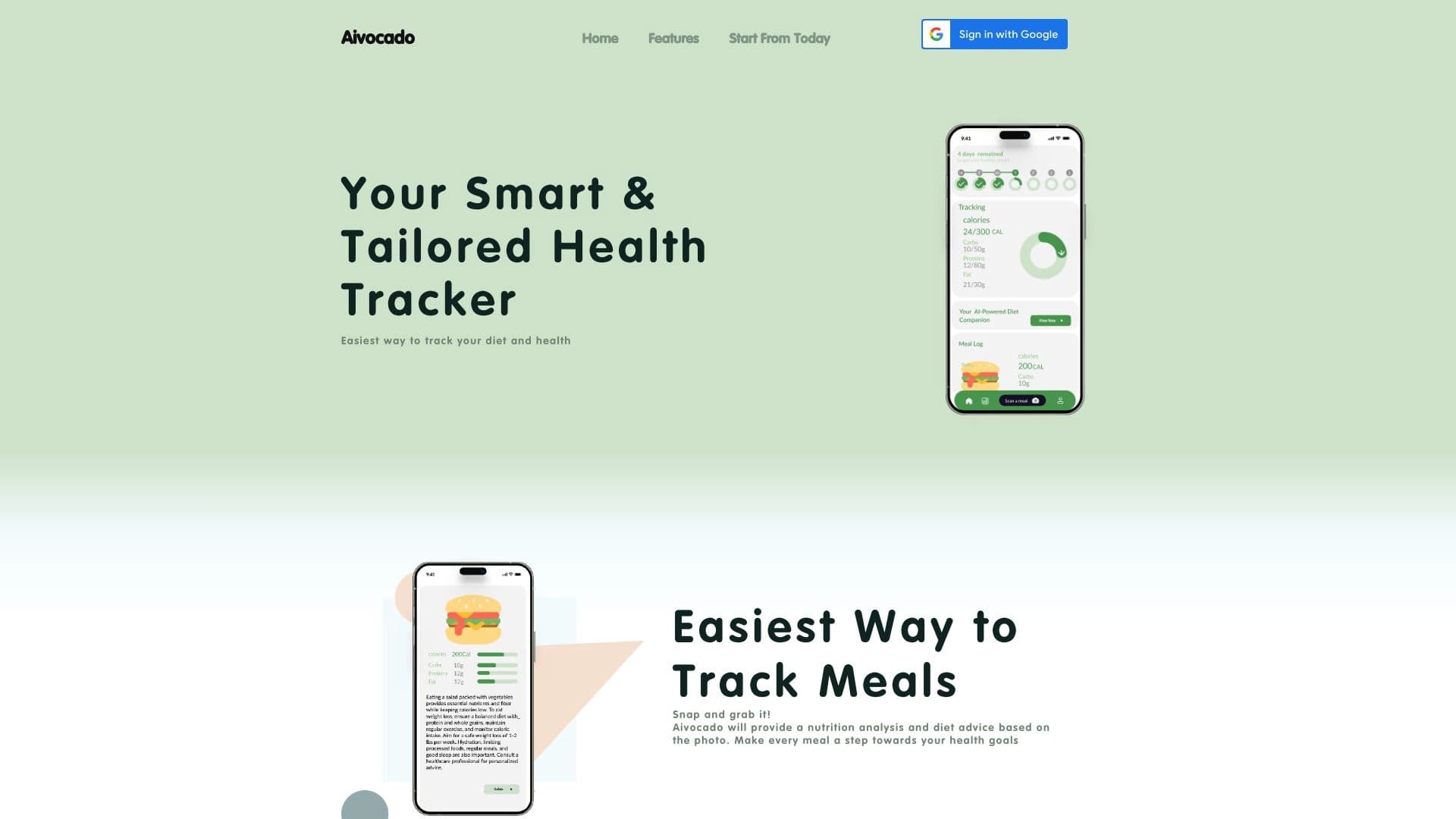
AI service for analyzing nutrition and creating personalized meal plans based on food photos.
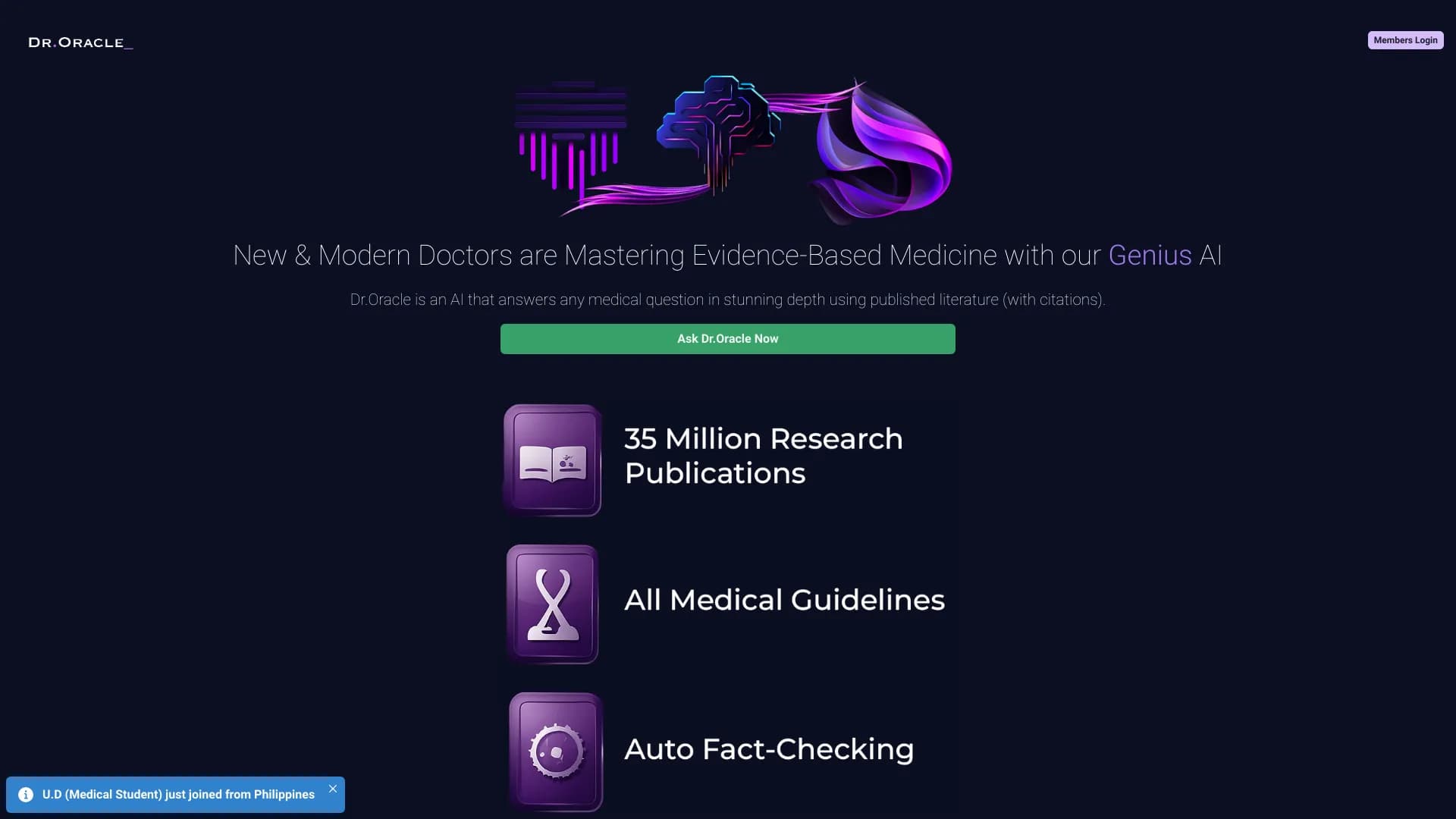
AI platform for medical research and consultations, providing structured answers based on clinical guidelines.
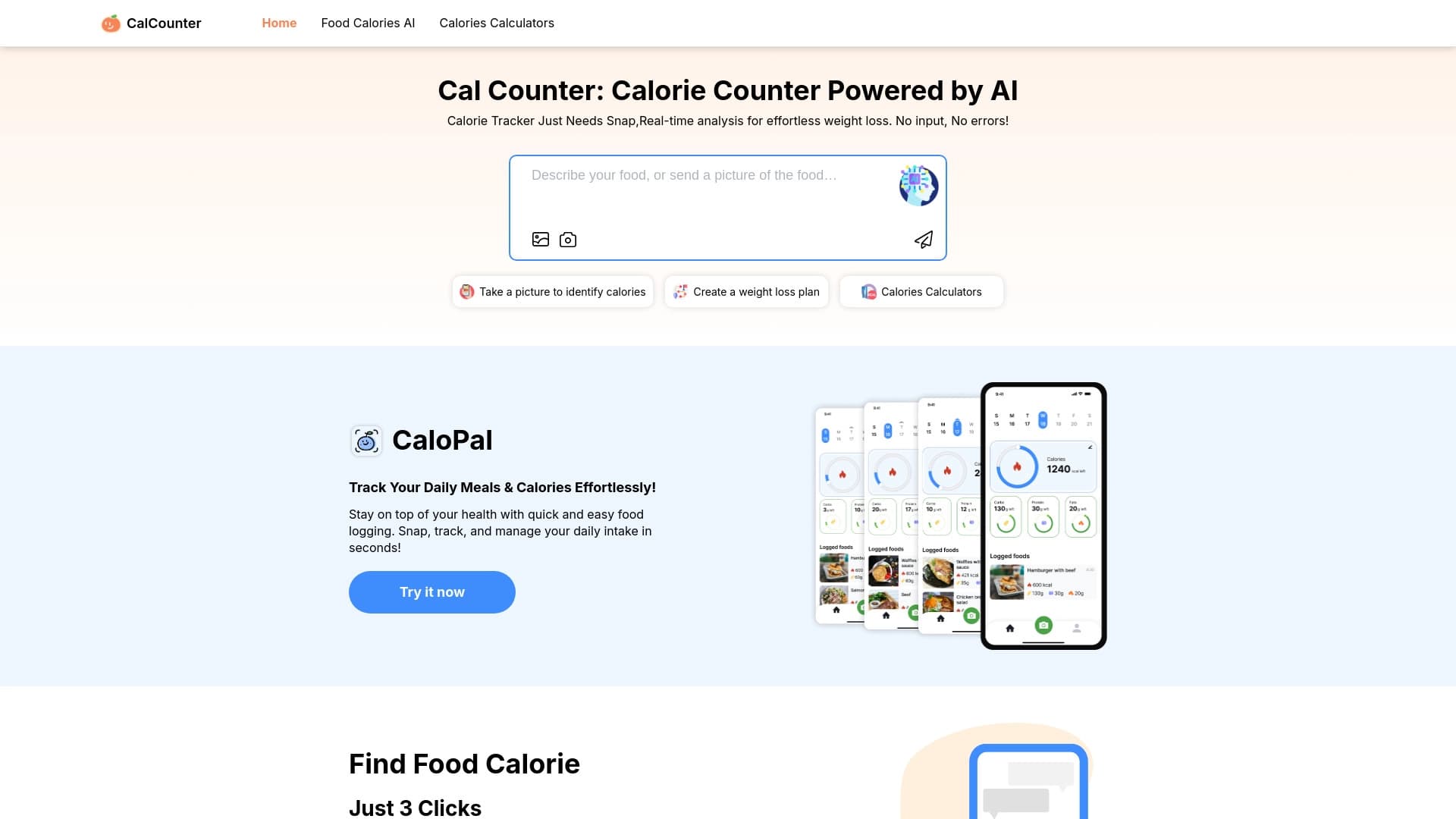
AI tool for counting calories from a photo of food.

A multifunctional chatbot from OpenAI that works with text, images, audio, and video in a single conversation.

AI assistant for analyzing medical documents and blood test results.