
AskThee
A platform for conversations with AI simulations of famous historical figures, such as Einstein or Socrates.
Overview
AskThee Neural Network Description
AskThee is a web service that offers an unusual format for interacting with history: instead of reading biographies or watching documentaries, users can directly ask a question to a digital reconstruction of a personality. The platform uses artificial intelligence to create conversational simulations of famous philosophers, scientists, and artists.
How It Works
The service is based on technology that analyzes a corpus of a specific character's texts — their books, letters, speech transcripts, and diaries. Based on this data, the neural network learns to imitate not only vocabulary and writing style but also the thinking patterns characteristic of the personality. When a user asks a question, the system generates an answer stylistically indistinguishable from how the historical figure themselves might have responded.
The Concept of Mindful Communication
The main feature of AskThee is the limit on the number of questions. Users get only three interactions with the "great minds" per day. This approach deliberately shifts the focus from endlessly spamming questions toward formulating truly important and well-thought-out queries. It turns the process from mere entertainment into a meditative practice where the value of each answer increases.
AskThee Features
| Feature | Value |
|---|---|
| Business Model | Freemium (free model with potential paid expansions in the future) |
| Categories | Entertainment, Chatbots, Free Tools |
| Usage Limit | 3 questions per day (on the free plan) |
| Number of Characters | Over 25 historical figures |
| Language Support | Multilingual (supports queries in different languages) |
| Platform | Web application (askthee.vercel.app) |
| Technology | Speech style imitation based on real works and statements |
Who Is AskThee For?
AskThee is a tool for those who don't want to be limited to dry facts from textbooks and seek to understand the inner world of great people.
Curious Researchers
First and foremost, the service will appeal to inquisitive minds with a genuine interest in history, philosophy, and science. Instead of reading someone else's opinion about Socrates or Einstein, users get a unique opportunity to "hear" their point of view directly (albeit simulated by an algorithm).
Students and Self-Learners
The platform can be a useful supplement to the learning process. Students of philosophy or history departments will find it interesting to test their hypotheses by asking Nietzsche or Aristotle a question. This allows a fresh perspective on academic topics without replacing classical education, serving instead as a vibrant addition to it.
Those Seeking Inspiration
Creative people and entrepreneurs may look for motivation or unconventional advice. Conversing with a simulation of Steve Jobs or Marie Curie could spark bold ideas and help them see familiar work challenges differently.
How to Use AskThee?
The process of interacting with the service is extremely simple and requires no special technical skills.
Getting Started
There's no need for complex registration or installing additional software. Simply go to askthee.vercel.app through any browser on your computer or mobile device.
Choosing a Conversational Partner and Dialogue
The main page presents a catalog of available personalities. Select the character you're interested in (e.g., Einstein or Leonardo da Vinci), click on them, and enter your question in the designated field. Within seconds, the system generates a response in the style of the chosen figure. It's important to remember the daily limit: you only have three attempts, so it's worth thinking ahead about what you want to ask.
Key Features of AskThee
Despite its apparent simplicity, the service has a set of features that make it an interesting tool.
Catalog of Historical Figures
The database includes over 25 characters, including philosophers (Socrates), physicists (Albert Einstein), IT entrepreneurs (Steve Jobs), artists, and other prominent figures. Each character is a separate model with its own unique personality and communication style.
Authentic Response Stylization
The main technical feature is generating responses based on primary sources. The neural network doesn't just output facts from Wikipedia; it formulates thoughts the way the original character would, using their characteristic turns of phrase and reasoning.
Multilingual Support
AskThee understands queries and responds in different languages. This makes the platform accessible to users worldwide and allows practicing foreign languages by conversing with a great mind in their native tongue.
Conversation Depth Limitation
The limit on the number of questions (3 per day) is not just a restriction but a well-thought-out feature. It encourages users to formulate more substantive and important questions, filtering out secondary ones, thereby improving the quality of the dialogue.
AskThee Advantages
The platform has several strengths that set it apart from other entertainment AI projects.
- Completely free access: Currently, the service requires no payment, making it accessible to the widest audience.
- Interactive learning format: Live dialogue is remembered much better than reading an article. This allows a deeper appreciation of philosophy and history, turning tedious memorization into an engaging game.
- Global accessibility: Thanks to multilingual support, the entry barrier for non-English-speaking users is practically nonexistent.
- Depth over quantity: The 3-question limit instills discipline and encourages valuing each answer, fostering thoughtfulness and an analytical approach to formulating queries.
AskThee Disadvantages
The service is at an early stage of development and has obvious limitations worth considering.
- Strict question limit: For those wanting a long, thorough conversation, three questions a day will be far too few. This restriction makes it impossible to fully explore a topic in one sitting.
- Limited character depth: The simulation is based on works, but AI cannot account for the full complexity and contradictions of a personality, especially when little information about them has survived.
What Problems Does AskThee Solve?
AskThee aims to address two key challenges for the modern user:
- Educational challenge: The platform allows studying history and philosophy through the lens of personal conversational experience. This promotes better information retention and critical thinking development, as users must analyze responses and ask follow-up questions within the existing limit.
- Communication challenge: The service offers a unique opportunity to feel like an interlocutor of a great person. This satisfies natural human curiosity and the need to communicate with a wise mentor, albeit in a virtual format.
AskThee Pricing
Currently, AskThee operates on a freemium model. This means the core functionality, including access to all characters and the ability to ask questions, is provided for free.
There is currently no information about paid plans with expanded limits or additional features. Users can utilize all available service capabilities without making any payment.
AskThee Terms of Use
The main condition for using the service is adhering to the daily limit on the number of questions. Currently, the rule is: no more than 3 questions per day per user. This restriction applies equally to all registered (or anonymous) users.
It's worth noting that this rule is in place to encourage dialogue quality, so formulate your queries as precisely as possible to get the most detailed and useful response.
AskThee Availability
AskThee is a web application available at askthee.vercel.app. No app installation on your computer or smartphone is required.
- Cross-platform: The interface works through a browser on any modern device (Windows, macOS, Linux, Android, iOS).
- Multilingual: The interface and features support queries in various world languages, making the service global.
How AskThee Differs from Alternatives
The difference between AskThee and other general-purpose AI chatbots (e.g., those based on GPT) lies in its narrow specialization and usage philosophy.
The "Three Questions" Concept
Most alternatives offer unlimited interaction with a neural network. AskThee, however, deliberately restricts the user. While other services aim to hold users' attention for hours, AskThee bets on the intensity and depth of every minute of dialogue. This is the main difference that shapes a distinct user experience.
Deep Character Development
While a regular chatbot might simply "pretend" to be Einstein, responding with generic phrases, AskThee uses a database of his real works to construct responses. This achieves more accurate stylization and plausibility, avoiding the anachronisms and clichés typical of ordinary neural networks.
Focus on History, Not Task Solving
Most AI tools are aimed at solving practical tasks: writing code, generating text, or creating images. AskThee, on the other hand, is an entertainment and educational project. Its main goal is not to help users accomplish something but to give them a new experience and unique impressions from "meeting" great people.
Conclusion
AskThee is an unusual and completely free service that turns the study of history into an engaging dialogue. By allowing users to converse with Einstein or Socrates, it provides a unique experience unattainable through reading books. The three-questions-per-day limit is the platform's signature feature, making every interaction more mindful and valuable. Despite its apparent simplicity, it's a well-designed tool for broadening horizons, useful for anyone who wants to connect with the wisdom of the past in a modern, interactive format.
Pricing
Frequently asked questions
See also

AI agent for automating customer communications and support.
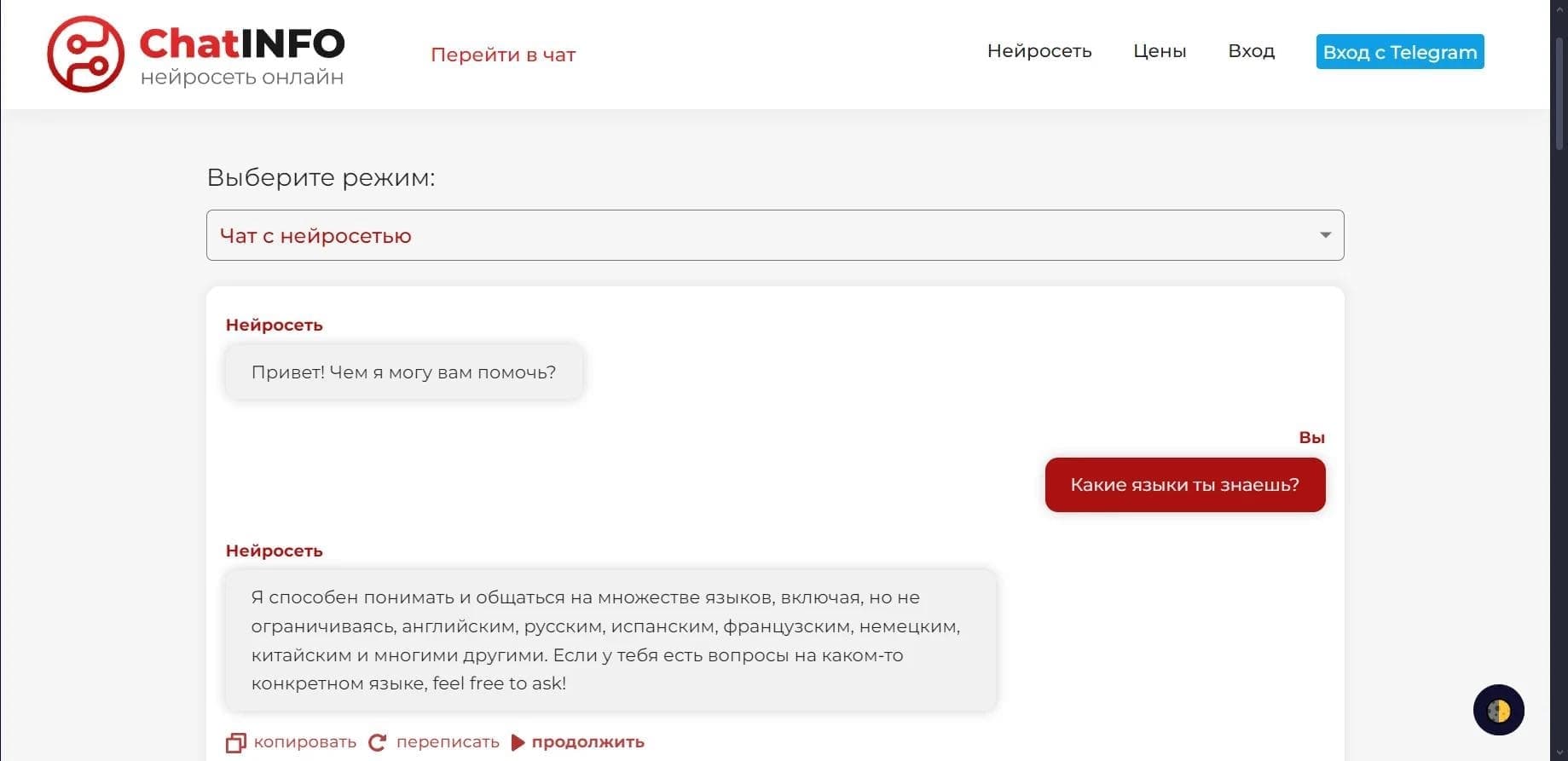

Russian-language GPT-based AI chatbot for information retrieval and text generation.

A community for daily discovery and discussion of new technology products.
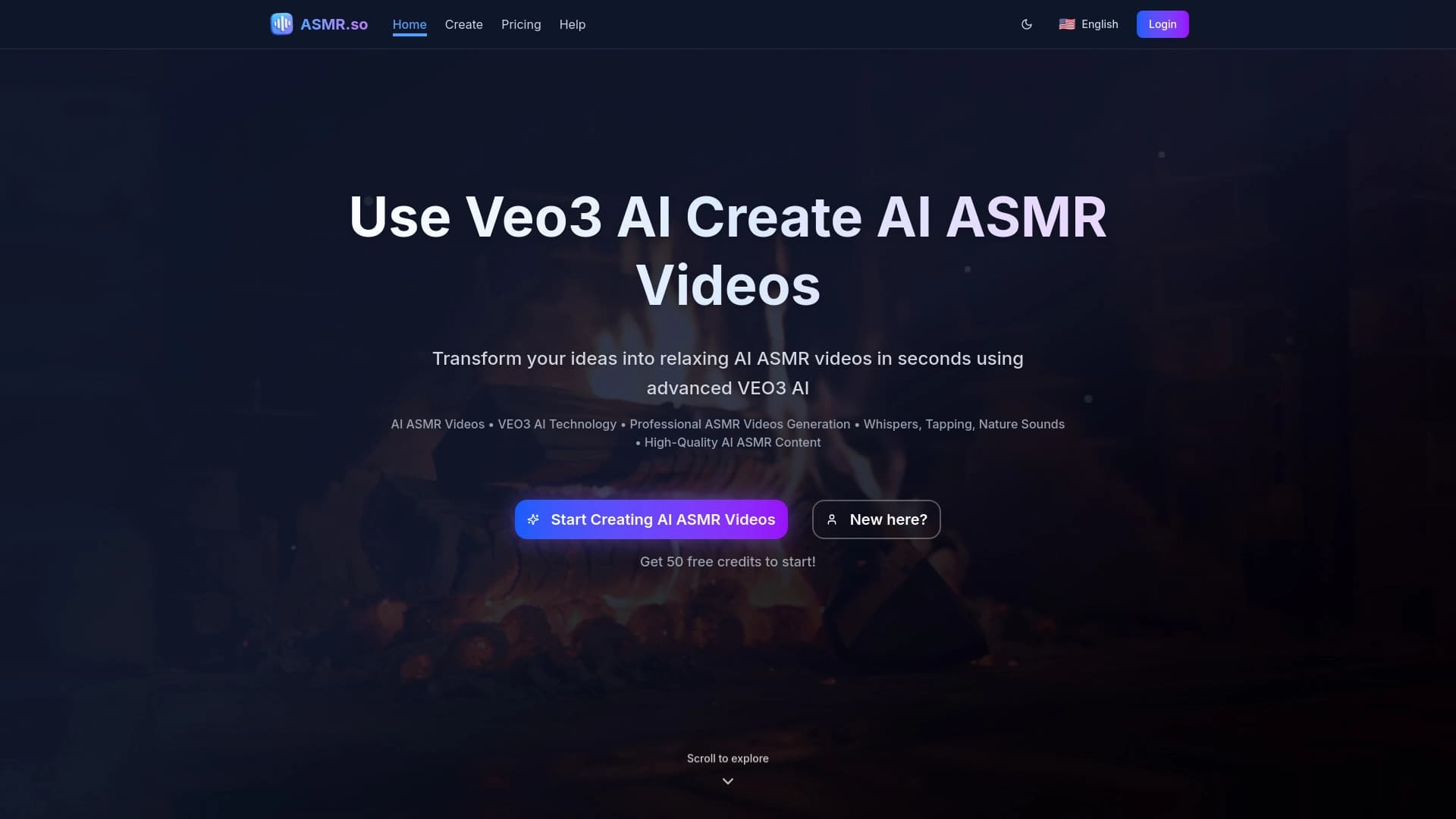

AI-powered online ASMR video generator that creates relaxing clips from a text description.
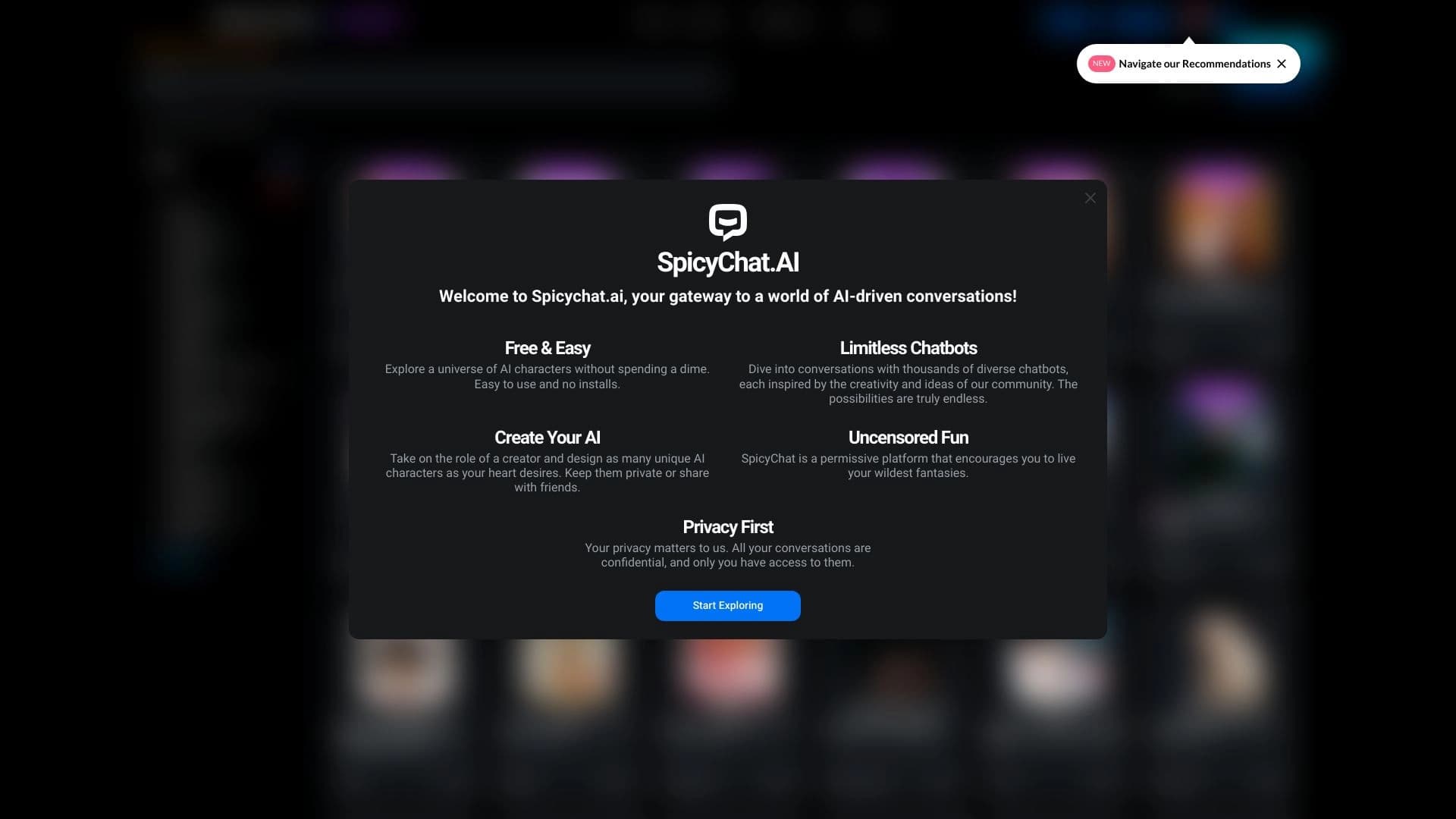

Web platform for communication and role-playing with AI characters.
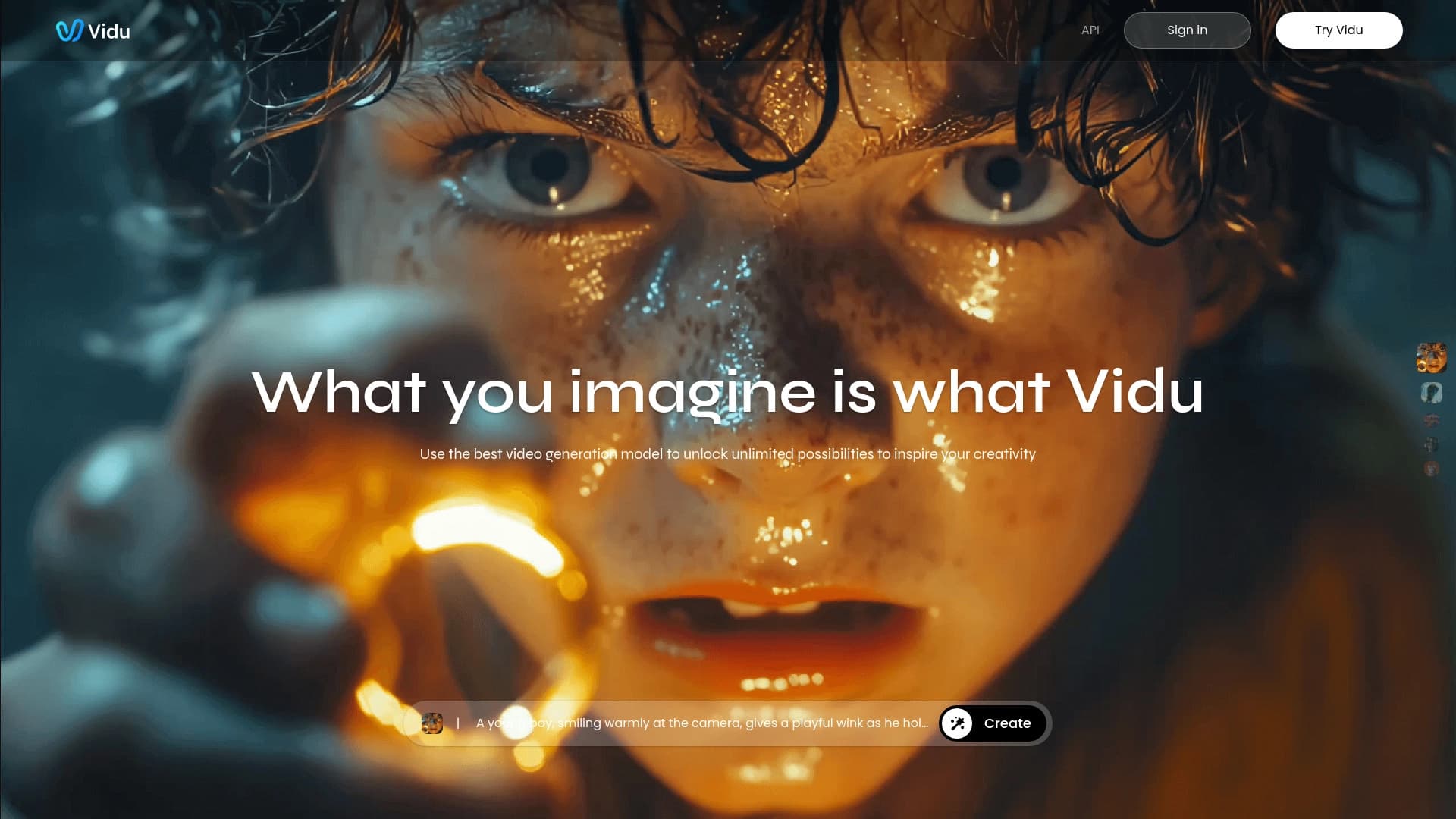

Neural network for fast video generation and editing from text descriptions, images, and references.
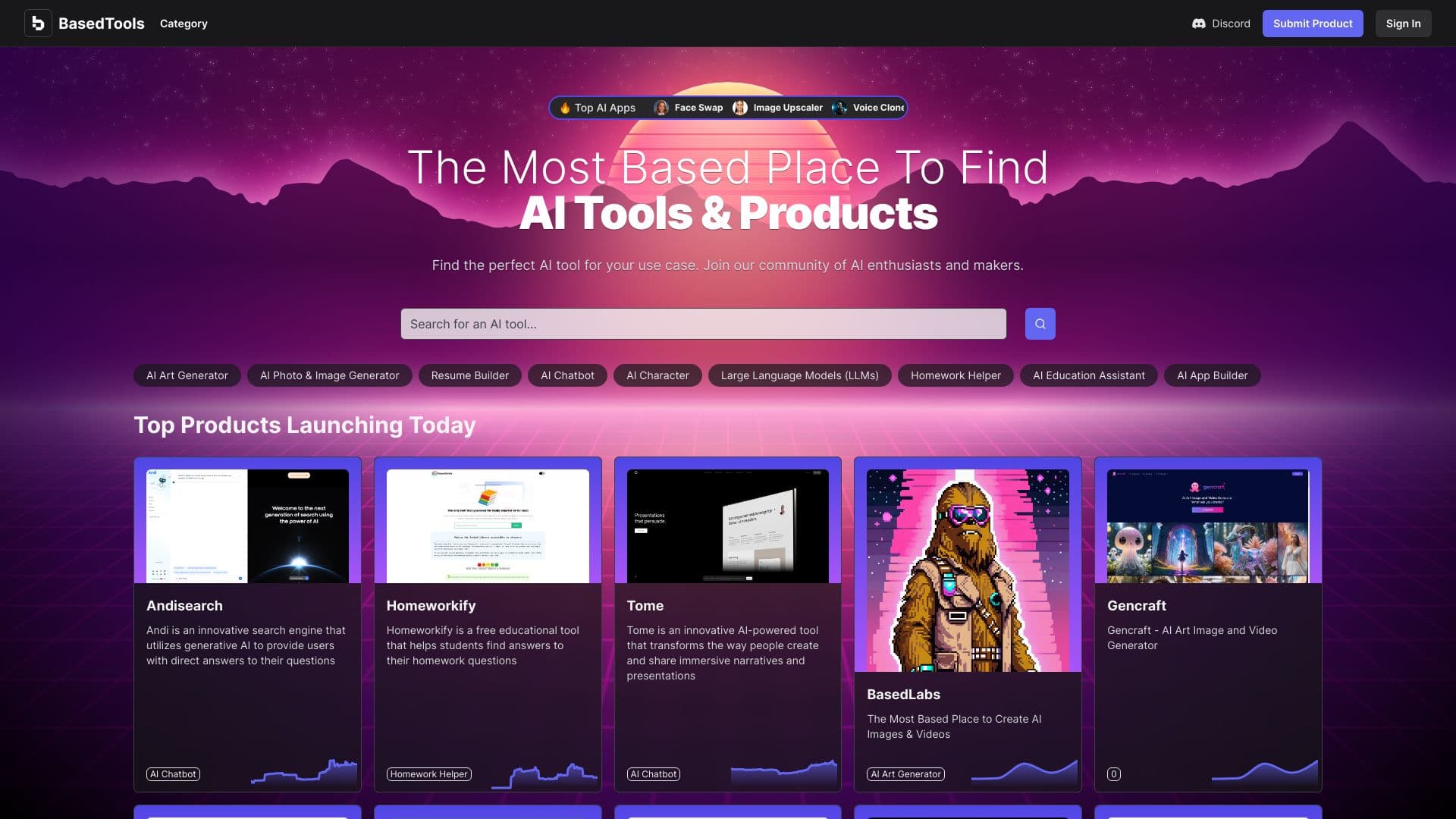
A catalog that organizes AI tools and services by category for quick search.
Intelligent assistant from Microsoft, built into the Bing search engine and Edge browser, powered by GPT-4.