

AnySpeech
AI platform for converting text into natural speech with support for multiple voices and languages.
Overview
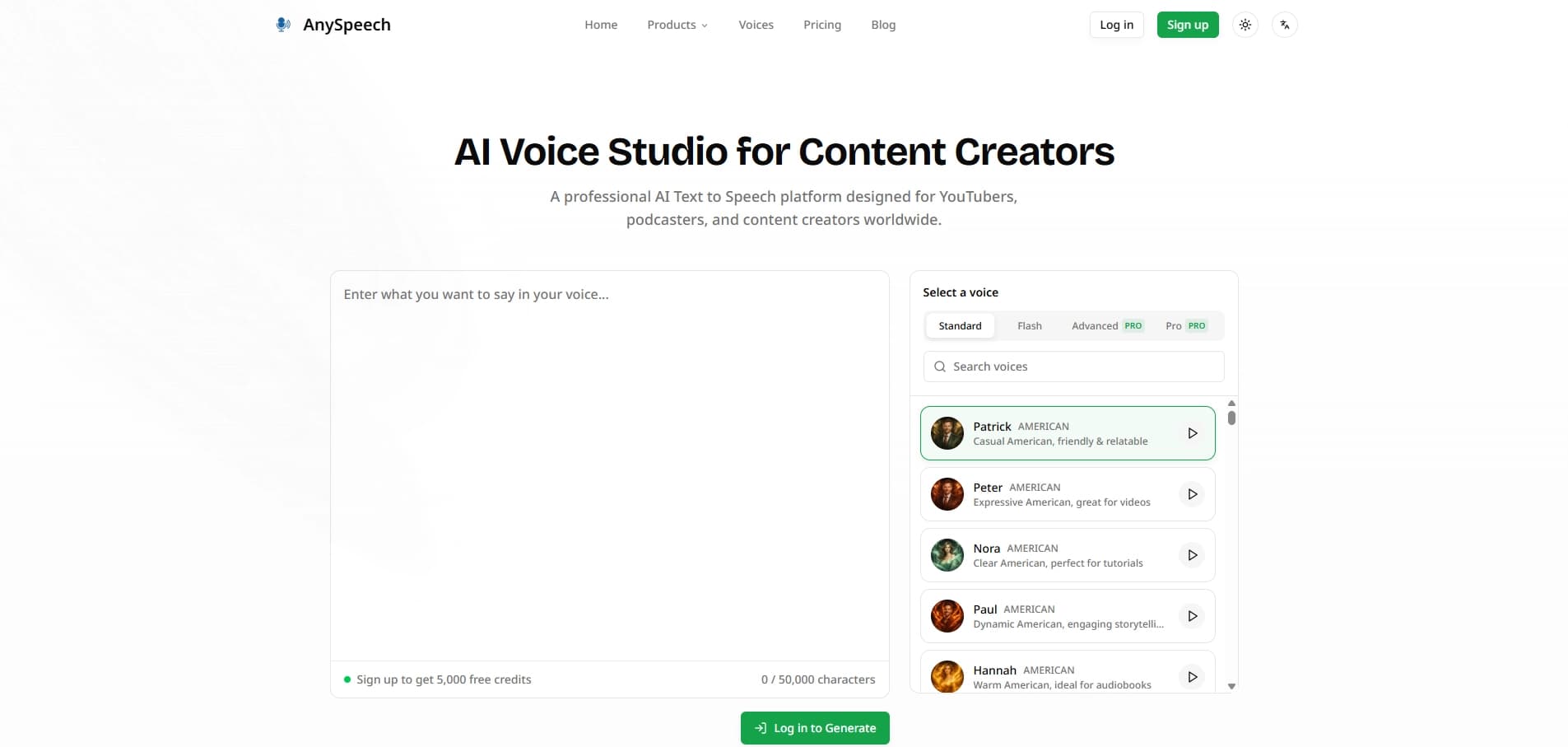
AnySpeech is an AI-powered voice studio. Its main purpose is to convert plain text into naturally sounding speech. The platform lets you choose from over a hundred available voices and work with content in more than fifty languages, making it a flexible solution for a wide range of users.
The service is positioned as a universal tool for creating audio materials. Instead of hiring a voice actor or recording sound in a studio, users can simply enter text and get a finished voiceover. This significantly simplifies content production and saves time, especially when dealing with large volumes of text or the need for quick generation.
The core idea of the service
The main message of AnySpeech is making professional voiceover accessible to everyone. The speech synthesis technology is designed to make the generated voice sound as close to human as possible. This is achieved through modern machine learning algorithms that analyze intonation, pauses, and stress.
Thus, AnySpeech is not just a text-to-speech utility, but a full-fledged creative platform for working with audio. It suits both one-off tasks and regular audio content production, giving users the freedom to choose the voice and language for a specific project.
AnySpeech Features
| Feature | Value |
|---|---|
| Tool type | AI platform for speech synthesis (Text-to-Speech) |
| Primary purpose | Converting text into natural speech |
| Number of voices | Over 100 |
| Number of languages | Over 50 |
| Distribution model | Freemium (free basic access with paid upgrades) |
| Application areas | Video voiceovers, podcasts, audiobooks, and other audio projects |
Who is AnySpeech for?
Video makers and bloggers
Video content creators often need a voiceover for their YouTube, Instagram, or other platform videos. AnySpeech allows them to quickly replace a rough draft track with high-quality voiceover without hiring a voice actor. This is especially relevant for those publishing videos in multiple languages or looking to save production budget.
Podcast and audiobook creators
For creators of long-form audio content, both generation speed and listener engagement matter. The service offers a wide variety of voices, allowing users to choose a timbre and speaking style that fits the genre and mood of the project. With over 50 languages available, it opens up opportunities for reaching international audiences and localizing content.
Marketers and educators
Marketing professionals can use the platform to create ads, voice announcements, and training materials. Educators and online course creators will also find the tool useful — generating speech from text helps quickly create lectures and study materials in audio format, making content more accessible to students.
How to use AnySpeech?
General workflow
Since the service is a text-to-speech platform, the basic usage scenario is simple. Users need to prepare the text they want to voice. In the service interface, they select one of the available voices and the desired language (provided the content has been translated), then start the generation process. The output is a ready-to-download audio file that can be used in their project.
Settings details
While specific technical interface details are not disclosed, the logic of such services typically involves selecting voice parameters. It's important to note that with over 50 supported languages, users will likely need to ensure the chosen voice supports the target language before generating content. The system probably offers a preview feature to evaluate the sound before final generation.
Key Features of AnySpeech
Natural speech generation
The platform's fundamental function is turning written text into an audio track. The algorithms aim to reproduce speech with natural intonation and pauses, so the result doesn't sound like mechanical reading. This is the main reason users value such services.
Multi-voice and multilingual support
A library of over 100 voices and support for more than 50 languages are two key options that make the service versatile. Users are not limited to one standard sound but can choose a character for their voiceover. This enables complex audio projects, from video dubbing to creating unique characters for interactive stories.
Adaptability to different content formats
The ability to voice videos, podcasts, and audiobooks means the service is geared toward content production in various formats. The platform offers enough flexibility to be used for short notifications and long, multi-hour recordings alike, maintaining consistent synthesis quality.
Advantages of AnySpeech
Extensive localization capabilities
One of the main strengths is the scale of language support. For companies and creators working internationally, having over 50 languages solves the problem of translating and voicing content for different markets. There's no need to find voice actors in every country — speech can be generated locally.
Resource savings
Using AI for voiceovers significantly saves budget and time. There's no need for studio rental, voice actor fees, or post-production editing. The audio creation process becomes automated and fast, which is critical for content creators working on tight schedules.
Flexible voice selection
A library of 100+ voices is a significant advantage, as users can choose a timbre that best fits their brand or video mood. This adds individuality and variety, helping avoid the "same-sounding" effect often associated with cheap speech synthesizers.
Disadvantages of AnySpeech
Lack of detailed information
Based on available data, it's difficult to assess important aspects such as the quality of supported languages (not all languages may sound equally good), generation speed, or stability under heavy loads. The lack of public information about technical limitations of the free tier is also a potential drawback for users wanting to evaluate the service before purchasing.
Typical freemium model limitations
Like most similar platforms, AnySpeech uses a freemium model. This often implies limits on the number of characters or saves in the free version, as well as watermarks on output files. Full commercial use will likely require a paid subscription, which could be a barrier for users with one-off tasks.
What problems does AnySpeech solve?
Quick content voiceover
The main task the service addresses is fast text-to-audio conversion. Whether it's recording a news digest, reading articles, or preparing a draft podcast episode, speech generation takes minutes rather than hours. This speeds up the content production pipeline.
Creating audio versions of texts
The platform is great for creating audio versions of existing text materials. For example, a long blog post can be turned into a podcast, or a book can get an audio version. This helps expand the audience and attract listeners who prefer audio over reading.
Prototyping and testing
Designers and developers of voice interfaces can benefit from speech generation for creating prototypes. Interface texts or dialogue scripts can be quickly voiced to test user interaction before recording with real voice actors. This saves time in the early stages of a project.
AnySpeech Pricing
Detailed information about specific plans and prices is not available in the source data. It is known that the service operates on a freemium model. This means users can start using the platform for free, gaining access to basic functionality. The free tier likely includes certain limits on the number of generated characters or the available set of voices.
To expand capabilities — removing limits, accessing exclusive voices, or increasing generation speed — users would need to switch to one of the paid plans. However, exact figures and the list of options included in paid packages cannot be determined based on available facts. Interested users are advised to check the latest information on the service's official pages.
Terms of Use for AnySpeech
Since AnySpeech is a public online service operating on a freemium model, its terms of use include a standard set of rules for such platforms. This includes the need to register on the website to create and save projects.
Users can use the platform for commercial purposes, which directly follows from the service's description as a tool for voicing podcasts and videos. However, as with any service with paid functionality, it's important to carefully review the terms of the chosen plan. This is especially true regarding licensing rules for generated content and permitted actions when using the free version — such versions often have restrictions related to voice copyrights or mandatory attribution to the service.
Availability of AnySpeech
AnySpeech is provided as a web platform, making it accessible to users worldwide. Support for more than 50 languages indicates the service has an international audience. Users can work with the platform from any browser, eliminating the need to install heavy software on their local computer.
The key accessibility feature here is language coverage. For users, this means the ability not only to generate speech in their own language but also to create content in any of the 50+ supported languages. The service is available to anyone with internet access, and getting started is possible thanks to the free tier. Limitations may only concern the regional availability of payment systems for paid subscriptions in the future.
How AnySpeech differs from alternatives
Declared scale
The main difference AnySpeech claims is the impressive ratio of voices to languages. Over 100 voices across 50+ languages is a strong claim to versatility. Many competing services offer either many voices but only in 20-30 basic languages, or many languages with a limited set of voices. Here, broad coverage is declared in both categories.
Focus on the full production cycle
While many simple TTS services are focused solely on reading text, AnySpeech is directly positioned as a "voice studio." This shifts the emphasis from a one-off utility to a professional tool. Such positioning suggests users can create complex, multi-episode projects (audiobooks, courses) rather than just short notifications.
Targeting content creators
The service's logic is inherently tailored to the needs of digital content creators. While universal AI platforms try to cover a wide range of tasks from text writing to image generation, AnySpeech focuses specifically on audio. This specialization allows it to more deeply address use cases related to video, podcasts, and books, setting it apart from "know-it-all" but less focused giants.
Conclusion
AnySpeech is a functional AI-powered voice studio. The service covers basic speech generation needs, offering over 100 voices and extensive language support. For video creators, podcasters, and educational content producers, it's a convenient way to quickly get high-quality voiceovers without significant costs. The freemium model makes the platform accessible for starting out and testing its capabilities. Despite undisclosed pricing plans and exact technical parameters in public sources, the declared functionality makes AnySpeech a tool worth considering for anyone working with audio content.
Frequently asked questions
See also

AI-based service for automatic generation of text content in various formats.

A platform for conversations with AI characters, including pre-made and user-created ones.

Service for automatic transcription of audio and video into text with support for over 100 languages.

AI-powered platform for generating and editing images and videos.
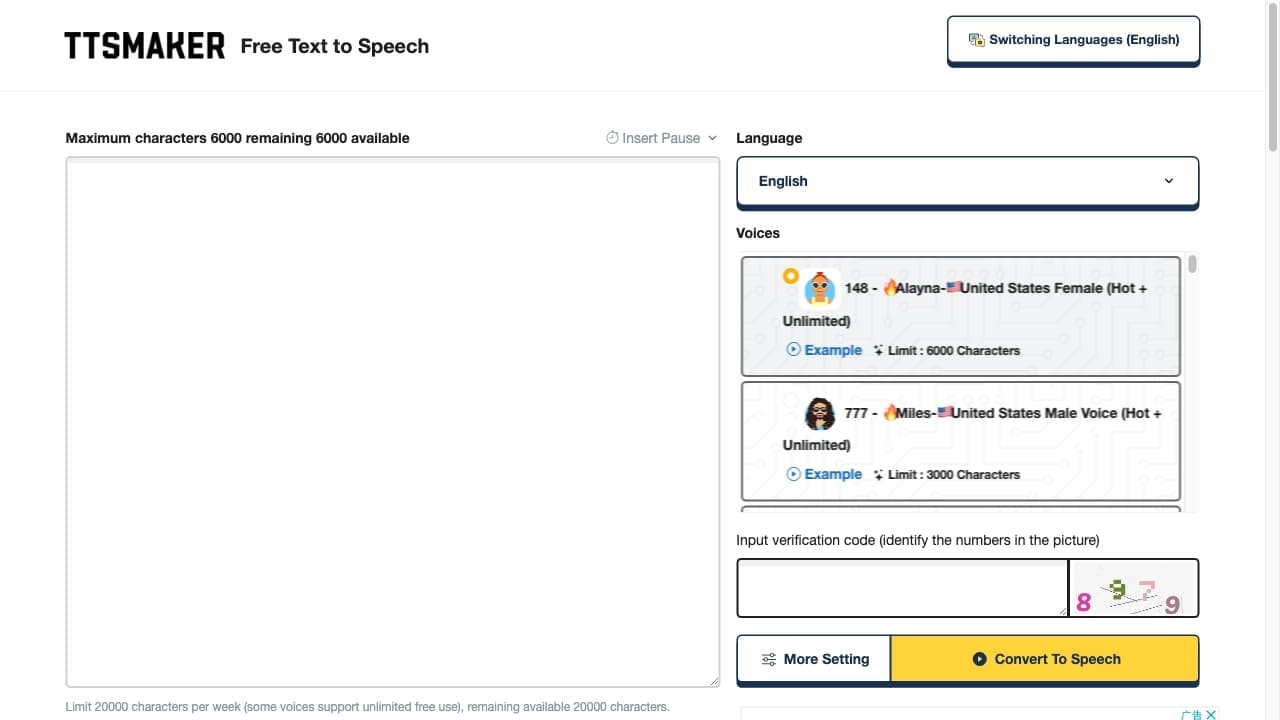
Free online text-to-speech service with over 200 voices in multiple languages.
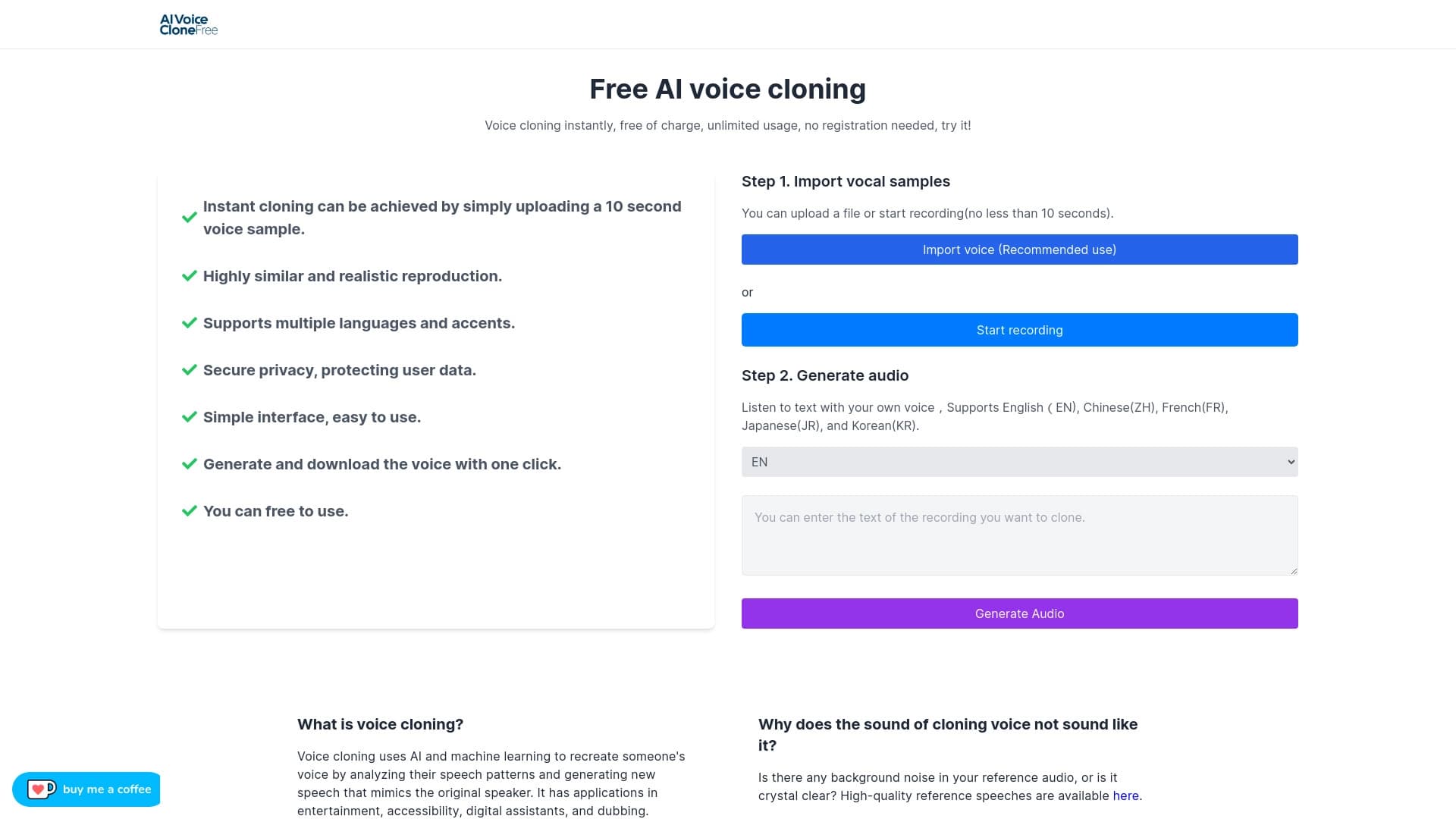
Online service for creating a realistic voice clone from a short audio recording and text-to-speech.

AI assistant for quickly creating and editing texts in various formats.
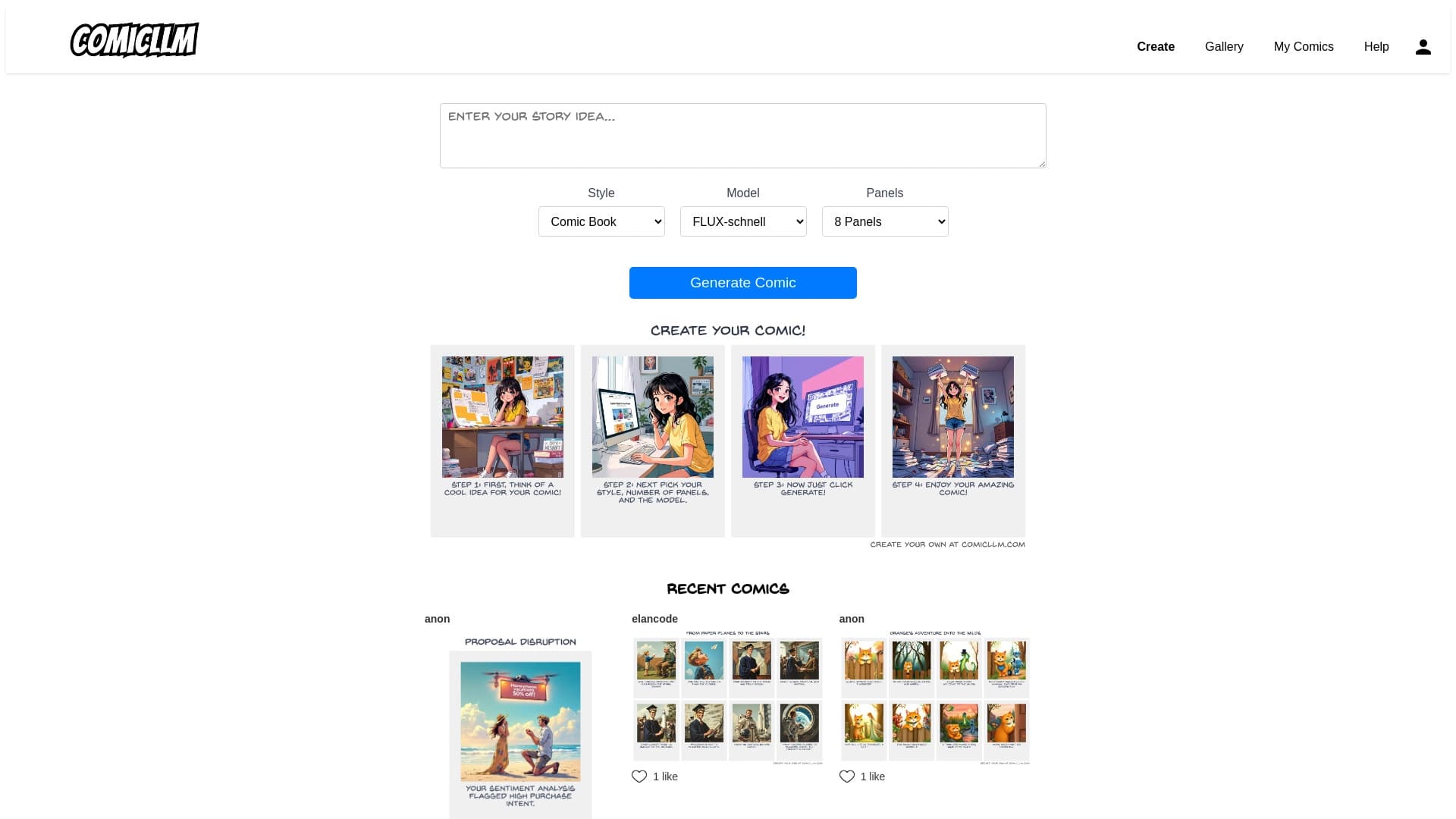

ComicLLM is an AI tool for creating comics from text descriptions or ready-made templates.