

Animood
Anime recommendation service that picks titles based on the user's mood and preferences.

Overview
Animood Neural Network Description
Animood is an AI service that helps you find anime based on your current emotional state. Instead of spending hours browsing catalogs and reading reviews, you tell the platform what you want to watch — light romance, a dark thriller, or a motivating action flick — and the neural network creates a personalized selection.
The system analyzes not only your stated mood but also your viewing history and marked titles. This allows the algorithm to better understand your tastes and offer options that are highly likely to resonate with you. The service's key goal is to reduce search time and offer viewers content that matches their current feelings. The project runs through a web interface and requires no additional software installation.
Animood Features
| Feature | Value |
|---|---|
| Type | AI anime recommendation service |
| Category | 3D Content, Gaming, Email Management, Web3 Technologies |
| Platforms | Web (browser-based interface) |
| Date added to catalog | June 6, 2024 |
| Company name | Lirena |
| Free plan | Yes (basic functionality) |
| Paid plans | Basic — 299 RUB/month, Premium — 899 RUB/month |
| Credit card required | No (for trial access) |
| Lifetime plan | No |
| Rating | 0 reviews, score 0/5 |
Who Is Animood For?
Anime enthusiasts tired of choosingThe service is designed for anime fans who struggle to pick a new title. If you've watched all the popular new releases and don't know what to check out next, Animood can be a useful tool for discovering new names and studios.
Mood-driven viewersThe tool is ideal for those who want to match content to a specific emotional need. For example, if you want to unwind with a light comedy after a long workday, or dive into a deep drama on the weekend, the service lets you quickly filter suitable options.
Users who value personalizationAnimood suits those willing to spend time filling out their profile and marking watched titles. In this case, the algorithms can suggest non-obvious and rare anime that are hard to stumble upon by chance, based on the user's deeper preferences.
How to Use Animood?
Step-by-step: from choosing a mood to watchingGetting started requires no complex setup. The interface is designed to take the user from the first click to a list of recommendations in minimal time.
- Go to the website: Open the platform's web address in your browser.
- Set your mood: Choose the option from the list that best describes your current emotional state (e.g., "romance," "action," "cozy," etc.).
- Browse the selection: The algorithms generate a list of anime matching your chosen mood.
- View details: Click on a title you like to learn more — check the synopsis, genre, and proceed to watch.
Profile setup tips for accuracyTo improve recommendation accuracy, it's recommended to fill out your profile: mark anime you've already watched, rate titles, and specify favorite genres. The neural network uses this data as a starting point for analysis, helping to avoid repeats and find similar titles you haven't discovered yet.
Key Animood Features
Smart matching by emotional stateInstead of standard genre-based search, the service lets you find anime "by feeling." The user describes their state, and the system picks titles typically associated with that mood — from light and relaxing to dark and intense.
Recommendations based on viewing historyThe system tracks your watched anime list. This lets it exclude titles you've already seen and offer only new content that is thematically or stylistically close to your preferences.
Convenient web interfaceThe platform has a simple, intuitive interface that isn't cluttered with extra elements. The main focus is on speed: the fewer actions required from the user, the better.
Animood Advantages
Deep personalizationThe service doesn't just output a list of popular titles — it adapts to the user's tastes. Thanks to viewing history and preference analysis, recommendations become more accurate the more you interact with the system.
Finding "non-obvious" animeOne key advantage is the ability to discover rare and lesser-known anime that usually don't make it into top lists or popular collections. This makes the service valuable for experienced viewers looking to diversify their experience.
Emotional context awarenessSearching content by mood is a flexible tool that most standard catalogs lack. It helps you quickly find what you want to watch right now, without sifting through dozens of trailers.
Animood Drawbacks
Unstable recommendation accuracyAlthough the service tries to account for emotions, recommendations sometimes don't match the stated mood. Algorithms don't always read context accurately, forcing users to rely on manual selection.
Dependence on the amount of input dataTo get truly accurate selections, users need to enter a lot of data: fill out a profile, mark dozens of watched titles, and regularly rate content. At the start, when data is scarce, recommendations can feel generic and repetitive.
Template-like output and repetitionSome users note that the personalized approach isn't always noticeable. Despite the claimed personalization, in some cases the output can look formulaic, especially early on without a complete profile.
What Problems Does Animood Solve?
Reducing time spent searching for new contentThe service's main goal is to eliminate "choice paralysis." Instead of browsing hundreds of anime cards, users get a ready-made list narrowed to their current request and mood, saving hours of time.
Personalized anime discoveryAnimood solves the problem of finding new titles that match a specific user's tastes. The system filters out what the user has already seen and offers only what they might like, based on their previous experience.
Quick recommendations for emotional statesThe service provides fast selections for any mood. This is especially useful when you're not sure what to watch but have a general sense of "something light" or "something dynamic."
Animood Pricing
Freemium modelThe service operates on a Freemium model, meaning both free and paid functionality are available. The free tier provides access to basic matching features, while paid tiers unlock expanded personalization options.
Paid subscription costsFor users who want to get the most out of the service, two plans are available:
- Basic: 299 RUB per month. Offers expanded recommendations and deeper personalization.
- Premium: 899 RUB per month. Includes exclusive features and priority support.
Please note that for up-to-date pricing and plan details, you should visit the official service website, as information on third-party resources may be incomplete or outdated.
Animood Terms of Use
Official information about terms of use and registration requirements is not disclosed on the website. At the time of data collection, no explicit requirements for mandatory account registration for basic access or other restrictions were found. It is recommended to review the user agreement directly on the official service website before active use.
Animood Availability
The service is available only through a web browser on the official website. Currently, there is no information about mobile apps for iOS or Android, nor about VPN requirements or regional restrictions. The service interface is presumably available in Russian, though the exact list of supported languages has not been confirmed.
How Animood Differs from Alternatives
The main difference between Animood and giants like MyAnimeList lies in the matching methodology. Traditional catalogs rely on user ratings and genre tags, while Animood focuses on the user's emotional state and personal history. This yields recommendations that are less "popular" but more fitting for the moment.
Compared to other AI services like AniBrain or AnimeGirl.Studio, Animood emphasizes simplicity and speed of results. Users don't need to navigate complex settings — just pick a mood and get a selection. However, unlike some competitors, the service requires users to input a significant amount of data to achieve high recommendation accuracy.
Conclusion
Animood is a functional and promising service for anime fans looking for new titles based on their current mood and personal tastes. It offers an intuitive interface and an interesting content-matching concept, but users should be prepared that recommendation quality directly depends on how much preference data they provide. The lack of detailed pricing and technical algorithm information creates some inconvenience when choosing a paid plan. Still, for those willing to invest time in building their profile, the service can become a valuable tool for discovering rare and non-obvious anime.
Frequently asked questions
See also


Platform for creating anime art, comics, and videos with AI.


A tool for generating 3D models based on text descriptions, images, or sketches.
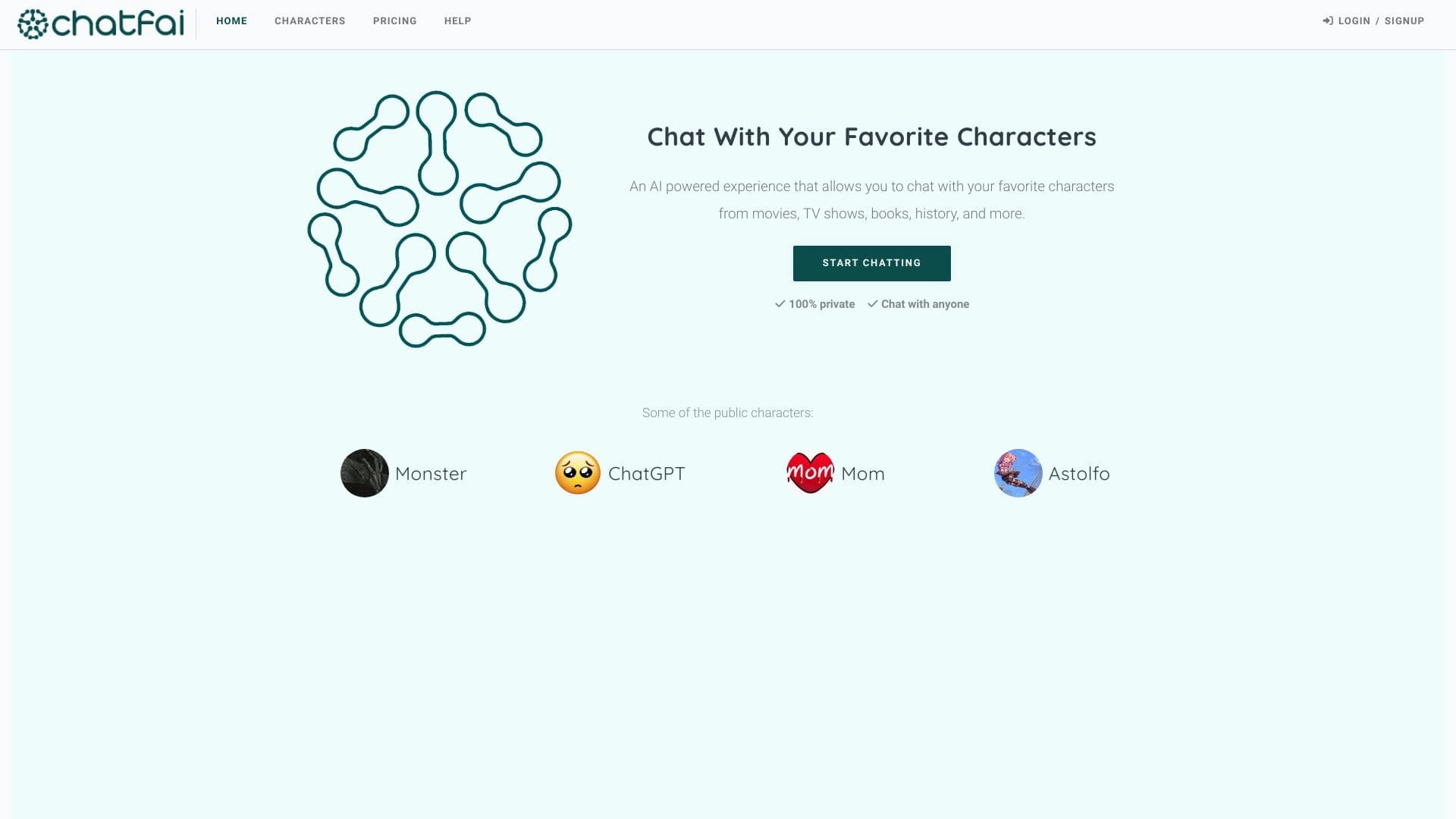

A platform for conversations with AI characters, including pre-made and user-created ones.
ChessGPT is an AI chess coach that explains moves and strategies in natural language.

Chrome extension that helps you win in the educational game Blooket by suggesting answers and automating actions.
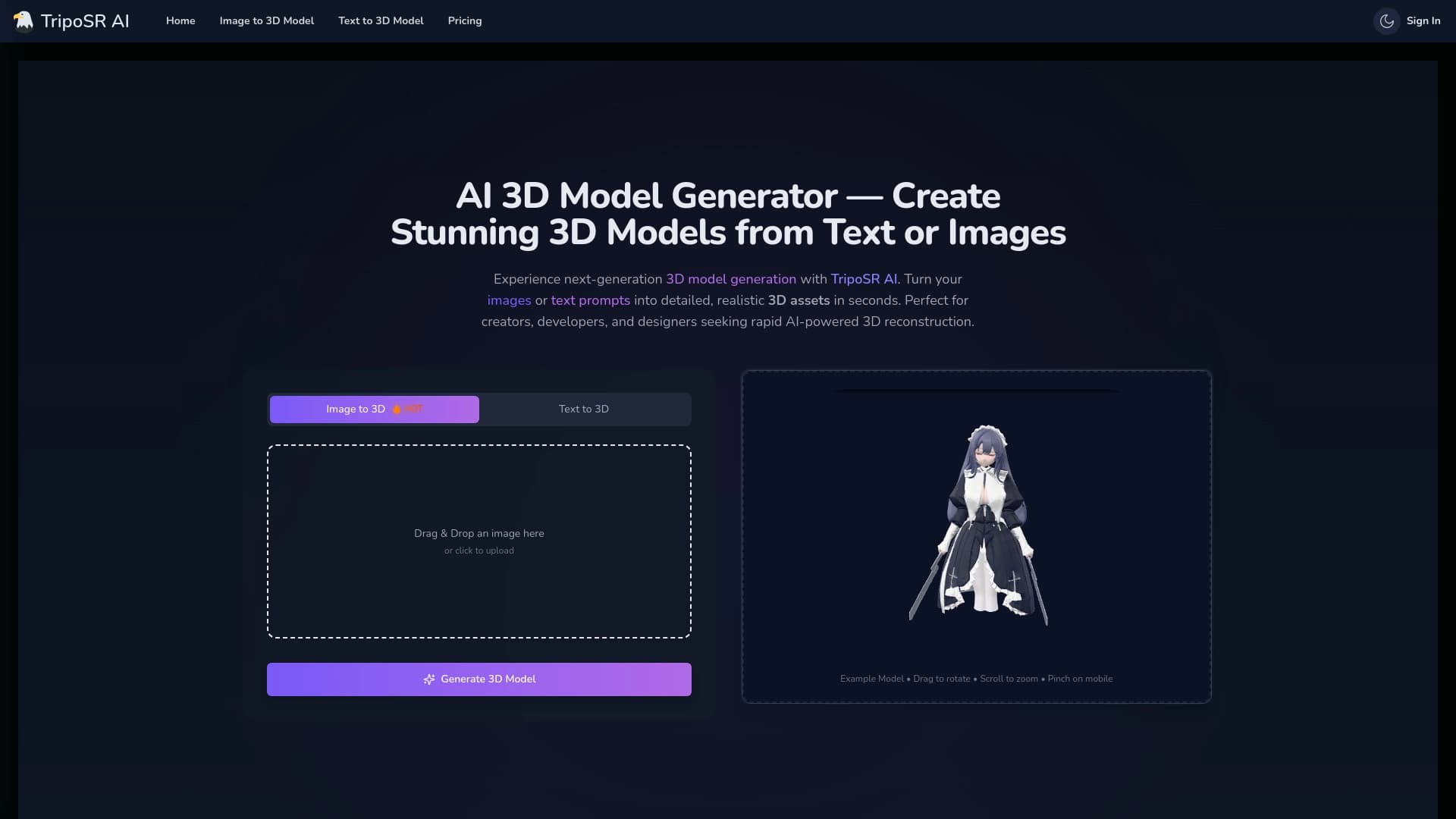

Open-source tool for quickly converting a single image into a 3D model.
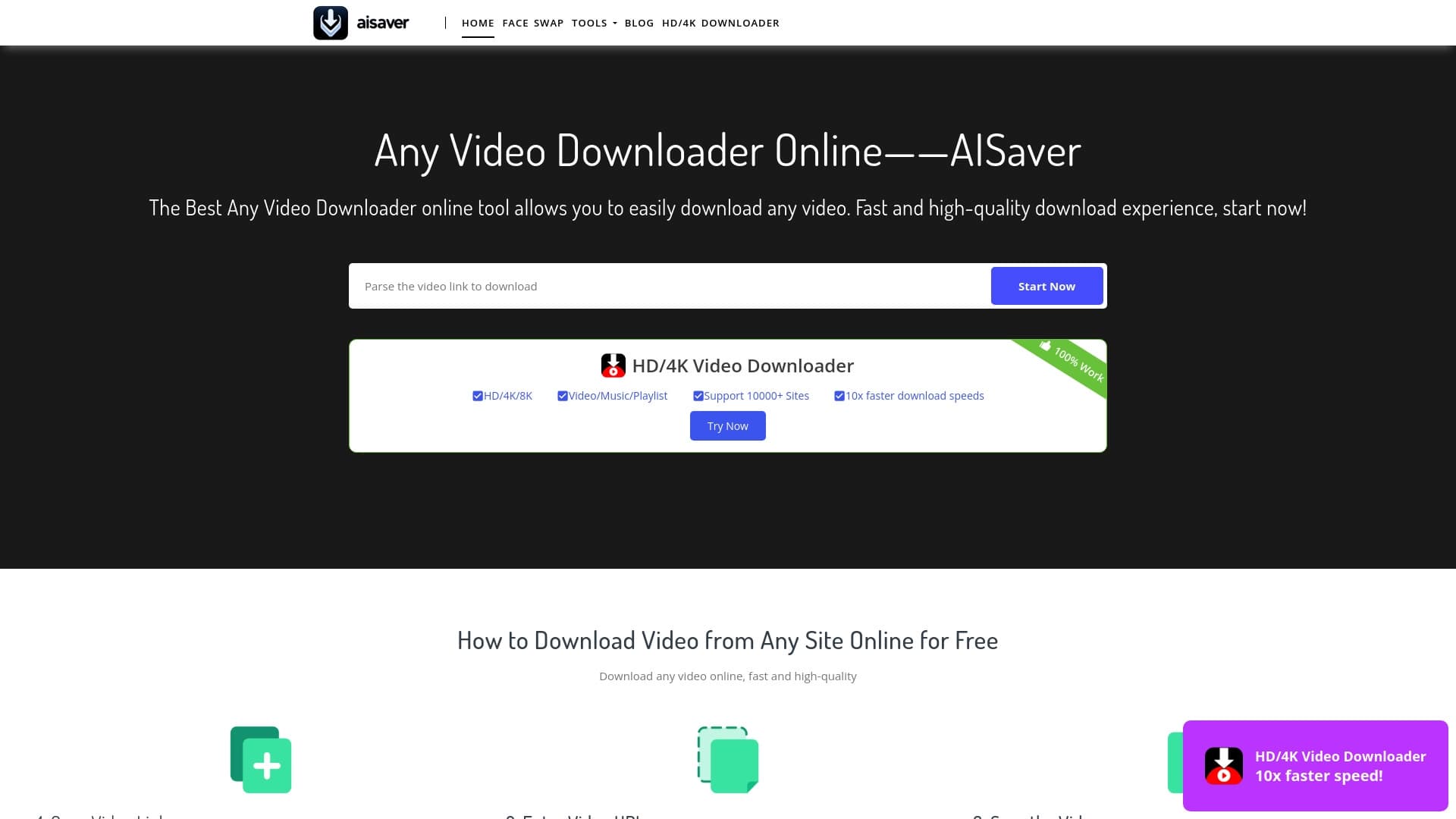

Online tool for quickly uploading videos and swapping faces in clips using AI.
A neural network-powered cloud service for generating 3D models, textures, and animations from text descriptions or images.