

AIBrokers
Open-source Python framework for orchestrating workflows involving multiple AI models.
Overview
AIBrokers is an open-source Python framework designed for orchestrating workflows involving multiple AI models. Instead of connecting each model individually, a developer describes a single configuration in which various systems — for example, GPT-4 for text generation and computer vision models for image analysis — work together on a common task.
The framework automates task routing between models, manages conversation history, and supports persistent memory across sessions. Thanks to its modular architecture and plugin support, AIBrokers is suitable both for rapid prototyping and production deployments. The project's code is hosted on GitHub, allowing you to study its inner workings, customize it for your own needs, and contribute to its development.
Key idea
The main goal of AIBrokers is to eliminate the manual work of integrating heterogeneous AI services. The framework handles communication between models, context management, and error handling, allowing the developer to focus on the application's business logic.
AIBrokers characteristics
| Characteristic | Value |
|---|---|
| Type | AI framework for agent orchestration |
| Category | AI platforms and frameworks, workflow automation, digital employees |
| Platform | Linux, macOS, Windows |
| Language | Python |
| Date added | May 20, 2025 |
| Open source | Yes (GitHub) |
| Distribution model | Free |
Who is AIBrokers suitable for?
AI system developers
Programmers building multi-model data processing pipelines get a tool for managing complex interaction scenarios between different neural networks without having to write glue code from scratch.
Data specialists
Data engineers and researchers who need to build workflows that combine multiple AI services — for example, for document analysis or creating NLP pipelines with computer vision elements.
Product teams
Teams developing conversational assistants and chat interfaces use AIBrokers for rapid prototyping and subsequent scaling to production level.
Enterprises
Companies that need to integrate heterogeneous AI services into their internal processes — customer support automation, handling incoming requests, mixed data analysis chains.
How to use AIBrokers?
Step-by-step launch guide
- Clone the AIBrokers repository from GitHub and navigate to the project directory.
- Install dependencies with the command
pip install -r requirements.txt. - Create a configuration in YAML format that describes the agents (models), task routing rules, and memory parameters.
- Implement custom plugins and models by extending the base
PluginManagerandModelinterfaces, if non-standard functionality is required. - Launch the broker with the command
python run_broker.py, specifying the path to your configuration file. - Monitor the logs and adjust routing rules or memory modules as needed.
Configuration format
The broker configuration is described in a YAML file, which specifies:
- which models participate in the workflow;
- how tasks are distributed among them;
- how context is stored and used;
- which plugins are connected.
This allows you to change system behavior without modifying code.
Key features of AIBrokers
Orchestration of multiple models
The framework manages interaction between different AI models, automatically passing data from one system to another within a single workflow.
Dynamic task routing
AIBrokers decides which model should handle a specific task based on the current context and the rules defined in the configuration.
Dialogue state management
The system tracks the entire conversation history, ensuring consistency when switching between models within a single session.
Persistent memory
Interaction data is saved between sessions, enabling long-term context and the ability to return to previous discussions.
Plugin integration
Functionality is extended through pluggable modules, which you can create yourself or use ready-made third-party solutions.
Logging and monitoring
Built-in logging tools allow you to track task execution, identify errors, and optimize workflows.
Configurable error handling
The developer can define custom failure scenarios — for example, retrying a request with another model or logging the incident.
Advantages of AIBrokers
Faster development
The modular architecture and ready-made routing mechanisms allow you to build multi-model AI applications faster, eliminating routine coding.
Scalability
The framework is designed to work with many agents simultaneously, so adding new models to a pipeline does not require restructuring the infrastructure.
Flexibility and extensibility
The ability to connect custom plugins and implement non-standard model interaction scenarios makes the tool adaptable to a wide range of tasks.
Context preservation
Built-in memory mechanisms ensure robust contextual awareness even during complex transitions between models and lengthy dialogues.
Disadvantages of AIBrokers
The source data about the framework does not specify limitations or weaknesses. When using the tool, it is likely worth considering that it is aimed at developers with experience in Python and an understanding of multi-model system architecture. For one-off simple tasks, setting up a broker may seem excessive compared to directly calling a single model's API.
What tasks does AIBrokers solve?
Chatbot orchestration
The framework allows you to build dialogue systems where different models handle different aspects of communication — for example, one generates text, another analyzes sentiment, and a third selects answers from a knowledge base.
Aggregating AI services for document analysis
Combining models for comprehensive text processing: information extraction, classification, summarization, and further passing results to other systems.
Multi-step NLP and vision pipelines
Building processing chains where text data and images are analyzed together, and the results of each stage are passed further along the pipeline.
Customer support automation
Creating digital employees that route inquiries to specialized models, find answers in knowledge bases, and escalate complex cases to human operators.
Mixed data processing chains
Deploying pipelines that combine models of different types (language, visual, predictive) to perform complex production tasks.
AIBrokers pricing
AIBrokers is distributed free of charge. It is an open project with source code on GitHub, so no license fees or subscriptions are required to use it. Costs may arise only when paying for access to commercial API models that you connect through the framework, but the orchestration tool itself remains completely free.
Terms of use for AIBrokers
No registration or account login is required to work with the framework. The project is hosted on GitHub and is available for cloning and local use. The project page does not specify any explicit usage restrictions — limitations may exist only at the level of the open source license, but their description is not provided in the available data.
AIBrokers availability
The framework runs on all major operating systems: Linux, macOS, and Windows. There are no regional restrictions or VPN requirements. Since the code is open and hosted on GitHub, it is accessible from anywhere in the world, provided you have access to the GitHub platform.
How AIBrokers differs from alternatives
AIBrokers is not the only tool in its category. Notable alternatives include LangChain, Microsoft Semantic Kernel, Agentic, Hugging Face Agents, and OpenAI Function Calling. The main difference of AIBrokers lies in its specialization: instead of a general set of tools for working with language models, the framework is focused specifically on orchestration and automatic task distribution among multiple AI models.
Key distinguishing features of AIBrokers:
- a narrow focus on routing tasks between different models (including combining language models and computer vision systems);
- built-in persistent memory management between sessions as part of the core, not a plug-in module;
- open source code with the ability to extend through custom plugins, making it comparable in flexibility to LangChain and Microsoft Semantic Kernel;
- an emphasis on production use: built-in logging, monitoring, and configurable error handling.
While LangChain provides a broader set of abstractions for interacting with LLMs, AIBrokers takes the opposite approach: it is initially designed as a "broker" that distributes requests between independent AI systems. For some scenarios, this may be simpler and more predictable than working with the broader LangChain ecosystem.
Conclusion
AIBrokers is a free, open-source Python framework designed for orchestrating multi-model AI workflows. It handles dynamic task routing between different models, dialogue state management, and persistent context storage, and supports extension through plugins. The tool is aimed at developers and companies building scalable, modular AI pipelines, and offers a balance between configuration flexibility and production readiness. Given the absence of usage fees and cross-platform availability, AIBrokers can be considered a practical way to accelerate the development and integration of multi-model systems.
Frequently asked questions
See also
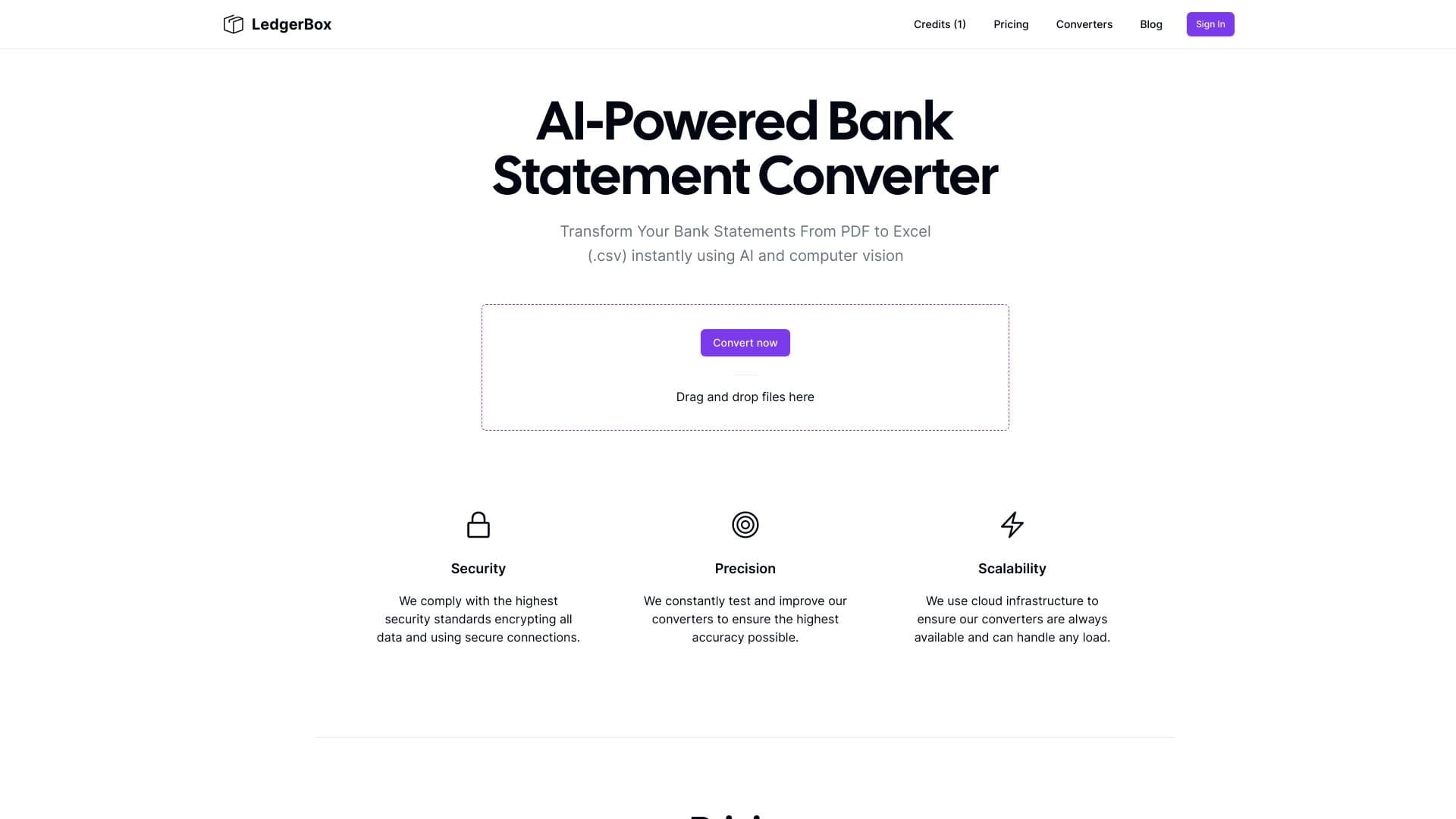
Automatically extract financial data from PDF documents and convert it to Excel or CSV.
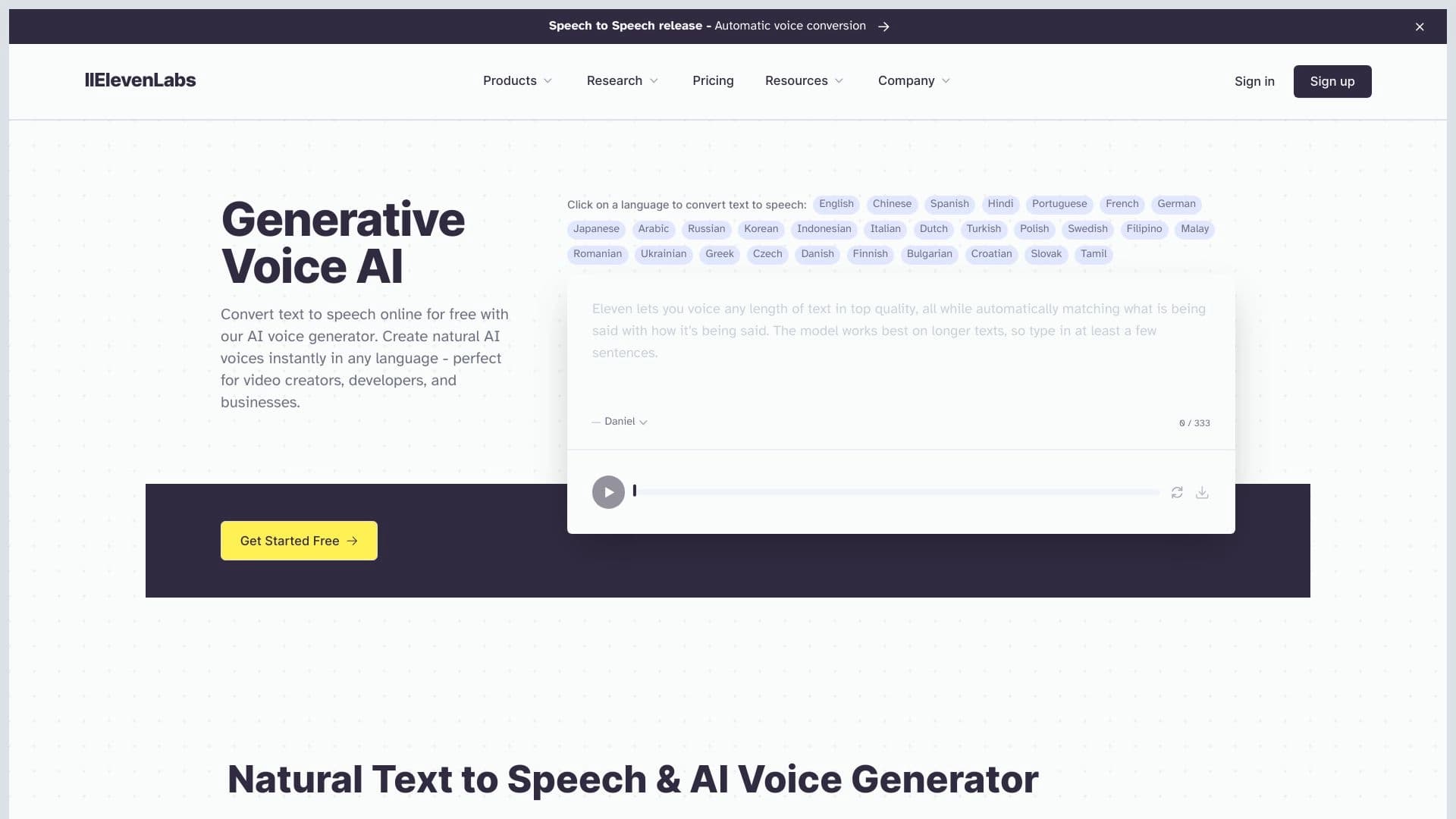
AI platform for voice synthesis and cloning that converts text into realistic speech.
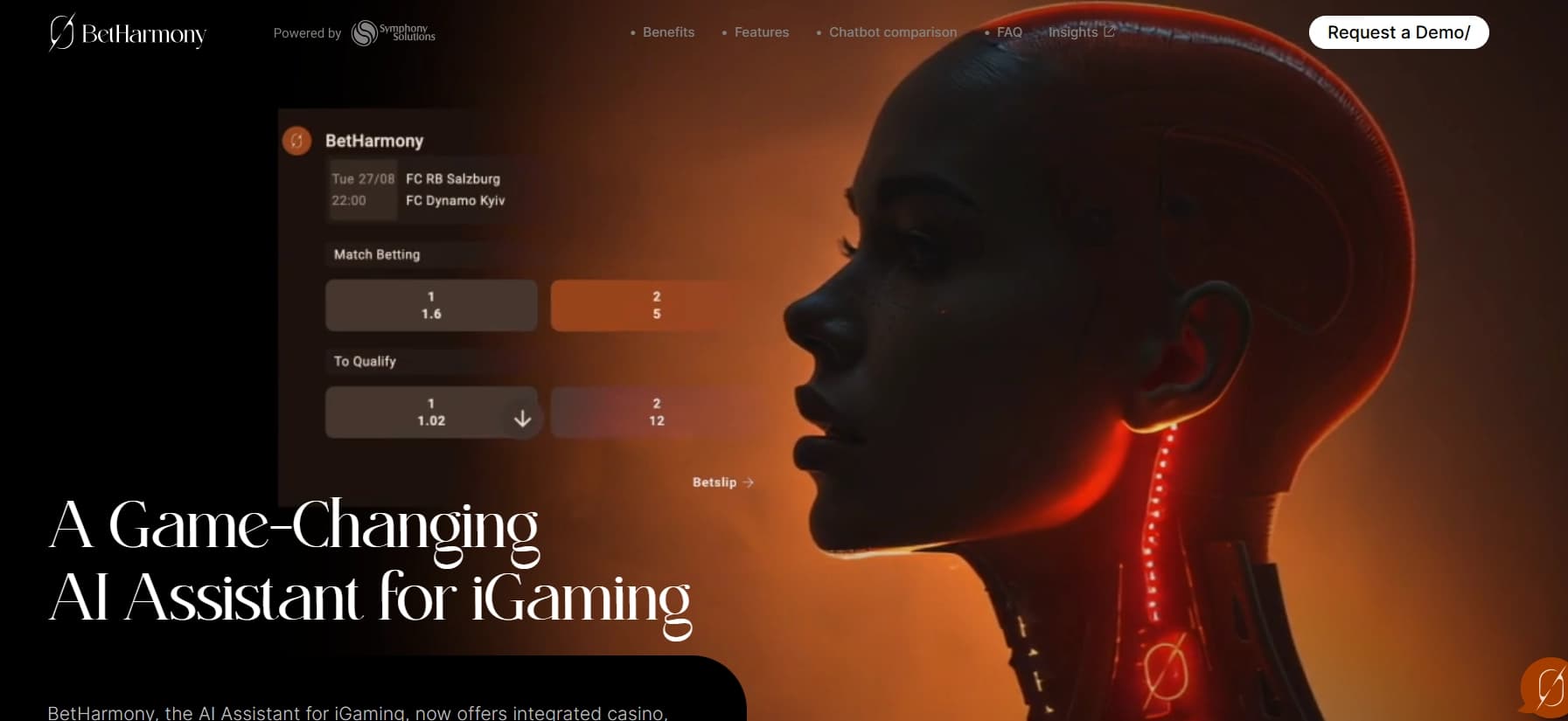

AI assistant for sports betting and casino, analyzing the user's past actions to provide personalized advice.
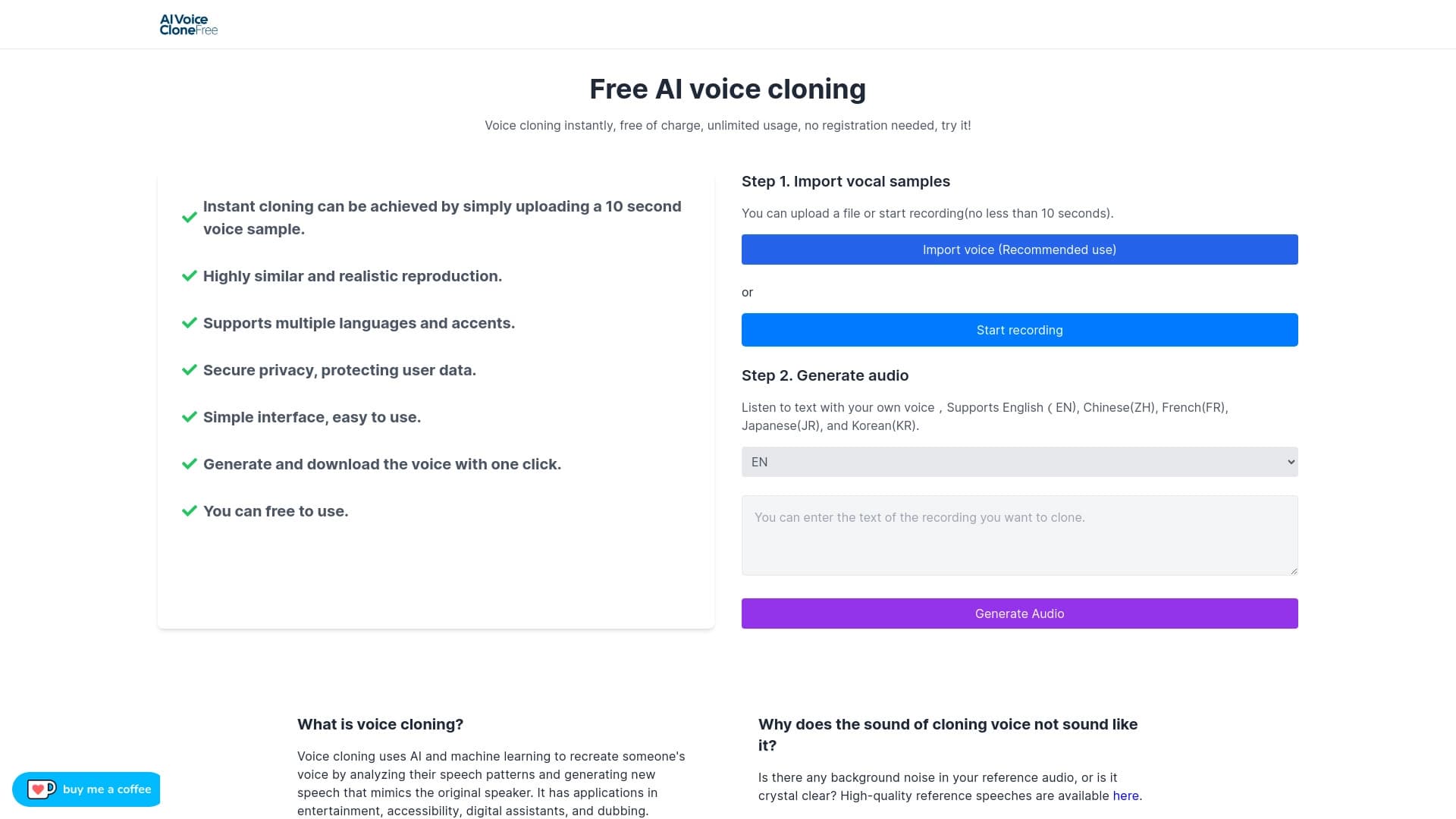
Online service for creating a realistic voice clone from a short audio recording and text-to-speech.
An online service that lets you chat with PDF documents: ask questions and get concise answers with source attribution.

Chrome extension that helps manage tabs, history, and bookmarks with an AI assistant.

A platform for creating corporate chatbots based on your own documents without coding.
A platform for accountants that combines task management, file sharing, and client communication in a single interface.