
AI Workflow Automation Tools
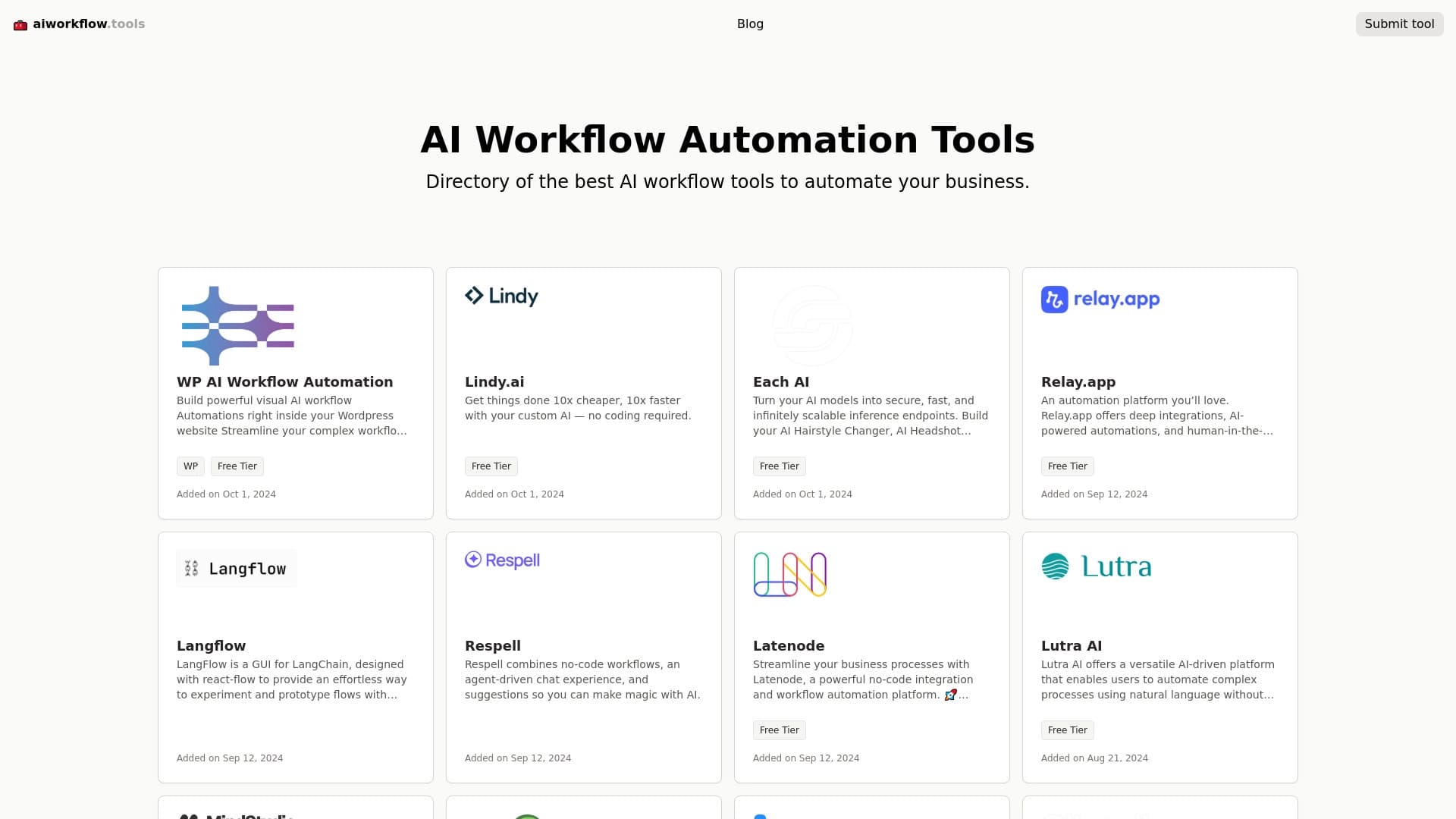
Catalog of AI tools for automating business processes without writing code.
Overview
AI Workflow Automation Tools Description
AI Workflow Automation Tools is not a standalone neural network but a specialized catalog aggregator that brings together services for automating business processes with artificial intelligence in one place. The platform solves a pressing problem: finding the right AI tool among hundreds of scattered offerings on the market. Instead of spending hours on manual searching and comparison, users get access to a structured showcase of solutions for a wide range of tasks — from document management to application integration.
The catalog's key feature is its focus on people without programming skills. This is a fundamental difference from platforms that require technical expertise. There's no need to write code or understand APIs: simply choose a tool, review its card, and start using it. The catalog is regularly updated, allowing users to track new AI solutions as they appear. However, it's important to understand that the platform acts as a showcase rather than a tool developer: the creators of the services are responsible for their functionality, while the aggregator only provides information for review.
AI Workflow Automation Tools Features
| Feature | Value |
|---|---|
| Type | Catalog of AI tools for workflow automation |
| Category | Workflow management services, AI tool catalog |
| Developer | aiworkflow.tools |
| Free plan | Access to the main tool catalog |
| Professional plan | Paid subscription with extended features |
| Business plan | Paid subscription with priority support |
| Monthly visits | 13.7K |
| Publication date | September 23, 2025 |
| Tags | #Website |
Who Is AI Workflow Automation Tools For?
Entrepreneurs and Business Owners
The catalog is primarily designed for business professionals who want to optimize routine operations without hiring programmers. For small and medium business owners, it's an opportunity to reduce costs and speed up internal processes without expanding their technical staff.
Managers and Department Heads
Managers responsible for operational efficiency will find tools for automating typical tasks: request processing, document flow, and reporting. The catalog helps delegate repetitive work to AI, freeing up team time for more complex tasks.
Professionals Without a Technical Background
Marketers, HR specialists, and salespeople — anyone dealing with recurring operations — can find a solution without diving into technical details. A curated selection of tools with filtering by function significantly simplifies getting started with AI in daily practice.
How to Use AI Workflow Automation Tools
Step 1. Explore the Tool Showcase
To get started, simply visit the catalog website. A showcase of online AI automation tools opens up. You can browse available services to learn about their capabilities or immediately use filters to narrow down your search.
Step 2. Review Service Cards
Each tool is presented as a card with a brief description. Users can click on a service of interest to see details: functionality, terms of use, and pricing specifics. At this stage, it's important to pay attention to the information update date, as some data may become outdated.
Step 3. Choose and Implement the Right Tool
After comparing several options, users select the service that best fits their needs and go to the developer's website to register and configure it. The catalog doesn't provide integration instructions but simplifies the initial selection stage.
Key Functions of AI Workflow Automation Tools
Extensive List of AI Tools for Routine Automation
The platform's core is a substantial collection of services covering a wide range of tasks. From text processing tools to application integration solutions, the catalog offers options for nearly any routine operation.
Clear Showcase Interface
The platform is built on a showcase principle: users immediately see a list of available tools without needing to study documentation in depth. This approach saves significant time when first exploring the AI solutions market.
Filtering by Categories and Functions
The ability to filter tools by purpose and functionality is a key navigation mechanism. Instead of browsing all services, users can limit themselves to a relevant category, speeding up the search.
Regular Catalog Updates
The platform is constantly updated with new solutions. For users, this means access to a current snapshot of the AI automation market without having to monitor new developments themselves.
Advantages of AI Workflow Automation Tools
Time Savings on Tool Discovery
The catalog's main advantage is information systematization. Instead of spending hours searching through search engines and forums, users get a ready-made, structured selection in one place. Categorization significantly simplifies navigation.
Accessible to Non-Programmers
No coding required is the platform's key advantage. Automation is no longer the exclusive domain of technical specialists but becomes available to a wide range of employees. Services are compiled into ready-made collections that eliminate complex setup.
Up-to-Date Information
The catalog is constantly updated with new AI solutions. Users can always be confident they're seeing a current market picture rather than outdated information from articles written two years ago. This is especially important in the fast-changing AI field.
Disadvantages of AI Workflow Automation Tools
Some Information May Become Outdated
Despite regular updates, some tool cards may contain outdated data. Sometimes information about certain tools doesn't match the current state of affairs, which can lead to incorrect choices and wasted time.
Service Relevance Issues
The catalog contains tools that are no longer supported by developers or don't work as described. This creates a risk of encountering a non-functional service, especially in categories with many niche solutions.
Shallow Descriptions and Lack of Expert Recommendations
Tool cards are often general in nature: details and usage nuances must be researched separately on developer websites. Additionally, when choosing among many similar services, there are no expert tips or advanced comparison mechanisms, making decision-making more difficult.
What Problems Does AI Workflow Automation Tools Solve?
Finding Tools for Workflow Automation
The platform's primary task is to help users find a relevant AI tool for a specific need. The catalog organizes a vast amount of information and makes it accessible for quick review.
Delegating Repetitive Tasks to AI
The catalog helps select services for delegating routine operations to artificial intelligence. This frees up team time for more valuable tasks that require human involvement and creative thinking.
Connecting Applications Without Code
Among the featured tools are solutions that allow integrating different applications without writing code. Connecting a CRM with email, databases, or messengers is just one example of tasks solved through the listed services.
AI Workflow Automation Tools Pricing
The aiworkflow.tools platform itself offers a three-tier pricing system. The free plan provides access to the main tool catalog. The professional plan unlocks extended features and additional tools. The business plan includes priority support and custom solutions. It's important to note that the cost of using the tools featured in the catalog is determined by their developers and differs from the platform's own pricing.
Terms of Use for AI Workflow Automation Tools
The platform's terms of use are not specified on the catalog page. There is no information about license agreements, content usage rules, or restrictions on user types. It's recommended to contact the platform administration for current information about access terms and service usage.
Availability of AI Workflow Automation Tools
The platform is available as a website. The catalog itself targets a Russian-speaking audience, although the services within may support different languages. No geographic access restrictions are mentioned — the platform is likely accessible from anywhere in the world without a VPN. To get started, simply visit the website and use the showcase interface.
How AI Workflow Automation Tools Differs from Alternatives
The catalog's main difference from solutions like Notion.AI or Blumo AI is its fundamentally different model. It's not a standalone automation tool but a navigator for the market of such tools. The platform doesn't replace specific services but collects and organizes information about them. While specialized solutions handle specific tasks (such as text processing or application integration), aiworkflow.tools helps users navigate the variety of available options. The absence of its own AI engine is a feature of the catalog model, but for users, the advantage lies precisely in the breadth of coverage and ease of navigation. The platform's core value isn't the functionality of specific tools but the ability to quickly choose among dozens of alternatives.
Conclusion
AI Workflow Automation Tools is a useful catalog for businesses and individual professionals who want to automate routine processes without programming skills. The platform saves time on searching, organizes information, and is regularly updated with new solutions. However, certain limitations should be considered: some data may become outdated, descriptions aren't always complete, and choosing among similar services is complicated by the lack of expert recommendations. The catalog works well as a starting point for exploring the AI automation market but requires critical verification of information on developer websites before making a final decision.
Frequently asked questions
See also
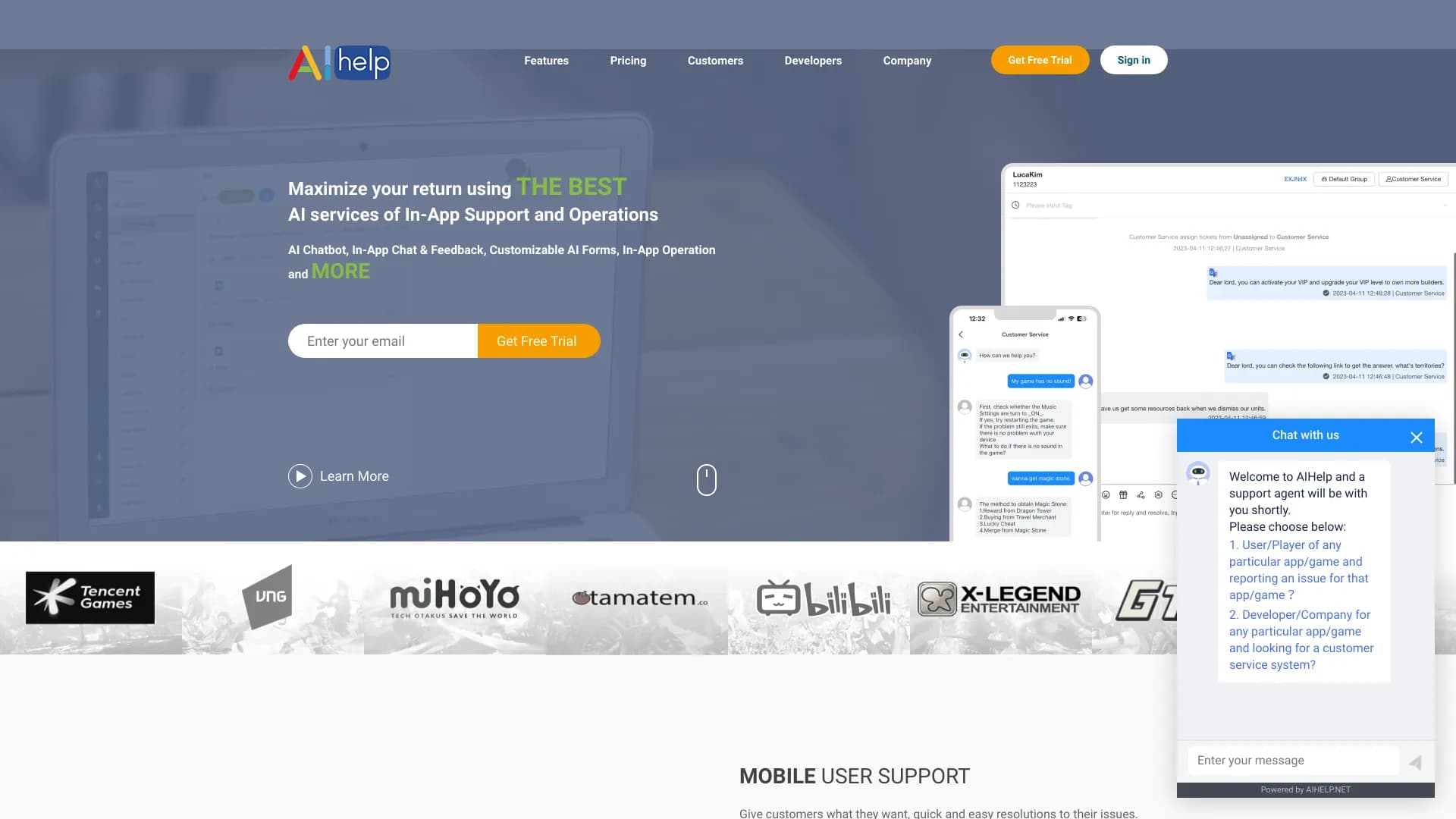

AI platform for user support in applications, including a chatbot and ticketing system.
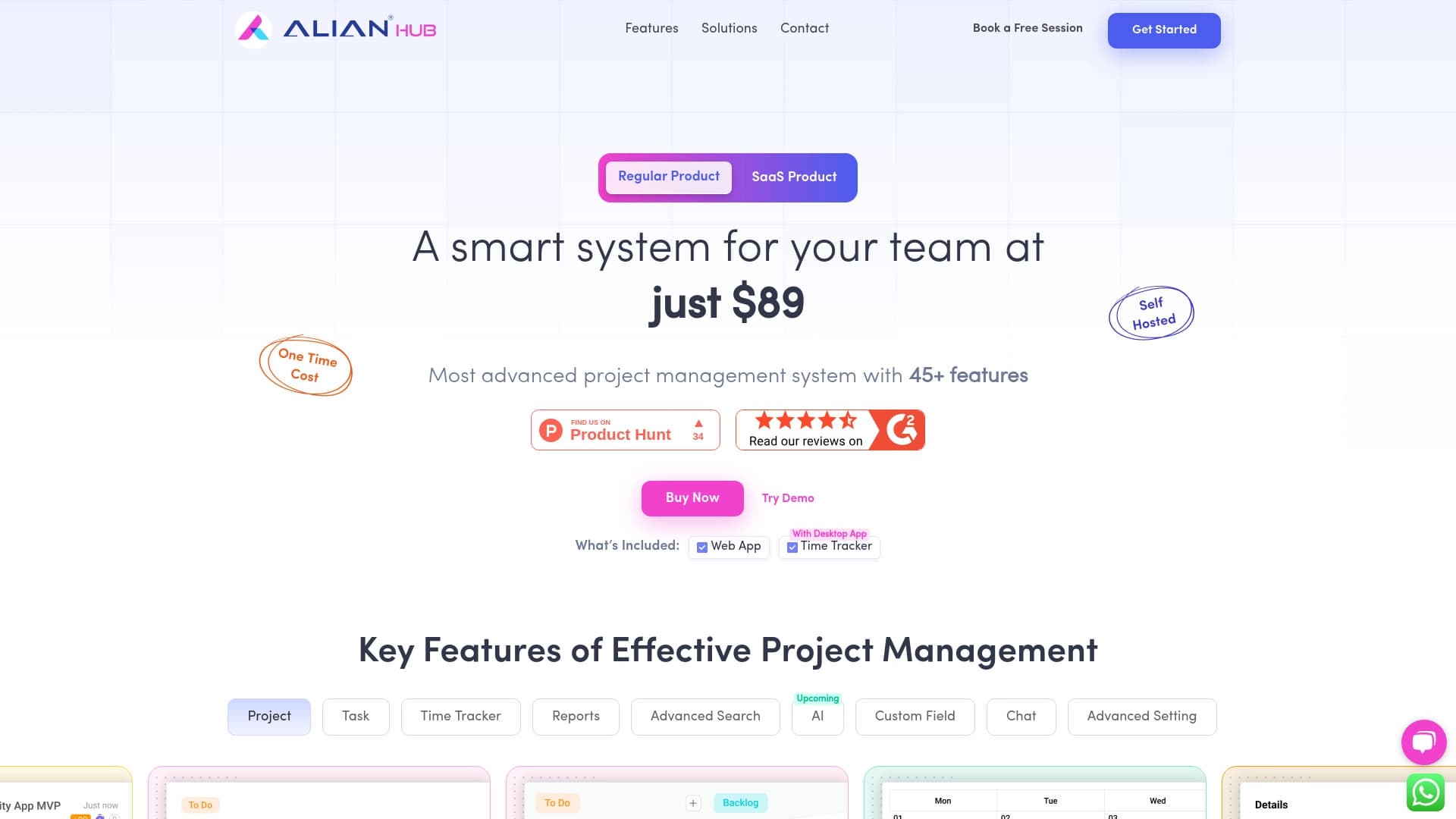

Project management platform with task assignment, time tracking, and employee workload monitoring features.

AI assistant for business that helps manage tasks and automate routine through dialogue.
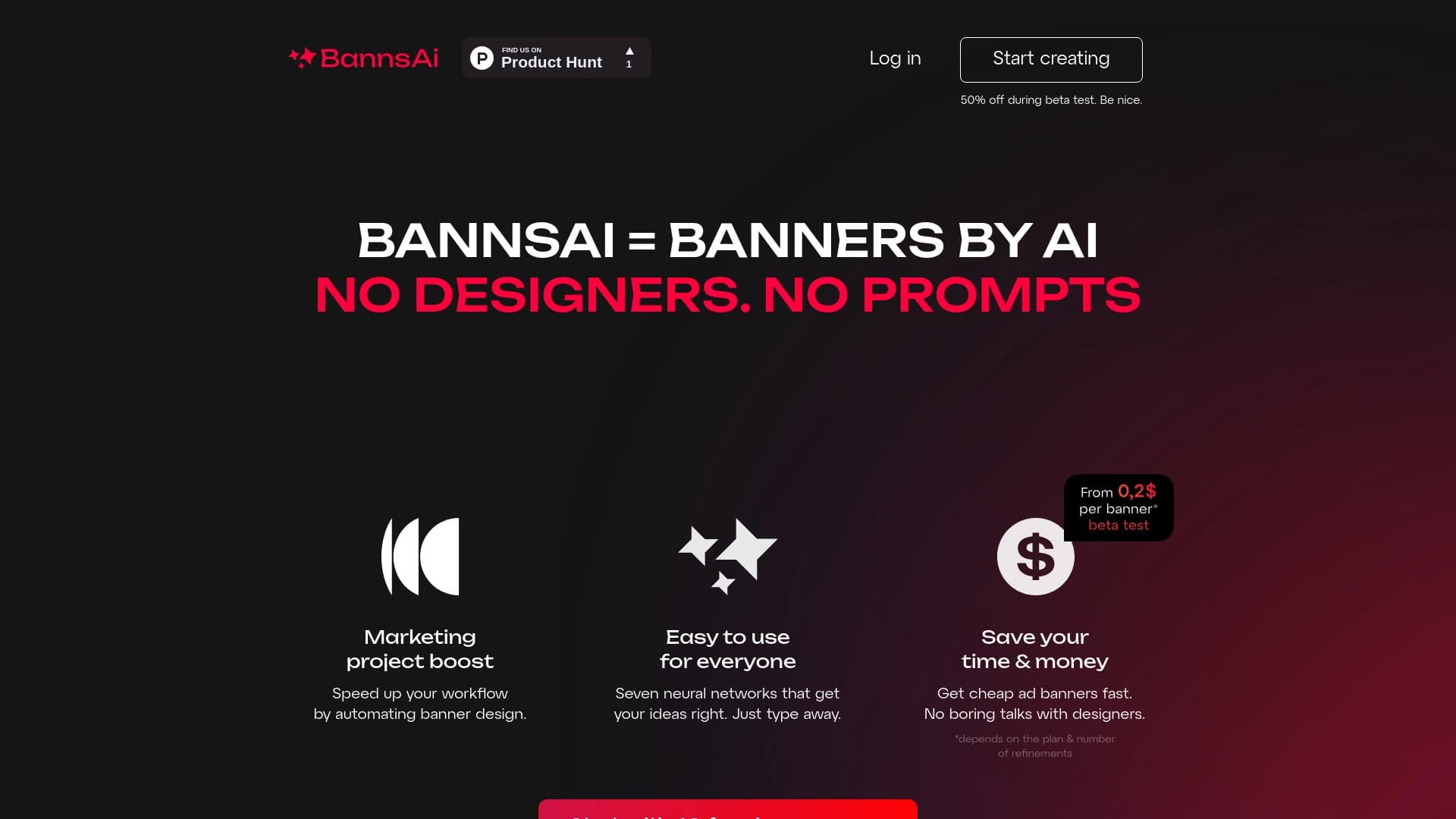

BannsAi is an AI-powered service for quickly creating ad banners based on a text description or reference.
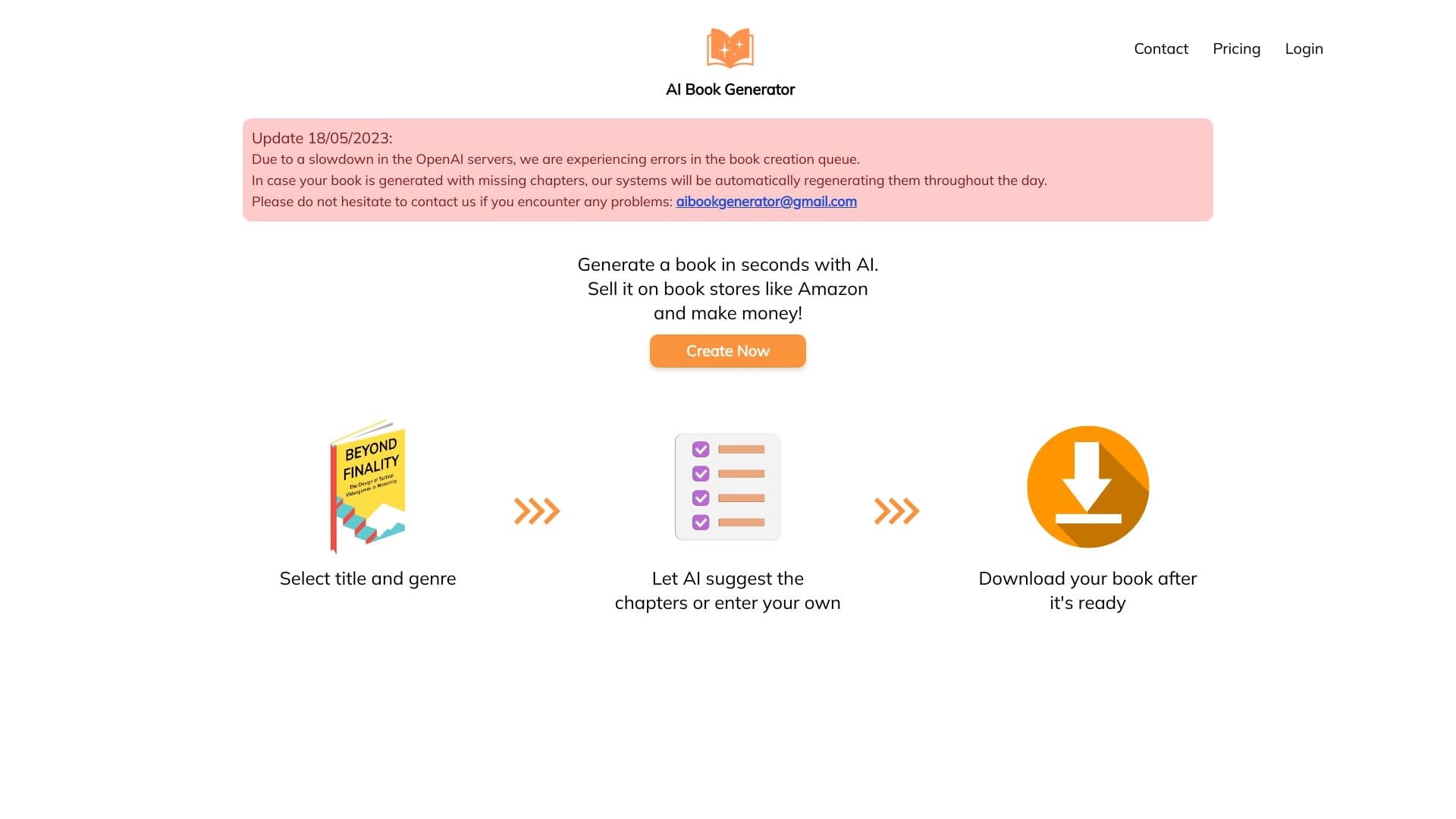

Service for quickly generating e-books on a given topic.
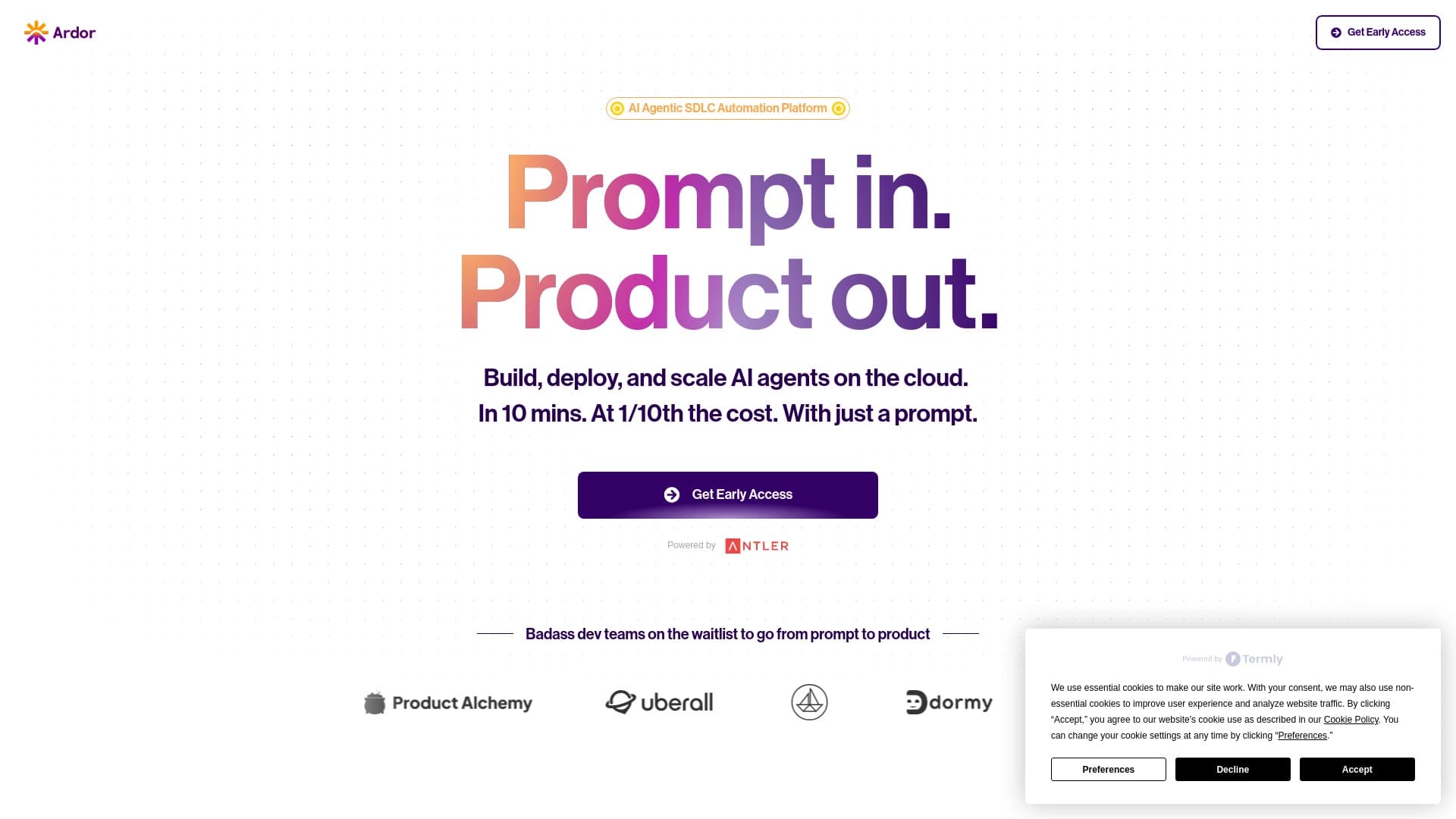

A platform for automating software development using a visual builder for AI agents.
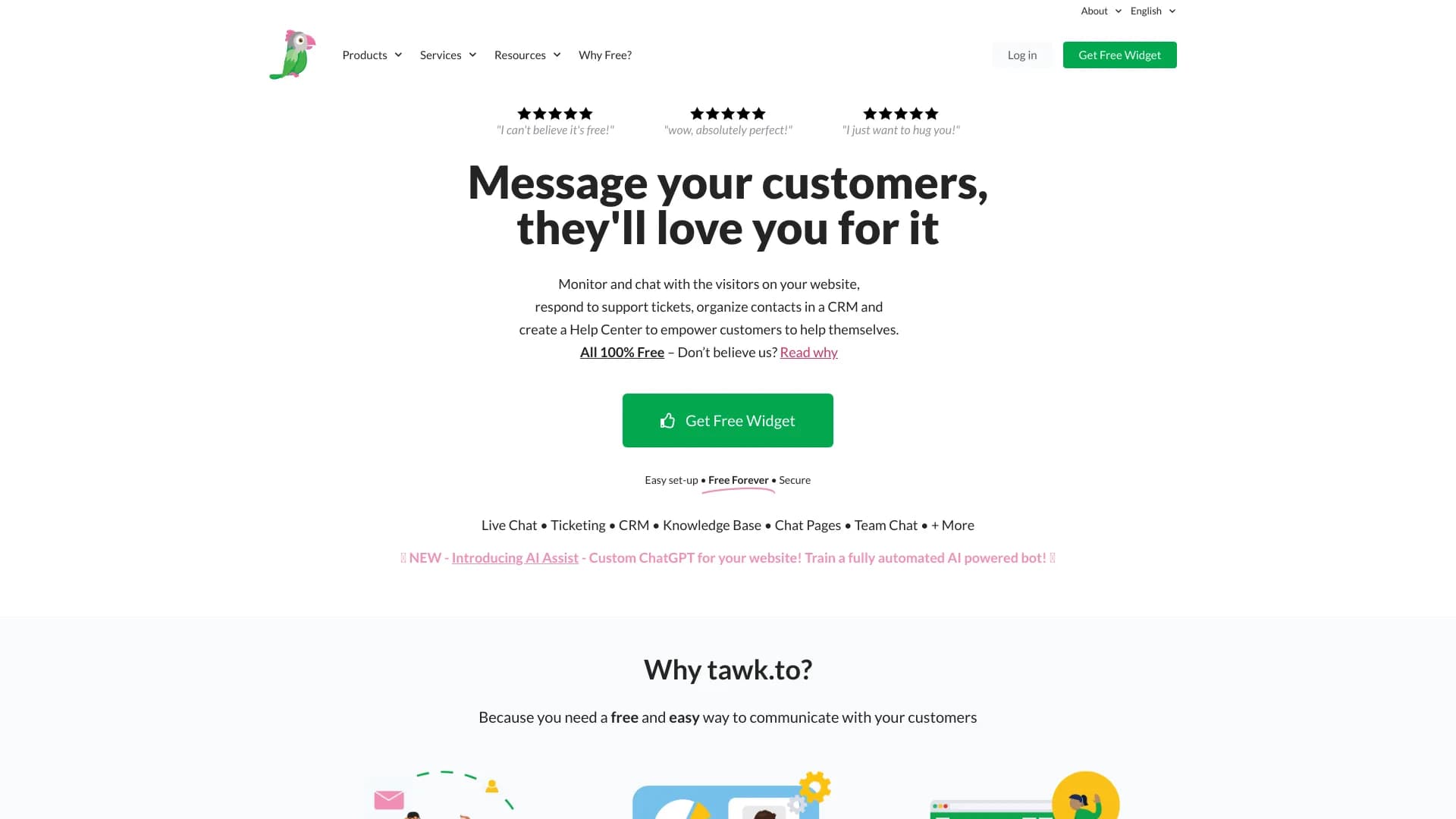

Platform for organizing live chat and communicating with website visitors, offering a free chat widget for customer support.
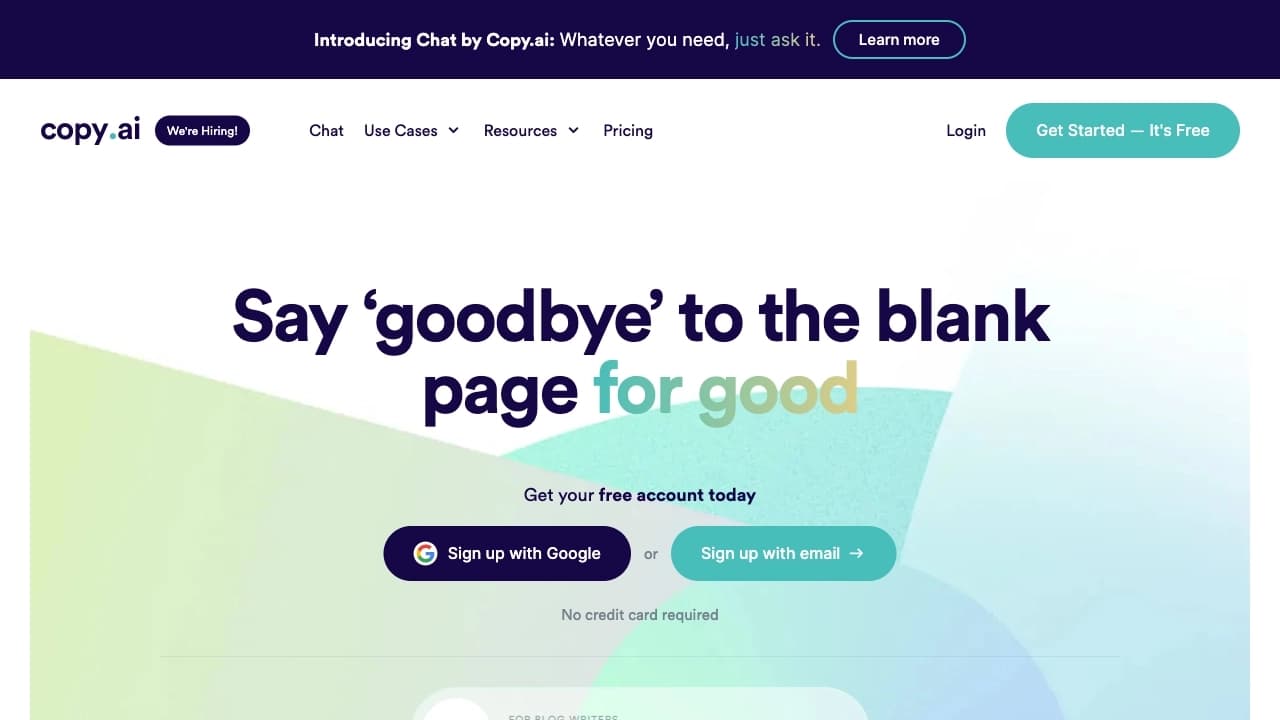

AI-based service for automatic generation of text content in various formats.