
AI Video Translator
Video translation service for 30+ languages with lip-sync preservation and natural voice.
Overview
AI Video Translator Overview
AI Video Translator is a service designed for automatic translation of video content into different languages. The tool's main feature is preserving the naturalness of speech and synchronization of the speaker's lip movements. Instead of classic dubbing, where the viewer hears a different audio track that doesn't match the articulation, the neural network adapts the image and sound so that the translated speech looks organic.
The system operates in automatic mode, allowing quick adaptation of videos for international audiences without the need to hire professional voice actors, sound engineers, or editors. It supports more than 30 languages, and the resulting voice sounds close to natural human speech, without robotic intonations.
Technological Foundation of Translation
The core technology is based on speech synthesis and facial expression analysis. The neural network recognizes the original speech, translates it into the target language, generates a voice track, and adjusts the character's articulation to match the new phonemes. This sets the service apart from simple subtitles and makes the translated video suitable for viewing by a wide audience without losing semantic and emotional content.
No Manual Dubbing Required
The key advantage is full automation of the process. The user doesn't need video editing skills or knowledge of audio production nuances. Simply upload a file, choose the target language, and get the finished result. This significantly saves time and resources compared to traditional dubbing.
AI Video Translator Features
| Feature | Value |
|---|---|
| Purpose | Automatic translation of speech in videos into other languages |
| Number of supported languages | More than 30 languages |
| Key feature | Lip synchronization with translated speech |
| Voice quality | Natural sound, close to human speech |
| Method of operation | Automatic speech synthesis and articulation adaptation |
| Need for manual dubbing | None |
| User complexity level | Low |
Who Is AI Video Translator For?
The tool will be useful for anyone working with video content and targeting an international audience. Thanks to automation, the service meets the needs of both large companies and individual creators.
Educational Content Creators
Authors of online courses, webinars, and training videos can translate their materials into other languages, expanding their audience reach. Students from different countries will have access to lectures without needing to read subtitles, which improves material comprehension.
Marketers and Business Owners
Advertisements, product presentations, and corporate videos can be quickly localized for foreign markets. This allows launching products in new territories without hiring expensive dubbing studios.
Bloggers and Media Projects
YouTube creators and streamers can adapt their content for viewers who speak other languages. This helps grow the audience and increase engagement without losing presentation quality.
How to Use AI Video Translator?
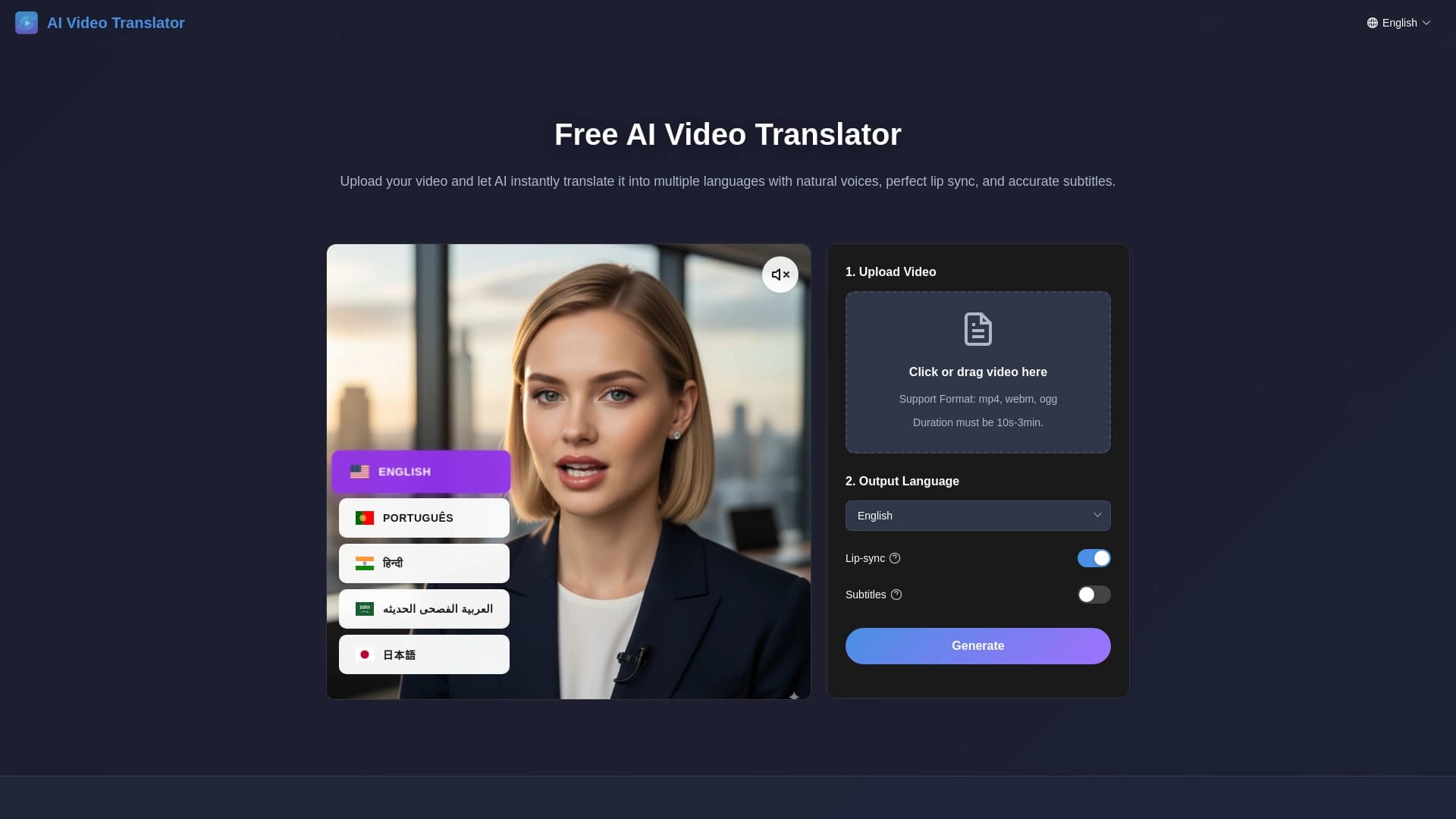
The service workflow is designed to minimize user actions. The entire cycle — from upload to receiving the translated file — happens automatically.
Step 1: Upload Video
The user uploads the source video to the service. The system accepts files in various formats, analyzes the audio track, and detects the original language.
Step 2: Select Target Language
The user specifies the language into which the video should be translated. More than 30 options are available, covering the needs of most international projects.
Step 3: Get the Result
After processing, the service delivers a ready video with translated speech, corrected articulation, and a naturally sounding voice. The resulting file can be published immediately on any platform.
Key Features of AI Video Translator
The service's functionality is aimed at a comprehensive solution for video localization, covering both audio and visual components.
Speech Translation
The system recognizes speech in the original video, translates it into the selected language, and generates a new audio track. Intonations and semantic emphasis are preserved, which is important for accurate content delivery.
Lip Synchronization
One of the key features is automatic adjustment of the speaker's lip movements to match the spoken phrases in the new language. This makes the picture look natural and eliminates the "out-of-sync" effect typical of many automatic translators.
Natural Voice Preservation
The speech synthesis algorithms used create a voice that doesn't sound robotic. This improves the quality of the final video and enhances viewer perception.
Advantages of AI Video Translator
The service solves several important challenges that content creators face when trying to localize their videos.
- Time savings: the translation process is fully automated, eliminating the need for manual work.
- Wide language coverage: support for more than 30 languages makes the service a universal tool for different regions.
- Natural visuals: lip synchronization and high-quality speech synthesis produce a video that doesn't look like a cheap imitation.
- Ease of use: no special skills or video editing knowledge required.
Disadvantages of AI Video Translator
Like any automated tool, the service may have certain limitations related to the technical complexity of the task.
- Possible audio distortions: when translating complex texts with abundant terminology or slang, some semantic nuances may be lost.
- Dependence on source material: result quality directly depends on speech clarity and recording quality in the original video.
What Problems Does AI Video Translator Solve
The service's main task is translating videos into foreign languages without losing perception quality. This solves a range of practical problems that arise when working with international content.
Localization of Advertising and Corporate Materials
Companies entering foreign markets face the need to translate promo videos. AI Video Translator allows quick adaptation of advertising messages, making it possible to include them in international advertising campaigns.
Creating Accessible Educational Content
By translating lectures and courses into other languages, authors can attract students from around the world. Lip synchronization maintains visual contact with the speaker, which improves learning effectiveness.
AI Video Translator Pricing
Currently, precise information about the cost of using the service is not available in public sources. To clarify pricing policy and available subscription plans, it is recommended to contact the tool's official website directly. Most likely, the final cost will depend on the volume of translated content and the chosen subscription terms.
Terms of Use for AI Video Translator
Detailed terms of use, including restrictions on uploaded file size, technical requirements, and data processing rules, are not disclosed in available sources. To get up-to-date information, you should review the service's official documents. Typically, such online platforms require registration and consent to standard user policies.
Availability of AI Video Translator
The tool is available as an online service, allowing users to work with it through any modern browser without downloading or installing additional software. Information about mobile apps or a desktop version is not publicly available. Support for more than 30 languages implies wide geographic usage; however, the full list of countries where the service is available may be limited by technical or legal reasons.
How AI Video Translator Differs from Alternatives
The key difference between AI Video Translator and most automatic translation services is its focus on visual synchronization. Many competitors only offer audio track replacement, while the speaker's lip movements don't match the sound, which looks unnatural. This service focuses on a comprehensive approach: it adapts articulation to the new speech. Combined with natural voice quality and support for dozens of languages, this delivers almost full-fledged dubbing in automatic mode.
Conclusion
AI Video Translator is a functional solution for automatic localization of video content. The service addresses the need for quick video translation into a wide range of languages while solving the lip synchronization problem, which is critical for perception. The tool will be useful for bloggers, marketers, educational projects, and anyone who needs to adapt videos for international audiences without spending on professional dubbing. Given the process automation and the naturalness of the final result, the service is a worthy option for those who value time and quality.
Frequently asked questions
See also
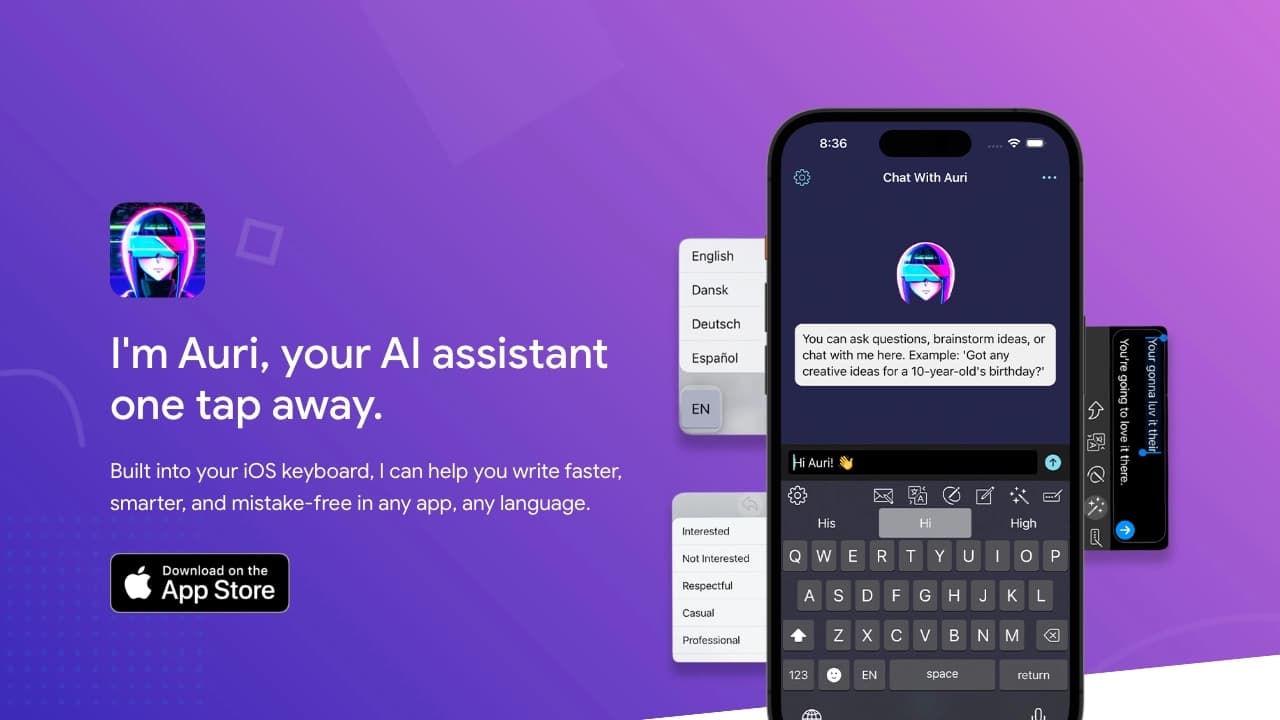
AI keyboard for Apple devices that speeds up typing with corrections, translation, and response generation.
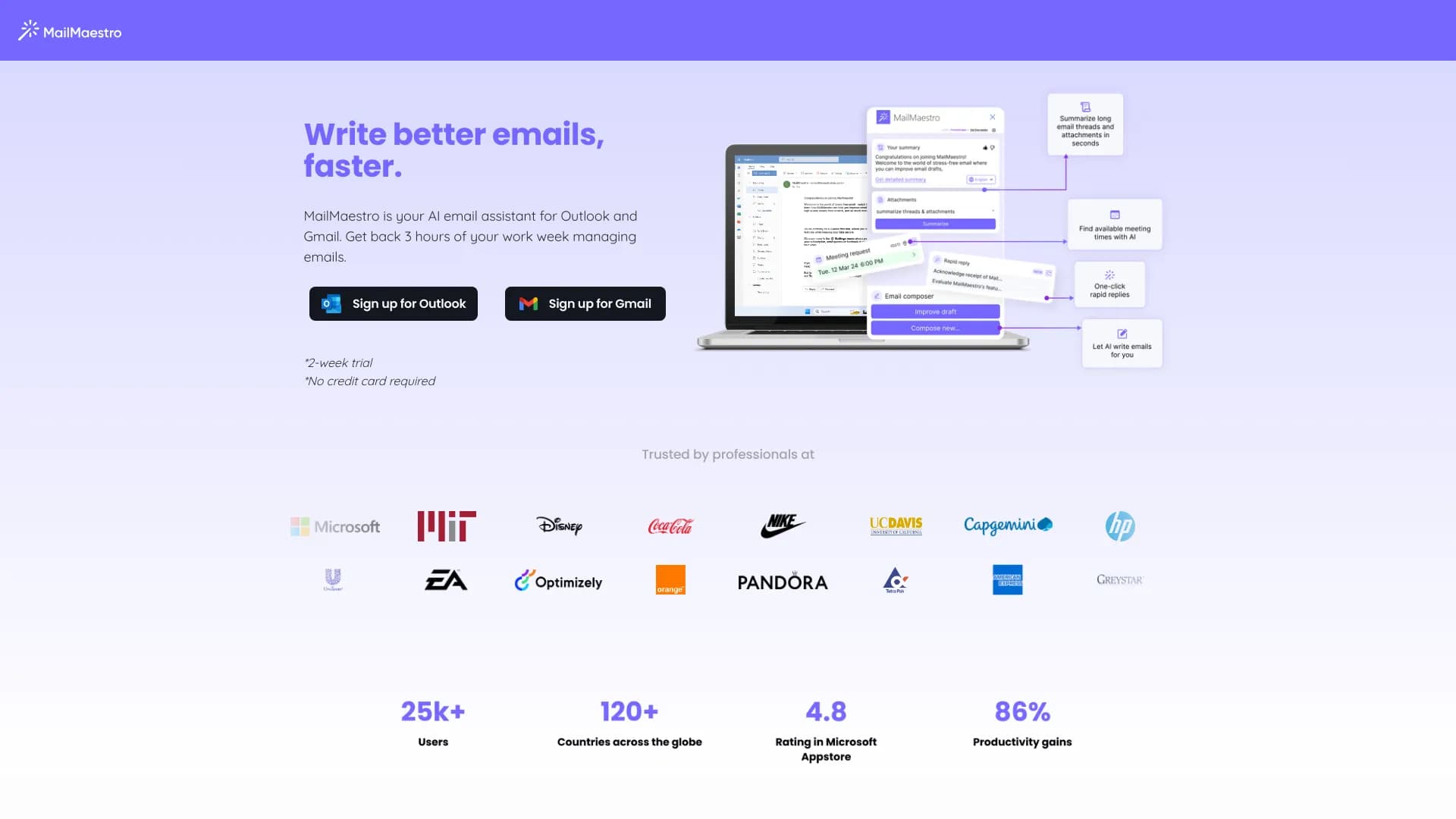

AI email assistant that integrates with Gmail and Outlook.
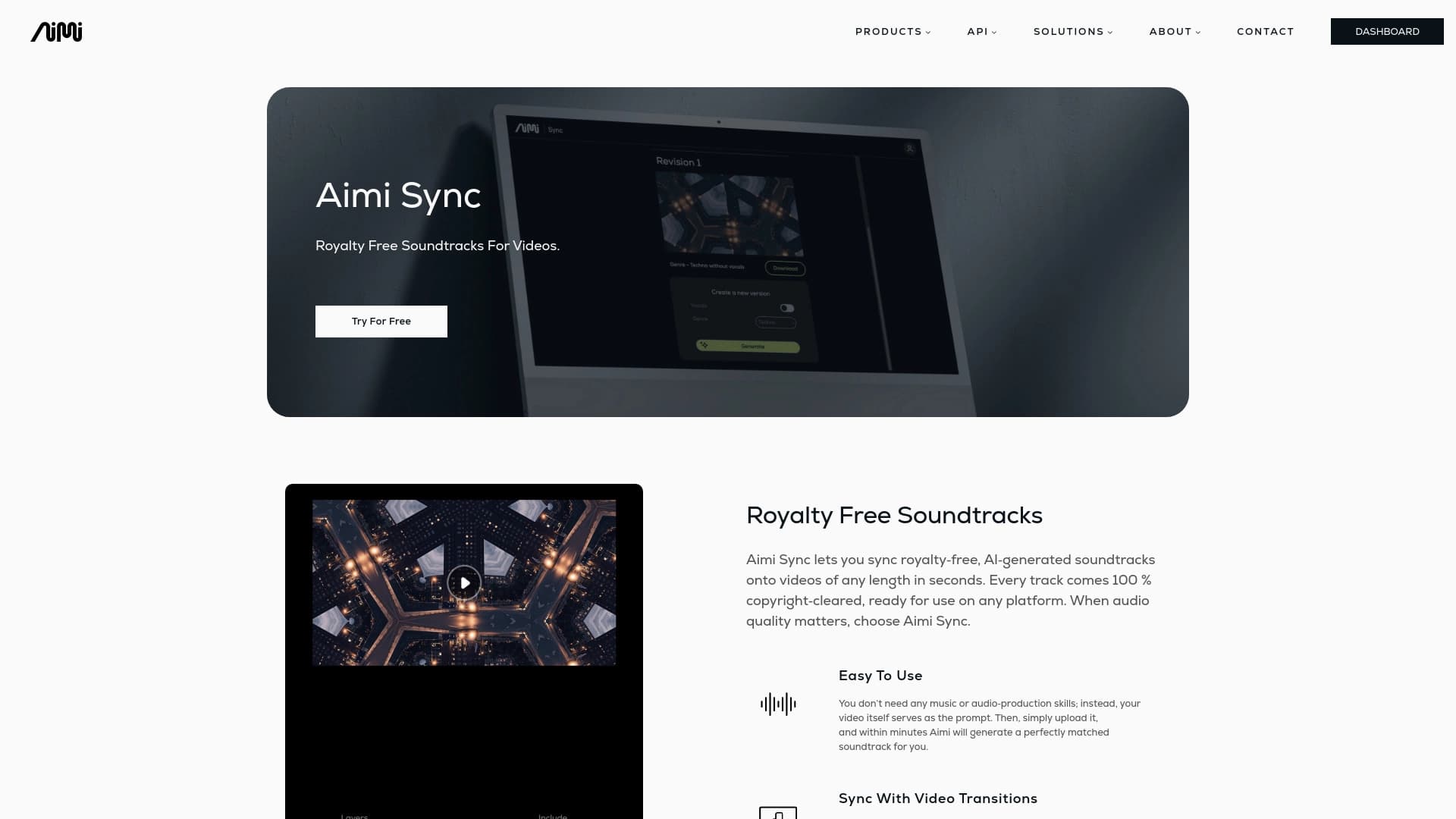

Aimi is a service that automatically creates music and voiceovers for videos by analyzing the video footage.
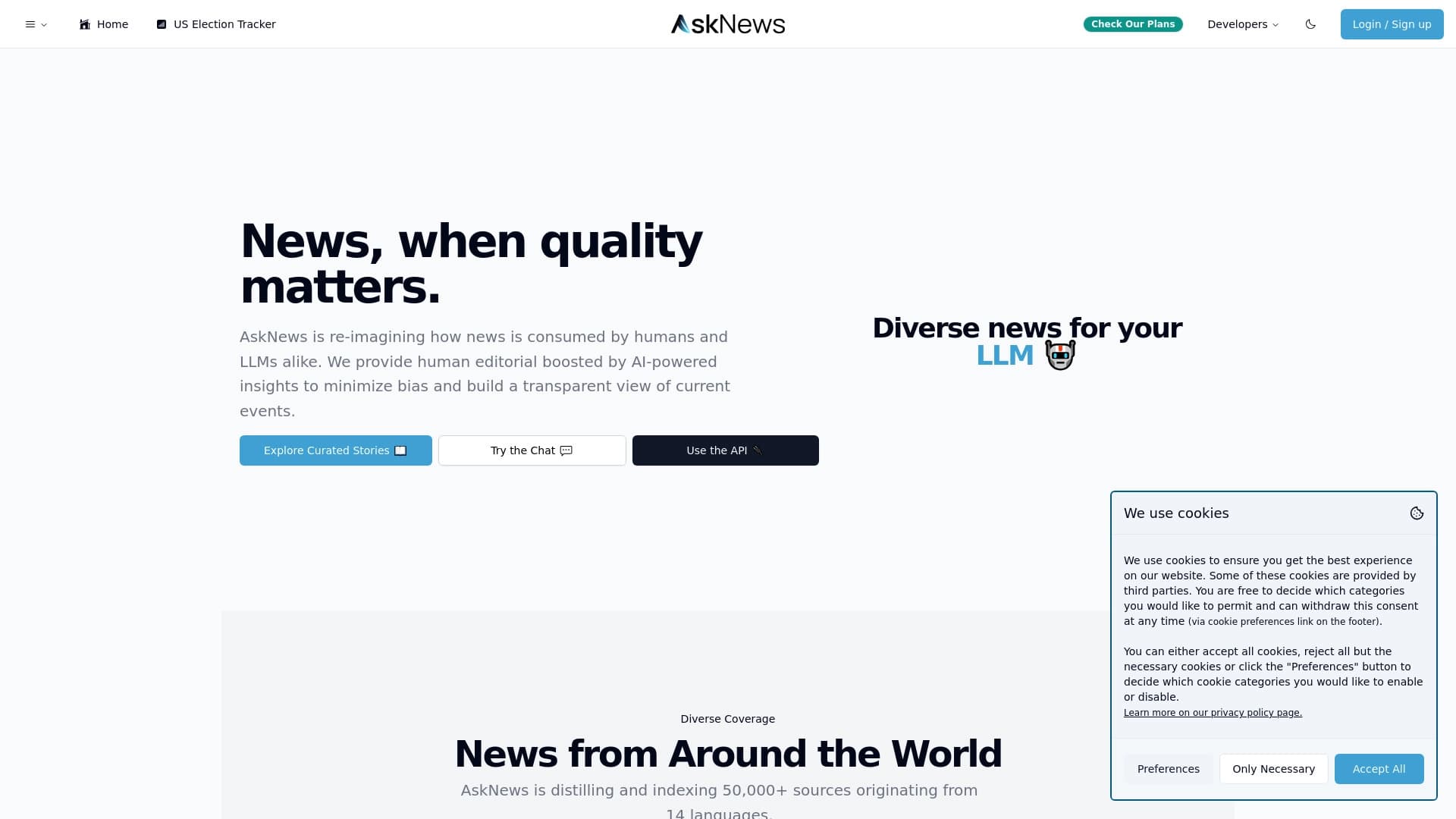
A platform for aggregating world news using AI to analyze and reduce bias.
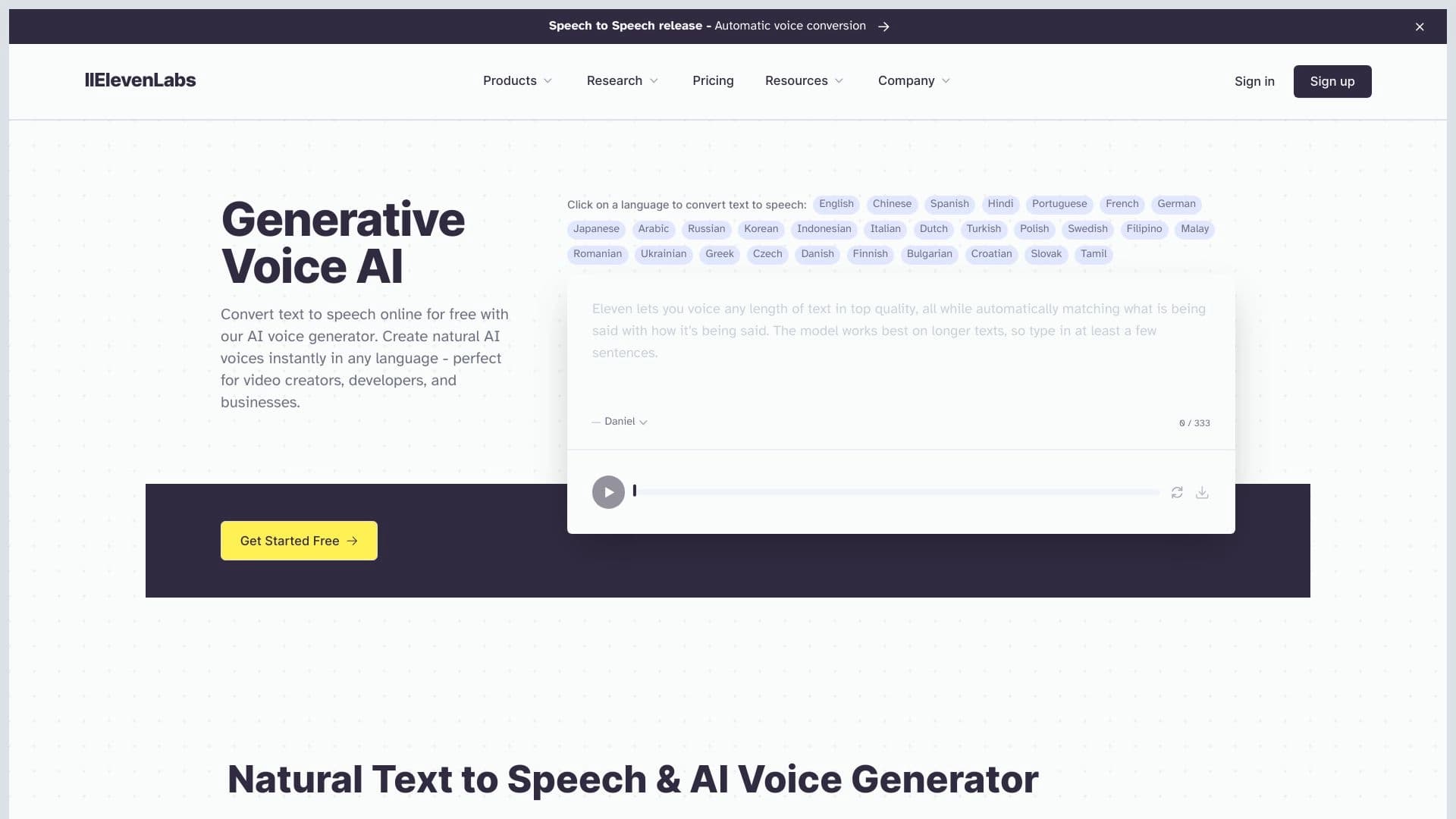
AI platform for voice synthesis and cloning that converts text into realistic speech.
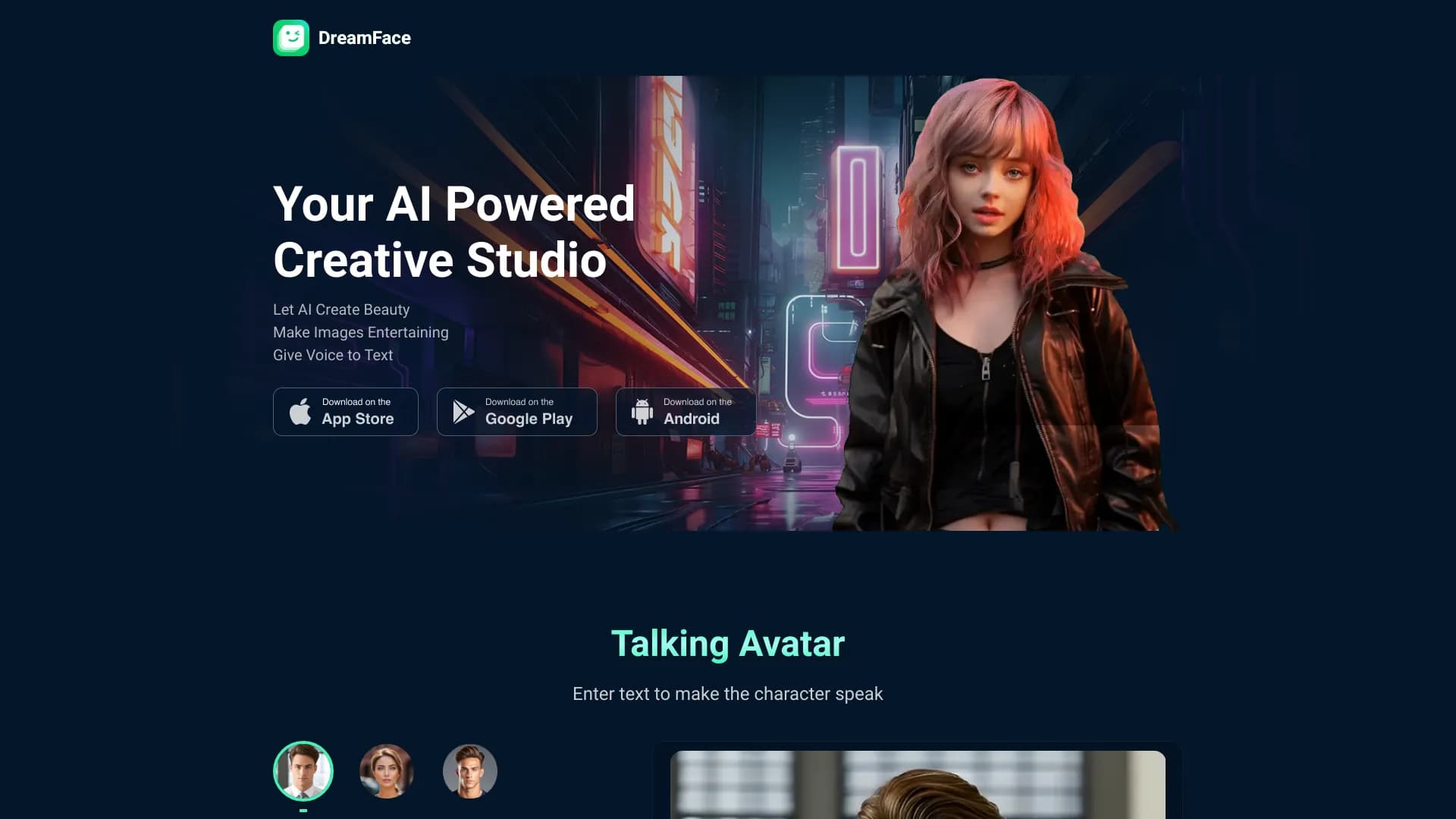
Service for animating photos and creating videos with digital avatars using artificial intelligence.
A multimedia AI toolkit for editing and enhancing photos, videos, and PDF documents.

AI-powered online ASMR video generator that creates relaxing clips from a text description.