

AgenticRAG
Open-source Python framework for building autonomous RAG agents with integration of external tools and APIs.
Overview
AgenticRAG is an open-source Python framework designed for building autonomous agents powered by Retrieval-Augmented Generation (RAG). In simple terms, it's a toolkit that allows developers to assemble intelligent systems capable not only of generating text but also of independently finding the necessary information in databases and using external services to perform complex tasks.
Architecture and How It Works
Unlike simple RAG systems that perform search and generation according to a fixed script, AgenticRAG makes agents "thinking." They are able to plan their actions, break down a complex query into several steps, access different data sources and tools, and then assemble the obtained results into a coherent answer. The framework manages memory and context, allowing the agent to maintain a dialogue and take previous interactions into account.
Purpose
The main goal of the project is to speed up and simplify the process of developing complex AI applications. The framework handles routine tasks such as connecting to vector databases, integrating with APIs, and managing context, allowing the developer to focus on business logic and use cases. It's a kind of "construction kit" for creating question-answering systems, research assistants, and bots for automating workflows.
AgenticRAG Characteristics
| Characteristic | Value |
|---|---|
| Type | Open-source framework |
| Programming Language | Python |
| Category | AI Platforms & Frameworks, Workflow Automation, Tool Libraries |
| Platforms | Linux, Mac, Windows |
| Date Added | May 20, 2025 |
| Distribution Model | Free |
| Supported Vector DBs | FAISS, Pinecone |
| LLM Integration | OpenAI and other providers (multi-model configurations) |
Who is AgenticRAG for?
The framework is aimed at technical specialists who need to quickly create prototypes and deploy systems based on large language models into production.
Developers and Engineers
For Python developers who want to integrate RAG functionality into their applications without spending time writing low-level code for working with vector databases and APIs. The framework speeds up the MVP creation process and reduces the amount of boilerplate code.
Researchers and Data Scientists
For data specialists and AI researchers, the framework will be useful for quickly testing hypotheses and experimenting with agentic scenarios. The ability to flexibly configure workflows and integrate custom tools makes it a good platform for research activities.
Architects and Automation Engineers
For corporate systems architects and engineers involved in business process automation, AgenticRAG provides tools for building complex question-answering systems based on internal documentation or for creating bots that automate the collection and processing of information.
How to Use AgenticRAG?
The process of launching and configuring the framework is intuitive and consists of several stages.
Step-by-Step Installation and Launch
- Cloning the repository: First, you need to clone the project's GitHub repository to your computer.
- Installing dependencies: After cloning, you need to install all necessary libraries by running the
pip install -r requirements.txtcommand in the terminal. - Configuration setup: The next step is to configure the configuration file. You need to specify the connection parameters for your vector database (e.g., Pinecone) and API keys for accessing the LLM provider (e.g., OpenAI).
- Defining agent logic: In a Python script, you describe the agent's tasks, memory settings, and connect the necessary external tools and APIs.
- Running the agent: The final step is to run the script, after which the agent will start performing your tasks.
Main Features of AgenticRAG
The framework provides a wide range of functions covering the main needs when creating RAG agents.
Working with Data and External Services
- Retrieval-Augmented Generation (RAG): Basic functionality for searching information in documents and generating based on it.
- Vector DB Connectors: Built-in support for FAISS and Pinecone for semantic vector search.
- Tool and API Integration: The ability to connect external APIs and custom tools to expand the agent's functionality.
Flexible Workflow Configuration
- Customizable Scenarios: Allows configuring multi-step agentic workflows, including planning and decision-making.
- Memory and Context Management: The framework has a built-in mechanism for managing memory and dialogue history, which is important for maintaining context in long sessions.
Advantages of AgenticRAG
Using this framework provides developers with several significant advantages.
- Rapid Agent Development: The main advantage is a significant acceleration of the agent creation process by eliminating routine work.
- Flexible Modular Architecture: Easily adapts to specific project needs thanks to its modular structure.
- Scalable Search: Built-in support for vector databases ensures efficient work with large volumes of documents.
- Seamless LLM Integration: Supports connecting OpenAI and other providers, making it easy to switch models or use multiple models simultaneously.
- Minimal Boilerplate Code: A significant reduction in the amount of code that needs to be written manually reduces the risk of errors and speeds up development.
Disadvantages of AgenticRAG
The framework is in an active development stage and has certain limitations that should be considered.
- Technical Skills Required: Working with AgenticRAG requires confident knowledge of Python, understanding of RAG concepts, and experience with APIs and vector databases. The tool is not intended for non-technical users.
- Young Project: The date added to the catalog is May 2025, indicating its novelty. Consequently, the community may be small, and documentation may be insufficient, potentially requiring self-study of the code.
- Self-Deployment: All infrastructure (vector database, API endpoints) is configured by the user, requiring additional effort and knowledge of server application operation.
What Problems Does AgenticRAG Solve?
The framework is designed to solve various tasks related to information processing and automation.
Information Retrieval and Support
- Question-Answering Systems: Creating systems for finding answers in company documentation, scientific articles, or legal documents.
- Knowledge Bases and Chatbots: Developing intelligent chatbots for user support that can answer questions based on an internal knowledge base.
Automation and Research
- Automated Research Assistants: Creating tools that can collect and analyze information from various open sources to prepare reports.
- Process Automation Bots: Automating routine workflows related to searching, processing, and systematizing information.
- Enterprise Search Systems: Developing search systems for internal documents and databases for organization employees.
AgenticRAG Pricing
AgenticRAG is an open-source project and is distributed free of charge according to the free distribution model. This means you can use the framework without any licensing fees. However, it's important to understand that, being an open-source project, it may require payment for access to third-party services, such as a vector database (Pinecone) or a language model API (OpenAI). Costs may also arise for deploying and maintaining your own infrastructure.
Terms of Use for AgenticRAG
Currently, the framework can be characterized as a project for developers. The terms of use imply that the specialist responsible for implementation and operation has sufficient qualifications to configure and run all system components, including integration with cloud APIs. Since we don't have exact data on specific license agreements, it's important to review them yourself in the project's official GitHub repository before using the code for commercial purposes. In general, open-source projects grant broad rights for use, modification, and distribution, but the details always depend on the specific license.
AgenticRAG Availability
The framework is available on all major operating systems: Linux, Mac, and Windows. The main condition for access is having Python installed. To get started, you need to clone the project files from the public GitHub repository. Additionally, you will need to configure access to the external services — the vector database and the language model API — that you plan to use.
How Does AgenticRAG Differ from Alternatives?
There are several popular frameworks on the market for building RAG systems and agents, such as LangChain, LlamaIndex, and Haystack. AgenticRAG aims to carve out its niche by offering a narrowly specialized and simplified solution compared to these giants.
Focus on Agency and Simplicity
The main difference of AgenticRAG is its emphasis on creating truly autonomous agents. While LangChain and LlamaIndex are much more extensive ecosystems with support for hundreds of integrations, AgenticRAG focuses on a more specific scenario — building multi-step decision-making processes. This makes it easier to learn and use for tasks where excessive functionality isn't required, and the speed of agent creation is important.
Comparison with Alternatives
Compared to "monoliths" like LangChain, AgenticRAG may seem limited. However, this limitation is its strength: fewer settings and connections mean less code to write and maintain. It provides a "turnkey" solution for typical use cases, while using LangChain or LlamaIndex will require the developer to delve deeper and construct the pipeline from scratch. Thus, the choice between AgenticRAG and its alternatives is a choice between simplicity and development speed versus maximum flexibility and breadth of capabilities.
Conclusion
AgenticRAG is a promising open-source framework that offers developers a simple and effective way to create autonomous RAG agents. Its key advantages are development speed, flexibility, and ease of integration with modern technologies. The project is well-suited for rapid prototyping and creating production systems that require intelligent search and automation. Despite its relative novelty and the need for technical skills, AgenticRAG is a strong candidate for use in projects where reducing development complexity without losing functionality is required.
Frequently asked questions
See also
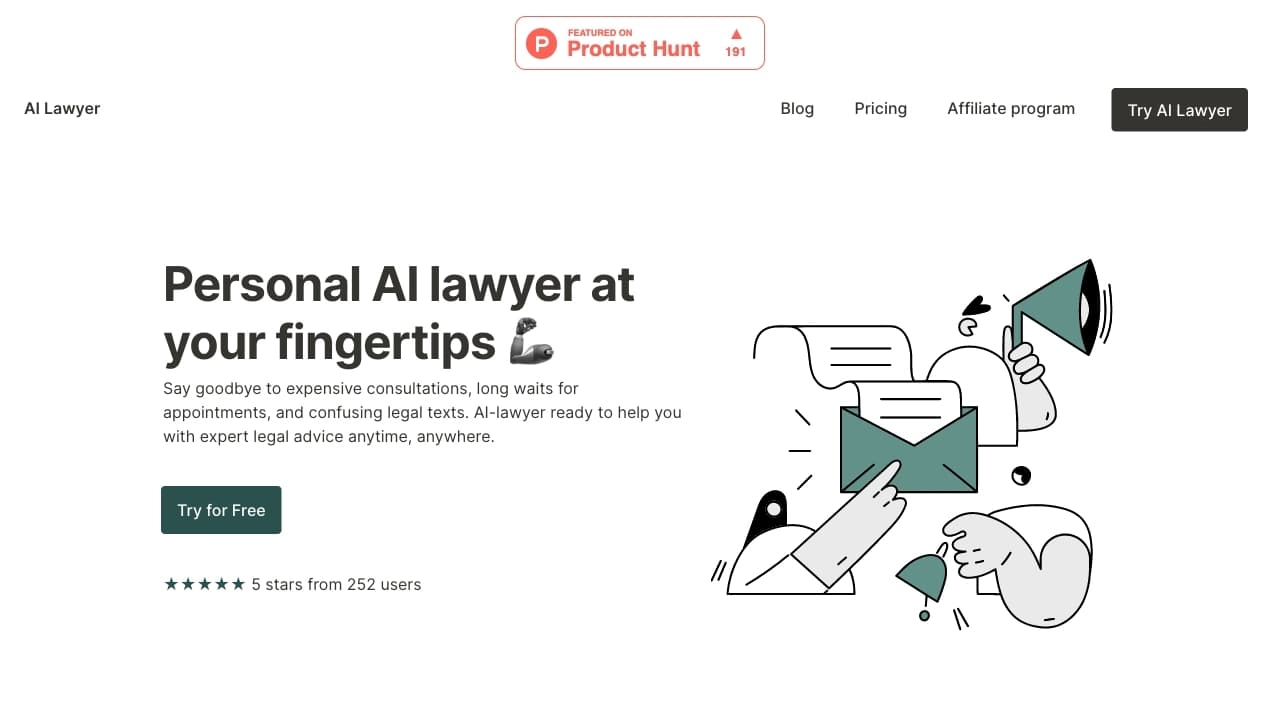

AI-powered platform for generating legal documents, contract analysis, and obtaining legal information.
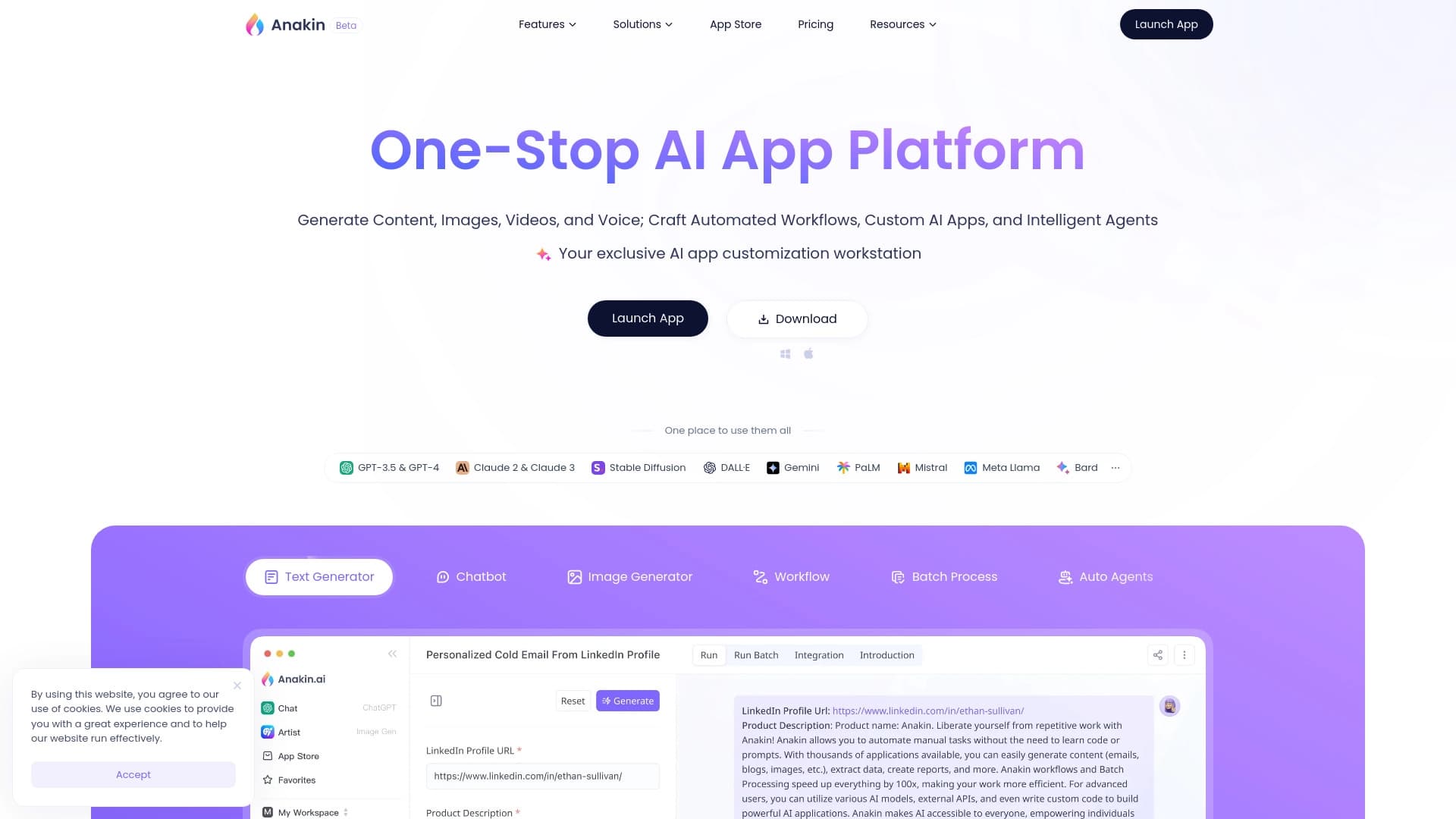
Anakin.ai is a low-code platform that combines various AI models for content creation and workflow automation without coding.
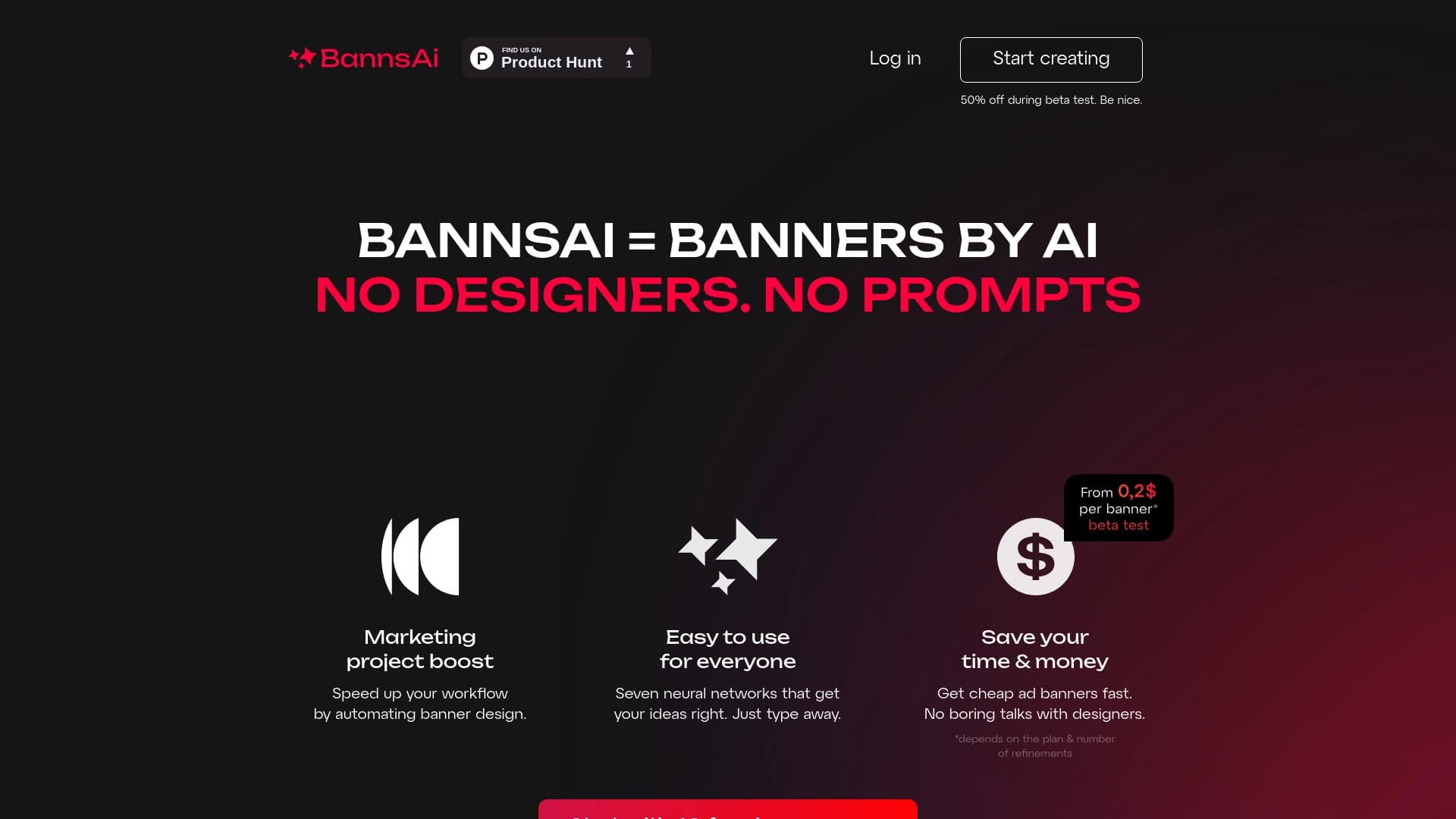

BannsAi is an AI-powered service for quickly creating ad banners based on a text description or reference.
AllChat is a universal platform that combines several popular language models in a single interface for communication, image generation, file analysis, and code execution.

Online AI speech synthesis platform that allows generating audio with voices of famous characters and celebrities.


A web service that automates job search using artificial intelligence.


An open platform for generating images and other visual content from text descriptions using AI.
A neural network-powered cloud service for generating 3D models, textures, and animations from text descriptions or images.