
Aftercare
Platform for creating surveys with AI-generated follow-up questions and automatic response analysis.
Overview
Aftercare AI Description
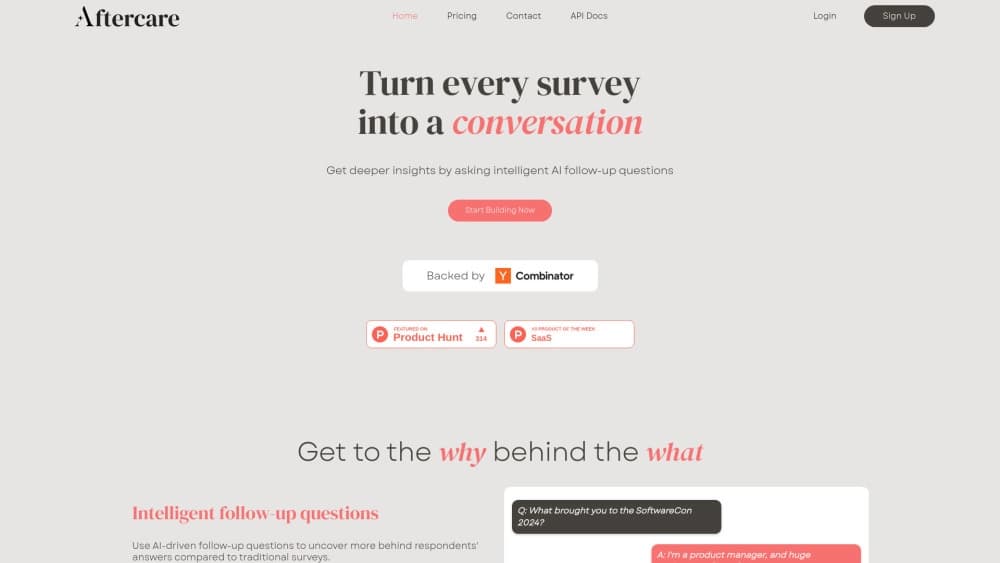
Aftercare is a web platform for creating and conducting surveys that uses artificial intelligence to deepen the data collected. The main feature of the service is that the AI can ask respondents additional clarifying questions in real time, going beyond the static list of questionnaire items. This makes it possible to move away from superficial answers and obtain more meaningful feedback.
The second key aspect of Aftercare is automated analytics. The platform does not just collect raw responses; it independently groups them, identifies patterns, and generates a concise summary with key findings. This saves researchers from the routine work of processing large volumes of text and speeds up decision-making based on the data collected. Additionally, the service offers a flexible scenario builder with logic branching for creating individual survey paths.
Aftercare Features
| Feature | Value |
|---|---|
| Type | AI-powered survey platform |
| Categories | Project management tools, Survey creation tools, Text content generators, Chatbot creation tools, AI answer generators |
| Platform | Website |
| Developer | Aftercare |
| Monthly visits | 81.4K |
| Distribution model | Information not available in sources. |
Who is Aftercare AI for?
Teams working with feedback
The service will be useful for marketing departments, product teams, and researchers who regularly need to conduct customer surveys, gauge satisfaction levels, or identify product pain points. Automated analysis reduces the time from data collection to concrete action.
Project managers and product analysts
Thanks to the ability to configure scenario branching, Aftercare suits those who need to study different audience segments within a single study. The tool allows building complex logical question chains without involving programmers.
Small teams and individual entrepreneurs
The free pricing plan and the lack of any need to write code make the platform accessible to small businesses and independent professionals (e.g., HR specialists or consultants) who want deeper responses from their audience but do not have the budget for bulky analytics systems.
How to use Aftercare AI?
Step 1: Creating a survey
To begin, go to the Aftercare website and build the structure of your future survey. At this stage, you add the main questions you want to ask your audience.
Step 2: Enabling AI clarifications
The platform's key differentiator is the ability to add AI features to a survey. You activate the option where the neural network generates clarifying questions in real time to uncover respondents' answers in greater depth.
Step 3: Configuring the scenario and collecting data
Using the visual builder, you configure the survey flow: question order, display conditions, and branches for different respondent types. After launching the survey, the platform collects responses, and the built-in neural network automatically sorts them and generates final analytics.
Key Aftercare Features
Smart clarifying questions
The AI automatically generates additional questions during the survey based on the respondent's previous answers. This yields clearer, more detailed responses than standard answers to closed-ended questionnaire items.
Automated analysis and summarization
The service independently processes the collected data: it sorts responses into categories, highlights recurring patterns, and produces a concise analytical summary. You don't need to read through all the questionnaires yourself to spot trends.
Flexible scenario builder
The built-in builder lets you create surveys with logic branching. You can set up individual paths for each respondent category, change question order, and create conditional branches without writing code.
Aftercare Advantages
Depth of data collected
Using artificial intelligence helps move beyond formal "checkboxes" and obtain detailed, meaningful feedback. The AI extends questions so respondents fully articulate their thoughts.
Time savings on analytics
Instead of a lengthy raw-data processing stage that takes hours in conventional services, Aftercare delivers a structured report almost instantly. Response grouping and key-point extraction happen automatically.
Easy setup without programming
The platform offers high flexibility in creating complex surveys while requiring no development skills from the user. Branching logic and scenarios are configured through an intuitive visual interface.
Aftercare Disadvantages
Risk of incorrect interpretation
The AI does not always correctly recognize ambiguous or ironic respondent answers. This can distort the final analysis and lead to inaccurate conclusions based on misunderstood data.
Dependence on question wording
The quality of the final result depends heavily on how you draft the initial questionnaire. If questions are poorly worded or provocative, even a smart AI cannot "save" the results — they will be useless or misleading.
Need for neural network tuning
Platform results depend on AI model settings. To achieve the desired analysis quality, users may need to run a series of configuration experiments, which takes time and patience.
What problems does Aftercare solve?
Conducting in-depth surveys
The platform is designed to collect detailed feedback from customers or users. It helps move from short, formal answers to full insights into audience needs and expectations.
Identifying causes of customer dissatisfaction
The service effectively handles customer satisfaction analysis. Through chains of clarifying questions, it gets to the root causes of dissatisfaction rather than merely noting that a problem exists.
Processing large data volumes
The tool automates work with large datasets. It structures hundreds and thousands of responses, highlighting what matters and helping teams make quick decisions based on aggregated information rather than scattered opinions.
Aftercare Pricing
Pricing information is available in the form of three plans. The first is a free plan for personal use and running small surveys. For teams requiring expanded capabilities, a standard plan is offered. For large companies with a full feature set and access to advanced analytics, a premium plan is available. The exact list of features included in each plan is not detailed in the sources; it is recommended to check the official website.
Aftercare Terms of Use
Detailed terms of use for the platform, including the privacy policy and data processing rules, should be specified in the official documentation on the service's website. The source data contains no details regarding restrictions on the number of surveys, respondent limits, or special requirements for corporate clients. For complete information on the rules for using the service, please refer to the primary source.
Aftercare Availability
The Aftercare service is available as a web application. This means no additional software installation is required to use the platform — simply visit the website from any device with a browser and an internet connection. Working through the web interface ensures the tool is accessible from desktop computers, laptops, and mobile devices.
How Aftercare differs from alternatives
The main difference between Aftercare and classic survey builders is the active involvement of artificial intelligence in the data collection process. Conventional services simply show respondents a fixed list of questions and record answers. Aftercare, by contrast, has AI that adapts to the respondent in real time: it adds clarifying questions on its own, "pulling out" more details and making the analysis deeper and more dynamic.
The second fundamental difference lies in data post-processing. While competitors require users to study and consolidate responses into a unified picture themselves, Aftercare immediately groups the results and generates short analytical reports. This speeds up information processing and helps clients quickly identify key trends without spending time on manual analysis.
Another important difference is the flexibility of the builder. Users can independently design the survey flow: set question order, create branches, and build individual paths for different respondents. While alternatives (e.g., Botmother, Leadtex, SaleBot, Aimylogic, Botpress, or Botsify) are more often oriented toward standardized scenarios, Aftercare emphasizes adaptability and intelligent conversation generation.
Conclusion
Aftercare is a survey platform that stands out from standard tools by using artificial intelligence to generate clarifying questions and automatically analyze collected responses. This approach delivers deeper, more meaningful data and saves time on manual result processing. However, like any AI solution, the service has limitations: the quality of outcomes depends heavily on the correctness of the original questionnaire wording and model settings. The platform suits teams willing to experiment with settings to obtain high-quality, structured feedback.
Frequently asked questions
See also
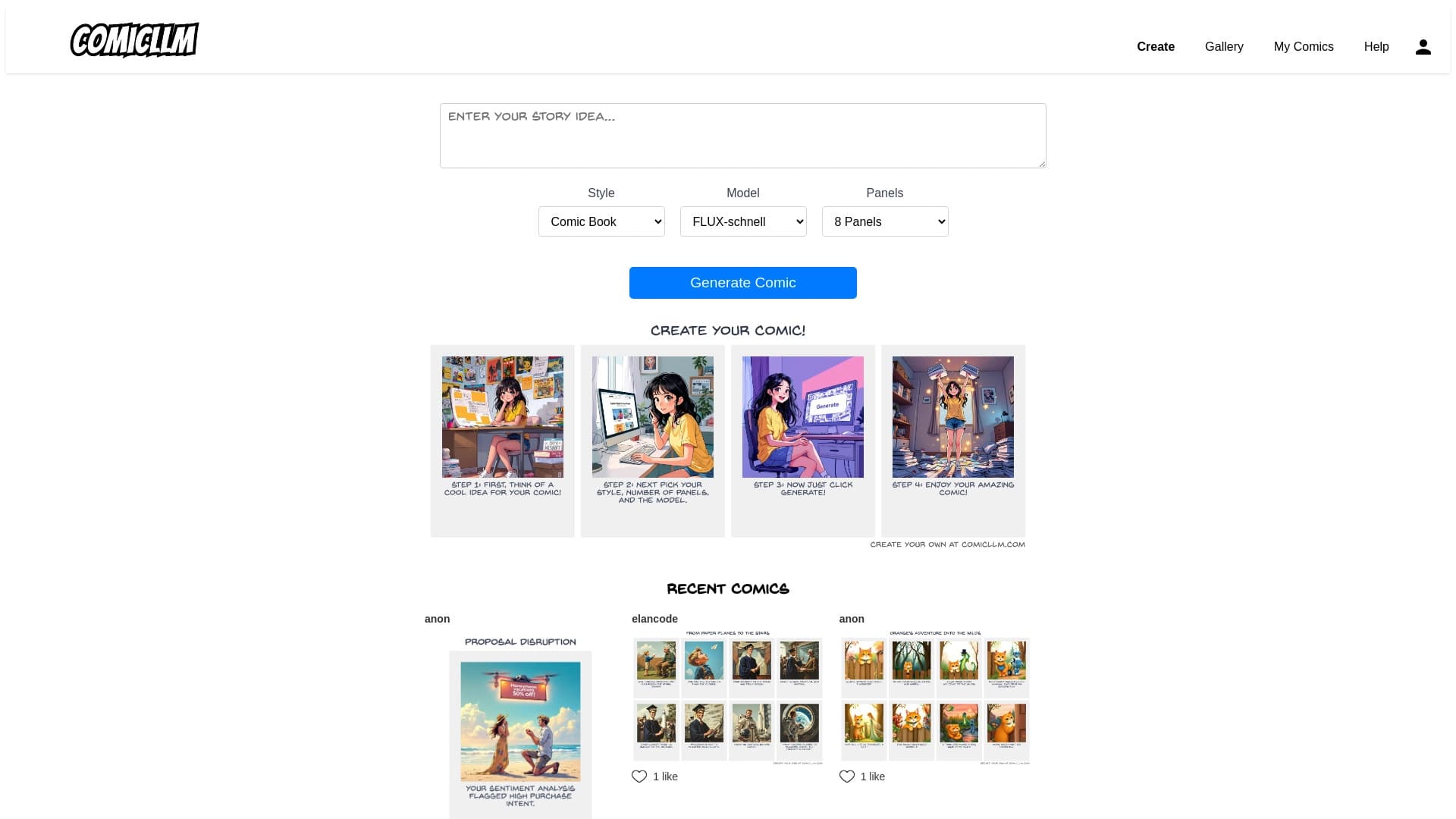

ComicLLM is an AI tool for creating comics from text descriptions or ready-made templates.
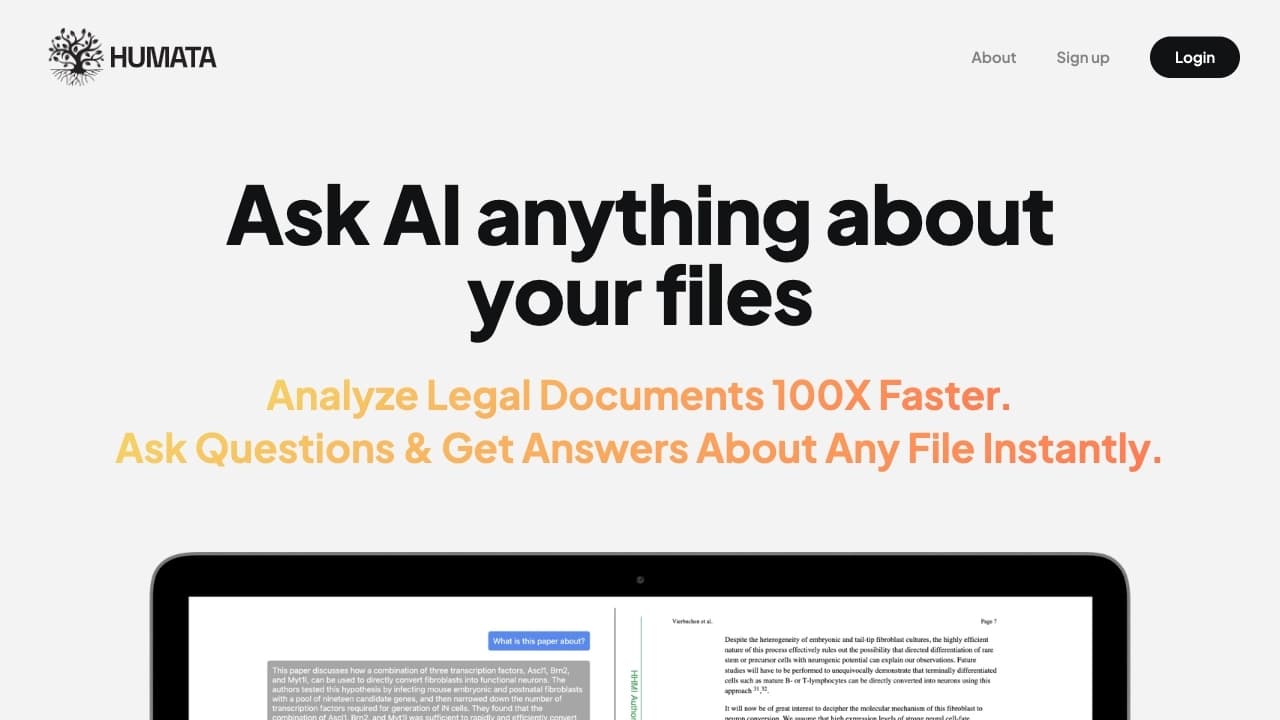
A neural network for document analysis that extracts key information, creates summaries, and answers questions about the contents of uploaded files.
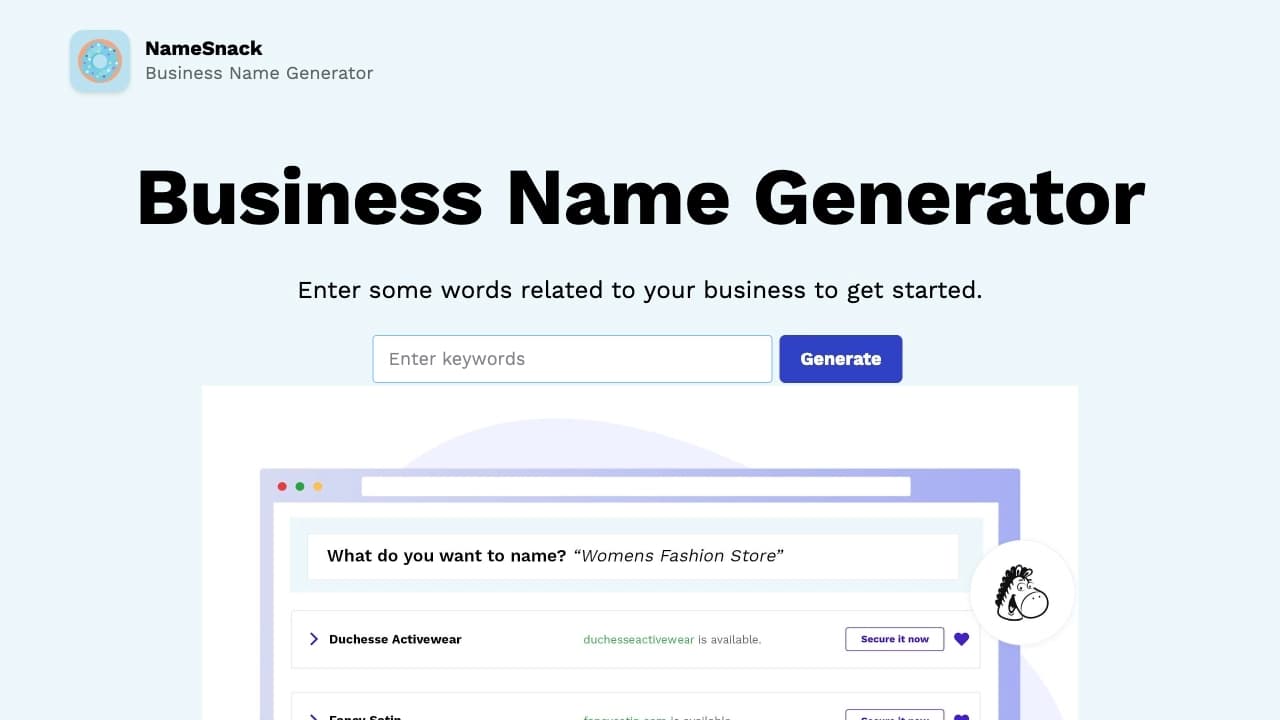
AI business name generator with domain availability checking.
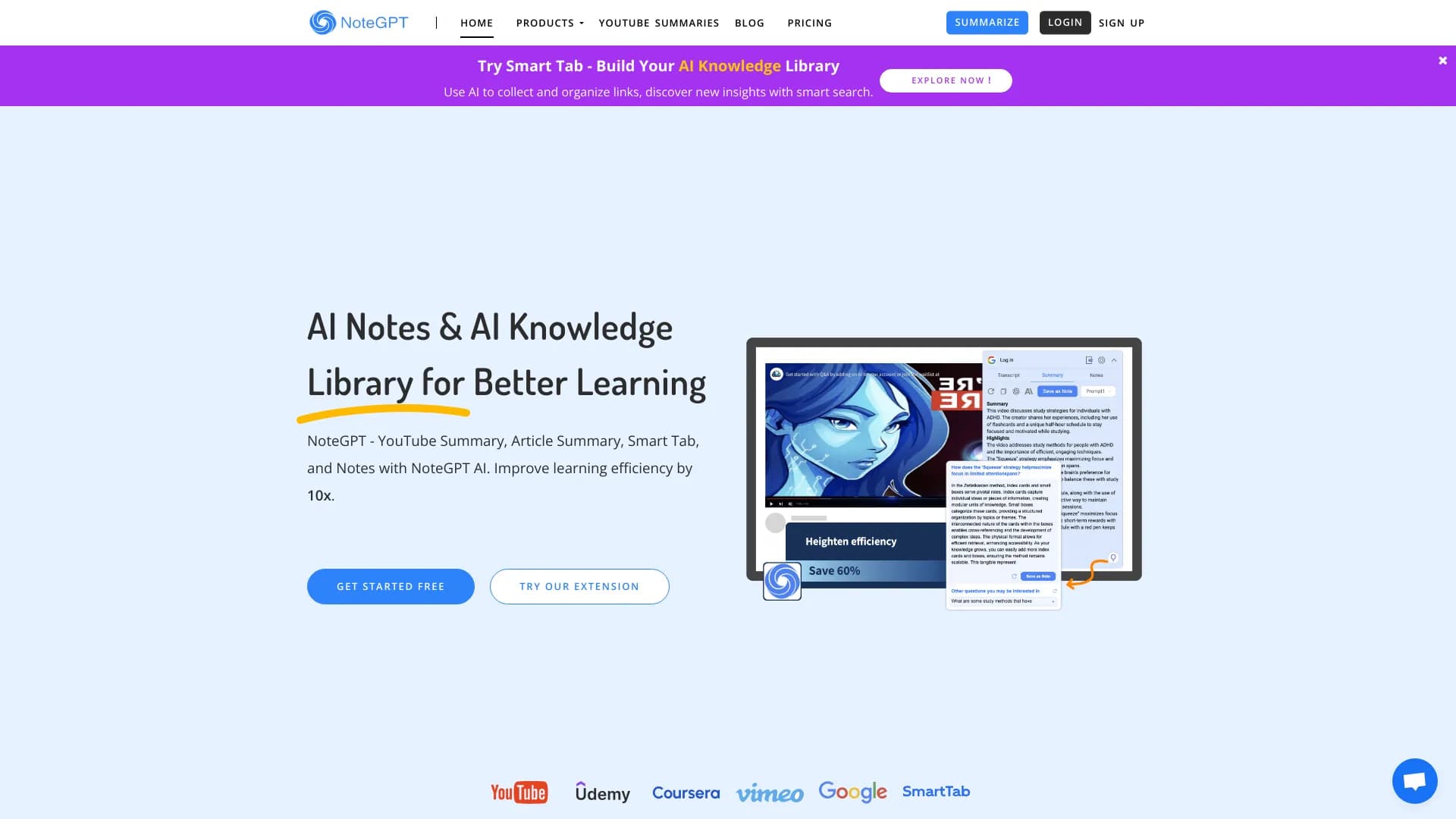

AI assistant for creating short summaries of videos, PDF documents, and web pages.

AI-powered platform for automated API security testing and vulnerability discovery in code and cloud infrastructure.

AI-powered platform for generating and enhancing images, videos, and logos in real time.
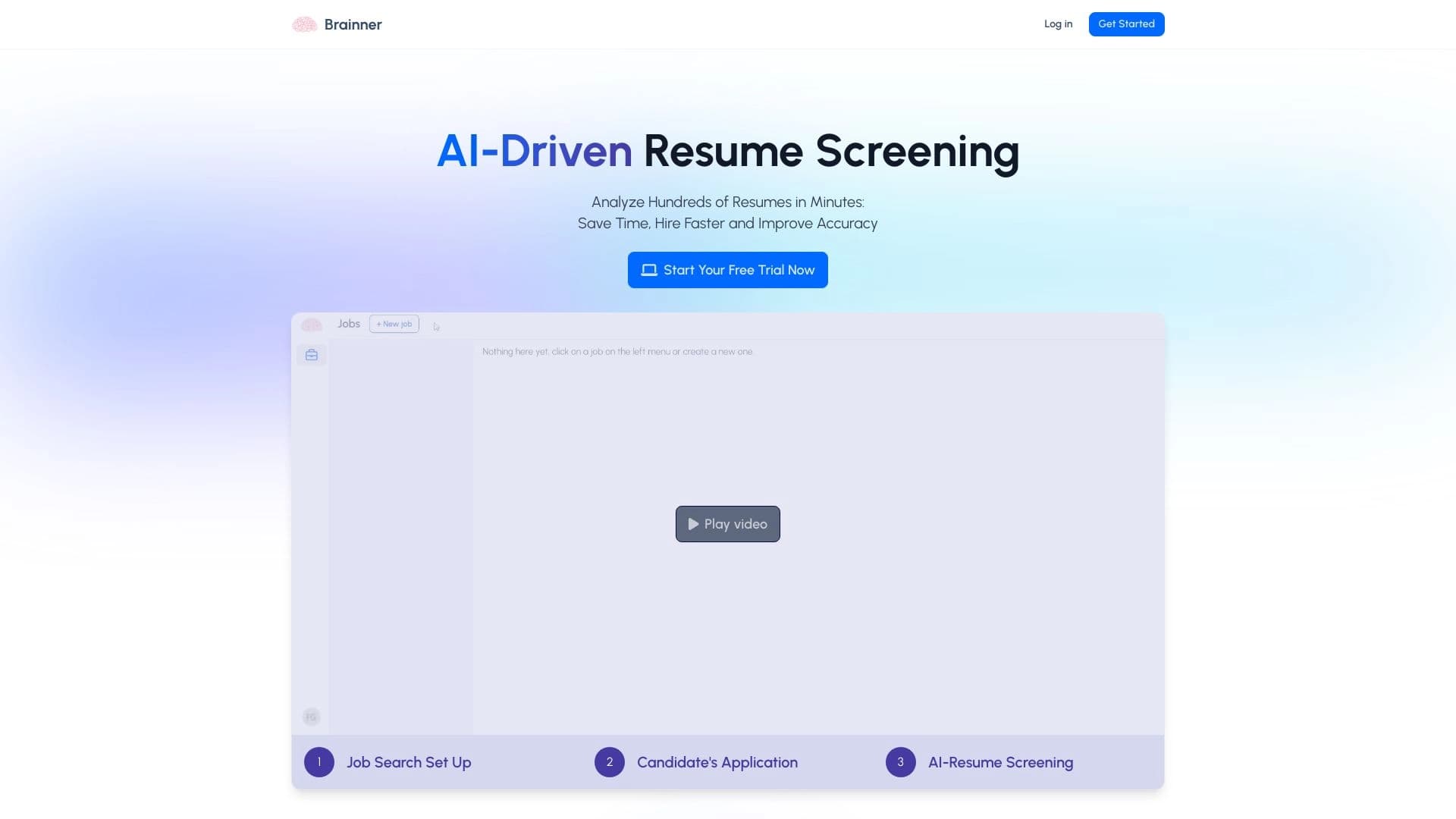
AI platform for fast resume screening that helps recruiters select suitable candidates.
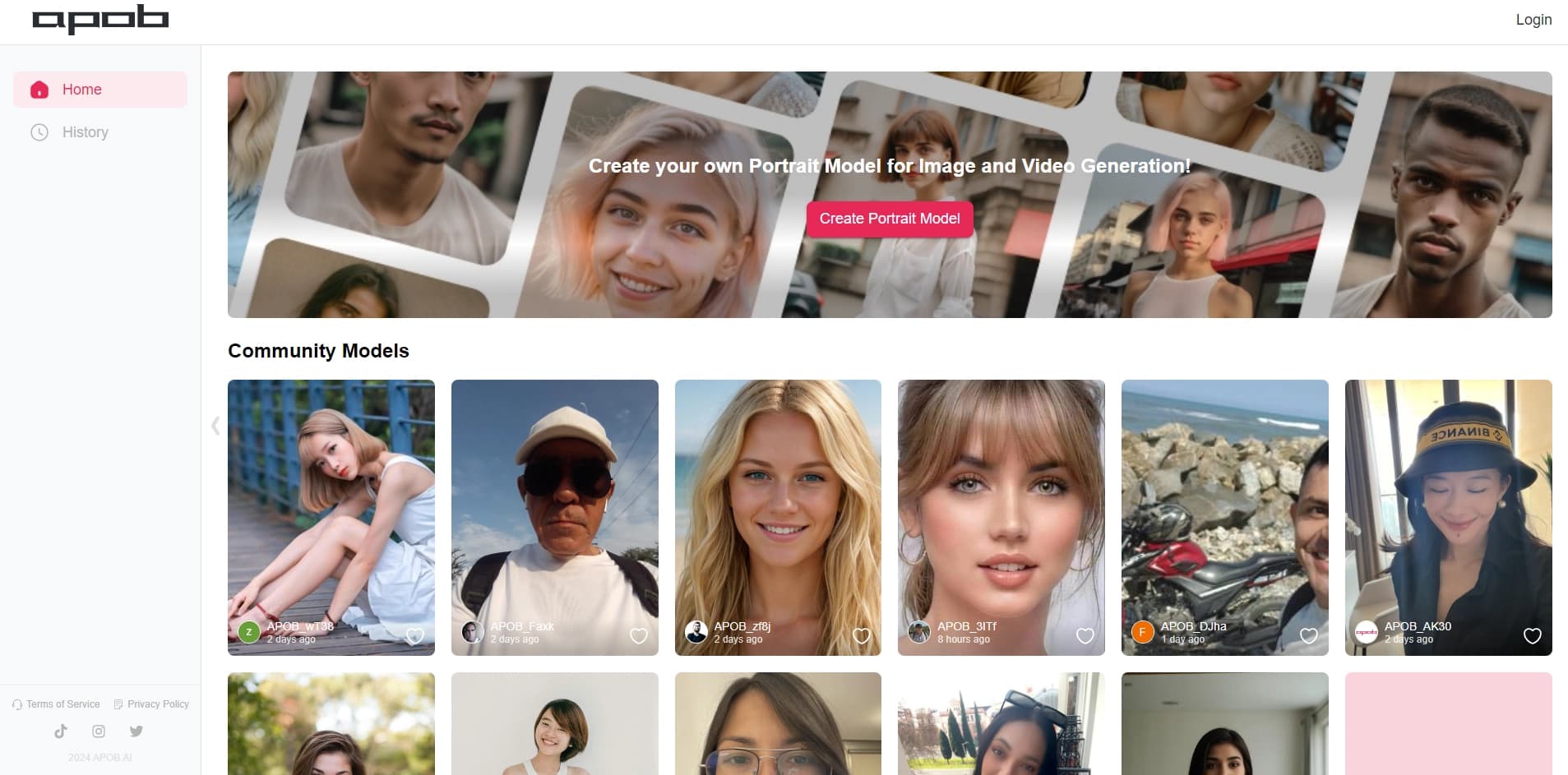

Platform for creating digital avatars and virtual influencers using AI.