
AdGPT
Online platform for fast AI-based generation of advertising copy.
Overview
AdGPT Neural Network Description
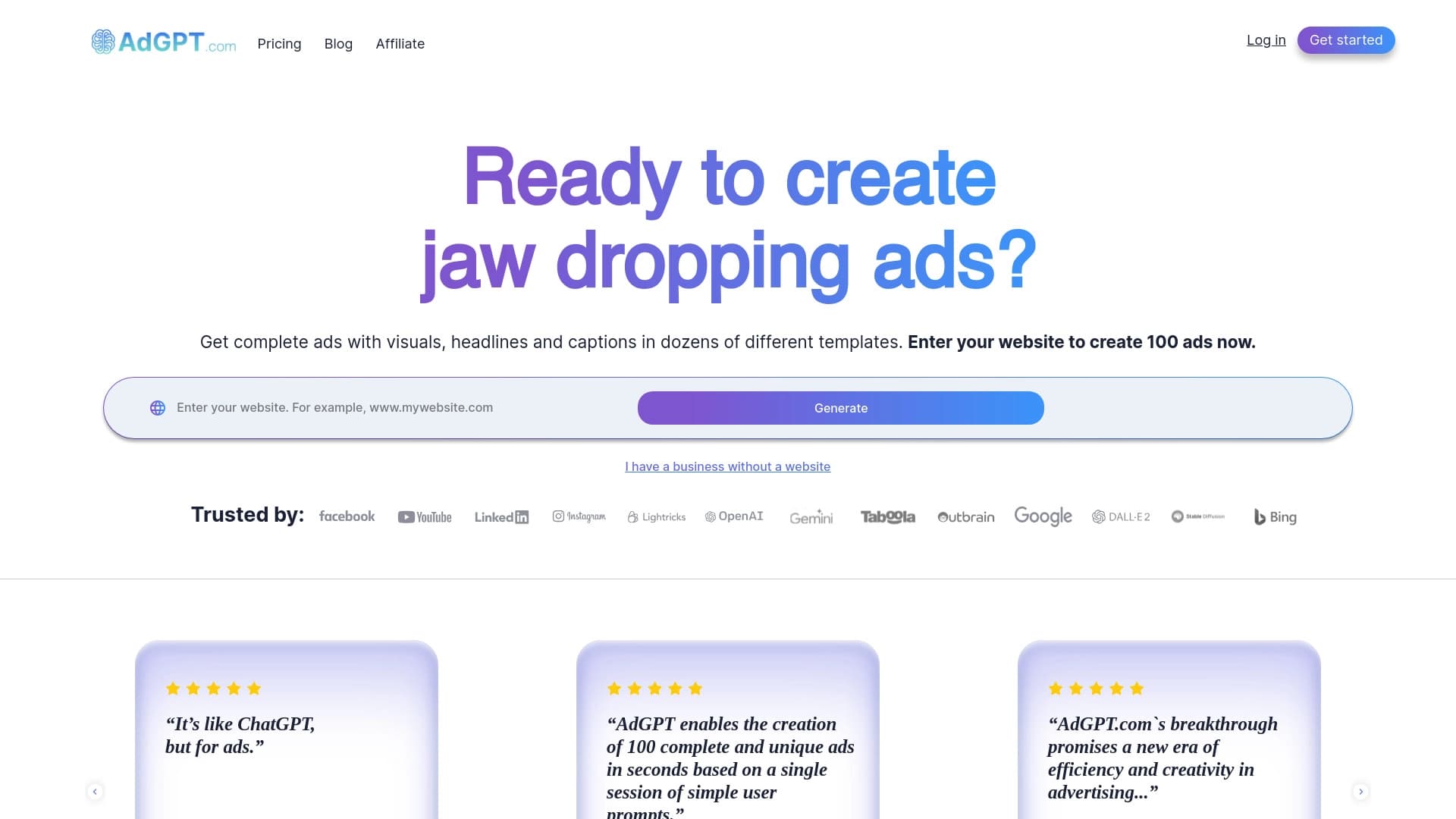
AdGPT is an online platform that uses artificial intelligence to automate the creation of advertising copy. The system works on a "input — result" principle: the user describes their audience and marketing objective, and the algorithm selects suitable wording for the texts. In addition to generation, the service offers tools for managing advertising campaigns and tracking their effectiveness in real time. A key feature is speed: ads are created in seconds, allowing for faster launch of advertising activities.
It's important to understand that the quality of output directly depends on the level of detail in the input data. The more accurately and completely the user describes the product, audience, and goals, the more relevant the texts the neural network will suggest.
AdGPT Characteristics
| Characteristic | Value |
|---|---|
| Type | AI-based online platform |
| Categories | Copywriting tools, text content generators, advertising creation tools, ad generators, advertising tools |
| Developer | AdGPT.com |
| Publication date | September 10, 2025 |
| Monthly visits | 388.9K |
| Free plan availability | Demo version available |
| Basic plan cost | Available upon request |
| Professional plan cost | Available upon request |
| Business plan cost | Available upon request |
| Availability | Website (online platform) |
Who is AdGPT suitable for?
Marketers and advertising specialists
The tool is designed for those who daily face the need to prepare large volumes of advertising copy. AdGPT automates the routine part of the process, allowing marketers to focus on strategy rather than wording.
Businesses of any scale
The platform will be useful both for startups just entering the market and needing to quickly create their first advertising campaigns, and for large companies that need to scale advertising activities without proportionally increasing their copywriting staff.
Teams focused on automation
AdGPT is built for those who want to reduce the time from idea to ad launch. The ability to manage campaigns and track results in one window makes the tool attractive for teams seeking to automate marketing processes.
How to use AdGPT?
Quick start via URL
The simplest way to get started is to enter your website address in the appropriate field. The neural network will analyze the page content and generate several ad text variations. This allows you to get relevant suggestions without manually entering large amounts of data.
Experimenting with the platform
The service allows you to test different approaches: change audience descriptions, task formulations, and adjust communication tone. Even with incomplete information about a product or service, you can run generation and see what options the algorithm suggests, then adapt them to your needs.
Key AdGPT Features
Ad text generation
The platform's core functionality is creating multiple ad variations based on input data. The system selects unique wording, taking into account the brand, objective, and target audience.
Creative preparation and campaign management
AdGPT allows you to prepare custom advertising materials and manage campaigns across different online platforms. Centralized management simplifies the process of launching and adjusting ads.
Real-time results tracking
The platform provides the ability to monitor campaign effectiveness. Analytical data helps understand which ads perform better and make timely changes to strategy.
AdGPT Advantages
Ad launch speed
One of the main advantages is speed. Ads are created in seconds, significantly accelerating the start of advertising campaigns. This is especially important in a dynamic digital environment where time-to-market plays a key role.
Unique texts tailored to business objectives
The AI selects wording based on the specific brand and set goals, rather than using template solutions. This allows you to get texts that better match the company's voice and campaign objectives.
Comprehensive automation
AdGPT combines several stages of advertising work in one interface: generation, tracking, and ad adjustment. This approach enables more efficient marketing process management and saves team resources.
AdGPT Disadvantages
Limited uniqueness in mass generation
When creating a large number of ads for mass campaigns, texts can end up too similar to each other. This may reduce the effectiveness of campaigns that require creative variety.
Dependence on input data quality
The neural network's results heavily depend on how detailed the user's task description is. With insufficient information, the ads may be irrelevant and fail to meet audience expectations.
Impersonal messaging
Artificial intelligence is not always able to capture subtle behavioral nuances of a specific audience. As a result, texts may appear impersonal, which is not always suitable for brands with a strong personality.
What tasks does AdGPT solve?
Creating ads for a product or service
The platform's main task is to quickly generate ad texts for any product or service. The user defines the direction, and the neural network suggests ad variations that can be adapted for different platforms.
Managing campaign results across platforms
AdGPT provides tools for tracking and managing advertising effectiveness. Users can monitor metrics and make adjustments without leaving the platform, simplifying control over the advertising budget.
AdGPT Pricing
The service operates on a credit system and offers three paid plans, as well as a free demo version to explore the functionality.
| Plan | Price | Included |
|---|---|---|
| Demo version | Free | Limited access to features |
| Basic | Available upon request | 10 credits, AI access |
| Professional | Available upon request | 100 credits, additional features |
| Business | Available upon request | Unlimited credits, all features |
AdGPT Terms of Use
Registration is required to use the platform. The pricing structure is based on a credit system: each plan includes a certain number of credits for text generation. More expensive plans unlock expanded functionality and remove volume limits. Detailed terms of use, including payment rules and a description of the credit system, are available on the service's official website.
AdGPT Availability
The platform operates as an online service and is accessible through a web browser — no additional software installation is required. The site has the #Site tag, confirming its web format. Information about supported interface languages and geographical restrictions is not explicitly stated on the resource.
How AdGPT differs from alternatives
No direct comparison with competitors is provided on the service page, but the list of similar tools includes ChatGPT, Polymer, Julius AI, Jasper AI, Albert AI, and Powerdrill AI. The main difference between AdGPT and general-purpose AI solutions like ChatGPT is its narrow specialization in the advertising field. Instead of a wide range of tasks, the platform focuses on generating ad texts and managing campaigns, offering corresponding tools in a unified interface. For users looking for a specialized solution with pre-configured advertising settings, this may be more convenient than setting up a general-purpose neural network.
Conclusion
AdGPT is a specialized AI platform for automating advertising processes: from text generation to campaign management and effectiveness tracking. The tool is designed for marketers and businesses of various scales who want to speed up ad launches and reduce routine workload on their teams. However, the success of working with the service largely depends on the quality of input data: the more detailed the task description, the more accurate the results. At the same time, in mass generation scenarios, texts may become formulaic, which should be considered when planning campaigns. Overall, AdGPT is a practical solution for quickly creating ads with the ability to further manage their effectiveness in one window.
Pricing
Frequently asked questions
See also
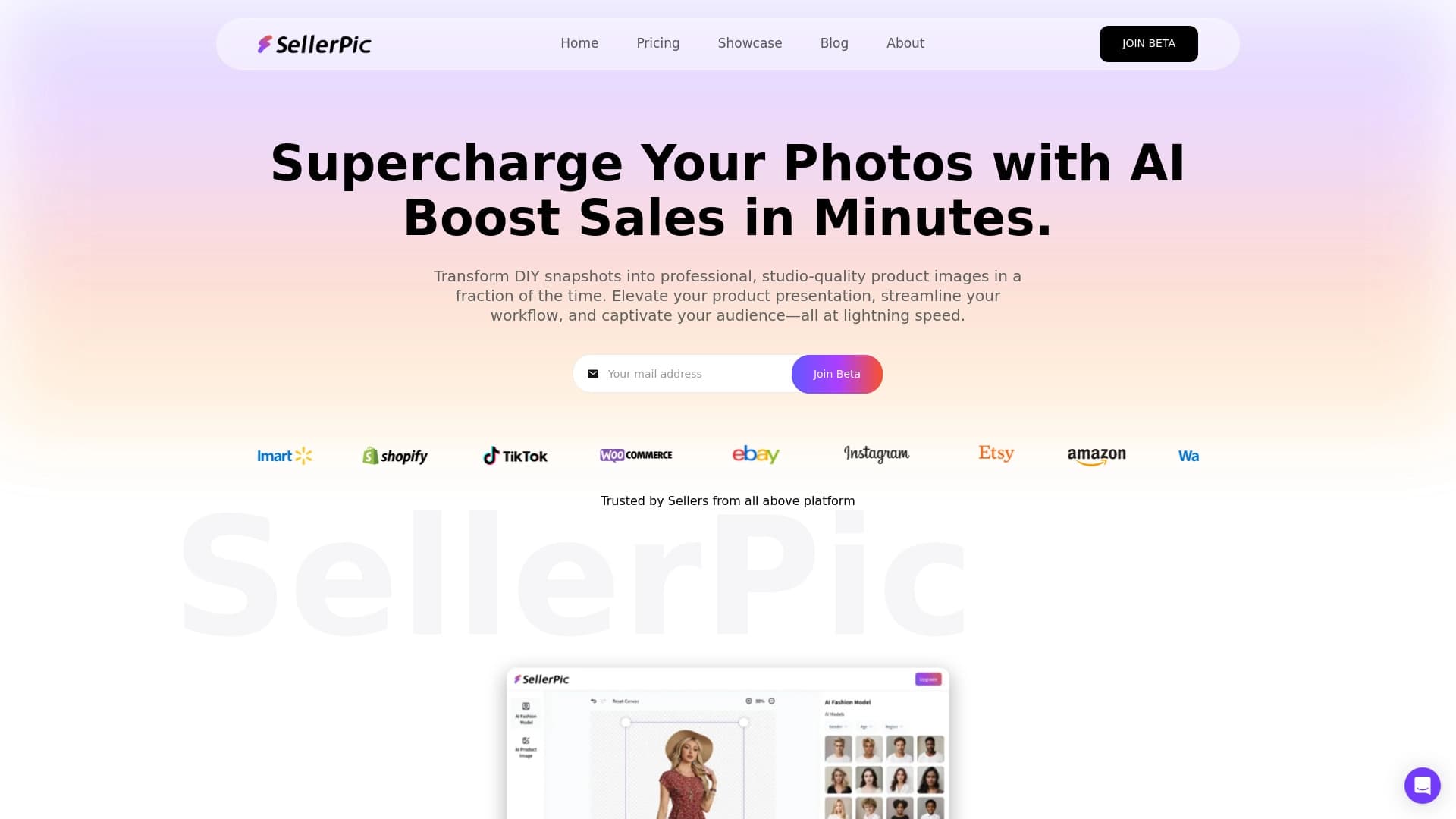

AI-based platform for creating and editing product images and videos for e-commerce sellers.
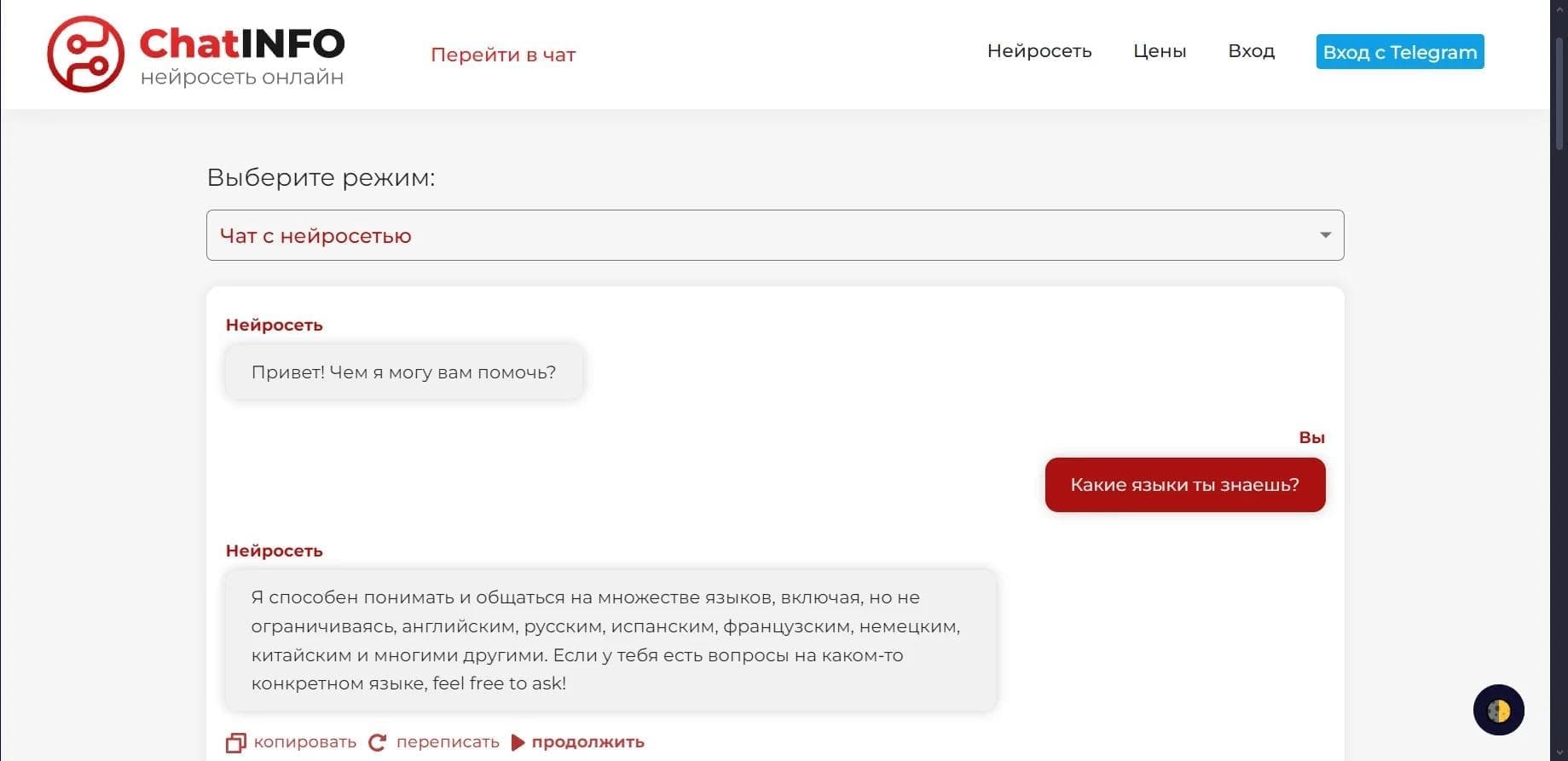

Russian-language GPT-based AI chatbot for information retrieval and text generation.
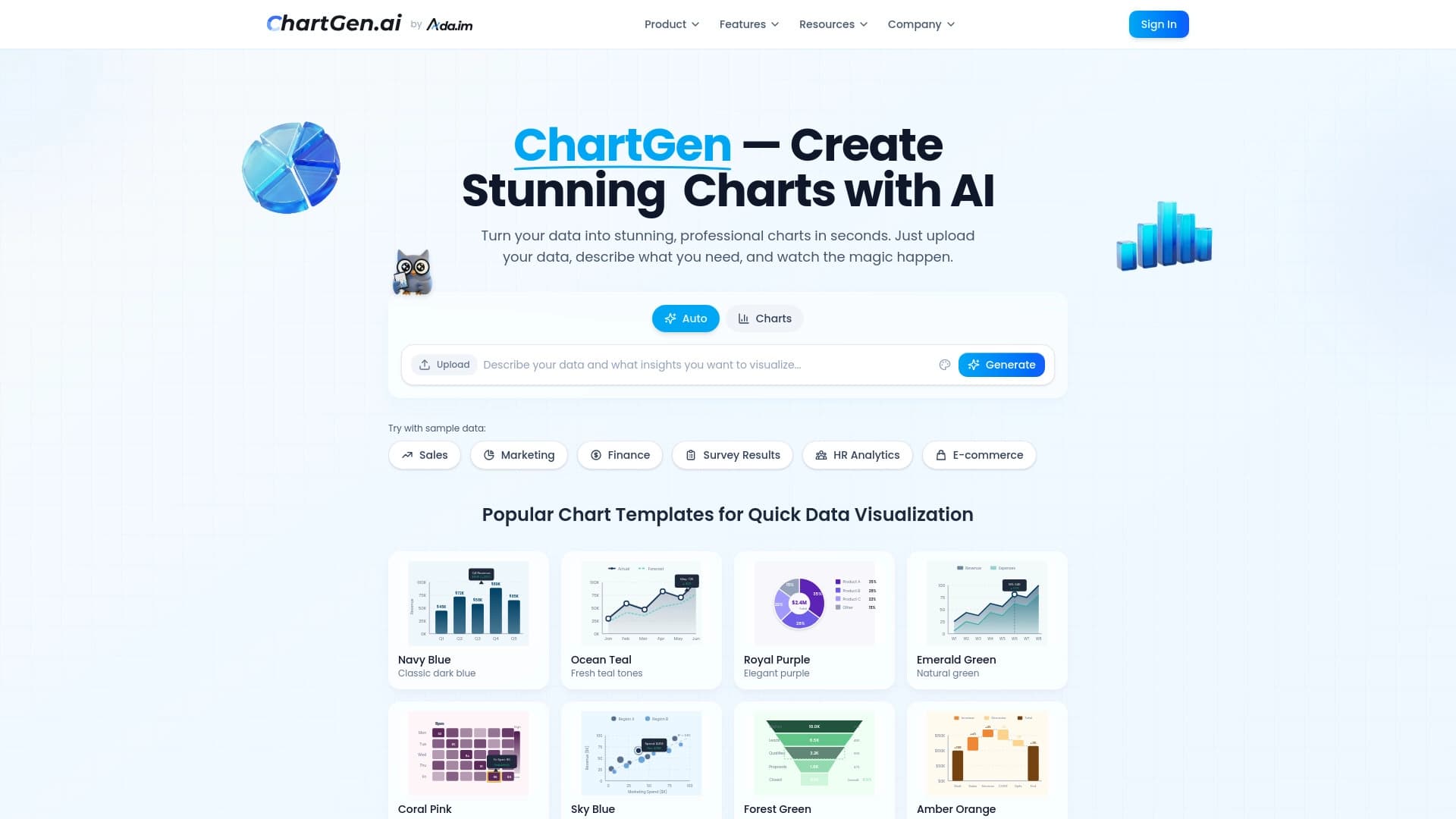

Diagram and chart generator from uploaded data based on a natural language text description.

AI-powered platform for generating, editing images, and creating advertising creatives.
Web service for making AI-generated texts look more natural and human.

Platform for creating multi-agent AI systems and chatbots to automate customer support and lead generation.
AI platform for voice synthesis and cloning that converts text into realistic speech.
AI-powered service that simplifies technical documents of cryptocurrency projects for a broad audience.