
ACE-Step 1.5
Local open-source neural network for music generation and audio processing without limits on the number of generations.
Overview
ACE-Step 1.5 is an open-source generative model designed for music creation and audio processing. The tool's key feature is full autonomy: the neural network installs and runs directly on the user's computer, without relying on cloud servers. This removes all limits on the number of generations and makes the service completely free.
The model can create compositions up to 10 minutes long, using a library of over 1,000 instruments and hundreds of musical genres. In addition to instrumental music, ACE-Step 1.5 supports vocal parts in 50 languages. According to the developers, the model outperforms paid alternatives in both speed and quality, while its open license allows commercial use of results and fine-tuning of the neural network on custom data.
ACE-Step 1.5 Specifications
| Specification | Value |
|---|---|
| Business model | Free |
| Type | Music generation and audio processing |
| Maximum track length | up to 10 minutes |
| Number of instruments | over 1,000 |
| Number of genres | hundreds |
| Vocal part languages | 50 languages |
| Generation speed | a full track in 10 seconds on an RTX 3090 |
| Multithreading | up to 8 tracks simultaneously |
| License | open, permits commercial use and fine-tuning |
Who is ACE-Step 1.5 suitable for?
Musicians and composers
The tool will be useful for professional musicians and composers who need to quickly create demo versions of tracks, explore melodic ideas, or experiment with arrangements. The ability to fine-tune on custom data allows the model to be adapted to the author's individual style.
Content creators
Video bloggers, podcast producers, game developers, and advertising agencies gain access to unlimited music generation. The open license removes legal barriers to using generated tracks in commercial projects, while local operation ensures functionality even with an unstable internet connection.
How to use ACE-Step 1.5?
Installation and launch
The model installs locally on the user's computer. A graphics card (e.g., RTX 3090) is required to ensure high generation speed. After installation, the entire processing workflow happens on the local device, and no internet connection is needed.
Generation process
The user sets track parameters: duration, genre, instruments, tempo, key, and style. If needed, lyrics can be added and the language of the vocal part selected. The model supports generating up to 8 tracks simultaneously, allowing quick exploration of different variations of a single composition.
Key features of ACE-Step 1.5
Music track generation
The model creates full compositions ranging from 10 seconds to 10 minutes. The user can control BPM, key, style, and the set of instruments. The vocal part support in 50 languages enables generating vocal tracks with lyrics.
Working with existing audio
ACE-Step 1.5 supports creating remixes and cover versions of existing tracks. The model can separate audio into individual stems, simplifying the mixing and mastering process.
Model fine-tuning
Users can fine-tune the model on their own style. Just a few tracks are enough, and the LoRA training process takes about an hour. After that, the neural network generates music in the user's individual style.
Advantages of ACE-Step 1.5
No restrictions
The model is completely free and imposes no limits on the number of generations. The absence of subscriptions and monthly fees makes the tool accessible to any user, and local operation ensures full autonomy — it works without internet or cloud services.
High speed and quality
Generating a full track takes about 10 seconds on an RTX 3090. According to the developers, ACE-Step 1.5 outperforms paid alternatives in speed and quality, including Suno v4.5, without requiring recurring payments.
Flexibility and commercial freedom
The open license permits commercial use of generated results and fine-tuning of the model on custom data. This gives the user full control over the creative process and the ability to use the model for professional commercial purposes.
Disadvantages of ACE-Step 1.5
The main limitation is the hardware requirement. A powerful graphics card, such as an RTX 3090, is needed for comfortable use — this is not suitable for all users. Additionally, since the model is distributed free of charge and requires manual installation, users need basic technical skills to deploy the neural network on a local computer. Detailed system requirements for weaker configurations are not specified in the available data.
What tasks does ACE-Step 1.5 solve?
Creating music accompaniment
The tool is suitable for generating soundtracks for films, commercials, video games, podcasts, and videos. With support for hundreds of genres and over 1,000 instruments, users can find the right sound for any project.
Working with variations and localization
The ability to quickly generate up to 8 tracks simultaneously allows efficient exploration of melody and arrangement options. Vocal part support in 50 languages simplifies creating localized content for an international audience.
Autonomous operation and fine-tuning
The model is useful when working with an unstable internet connection or fully offline. Additionally, the ability to fine-tune on a personal style in a short time makes the tool an effective solution for musicians seeking a unique sound.
ACE-Step 1.5 Pricing
ACE-Step 1.5 is distributed completely free of charge. The open-source model requires no subscriptions, imposes no limits on the number of generations, and involves no hidden fees. All you need is a computer with a suitable graphics card, such as an RTX 3090.
ACE-Step 1.5 Terms of Use
The model is distributed under an open license that permits commercial use of generated results and fine-tuning of the neural network on custom data. Users can freely use generated tracks in commercial projects, films, games, and other products without paying royalties to the developers.
ACE-Step 1.5 Availability
ACE-Step 1.5 is an open-source project available for free download. The neural network runs locally on the user's computer — a graphics card (e.g., RTX 3090) is required. The model does not depend on cloud services, requires no internet connection, and has no limits on the number of generations.
How ACE-Step 1.5 differs from alternatives
Comparison with paid services
The main advantage of ACE-Step 1.5 over paid solutions such as Suno v4.5 is the complete absence of monthly fees and limits on the number of generations. At the same time, according to the developers, the model surpasses commercial alternatives in generation speed and quality.
Customization capability
Unlike most competitors, ACE-Step 1.5 allows fine-tuning the model on custom data. This gives users a unique opportunity to create music in an individual style tailored to specific tasks, which is not available in closed paid services.
Conclusion
ACE-Step 1.5 is a powerful open-source neural network for music generation and audio processing that runs locally and costs nothing. The model offers a wide range of features: creating tracks up to 10 minutes long, support for over 1,000 instruments, hundreds of genres, and vocals in 50 languages. The ability to fine-tune on custom data and the open license with commercial use rights make the tool attractive for musicians and content creators. At the same time, the model requires a powerful graphics card, which is the main condition for working with it. For users with suitable hardware, ACE-Step 1.5 can become an effective alternative to paid services without restrictions or monthly fees.
Frequently asked questions
See also

Catalog of AI tools with educational materials and guides for selecting neural networks.
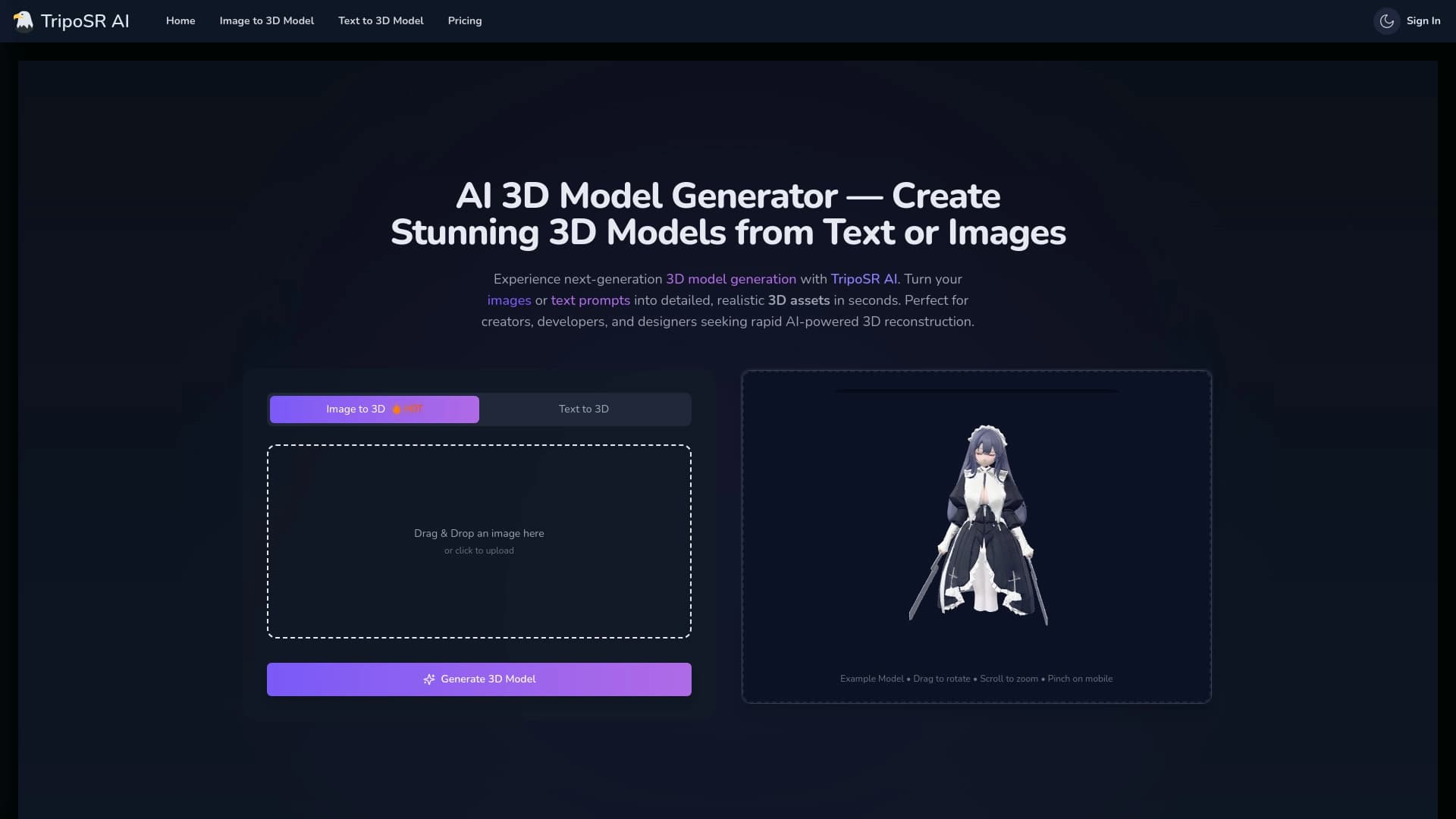

Open-source tool for quickly converting a single image into a 3D model.
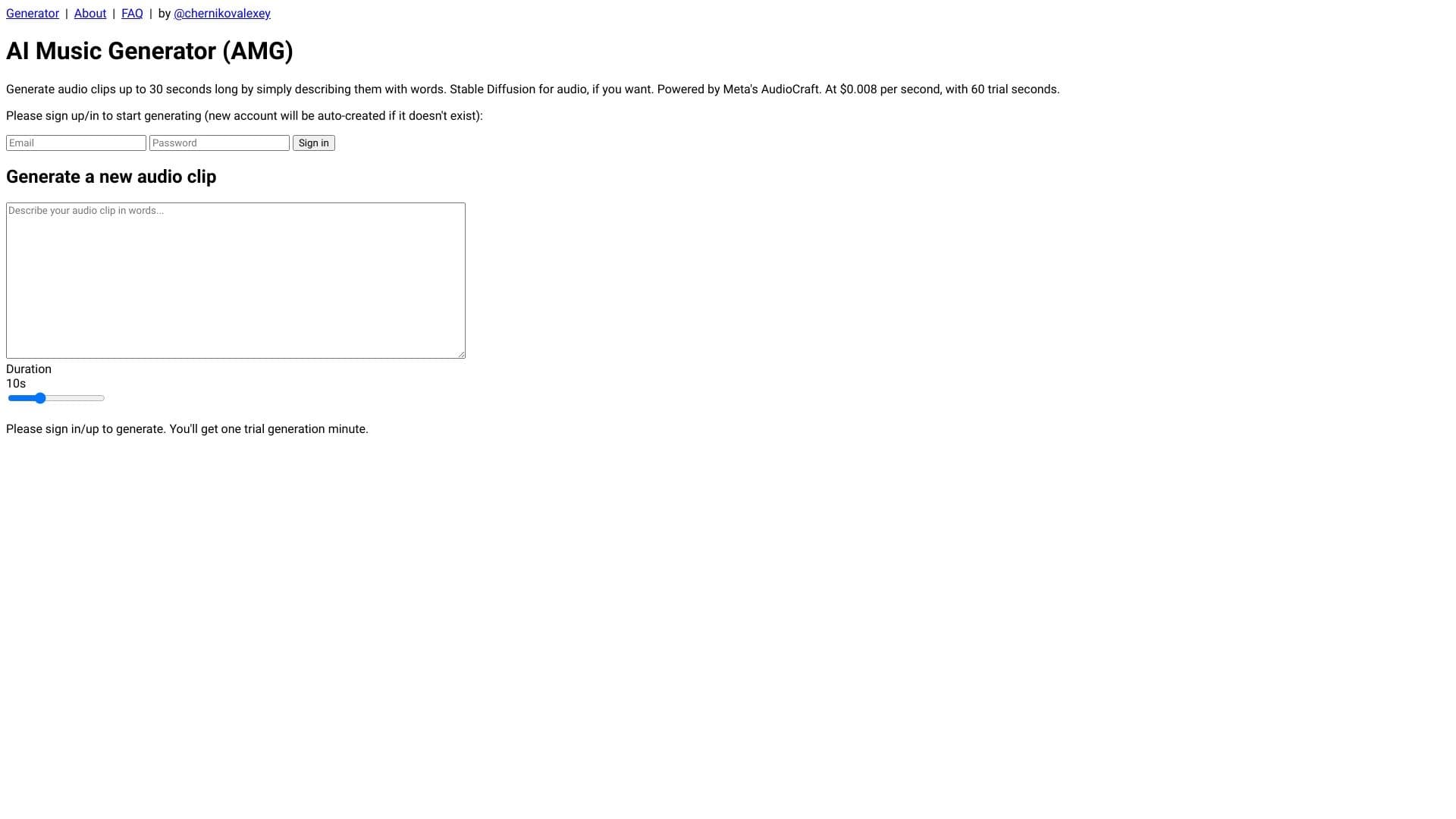
Online service for creating music and songs from a text description with the ability to download tracks.

AI platform for voice synthesis and cloning that converts text into realistic speech.

Cloud platform for launching AI applications directly in the browser without installation.
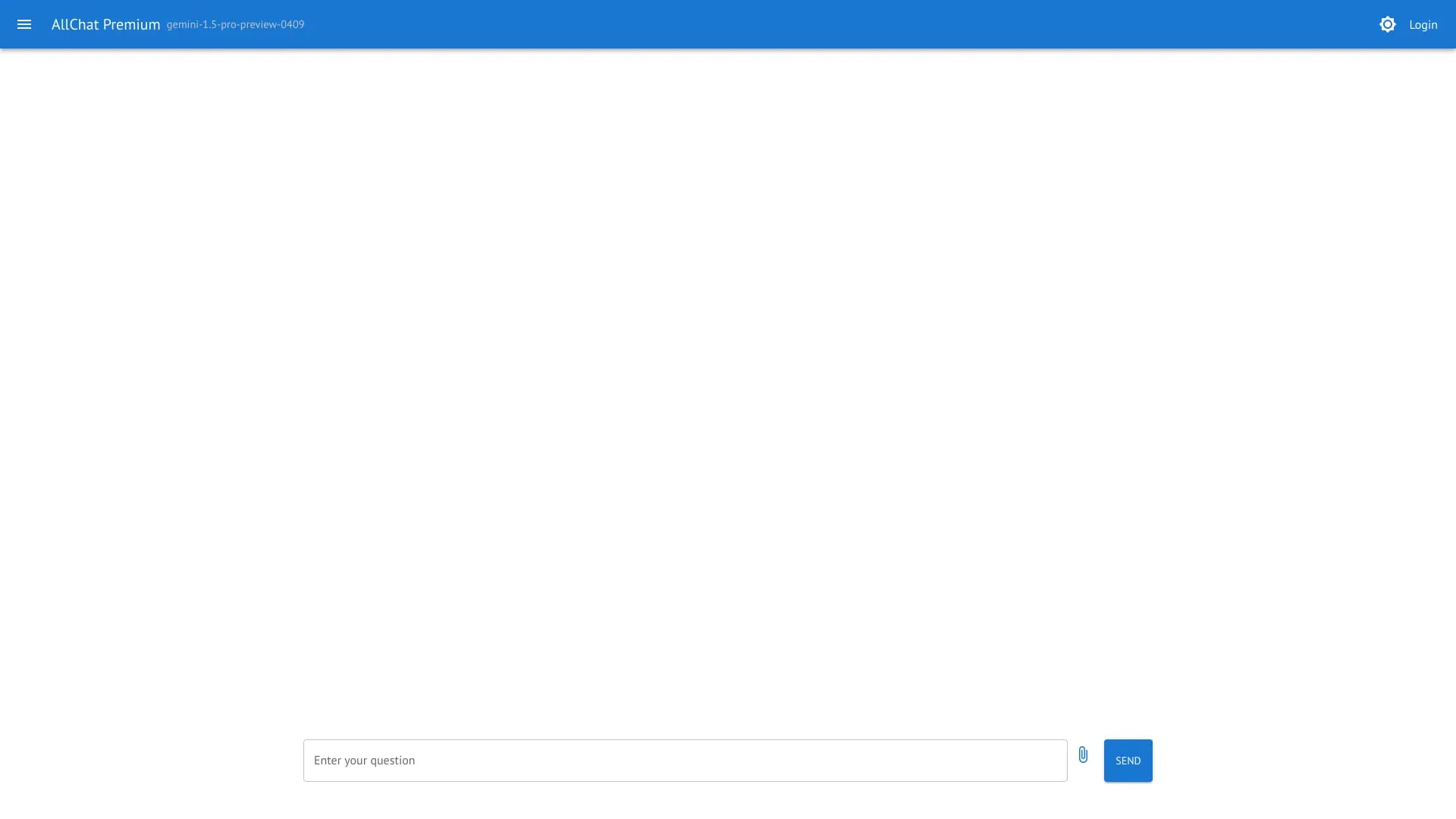
AllChat is a universal platform that combines several popular language models in a single interface for communication, image generation, file analysis, and code execution.

A multimedia AI toolkit for editing and enhancing photos, videos, and PDF documents.

A platform for generating images, videos, and audio using artificial intelligence from text descriptions.