

Abstra
A platform for automating business processes using Python and built-in AI capabilities.
Overview
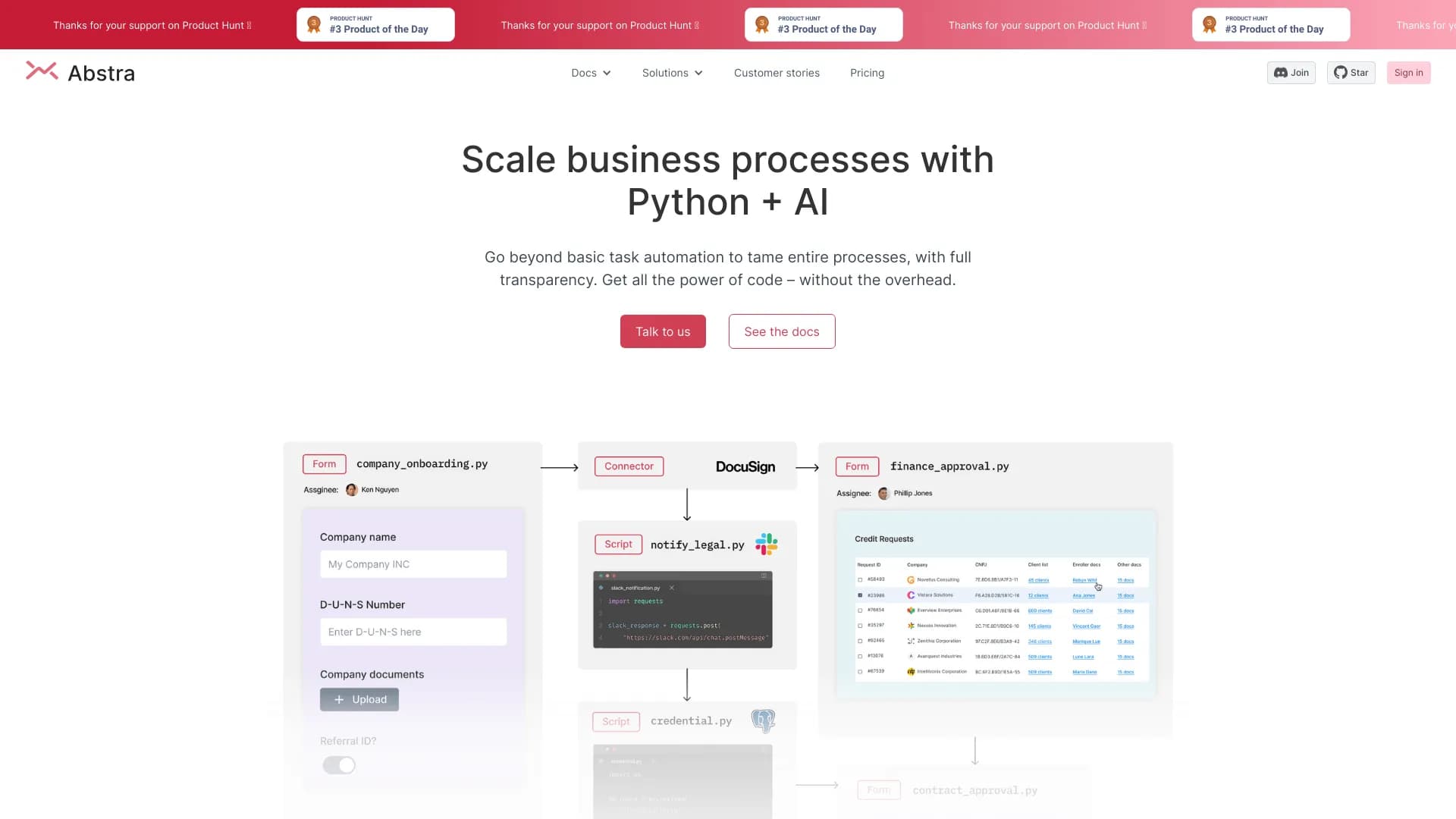
Abstra is a business process automation platform built around the Python programming language. Its key feature is combining traditional code with built-in artificial intelligence capabilities. Instead of using ready-made templates with limited flexibility, Abstra lets you build your own workflow: you write logic in Python, add AI functions to it, and deploy everything in an online environment.
The platform is designed for automating repetitive operations, integrating with external services, and configuring employee access rights. Built-in Git support allows teams to collaborate on processes, control changes, and roll back unsuccessful decisions. Essentially, it's a builder that connects code, data, and AI into a single manageable pipeline.
Abstra Features
| Feature | Value |
|---|---|
| Type | Engine/platform for business process automation |
| Category | Workflow management services |
| Development language | Python |
| Monthly visits | 164K |
| Developer | Abstra |
| Basic plan | Free |
| Advanced plan | Paid monthly subscription |
| Premium plan | Paid monthly subscription |
Who is Abstra suitable for?
Development and automation teams
Abstra is designed for those who are already familiar with Python and understand how business processes work. It's not a tool for complete beginners: to build a workflow, you need to be able to write code and understand the logic of operations. The ideal user is a developer or technical specialist who wants to speed up routine tasks within a company.
Medium and large businesses
The platform will be useful for organizations with repetitive operations: request processing, customer support, internal approvals. Thanks to role configuration and auditing, Abstra is suitable for teams where it's important to control data access and track employee actions.
Companies using Git processes
If your organization already works with a version control system, Abstra will easily integrate into that process. Teams accustomed to collaborative development will appreciate the ability to track changes and roll back to previous versions of automations.
How to use Abstra?
Building a workflow
You can start by constructing a process: you combine Python code with AI capabilities to create logic that will run automatically. The builder lets you connect steps visually or programmatically, add conditions, and handle data.
Deployment and access configuration
After building, the process is deployed online. Then access rights are configured — which employees can run operations, view data, or edit logic. All actions are logged, enabling audits and detection of suspicious activity.
Monitoring and updates via Git
The platform integrates with Git, so all changes to process code are saved in the version control system. The team can work on different parts of the automation in parallel and then track who changed what — this simplifies collaborative development and reduces the risk of errors.
Key Features of Abstra
Workflow builder
The platform's main tool is a builder for assembling and configuring workflows. It lets you combine Python code with AI functions to create automated action chains without switching between different services.
Event-driven automation
Abstra can run processes automatically when certain events occur. This eliminates the need for manual triggers: for example, the system automatically responds to a new request or data changes in an external service.
Integrations and access rights
The platform connects to a wide range of external services and storage systems, allowing it to be embedded into existing IT infrastructure. Flexible access rights can be configured for each employee, and action auditing helps maintain security.
Abstra Advantages
Faster routine operations
Automating repetitive tasks reduces the workload on employees and decreases the likelihood of human error. Processes run faster and more reliably.
Easy integration with corporate services
Abstra connects to external systems without unnecessary complexity. Companies don't need to change their existing stack — the platform integrates into it and automates operations across services.
Accessible to AI beginners
The interface for configuring roles, permissions, and analytics is intuitive. Even if you're just starting with AI solutions, basic process setup won't require deep knowledge of machine learning.
Free to start
Basic scenarios are available for free, allowing you to test the platform without a budget. This is especially convenient for small teams or pilot projects.
Abstra Disadvantages
Python knowledge required
The platform is not suitable for those who can't program. To build processes, you need to write Python code confidently and understand the business processes you want to automate.
Data security concerns
Working through the cloud and third-party services carries risks of data leaks if security isn't configured properly. Companies with high confidentiality requirements need to plan additional protection.
Engine limitations
Despite its flexibility, the engine has its limits. Exotic or non-standard processes may require custom development that goes beyond the platform's standard capabilities.
What tasks does Abstra solve?
Finance
The platform automates loan application processing: data collection, verification, and decision-making based on defined rules. This reduces review time and eases the workload on employees.
Customer support
Abstra sets up automated customer support without constant manual oversight. The system can handle typical requests, route inquiries, and only involve operators in complex cases.
Internal business operations
The platform automates routine operations that repeat day after day: approvals, form filling, and data exchange between departments. Built-in AI speeds up these tasks.
Abstra Pricing
The platform offers three plans:
- Basic — free. Lets you try out core automation scenarios.
- Advanced — paid monthly subscription. Expands capabilities for work projects.
- Premium — paid monthly subscription. Provides maximum features for large teams and complex processes.
For exact terms and included limits for each plan, it's best to check the official website, as the feature set may change.
Abstra Terms of Use
The service runs online through the website, meaning access is via a browser. You'll need an account and Python code to use when building processes. The platform offers flexible access settings, and all user actions are logged. Using built-in AI functions, integrations with external services, and leveraging Git for collaboration are key conditions that define how you'll interact with the platform.
Abstra Availability
The service is available online through the official website, so all you need is a browser and an internet connection. The platform supports integration with many external services and storage systems, allowing you to connect it to tools your company already uses. No geographic restrictions are specified in the source data.
How Abstra differs from alternatives
Code instead of templates
Unlike many automation platforms where users assemble processes from ready-made blocks, Abstra requires writing code in Python. This raises the entry barrier but also gives more freedom: you're not limited to a set of standard actions and can implement virtually any logic.
AI as a built-in tool
Artificial intelligence in Abstra isn't a separate module but part of the workflow. You can combine AI functions with regular code in a single flow, simplifying the creation of complex scenarios without third-party AI services.
Git for collaboration
Git support is built into the platform: teams can work on automations together, save versions, and roll back changes. Many competitors don't offer this level of version control out of the box, making Abstra more convenient for developers.
Balance of price and capabilities
The free basic plan and relatively affordable paid plans make Abstra accessible to small and medium businesses. At the same time, the platform retains enough features for full-fledged automation, setting it apart from more expensive solutions with similar feature sets.
Conclusion
Abstra is a business process automation platform that bets on Python and built-in artificial intelligence. It suits teams with technical expertise who want to automate routine tasks, integrate processes with external services, and maintain control over changes through Git. Thanks to its free start and flexible access configuration, the platform appeals to both small businesses and large organizations. However, beginners without coding knowledge will find it challenging, and data security requires careful configuration. Overall, Abstra is a solid tool for those ready to write code and want maximum flexibility in automation.
Frequently asked questions
See also
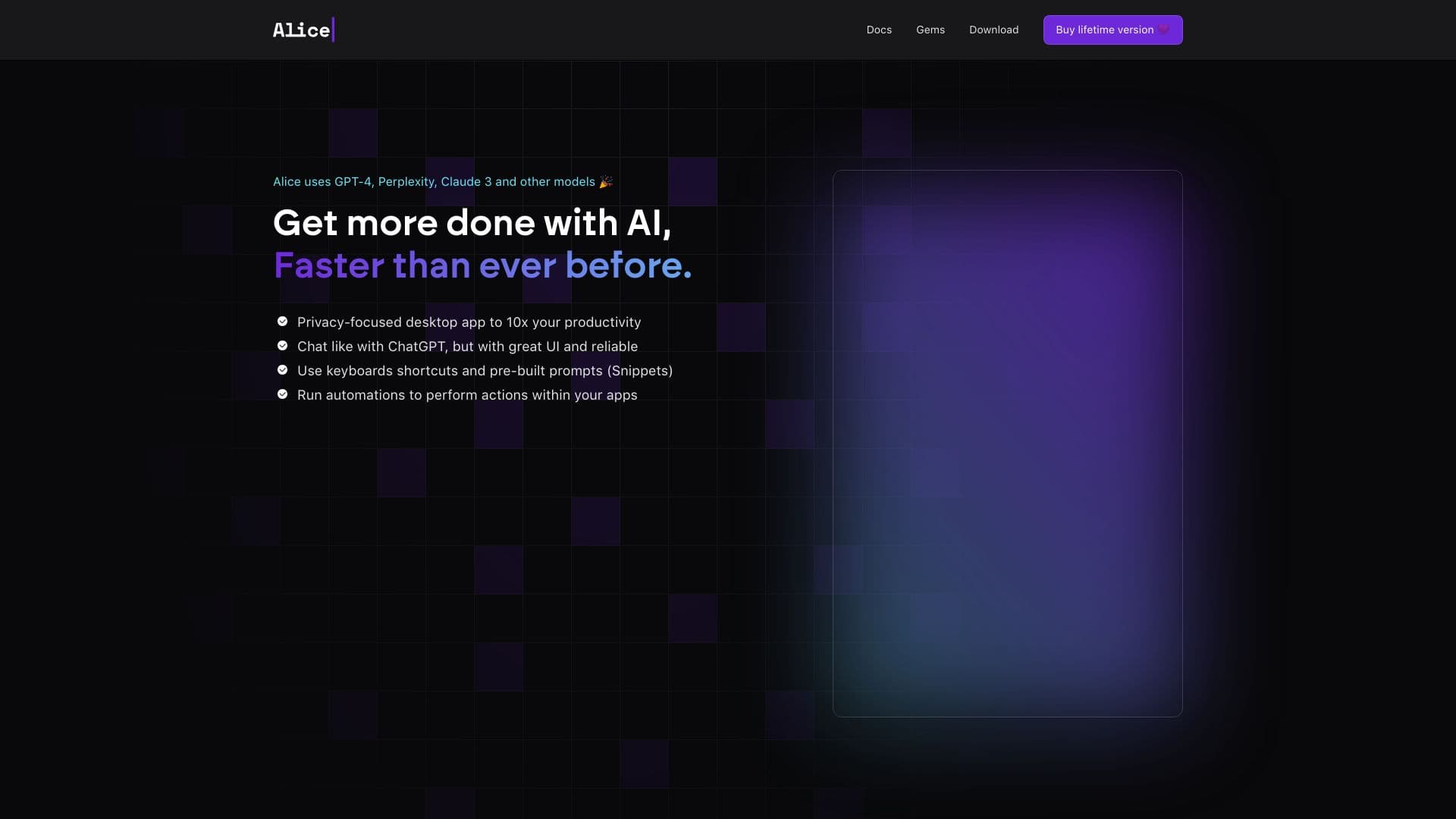

Desktop AI assistant for macOS, Windows, and Linux that launches via hotkey above all windows and combines multiple language models in one interface.


AI-based platform for creating logos and brand identity.
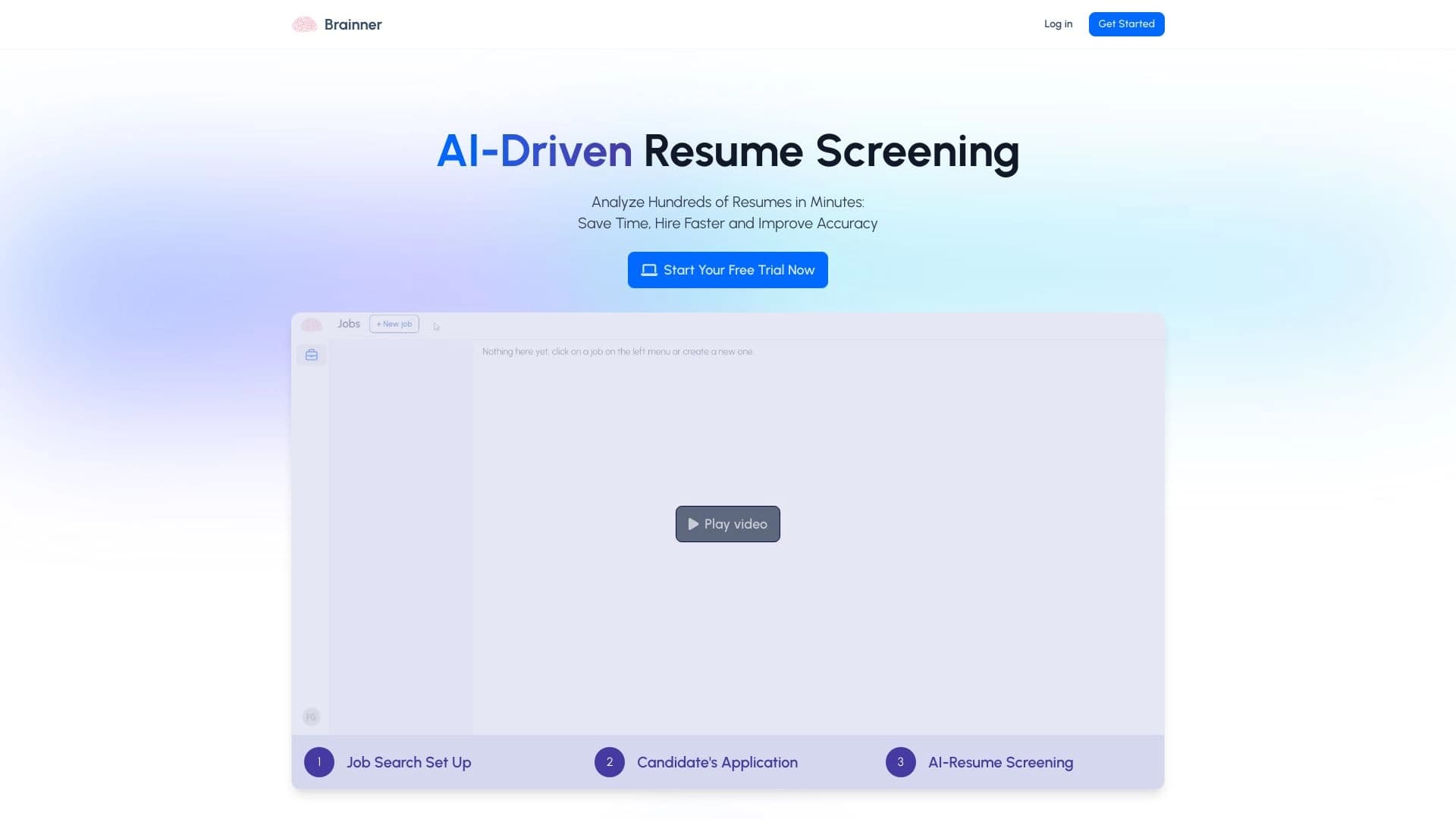
AI platform for fast resume screening that helps recruiters select suitable candidates.

AI platform for analyzing financial data and supporting investment decisions.
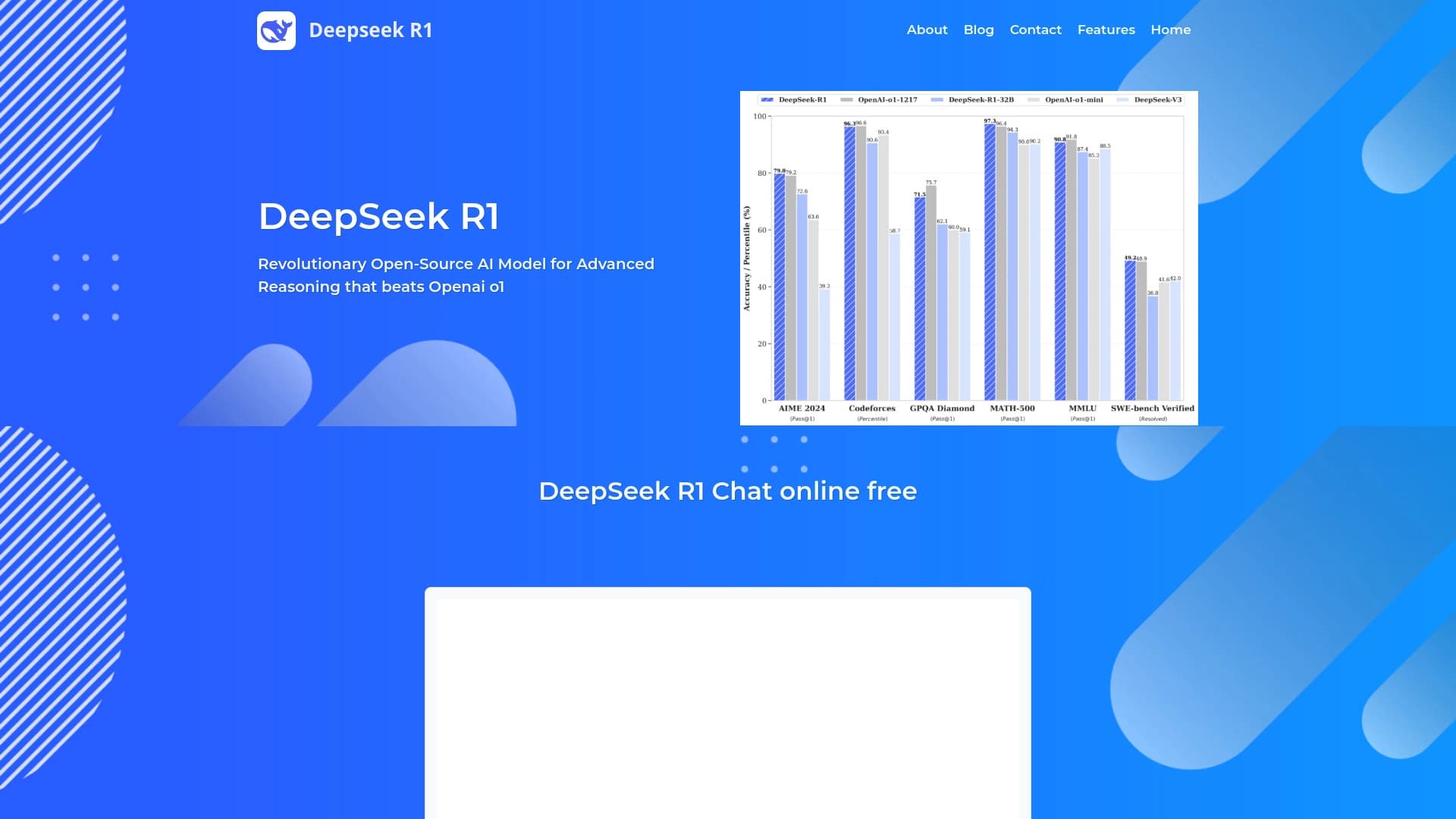

Open neural network for solving complex problems in mathematics, programming, and logic.

AI platform for creating and editing videos, working directly in the Chrome browser.
Corporate AI assistant for data analysis and business task automation, trainable on a company's own data.

AI-based service for automatic generation of text content in various formats.