
3D Prompt
Neural network for generating three-dimensional images from a text description.
Overview
3D Prompt Neural Network Description
3D Prompt is a specialized web-based AI tool designed to create three-dimensional images from text descriptions. Instead of complex 3D editors and hours of modeling, users simply enter a phrase in natural language — and the neural network independently transforms it into a volumetric model. The service is focused on conceptual work: rapid visualization of ideas, form exploration, and design experimentation without the need to master professional software.
The technology is built on processing the request and generating a set of geometric shapes, textures, and shadows that together form a cohesive three-dimensional object. The tool is positioned as universal — suitable for both detailed individual objects and entire scenes.
3D Prompt Characteristics
| Characteristic | Value |
|---|---|
| Type | Neural Network |
| Categories | Image Generation, 3D, Universal |
| Platforms | Web |
| Editorial Rating | 9.2 out of 10 |
| User Rating | 4.6 out of 5 |
| Distribution Model | Not specified |
Who is the 3D Prompt neural network for?
Designers and Concept Artists
The main audience of the service is designers who need to quickly test ideas for viability. Instead of spending hours on rough form development, you can get a working 3D model from a text request in just minutes. This simplifies the previsualization stage in areas such as game design, industrial design, and concept art creation.
Professionals in Related Fields
As stated in the description, the tool is aimed at users from all fields of activity. This holds true: architects can quickly sketch a volumetric building draft, marketers can create a visual product prototype for presentations, and developers can visualize a game location for internal discussions.
Beginners with No Modeling Experience
Text-based generation removes the entry barrier: there's no need to learn the Blender or 3ds Max interface to get your first model. Just formulate a clear request — the neural network handles the rest.
How to Use the 3D Prompt Neural Network?
Step 1: Preparing Your Request
Working with the service begins with formulating a text description. The more details provided (color, material, style, environment), the more accurate the result. For example, instead of "chair," it's better to write "a wooden chair in Scandinavian minimalist style against a white wall."
Step 2: Generation and Result Evaluation
After entering the request, the neural network processes the text and outputs a three-dimensional image. If necessary, you can refine the request and repeat the generation until you achieve the desired result. The final model can be used as a foundation for further refinement in professional tools.
Key Features of 3D Prompt
- Generation of high-quality 3D images based on text prompts. The neural network transforms a free-form description into a structured three-dimensional scene.
- Character creation. This feature allows generating anthropomorphic models: from realistic humans to fantastical creatures.
- Object creation. Works with items of any complexity — from everyday objects to technical parts.
- Landscape creation. The service handles generating natural and urban environments: hills, forests, mountains, architectural ensembles.
Advantages of 3D Prompt
- High visualization speed. Getting a model takes minutes, which is incomparable to manual modeling.
- Browser accessibility. No need to install heavy software — just open the web interface.
- Simplicity for non-professionals. The interface is not overloaded with complex settings, and the main interaction is based on text input.
- Flexibility in iterations. An unsuccessful result can be easily changed by adjusting the description, rather than manually editing geometry.
Disadvantages of 3D Prompt
- Dependence on request quality. The result varies greatly: the more abstract the description, the less predictable the output.
- Lack of data on the distribution model. It is not specified whether a free tier, trial, or subscription is available — this makes budget planning difficult.
What Tasks Does 3D Prompt Solve
The main task the service solves is generating three-dimensional images from text descriptions. In practice, this is applied in two key scenarios.
Preliminary visualization of ideas. When you need to quickly assess how an object or scene looks before detailed development begins. For example, a game designer can generate a dozen landscape variations for a new location to choose the most promising one.
Creating reference material. Generated models can be used as initial references for artists, 3D modelers, or clients. This speeds up concept approval before the expensive manual work stage.
3D Prompt Pricing
Official information about the service's pricing plans and costs is not published in available sources. It is also unknown whether a freemium model or trial period exists. Potential users are advised to check current pricing data directly on the tool's website.
3D Prompt Terms of Use
Detailed terms of use, including license agreements, copyright for generated models, and rules for commercial use, are not disclosed in available sources. The service is described as a web tool, which implies browser-based use without installing additional software. Before starting commercial work, it's worth reviewing the user agreement on the official website yourself.
3D Prompt Availability
The tool is available exclusively as a web service — meaning it works in the browser on any modern operating system. No other platforms — mobile apps or desktop clients — are stated in official data.
How 3D Prompt Differs from Alternatives
The main difference of 3D Prompt lies in its narrow specialization: most neural networks that generate images work with 2D graphics. 3D Prompt is initially aimed at building volumetric scenes, which sets it apart from universal generators. Among the listed alternatives — Minecraft Skin Generator (skin generation), TattooGPT (tattoo designs), Chad AI, Qwen, Designs.ai, AiWriteArt, 24AI, Online GPT, and NeuroCanvas — are tools for 2D graphics or text interactions. None of them directly compete with 3D Prompt in the field of three-dimensional generation.
At the same time, a user rating of 4.6 out of 5 and an editorial score of 9.2 out of 10 indicate high satisfaction with the quality of output models, which is not always typical for niche AI services.
Conclusion
3D Prompt is a focused tool for rapid prototyping of three-dimensional scenes from text descriptions. It will be especially useful for designers and anyone who needs to quickly materialize a volumetric idea without diving into the technical details of modeling. The service boasts high user and editorial ratings, though its pricing policy and detailed licensing terms remain undisclosed. Otherwise, it's a reliable way to accelerate the early stages of creative and project processes.
Frequently asked questions
See also
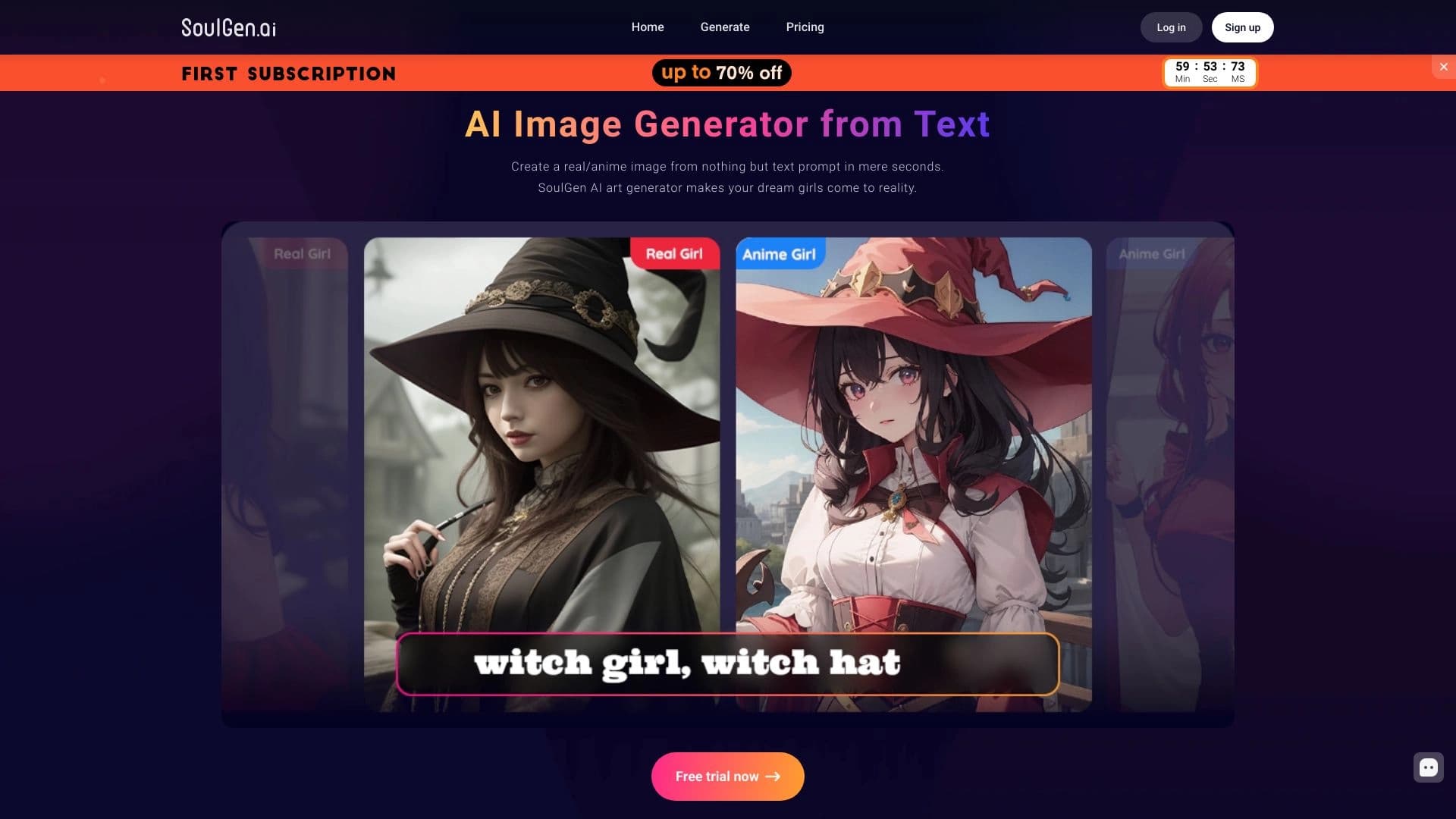

Web service for generating images from text descriptions and communicating with virtual characters.
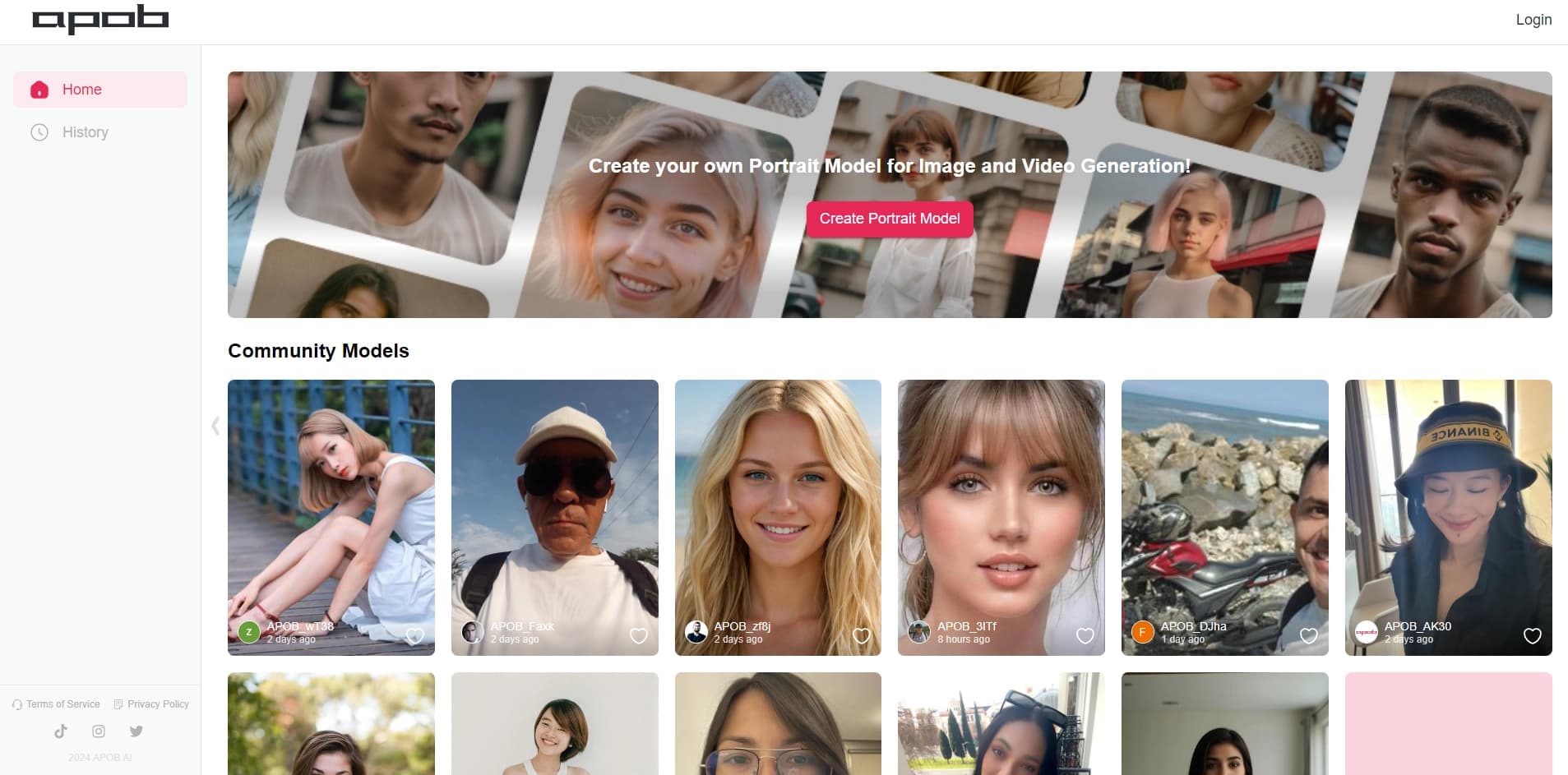

Platform for creating digital avatars and virtual influencers using AI.


Platform for creating anime art, comics, and videos with AI.


Online neural network service that transforms ordinary photos into stylized artistic portraits and avatars.

AI-powered platform for generating and enhancing images, videos, and logos in real time.

AI-powered platform for generating, editing images, and creating advertising creatives.


Side AI panel that helps answer questions, work with documents, and generate images.
A platform for generating images, videos, and audio using artificial intelligence from text descriptions.