

Whoop
A wearable fitness tracker without a screen for monitoring health, activity, and sleep with recovery analysis.

Overview
Whoop
Description of the Whoop neural network
Whoop is a health, activity, and sleep monitoring system based on a wearable screenless sensor. The device continuously measures heart rate, heart rate variability, skin temperature, and other biometric indicators to assess the body’s recovery level, daily physical strain, and sleep quality. All collected information is transferred to the mobile app, where the user receives personalized recommendations for workouts and rest routines. Unlike traditional fitness trackers, Whoop does not distract with notifications and does not try to replace a smartwatch—its task is to deeply analyze physiological state and help optimize athletic performance.
Whoop specifications
| Characteristic | Value |
|---|---|
| Type | Health and physical activity monitoring system |
| Category | Fitness, Sports |
| Platforms | iOS, Android |
| Interface languages | Not specified |
| Free plan availability | No, subscription required |
| Protection | Water resistance, dust protection (IP68) |
| Charging | Wireless |
| Battery life | Up to five days |
Who is the Whoop neural network for?
Athletes and fitness enthusiasts
Whoop is primarily aimed at people who take their training seriously and want to get objective data about the state of their body. The device helps you understand how well the body has recovered from previous exertion and whether it is ready for a new workout.
Health-conscious users
The system will be useful for those who want to monitor sleep quality, track the impact of stress and fatigue on physical metrics, and identify hidden patterns in their well-being.
Coaches and sports performance specialists
Whoop provides access to client data, allowing the coach to objectively assess an athlete’s recovery and adjust the training program based on real biometric indicators rather than subjective feelings.
How to use the Whoop neural network?
Daily monitoring and analysis
Using Whoop starts with wearing the sensor on your wrist or body. The device automatically collects data 24/7 without needing to be manually turned on. The user opens the mobile app to see current recovery level, sleep metrics, and daily strain.
Adjusting your routine based on recommendations
The app provides personalized recommendations: for example, if recovery level is low, the system will suggest reducing workout intensity or increasing rest time. On days with high recovery, it will instead indicate that the body is ready for more serious exertion.
Use in coaching
A coach can connect to a client’s data through the Whoop Coach platform, track metric trends in real time, and adjust the training plan based on these numbers, avoiding overtraining and reducing the risk of injury.
Key features of Whoop
Biometric measurement
The sensor records heart rate, heart rate variability, blood oxygen level, and skin temperature. This data serves as the basis for all subsequent calculations and recommendations.
Sleep analysis
Whoop identifies sleep stages (light, deep, REM), total duration, and recovery efficiency. The system assesses how well you have rested and links this to daily activity and stress levels.
Strain assessment
The device calculates a Strain score—a numerical rating of the load placed on the body during the day. The higher the activity, the higher the Strain value. Combined with recovery level, this metric helps choose optimal workout intensity.
Personalized recommendations
Based on collected data, the app creates individualized advice on workout and rest routines, allowing the user to make more informed decisions about their physical fitness.
Advantages of Whoop
No screen or distractions
Whoop has no display—this is a deliberate decision by the developers. The device does not show time, send notifications, or try to duplicate smartphone functions. This lets you focus on the main task: collecting and analyzing data.
Continuous data collection
The sensor operates around the clock without requiring manual measurement starts. All metrics are recorded automatically, providing a complete picture of the body’s state with no gaps.
Long battery life and protection
The battery lasts up to five days, and IP68 protection ensures water and dust resistance. The device can be worn in the shower, while swimming, and in any weather conditions.
Focus on recovery
Whoop focuses not just on counting steps or calories, but on recovery analysis—a key factor in athletic progress. This sets the system apart from most fitness trackers.
Disadvantages of Whoop
No screen on the device
All data is available only in the mobile app—the sensor itself does not show time or metrics. For some, this is a plus, but users accustomed to seeing information on their wrist may find it inconvenient.
Subscription required
A paid subscription is required to access Whoop analytics and features. There is no free version of the system, which increases the total cost of ownership compared to regular fitness trackers.
What tasks does Whoop solve?
Tracking recovery between workouts
The system provides an objective assessment of how well the body has recovered after physical exertion. This helps avoid training while under-recovered and reduces the risk of overtraining.
Adjusting sleep routine based on reports
Based on data about sleep stages, duration, and efficiency, Whoop helps build a rest routine that provides better recovery and higher daytime productivity.
Identifying the impact of stress and fatigue on physical metrics
By analyzing changes in heart rate, heart rate variability, and skin temperature, Whoop makes it possible to see how stress and general fatigue affect physical condition.
Coach adjustments to the training program
With access to client data, the coach can make decisions based on numbers rather than guesses: reduce load in time, add rest days, or increase intensity when the body is ready.
Whoop pricing
Whoop is distributed under a paid subscription model. A subscription is required to access analytics and all system features. There is no free plan. The specific subscription cost and available pricing plans were not specified at the time of writing.
Whoop terms of use
The main requirement for using Whoop is an active subscription, which provides access to analytics and system functionality. Without a subscription, the device does not provide the user with advanced data and recommendations.
Whoop availability
Platforms and compatibility
The Whoop mobile app is available for iOS and Android devices. The system requires a smartphone with the app installed, since the sensor itself has no screen.
Device specifications
The Whoop sensor is water- and dust-resistant to IP68 standard, allowing it to be used in any conditions, including swimming. Charging is wireless. The device has a battery life of up to five days without recharging.
How is Whoop different from alternatives?
Focus on recovery rather than activity
Most fitness trackers and smartwatches focus on counting steps, calories burned, and workout time. Whoop emphasizes recovery analysis—a key metric for athletic progress that other devices often ignore or calculate superficially.
A screenless design as a deliberate concept
Unlike alternatives such as Fitbit, Garmin, and Apple Watch, Whoop intentionally has no display. This removes the distraction factor and extends battery life. The device does not try to be a multifunctional gadget—it solves one task, but solves it in depth.
Subscription model instead of buying the device
Unlike most competitors, where you buy the device once, Whoop uses a subscription model. This means the user pays not so much for the sensor itself, but for access to analytics algorithms and personalized recommendations.
Conclusion
Whoop is a specialized health monitoring system that differs from traditional fitness trackers in its focus on recovery and sleep quality analysis. The lack of a screen, long battery life, and IP68 protection make the device convenient for 24/7 wear, while the subscription model provides access to advanced analytics. Whoop will be useful for athletes, fitness enthusiasts, and coaches who need objective data about the body’s condition to optimize training and rest routines.
Frequently asked questions
See also

AI assistant for meal planning, recipe generation, and diet management.
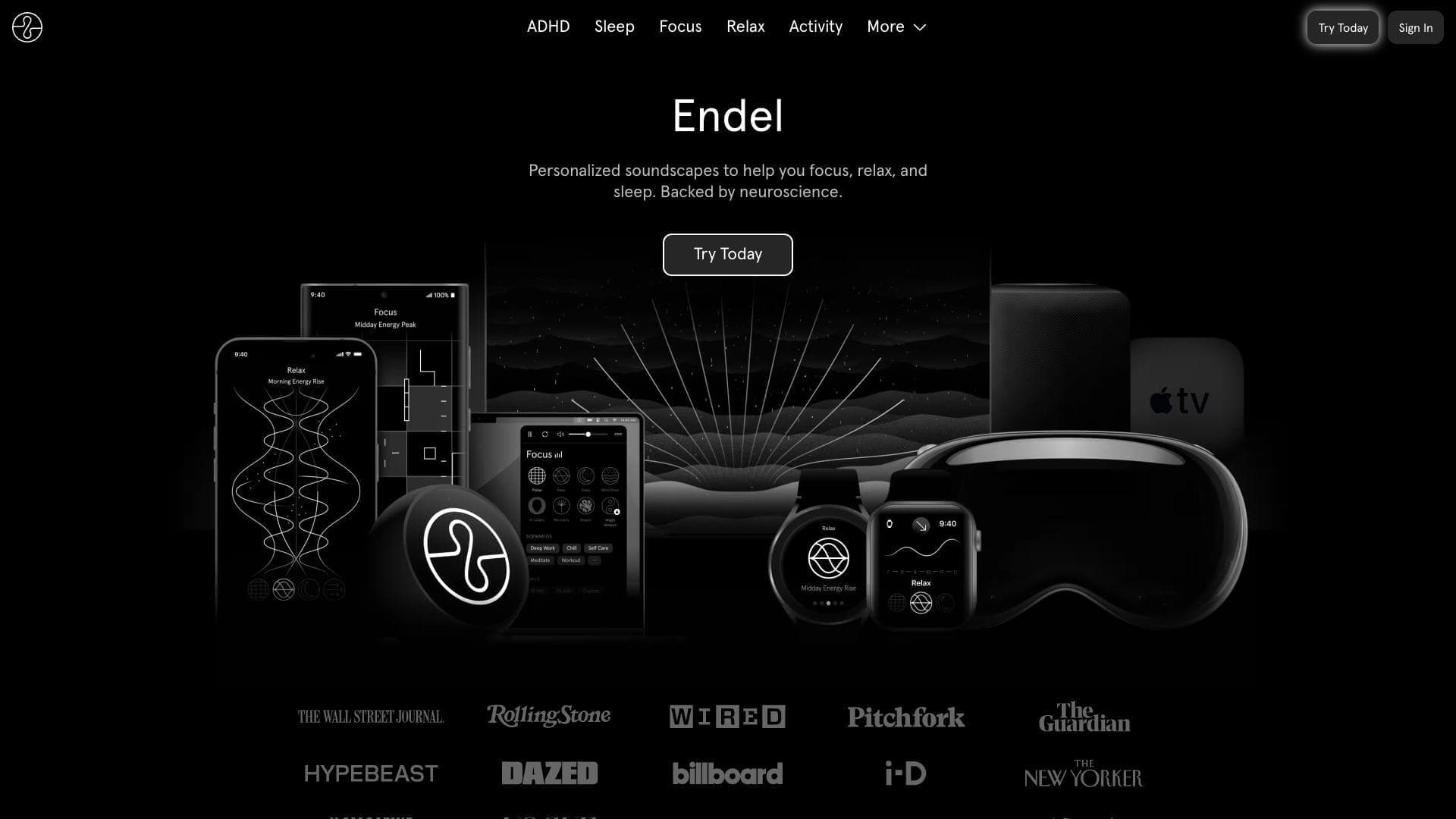
A platform for generating personalized soundscapes that adapt to the user's state in real time.

Neural network-based service for analyzing basketball matches and generating betting predictions.

Platform for training gaming skills using AI.

A digital fitness service that creates personalized HIIT workouts and adaptive plans without the need for a gym.