
Claude 3 Sonnet
An AI model from Anthropic for enterprise tasks with support for text and images, a context of up to 200,000 tokens, and computer control mode.
Overview
Claude 3 Sonnet
Description of the Claude 3 Sonnet neural network
Claude 3 Sonnet is a language model from Anthropic, released on February 29, 2024, and designed for enterprise tasks, programming, and document work. The model combines high performance and speed, supports multimodal input (text and images), and a 200,000-token context window.
Claude 3 Sonnet works on various platforms, including Web, macOS, Windows, and Linux, and is also available as a mobile app for iPhone. One of the model's key features is the ability to control a computer desktop by interpreting screenshots — a feature called Computer use, which is currently in beta status.
Claude 3 Sonnet characteristics
| Characteristic | Value |
|---|---|
| Type | Multimodal model / AI Agent |
| Developer | Anthropic |
| Release date | February 29, 2024 |
| Last update | July 19, 2025 |
| Categories | AI Assistants, Desktop Applications, Operations Tools, Web Tools, Decision Support |
| Platforms | Web, Linux, macOS, Windows, iPhone |
| Context window | 200,000 tokens |
| Maximum output | 200,000 tokens |
| Distribution model | Paid (Pay-as-you-go) |
| Average score | 73.8% |
| License | Proprietary |
| Supported capabilities | Function Calling, Structured Output, Code Execution, Web Search, Batch Inference, Fine-tuning |
Who is the Claude 3 Sonnet neural network suitable for?
Software developers
Claude 3 Sonnet provides capabilities for writing, fragmenting, and editing code, making it a useful tool for programmers working on various projects. The model supports code execution and can be integrated into development processes.
Business professionals
The model is suitable for specialists working with documents, reports, scripts, and business correspondence. Claude 3 Sonnet helps prepare talking points, edit drafts, and compose polished correspondence with a clear tone and coherent logic.
Content creators and researchers
For copywriters, analysts, and researchers, the model offers tools for working with long texts, analyzing documents, and preparing summaries. It is also suitable for students who need help understanding and structuring learning materials.
How to use the Claude 3 Sonnet neural network?
Access via the platform
To start working with Claude 3 Sonnet, you need to gain access to the model's interface through the official Anthropic platform. The user enters a request or task description in natural language and receives a response from the model.
Working with requests
After receiving a response, you can use the model's information or suggestions in your workflow. If necessary, you can leave feedback if the system provides that option. Claude 3 Sonnet supports long dialogues and can calmly break down complex tasks.
Computer use (beta feature)
The Computer use feature allows the model to directly control a computer desktop by interpreting screenshots and performing mouse and keyboard actions. To use this capability, it must be run in a safe sandbox environment with careful supervision by the user.
Key features of Claude 3 Sonnet
Natural language processing and multimodality
The model supports not only text queries but also image processing, allowing you to analyze visual data within a single session. This expands its scope from simple chat to solving tasks involving documents, charts, and screenshots.
Contextual understanding and task automation
Claude 3 Sonnet has a 200,000-token context window, enabling it to retain and process large volumes of information within a single dialogue. The model supports task automation, including writing code, editing documents, and scheduling.
Additional capabilities
The model supports Function Calling for integration with external tools, Structured Output for generating structured data, Web Search for finding current information, Batch Inference for batch processing of requests, and Fine-tuning for further training on specific tasks.
Advantages of Claude 3 Sonnet
Balance of performance and cost
Claude 3 Sonnet offers an ideal balance between intelligence and operating speed. The model shows balanced results in benchmarks for math, programming, and reasoning without excessive computational costs, making it suitable for large-scale AI deployments.
Autonomous computer control
The Computer use feature allows the model to autonomously control the desktop using screenshots, mouse, and keyboard actions for full automation. The system runs in a sandbox environment with protection against prompt injection and unauthorized actions, and it easily integrates with other automation tools such as bash and text editors.
Convenience for working with text
Claude 3 Sonnet is well suited to long texts and complex tasks. The model provides a clear tone, coherent logic, and is often more convenient than random chatbots when working with text structure. The iPhone mobile app lets you use the model's capabilities on the go without unnecessary hassle.
Disadvantages of Claude 3 Sonnet
Limitations of beta features
The Computer use feature is currently in beta testing, which can lead to delays in real-time interaction. There may be errors in coordinate accuracy or tool selection due to limitations in the model's vision, as well as issues with scrolling and interacting with certain interface elements on older versions of the model.
Supervision requirements
Using Claude 3 Sonnet, especially the Computer use feature, requires careful supervision by the user and adherence to security measures to prevent risks associated with confidential data. The model is not suitable for tasks that require perfect accuracy without human verification.
Task limitations
The model is not intended for mass image generation. Feature availability and limits depend on the region, app version, and plan. There are also restrictions when interacting with social networks and creating accounts.
What tasks does Claude 3 Sonnet solve?
Programming assistance
The model is used for writing, fragmenting, editing, and debugging code. It is suitable both for small scripts and for more complex software development tasks.
Working with documents and texts
Claude 3 Sonnet helps create letters, reports, scripts, summaries, and research materials. The model can also edit drafts, explain documents, prepare talking points, and compose polished business correspondence.
Analysis and reasoning
The model is suitable for analyzing and reasoning over complex tasks, information retrieval, and data structuring. It can maintain long dialogues, gradually breaking down multi-step problems.
Workflow automation
Thanks to the Computer use feature and integration with automation tools, Claude 3 Sonnet can handle planning, scheduling, and automation of repetitive desktop tasks.
Claude 3 Sonnet pricing
Claude 3 Sonnet operates on a pay-as-you-go model. The cost is $3.00 per 1 million input tokens and $15.00 per 1 million output tokens. There is no free plan, but you do not need to link a credit card to get started. For current prices, it is recommended to refer to the official Anthropic pricing page.
Terms of use for Claude 3 Sonnet
Using the model, especially the Computer use feature, requires careful supervision by the user and compliance with security measures. The system runs in a sandbox environment — isolated virtual machines or containers — which provides protection against unauthorized actions. The model includes protection against prompt injection and unauthorized access. The availability of specific features and limits may depend on the region, app version, and selected plan.
Availability of Claude 3 Sonnet
Claude 3 Sonnet is available on Web, Linux, macOS, and Windows platforms. The iPhone mobile app also allows the model to be used on Apple devices. Top regions by traffic: USA (33.8%), China (17.41%), Japan (17.39%), India (9.14%), Germany (6.25%). The availability of some features may vary by region.
How Claude 3 Sonnet differs from alternatives
Compared with alternatives such as OpenAI ChatGPT, Google Bard, and Microsoft Copilot, Claude 3 Sonnet stands out primarily for its Computer use feature, which lets the model directly control a computer desktop through screenshots and mouse and keyboard actions. The 200,000-token context window makes it possible to process significantly larger amounts of information in a single session than many competitors. The model also offers a balanced performance-to-cost ratio, making it attractive for enterprise deployments.
Conclusion
Claude 3 Sonnet is a balanced language model from Anthropic, focused on enterprise tasks, programming, and document work. Thanks to its 200,000-token context window, multimodality, and the unique Computer use feature for computer control, the model is of interest to developers, business professionals, and researchers. At the same time, it should be noted that some features are in beta testing and require careful supervision, and the model itself is distributed exclusively under a paid pay-as-you-go model.
Frequently asked questions
See also
A sales automation platform that combines customer prospecting, deal management, and AI-powered forecasting.
AI editor for creating, editing, and publishing content with templates and prompts.

Financial platform with an AI assistant for managing accounting, taxes, and budgets.
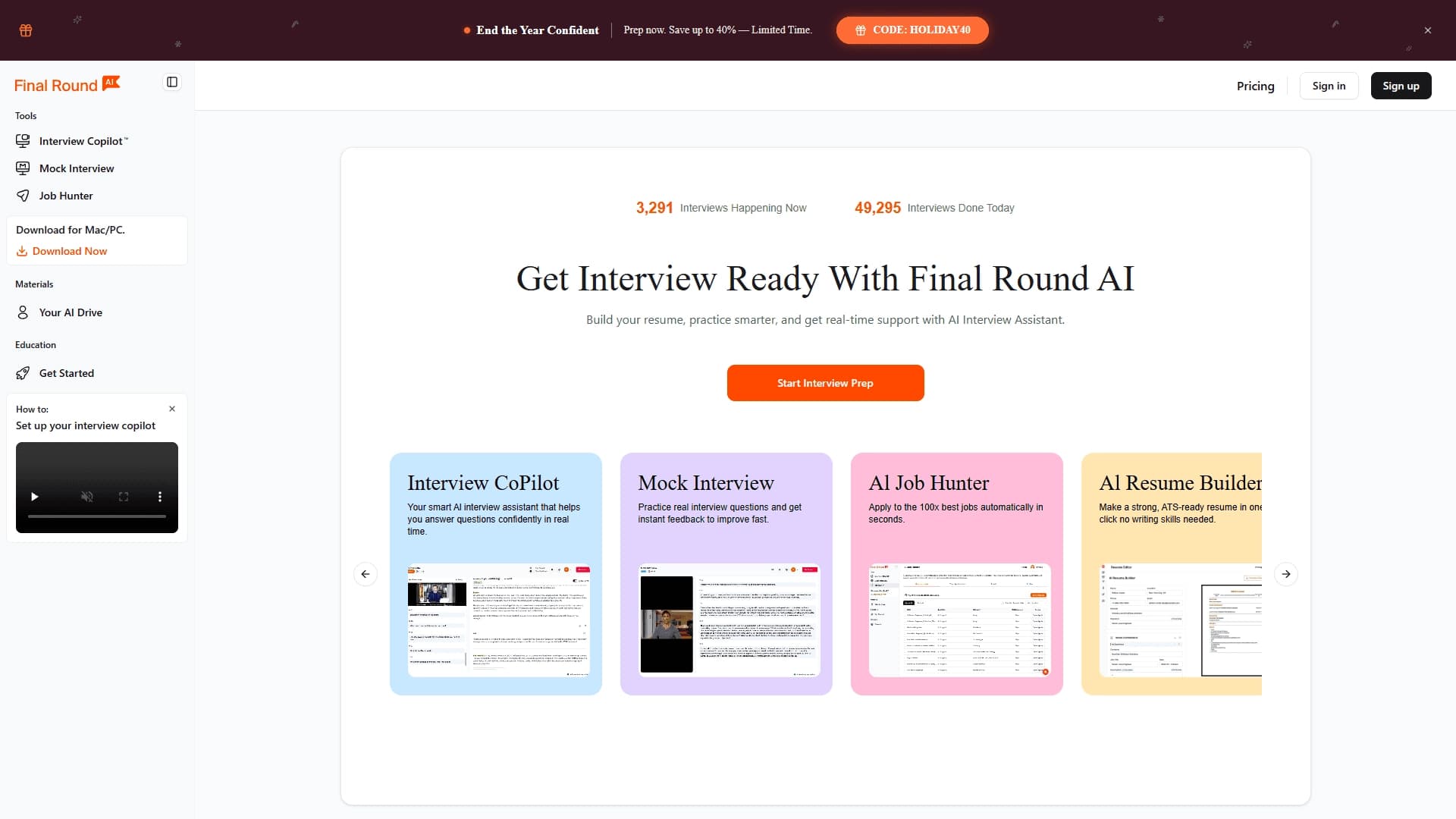
Platform for interview preparation with AI mock interviews and real-time support.
Enterprise language model platform focused on privacy and on-premise deployment.


AI assistant for creating short summaries of videos, PDF documents, and web pages.
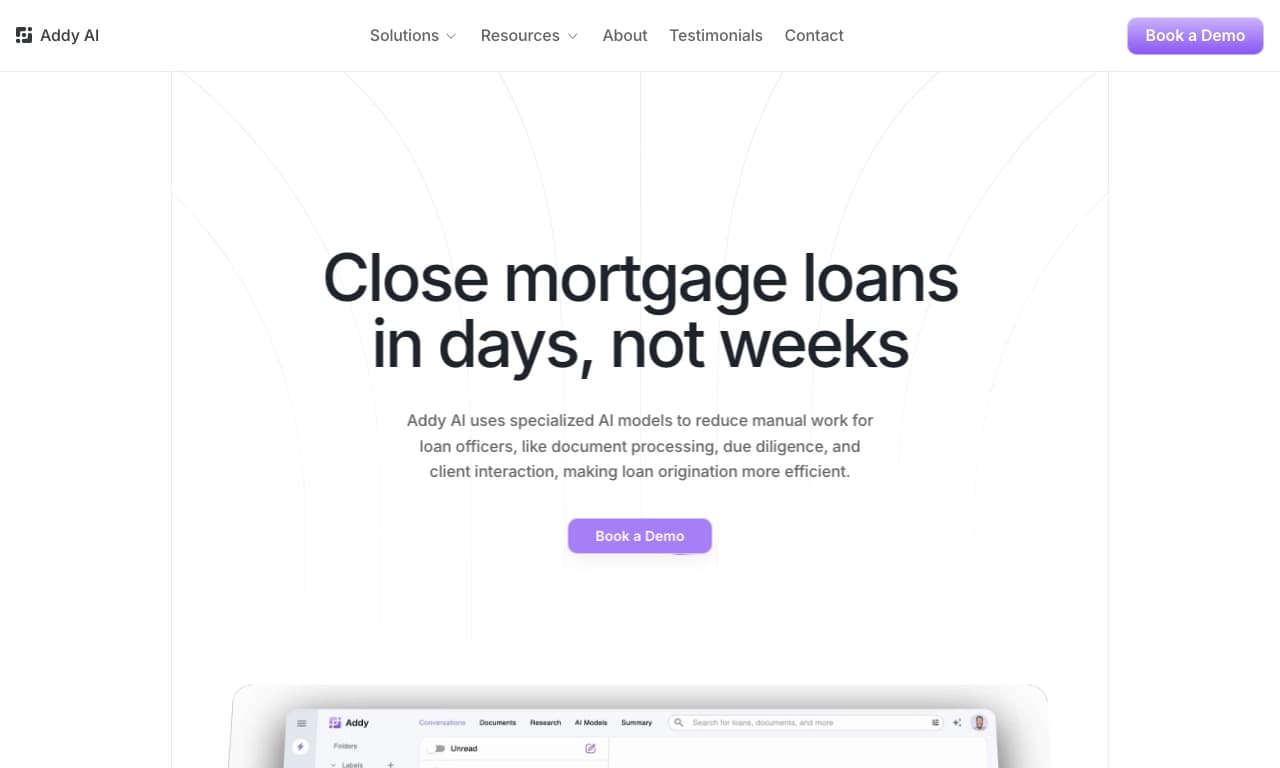

AI email assistant that helps quickly draft messages, adapting to the user's style.


Free online platform with over 150 AI tools for working with PDFs, images, videos, and text.