
ChatGPT Edu
A version of ChatGPT from OpenAI, adapted for use in educational institutions.
Overview
ChatGPT Edu
Description of the ChatGPT Edu neural network
ChatGPT Edu is a specialized version of OpenAI's language model designed for use in educational institutions. Unlike the standard version of ChatGPT, this tool is focused on the needs of students, teachers, and researchers. ChatGPT Edu helps break down complex topics, solve problems across various disciplines, create learning materials, tests, and code, and also supports translation and foreign language learning features. Access to the neural network is provided upon individual request after registering on the OpenAI platform, and the tool itself is not publicly available.
ChatGPT Edu characteristics
| Characteristic | Value |
|---|---|
| Type | Language model |
| Category | Education |
| Developer | OpenAI |
| Publication date | March 25, 2025 |
| Interface languages | Understands requests in Russian |
| Free plan availability | No (access by request, not publicly available) |
| Website | openai.com |
Who is ChatGPT Edu suitable for?
Students
ChatGPT Edu is suitable for learners of different educational levels, from school students to graduate students. The tool helps understand complex topics, prepare for exams, complete homework, and write research papers.
Teachers
For teachers, the neural network becomes an assistant in preparing learning materials, creating tests and exercises, and automating routine tasks related to knowledge assessment and lesson plan development.
Researchers
Research staff can use ChatGPT Edu to process large volumes of information, extract key findings from articles and documents, and get help with writing research texts.
How to use ChatGPT Edu?
Registration and access request
To get started, you need to register or log in to an existing account on the OpenAI platform. After that, you need to submit a request for access to ChatGPT Edu. Access is granted only after the request is approved by the administration.
Profile setup and getting started
Once access is granted, you should configure your profile settings and select the appropriate educational level. You can then enter prompts or set topics, receive responses, and refine them if necessary to achieve the best results.
Key features of ChatGPT Edu
Educational support
The neural network can explain complex topics and concepts, solve problems in various subjects, help with writing essays and articles, and create tests and lesson plans. The learning materials and exercises generation feature allows teachers to quickly prepare high-quality content for classes.
Working with text and code
ChatGPT Edu supports text generation on any topic, translation and language learning, as well as help with writing code. The tool can process large volumes of information and extract key findings from it, which is especially useful for research work.
Interactive learning
Interactive exercises and dialogues are available for learning foreign languages. This allows learners to practice conversational skills in a safe environment without a real conversation partner.
Advantages of ChatGPT Edu
Specialization for education
Unlike universal versions of ChatGPT, the Edu version is adapted specifically for educational tasks. It is focused on accurate and structured responses, supports different educational levels and subject areas.
Flexibility and automation
The neural network supports various formats of work — texts, tests, exercises. It adapts to individual user requests and automates routine tasks, speeding up the process of acquiring and sharing knowledge for both students and teachers.
Disadvantages of ChatGPT Edu
Limited access
The main disadvantage of ChatGPT Edu is the lack of open access. The tool cannot be used without prior approval of the request by the OpenAI administration. This creates a barrier for those who would like to start working with the neural network immediately.
No public pricing information
Currently, the cost of using ChatGPT Edu is not stated on the official page. Pricing is set individually for each educational institution, which makes it difficult to estimate costs in advance.
What tasks does ChatGPT Edu solve?
- Explanation of complex topics and concepts — the model helps understand material that causes difficulty.
- Solving problems in various subjects — from mathematics to humanities.
- Help with writing essays and articles — text generation, structuring material, checking arguments.
- Creating tests and lesson plans — automatic preparation of assessment materials and course programs.
- Generation of learning materials and exercises — quick creation of didactic resources.
- Translation and language learning — translation of texts and interactive dialogues for language practice.
- Help with writing code — supporting students and teachers in learning programming.
ChatGPT Edu pricing
The current cost of using ChatGPT Edu is not stated on the official page. Access to the neural network is provided individually upon request from an educational institution. For pricing information, you need to contact OpenAI directly through the request form on the website.
ChatGPT Edu terms of use
Working with ChatGPT Edu requires registration on the OpenAI platform and submitting a request for access. The tool can only be used after the request is approved by the administration. The neural network is not intended for individual users — access is provided to educational institutions.
ChatGPT Edu availability
The neural network understands requests in Russian. Access to ChatGPT Edu is provided through the OpenAI web platform. The tool is not publicly available — to get started, you must go through the request approval procedure.
How ChatGPT Edu differs from alternatives
A specialized version from OpenAI
ChatGPT Edu is not a standalone model, but a version of ChatGPT adapted to the needs of education. Unlike other educational AI tools, it is built on one of the most powerful language models from OpenAI and inherits its capabilities for working with text, code, and data.
Focus on institutions rather than individual users
The main difference between ChatGPT Edu and many alternatives is the distribution model. The tool is not sold as an off-the-shelf product with open access. It is provided to educational institutions after application review, allowing OpenAI to tailor the solution to the specific needs of universities, schools, and research centers.
Conclusion
ChatGPT Edu is a specialized version of OpenAI's language model adapted for use in educational institutions. The tool helps students, teachers, and researchers solve a wide range of tasks, from explaining complex topics and creating learning materials to writing code and learning languages. The main limitation is the lack of open access — registration on the OpenAI platform and request approval are required to get started. Nevertheless, ChatGPT Edu can become a valuable assistant for educational institutions seeking to integrate modern AI technologies into the learning process.
Frequently asked questions
See also
A sales automation platform that combines customer prospecting, deal management, and AI-powered forecasting.
AI editor for creating, editing, and publishing content with templates and prompts.

Financial platform with an AI assistant for managing accounting, taxes, and budgets.
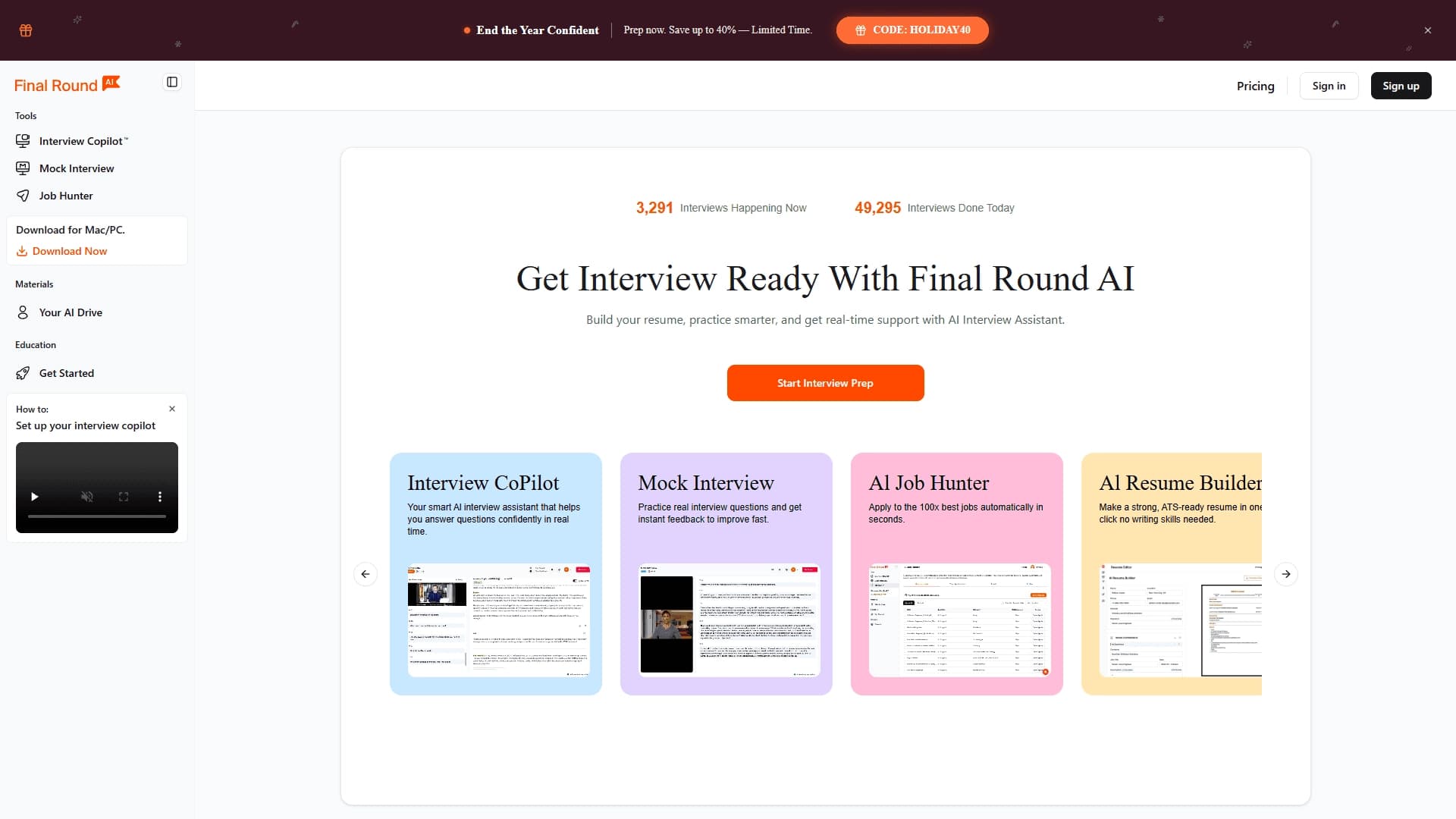
Platform for interview preparation with AI mock interviews and real-time support.
Enterprise language model platform focused on privacy and on-premise deployment.
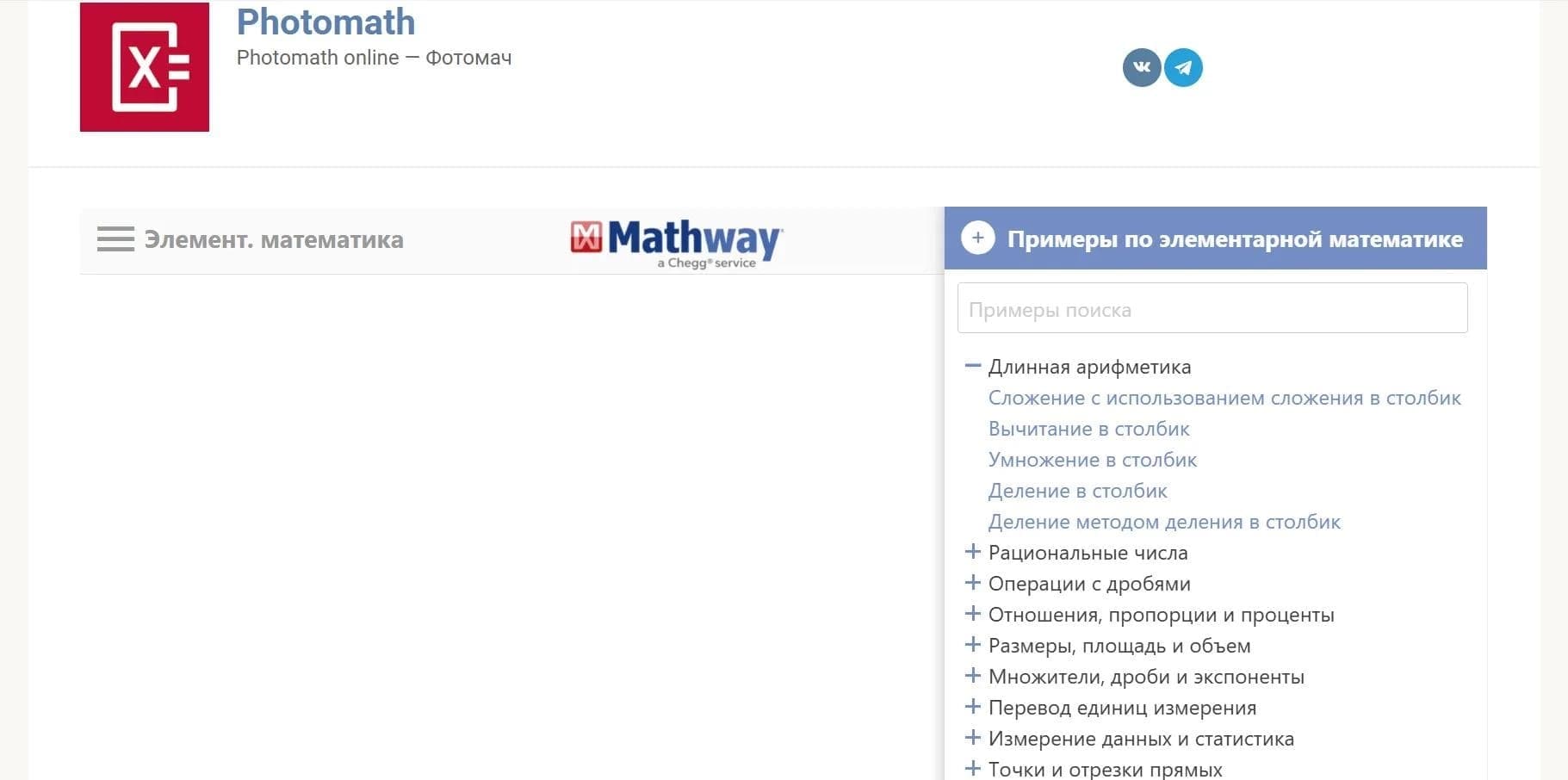

An app for solving math problems using a smartphone camera and step-by-step explanations.


AI-powered mobile app that helps with studying by analyzing text and photo queries.
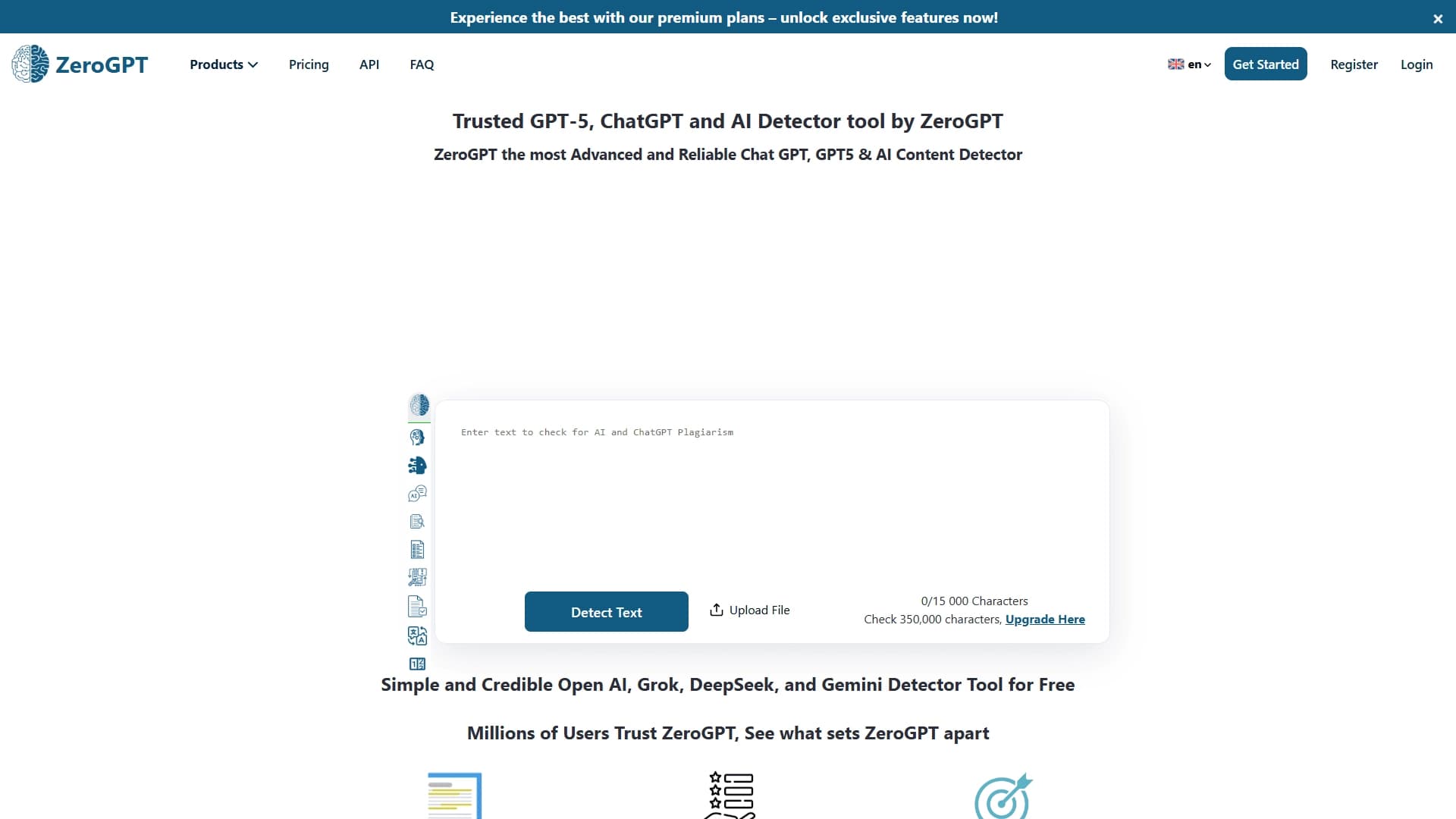

An online detector that determines whether text was created by a human or generated by neural networks.