What Perceptron launched
Perceptron is a startup founded in November 2024. It was created by two former Meta research scientists: Armen Aghajanyan and Akshat Shrivastava. They worked at Meta's Fundamental AI Research (FAIR). This is Meta's AI research division.
This week the company launched the Isaac 0.5 model. According to its creators, it gives machines the ability to "perceive, reason and act" in industrial settings. The model is released as open-weight. Therefore, anyone can inspect the parameters and training materials.
The company sees its software as the future of industrial automated deployment.
Takeaway: Isaac 0.5 is worth considering as an open model for industrial tasks. Weight verifiability is a key criterion when choosing.
The task: physical intelligence for warehouses and factory floors
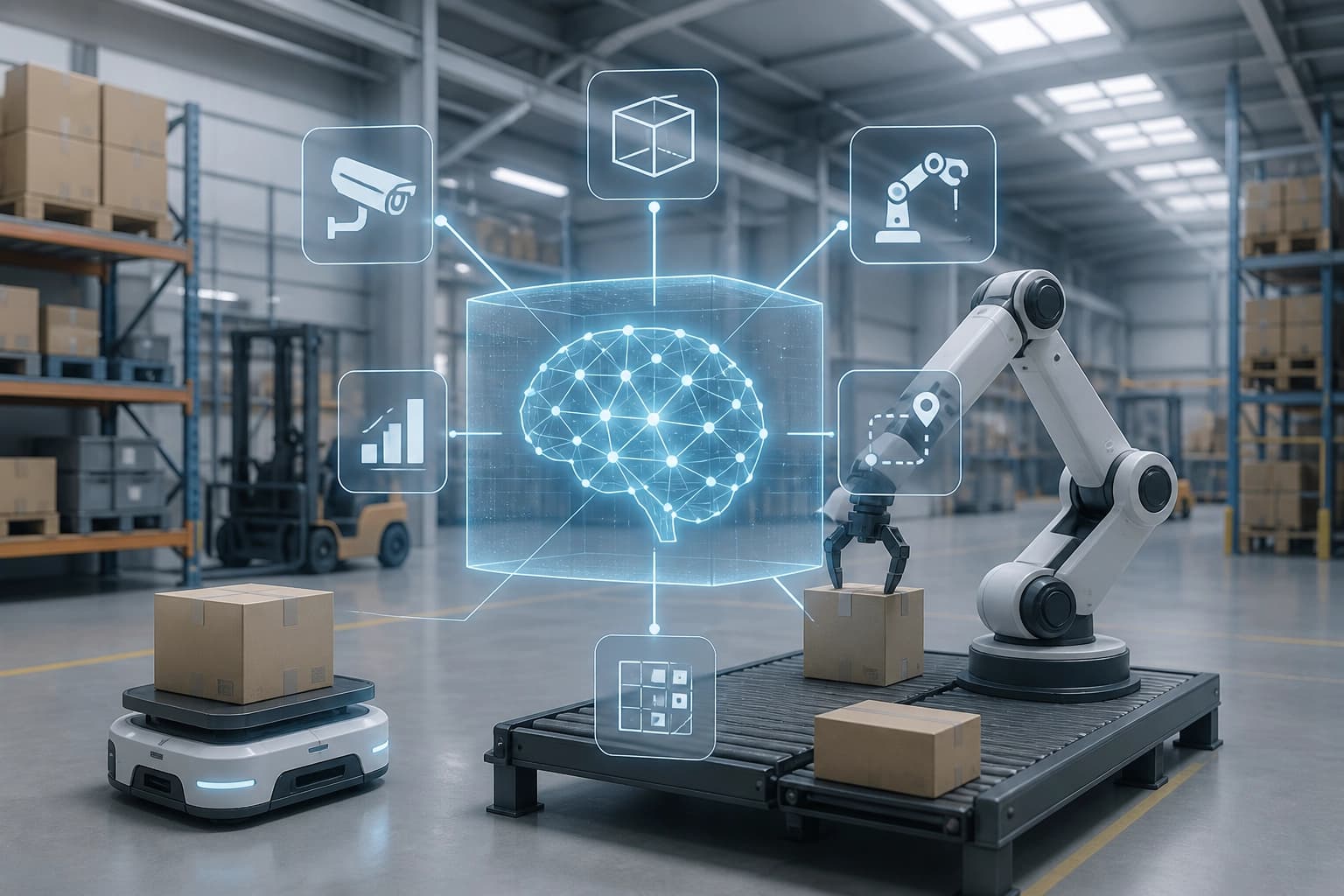
Perceptron develops frontier vision models. They are meant to help machines interact more competently with physical environments. The software can help vision-guided robots navigate complex environments. This means warehouses or factory floors.
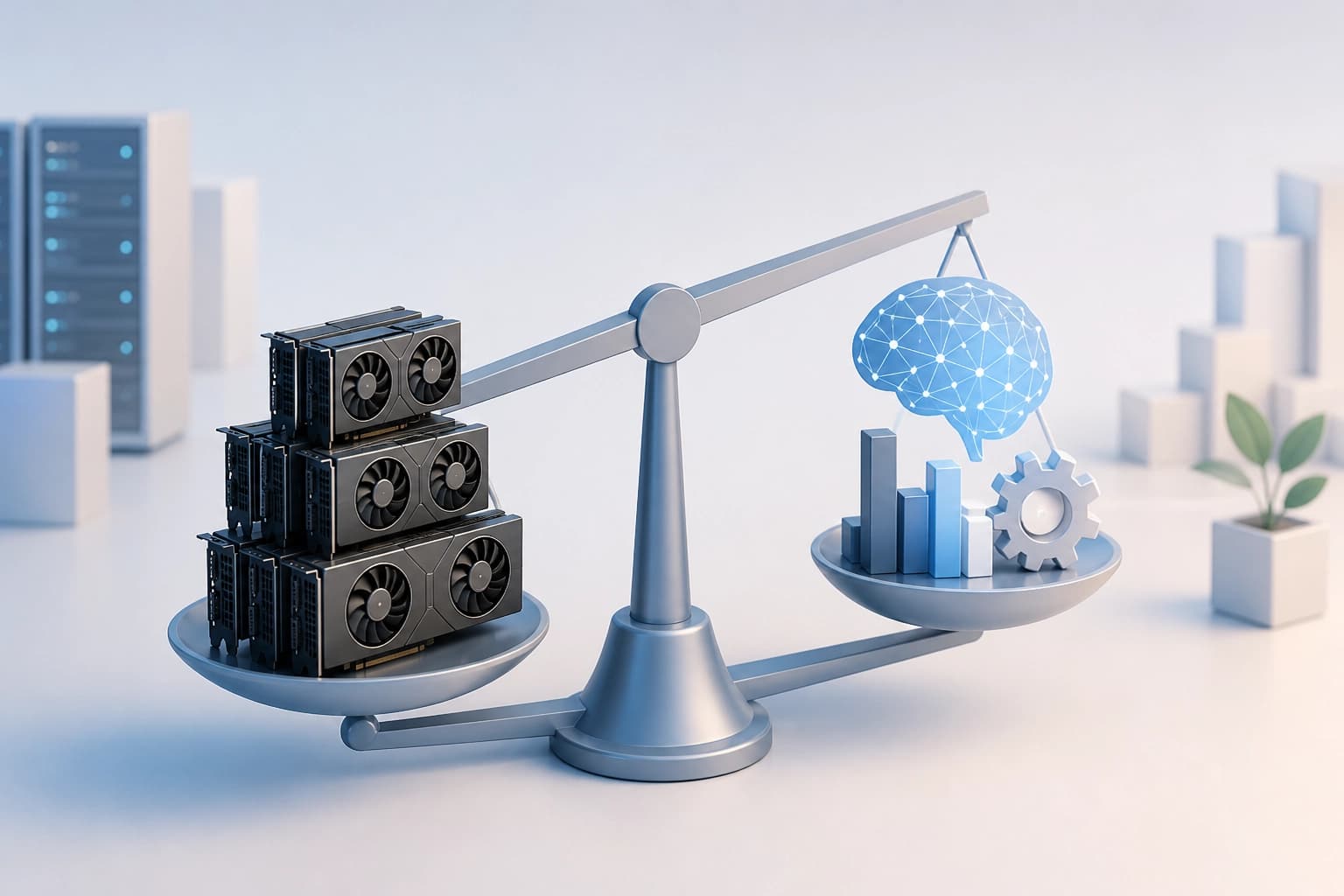
The company describes the problem this way: "Physical AI today forces a false choice." On one hand, generalist foundation models, which need multiple dedicated cloud GPUs for each instance. On the other, narrow models that handle perception or control, but never both. Isaac 0.5 is meant to give machines the ability to perceive, reason and act.
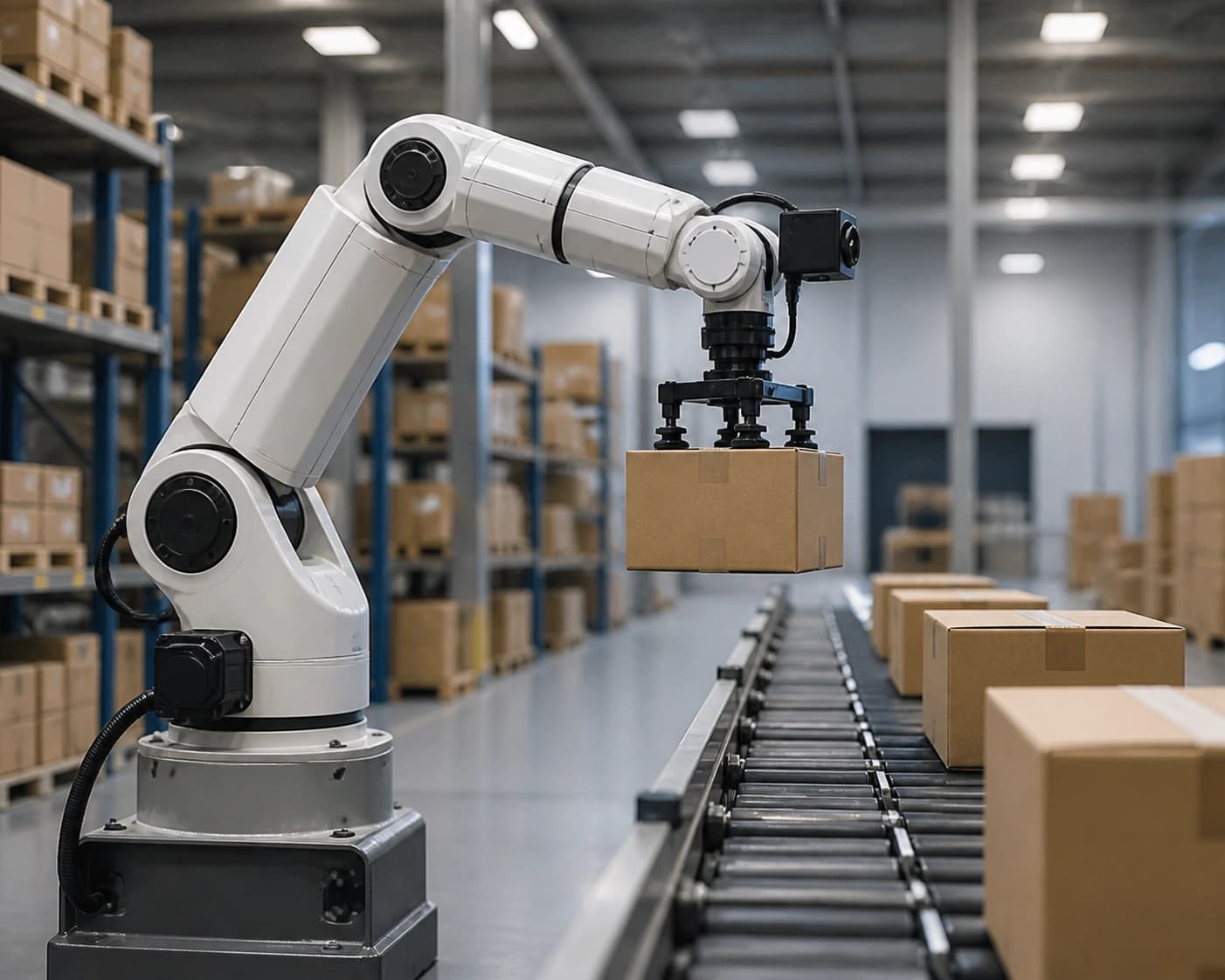
Shrivastava suggested considering a simple physical process — organizing boxes. A robot deployed to sort packages has to complete many steps. First, read the label on the package. Then perform spatial analysis to understand where the boxes are. Then decide which one to pick up. If it picks up a series of boxes, it would have to plan which boxes to pick up and in what order. Perceptron's software is designed to help robots go through every step of the process.
Takeaway: the selection criterion is the model's ability to cover the entire process, from perception to action planning, and not just a single operation.
How Isaac 0.5 was trained
Models like Isaac 0.5 learn operational skills by absorbing large volumes of video training data. Perceptron says it trained the new model on a million hours of so-called general video. This is needed to teach the algorithm to recognize specific conditions, visual elements and scenarios.
The company also relied heavily on ego video. This is video from the point of view of a person performing a physical task. It is shot with a GoPro or a wearable camera. UMI video was also used. It likewise serves to teach AI systems movements by recording repeated human actions.
Perceptron does not disclose the sources of its training data. Shrivastava said the company "internally built petabyte-scale datasets that span across modalities." He clarified: "whether it's images, text, video, etc. all the way through robotic trajectories."
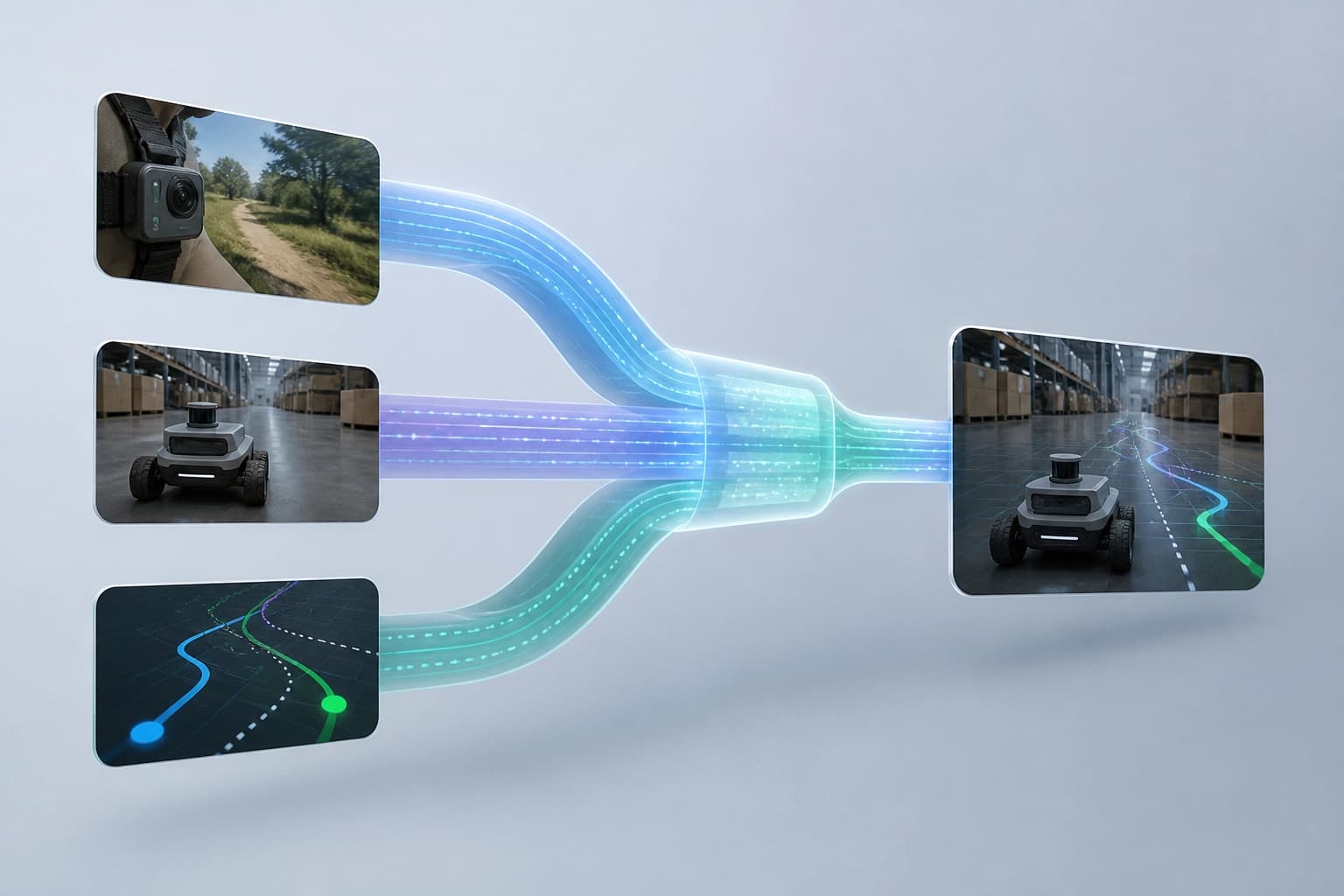
Takeaway: the model's open weights make it possible to inspect the parameters and training materials. This is an important criterion for teams that need verifiability.
How it differs from existing models
Aghajanyan and Shrivastava say their tool differs from existing models. It is general-purpose, meaning it was not built for one specific repetitive task. The model is meant to be flexible depending on the specific environment or situation.
The industry already has software that helps machines perform most of these tasks. But few programs are designed to do so flexibly. Below is a comparison of approaches based on the facts the company cites.
| Approach | Key feature |
|---|---|
| Generalist foundation models | Need several dedicated cloud GPUs for each instance |
| Narrow models | Handle perception or control, but never both |
| Isaac 0.5 | General-purpose, open-weight, aimed at perceive, reason and act |
Aghajanyan said: "Nothing like this really exists out there." He added: "We're really excited about it."
Takeaway: if a task requires both perception and control in a changing environment, narrow models will not do. Generalist models require dedicated cloud GPUs per instance. Isaac 0.5 is positioned as a middle ground between these options.
Where they plan to apply it
The startup is ready to bring the software to market for various vendors. The company could potentially integrate its intelligence layer into different industries. Among them are manufacturing, logistics and warehousing, security, mobility, as well as media and entertainment.
The software helps vision-guided robots navigate complex environments, such as warehouses or factory floors. It also helps companies extract visual intelligence from video recorded by these bots.
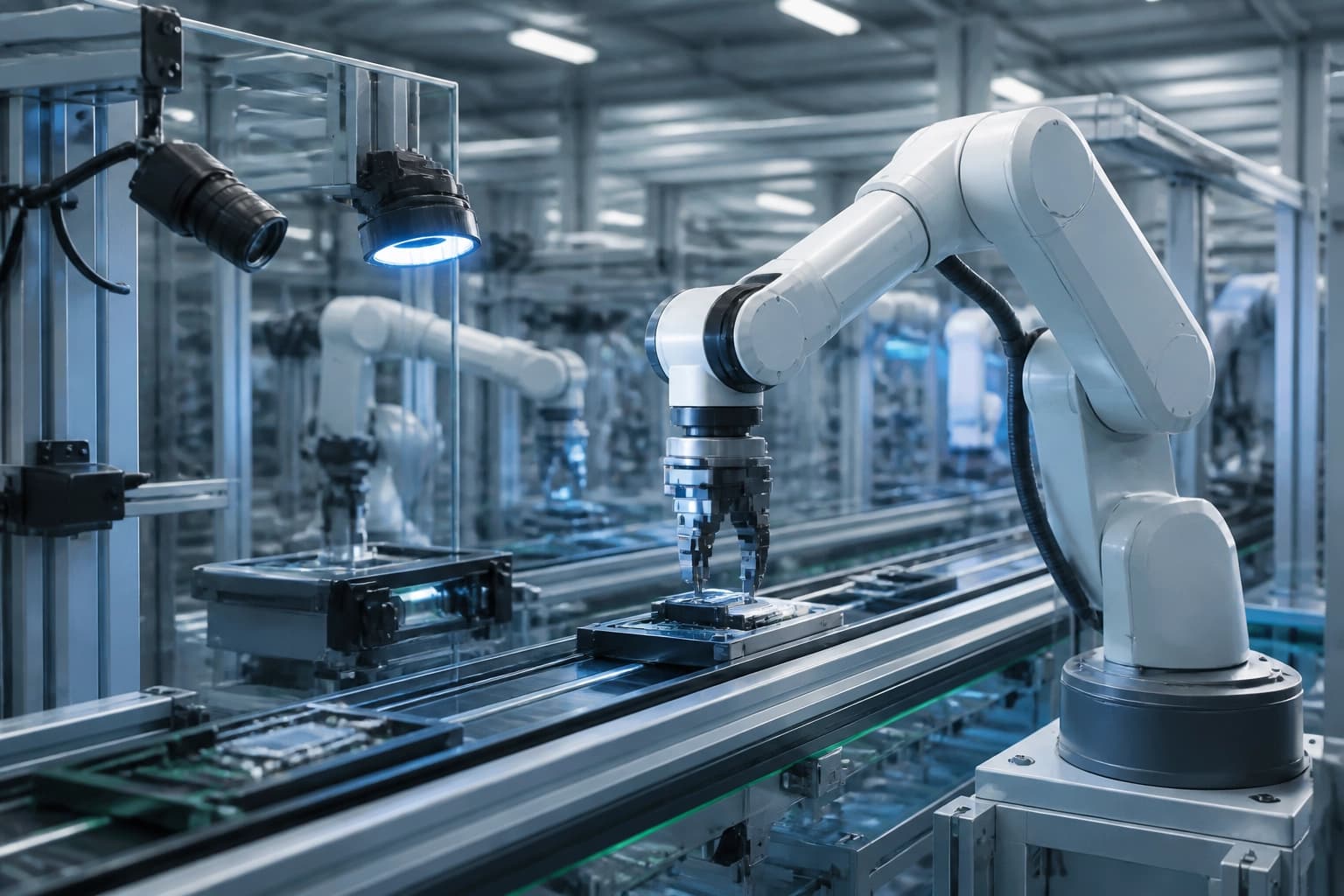
Takeaway: the practical criterion is the match between industry and use case. For warehouses and factory floors, what matters is navigation in a complex environment and extracting data from video. For security, mobility, media and entertainment, the company claims potential integration.
Funding and status
Perceptron previously raised $21 million. The investors were Bessemer Venture Partners, Foundation Capital and S32. This follows from Pitchbook data. SmartGateVC also took part in the company's founding round.
According to TechCrunch, the startup is in the process of closing an additional round. Other terms and timing are not disclosed.
Takeaway: the company has funding from venture funds and a stated interest in an additional round. This does not guarantee product maturity, but it lowers the risk of an early choice.