Chronicle of departures: who is leaving Google
Google continues to lose leading AI specialists. According to Bloomberg, researchers Jonas Adler and Alexander Pritzel, who made significant contributions to the creation of the Gemini model, are moving to Anthropic. This is not an isolated case: over the past few weeks, several key figures have announced their move to competitors.
Losses of this level are hard to overestimate. These are not just rank-and-file employees, but researchers who define the company's technical strategy. Their departure to Anthropic means that a direct competitor will gain access to the expertise accumulated at Google over years of work on flagship models.
The role of Adler and Pritzel in Gemini
Adler and Pritzel held key positions in the Gemini development team. They were responsible for training and optimizing large language models, which requires not only deep theoretical knowledge but also practical experience working with giant computing clusters. Their move to Anthropic deprives Gemini of part of the intellectual capital that had been accumulated over years.
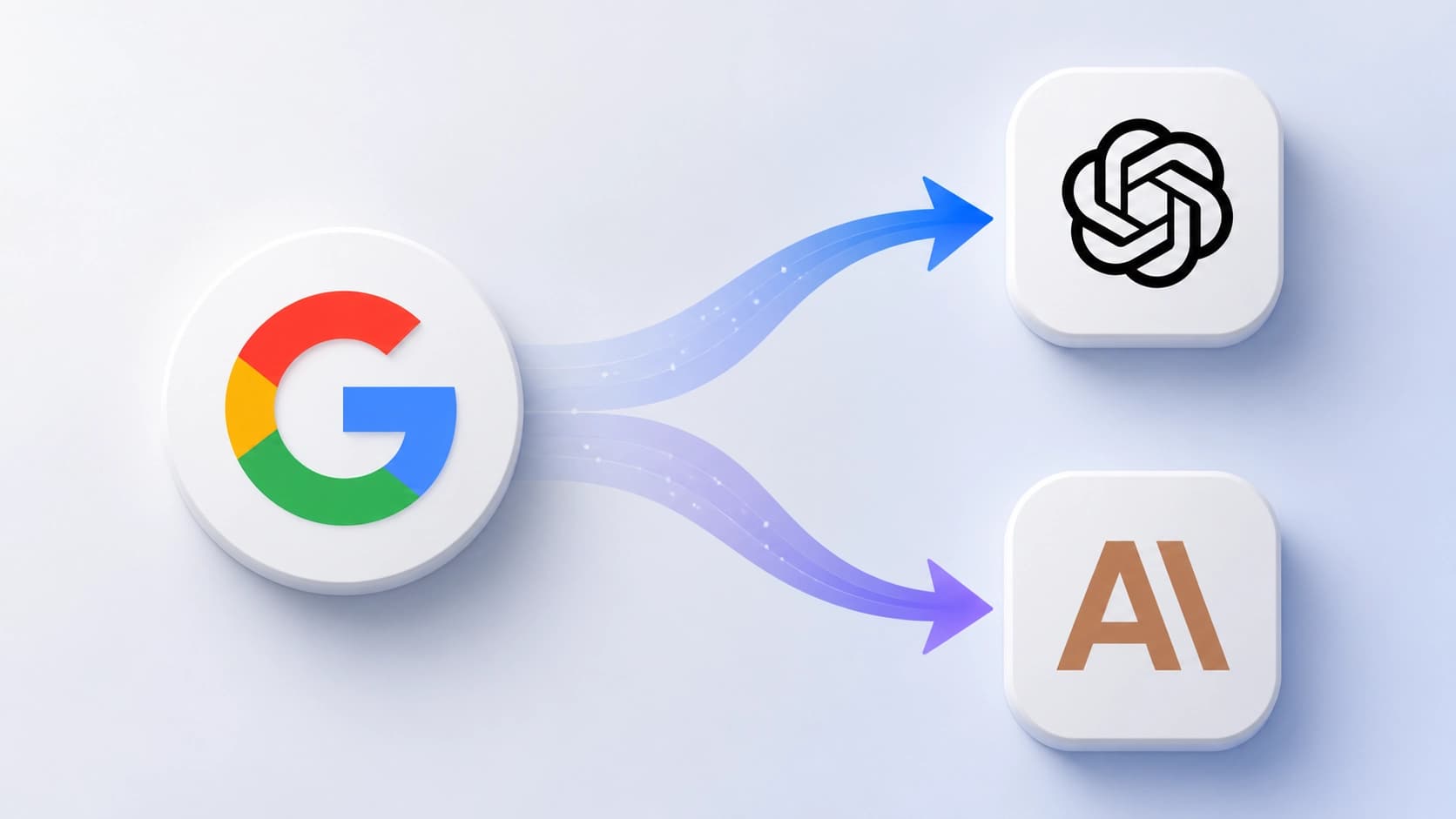
Interestingly, the researchers' departures come amid OpenAI and Anthropic preparing for initial public offerings. For Google, this is a worrying signal: competitors are becoming not just attractive employers, but are also financially motivating employees with a stake in the future company. Notably, all three high-profile departures happened almost simultaneously — this is hardly a coincidence.
Noam Shazeer: a veteran returns to the fray
Last week it became known that Noam Shazeer is leaving Google for OpenAI. Shazeer had worked at the company since 2000, but took a three-year break to found the startup Character.AI. Google eventually hired him back through an acqui-hire procedure that valued the company at $2.7 billion. In essence, it was the return of talent in exchange for substantial capital.
Character.AI, created by Shazeer, became one of the most prominent projects in the field of personalized chatbots. The technology developed there found application in many Google products, but the creator himself chose to leave. Shazeer is not just an experienced engineer. He is one of the co-authors of the Transformer architecture, which underlies almost all modern large language models, including GPT and Gemini. His departure to OpenAI can be seen as a strategic defeat for Google: the company paid huge money to bring him back, but could not keep him for long.
It is telling that Shazeer announced his decision just a few days before the news of Jumper's move. This creates the impression of a coordinated hunt for talent on the part of competitors.
John Jumper: Nobel laureate chooses Anthropic
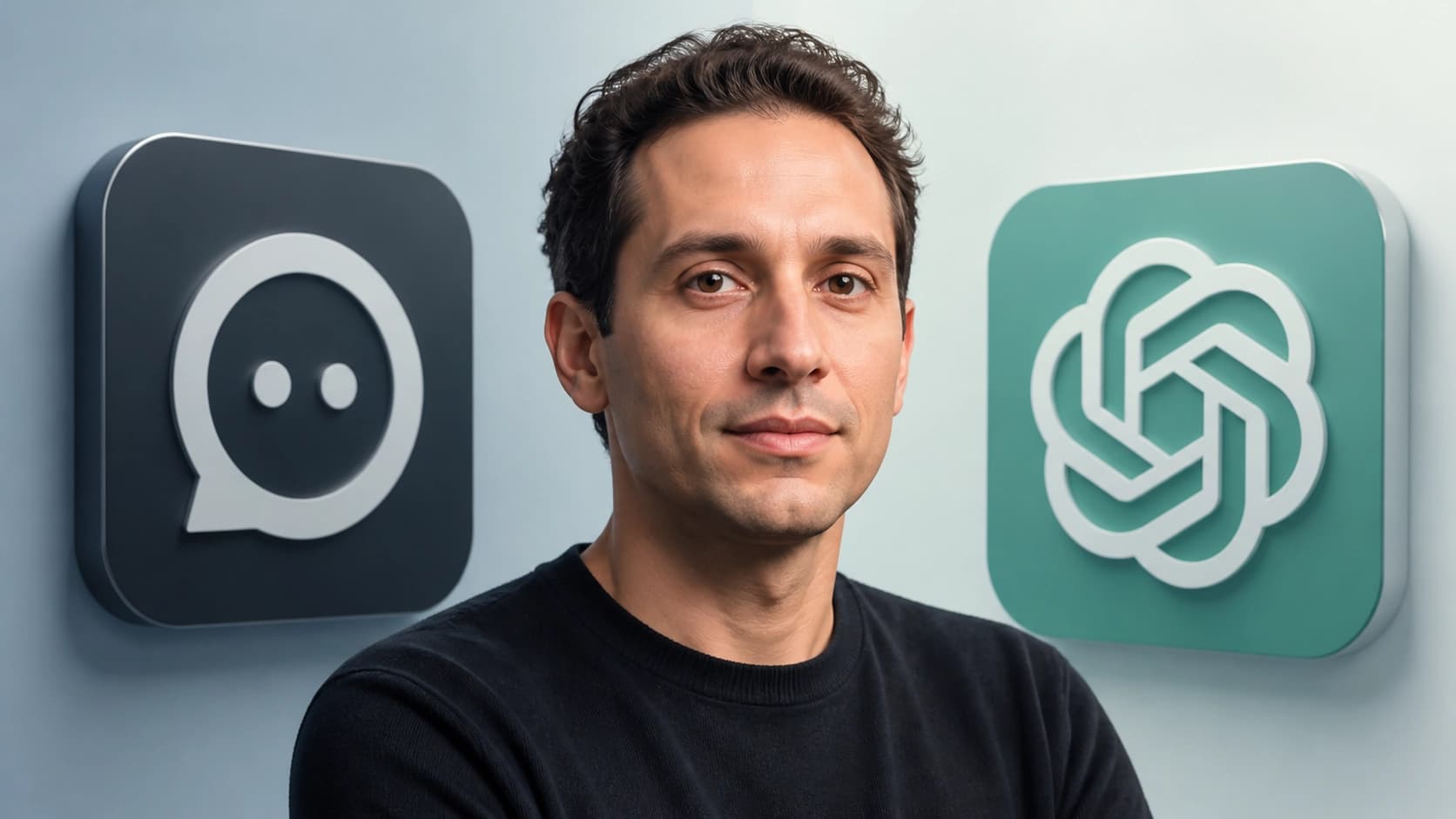
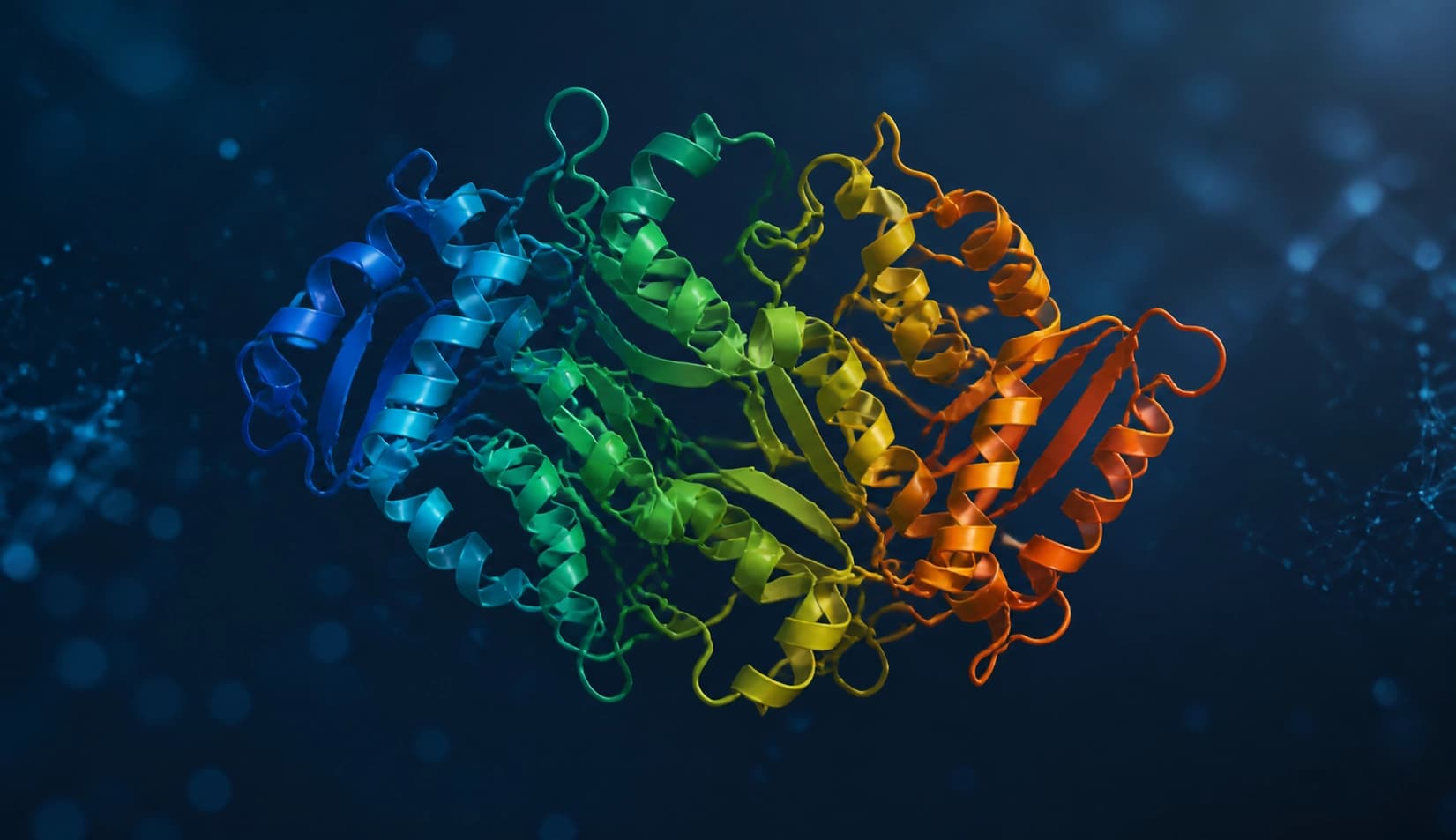
A few days after Shazeer's announcement, John Jumper, director of Google DeepMind, announced his decision. He is moving to Anthropic. Jumper is widely known as one of the creators of the AlphaFold system, which predicts three-dimensional structures of proteins. It was for this work that he, together with Demis Hassabis, received the Nobel Prize in Chemistry in 2024.
AlphaFold became a real breakthrough in biology: its use has already allowed scientists to take a fresh look at the mechanisms of many diseases and accelerate drug development. For Anthropic, this is a high-profile acquisition. Jumper's scientific authority will attract additional attention to the company and, possibly, other researchers. For Google, this is the loss of a person whose work is directly related not only to AI, but also to fundamental science.
Why this is only the beginning
For OpenAI and Anthropic, this is a good time to poach leading specialists. Both companies are actively preparing to go public (IPO), and the opportunity to obtain an equity stake is becoming a powerful argument. Researchers who have worked at Google for decades see more prospects for themselves in startups, where their contribution can be rewarded with shares.
There is another side: working in a large corporation is often associated with bureaucracy and approvals, whereas in younger companies researchers get the freedom to implement their ideas faster. For the industry, this means a further redistribution of talent, which is likely to continue. Google will have to find new ways to retain its stars, but competitors have already shown that they are ready to pay for the best. It is quite possible that in the near future we will see new moves — especially if the IPOs of OpenAI and Anthropic are successful and their shares rise.