What is OS Investigate and how does it work
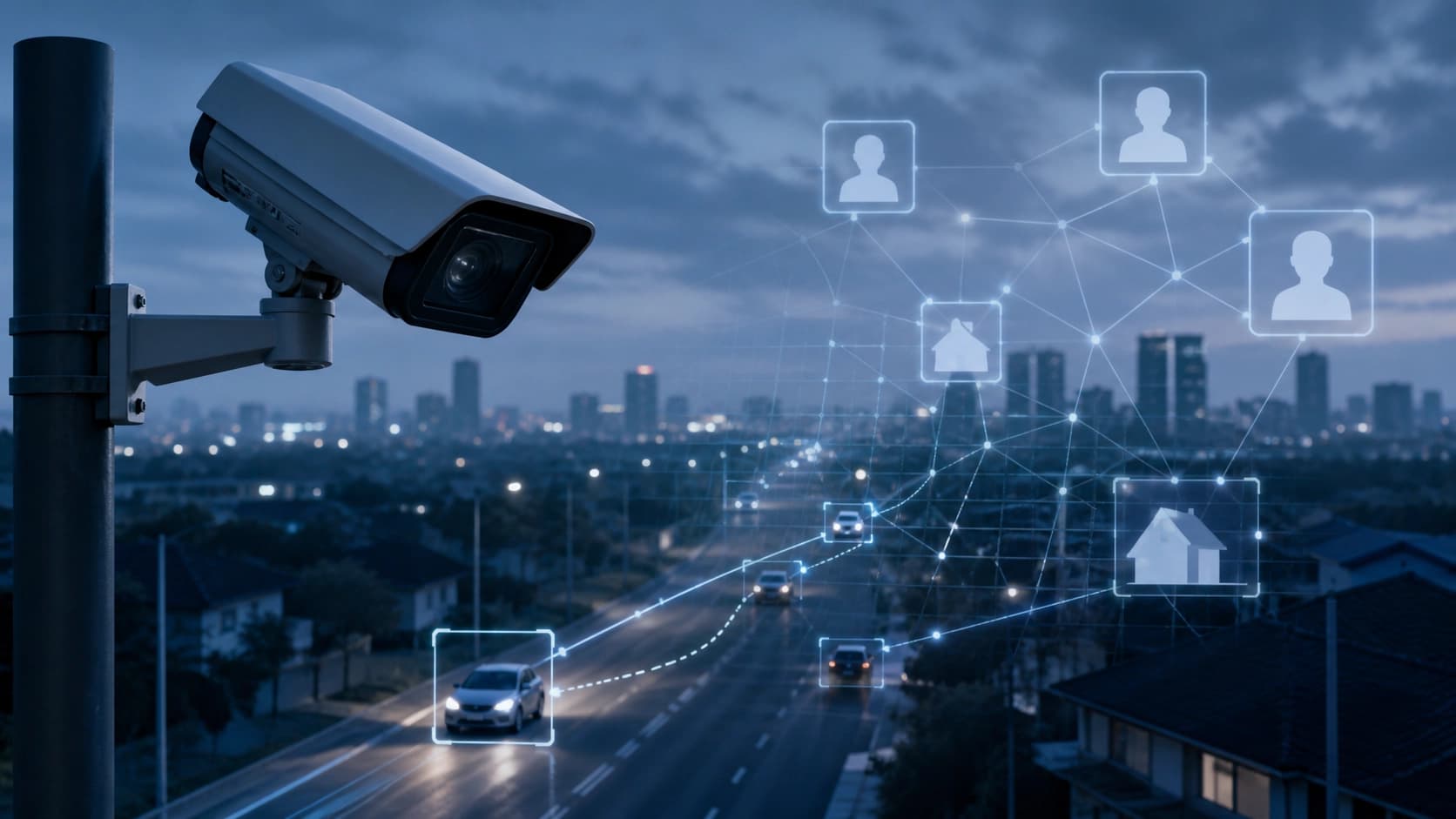
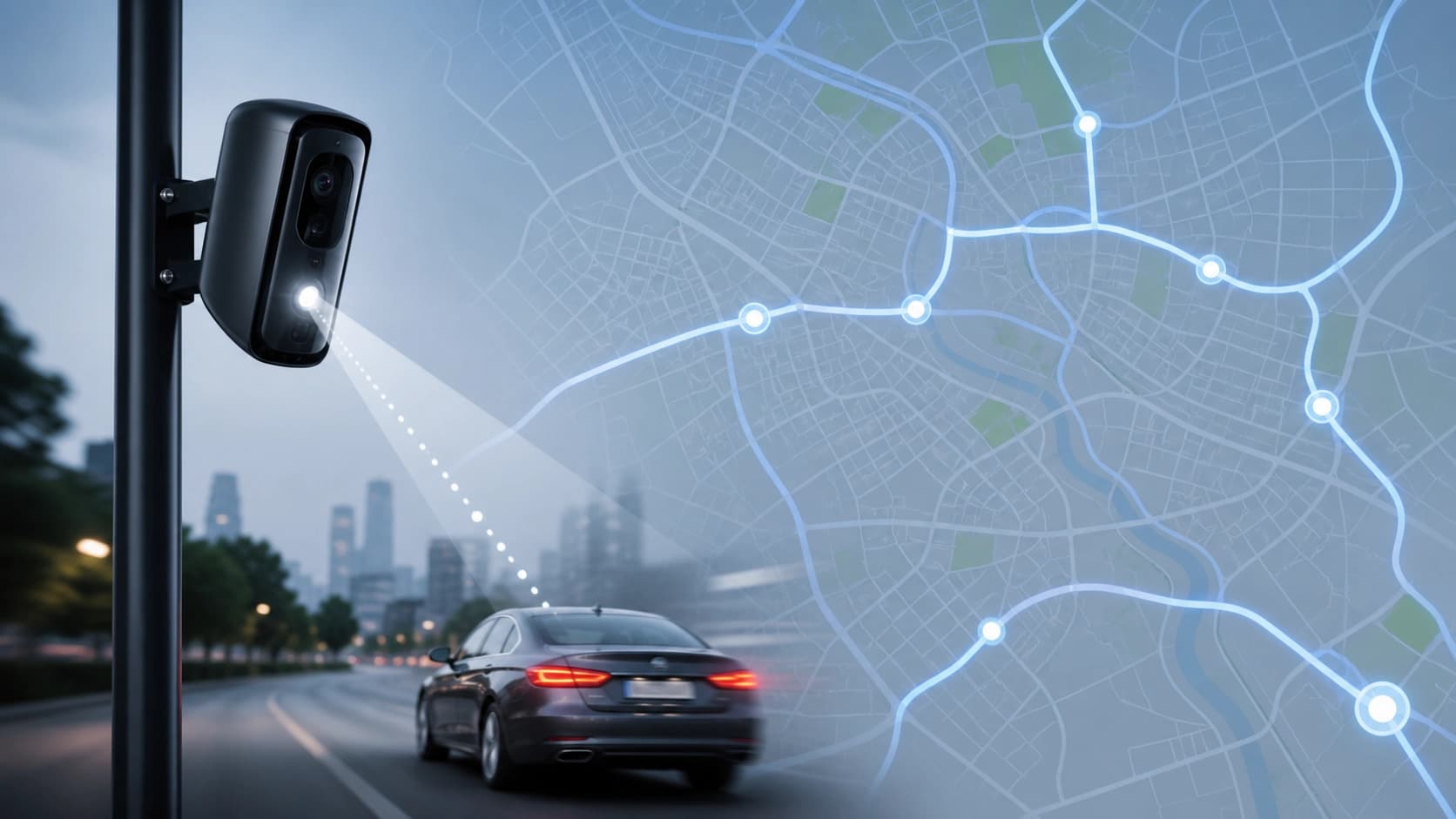
One of the most controversial police products currently being tested in the US is OS Investigate from Flock Safety. The tool was previously called Nightshift, and under that name it was already scanning surveillance cameras. The core approach is that the neural network doesn't just capture a vehicle's license plate — it builds a digital trail from trips: which car, how often, through which neighborhoods it moves, and which other cars it intersects with in camera frames. The camera network covers more than 6,000 communities, and this data becomes the foundation for police queries.
The system can turn a license plate into an owner's name, home address, and list of relatives — it pulls data from police reports, 911 call logs, and commercial databases. You can even enter a physical description of a person and draw a map area where to look for them. Essentially, it's a search engine for movement, not static records.
What was found in the code: 69 pre-built queries
OS Investigate's internals ended up publicly exposed: WIRED found more than 450 documents in Flock's files on their own website that are used to load login pages. They describe not only the product itself, but also 45 different tools available to the AI. Among them: license plate recognition, camera metadata, arrest records, criminal cases, dispatcher logs, ballistics data, and commercial databases with Social Security numbers, dates of birth, phone numbers, emails, and relative information.
The main finding is 69 pre-written prompts that an officer can select, edit, and send to the AI. These formulations reveal the scenarios the manufacturer has built in. There's also the option to enter custom queries, but having a ready-made menu essentially shapes how officers will think about an investigation.
One such prompt asks to find witnesses by vehicles that appeared most frequently in a specified area over 14 days within a given time window, excluding a "whitelist" of cars. The output is a list of plates that other tools turn into names and addresses. Another query suggests compiling a list of people arrested more than twice in two years (excluding drug-related ones), mapping their homes, pulling calls to those addresses, and building "dossiers" on three of them. A "dossier" is a one-command check by name and date of birth that returns vehicles, suspect statuses, relatives, phone numbers, and online accounts.

From searching a known plate to searching by behavior
The key difference between OS Investigate and Flock's previous version is an inversion of logic. Previously, the technology worked simply: a camera photographed a car, recognized the plate, and checked it against a wanted list. Everyone else was simply recorded and of no interest. Now it's the opposite: an officer sets a location, time window, and behavior, and the system returns people who fit that pattern. This makes suspects out of those who simply drive regularly for their own purposes.
Of the 69 prompts, 19 describe pattern searches rather than queries about a single case. In 14 queries, there's no plate, no name, and no description at all — only location, time, and movement characteristics. For example, finding cars that visited three or more retail locations in a city over three days, or stopped at several banks in a week, or sat at multiple gas stations between midnight and five in the morning. The system also cuts buses, semi-trucks, and work vans from the list — but only by vehicle type. So a courier who visited five stores in a day drops out of the suspect pool, while an ordinary driver with the same route remains. Similar algorithms apply to intercity trips: left the city and returned within a week; made repeated trips over 14 days; passed through three zones in a row.
Expert reaction and Flock's position
Privacy and constitutional rights here raise serious questions. Police get nearly unrestricted access to a massive database of people's movements, often without a separate warrant. The pre-built prompts turn a tool for searching a specific plate into a machine for generating suspicion based on where and how often a person drives — even if they've never been connected to any case at all.
Flock's official position on OS Investigate is that it's a separate product that helps investigators work with data already available to their agencies. The company didn't respond to WIRED's detailed questions, but spokesperson Paris Leubel stated that capabilities and scenarios could change significantly before release, since the product is still being tested with a small group of partners. Flock itself has long claimed it only records plates, not drivers' faces, and on its trust pages promises the technology is built for specific investigations, not for surveilling people. The found prompts, however, show that the line between those formulations is getting thinner.