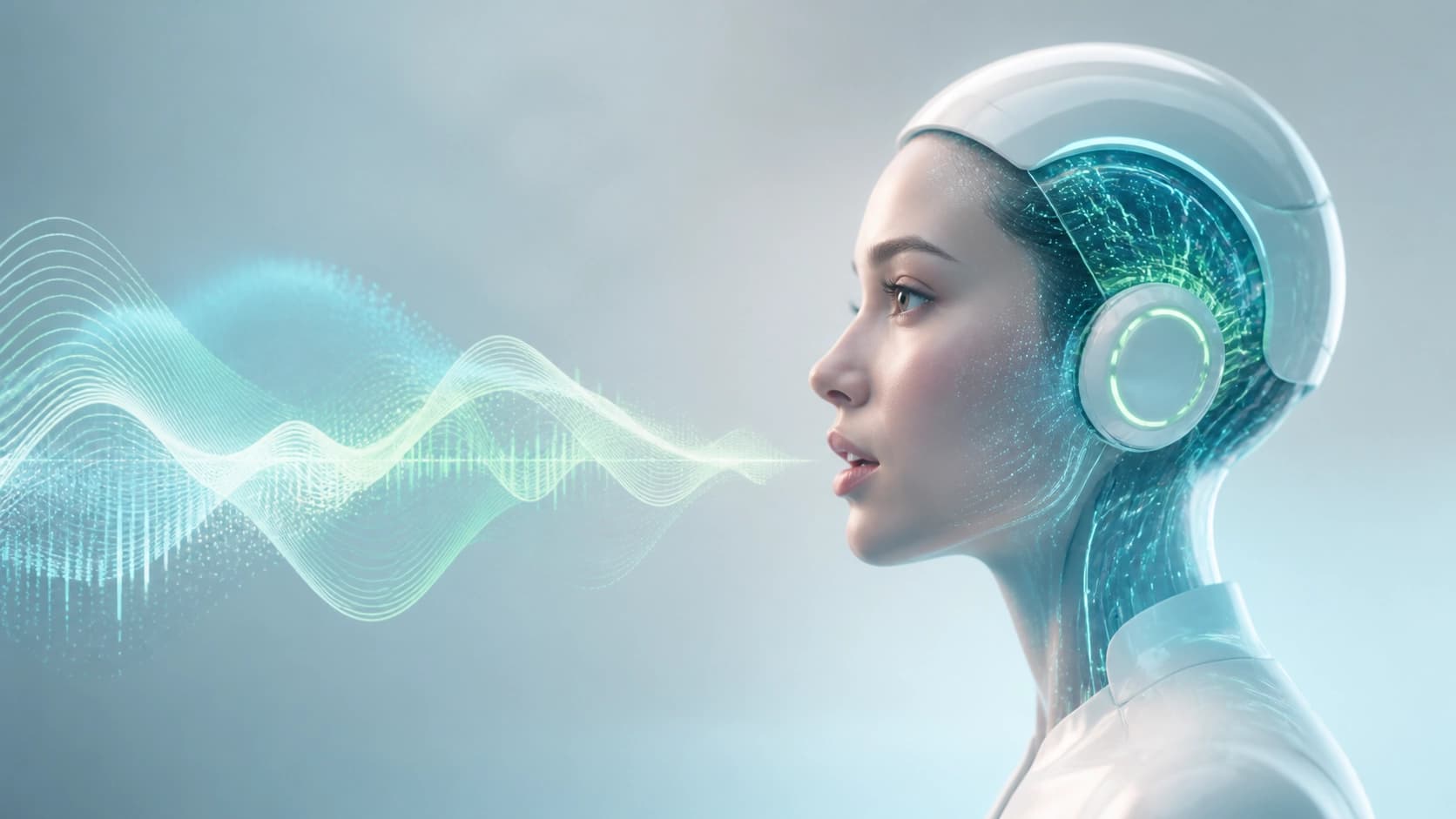
Texts written by language models are becoming increasingly difficult to distinguish from human-written ones. To maintain transparency, developers are implementing hidden markers. One such project is at Anthropic: future versions of Claude will receive a built-in watermark that will make it possible to verify the origin of text.
Why an invisible marker is needed
The watermark from Claude is designed to provide a statistical estimate — how likely it is that a given text was created by this particular model. The impetus was regulation: since August 2, there has been a requirement for AI providers to label synthetic content. A built-in marker is one way to fulfill this obligation.
Importantly, the marking is completely invisible to the reader. According to the company, it does not affect the quality of responses, their creativity, or readability. The text receives no visible additions, hidden characters, or extra tokens — and therefore requires no additional computational costs. The marker also contains no personal data: it cannot be used to associate text with a specific user, organization, or individual chat.

The technology: how it works
The principle is based on how language models operate. The model generates text one word at a time, choosing the most likely option. In some cases, the choice has almost no impact on meaning — for example, when synonyms or minor stylistic variations are acceptable. These "low-stakes" points are what carry the watermark.
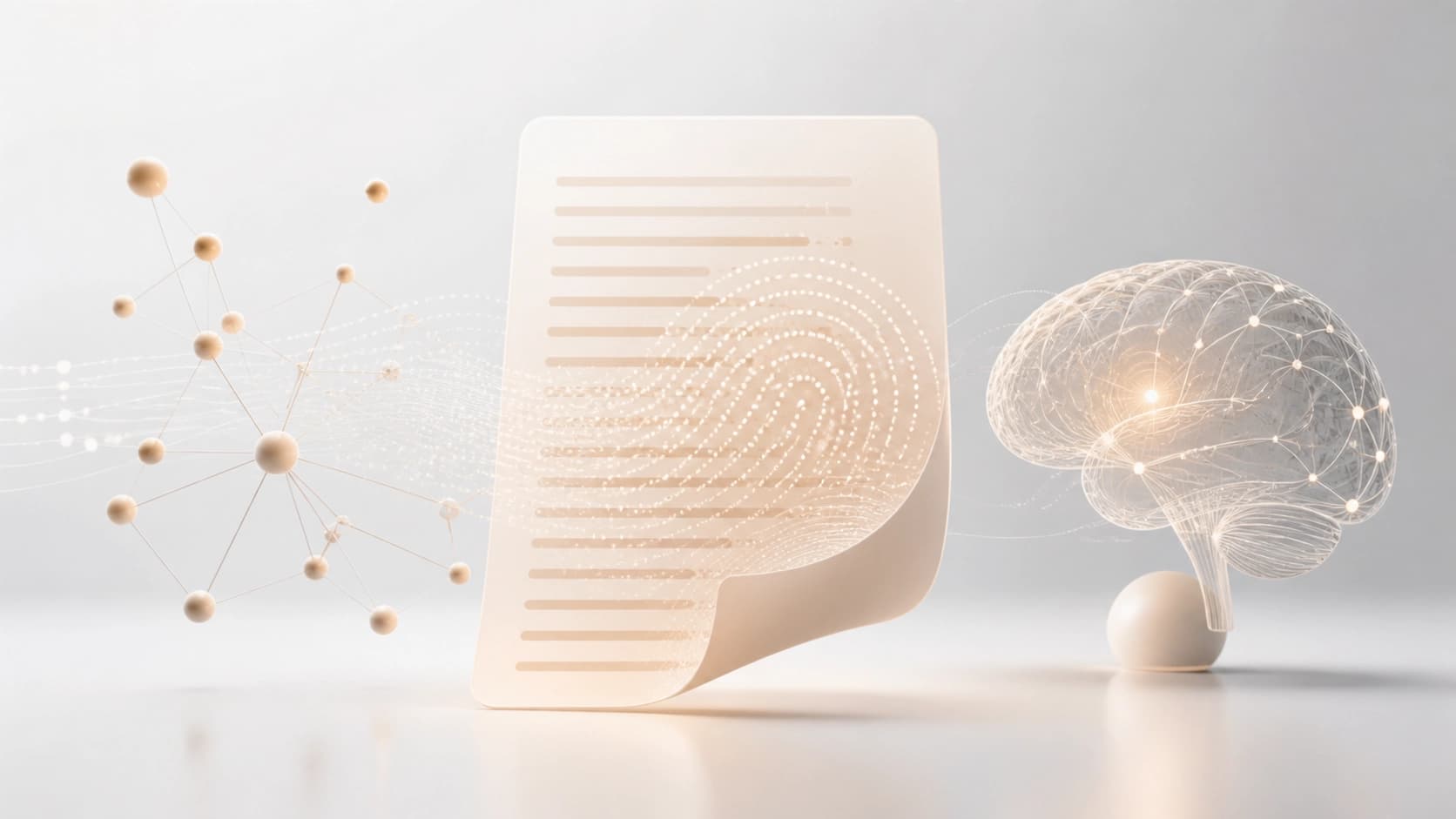
In normal mode, the model relies on its own source of randomness. The watermark replaces it: the choice of the next word is determined by a key and several preceding words. This creates a pattern in the response that is invisible to humans but verifiable when the key is available — by measuring how consistent the sequence is with the key, one can estimate the probability that the text was generated by the model.
Importantly, the marking does not force the model to choose unnatural words or rare synonyms like "nubilous." The vocabulary stays within the usual range; only the logic of choice in narrow spots changes.

The method used by Claude is an adaptation of Google DeepMind's SynthID-Text approach, published in Nature in 2024. The idea itself traces back to a 2022 proposal by Scott Aaronson: change only the source of randomness, without interfering with the rest of the model's behavior.
Verification and limitations
The watermark is not absolute proof of authorship. It can only provide a probabilistic estimate — how consistent the text is with a known key. It is impossible to definitively confirm that a text was generated by one model or another, and this is important to keep in mind in practice.
What you need to know
- The marker does not offer a 100% guarantee, only statistical confidence.
- It contains no information that could be used to track a person or organization.
- The mechanism is not unique to Claude — other major developers are implementing their own watermarks.
Anthropic's internal tests found no degradation in the substantive quality of responses. Google DeepMind's research also showed no statistically significant differences in user ratings: people saw no difference between texts with and without the marker. So watermarks remain a compromise between transparency and naturalness — they allow automated verification of content origin without hindering the model's operation or exposing user data.