What’s new and when it will arrive
The Claude service is gradually rolling out full biometric identity verification. Previously, creating an account and paying for a subscription was enough to access the model; now users are being asked to prove they are real people, not bots or malicious actors.
The process was first tested back in April 2026, but at that time it only applied to specific scenarios — such as suspicious account activity or attempts to change payment details. Starting July 8, 2026, verification becomes mandatory for everyone on the Free, Pro, and Max plans. Enterprise customers, however, remain unaffected for now — the previous rules still apply to them, giving companies time to prepare for the new requirements.
Why is such strict identification needed at all? The reasons are standard: protection against fraud, combating multi-accounting, and Anthropic’s desire to know exactly who is interacting with the model. Biometrics and document checks are a way to filter out anonymous users and comply with regulatory requirements that are tightening across many jurisdictions.

Which documents are accepted and which are not
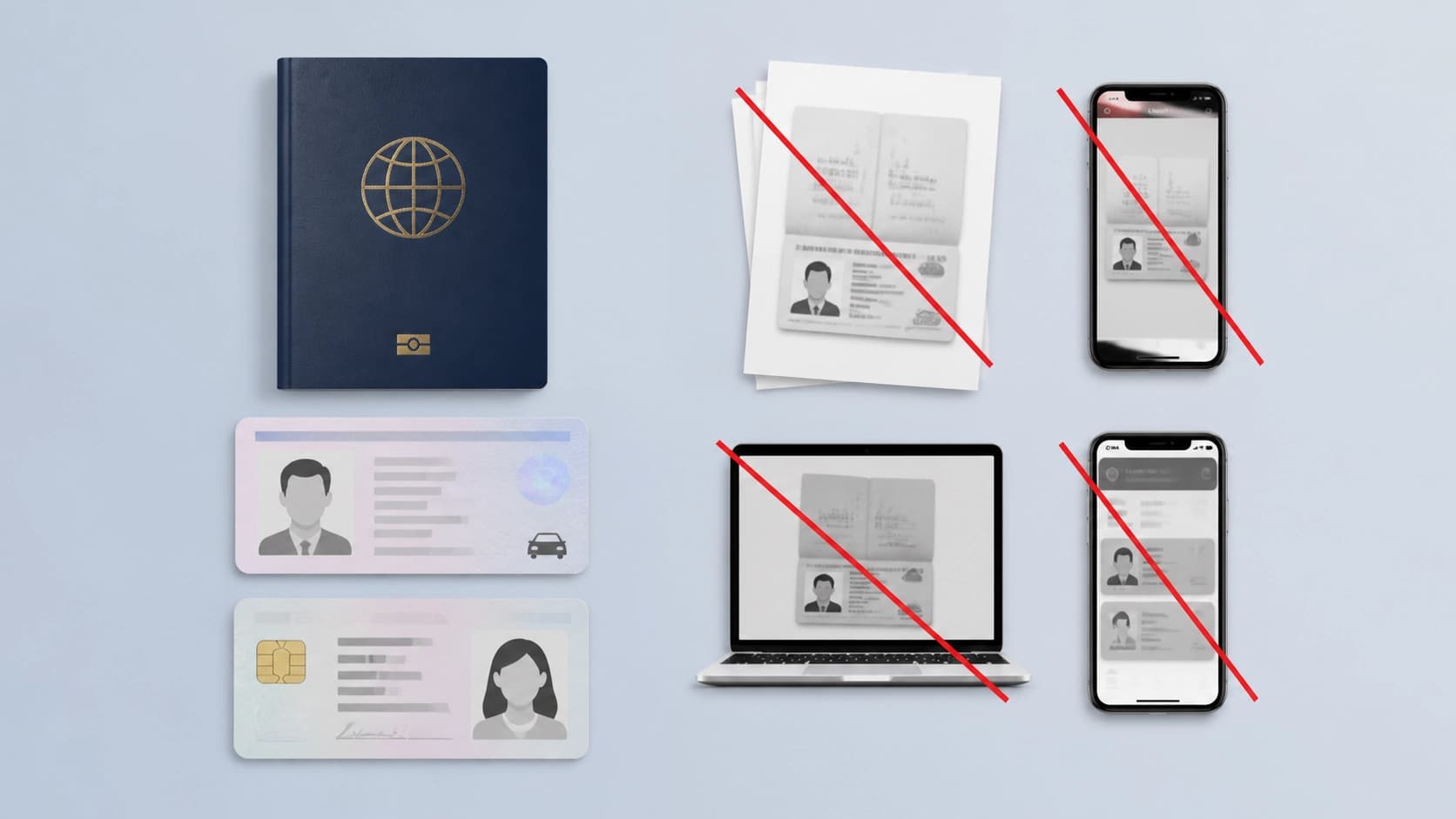
Only an original government-issued photo ID will work for identity verification. Accepted documents include passports, driver’s licenses, national ID cards, and state- or region-level local ID cards. Importantly, the document must be physical — uploading a photo of it from a monitor screen or from a smartphone gallery won’t work.
The list of what will fail verification, however, is much longer. The following are categorically rejected:
- photocopies and scans;
- screenshots of document pages;
- “photos of photos” — that is, re-shots of already printed images;
- digital versions of documents and IDs in mobile apps;
- damaged or unreadable documents;
- temporary paper certificates.
In other words, only the original physical document with security features will do. This significantly limits those who are used to keeping documents in electronic form: even a high-quality scan from a phone won’t count.
Notably, Claude claims to support IDs “from most countries around the world,” yet no official list of countries has been published. Users are left to guess: try submitting their passport and hope it falls within the supported range. This lack of transparency adds uncertainty, especially for residents of countries that often fall outside the focus of Western services.
How biometric verification works
The process in Claude is multi-step, and simply uploading a photo of your passport isn’t enough. The entire chain of actions can be broken down into several stages.
Age verification
The first step is confirming that the user is at least 18 years old. The system analyzes the date of birth and cross-checks it against the document data. For now, this is a formal check, but more interesting things follow.
Forensic document analysis
At this stage, the system examines the document itself: fonts, typography, security holograms, and elements that cannot be forged on a regular printer. The document layout is compared against the official template of the country whose ID the user holds. If the document doesn’t match the standard, verification stops.
Live selfie and face matching
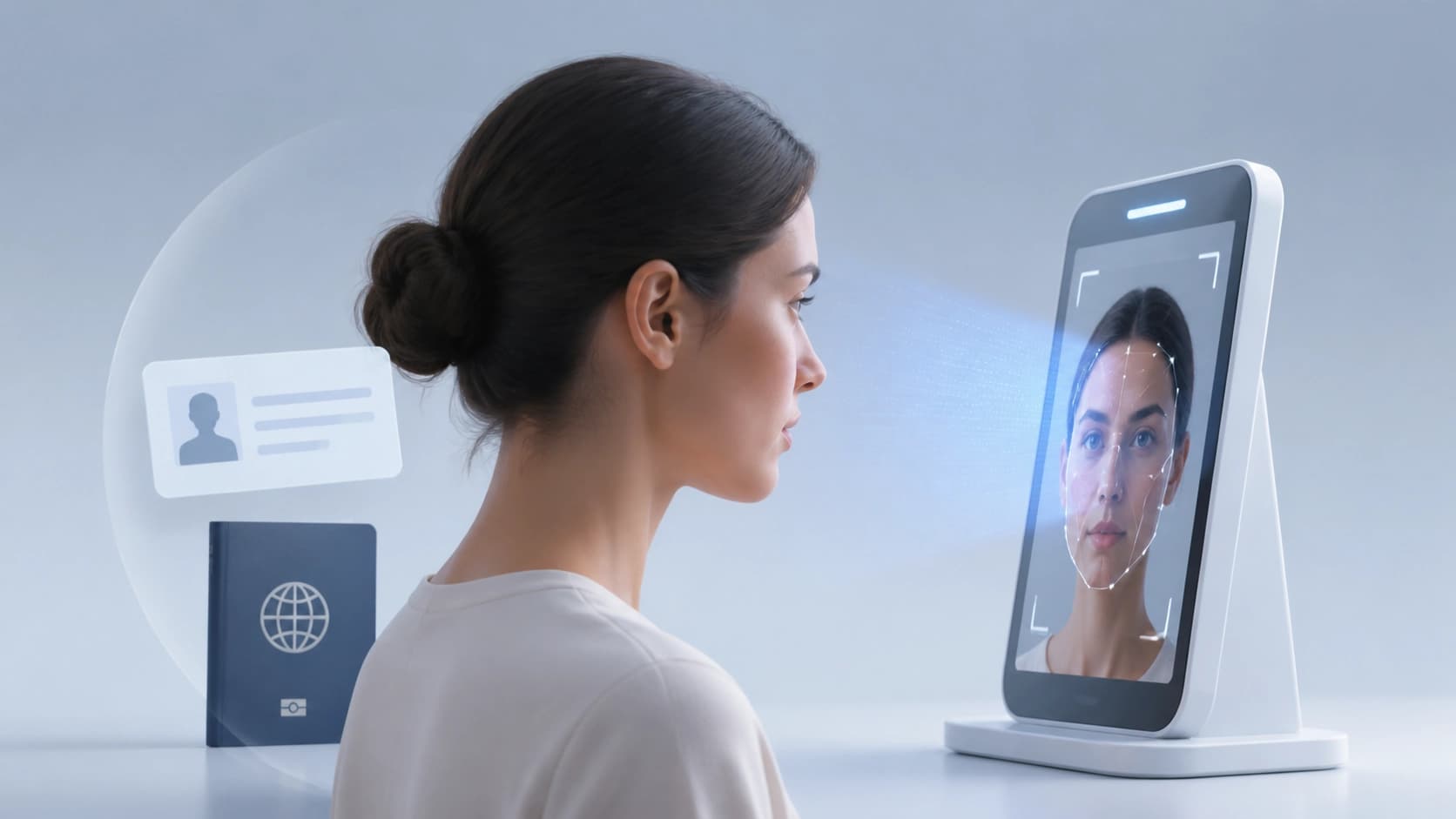
The user is asked to take a selfie — and it must be a live one. Liveness algorithms determine that a real person is in front of the camera, not a printed photo or a pre-recorded video. The system then builds a biometric face template and compares it with the photo in the document. This uses a vector representation of facial features — the so-called face-match.
Sanctions list screening
The final stage is a legal identity check against sanctions lists and politically exposed persons (PEP) lists. If the user is clear, the account gains access to the service. If not, verification is rejected without explanation.
It’s important to understand that the entire check is performed not by Anthropic itself, but by a third-party service called Persona. This means biometric data and document copies end up in the database of an independent verifier, not just in the developer’s infrastructure. For many, this is another reason to think twice about privacy.
What it means for users in restricted regions
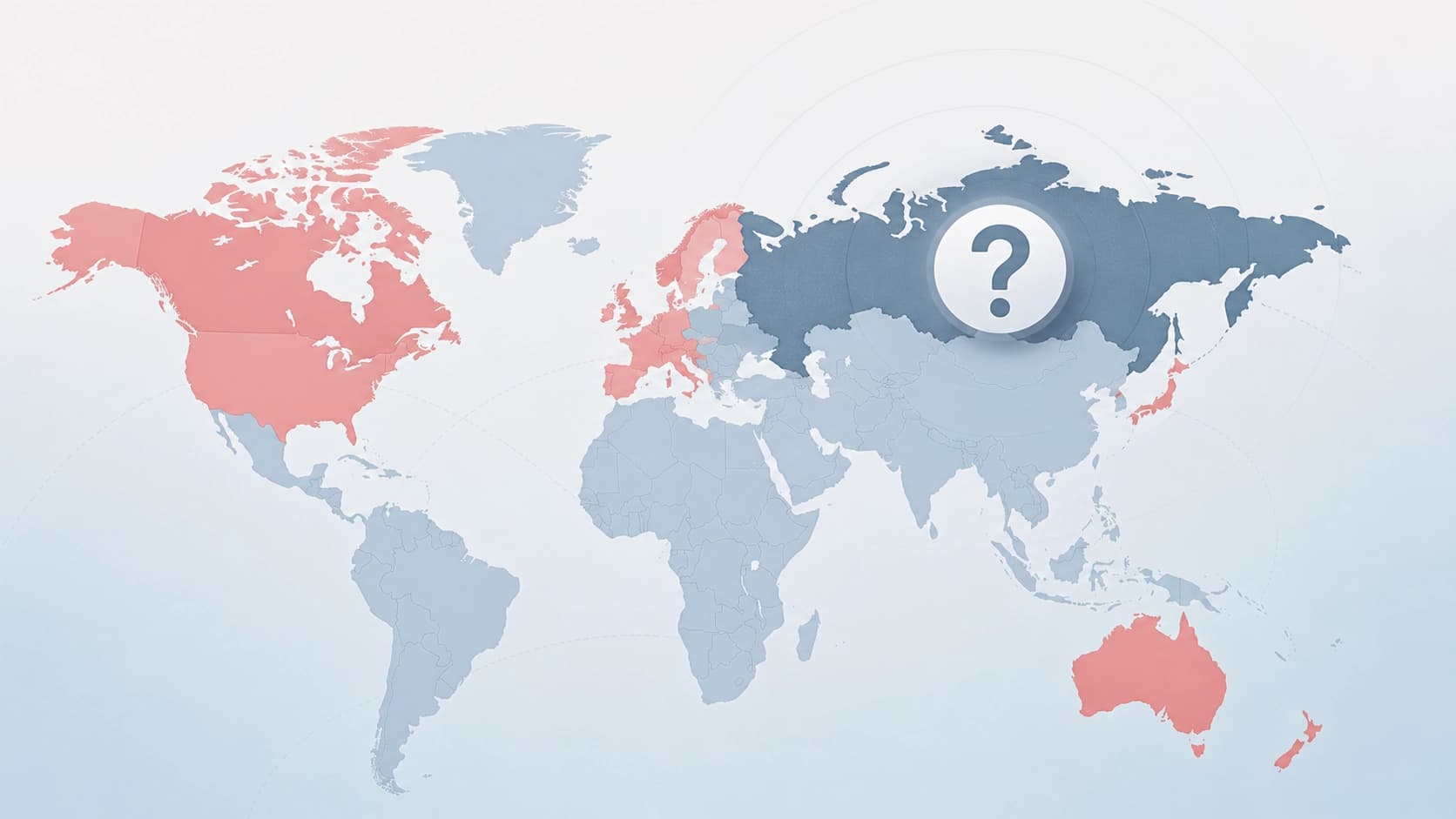
For audiences in regions where access to Western services is limited, the news of biometric verification in Claude sounds alarming. There’s no direct ban in the announcement, but several factors could turn the process into an insurmountable obstacle.
First, sanctions screening and PEP-list checks are automated processes that often malfunction and produce false positives for citizens of certain countries. Users from such regions are at risk: even if a person has no connection to government structures, the algorithm may reject verification based on the country of passport issuance or place of residence.
Second, the Persona service itself may simply not support documents from certain countries. Despite claims about “most countries,” major Western verifiers often exclude specific states from their supported list. There’s no public list, so it’s impossible to know in advance whether a passport will pass.
Third, Anthropic has previously restricted access to its services from certain regions. Even if verification succeeds, an account may be blocked or downgraded based on geolocation. Users in such regions may have to rely on documents from other countries, if available, or seek alternative access methods — which in itself violates the terms of service.
Why this matters
The introduction of mandatory biometrics in Claude is not just a whim of the developers — it’s part of the industry’s broader movement toward stricter control over users. AI services are ceasing to be anonymous environments where you can freely experiment with models. Instead, they are becoming regulated platforms with mandatory identification.
For the average user, this means one thing: access to powerful models will come at the cost of personal data. Selfies, passport details, facial biometrics, and cross-referencing with legal lists — all of this is already becoming part of the registration process. Privacy in the classic sense is taking a back seat, and it’s worth soberly assessing the risks before sending your documents to a third-party verifier.
One can only hope that Anthropic will eventually publish the list of supported countries and explain the rules for handling biometric data. For now, mandatory verification is a step that could cut off a significant portion of the international audience, while simultaneously making the service safer for those willing to accept the new rules of the game.