
What the two-week schedule changes
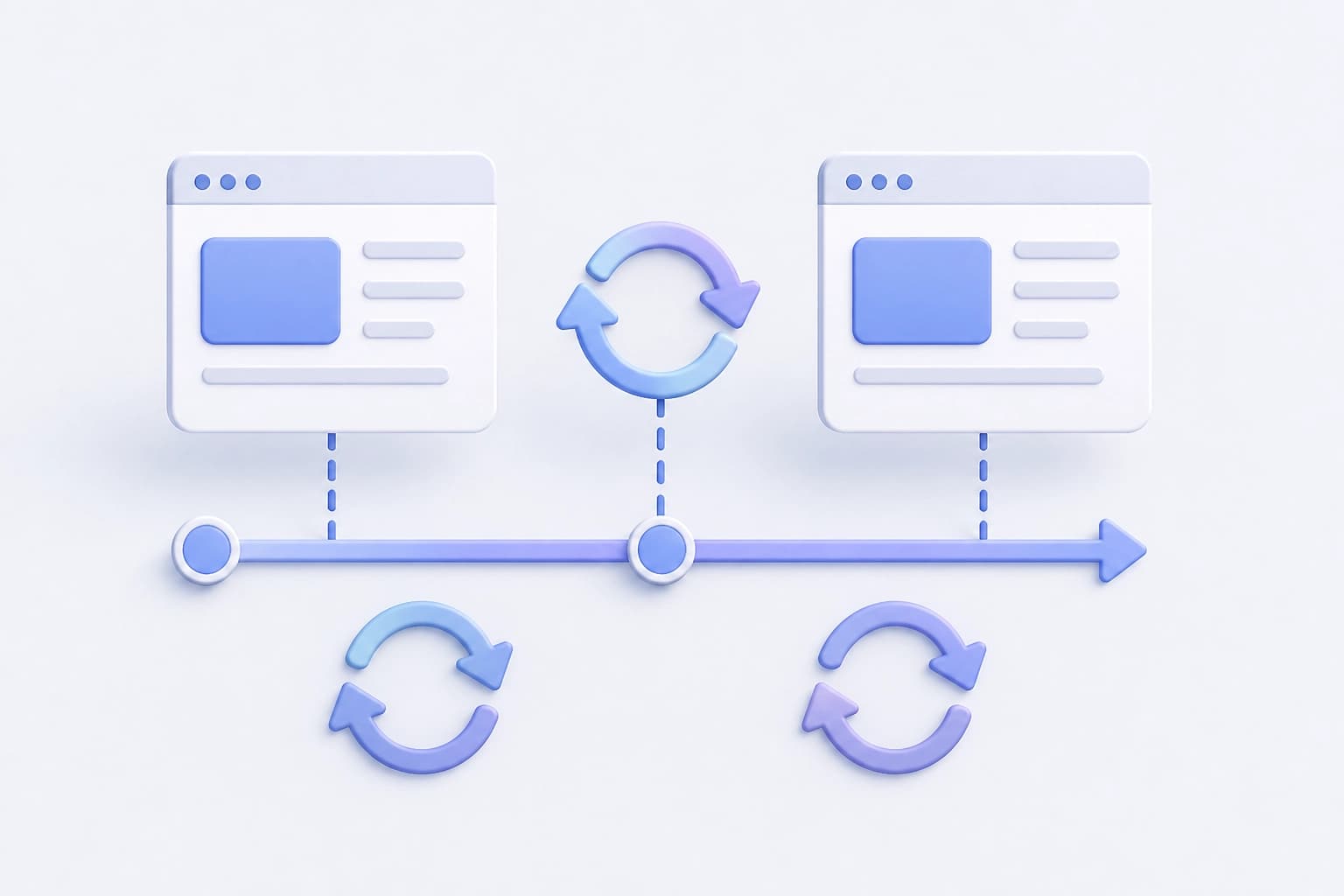
Chrome has officially moved from a four-week to a two-week release schedule. Google promised this earlier this year. On Tuesday, Chrome 153 was released for desktop, iOS, and Android. The shift is tied to a changing security strategy in the AI era, the company explains.
This is not the first schedule revision: in 2021, Chrome went from six weeks to four. Back then, the company had already cemented the "release early, release often" principle. The takeaway: the two-week cycle is ceasing to be a feature of a single browser. For users, this means more frequent updates. For teams that depend on the browser, it means shorter intervals between changes.
Why the N-day patch window is shrinking
Chrome explains the acceleration of releases by the growing volume of patches and updates. Automated AI tools and community bug reports increase this volume. A shorter cycle makes managing security fixes easier. Some threats move faster. Some of them are also tied to AI. They require shortening the window between a fix in the public codebase and its delivery to users.
The key metric here is the N-day patch gap. It is the gap between the moment a vulnerability becomes known and the moment it is fixed. A short release schedule helps keep this gap as small as possible. The practical criterion for evaluating a security strategy is the speed of delivering a fix, not just the fact that it exists.

What the acceleration gives features and AI experiments
Fast releases help Chrome ship features faster. In the AI era, this matters: AI-assisted development has allowed many new competitors to emerge among browsers. OpenAI's web browser ChatGPT Atlas has shut down. At the same time, other alternative browsers remain on the market: Brave, Dia, Opera Neon, Comet, the browser from DuckDuckGo, and others. Google is also experimenting with adding new AI features to Chrome and iterating on them quickly. This, too, requires more frequent updates.
The takeaway: the release schedule is becoming a tool for product iteration, not just security. Fast iteration on AI features requires frequent updates.

How the browser market is reacting
Chrome holds the position of the world's most used browser. That is why its changes set the standard for the industry. Mozilla, Microsoft, and Brave have already begun moving to a faster two-week schedule following Chrome. This extends the acceleration effect to the wider web.
The practical criterion for teams that track compatibility: factor the two-week update rhythm into planning. More frequent releases at major browsers shorten the intervals between changes.