
OpenAI introduced a dedicated ChatGPT mode for users aged 13–17
The company adapted the chatbot for a teen audience: strengthened filters for dangerous topics, added parental controls, and a study help mode. Adults are concerned about emotional attachment and the risk of harmful advice.
Why OpenAI has a separate version for teenagers
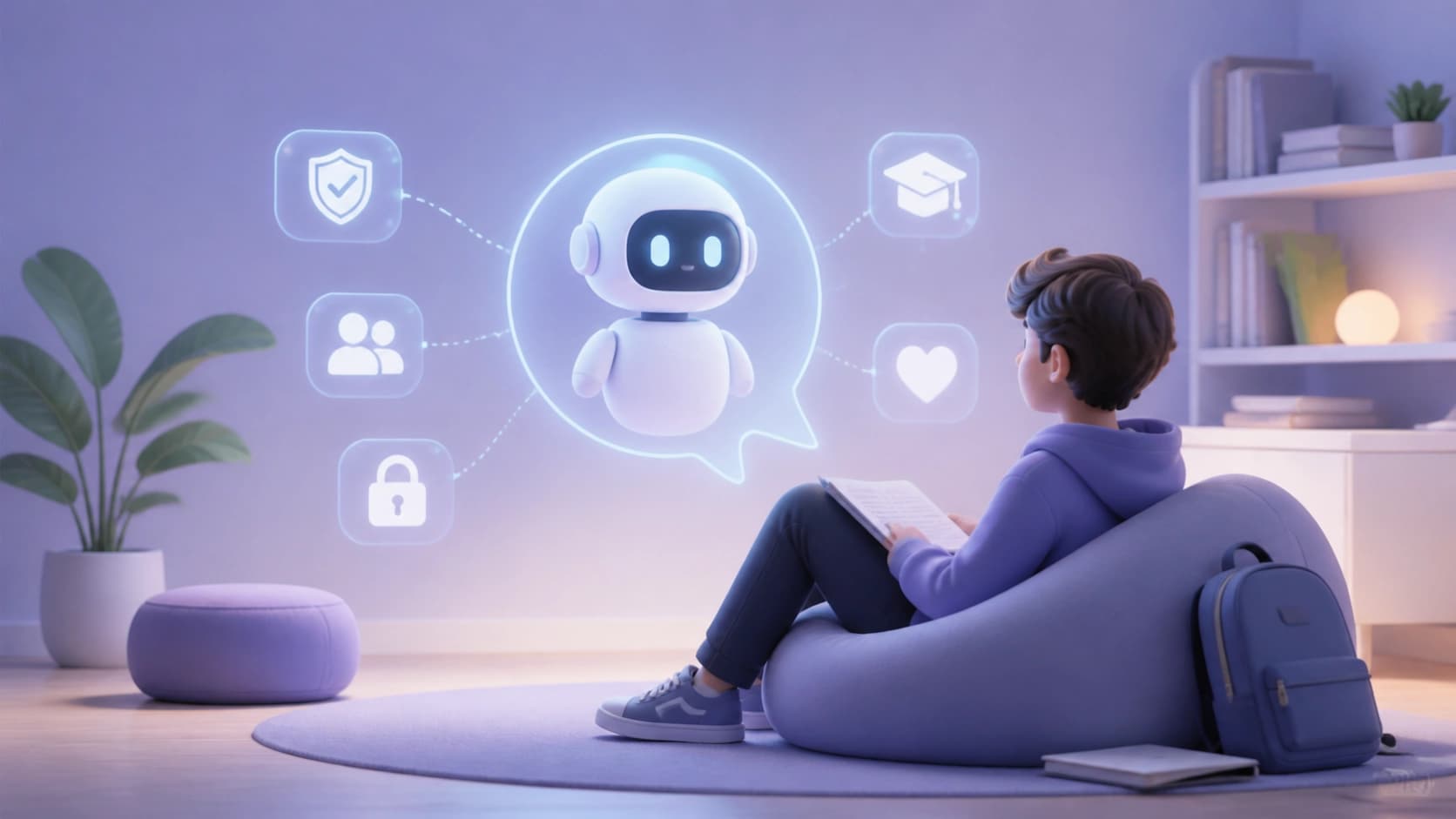
OpenAI has introduced a separate mode of ChatGPT for users aged 13 to 17. The company explains this by noting that teenagers are already actively using AI in their daily lives: preparing for lessons, searching for information, solving everyday tasks, and even having heart-to-heart conversations with the bot. Such an audience needs not just the same tool as adults, but a dedicated environment with enhanced protection and well-thought-out restrictions.
What risks the developers took into account
Psychologists and educators have long been raising the alarm: minors are especially sensitive to the emotional influence of chatbots because their psyche is still developing. Experiments in recent years have shown that AI sometimes gave teenagers dangerous recommendations — for example, regarding substance use, eating disorders, or self-harm. And an overly "human" communication style can create the impression that the interlocutor has real feelings and that a personal relationship is forming between them and the user.
How the protection works
In the teenage version of ChatGPT, restrictions have become noticeably stricter. The chatbot carefully handles topics related to self-destructive behavior, violence, and eating disorders. Romantic and sexual interactions are completely excluded for this age group. In addition, the AI must not behave as if it has consciousness, emotions, or attachment to the user — this is meant to reduce the risk of fostering false intimacy.
Parental controls and age verification
The developers have provided additional tools for parents. You can set up "quiet hours" — periods when a teenager cannot access the chatbot — as well as manage individual settings. In some cases, parents will receive notifications about potentially dangerous situations, for example if the system detects signs of self-harm risk or eating issues. OpenAI emphasizes that they try to keep the amount of information shared with parents to a minimum. At the same time, parental controls are optional: the teenage version itself should remain safe even if parents are not connected.

No documents are required to verify age. The system evaluates the user based on a combination of factors: behavior, the nature of requests, and account data. If the user has stated their age as 13–17 or has been identified as a minor, the teenage mode is activated. And if the system is unsure about the age, it defaults to safer settings.
Educational features
Teenage ChatGPT should not solve homework for the student — on the contrary, it helps them understand the subject and arrive at the answer on their own. The mode includes learning scenarios, tests, homework reminders, and visual materials. In other words, the focus shifts from "give me the ready answer" to "help me understand and learn."
Context: why this matters
The launch of the new mode comes amid growing concerns about AI safety for children. Parents, teachers, and experts point to two main problems: cheating and emotional dependence on chatbots. OpenAI already faces legal and public claims related to the alleged harm from minors interacting with AI. The teenage version is an attempt to strike a balance: to make the tool useful for learning and development, but not allow it to become a source of dangerous information or a substitute for real human relationships.
Frequently asked questions
Related materials
All materials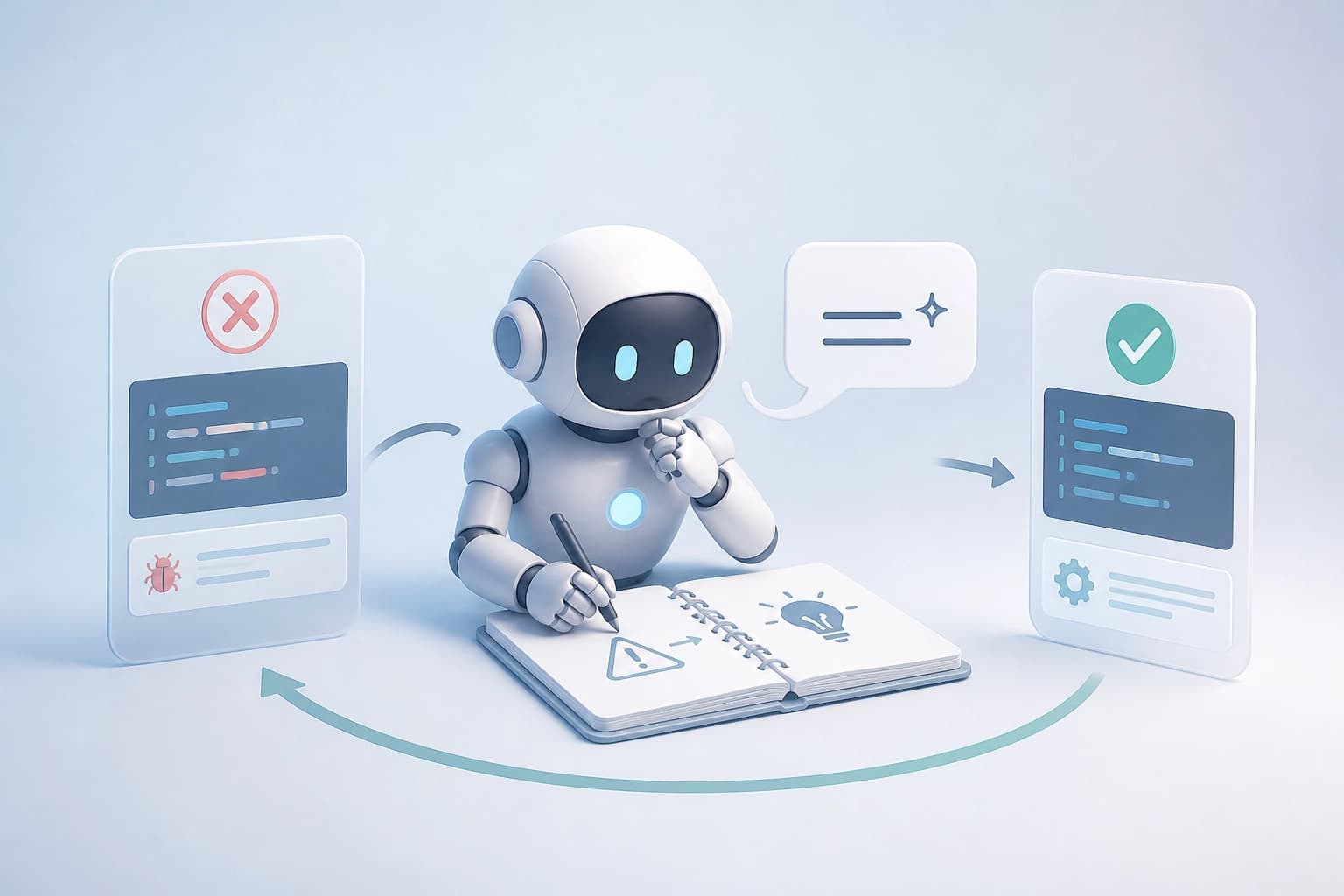
RLTLDR: The agent draws its own lesson from failure and applies it on the next attempt
After a failure, the agent is shown the verifier’s signal and asked to condense it into a single hint; training uses “task–hint” pairs, without a teacher or gold-standard solutions. On challenging coding and tool-calling benchmarks, the method raises Pass@1 from 0–1% with GRPO to 12–31%, with learning this pairing making the decisive difference.
12 November 2026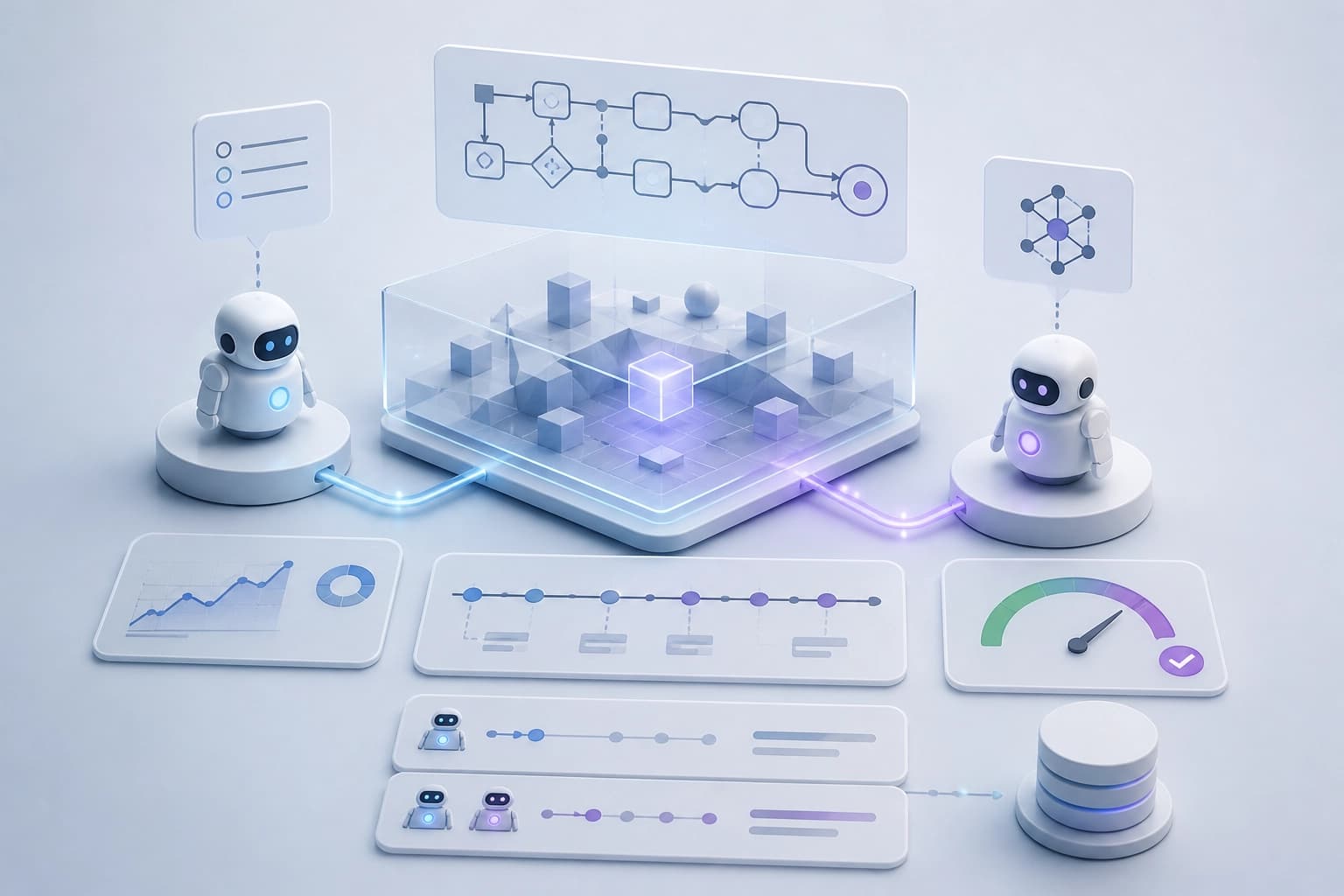
OpenCollab: programmable agent coordination, controlled execution environment, and policy compliance metric
The framework brings together the specification of agent interaction structures, a shared environment for experiments, and detailed event tracing, while the newly introduced Adherence metric reflects how closely actual execution follows the declared schema. In benchmarks, the Duo configuration achieves a new state of the art, while the single-agent variant uses the fewest tokens.
11 November 2026
Toollery: Choose tools for LLM agents from tens of thousands of options without fine-tuning
Toollery builds a search index from descriptions of skills and tools, then passes the model only a limited set of candidates for each query. In experiments with libraries containing tens of thousands of functions, the approach helps maintain selection quality at a fixed top-K, although the overall effect depends on the workload profile and the provider’s caching.
11 November 2026