

Whisper
Нейросеть от OpenAI для распознавания речи и перевода аудио в текст.
Обзор
Whisper
Описание нейросети Whisper
Whisper — это система автоматического распознавания речи (ASR), разработанная компанией OpenAI. Нейросеть обучена на огромном массиве многоязычных аудиоданных объёмом 680 000 часов, что позволяет ей эффективно транскрибировать и переводить аудио в текст. Модель работает полностью локально на компьютере пользователя, не отправляя данные на серверы OpenAI, что гарантирует конфиденциальность обрабатываемой информации.
Whisper поддерживает 99 языков, включая русский (с точностью около 95%), и способна справляться с записями низкого качества, фоновым шумом, музыкой и посторонними помехами. Система может одновременно выполнять транскрипцию и перевод, а также создавать субтитры для видео.
Характеристики Whisper
| Характеристика | Значение |
|---|---|
| Тип | Система распознавания речи (Speech-to-Text) |
| Разработчик | OpenAI |
| Категории | Озвучка текста, Инструменты разработчика, Речь-в-текст, Бесплатные, Opensource |
| Бизнес-модель | Бесплатно |
| Языки | 99 языков (включая русский, точность ~95%) |
| Объём обучающих данных | 680 000 часов многоязычных данных |
| Доступные модели | 5 моделей: от tiny (быстрая) до large (максимальная точность) |
| Тип установки | Локальная (pip install), работа без отправки данных на сервера OpenAI |
| Дата первой публикации на сайте | 07-03-2023 |
| Исходный код | Открытый |
| Теги | github, opensource, бесплатные |
Для кого подходит нейросеть Whisper?
Разработчики и исследователи
Whisper идеально подходит для разработчиков, которым нужно встраивать распознавание речи в свои приложения или сервисы. Открытый исходный код позволяет модифицировать модель под конкретные задачи, а локальная установка даёт полный контроль над данными. Исследователи могут использовать Whisper для анализа аудиоматериалов, обработки интервью и работы с речевыми корпусами.
Пользователи, работающие со сложными акустическими условиями
Модель демонстрирует высокую устойчивость к фоновому шуму, музыке, эху и телефонным помехам. Это делает её незаменимой для транскрибации записей, сделанных в неидеальных условиях — на конференциях, в общественных местах или при плохой связи.
Создатели контента и медиа-специалисты
Whisper подходит для расшифровки подкастов, лекций, интервью и телефонных разговоров. Возможность создания субтитров для видео делает её полезным инструментом для видеопроизводства и создания доступного контента.
Как использовать нейросеть Whisper?
Установка и настройка
Whisper устанавливается через пакетный менеджер Python командой pip install. Не требует регистрации или отправки данных на серверы OpenAI — всё работает локально. Для установки необходим Python, а сам инструмент доступен на GitHub с открытым исходным кодом.
Выбор модели и запуск
После установки нужно выбрать одну из пяти доступных моделей — от tiny (самая быстрая, но менее точная) до large (максимальная точность при большей затрате времени). Запуск обработки производится через командную строку. Для часового подкаста на среднем компьютере требуется 10–15 минут; использование GPU существенно ускоряет процесс.
Работа с аудиофайлами
Пользователь загружает аудиофайл, выбирает язык (или включает режим автоопределения), запускает расшифровку и после обработки получает текстовый файл с транскрипцией. При необходимости результат можно отредактировать и экспортировать.
Основные функции Whisper
Распознавание речи в сложных условиях
Whisper устойчив к фоновому шуму, музыке, эху и плохому качеству записи. Он справляется с телефонными помехами и необычными акцентами, что делает его надёжным инструментом для работы с разнородными аудиоматериалами.
Многоязычная поддержка и автоопределение языка
Система поддерживает 99 языков, включая русский, и умеет автоматически определять язык говорящего. Whisper также способен распознавать переключение между языками в одной записи, что полезно для международных конференций и интервью.
Локальная работа и гибкость моделей
Полностью локальная обработка обеспечивает конфиденциальность данных. Пять вариантов модели (от tiny до large) позволяют выбирать между скоростью и точностью в зависимости от конкретной задачи.
Создание субтитров и одновременный перевод
Whisper может одновременно выполнять транскрипцию и перевод аудио, а также создавать субтитры для видео — это расширяет его применение в медиа-производстве.
Преимущества Whisper
Высокая устойчивость к зашумлённым записям
В отличие от многих аналогов, Whisper не «плывёт» на необычных акцентах или зашумлённых аудиофайлах. Модель демонстрирует высокую точность распознавания даже при наличии фонового шума, музыки или эха.
Поддержка множества языков
Система работает с 99 языками, включая редкие диалекты. Это делает её универсальным инструментом для международных проектов и работы с разноязычными аудиоматериалами.
Конфиденциальность и открытый исходный код
Whisper работает локально — данные не отправляются на серверы OpenAI. Открытый исходный код позволяет изучать, модифицировать и адаптировать модель под собственные нужды без ограничений.
Бесплатное использование
Модель полностью бесплатна и не требует регистрации для установки и использования. Это делает её доступной для широкого круга пользователей — от индивидуальных разработчиков до крупных организаций.
Недостатки Whisper
Отсутствие отдельного готового приложения
Whisper не доступен в виде отдельного приложения для скачивания с интерфейсом. Для использования требуется установка через командную строку и базовые навыки работы с Python.
Ограничения тестового режима
Нейросеть доступна в тестовом режиме ограниченному количеству пользователей, что может создавать сложности с доступом для некоторых категорий пользователей.
Какие задачи решает Whisper
Транскрибация аудио с помехами
Whisper эффективно справляется с расшифровкой аудиозаписей, содержащих фоновый шум, музыку или имеющих низкое качество. Это делает его незаменимым для работы с полевыми записями, телефонными разговорами и интервью.
Распознавание речи в международных конференциях
Благодаря поддержке 99 языков и способности распознавать переключение между языками в одной записи, Whisper подходит для обработки материалов международных встреч, конференций и интервью со смешанными языками.
Создание субтитров и текстовой документации
Модель может создавать субтитры для видео, а также формировать текстовую документацию на основе аудиозаписей — лекций, подкастов, телефонных звонков.
Цены Whisper
Whisper распространяется полностью бесплатно. Модель имеет открытый исходный код и не требует оплаты за использование, установку или загрузку. Нейросеть доступна в тестовом режиме бесплатно.
Условия использования Whisper
Whisper не требует регистрации для установки и использования. Инструмент распространяется с открытым исходным кодом, устанавливается локально. Пользователь получает полный доступ к исходному коду модели без необходимости подписывать лицензионные соглашения или проходить процедуру верификации.
Доступность Whisper
Whisper является кроссплатформенным инструментом, устанавливается через пакетный менеджер pip и работает как на CPU, так и на GPU. Доступен всем пользователям, VPN не требуется, так как модель работает полностью локально. Для установки необходим Python.
Чем отличается Whisper от аналогов
Главное отличие Whisper от других сервисов распознавания речи — высокая устойчивость к необычным акцентам и зашумлённым записям. Там, где аналоги «плывут» и допускают ошибки, Whisper демонстрирует стабильное качество транскрипции. Кроме того, полная локальная работа без отправки данных на серверы и открытый исходный код выгодно отличают его от большинства коммерческих решений. Поддержка 99 языков и возможность выбора между пятью моделями (от быстрой до максимально точной) дают пользователю гибкость, которую редко предлагают конкуренты.
Заключение
Whisper от OpenAI — мощный и бесплатный инструмент для распознавания речи, который выгодно выделяется на фоне аналогов благодаря открытому исходному коду, локальной работе и высокой устойчивости к шумным и некачественным записям. Поддержка 99 языков, гибкость выбора моделей и возможность одновременно транскрибировать и переводить аудио делают его универсальным решением для разработчиков, исследователей, создателей контента и всех, кто работает с речевыми аудиоматериалами. Несмотря на отсутствие готового приложения и некоторые ограничения тестового режима, Whisper остаётся одним из лучших доступных вариантов для задач транскрибации и создания субтитров.
Часто задаваемые вопросы
Похожие нейросети



Смотрите также
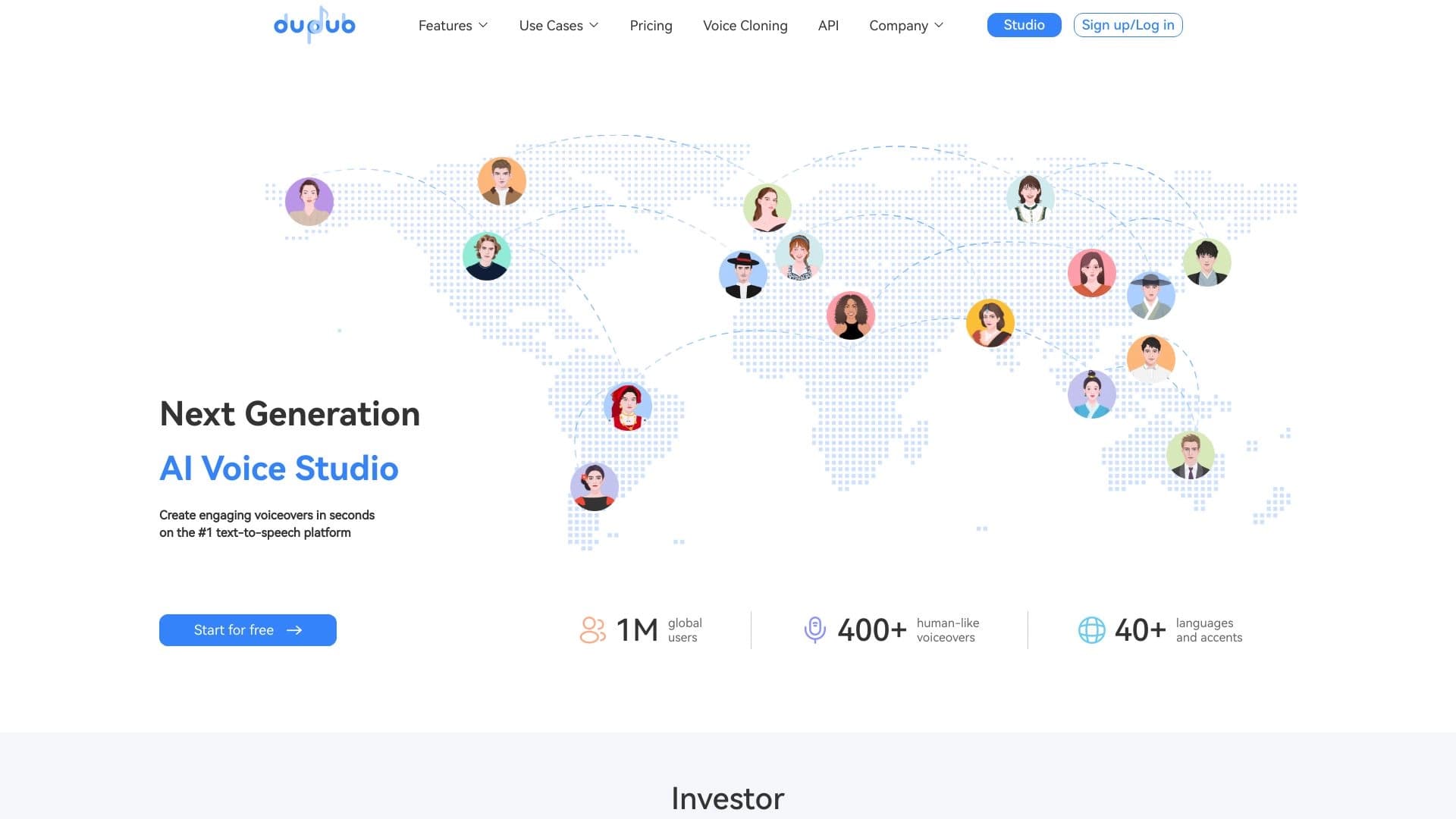
Многофункциональная AI-платформа для создания контента, объединяющая синтез речи, генерацию текста, создание аватаров и редактирование видео.
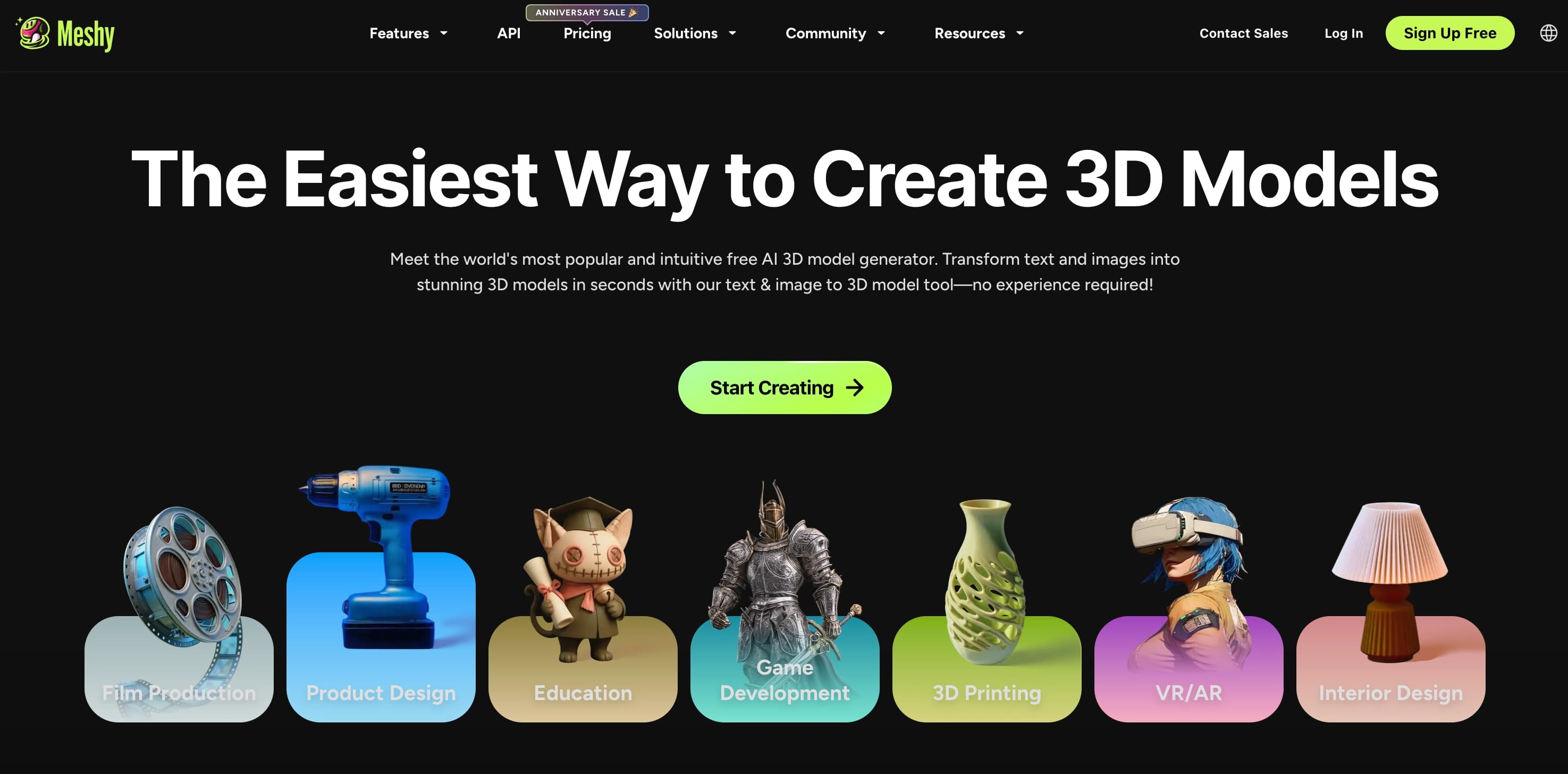
Облачный сервис на основе нейросетей для генерации 3D-моделей, текстур и анимаций по текстовому описанию или изображению.


Нейросеть для быстрой генерации и редактирования видео по текстовым описаниям, изображениям и референсам.
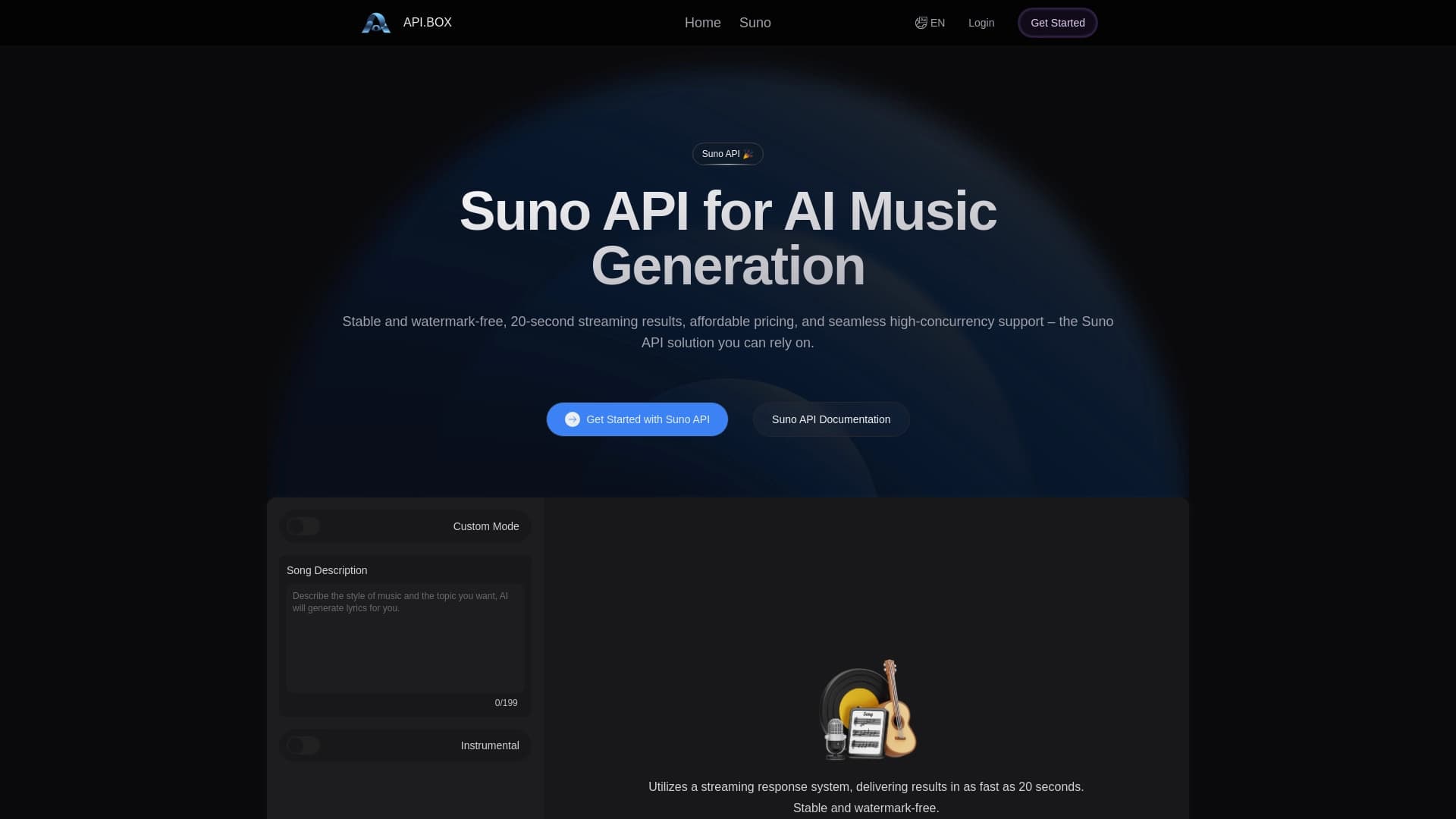
Неофициальный API-доступ к Suno AI для генерации музыки и интеграции в приложения.
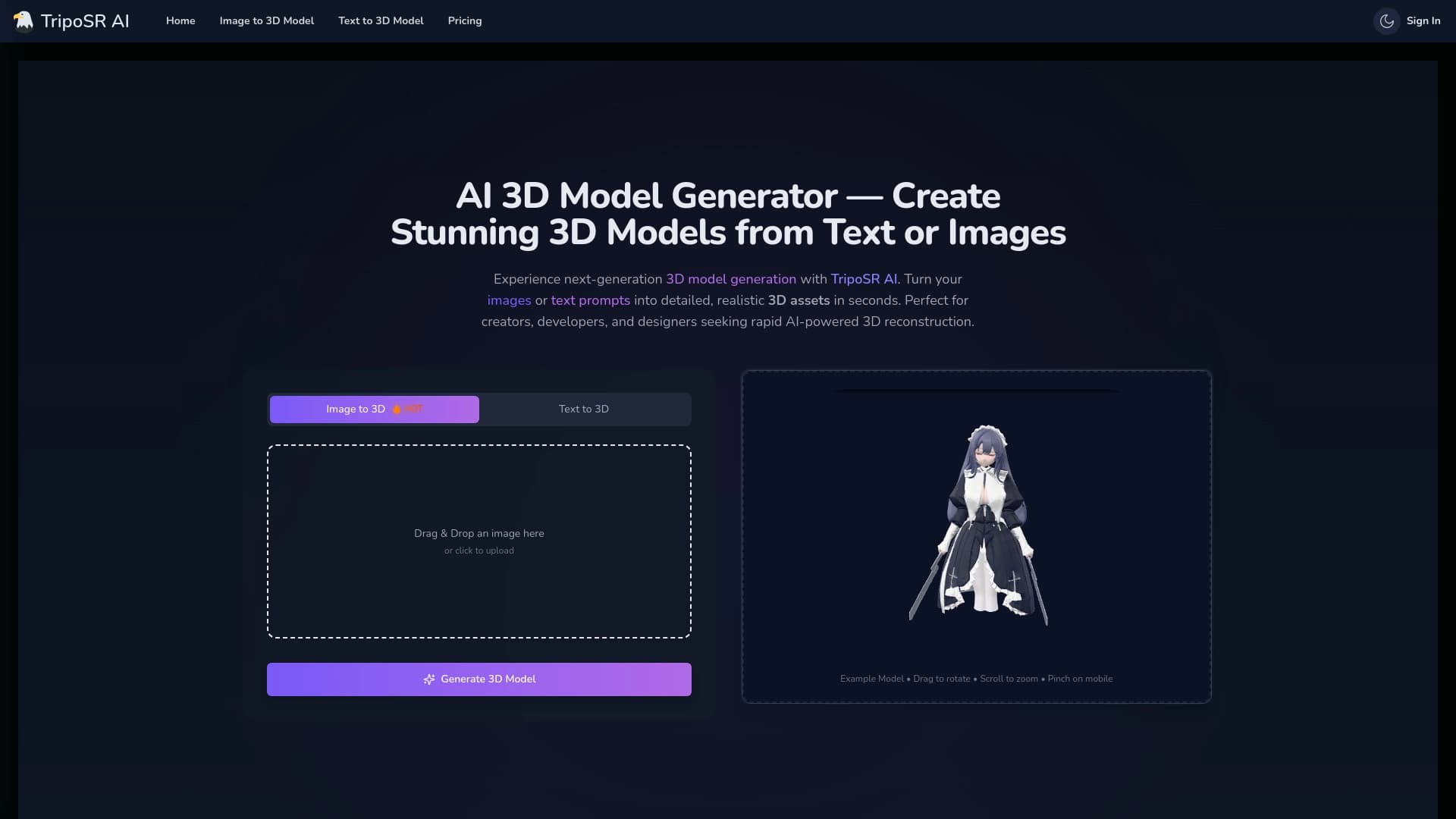

Инструмент с открытым исходным кодом для быстрого преобразования одного изображения в 3D-модель.
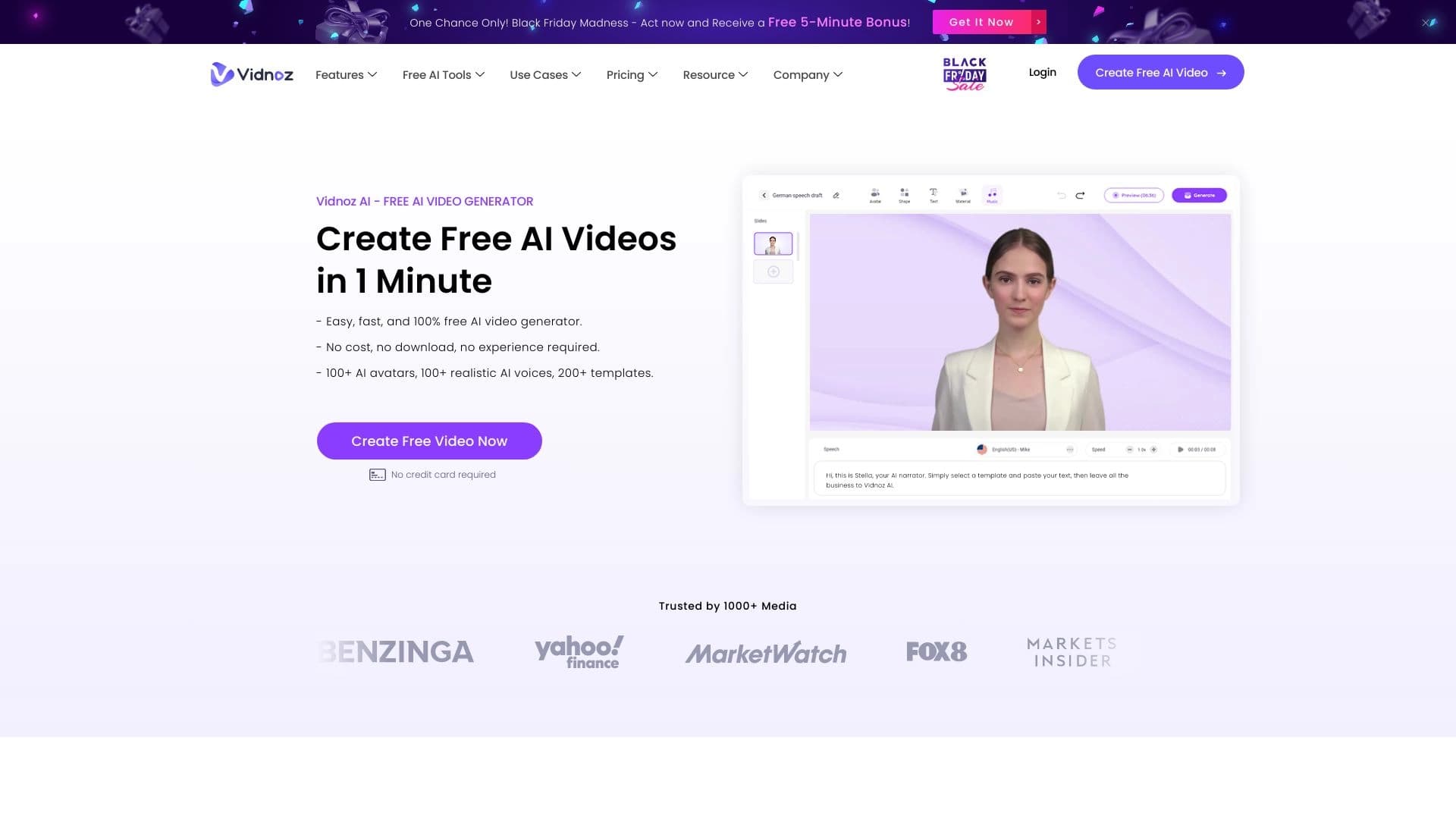
Облачная платформа для создания видео с помощью ИИ-аватаров, синтезированной речи и автоматического перевода роликов на десятки языков.
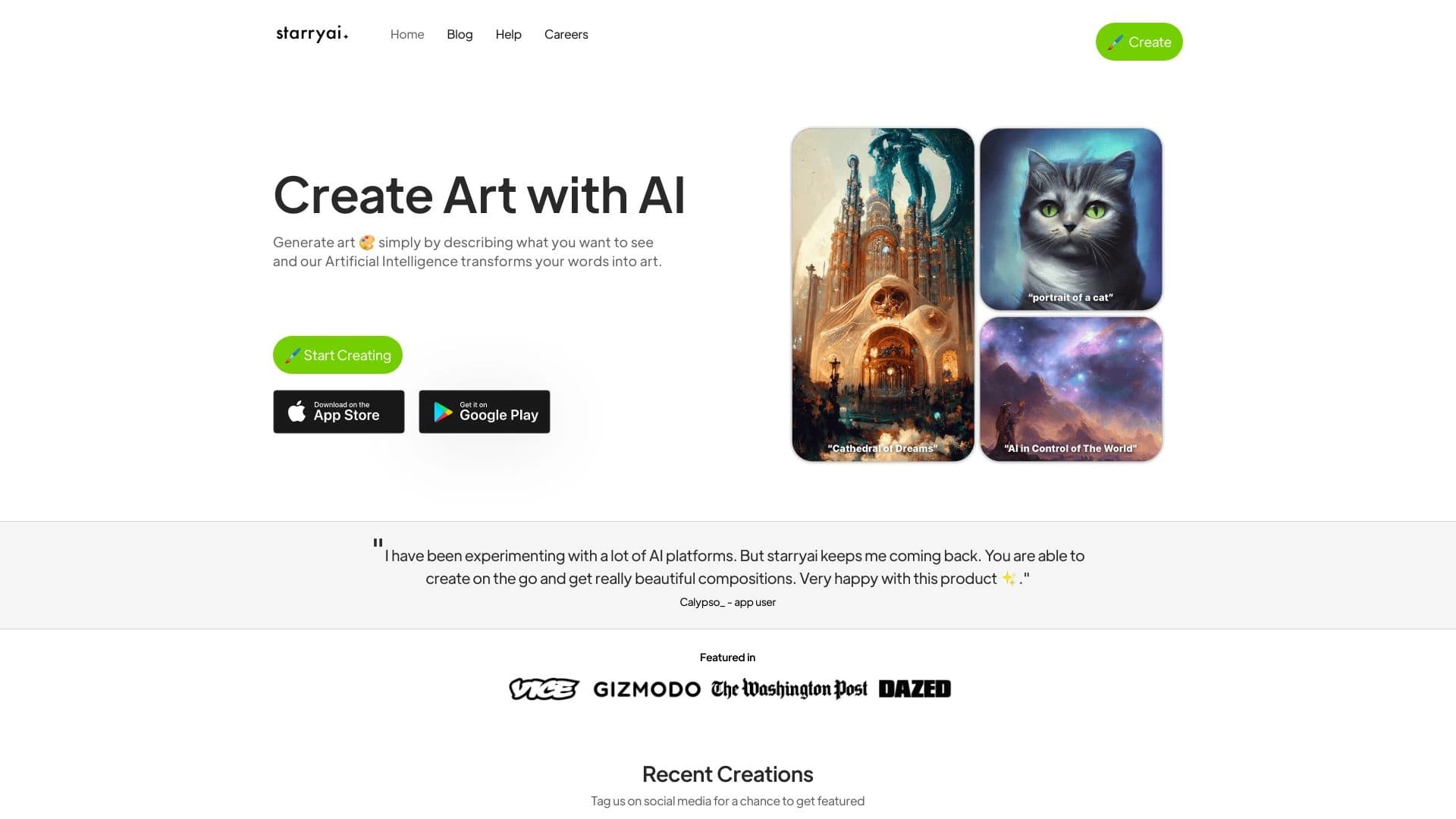

Нейросеть, которая генерирует изображения и иллюстрации на основе текстового описания.

Платформа-сообщество для поиска, публикации и обмена открытыми моделями генерации изображений на основе ИИ.