

Venice AI
Платформа для приватного и свободного общения с ИИ, которая генерирует текст, изображения и код через открытые нейросетевые модели.
Место в рейтингах
Обзор
Venice AI
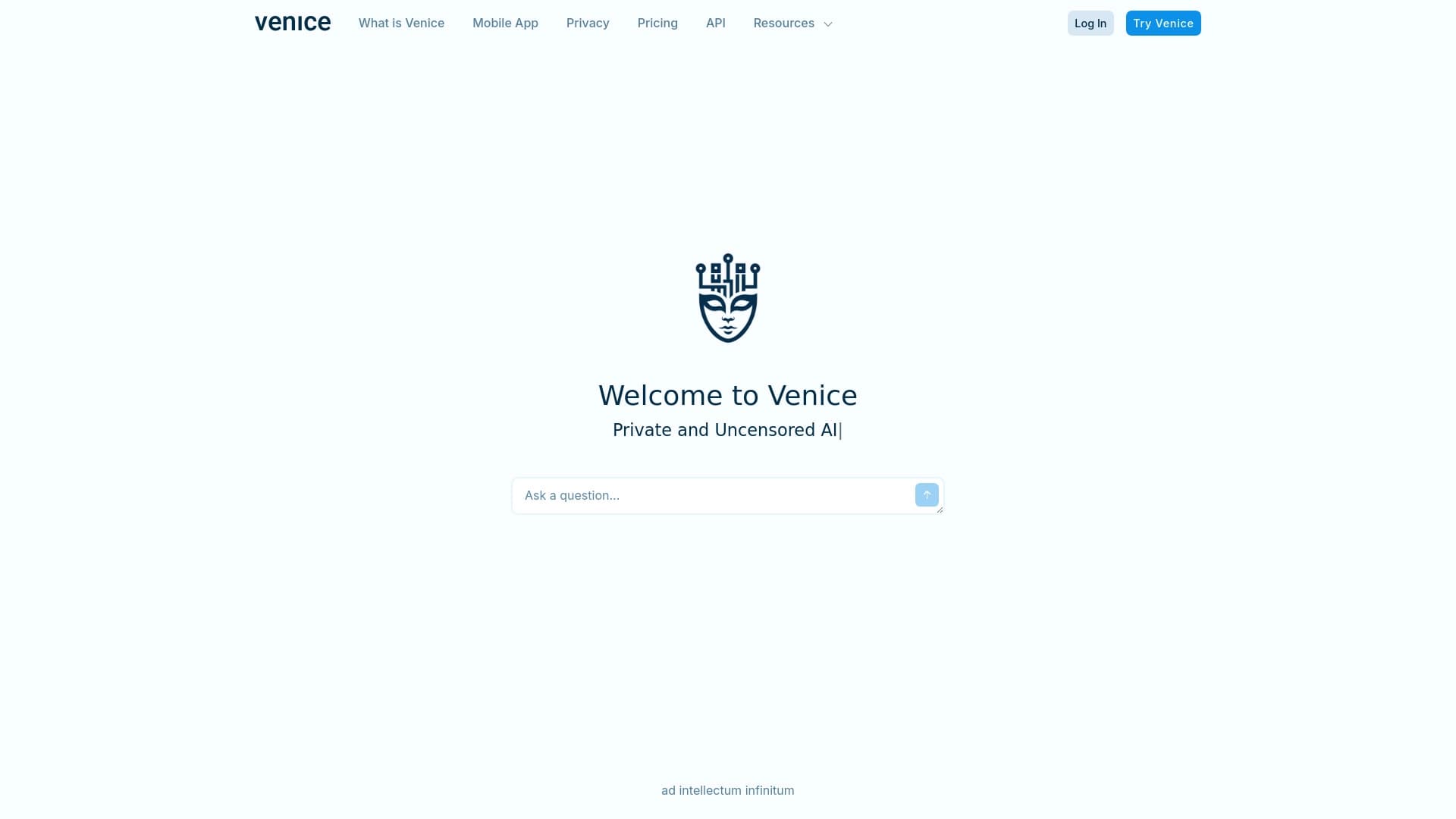
Описание нейросети Venice AI
Venice AI — это платформа для приватного и свободного взаимодействия с искусственным интеллектом, построенная на открытых нейросетевых моделях. Сервис объединяет в себе несколько ИИ-инструментов, позволяя пользователям общаться с чат-ботом, генерировать тексты, изображения и программный код прямо в браузере.
Главная отличительная особенность Venice AI — акцент на конфиденциальности и отсутствии цензуры. Диалоги пользователей хранятся локально в браузере и не отправляются на серверы компании, что обеспечивает полную приватность взаимодействия. Платформа работает через децентрализованную сеть GPU, а также предоставляет API для разработчиков, желающих интегрировать сервис в собственные проекты.
Базовый функционал доступен бесплатно с дневными лимитами, а платная подписка снимает ограничения и открывает дополнительные возможности. Интерфейс сервиса выполнен на английском языке, однако нейросеть понимает русскоязычные запросы.
Характеристики Venice AI
| Характеристика | Значение |
|---|---|
| Тип | Платформа с коллекцией нейросетей для генерации контента |
| Категории | Чат-боты, генерация текста, генерация изображений, генерация кода, Open Source нейросети |
| Поддерживаемые модели | DeepSeek R1 671B, Llama 3.1 405B, Llama 3.2 3B, Nous Theta 8B, Dolphin 72B, FLUX, Stable Diffusion 3.5 Large, Fluently XL, Playground 2.5 и другие |
| Бизнес-модель | Freemium |
| Бесплатный тариф | Есть, с ограничениями (25 текстовых и 15 графических запросов в день) |
| Регистрация | Не обязательна |
| Язык интерфейса | Английский |
| Языки запросов | Понимает русскоязычные запросы |
| Открытый исходный код | Да |
| Модель распространения | Freemium |
Для кого подходит нейросеть Venice AI?
Пользователи, ценящие приватность
Venice AI подойдёт тем, кто хочет общаться с искусственным интеллектом, не опасаясь, что личные данные будут собраны или сохранены на серверах компании. Локальное хранение диалогов в браузере делает сервис привлекательным для пользователей, для которых конфиденциальность имеет первостепенное значение.
Авторы контента
Сервис полезен людям, которым нужно быстро и качественно создавать текстовые и визуальные материалы. Платформа позволяет генерировать статьи, тексты по заданным параметрам и изображения по описанию, что может быть удобно блогерам, копирайтерам и дизайнерам.
Разработчики
Благодаря API и поддержке открытых моделей, Venice AI интересен разработчикам, которые хотят интегрировать ИИ-возможности в свои приложения или создавать автономных ИИ-агентов без цензурных ограничений.
Пользователи, которым нужны свободные ответы
Платформа предназначена для тех, кто ищет честные ответы на любые вопросы без цензуры и политкорректных ограничений, которые нередко накладывают популярные коммерческие чат-боты.
Как использовать нейросеть Venice AI?
Простой запуск через браузер
Регистрация для начала работы не требуется. Достаточно перейти на официальный сайт сервиса и открыть чат-бот. Интерфейс на английском языке интуитивно понятен, при этом запросы можно вводить и на русском.
Выбор режима и модели
После запуска необходимо выбрать режим работы — текст, изображение или код — и подходящую модель ИИ из доступных. Сервис предлагает несколько открытых моделей, включая Llama, DeepSeek, Stable Diffusion и другие, что позволяет подобрать инструмент под конкретную задачу.
Запуск генерации
После выбора режима и модели остаётся сформулировать запрос и запустить генерацию. Результат появится непосредственно в браузере, а данные диалога будут храниться локально на устройстве пользователя.
Основные функции Venice AI
Генерация текстов
Сервис позволяет создавать тексты на основе заданных параметров — от статей и диалогов до других текстовых материалов. Платформа построена на современных открытых языковых моделях, включая DeepSeek R1 671B и Llama 3.1 405B.
Создание изображений
Venice AI генерирует изображения по текстовому описанию в любом стиле. За графическую генерацию отвечают такие модели, как Stable Diffusion 3.5 Large, FLUX и другие открытые решения.
Написание программного кода
Платформа помогает с написанием кода на разных языках программирования, что делает сервис полезным для разработчиков и специалистов, работающих с ИИ-помощниками.
Перевод и интеграция
В арсенале сервиса также перевод текстов с одного языка на другой, создание персонажей и интеграция с другими сервисами через API для встраивания ИИ-возможностей в собственные приложения.
Преимущества Venice AI
Приватность и конфиденциальность
Ключевое преимущество сервиса — отсутствие сбора и хранения личных данных пользователей. Все диалоги хранятся локально в браузере и не попадают на серверы компании, что обеспечивает высокий уровень конфиденциальности.
Свобода от цензуры
В отличие от многих популярных ИИ-платформ, Venice AI не вводит цензурных и политкорректных ограничений, позволяя получать более свободные и честные ответы на любые вопросы.
Открытость и доступность
Сервис имеет открытый исходный код, что допускает возможность обучения собственных моделей ИИ. Регистрация не обязательна, доступен бесплатный базовый функционал, а оплата подписки возможна криптовалютой.
Гибкость интеграции
Через API разработчики могут интегрировать сервис в свои проекты и создавать автономных ИИ-агентов, а децентрализованная сеть GPU повышает скорость и безопасность обработки запросов.
Недостатки Venice AI
Ограничения бесплатного режима
Бесплатный тариф имеет заметные лимиты: пользователю доступны базовые модели с ограничением на 25 текстовых и 15 графических запросов в день, а также встроенный лимит количества подсказок.
Водяные знаки на изображениях
Изображения, созданные в бесплатном режиме, генерируются с водяным знаком, что снижает их ценность для коммерческого использования без платной подписки.
Платная полная версия и сложности оплаты
Полная версия Venice AI является платной, и для доступа ко всем функциям требуется Pro-подписка. Кроме того, в некоторых странах поддерживаются не все банковские карты для оплаты, что вынуждает пользователей обращаться к криптовалюте.
Какие задачи решает Venice AI
Создание контента
Сервис решает задачи генерации текстов любых форматов, создания изображений по описанию и написания программного кода на разных языках программирования.
Перевод и коммуникация
Платформа позволяет переводить тексты с одного языка на другой и вести свободное общение с ИИ без ограничений, получая честные ответы на любые вопросы.
Разработка и интеграция
Venice AI помогает разработчикам интегрировать ИИ-возможности в собственные приложения через API, создавать автономных ИИ-агентов и персонажей, а также обучать собственные модели благодаря открытому исходному коду.
Цены Venice AI
Бесплатный тариф
Базовый функционал сервиса доступен бесплатно с ограничениями. Пользователям доступны базовые модели с дневным лимитом на 25 текстовых и 15 графических запросов, а изображения в бесплатном режиме генерируются с водяным знаком.
Pro-подписка
Полная версия является платной — подписка Pro стоит около 18 долларов в месяц. Она снимает ограничения на количество запросов и открывает доступ к дополнительным возможностям, включая создание персонажей, API и генерацию изображений в высоком разрешении. Оплата подписки возможна криптовалютой.
Условия использования Venice AI
Регистрация
Для начала работы с сервисом регистрация не обязательна — достаточно открыть сайт и начать общение с чат-ботом.
Ограничения бесплатного режима
Бесплатный тариф действует с ограничениями: установлен лимит на количество запросов в день, а изображения генерируются с водяными знаками. Для полного функционала требуется платная Pro-подписка.
Особенности оплаты
При оплате Pro-версии в некоторых странах поддерживаются не все банковские карты, поэтому сервис предлагает оплату криптовалютой как альтернативный способ.
Доступность Venice AI
Платформы
Сервис доступен через веб-сайт и работает в браузере, что делает его удобным для использования на любом устройстве с выходом в интернет.
Языковая поддержка
Интерфейс выполнен на английском языке, однако нейросеть понимает русскоязычные запросы, что позволяет русскоязычным пользователям комфортно работать с сервисом.
Географические ограничения
Существуют ограничения по оплате в некоторых странах, где поддерживаются не все банковские карты. В таких случаях возможна оплата подписки криптовалютой.
Чем отличается Venice AI от аналогов
Приватность как главное отличие
В отличие от популярных ИИ-приложений и чат-ботов, Venice AI делает основной упор на двух ключевых аспектах — приватности и отсутствии цензуры. Диалоги хранятся локально в браузере пользователя и не передаются на серверы компании, а свободные ответы без политкорректных ограничений отличают платформу от большинства коммерческих аналогов.
Открытые модели и децентрализация
Вместо проприетарных моделей сервис работает на открытых нейросетях (DeepSeek R1, Llama 3.1, Stable Diffusion и других), а обработка запросов происходит через децентрализованную сеть GPU, что повышает скорость и безопасность взаимодействия по сравнению с централизованными решениями.
Заключение
Venice AI — это многофункциональная платформа для работы с искусственным интеллектом, которая объединяет генерацию текстов, изображений и кода на базе открытых нейросетевых моделей. Главные отличия сервиса от аналогов — акцент на приватности за счёт локального хранения данных в браузере и отсутствие цензурных ограничений. Платформа доступна бесплатно с дневными лимитами, а платная Pro-подписка за около 18 долларов в месяц снимает ограничения и открывает доступ к API, созданию персонажей и изображениям высокого разрешения. Venice AI станет хорошим выбором для пользователей, которые ценят конфиденциальность и свободу общения с ИИ.
Тарифы
Часто задаваемые вопросы

Смотрите также
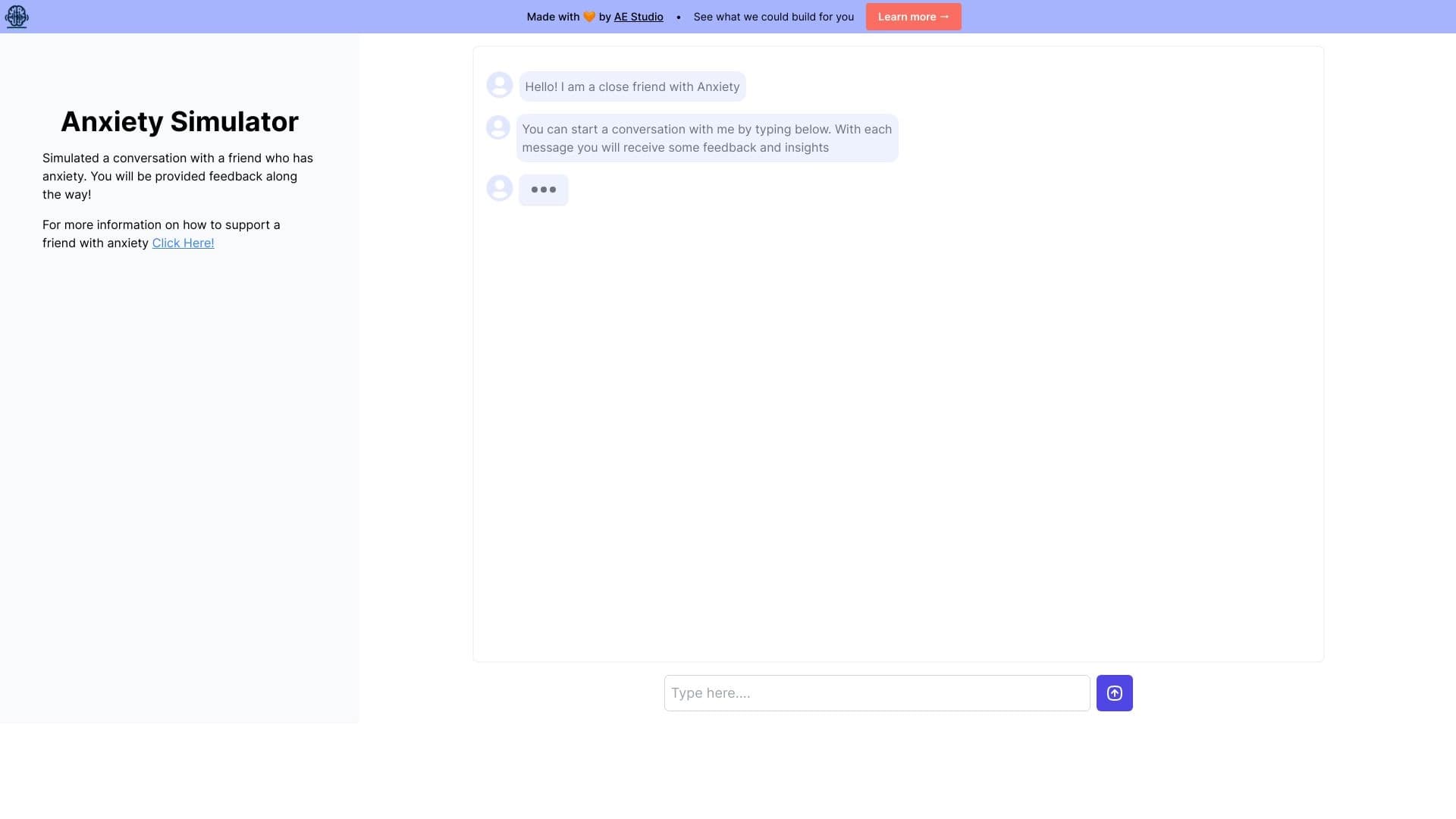
Веб-симулятор для практики поддерживающего общения с человеком, испытывающим тревогу.
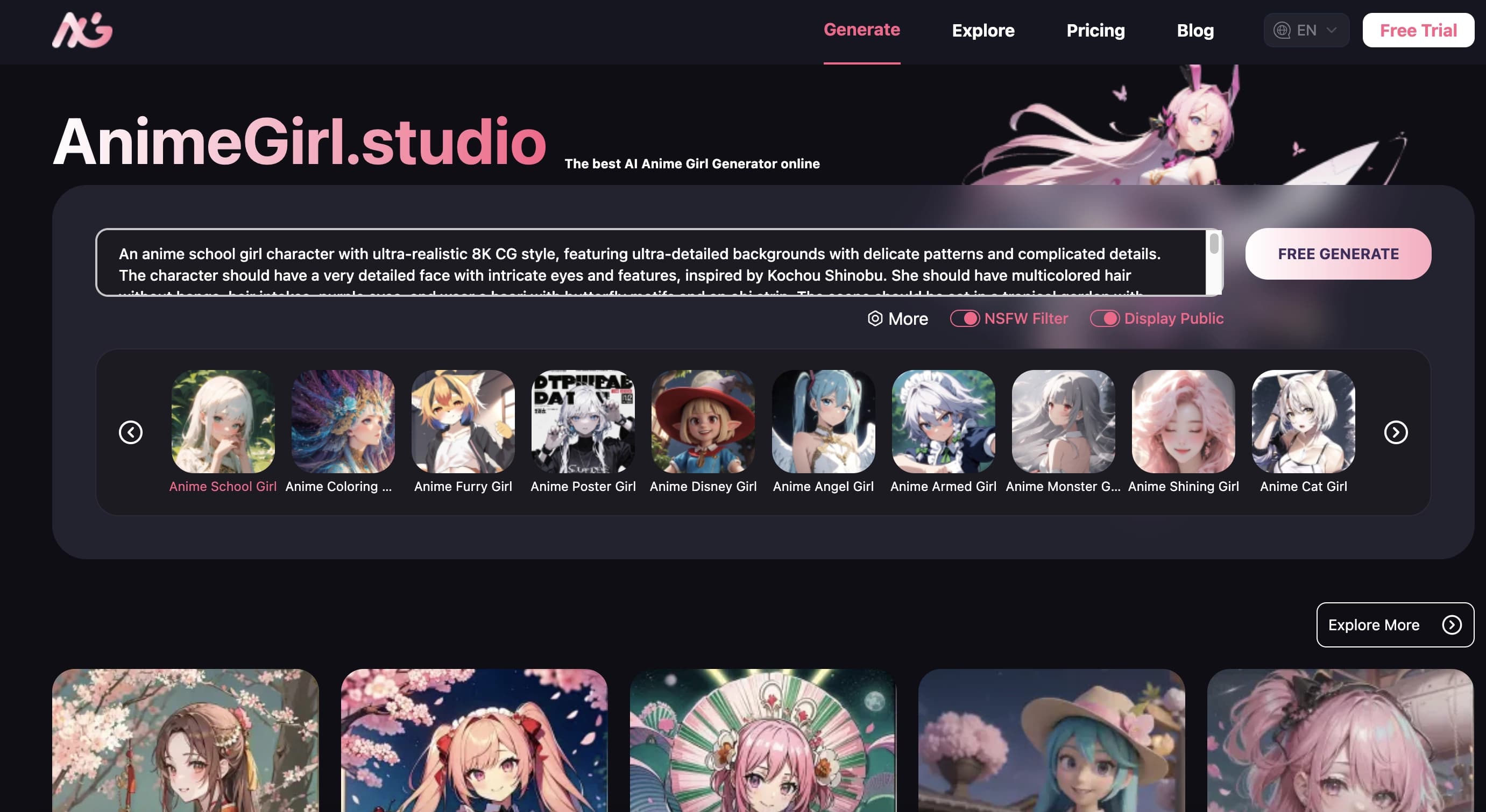

AI-генератор аниме-изображений по текстовому описанию с выбором шаблона.

AI-агент для автоматизации рутинных действий в браузере, таких как заполнение форм и сбор данных.
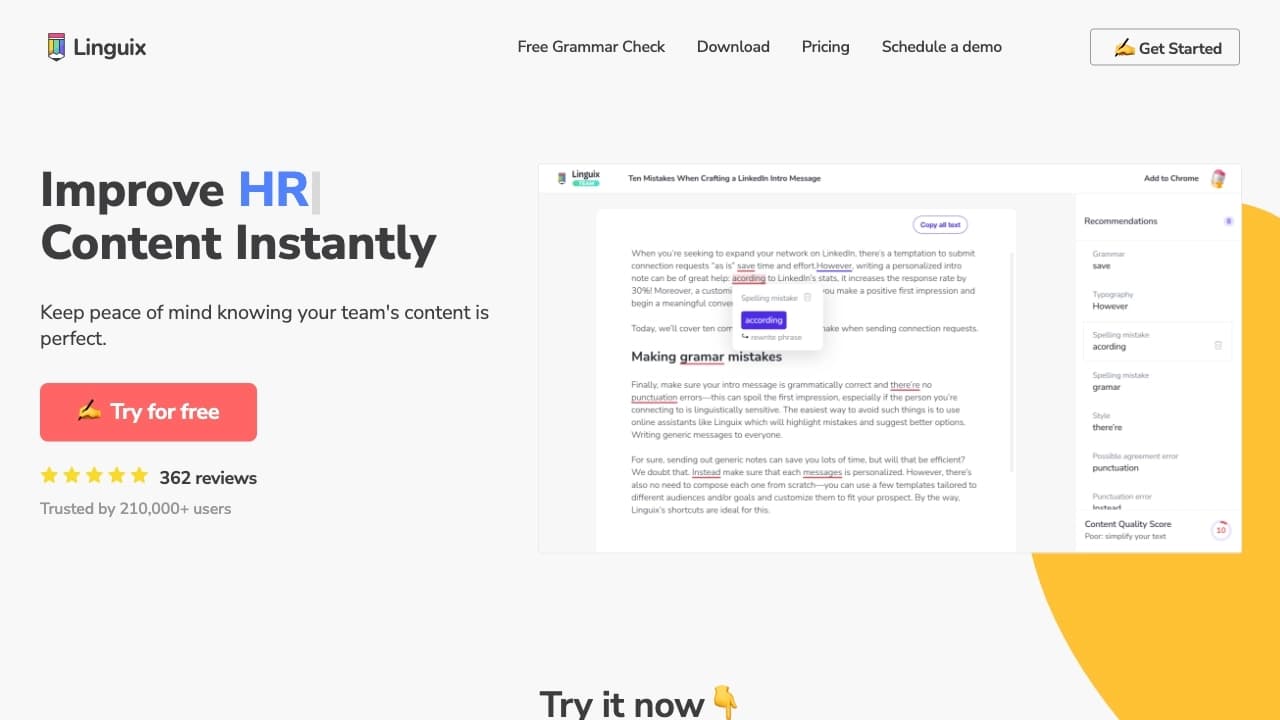

AI-помощник для проверки грамматики, орфографии и стиля английского текста, доступный как браузерное расширение и веб-редактор.
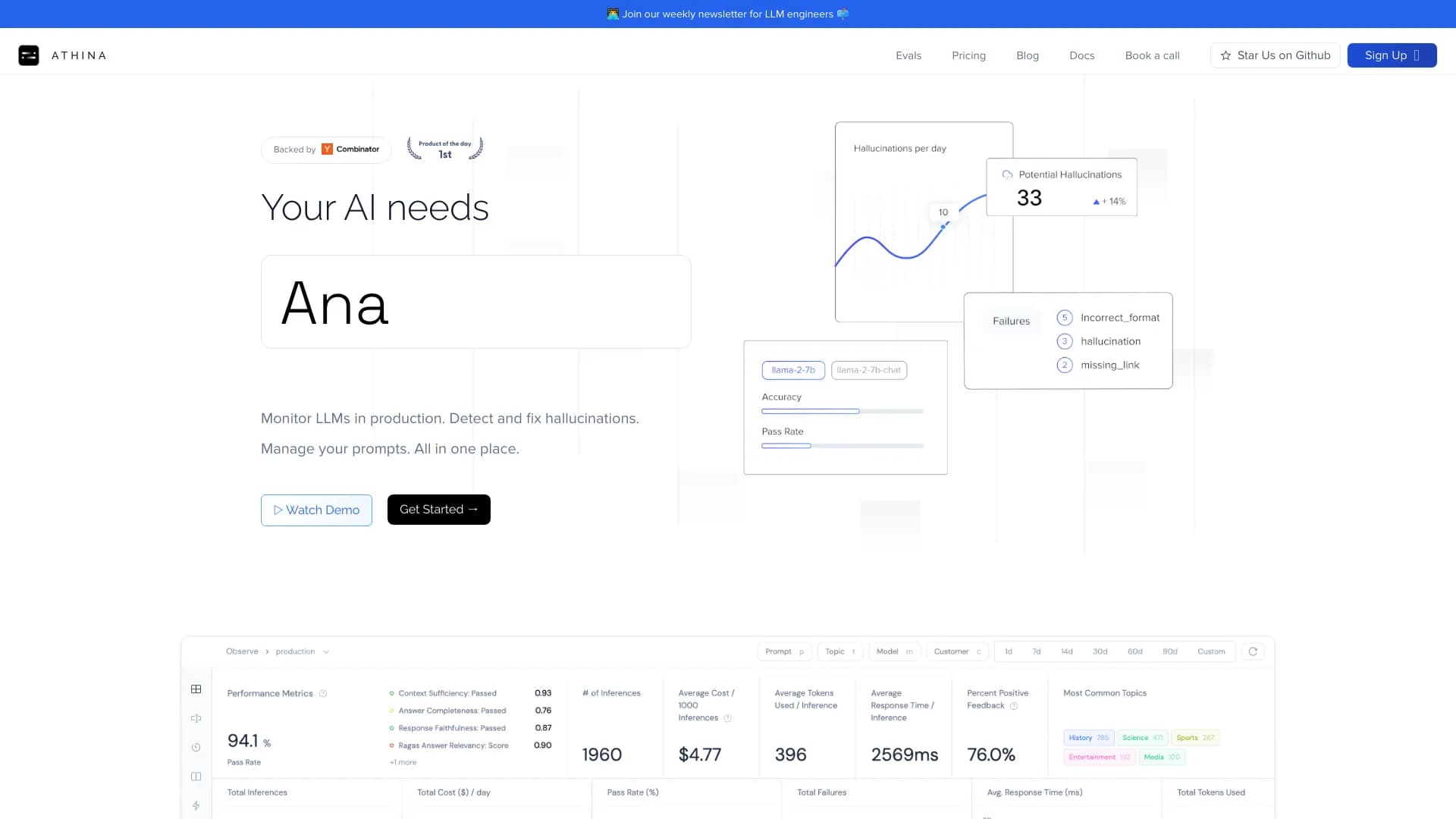

Платформа для разработки, мониторинга и оценки AI-приложений на основе больших языковых моделей.


AI-ассистент для маркетинга, который помогает создавать стратегии продвижения и оптимизировать рекламные кампании.
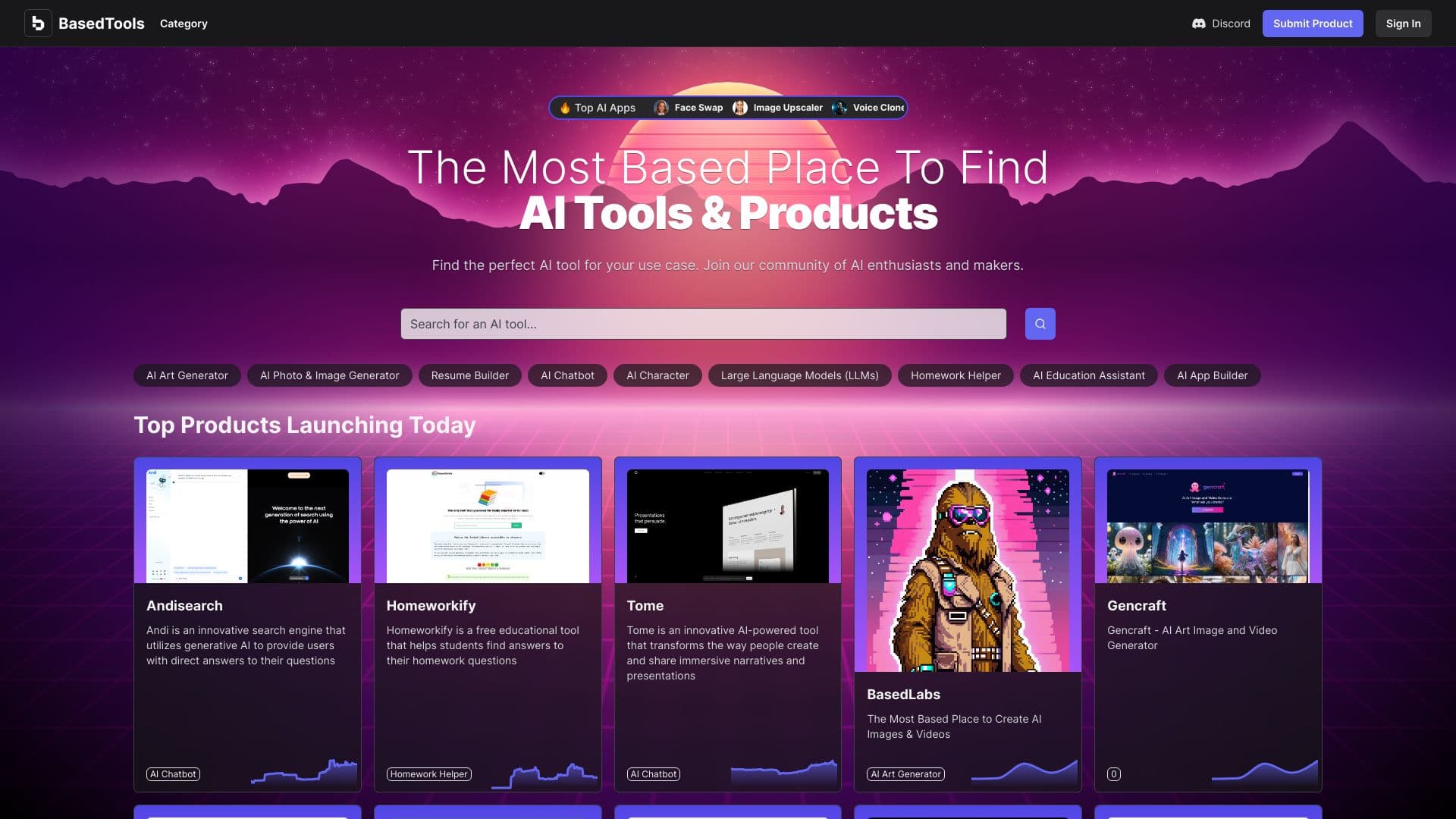
Каталог, систематизирующий AI-инструменты и сервисы по категориям для быстрого поиска.
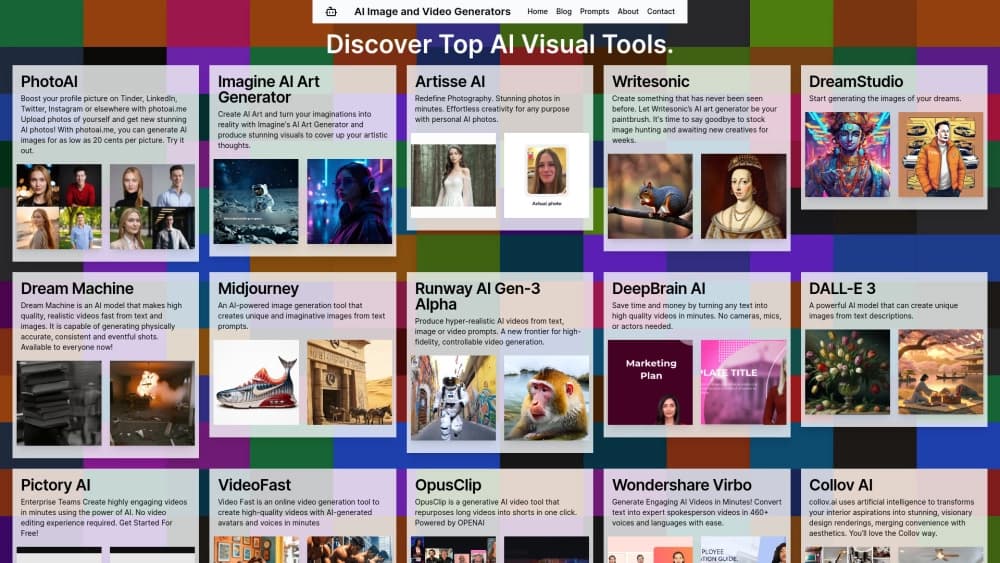
Каталог нейросетей и онлайн-инструментов для генерации изображений, анимаций и видео.