
Project Mariner
ИИ-агент для эффективного извлечения и анализа данных в браузере.
Обзор
Project Mariner
Описание нейросети Project Mariner
Project Mariner — это экспериментальный ИИ-агент, разработанный командой Google DeepMind. Инструмент представляет собой браузерного помощника, который автоматизирует рутинные операции с веб-страницами и ориентирован на эффективное извлечение и анализ данных из открытых источников.
В отличие от традиционных поисковых систем, которые лишь выдают ссылки на релевантные ресурсы, Project Mariner взаимодействует с содержимым страниц напрямую. Агент способен перемещаться по сайтам, находить нужные фрагменты информации и структурировать их для дальнейшего использования. Это позволяет пользователю сократить время, затрачиваемое на ручной просмотр множества вкладок.
На данный момент инструмент находится на ранней стадии разработки. Доступ к нему предоставляется ограниченному кругу тестировщиков, что характерно для проектов Google DeepMind на этапе экспериментальных исследований. Полный функционал и финальные возможности агента могут измениться к моменту официального релиза.
Характеристики Project Mariner
| Характеристика | Значение |
|---|---|
| Разработчик | Google DeepMind |
| Тип инструмента | ИИ-агент для браузера |
| Статус | Экспериментальная разработка |
| Основное назначение | Автоматизация сбора и анализа веб-данных |
| Модель распространения | Не определена / ограниченный доступ |
| Доступность | Только для ограниченного круга тестировщиков |
Для кого подходит нейросеть Project Mariner?
Аналитики и исследователи
Project Mariner может быть полезен специалистам, которые регулярно работают с большими объёмами информации из открытых источников. Автоматизация процесса сбора данных позволяет аналитикам сосредоточиться на интерпретации результатов, а не на механическом поиске нужных сведений по сайтам.
Специалисты по работе с данными
Для тех, кто занимается мониторингом конкурентов, изучением рынка или сбором статистики, подобный ИИ-агент способен взять на себя значительную часть рутинной работы. Вместо того чтобы вручную открывать десятки страниц, пользователь может поручить это агенту и получить структурированный результат.
Пользователи, ценящие время
Любой человек, который часто ищет информацию в интернете для работы или учёбы, может извлечь выгоду из использования Project Mariner. Инструмент потенциально ускоряет процесс поиска и обработки данных, избавляя от необходимости просматривать нерелевантный контент.
Как использовать нейросеть Project Mariner?
Условия доступа
Поскольку Project Mariner находится на экспериментальной стадии, воспользоваться им можно только в рамках программы тестирования Google DeepMind. Обычным пользователям доступ к инструменту пока не предоставляется.
Принцип работы
После получения доступа взаимодействие с агентом происходит в браузерной среде. Пользователь задаёт агенту задачу, связанную с поиском или анализом информации на веб-страницах, после чего агент самостоятельно выполняет навигацию по сайтам и собирает необходимые данные.
Формат результатов
Результаты работы Project Mariner представляются в виде структурированных данных, которые пользователь может использовать в своей работе. Точный формат выдачи зависит от характера поставленной задачи и настроек инструмента на текущем этапе разработки.
Основные функции Project Mariner
Автоматическое извлечение данных
Ключевая функция агента — извлечение информации с веб-страниц без участия пользователя. Project Mariner идентифицирует релевантный контент и выделяет его из общего массива данных на странице.
Анализ содержимого страниц
Инструмент не просто копирует текст, а анализирует содержимое сайтов, определяя, какая информация соответствует заданному запросу. Это позволяет отсеивать нерелевантные данные и сосредотачиваться на том, что действительно важно.
Навигация по веб-ресурсам
Project Mariner самостоятельно перемещается по сайтам и может переходить по внутренним ссылкам для поиска информации. Агенту не требуется ручное указание каждого шага — он способен следовать логике структуры сайта.
Преимущества Project Mariner
Экономия времени
Главное преимущество — значительное сокращение времени на сбор информации. То, что у человека заняло бы несколько часов, агент может выполнить за считанные минуты, обрабатывая множество страниц параллельно.
Уменьшение рутинной нагрузки
Пользователь освобождается от монотонной работы по открытию страниц, копированию текста и его первичной сортировке. Это снижает утомляемость и снижает риск ошибок, связанных с человеческим фактором.
Повышение эффективности исследования
Благодаря автоматизации сбора данных, исследователь может обработать больший объём источников за то же время. Это делает проводимый анализ более полным и объективным.
Недостатки Project Mariner
Ограниченная доступность
На текущем этапе инструмент недоступен широкой аудитории. Для получения доступа необходимо попасть в программу тестирования, что создаёт барьер для большинства потенциальных пользователей.
Незавершённость разработки
Как экспериментальный продукт, Project Mariner может содержать ошибки и недоработки. Стабильность работы и точность извлечения данных не гарантированы на этапе тестирования.
Неизвестные условия распространения
Поскольку модель распространения инструмента не определена, остаётся неясным вопрос о том, будет ли он бесплатным, платным или доступным в составе других продуктов Google. Это создаёт неопределённость для будущих пользователей.
Какие задачи решает Project Mariner
Сбор информации по заданным критериям
Пользователь может поручить агенту найти на веб-сайтах определённые данные: характеристики товаров, контактную информацию, статистические показатели или любой другой структурированный контент.
Мониторинг веб-ресурсов
Project Mariner подходит для задач регулярного наблюдения за изменениями на сайтах. Агент способен отслеживать появление новой информации и предоставлять пользователю актуальные данные без необходимости ручной проверки.
Первичная обработка данных
Инструмент берёт на себя не только сбор, но и первичную систематизацию информации. Собранные данные группируются и упорядочиваются, что облегчает их дальнейшее использование в аналитических целях.
Цены Project Mariner
Информация о стоимости использования Project Mariner на данный момент отсутствует. Инструмент находится в статусе экспериментального, и Google DeepMind не публиковала никаких данных о будущем ценообразовании. Модель распространения остаётся неопределённой: проект может стать бесплатным сервисом, частью платной подписки или продаваться отдельно. До официальных анонсов компании строить предположения о цене преждевременно.
Условия использования Project Mariner
Поскольку Project Mariner не является публично доступным продуктом, официальные условия использования не опубликованы. На этапе тестирования условия определяются индивидуальными соглашениями с участниками программы раннего доступа. Пользователи, заинтересованные в использовании агента, должны следить за анонсами Google DeepMind о расширении программы тестирования или публичном запуске.
Доступность Project Mariner
Географические ограничения
Точных данных о географической доступности инструмента нет. Однако в силу экспериментального статуса и специфики тестирования, доступ к Project Mariner, вероятно, ограничен определёнными регионами. Полный список стран, где будет доступен инструмент, не опубликован.
Технические требования
Для работы с Project Mariner потребуется современный браузер и стабильное интернет-соединение. Специфические системные требования находятся в процессе разработки и станут известны после официального анонса инструмента.
Чем отличается Project Mariner от аналогов
Глубина взаимодействия с контентом
В отличие от многих подобных инструментов, которые работают лишь с текстовым содержимым страниц, Project Mariner от Google DeepMind делает упор на полноценное взаимодействие с веб-страницами как с единой структурой. Агент способен анализировать не только текст, но и логику построения сайта, что повышает точность извлечения данных.
Происхождение и технологическая база
Будучи разработкой Google DeepMind, Project Mariner опирается на передовые исследования в области искусственного интеллекта. Это предполагает использование более продвинутых алгоритмов понимания естественного языка и контекста по сравнению с инструментами, созданными без такой серьёзной исследовательской базы.
Стадия разработки
Большинство коммерческих аналогов являются зрелыми продуктами с устоявшимся функционалом. Project Mariner же находится на экспериментальной стадии, что одновременно является и его ограничением, и возможностью получить принципиально новый подход к автоматизации браузерных задач ещё до того, как этот подход станет массовым.
Заключение
Project Mariner представляет собой экспериментальную разработку Google DeepMind в области браузерной автоматизации, направленную на эффективное извлечение и анализ веб-данных. Инструмент обладает потенциалом значительно упростить работу исследователей, аналитиков и всех, кто регулярно работает с большими объёмами информации в интернете. Однако из-за ограниченного доступа и незавершённости разработки его возможности в полной мере пока могут оценить лишь участники программы тестирования. Окончательные выводы о продукте можно будет сделать после его публичного запуска и определения модели распространения.
Часто задаваемые вопросы


Смотрите также

AI-ассистент для бизнеса, который помогает управлять задачами и автоматизировать рутину через диалог.
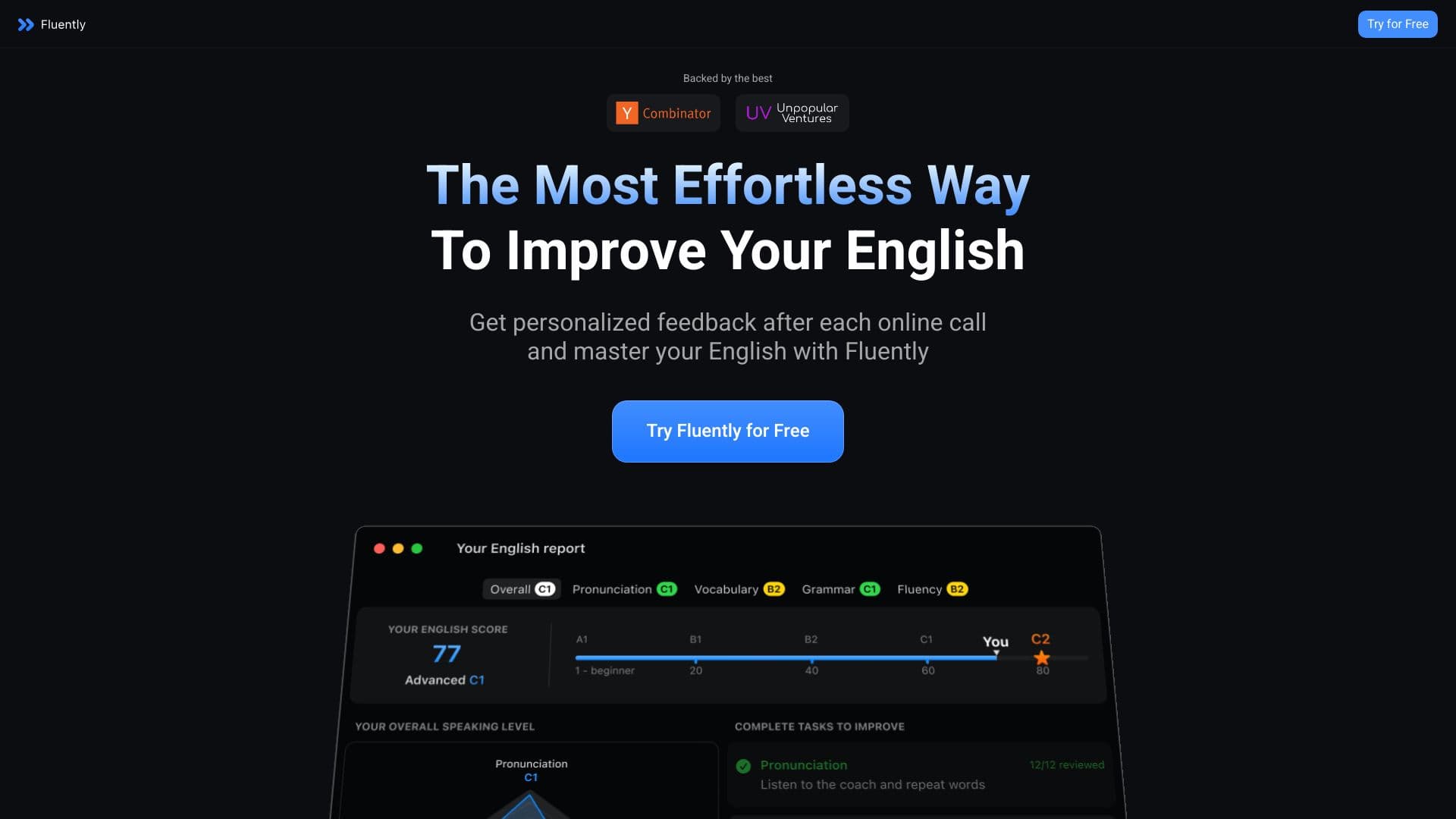

AI-тренер разговорной речи, который дает обратную связь в реальном времени во время звонков и повседневного общения.
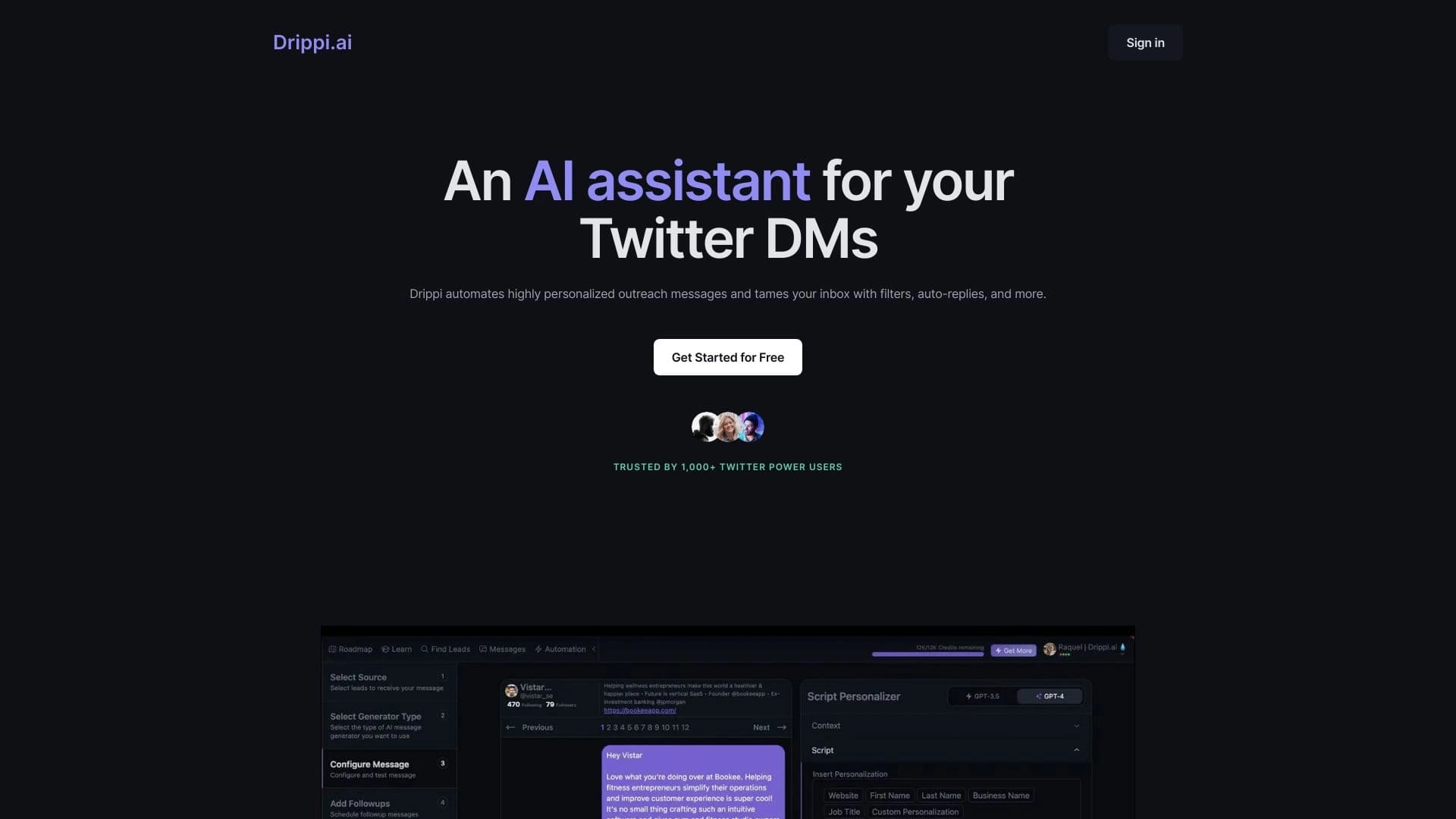

Автоматизирует отправку персонализированных личных сообщений в X (Twitter) для холодных продаж.


Платформа для общения с виртуальными ИИ-персонажами с генерацией изображений в процессе диалога.
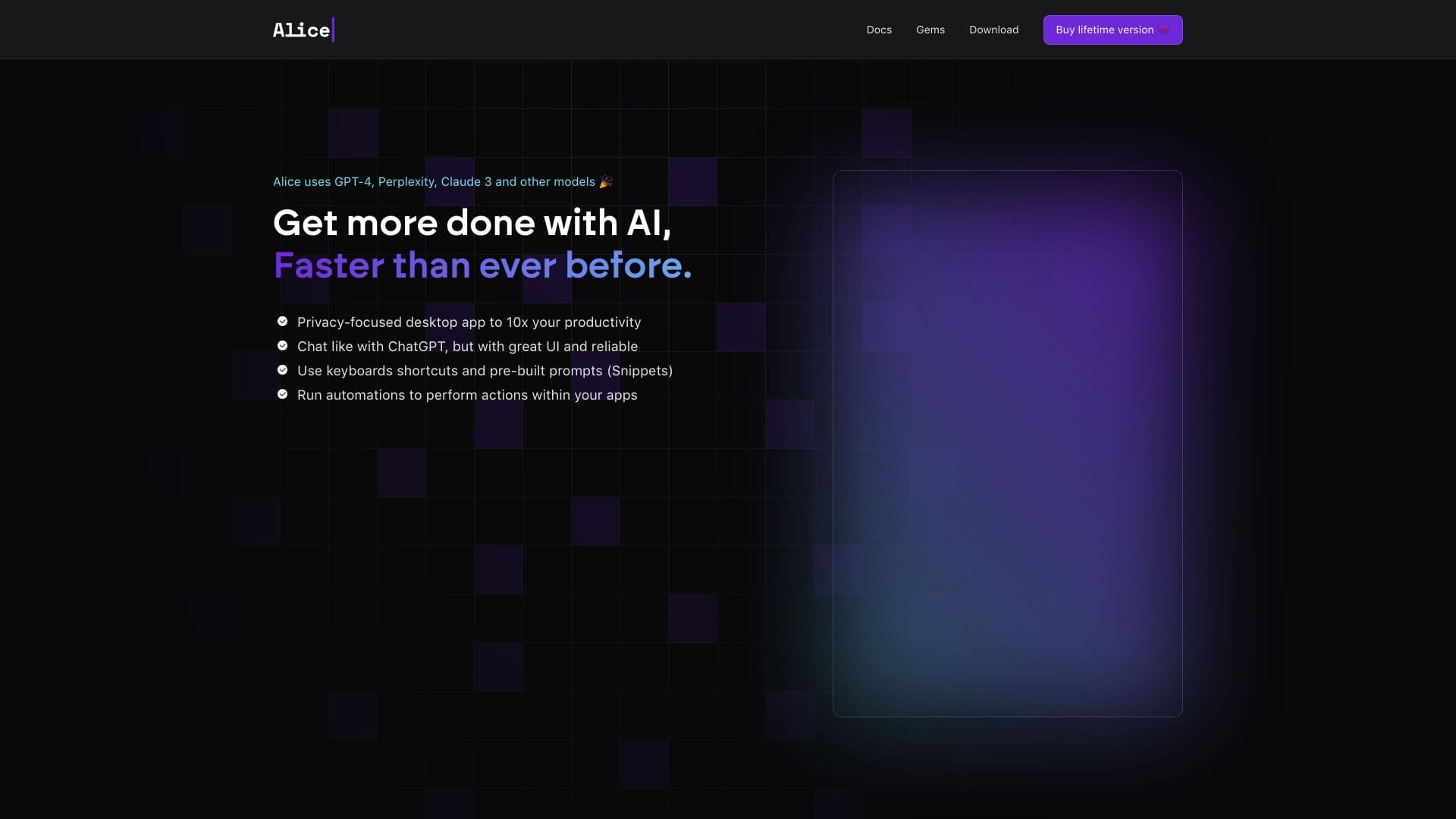

Настольный AI-ассистент для macOS, Windows и Linux, который запускается по хоткею поверх всех окон и объединяет несколько языковых моделей в одном интерфейсе.
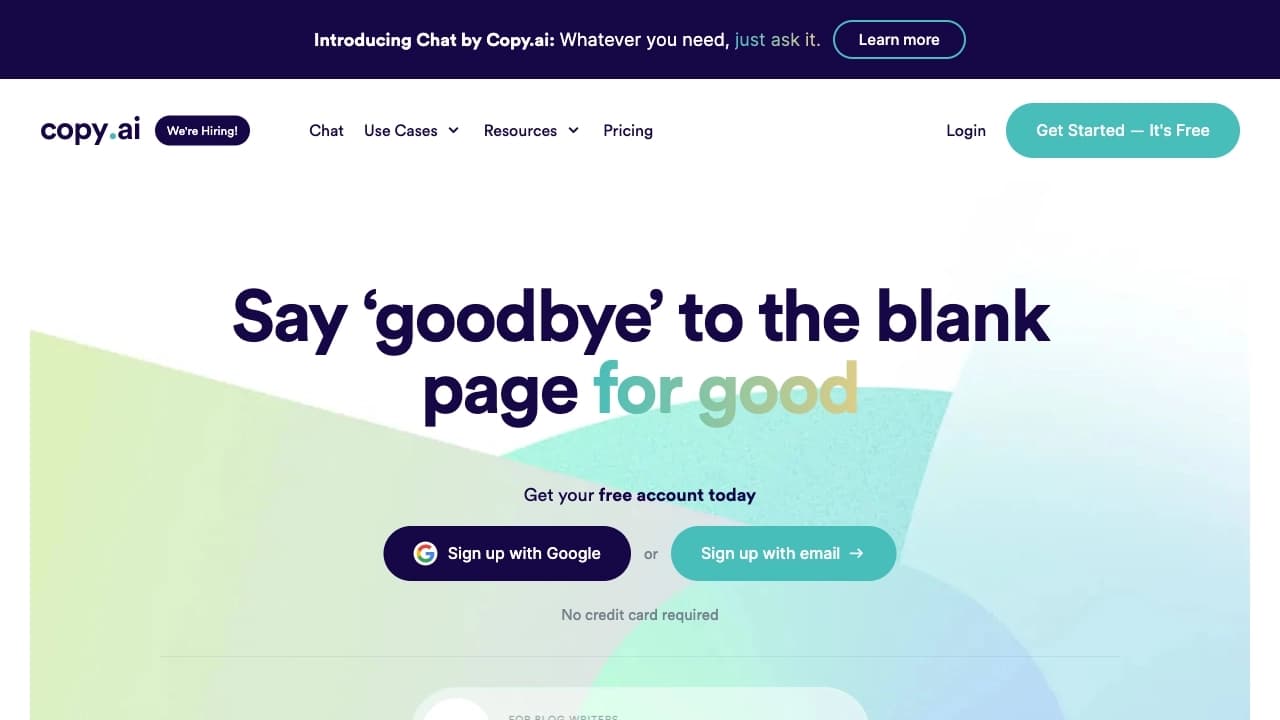

Сервис на базе ИИ для автоматической генерации текстового контента различного формата.
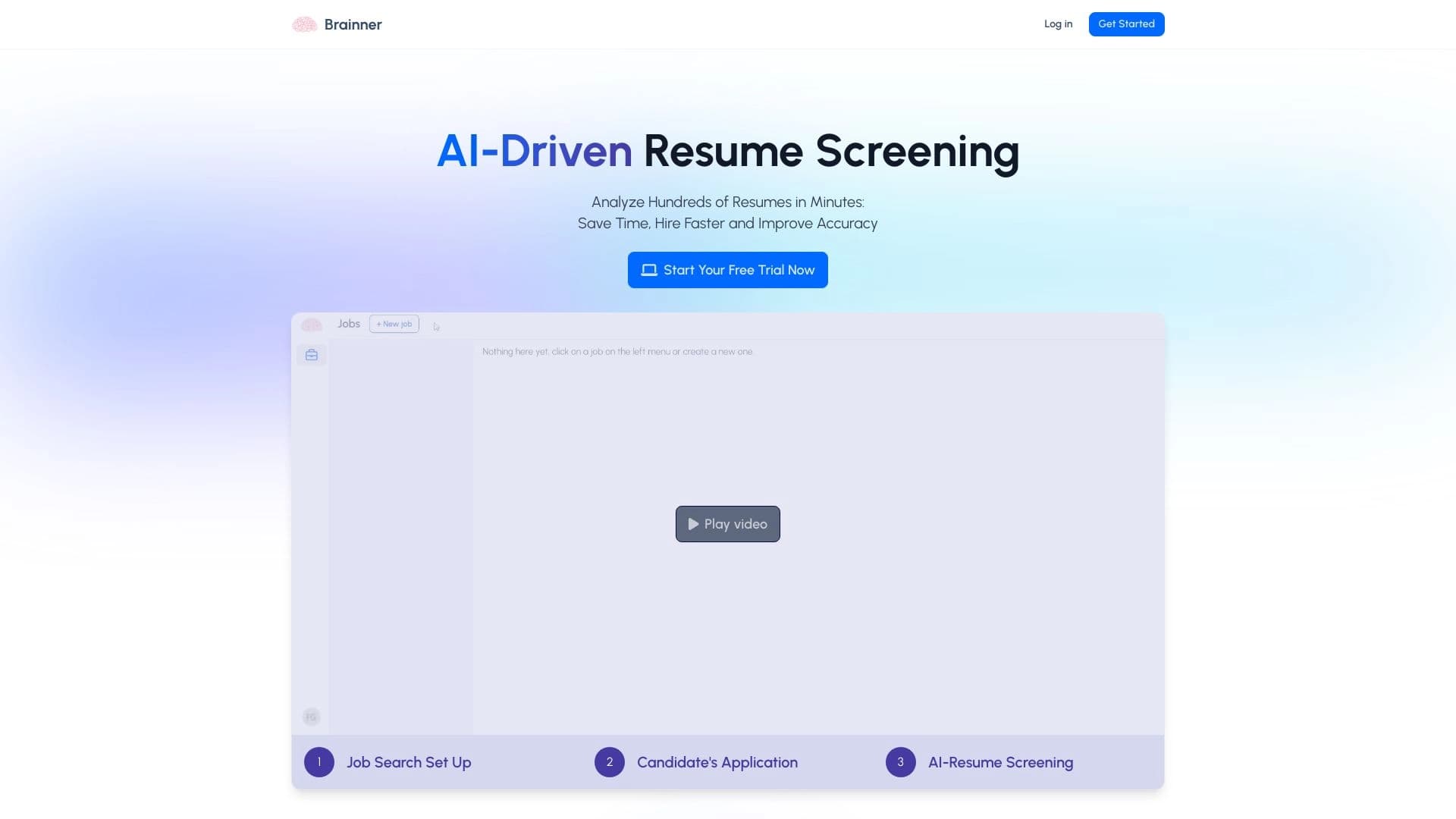
AI-платформа для быстрого скрининга резюме, помогающая рекрутерам отбирать подходящих кандидатов.
Инструмент для создания диаграмм и интеллект-карт из текстовых описаний на естественном языке.