
Oven AI
Oven AI is a generative tool that automates the design creation process using advanced algorithms.

Overview
Oven AI is a tool that automates the design creation process using generative algorithms. The platform solves the problem of reducing time spent on routine operations: instead of manually iterating through variations or calculating technical parameters, the user sets the direction, and the system offers ready-made solutions.
The main idea behind Oven AI is to remove the technical burden from the designer. The program handles the computational part, allowing the user to focus on the creativity and conceptual side of the project. It's not just a set of templates, but a full-fledged generative environment where algorithms explore the space of possible solutions themselves.
How the generative approach works in Oven AI
Instead of manually editing each element, the user describes the task or sets basic parameters. The system analyzes the input data and generates several options that meet the specified constraints. This approach is especially useful when you need to quickly test many hypotheses or find a non-obvious solution.
What Oven AI is for
The tool is designed to accelerate the design cycle. It suits tasks where iteration speed matters—from conceptual development to final optimization. At the same time, the platform gives the user full control over the direction, as generation only suggests options, while the final decision always rests with the human.
Oven AI Characteristics
| Characteristic | Value |
|---|---|
| Tool type | Generative design tool |
| Primary purpose | Automating the creation and optimization of design solutions |
| Core principle | Advanced generation algorithms |
| User interface | Simple and intuitive |
| Distribution model | Not specified (data unavailable) |
| Key feature | Removing the technical burden from the user |
| Available platforms | Not specified (data unavailable) |
| API availability | Not specified (data unavailable) |
| Language support | Not specified (data unavailable) |
Who is Oven AI for?
Practicing designers
The primary audience is professionals who work daily with form, composition, and functionality. For them, Oven AI becomes an assistant that speeds up routine work: instead of spending a long time redrawing variations, they can get several ready-made solutions and refine the most successful one.
Product teams
In small teams where a designer juggles multiple roles, the tool helps save resources. Fast generation and optimization allow less time to be spent on technical details and more on researching user needs.
Professionals without deep technical skills
Thanks to its simple interface, the tool suits those who want to harness the power of algorithms but lack specialized engineering training. The user doesn't need to understand the mathematical foundations of generation—just knowing what result they want is enough.
How to use Oven AI?
Getting started
The exact startup and registration process is not disclosed in available sources. However, based on the general concept, getting started will likely require creating a project or setting initial parameters for the future design—such as the object type, its purpose, or key constraints.
Workflow scenario
The workflow revolves around iterations: the user provides inputs, the system generates options, then the user evaluates the results, selects suitable ones, or adjusts parameters for a new cycle. This approach allows the search space to be gradually narrowed, moving closer to an optimal solution.
Finalizing a project
After selecting the best option, it can be optimized for specific tasks—for example, production constraints or performance requirements. At this stage, generative algorithms help refine the solution without diving into manual calculations.
Key Features of Oven AI
Generating design variations
The core feature is creating multiple alternative solutions based on given parameters. The user gets not just one result, but a whole range of options, expanding the field for creative exploration.
Project optimization
The system can improve existing solutions. It analyzes specified metrics and suggests changes that enhance design efficiency—whether reducing material usage, improving ergonomics, or other criteria.
Exploring the solution space
The tool allows users to study how changes in input parameters affect the final result. This is useful for understanding the boundaries of what's possible and choosing the most balanced option.
Advantages of Oven AI
Reduced time on routine operations
The main benefit is speed. Where you once had to manually create and check dozens of variations, now you just set the parameters and get ready-made proposals.
Lower technical barrier
Users don't need to be experts in algorithms or mathematical modeling. The system handles complex computations itself, delivering results in an understandable format.
Focus on the creative side
By freeing up time from technical work, the tool returns designers to their core task—finding expressive and functional solutions. Algorithms take on the "boring" part, leaving room for experimentation.
Disadvantages of Oven AI
Lack of public data
Detailed information about pricing, technical requirements, and integrations is missing from available sources. This makes it difficult to assess the platform's readiness for specific work scenarios.
Dependence on input parameter quality
Like any generative tool, Oven AI works better when the initial conditions are precise and well-thought-out. Vague or contradictory requirements can lead to results that need significant rework.
Potential limitations for unique tasks
The tool excels at finding solutions within set parameters but may be less useful for tasks that are hard to formalize or require a unique, one-off approach.
What problems does Oven AI solve?
Accelerating the design process
The first task is reducing the time from idea to prototype. Instead of a long manual development cycle, users get ready-made options almost immediately.
Finding unconventional solutions
Algorithms can suggest options that are hard for a human to come up with due to habitual thinking patterns. This expands the search space and helps discover new approaches.
Optimizing existing concepts
The tool is useful during the refinement stage: it improves design characteristics without starting from scratch, making targeted parameter adjustments instead.
Removing computational load
Tasks requiring complex calculations are fully automated. This is especially important in areas where many variables must be considered simultaneously.
Oven AI Pricing
Official sources do not provide data on the cost of using Oven AI. It is unknown whether the platform offers a free tier, a trial period, or only paid subscriptions. Information about possible enterprise plans or custom terms for teams is also not disclosed.
At this point, one can only assume that the pricing model may be tied to the volume of generations or the level of feature access, but these details need to be confirmed on the product's official website.
Terms of Use for Oven AI
Detailed terms of use are also not published in available sources. User requirements, age restrictions, and licensing terms are not specified. It is unclear how rights to works generated with the tool are regulated and whether commercial use is permitted.
No information is available about the privacy policy or how user data is processed. Potential users are advised to review the terms on the official resource themselves before starting to work with the platform.
Oven AI Availability
There is no information in public sources about the platform's regional availability or which platforms it runs on (web, desktop, mobile). It is unknown whether Oven AI exists as a cloud service, a locally installed application, or a hybrid solution.
The lack of data on interface language support also leaves questions about its accessibility for various user groups. For up-to-date information, it's best to visit the service's official website.
How Oven AI differs from alternatives
Focus on user experience
Unlike many technical tools that require deep knowledge of programming or mathematics, Oven AI strives for maximum accessibility. The interface is designed so that designers can work with algorithms without needing to understand their inner workings.
Balance between automation and control
The system doesn't completely "take over" the process from the user; instead, it offers a symbiosis: algorithms handle the heavy lifting of iterating through options and calculations, but the human keeps the final say. This sets Oven AI apart from fully autonomous generators, where the user's role is limited to setting the task.
Focus on a comprehensive solution
The platform combines two processes—generation and optimization—in a single workspace. Instead of using two different programs for idea exploration and subsequent refinement, users can complete both stages in one environment.
Conclusion
Oven AI is a generative tool aimed at simplifying and speeding up the design process. Its key value lies in automating the technical part of the work, allowing professionals to focus on creative aspects. The platform combines powerful algorithms with a clear interface and suits tasks ranging from idea exploration to final project optimization.
At the same time, the currently available information about the service is limited: terms of use, pricing, and technical requirements are not disclosed. Potential users should keep this in mind when evaluating the tool and check details on the official website. Nevertheless, the concept itself—generating multiple options and removing the technical burden from the user—makes Oven AI a notable player in the field of automated design.
Frequently asked questions
See also


Online editor for removing unwanted objects, text, and defects from photos using a neural network.

AllChat is a universal platform that combines several popular language models in a single interface for communication, image generation, file analysis, and code execution.
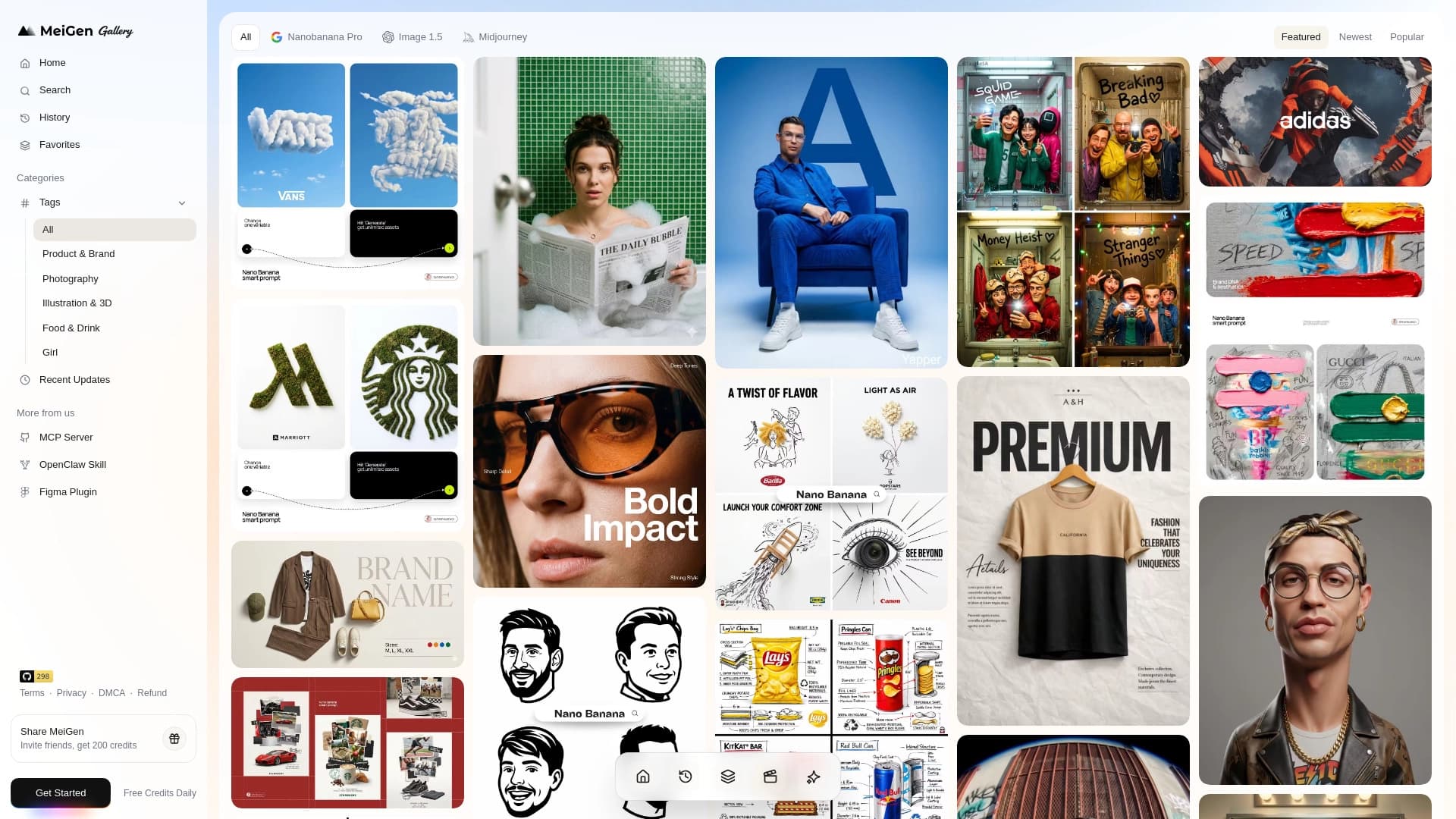
Web service with a library of ready-made prompts and an interface for generating images and videos through popular neural networks.
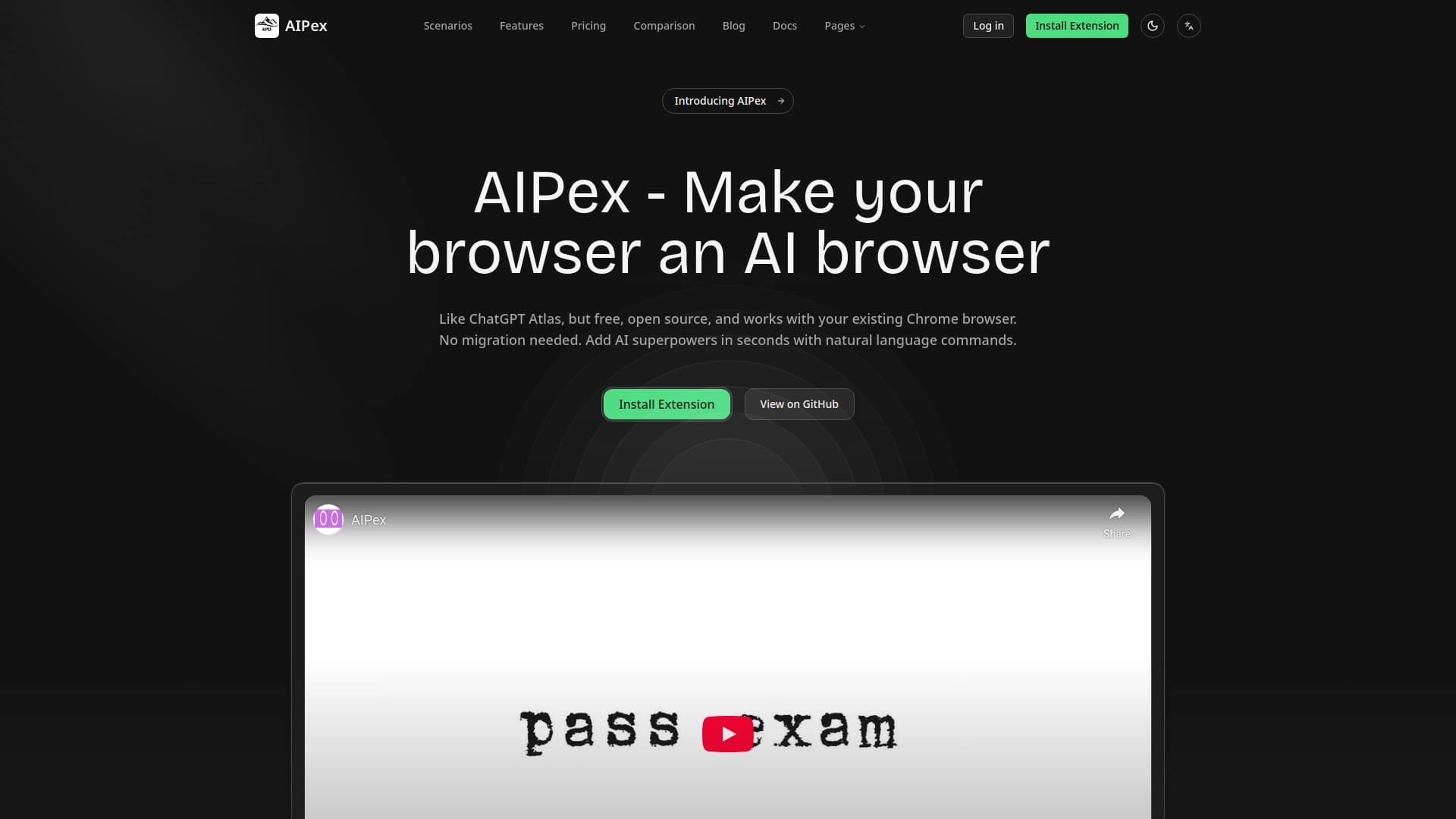

Chrome extension that helps manage tabs, history, and bookmarks with an AI assistant.
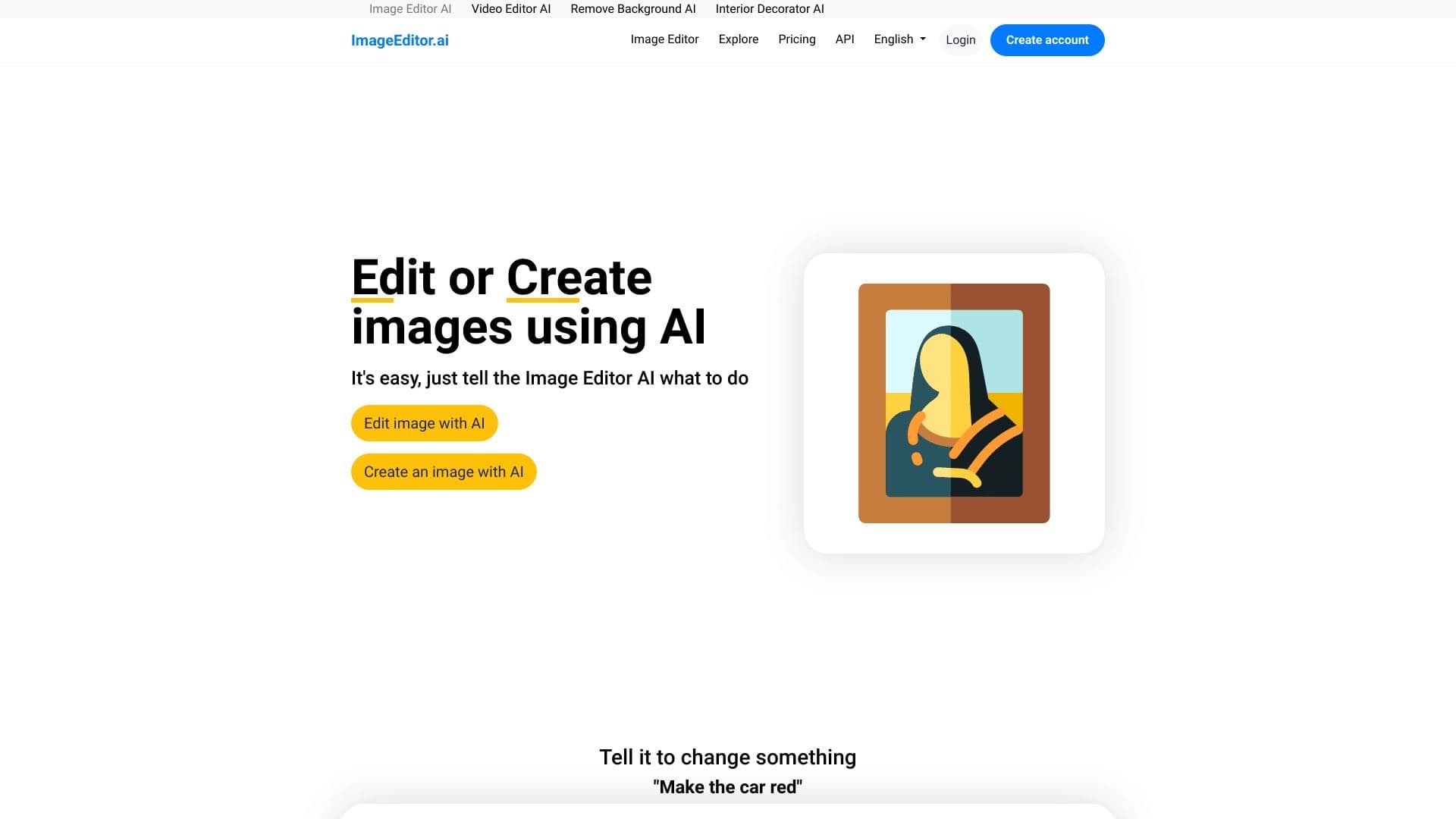

AI-powered online image editor that lets you edit photos by text description right in your browser.


Desktop AI assistant for macOS, Windows, and Linux that launches via hotkey above all windows and combines multiple language models in one interface.
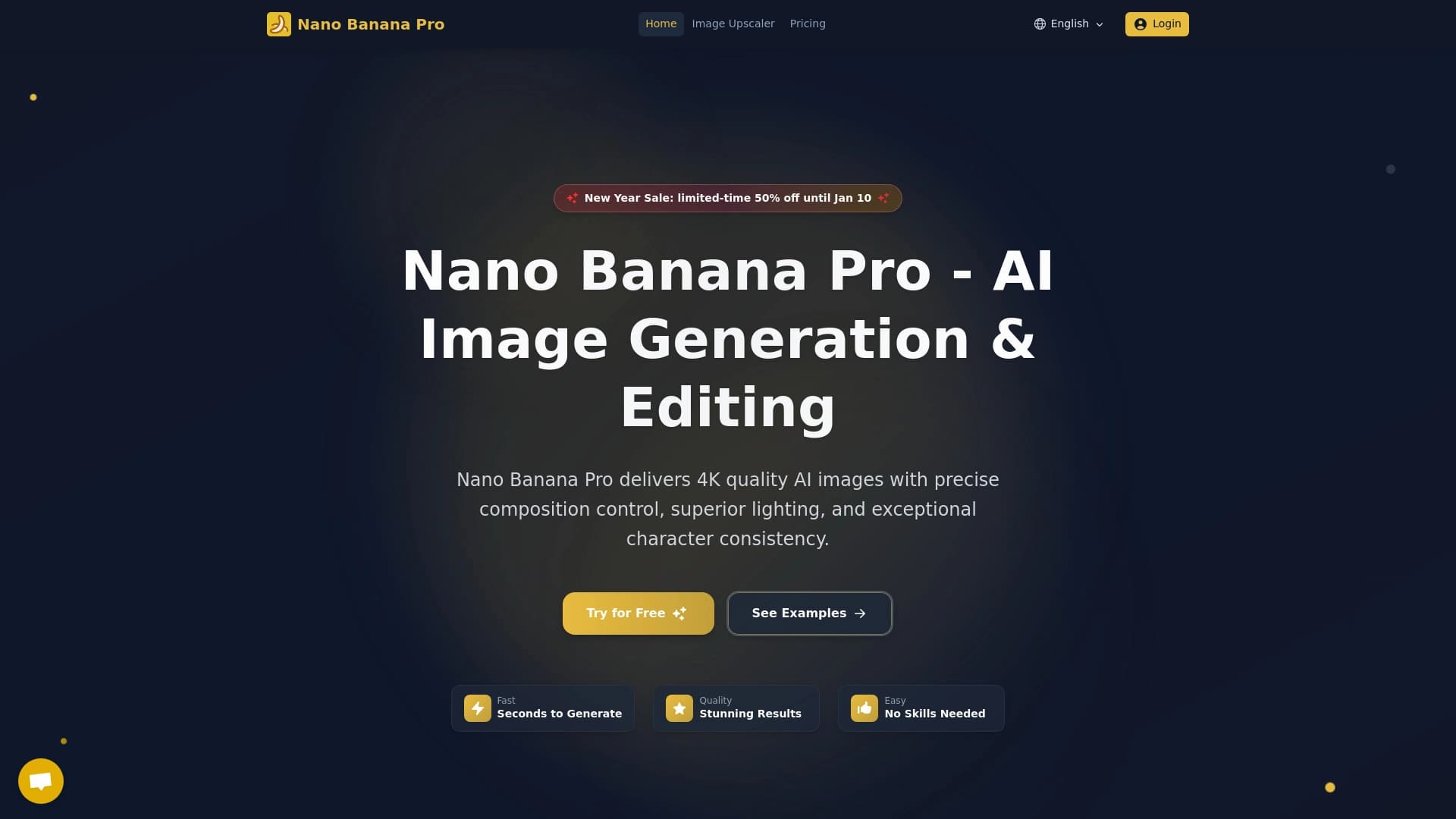

A tool for quickly generating and editing 4K images, supporting control over multiple reference images and a conversational mode.

Free stock photo library with AI-generated images curated by designers.