
MusicGen Large
Крупнейшая открытая модель генерации музыки от Meta AI с 3,3 миллиарда параметров, создающая композиции по текстовому описанию или на основе загруженной мелодии.
Обзор
MusicGen Large
Описание нейросети MusicGen Large
MusicGen Large — это крупнейшая открытая модель генерации музыки, разработанная Meta AI и выпущенная в июне 2023 года. Нейросеть содержит 3,3 миллиарда параметров и способна создавать инструментальные композиции как на основе текстового описания (режим text-to-music), так и путём аранжировки загруженной пользователем мелодии (режим melody-to-music).
Модель обучена на лицензионно чистом датасете объёмом 20 000 часов. Главная особенность MusicGen Large — полная открытость: исходный код распространяется под лицензией MIT, что позволяет бесплатно использовать нейросеть в любых целях, включая коммерческие. При этом максимальная длина одного сгенерированного фрагмента составляет около 30 секунд, а для комфортной работы настоятельно рекомендуется наличие GPU.
Характеристики MusicGen Large
| Характеристика | Значение |
|---|---|
| Тип | Генератор музыки |
| Разработчик | Meta AI |
| Дата выхода | 12 июня 2023 |
| Количество параметров | 3,3 миллиарда |
| Размер обучающего датасета | 20 000 часов |
| Лицензия | MIT (открытый исходный код) |
| Open Source | Да |
| Качество аудио | 32 кГц стерео |
| Максимальная длина генерации | 30 секунд |
| Наличие API | Да (через Replicate, HuggingFace Spaces) |
Для кого подходит нейросеть MusicGen Large?
Музыканты и композиторы
MusicGen Large может быть полезна музыкантам, которые хотят быстро набросать инструментальную основу для будущего трека, найти вдохновляющую аранжировку или продолжить существующую мелодию в неожиданном жанре. Режим continuation позволяет загрузить свою мелодию и получить несколько вариантов её развития.
Разработчики и создатели контента
Для разработчиков игр, видео-монтажёров и создателей подкастов модель подходит как бесплатный генератор фоновой инструментальной музыки. Открытая лицензия MIT позволяет использовать сгенерированные треки в коммерческих проектах без отчислений правообладателю.
Исследователи и энтузиасты машинного обучения
Благодаря доступности исходного кода и возможности локального запуска MusicGen Large активно используется в академических и любительских экспериментах. Сообщество выпускает fine-tuned версии модели, адаптированные под конкретные жанры и задачи.
Как использовать нейросеть MusicGen Large?
Локальный запуск через Python
Для установки и запуска MusicGen Large потребуется среда с Python. Установите пакет audiocraft командой pip install audiocraft. Затем в коде импортируйте MusicGen, загрузите модель facebook/musicgen-large, укажите длительность генерации (например, 30 секунд) и вызовите метод generate с текстовым промптом. Для работы на GPU рекомендуется CUDA 11.8 и новее, а также минимум 16 ГБ видеопамяти.
Использование через API и демо-версии
Если локальный запуск невозможен, модель доступна через API платформы Replicate (стоимость от $0,014 за запуск) и через бесплатное демо на HuggingFace Spaces. Эти варианты не требуют мощного оборудования и позволяют оценить возможности нейросети прямо в браузере.
Основные функции MusicGen Large
Генерация музыки по текстовому описанию
Пользователь вводит текстовый промпт на естественном языке с указанием желаемого жанра, настроения, темпа и инструментов, и модель создаёт соответствующий инструментальный фрагмент. Поддерживаются популярные жанры: поп, рок, джаз, электронная музыка, оркестровые аранжировки и многие другие.
Режим continuation (аранжировка мелодии)
MusicGen Large позволяет загрузить существующую мелодию и получить её продолжение или новую аранжировку. Модель анализирует структуру и стиль исходного аудио и создаёт композицию, гармонично развивающую загруженный материал.
Детерминированный вывод
При использовании одинакового текстового промпта и одного и того же seed нейросеть выдаёт идентичный результат. Это важно для задач, где требуется воспроизводимость: продакшен-работа, тестирование или серийная генерация похожих треков.
Преимущества MusicGen Large
Полностью открытый исходный код
Благодаря лицензии MIT нейросеть можно бесплатно использовать для любых целей, включая коммерческие. Отсутствие лицензионных отчислений и привязки к облачному сервису даёт пользователю полный контроль над инструментом.
Высокое качество аудио
MusicGen Large выдаёт стереофонический звук с частотой дискретизации 32 кГц. По заявлению разработчиков, аудио не содержит типичных для ранних генеративных моделей артефактов, что делает результаты пригодными для использования в проектах без дополнительной обработки.
Активное сообщество и fine-tuned версии
Вокруг MusicGen сложилось сообщество разработчиков, которые выпускают дообученные версии модели для конкретных жанров и задач. Это расширяет базовые возможности нейросети и позволяет получать более качественные результаты в узких музыкальных направлениях.
Недостатки MusicGen Large
Ограниченная длина генерации
Нативно модель создаёт фрагменты длиной до 30 секунд за один запрос. Для создания полноценных треков может потребоваться склеивание нескольких сгенерированных отрезков, что не всегда даёт плавный результат.
Отсутствие вокала
MusicGen Large генерирует исключительно инструментальную музыку. Если в проекте нужен вокал, его придётся добавлять отдельно или использовать другие нейросети.
Требовательность к оборудованию
Для генерации за разумное время необходим GPU с минимум 16 ГБ видеопамяти (например, от RTX 3080). На CPU или старых видеокартах процесс может быть слишком медленным.
Уступает коммерческим сервисам по качеству
Хотя MusicGen Large показывает достойные результаты, такие коммерческие аналоги, как Suno и Udio, предлагают более высокое общее качество генерации и поддержку вокала.
Какие задачи решает MusicGen Large
Создание инструментальных композиций по текстовому описанию
Нейросеть позволяет быстро получать инструментальные треки нужного жанра, темпа и настроения без навыков игры на музыкальных инструментах.
Продолжение и аранжировка загруженных мелодий
Пользователь может загрузить собственную мелодию и получить от модели несколько вариантов её развития или переосмысления в другой стилистике.
Воспроизводимая генерация для продакшена
Благодаря детерминированному выводу MusicGen Large подходит для задач, где требуется стабильный и повторяемый результат, — например, при интеграции в более крупные программные продукты или при серийном создании музыки под одинаковые условия.
Цены MusicGen Large
MusicGen Large полностью бесплатен. Модель распространяется с открытым исходным кодом под лицензией MIT, что не накладывает никаких финансовых обязательств на пользователя. API через платформу Replicate стоит от $0,014 за один запуск. Кроме того, доступно бесплатное демо на HuggingFace Spaces для ознакомления без установки.
Условия использования MusicGen Large
Модель распространяется под лицензией MIT, которая разрешает любое использование, включая коммерческое, без дополнительных отчислений. Обучающий датасет состоит из лицензионных треков, однако разработчики рекомендуют проверять выходные композиции на совпадение с защищёнными авторским правом произведениями — модель может случайно воспроизвести узнаваемые музыкальные фрагменты.
Доступность MusicGen Large
Нейросеть доступна через библиотеку HuggingFace Transformers и официальный репозиторий Meta AI — AudioCraft. Для локального запуска требуется компьютер с GPU, рекомендуется уровень RTX 3080 и выше. Модель также можно опробовать онлайн через демо-пространства HuggingFace Spaces и через API Replicate.
Чем отличается MusicGen Large от аналогов
MusicGen Large — это открытая модель, которую можно запустить локально без привязки к облачному сервису. Она генерирует только инструментальную музыку. В отличие от неё, Suno и Udio — закрытые коммерческие сервисы: они поддерживают вокал и выдают более качественный результат, но не распространяются в исходных кодах, не работают локально и требуют оплаты подписки или отдельных запусков. Главное преимущество MusicGen Large — полная свобода использования и отсутствие каких-либо платежей.
Заключение
MusicGen Large — мощная открытая нейросеть от Meta AI для генерации инструментальной музыки. Она предлагает два режима работы (по текстовому описанию и на основе загруженной мелодии), выдаёт качественное стерео-аудио и не требует лицензионных отчислений благодаря лицензии MIT. Основные ограничения — отсутствие вокала, максимум 30 секунд генерации за раз и необходимость GPU. Для задач, где нужна бесплатная локальная генерация инструментальной музыки, MusicGen Large остаётся одним из лучших открытых решений на рынке.
Тарифы
Часто задаваемые вопросы

Смотрите также
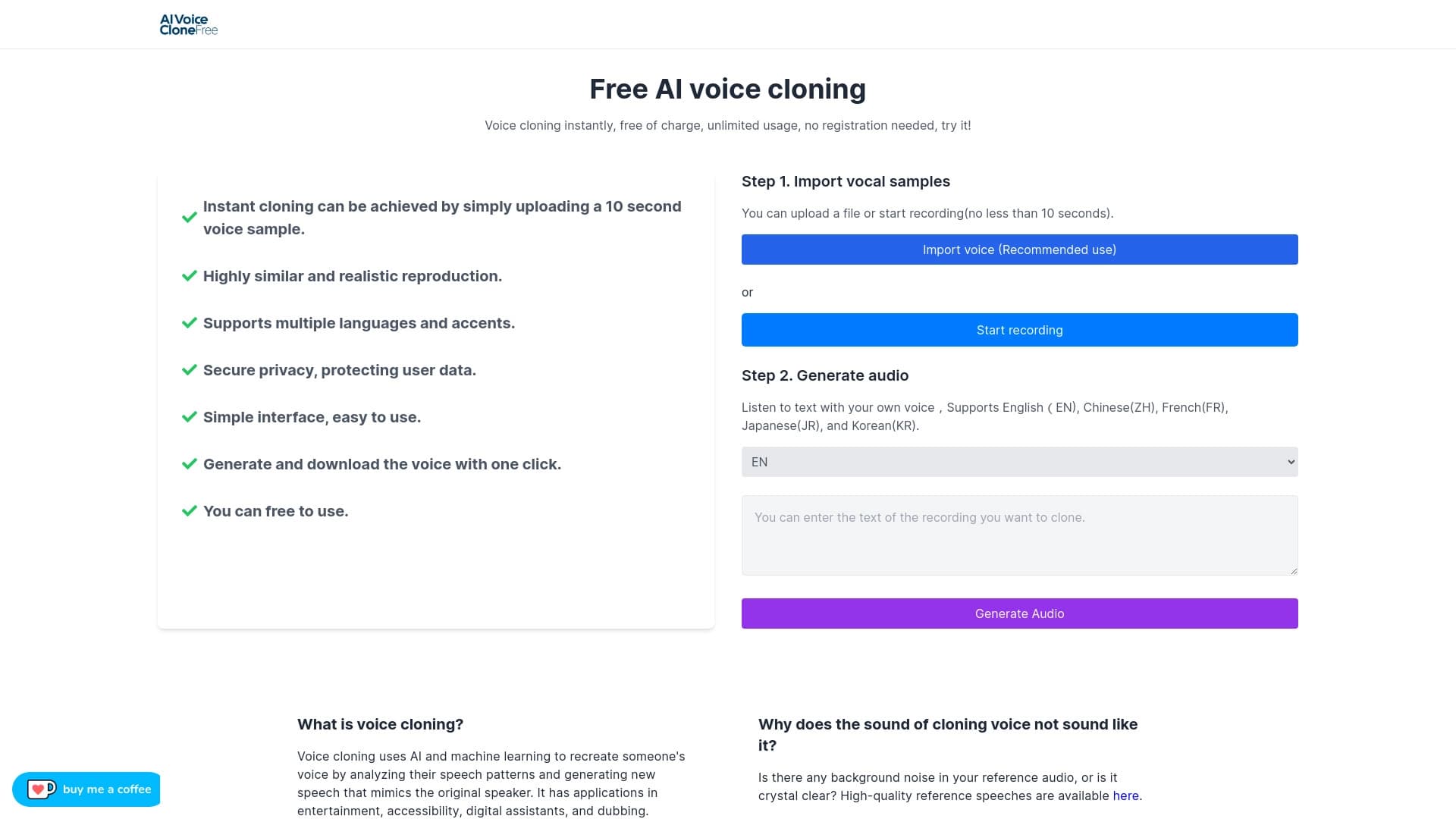
Онлайн-сервис для создания реалистичного клона голоса по короткой аудиозаписи и озвучивания текста.
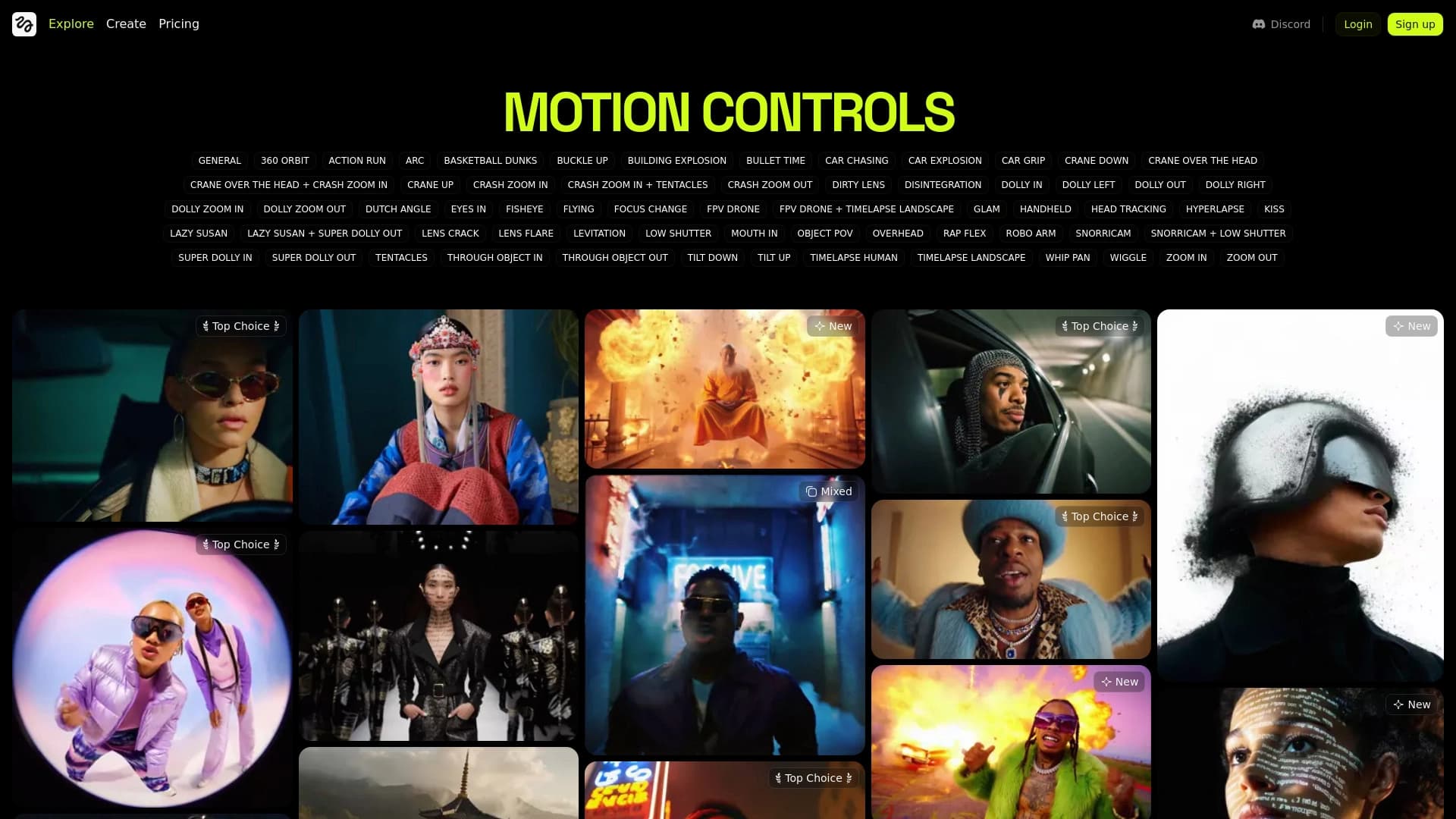

Генеративная платформа для создания реалистичных изображений и коротких видео из текста или изображений с управлением стилем и движением камеры.
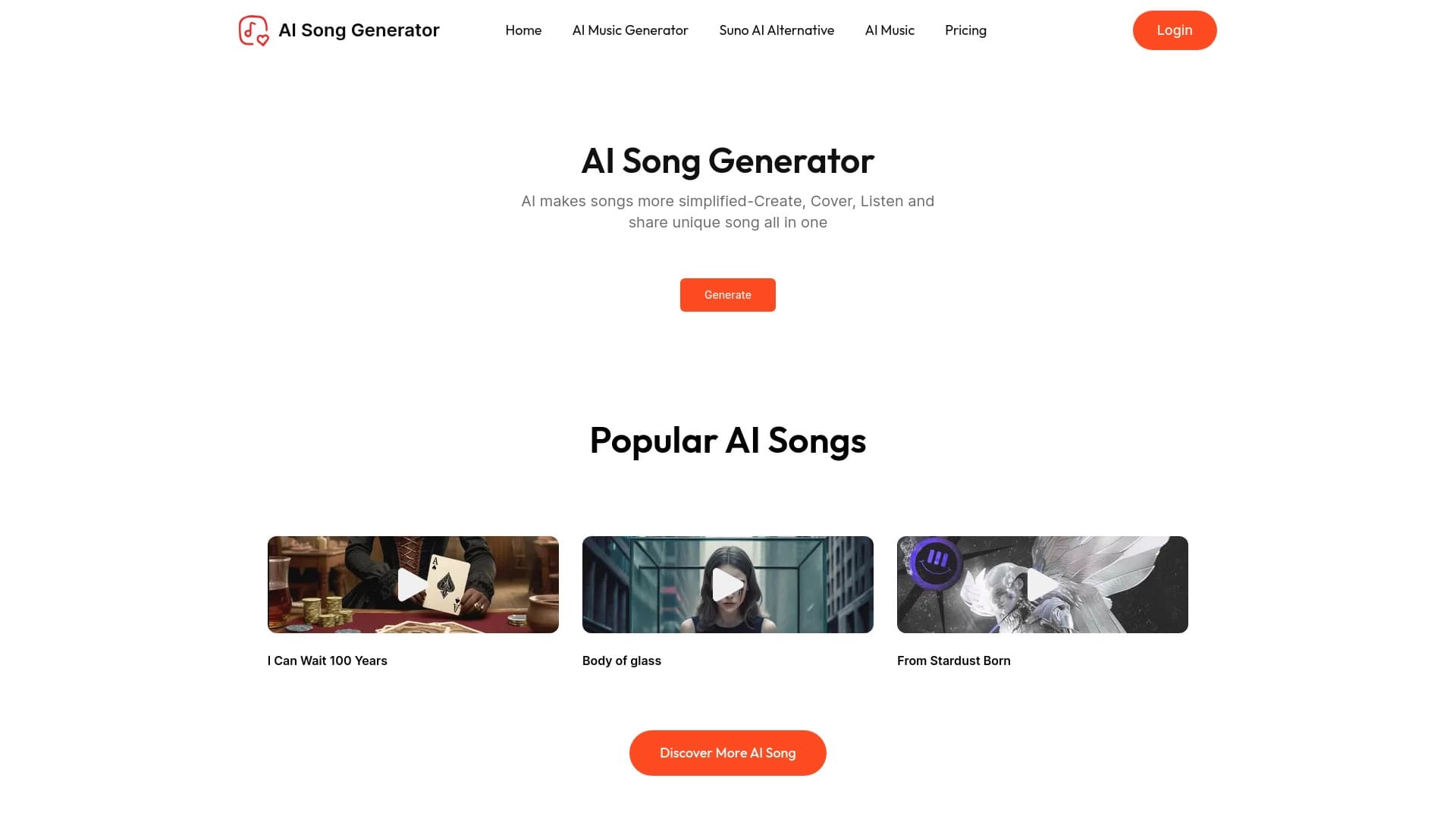
Онлайн-сервис, который с помощью ИИ создаёт песни и музыку, поддерживая как простые текстовые описания трека, так и загрузку собственных текстов.
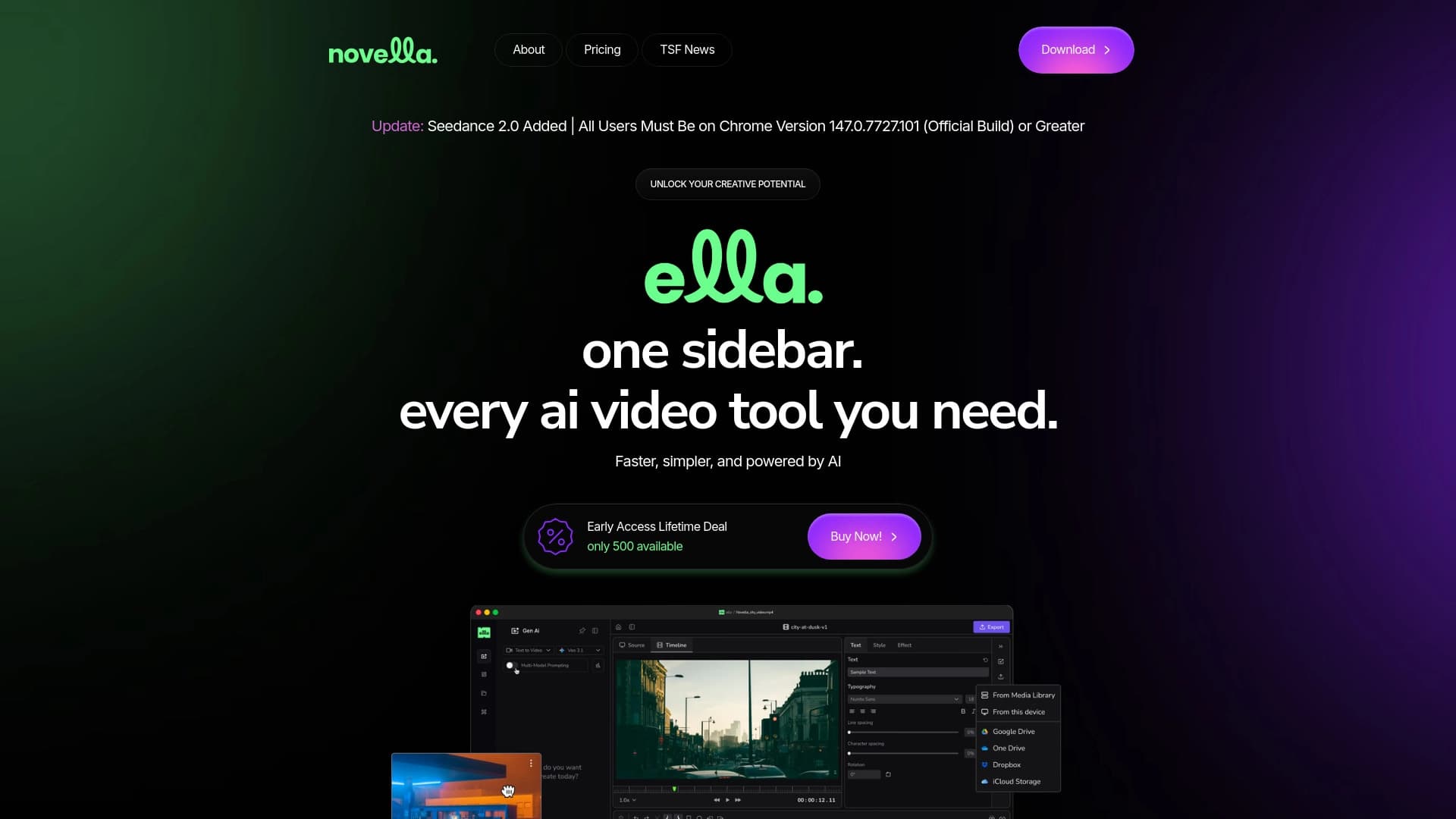

AI-платформа для создания и редактирования видео, работающая прямо в браузере Chrome.


Открытая платформа для генерации изображений и другого визуального контента по текстовым описаниям с помощью ИИ.
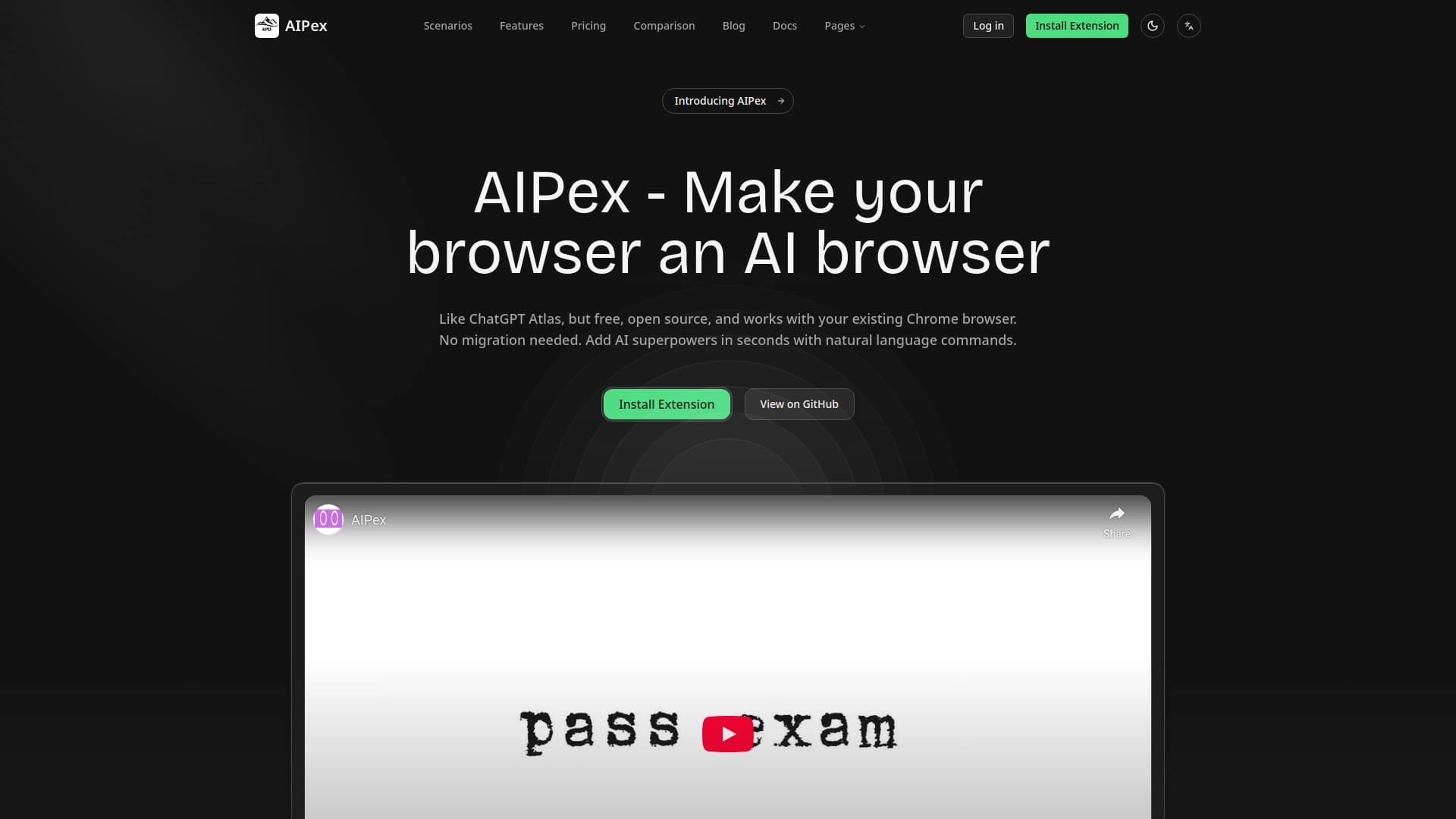

Расширение для Chrome, которое помогает управлять вкладками, историей и закладками с помощью ИИ-ассистента.


ИИ-ассистент для создания текстового контента, изображений и работы с голосом, ориентированный на русскоязычных пользователей.
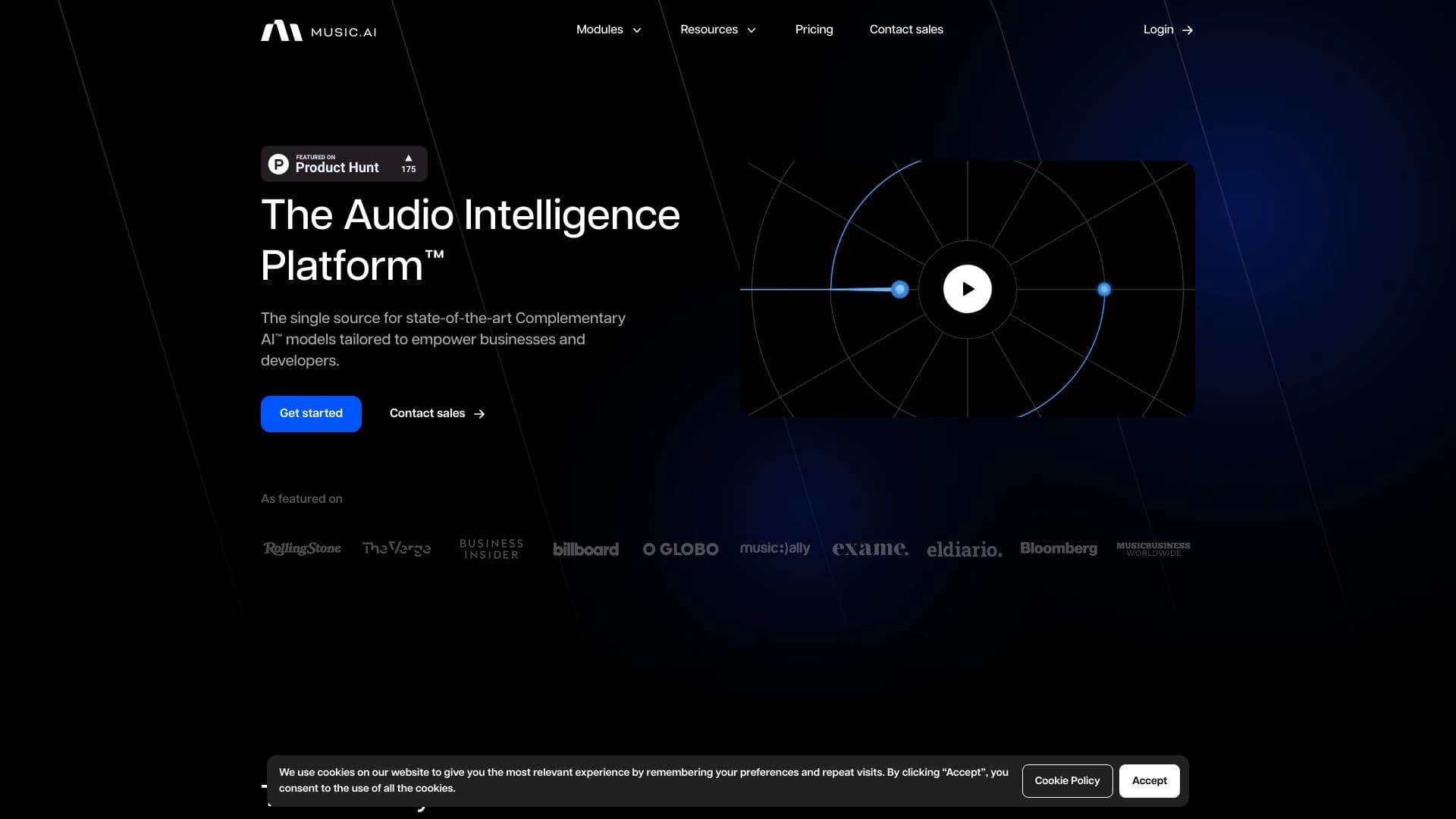
Платформа для профессиональной обработки аудио с AI-функциями разделения треков, мастеринга и изменения голоса.