
mlcourse.ai
An open machine learning course from the OpenDataScience community with theory and practical assignments on real data.
Overview
mlcourse.ai
About mlcourse.ai
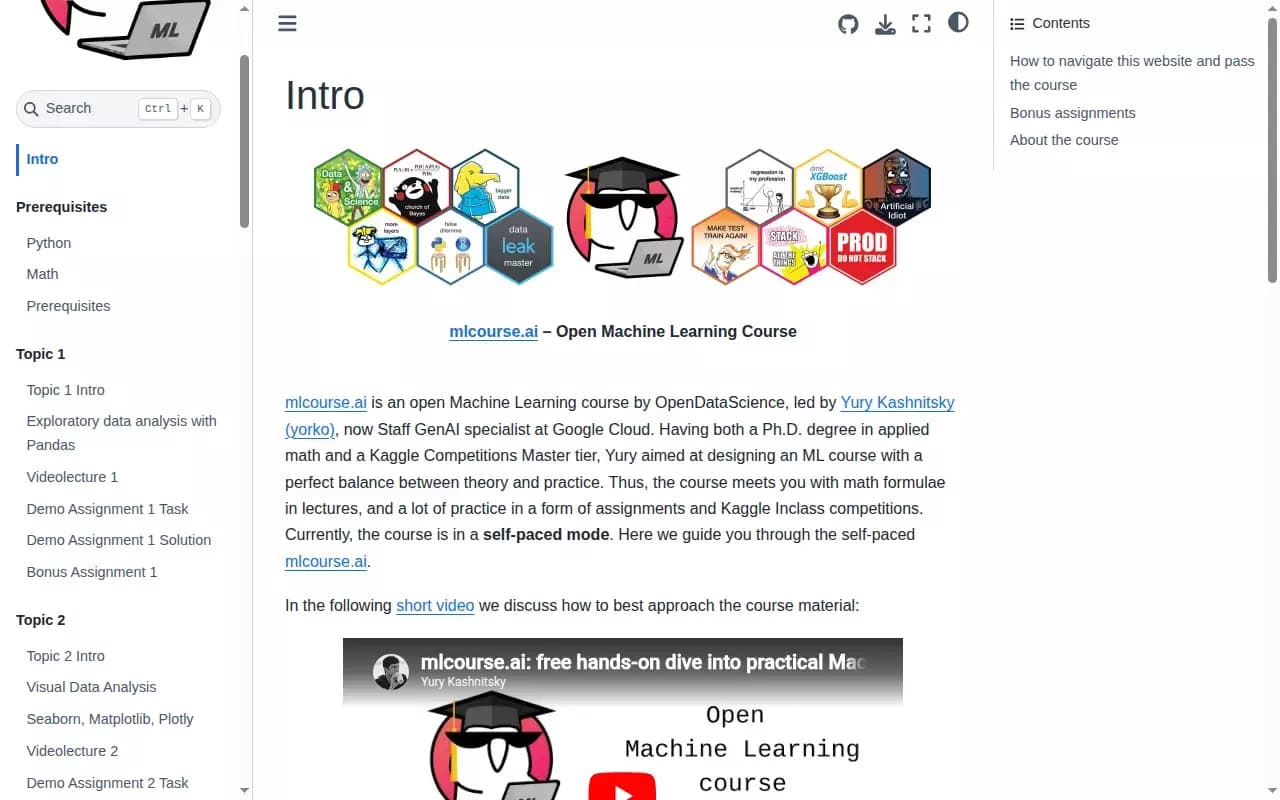
mlcourse.ai is an open online machine learning course created by the OpenDataScience community (ODS.ai). The course was authored by Yuri Kashnitsky, a recognized machine learning expert, Kaggle Competitions Master, and PhD. The course combines a theoretical foundation with formulas and practical assignments built on real-world data. The materials come in the form of a Jupyter book — an interactive book where code, charts, and text are combined into a single structure. The main course remains completely free, while an additional bonus assignment package with solutions is available for a separate fee.
Format and learning approach
Unlike traditional video courses, mlcourse.ai is structured as an interactive document. Students can not only read lessons but also run code, view visualizations, and experiment with data right away. This format makes it easier to move from theory to practice and reinforce the material with real-world examples.
The role of the community
The course was created and is maintained by the OpenDataScience community, one of the largest Russian-speaking Data Science communities. This affects the quality of the materials: they are reviewed by community members, and the source code is open on GitHub, where anyone can suggest edits or improvements.
mlcourse.ai Specifications
| Characteristic | Value |
|---|---|
| Type | Open online course |
| Categories | Developer tools, AI courses, Learning assistants, Free |
| Author | Yuri Kashnitsky |
| Organization | OpenDataScience (ODS.ai) |
| Business model | Free (main course), paid bonus assignments available |
| Material format | Jupyter book (interactive book) |
| Source code availability | GitHub with the ability to suggest edits |
| Material export | Markdown or PDF |
| Competitions | Kaggle Inclass |
Who is mlcourse.ai for?
Beginner Data Science professionals
The course is designed for those who are ready to systematically study machine learning — both the theoretical foundation and hands-on work with real data. The early topics cover data analysis with Pandas, so a basic knowledge of Python is enough to get started.
Practitioners who want to strengthen their portfolios
Thanks to Kaggle Inclass competitions and real-world data assignments, the course suits those who want to gain practical experience they can show to employers or use in their own portfolio.
Self-directed learners
Since the course works in a self-study mode, it suits people who are comfortable without a strict schedule or deadlines. All materials are available at any time, and the pace of study is set by the learner.
How to use mlcourse.ai
Self-paced mode
The course does not require fixed start dates or deadlines. You can begin at any time and work through the topics at your own pace. The site is built as a Jupyter book, meaning all pages are interactive: you can run code, change parameters, and see results immediately.
Navigating and working with materials
You can browse the course materials like an ordinary book. Each topic includes an introduction, reading recommendations, lectures, and assignments. If needed, you can download materials in Markdown or PDF format for offline study.
Contributing to the course
The course source code is hosted on GitHub. Anyone can suggest fixes, additions, or improvements via a pull request. This makes the course a living project that grows through community effort.
Key features of mlcourse.ai
Ten topic modules
The course covers 10 topics, from data analysis with Pandas to gradient boosting. Each topic includes an introduction, recommended additional reading, lectures, and practical assignments. This structure makes it possible to gradually increase complexity and reinforce what has been learned.
Competitions on Kaggle Inclass
The course includes competitions on the Kaggle platform in the Inclass format. This lets students apply their knowledge in a competitive setting and compare their results with other course participants.
Interactive Jupyter book
The main course interface is a Jupyter book, where code, charts, and text are combined into a single interactive environment. You can run examples, change parameters, and visualize results without switching between different tools.
Paid bonus assignments
For those who want more practice, the Bonus Assignments pack is available — an expanded set of tasks with ready-made solutions. This pack is the only paid component of the course.
Advantages of mlcourse.ai
The main course is completely and permanently free
The main mlcourse.ai course requires no payment and will remain free — the creators do not plan to turn it into a paid product. This makes quality machine learning education accessible to everyone.
Expert-level author
The course was created by Yuri Kashnitsky, a Kaggle Competitions Master and PhD. His experience and expertise are reflected in the depth of the theoretical materials and the quality of the practical assignments, setting the course apart from many amateur lesson collections.
Practice-oriented approach
Unlike purely theoretical courses, mlcourse.ai focuses on working with real-world data. Students do not just study algorithms but also apply them to tasks that closely resemble what is done in the industry.
Disadvantages of mlcourse.ai
No structured teacher support
The course operates in self-study mode. There are no mentors, teacher-reviewed homework, or organized webinar schedules. This may be inconvenient for those used to a classic academic format with feedback from an instructor.
Not all information is publicly available
Some materials (the bonus assignments with solutions) are only available through a paid subscription. The free course provides a solid foundation, but deeper hands-on practice may require an additional fee.
What tasks does mlcourse.ai solve?
Learning machine learning from beginner to advanced level
The course is designed to take students from the basic concepts of data analysis to complex algorithms such as gradient boosting. It is a complete educational path for a beginning specialist.
Gaining practical skills in data analysis and model building
Real-world assignments and Kaggle competitions build practical skills that are directly applicable to a Data Scientist's work: data cleaning, feature engineering, model selection and tuning, and quality evaluation.
Preparing for machine learning competitions (Kaggle)
A dedicated section with Kaggle Inclass competitions prepares students for real tournaments on the Kaggle platform, helping them master the format and methodology of competitive Data Science.
Pricing for mlcourse.ai
The main mlcourse.ai course is completely free. All lectures, assignments, and Jupyter book materials are available without any payment. The only paid option is the Bonus Assignments pack, which includes improved versions of assignments with ready-made solutions. The subscription fee is modest and covers recurring costs. Revenue from paid subscriptions goes toward hosting and course maintenance, as well as serving as a thank-you to the author for their work.
Terms of use for mlcourse.ai
The course works exclusively in self-study mode — without fixed start dates, instructors, or deadlines. To access the paid bonus assignments, you need to take out a paid subscription. The bonus pack materials are protected by copyright and may not be freely distributed. The main course materials (lectures and free-pack assignments) remain openly available.
Availability of mlcourse.ai
The course is available through a website built as a Jupyter book. All materials are also hosted on GitHub, where you can track changes and take part in development. There is no information about regional restrictions, and VPN use is not mentioned — the course is available to users in any country without additional setup.
How mlcourse.ai differs from similar products
Distribution model
Unlike many commercial educational platforms, mlcourse.ai follows a freemium model: the main course remains completely free and open. Payment is only charged for the additional bonus assignment pack, which sets it apart from services with fully paid subscriptions (for example, WAAS, Buzz, Podcastle, and Genie by Cosine AI).
Jupyter book format
Most online machine learning courses use video lectures or static texts. mlcourse.ai offers an interactive Jupyter book format, where code and theory live in the same document. This shortens the path from studying material to applying it in practice.
Community as the driving force
The course was created and is maintained by the OpenDataScience community rather than a commercial company. The source code is open on GitHub, and any participant can propose changes. This approach ensures high-quality, up-to-date materials, while keeping the course independent of any single developer's business interests.
Conclusion
mlcourse.ai is a free, open machine learning course from the ODS.ai community that combines theory with practice on real-world data. The course is led by a recognized expert, and all materials are available in the interactive Jupyter book format. The main course remains free, and the creators do not plan to make it fully paid. For those who want to deepen their skills, a pack of bonus assignments with solutions is available. mlcourse.ai will be useful both for beginners looking for a structured foundation and for practicing analysts who want to improve their real-world data skills and prepare for Kaggle competitions.
Pricing
Frequently asked questions
See also
Multifunctional AI platform for content creation, combining speech synthesis, text generation, avatar creation, and video editing.
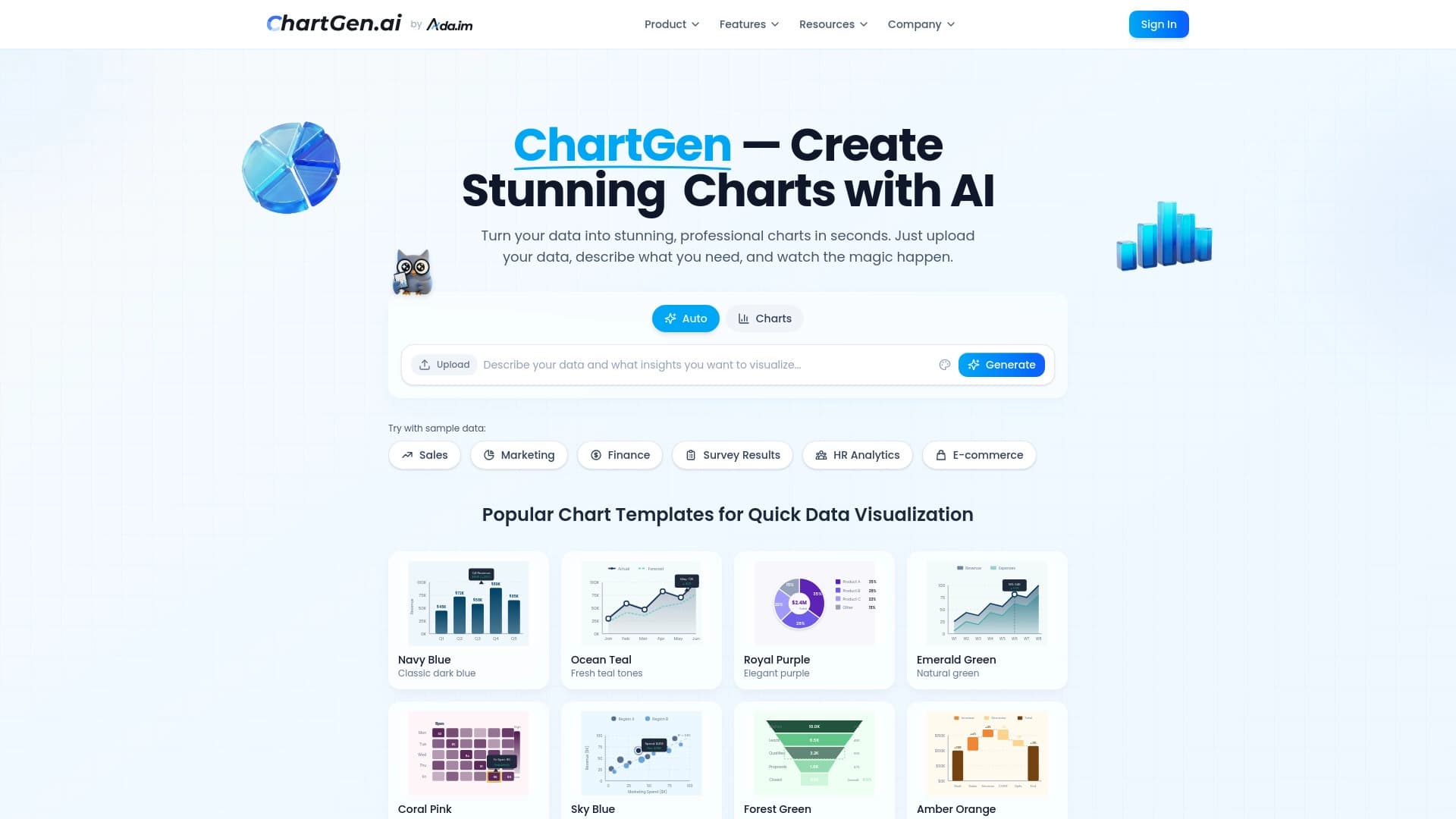

Diagram and chart generator from uploaded data based on a natural language text description.

Terminal AI agent for programming that dynamically adapts to developer tasks.
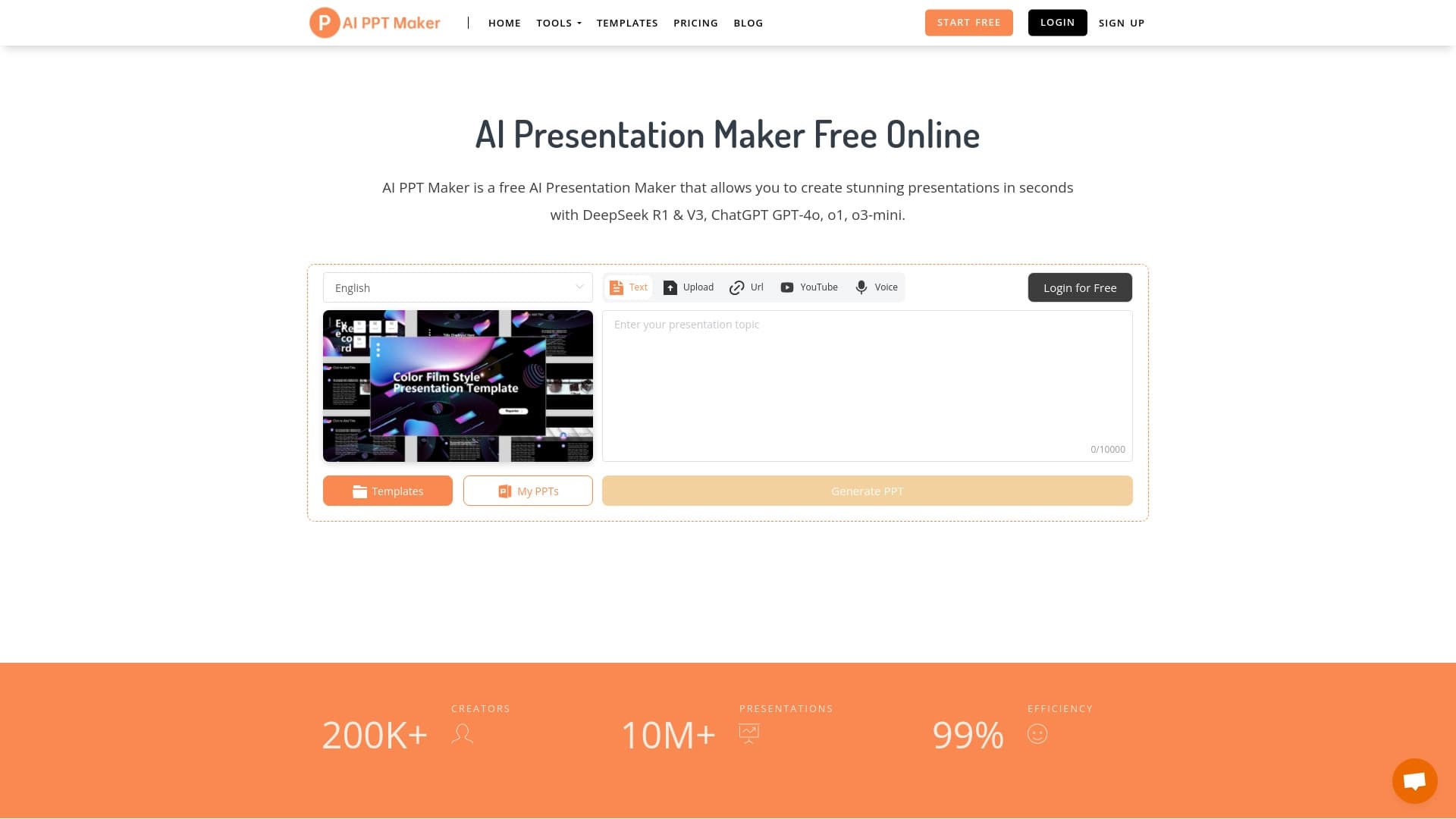

AI-powered online service for automatically creating presentations from text, PDF, audio, video, or URL links.

AI assistant for automating retail tasks and optimizing call center operations.
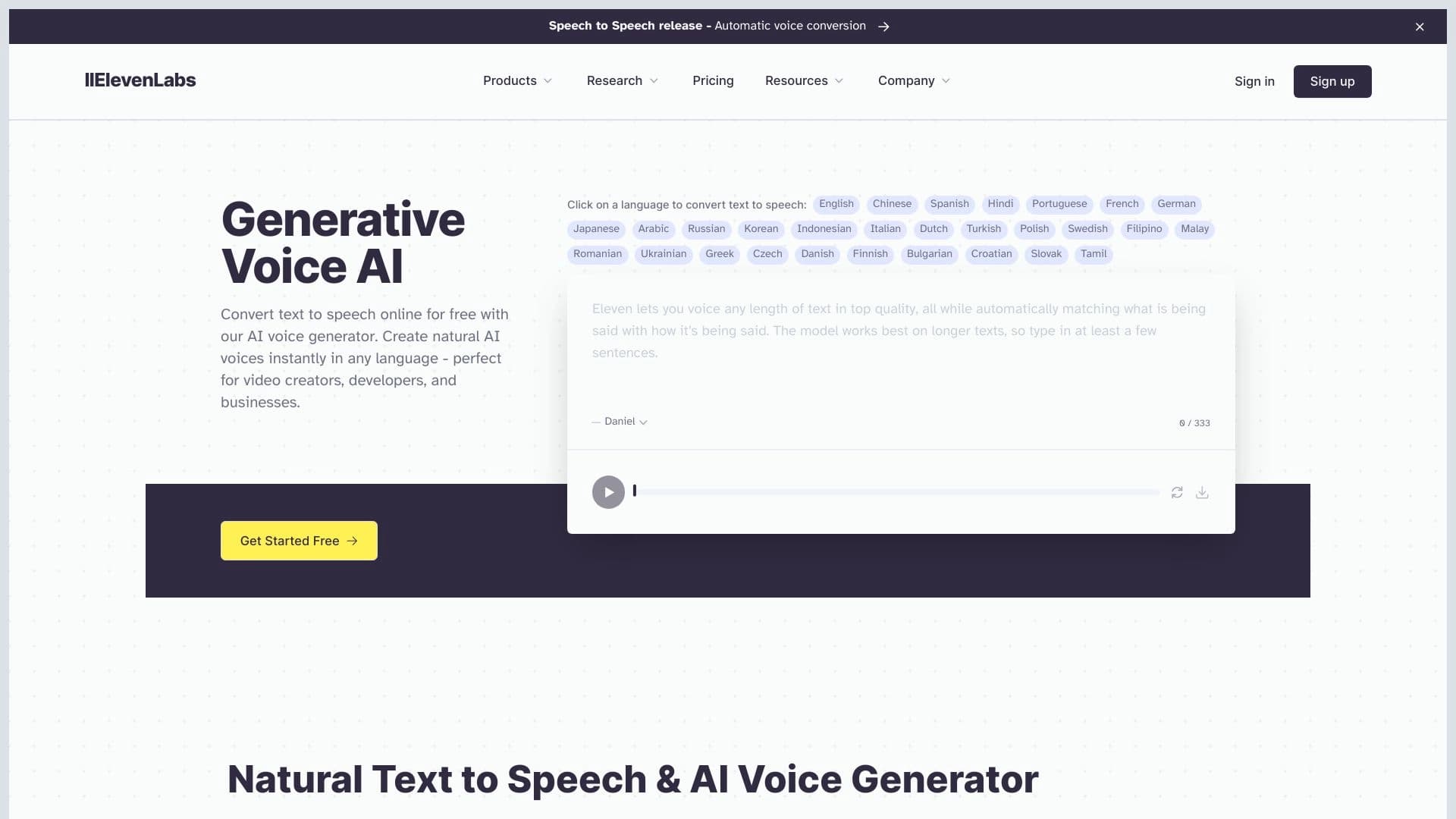
AI platform for voice synthesis and cloning that converts text into realistic speech.
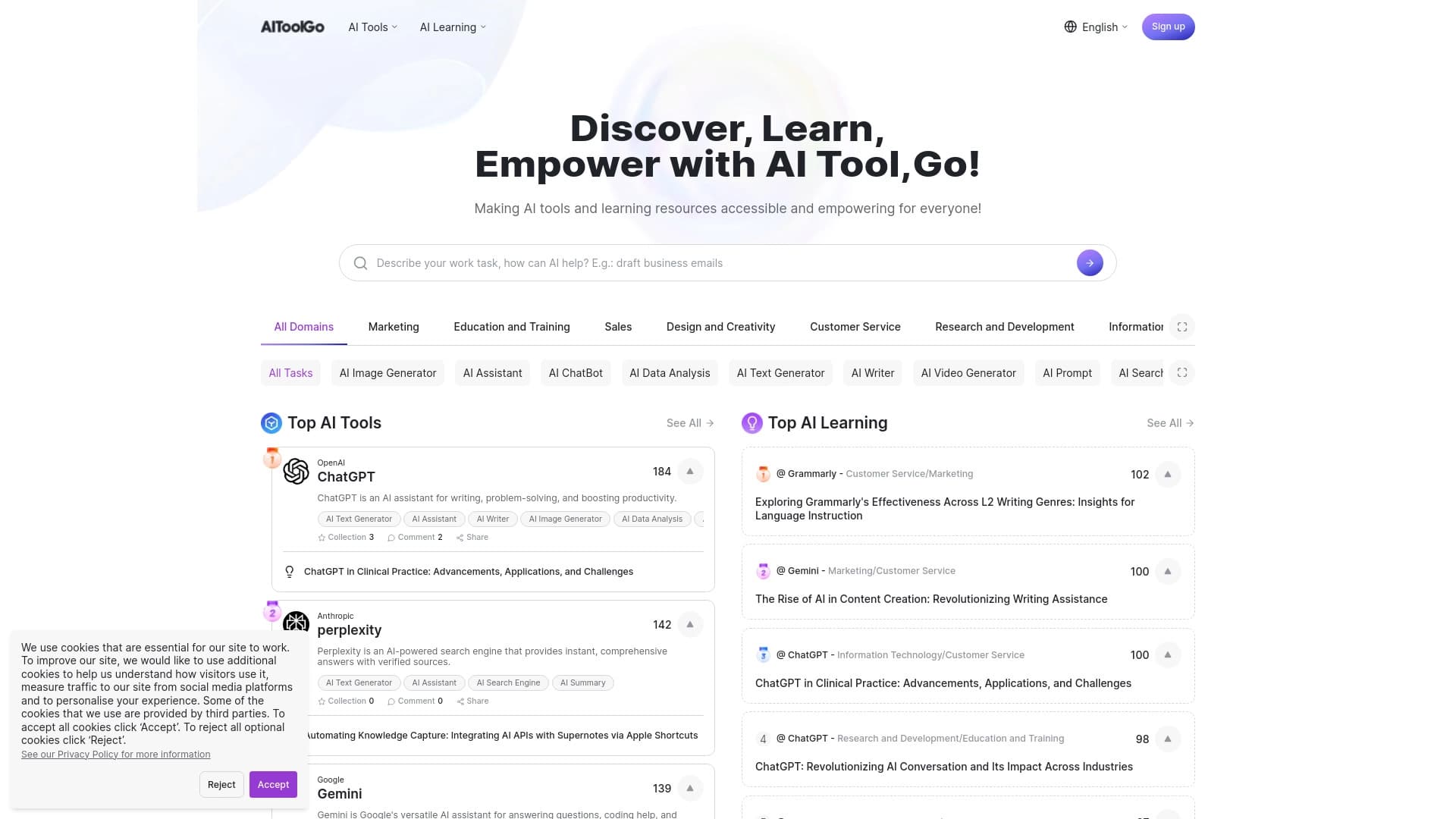
Catalog of AI tools with educational materials and guides for selecting neural networks.

Web service for generating images from text descriptions and communicating with virtual characters.