
Mission-X
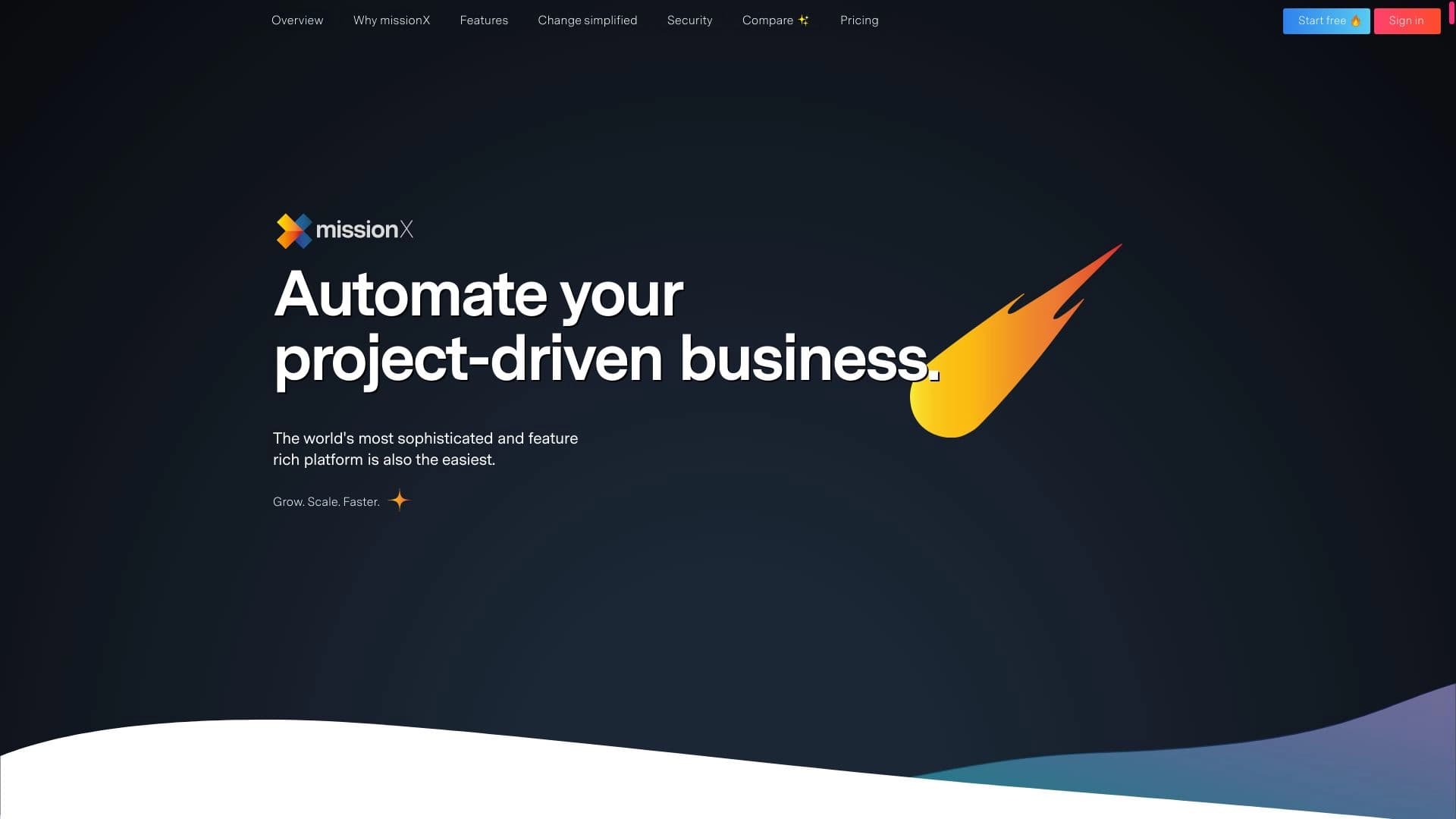
AI-powered platform for project and resource management.
Overview
Mission-X is a platform built on artificial intelligence technologies designed for managing a company's projects and resources. The service's main goal is to relieve teams of routine administrative burdens and provide tools for more accurate planning.
Instead of the traditional approach where a manager manually assigns tasks and tracks deadlines, Mission-X automates these processes. The system analyzes current employee workloads and helps make decisions on how to most effectively distribute working hours across tasks. The platform is positioned as a solution for organizations focused on improving efficiency and optimizing internal processes.
Core Approach
The platform's main idea is the shift from reactive management (where problems are solved as they arise) to proactive management. The AI analyzes project data, predicts potential bottlenecks, and suggests optimal resource allocation scenarios. This allows teams not just to track progress, but also to prevent missed deadlines in advance.
Mission-X Features
| Feature | Value |
|---|---|
| Product Type | SaaS platform for project management |
| Core Technology | Artificial intelligence and optimization algorithms |
| Primary Purpose | Resource planning and allocation, workload monitoring |
| Target Audience | Organizations and teams working on projects |
| Key Feature | Automation of routine management tasks |
| Distribution Model | Not specified (requires clarification from the developer) |
Who is Mission-X suitable for?
Project Managers and Department Heads
The tool will be useful for those responsible for final results and deadlines. Mission-X helps managers see the real picture of employee workloads rather than relying on intuition. This enables informed decisions about priorities and deadlines.
Mid-Sized and Large Business Teams
Companies running multiple projects simultaneously with the same specialists often face conflicting priorities. Mission-X helps synchronize resources and avoid situations where one employee is overloaded while another is idle.
Automation-Focused Organizations
Suitable for companies already using digital tools that want to take them to the next level. If standard task trackers can no longer handle the volume of data and manual planning, an AI-based platform becomes the logical next step.
How to use Mission-X?
Setup and Launch
To get started, the platform needs to be integrated into the team's current processes. This typically involves uploading data about employees, their skills, and current projects. The system requires initial configuration so the AI can correctly analyze workloads.
Daily Management
In day-to-day work, managers interact with the interface to manage tasks. Instead of manually rescheduling deadlines or assigning assignees, users set goals, and the platform suggests resource allocation options. Progress tracking is done in real time, allowing quick responses to deviations from the plan.
Key Mission-X Features
- Planning Optimization. The AI helps create work schedules, taking into account employee availability and task priorities.
- Workload Monitoring. The system shows in real time who on the team is overloaded and who has free time for new tasks.
- Routine Automation. The platform handles generating project status reports and reminders about upcoming deadlines.
- Progress Tracking. Allows you to see the dynamics of work completion across each area, simplifying control at all stages.
Mission-X Advantages
Increased Efficiency
Using AI for planning reduces the time managers spend on administrative work. This allows them to focus on more important strategic tasks, and helps employees avoid firefighting caused by uneven workloads.
Data Transparency
The platform provides a unified view across all projects and resources. Managers see objective workload data, which reduces conflicts and misunderstandings within the team.
Process Automation
Manual spreadsheet and task list management is replaced by automatic algorithms. This reduces errors related to human factors and speeds up information exchange within the team.
Mission-X Disadvantages
Currently, public sources do not contain detailed information about the platform's weaknesses. However, like any AI-based tool, Mission-X may require adaptation from the team. Implementing a new management system always involves staff training and potential resistance to change. Technical requirements and integration capabilities with other popular services are also unknown, which should be clarified during testing.
What problems does Mission-X solve?
Problem 1: Uneven workload. The system identifies overloaded employees and suggests redistributing tasks so that all team members work in a balanced way.
Problem 2: Missed deadlines. Through automatic monitoring and analytics, the platform helps identify risks of missing deadlines in advance and adjust plans before the problem becomes critical.
Problem 3: Slow planning. AI algorithms significantly speed up the process of creating schedules and allocating resources, which can take hours or even days when done manually.
Mission-X Pricing
Based on available data from official sources, information about the cost of using Mission-X is unavailable. To get current pricing and terms, you need to contact the platform developers directly or request a commercial proposal on the product's official website. The price likely depends on team size and the set of required features.
Mission-X Terms of Use
Details about the license agreement, technical requirements, and service terms are not disclosed in public sources. Potential customers should review the terms on the official website. Registration and a standard SaaS service agreement are likely required. The distribution model also remains unclear, making it essential to clarify details before starting to work with the platform.
Mission-X Availability
Information about Mission-X's availability in different world regions and supported interface languages is limited. Currently, the platform is presented online with an English-language description, which may indicate a focus on the international market. For accurate availability data in your country, it is recommended to contact the product team directly.
How Mission-X differs from alternatives
The key difference between Mission-X and classic project management systems (such as Trello or Asana) lies in the use of artificial intelligence for decision-making. While regular task trackers merely visualize tasks and deadlines, Mission-X actively participates in the planning process and suggests optimal resource allocation solutions.
Unlike traditional software where the manager manually balances employee time against project requirements, here algorithms handle this. This shifts the focus from manual control to strategic management. The service is aimed not at simply tracking tasks, but at workload analytics and preventing problems before they arise, making it a more advanced tool for mature organizations.
Conclusion
Mission-X is a modern solution for organizations seeking to improve project management efficiency through automation and artificial intelligence. The platform takes on resource planning and control functions, allowing teams to focus on completing tasks. However, public data about the product is limited: pricing, exact terms of use, and regional availability are unknown. To make an informed decision about implementation, it is worth requesting demo access and clarifying all technical details with the developers.
Frequently asked questions
See also
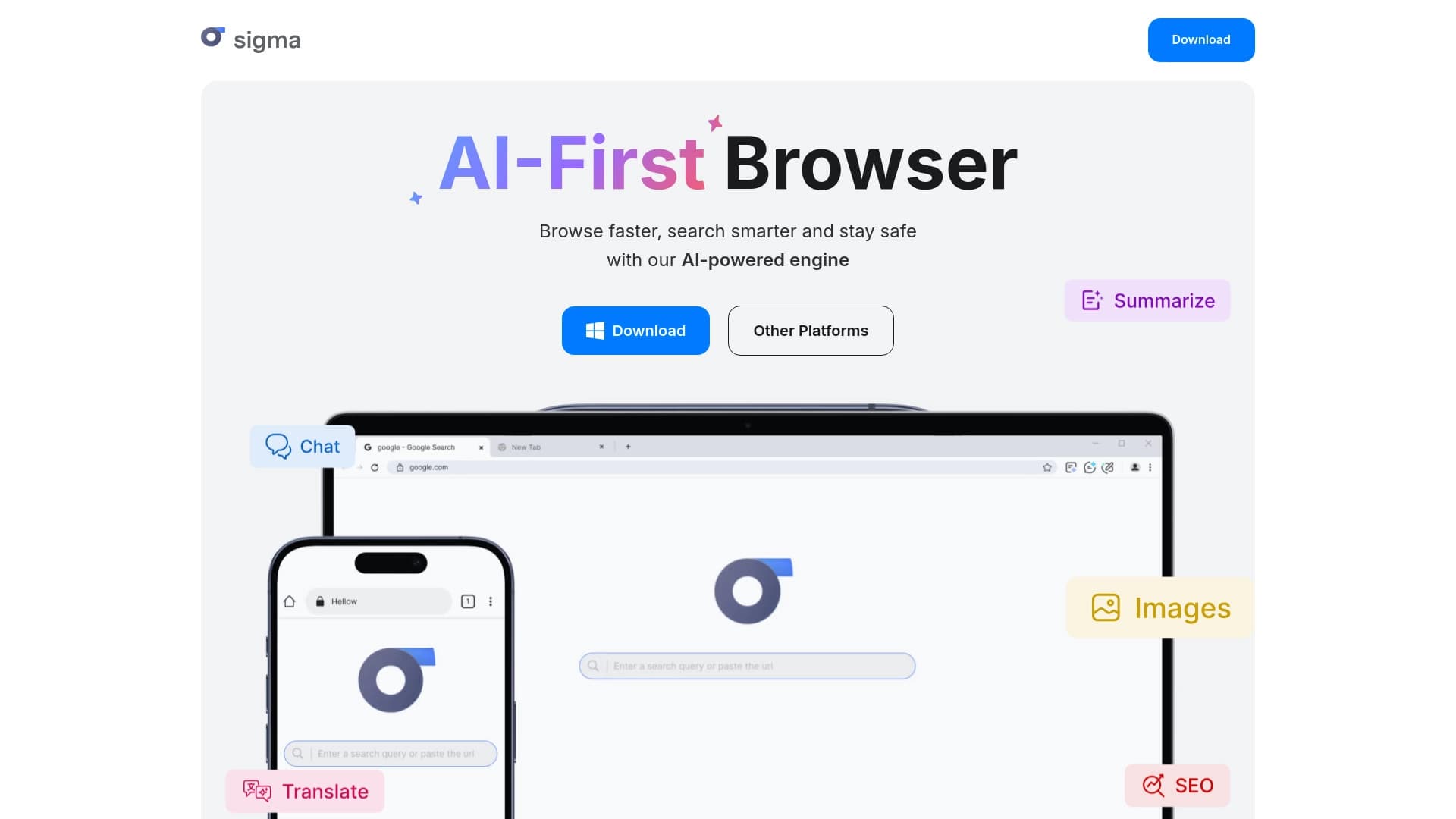

A browser with built-in AI tools for chatting with neural networks, generating texts and images, translating and summarizing pages.
AllChat is a universal platform that combines several popular language models in a single interface for communication, image generation, file analysis, and code execution.
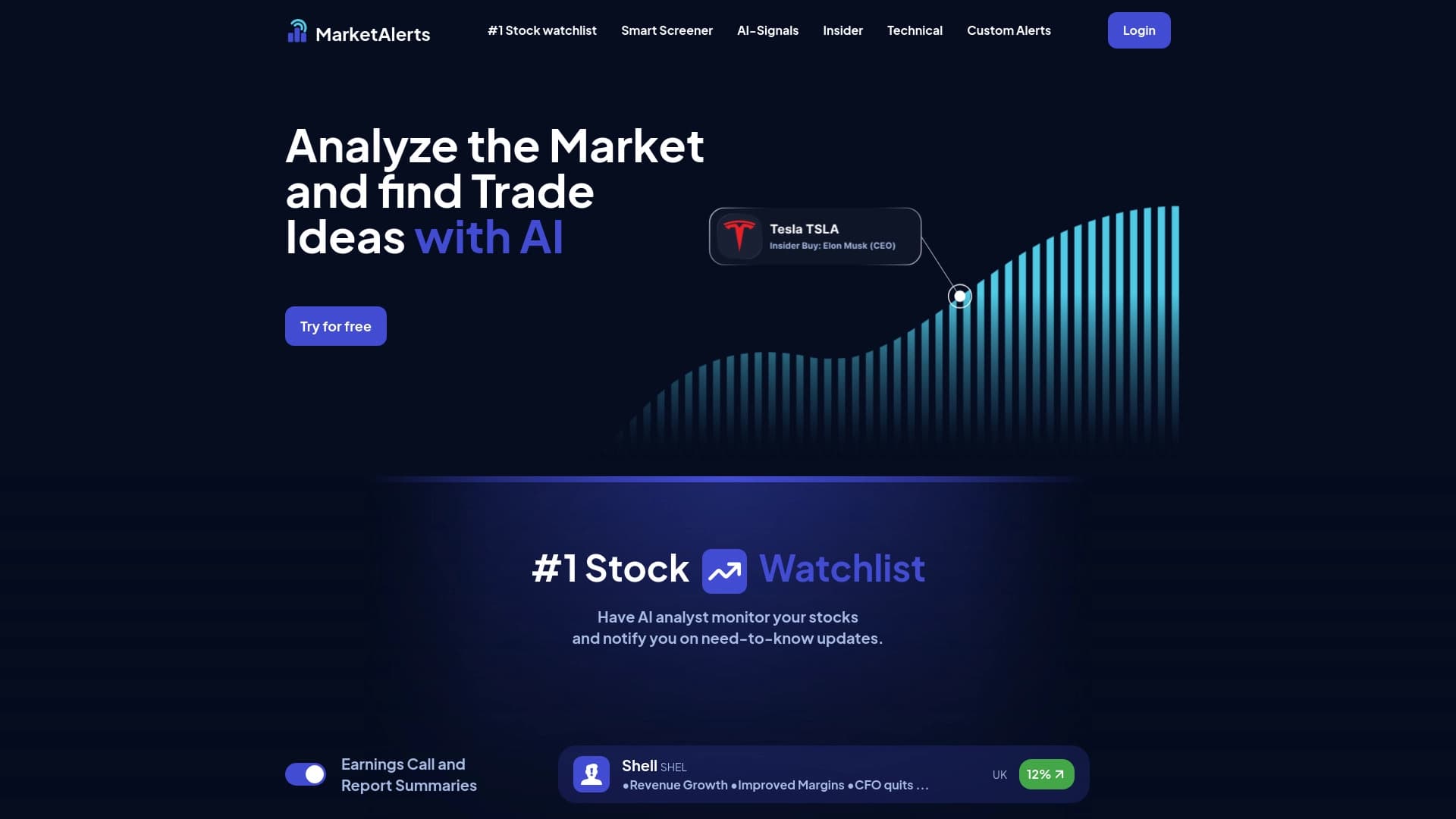

AI-powered platform for monitoring and aggregating market data, news, and social media discussions for investors.

AI agent for automating customer communications and support.

A multifunctional AI assistant for chat, text and image generation, translation, and programming help.
AI logo generator that creates unique variations in minutes.
A platform for aggregating world news using AI to analyze and reduce bias.

A platform combining over 200 AI tools for content generation and workflow automation.