

Kin AI
Personal AI assistant for everyday tasks, self-development, and emotional support.

Overview
Kin AI is a personal digital assistant designed for everyday use. Unlike simple voice assistants or bots, Kin AI emphasizes deep personalization through memory technology. The tool uses two types of memory: semantic (understanding facts about the user) and episodic (remembering events and conversations). This allows the assistant to better understand task context over time and provide more accurate recommendations.
At the current stage, Kin AI is in open beta testing. The assistant's architecture was designed with security as a priority from the start: all dialogues and user data are encrypted and stored locally on the device, eliminating the transfer of personal information to external servers without the owner's knowledge.
Kin AI Features
| Feature | Value |
|---|---|
| Type | Interactive assistant |
| Category | Assistants |
| Business model | Freemium (in beta — contact the developers) |
| Status | Open beta testing |
| Memory | Semantic + episodic |
| Data storage | Local, encrypted |
| Pricing | Not announced until the final release |
Who is Kin AI suitable for?
For people who value privacy
Kin AI is aimed at users who are not willing to sacrifice confidentiality for convenience. Local data storage and encryption make it a suitable tool for those who want to keep personal journals, reflect on feelings, or plan tasks without fear of leaks.
For those working on self-improvement
The assistant is useful for people who strive to structure their thoughts, set goals, and engage in emotional reflection. Built-in memory helps notice recurring patterns in mood and behavior, contributing to more conscious decision-making.
For busy professionals
For people with tight schedules, Kin AI can help organize tasks and manage time. Since the assistant remembers conversation context, there is no need to repeat all details with each new request.
How to use Kin AI?
Getting started: beta access
Currently, the only way to try Kin AI is to join the open beta testing. To do this, you need to contact the developers through the project's official website to gain access to the current version.
Everyday interaction
During use, Kin AI accumulates information about your preferences, mood, and plans. You can have conversations with it as with an interlocutor who doesn't need everything explained from scratch. The assistant can remind you of tasks, help you process emotional states, or simply structure thoughts in a safe space.
Working with data
The user has full control over their data: it never leaves the device, meaning the usage process does not require sharing sensitive information with third parties.
Key features of Kin AI
Smart memory
- Semantic memory: accumulates knowledge about preferences and context.
- Episodic memory: records events and interactions to create dialogue continuity.
Organization and time management
The assistant helps the user plan their day, set priorities, and track task completion without the complex interfaces of task managers.
A safe space for thoughts
Kin AI acts as a confidential conversational partner where you can write down ideas, doubts, or concerns without fear of unauthorized access.
Emotional support
The tool helps the user better understand their feelings and analyze emotions, contributing to improved psychological well-being in the long term.
Kin AI advantages
- Strict confidentiality: all data is stored locally on the user's device and encrypted — this eliminates unauthorized access and makes it suitable for working with sensitive information.
- Deep personalization: thanks to semantic and episodic memory, every piece of advice and recommendation is tailored to the specific user, their mood, and life events.
- Comprehensive approach: the assistant combines the functions of an organizer, a psychologist, and a self-development tool in one interface, eliminating the need to use several different applications.
Kin AI disadvantages
- Uncertain pricing: the cost of the final version has not yet been announced, so potential users cannot plan their budget in advance.
- Beta status: the product is not yet ready for final release, which may mean bugs or functional limitations at the current stage.
What tasks does Kin AI solve?
Emotional support and self-understanding
Kin AI helps users make sense of their own experiences, contributing to emotional balance and reduced stress levels.
Task and time management
The tool takes over the routine of planning, helping you not forget anything and effectively prioritize throughout the day.
Structuring thoughts and decision-making
A safe environment allows you to offload scattered ideas, analyze them, and arrive at informed conclusions.
Self-improvement
The assistant's memory allows tracking personal progress, noticing useful habits, and adjusting behavior to achieve goals.
Kin AI pricing
At the open beta testing stage, monetization terms have not been defined. According to information on the official website, you need to contact the developers to clarify pricing. The project team promises that the final cost will be affordable, but specific figures are not disclosed at this time.
Kin AI terms of use
Kin AI is currently distributed under an open beta testing model. This means anyone can try the tool's functionality and contribute to product improvement by reporting bugs or suggesting new features. The exact end date of beta testing and the transition to the final release have not been disclosed.
Kin AI availability
Kin AI is available through an open beta program for anyone interested. To start using the assistant, you need to submit a request or contact the development team through the official website. There are no geographical restrictions described in the stated terms, although the exact list of supported countries is not specified. The product version at the current stage may have platform limitations — details about mobile apps or a web version are not provided in the sources.
How Kin AI differs from alternatives
The main difference between Kin AI and other assistants (for example, LoveGPT) lies in its fundamental approach to privacy and memory architecture.
- Local storage: most AI assistants process data on cloud servers. Kin AI stores all information locally, eliminating the risk of leaks in the event of a server breach.
- Episodic memory: while many assistants only remember facts, Kin AI records sequences of events and emotional context, creating a continuous picture of the user's life.
- Focus on emotional health: the tool is designed not just as an organizer but as a conversational partner for reflection and self-discovery, whereas alternatives are more often oriented toward entertainment or strictly functional tasks.
Conclusion
Kin AI is a next-generation digital assistant that combines care for psychological well-being, time management, and self-development. Its key feature is a smart memory system that operates entirely on the user's device, guaranteeing complete privacy. Despite the product being in beta testing and final pricing not yet disclosed, the Kin AI concept looks promising for those seeking a secure AI companion for everyday life.
Frequently asked questions
See also


AI-powered toolkit for optimizing workflows and boosting productivity.
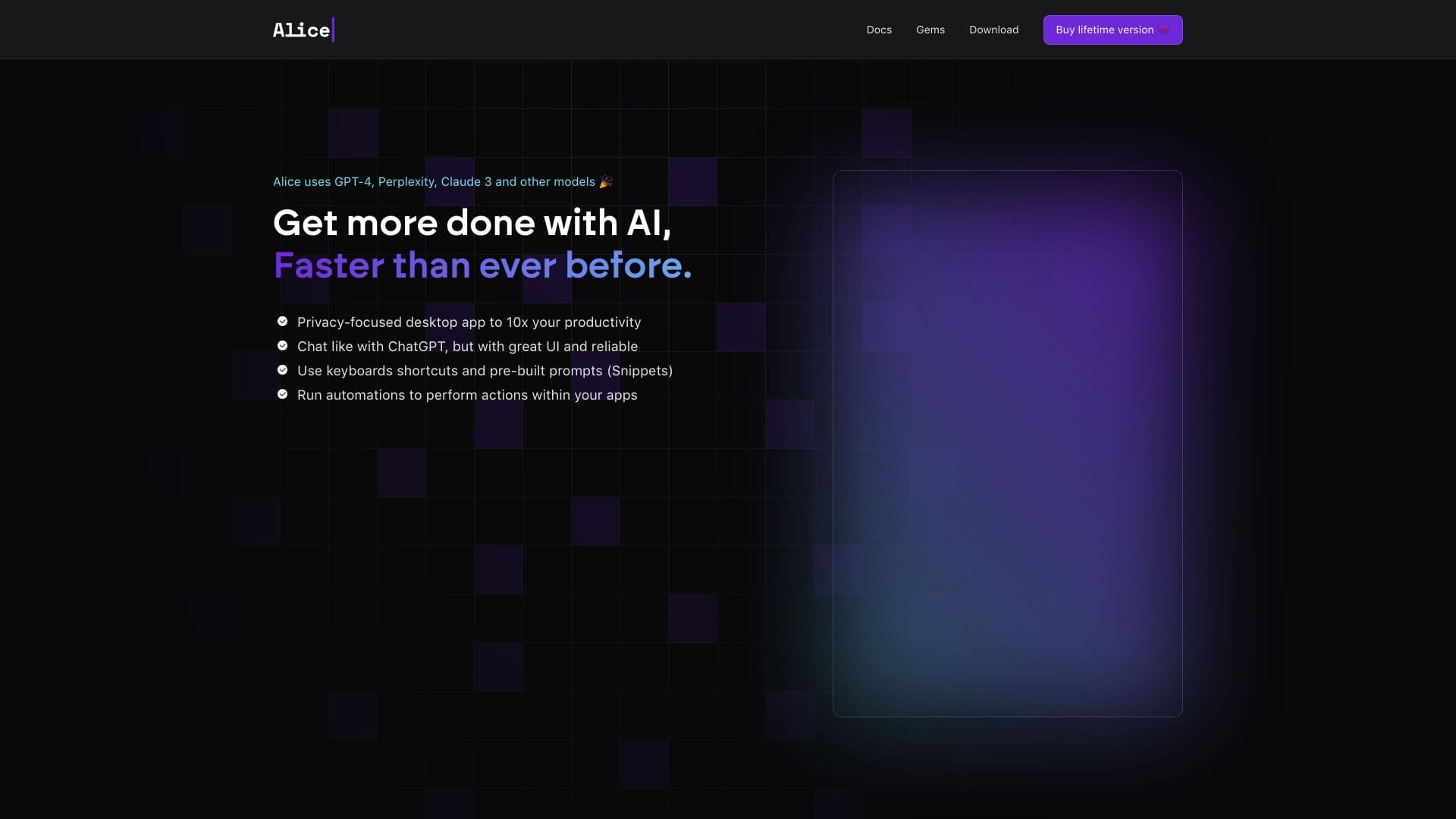

Desktop AI assistant for macOS, Windows, and Linux that launches via hotkey above all windows and combines multiple language models in one interface.
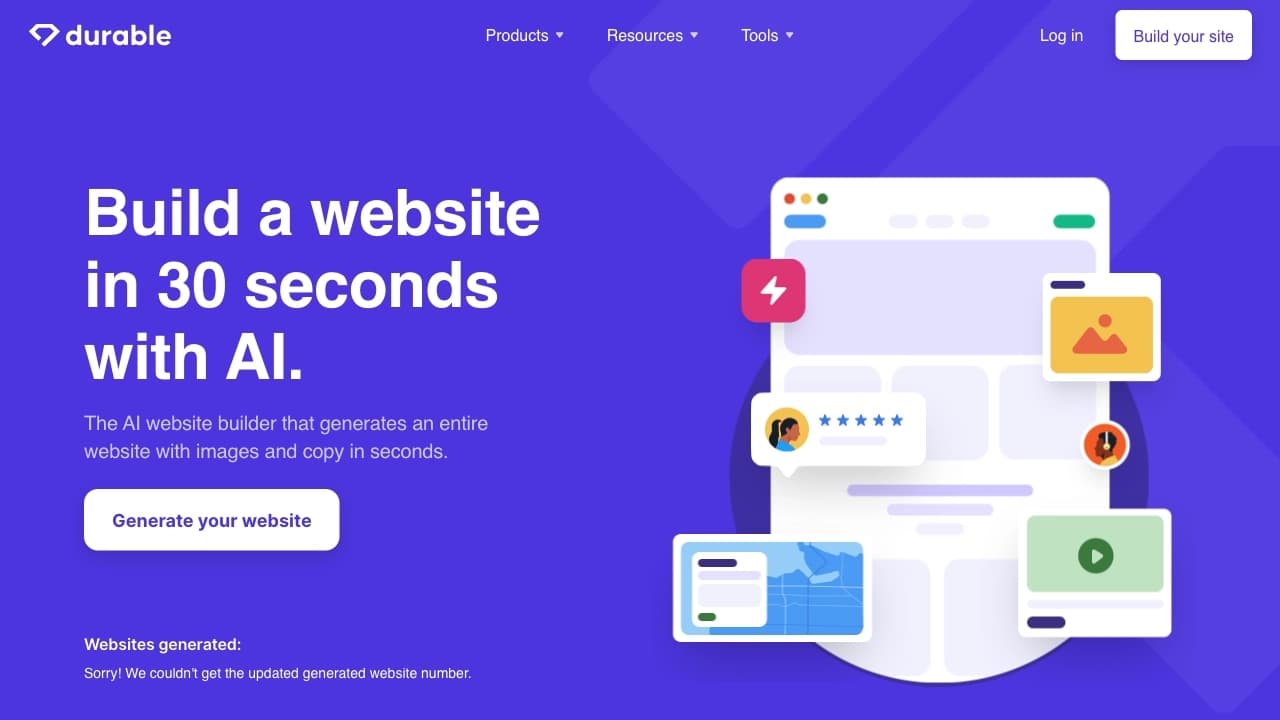

AI platform for fast website creation and small business process management.
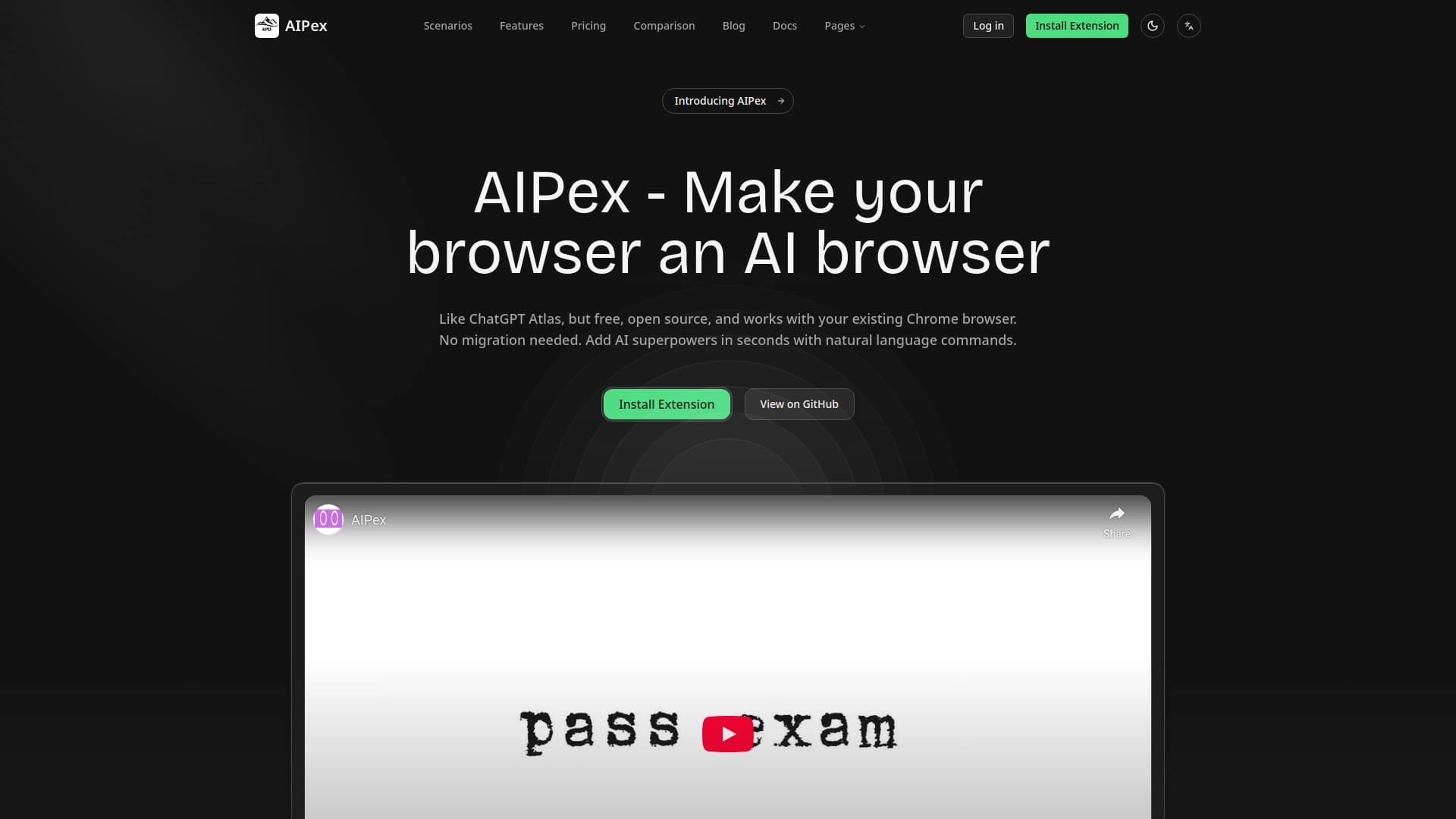

Chrome extension that helps manage tabs, history, and bookmarks with an AI assistant.

AI agent for automating customer communications and support.

AI assistant for business that helps manage tasks and automate routine through dialogue.

A multimedia AI toolkit for editing and enhancing photos, videos, and PDF documents.
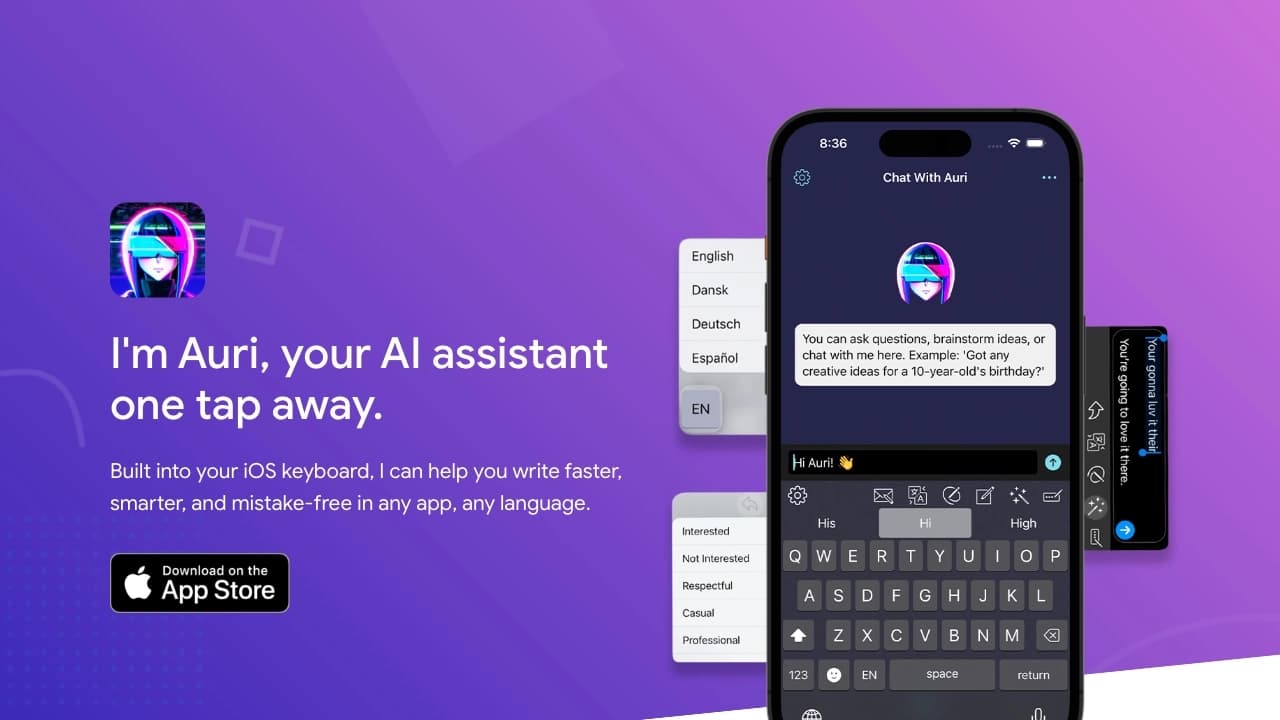
AI keyboard for Apple devices that speeds up typing with corrections, translation, and response generation.