

KBY-AI
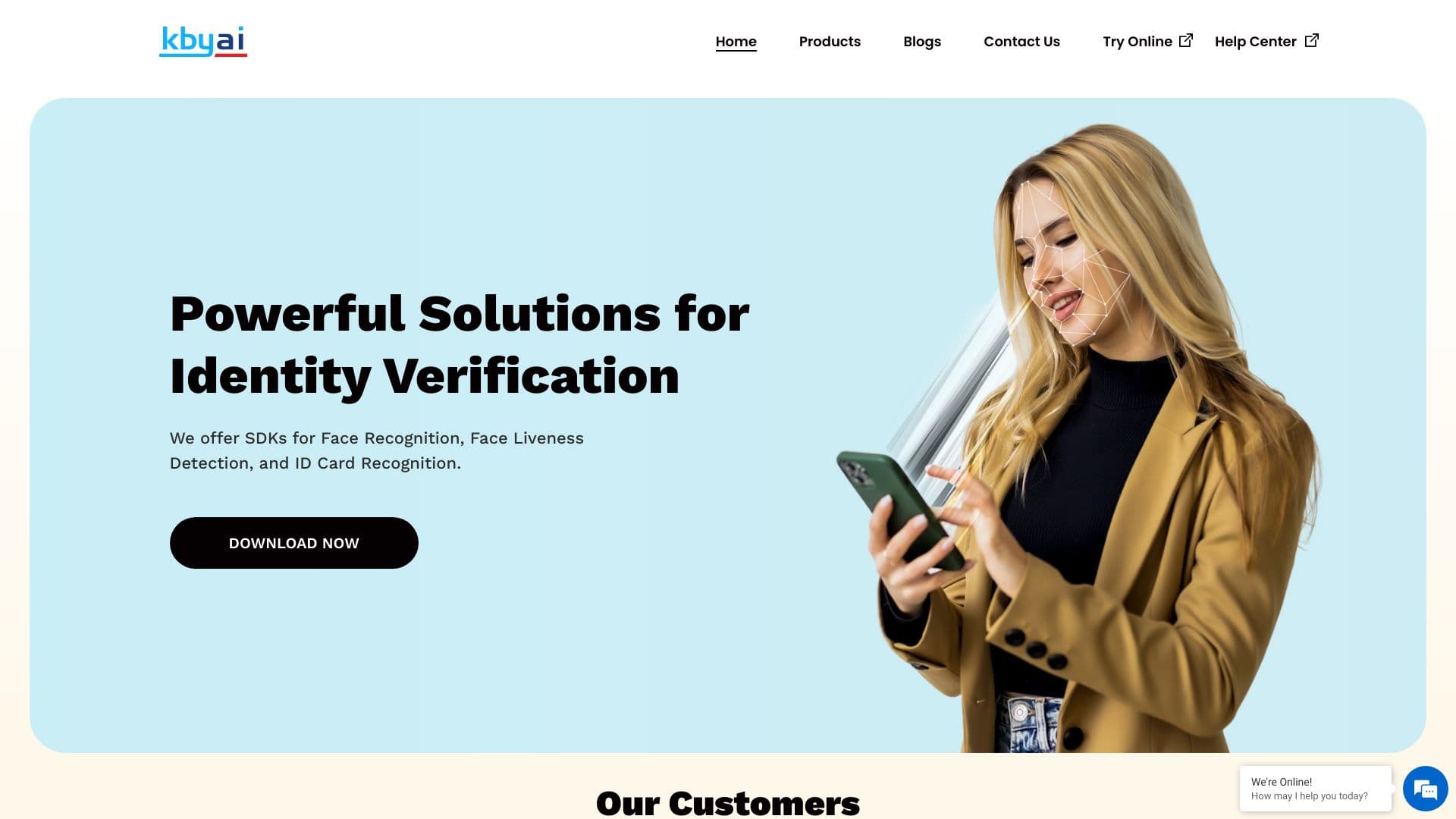
SDK suite for identity verification with face recognition, liveness detection, and ID document scanning.
Overview
KBY-AI Neural Network Overview
KBY-AI is a developer toolkit focused on identity verification tasks. Instead of building a biometric verification system from scratch, developers can embed ready-made modules into their applications. The primary purpose of this SDK is to provide reliable mechanisms for confirming that a user is who they claim to be, as well as to protect the process against fraudulent activities.
The neural network's technological foundation includes three key areas: facial recognition, liveness detection, and identity document scanning. This covers the full verification cycle — from document scanning to matching it against a real person in front of the camera. KBY-AI solutions are positioned as ready-made "building blocks" for systems where security and identification accuracy are critical.
KBY-AI Features
| Feature | Value |
|---|---|
| Product Type | Software Development Kit (SDK) |
| Primary Function | Biometric identity verification |
| Key Technologies | Facial recognition, liveness detection, ID document recognition |
| Intended Use | Integration into applications for reliable identity confirmation |
| Delivery Format | Software Development Kit |
Who Is KBY-AI Suitable For?
Mobile App DevelopersThe product will be useful for teams building applications in the financial sector, delivery services, or rental platforms where remote customer identity verification is required. The SDK allows embedding the verification process directly into the user interface without redirecting users to third-party resources.
Companies Working with Sensitive DataOrganizations that require a high level of security when granting account access or processing transactions can use KBY-AI to create an additional barrier. This applies to online banking, government services, medical portals, and corporate systems.
Integrators and Solution ProvidersFor companies developing comprehensive platforms (e.g., access control systems or fintech hubs), using a ready-made SDK accelerates time-to-market. Instead of building proprietary recognition algorithms, they receive a proven module.
How to Use KBY-AI?
Integration into Existing CodeSince KBY-AI is an SDK, its use involves embedding libraries into application code. The developer must have the technical capability to connect the relevant modules and configure interaction with the device camera and document scanner.
Building the Verification ProcessA typical usage scenario looks like a sequence of steps: first, the system captures a document image, then the user undergoes a liveness check (turning their head, blinking), and finally, the face is matched against the photo in the document. Configuring this pipeline is the developer's task, leveraging the SDK's capabilities.
Key Features of KBY-AI
Facial RecognitionAt the core of the product is an algorithm that matches a face image against data extracted from a document. The technology ensures correspondence checks, eliminating the use of someone else's documents or photos.
Liveness DetectionA critical feature for combating fraud. The algorithm analyzes characteristics that distinguish a live person from a photograph, a video on a screen, or a silicone mask. This blocks attempts to deceive the system during remote verification.
ID Document ScanningThe SDK includes an identity document recognition module. It automatically captures a document image, extracts the necessary data (e.g., number and date of birth), and verifies its integrity. This speeds up data entry and reduces manual errors.
KBY-AI Advantages
Comprehensive ApproachThe key advantage is combining three core functions in a single toolkit. This eliminates the need to purchase and stitch together solutions from different vendors for face and document recognition, simplifying application architecture.
Spoofing ProtectionHaving liveness detection as a built-in feature sets the product apart from simple facial recognition systems. This reflects a focus on security and protection against the most common types of fraud.
Developer OrientationThe product is designed for embedding into applications, which implies clear documentation and a logical API structure. This allows development teams to focus on business logic rather than studying machine vision algorithms.
KBY-AI Disadvantages
Lack of Public InformationOne significant limitation is the absence of detailed technical specifications, information about programming languages, platform compatibility (iOS/Android/Web), and system requirements in public sources. This makes it difficult to pre-assess compatibility with a company's existing infrastructure.
Unclear Distribution ModelOfficial product data does not explicitly state how the SDK is distributed. It is unclear whether it is available on a commercial basis, requires a special request from the vendor, or has an open-source license. This creates uncertainty for potential customers.
Unclear Support TermsInformation about technical support, update frequency, and publicly available documentation is missing. For B2B solution buyers, this can be a critical factor when choosing an SDK.
What Problems Does KBY-AI Solve?
Protection Against Fake Account CreationThrough verification and liveness checks, systems can block registration attempts using someone else's photos or videos, reducing bot activity and fraudulent sign-ups.
Ensuring Compliance and Transaction SecurityIn industries with high customer identification (KYC) requirements, using such an SDK automates the data collection and verification process in line with regulatory standards.
Automating Manual Data EntryDocument scanning minimizes user involvement in filling out forms during registration or service onboarding, making the process faster and more convenient.
KBY-AI Pricing
Official information about SDK pricing is not available in public sources. Pricing policy may depend on multiple factors, including application distribution scale, the number of verification checks per month, or the size of the client company. To obtain accurate commercial terms, you need to contact the KBY-AI development team directly or use specialized B2B solution catalogs where a price range may be listed.
KBY-AI Terms of Use
Detailed licensing terms, legal usage rules, and party obligations are not disclosed publicly. Since this is an SDK, a license agreement will likely be required for legal use. Standard terms for similar products typically include restrictions on reverse engineering, distribution outside the license, and requirements to comply with personal data legislation when collecting biometric information. To clarify the terms, you need to contact the rights holder directly.
KBY-AI Availability
Currently, available sources do not specify the exact list of platforms supported by the SDK (such as iOS, Android, Windows, Linux, or web environments). There is also no information about module availability for different programming languages (C++, Java, Python, etc.) or the existence of a cloud version (API). Information about product availability on the global market or regional restrictions is also absent. It is clear that the product exists, but its current distribution is limited either to a closed beta stage or direct agreements with clients.
How KBY-AI Differs from Alternatives
Out-of-the-Box PackageThe main difference between KBY-AI and many market solutions is combining facial recognition, liveness detection, and document text recognition in a single SDK. Alternatives often offer these functions as separate products or require connecting multiple cloud services, while KBY-AI implies offline integration into application code.
Integration FlexibilityUnlike SaaS solutions (software as a service) that send data to external servers, an SDK processes data within the application. This can be an advantage for companies that critically need to avoid sharing biometric data with third parties.
Conclusion
KBY-AI is a specialized developer tool addressing secure biometric identification tasks. It combines three key technologies — facial recognition, spoofing protection, and document scanning. This "all-in-one" approach looks attractive for companies wanting to implement a verification system without engaging multiple contractors. However, for a full product assessment, potential clients will need to request technical documentation, compatibility information, and partnership terms from the vendor, as public information about the product is currently extremely limited.
Frequently asked questions
See also

Chrome extension that helps manage tabs, history, and bookmarks with an AI assistant.

AI platform for fast website creation and small business process management.
AI assistant for business that helps manage tasks and automate routine through dialogue.
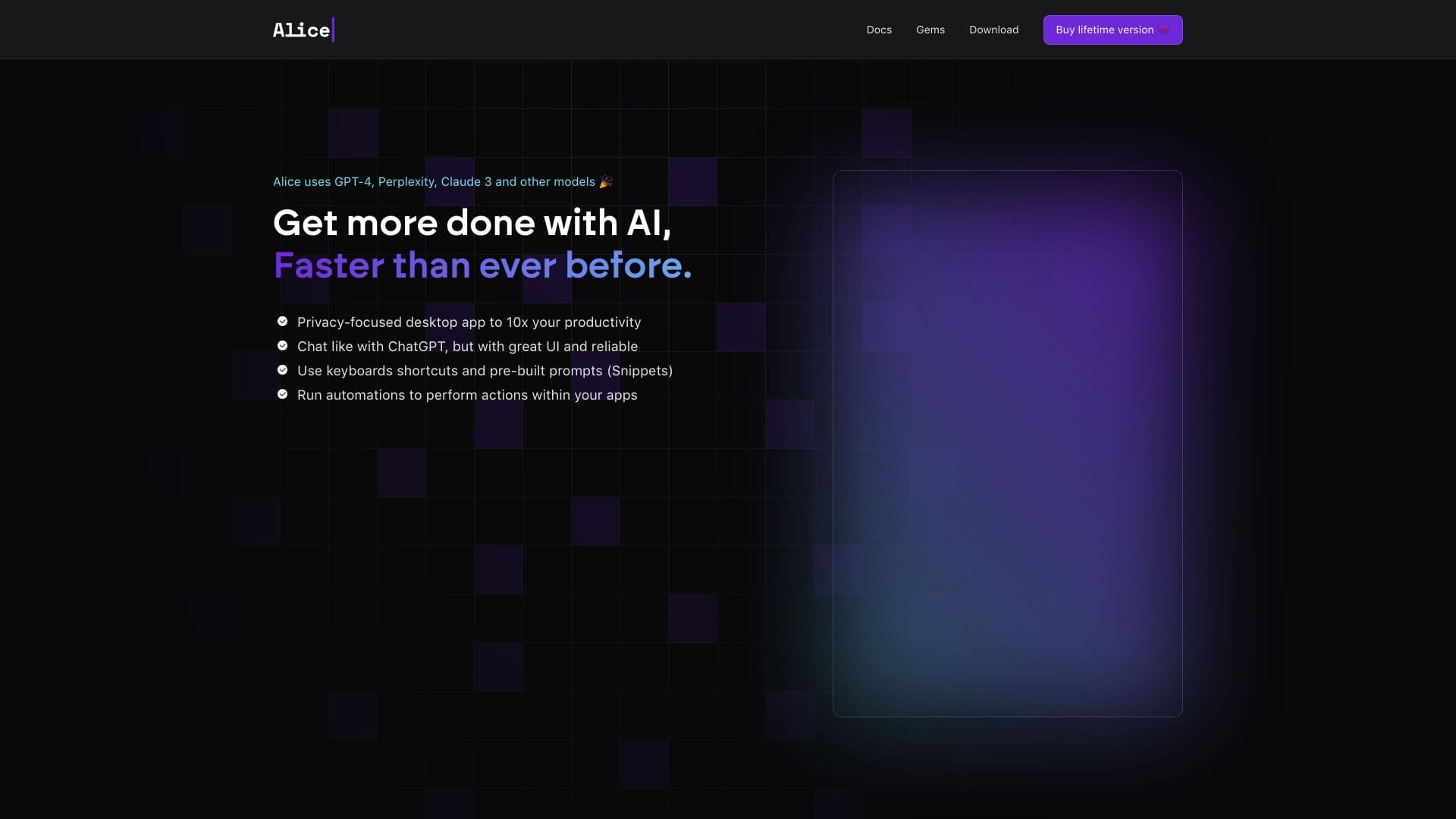

Desktop AI assistant for macOS, Windows, and Linux that launches via hotkey above all windows and combines multiple language models in one interface.

AI agent for automating customer communications and support.
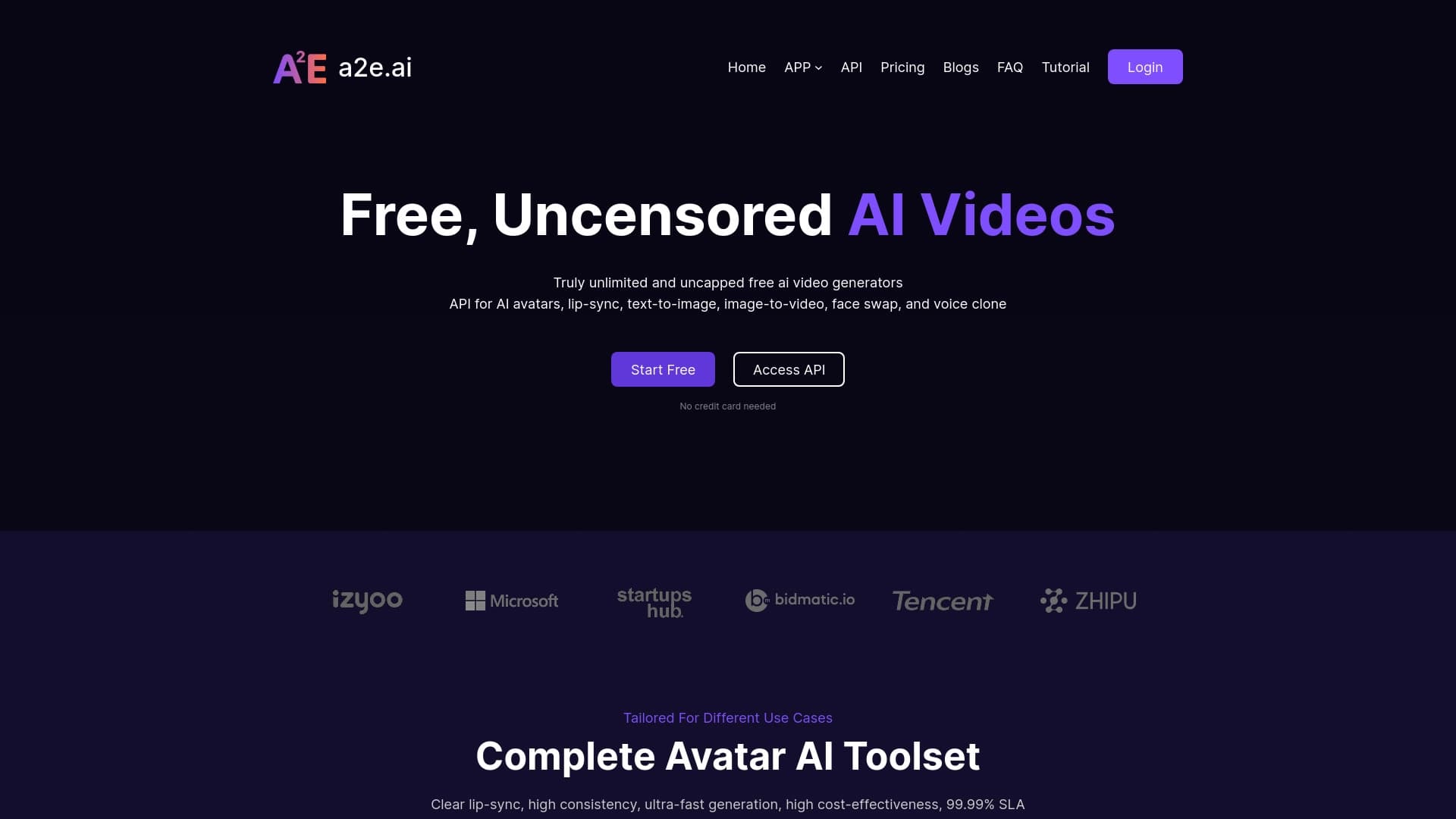

AI toolkit for video generation and editing, including avatars, lip-sync, and voice cloning.
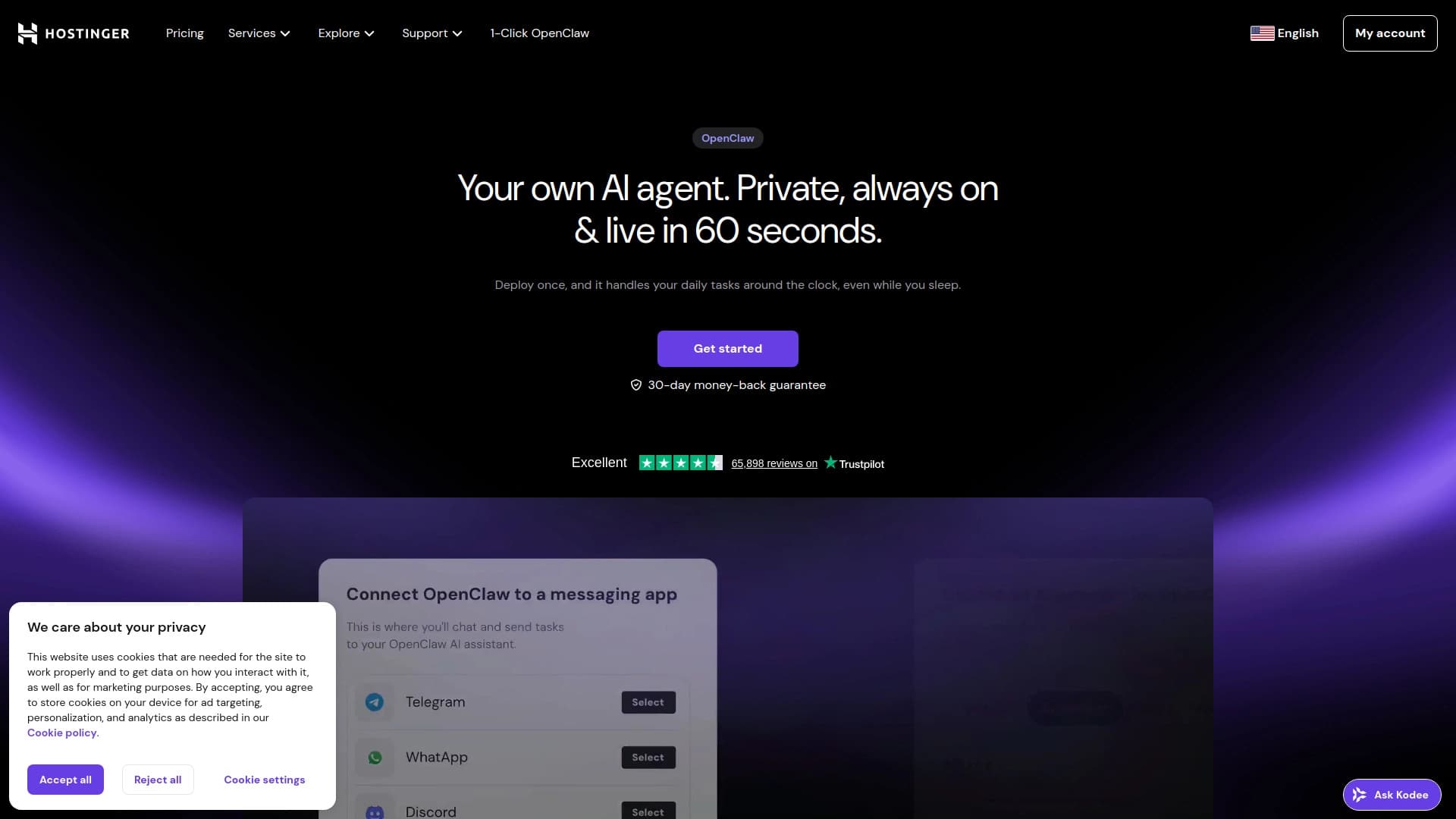
AI website builder from Hostinger for quickly creating websites based on a business description.
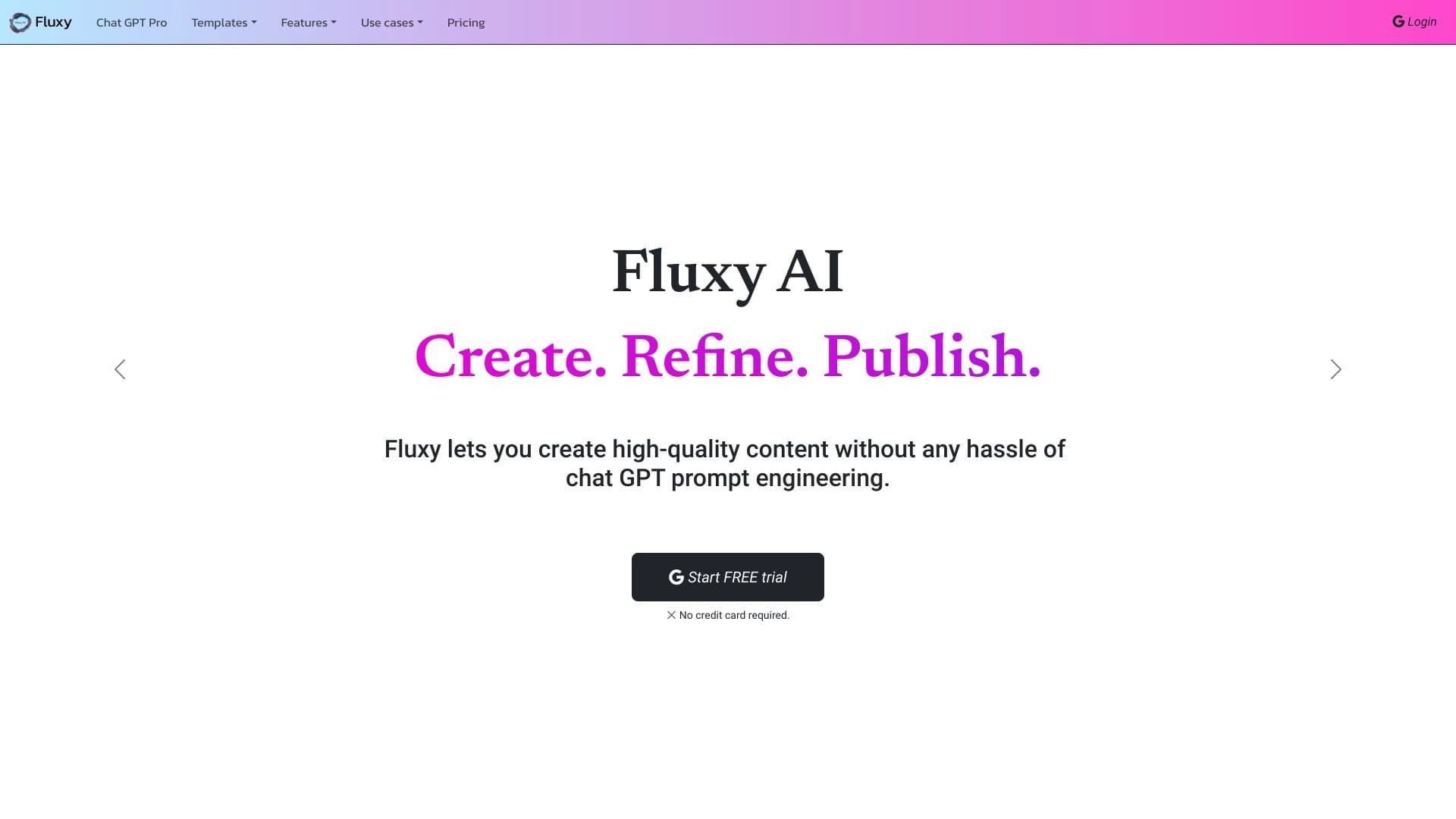

AI-powered toolkit for optimizing workflows and boosting productivity.