

Kaedim
Сервис для автоматизированного преобразования 2D-изображений в готовые к использованию 3D-модели.
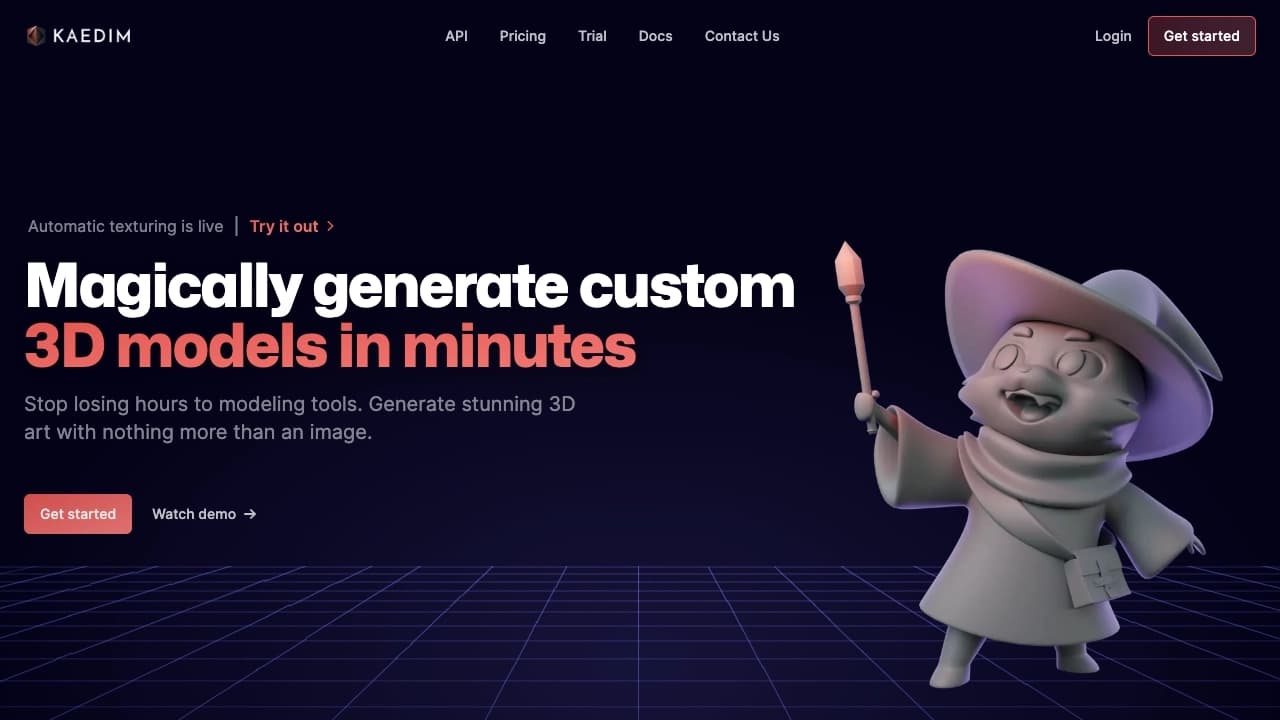
Обзор
Kaedim
Описание нейросети Kaedim
Kaedim — это онлайн-платформа, созданная британским стартапом, которая автоматически превращает обычные 2D-изображения в полноценные трёхмерные модели. В отличие от многих других генераторов, сервис сочетает скорость искусственного интеллекта с ручной проверкой: каждую созданную модель дополнительно проверяет и дорабатывает профессиональный 3D-художник. Это гарантирует высокое качество результата и делает модели сразу пригодными для использования в игровых движках и профессиональных проектах.
Сервис ориентирован в первую очередь на игровые студии, VFX-команды и компании, которым нужен регулярный поток качественных 3D-ассетов без необходимости нанимать большую команду моделистов. Основанная в 2022 году компания позиционирует себя как решение, объединяющее скорость AI с надёжностью ручной проверки.
Характеристики Kaedim
| Характеристика | Значение |
|---|---|
| Тип | Генератор 3D-моделей из изображений |
| Категория | 3D, генерация 3D-моделей из изображений |
| Бизнес-модель | Платная (freemium) |
| Платформа | Веб-приложение (kaedim3d.com) |
| Плагины | Blender, Unity, Unreal Engine, Maya, Cinema 4D, NVIDIA Omniverse |
| Язык интерфейса | Английский |
| Разработчик | Kaedim (Великобритания) |
| Дата основания | 2022 |
| Ежемесячные посещения | 19M |
| Экспорт моделей | OBJ, GLTF |
Для кого подходит нейросеть Kaedim?
Геймдев-студии и VFX-команды
Kaedim лучше всего подходит для разработчиков игр и VFX-команд, у которых есть регулярный поток 3D-задач. Именно для таких организаций сервис оправдывает свою стоимость: постоянный объём работы позволяет использовать платформу эффективно и снижать расходы на доработку моделей.
Инди-разработчики и фрилансеры
Независимые разработчики и фрилансеры, которые сталкиваются с ограничениями в ресурсах, также могут получить выгоду от сервиса. Kaedim позволяет небольшим студиям обходиться без найма дополнительных 3D-художников, ускоряя создание активов с часов до минут. Архитекторы и художники могут использовать сервис для преобразования своих эскизов в объёмные модели.
E-commerce бренды
Отдельную группу пользователей составляют компании из сферы электронной коммерции, которым нужно создавать 3D-модели товаров, например для AR-примерки. Для таких задач сервис предоставляет возможность быстро получать готовые к использованию трёхмерные версии продуктов.
Как использовать нейросеть Kaedim?
Регистрация и начало проекта
Чтобы начать работу, нужно зарегистрироваться или войти на сайт kaedim3d.com. В разделе «Create» следует нажать «Start a new project», ввести название проекта и выбрать тип создаваемой модели — человек, животное, предмет или пейзаж.
Загрузка изображений и генерация
Загрузите на платформу концепт-арт, скетч или фотографию — от одного до шести ракурсов. Нажмите «Generate», при необходимости изменив параметры генерации: стиль, детализацию, цвет и текстуру. ИИ обрабатывает изображение, после чего живой художник проверяет и доводит результат.
Просмотр и экспорт результата
Готовая модель приходит с UV-развёрткой, PBR-текстурами и уровнями детализации (LoD). Модель можно просмотреть, отредактировать и экспортировать в форматы OBJ или GLTF. Скачать результат можно также через плагины в Blender, Unity или Unreal Engine. Встроенная система Flow 3D позволяет отслеживать статус заказов, а проект можно сохранить и поделиться им.
Основные функции Kaedim
Автоматическое преобразование 2D в 3D
Главная функция сервиса — автоматическое превращение 2D-изображений в трёхмерные модели. На вход подаются концепт-арт, скетчи или фотографии, а на выходе получаются готовые 3D-ассеты, которые либо сразу пригодны к использованию, либо требуют минимальной доработки.
Проверка живым художником
Ключевая особенность Kaedim — участие профессионального художника в цепочке обработки. Каждая модель перед выдачей проверяется и дорабатывается специалистом, что минимизирует брак и обеспечивает стабильно высокое качество результата.
Генерация UV-развёртки и текстур
Сервис автоматически создаёт UV-развёртку, PBR-текстуры и уровни детализации (LoD). Это делает модели production-ready — готовыми к использованию в игровых движках без дополнительной доработки.
Дополнительные инструменты
Платформа предлагает настройку параметров генерации (стиль, детализация, цвет, текстура), систему управления заданиями Flow 3D, плагины для популярных 3D-редакторов и движков. Для корпоративных клиентов доступна функция Style Transfer — обучение системы на конкретном арт-стиле проекта.
Преимущества Kaedim
Экономия времени и ресурсов
Kaedim значительно сокращает время создания 3D-моделей — с часов до минут. Сервис не требует обширной последующей доработки, что позволяет небольшим студиям обходиться без найма дополнительных 3D-художников и экономить до 90% стоимости по сравнению с аутсорсингом.
Гарантия качества через ручную проверку
В отличие от конкурентов, которые выдают результат «как есть», Kaedim добавляет живого специалиста в цепочку проверки. Художник исправляет проблемы до выдачи модели, поэтому результат приходит уже чистым и готовым к использованию в игровых движках.
Удобное управление проектами
Встроенная система Flow 3D позволяет отслеживать статус заказов внутри платформы. Для корпоративных клиентов доступна функция Style Transfer, которая обучается выдерживать единый стиль на основе предоставленных примеров, что особенно важно для крупных проектов с общим визуальным языком.
Недостатки Kaedim
Ограничения по стоимости и тарифам
У Kaedim нет бесплатного плана — доступ только платный. Сервис не подходит для разовых или мелких задач, так как для них он избыточен и дорог. Временные пробные периоды возможны, но доступны не всегда.
Время получения модели
Получение готовой модели занимает от нескольких часов до нескольких дней в зависимости от сложности. Это дольше, чем у конкурентов, хотя результат приходит уже чистым и не требующим доработки.
Качество на разных типах объектов
Органические формы — персонажи и животные — получаются хуже жёстких объектов: точность достигает 70–80% против 85–90% для жёстких форм. Также стоит учитывать, что интерфейс доступен только на английском языке.
Какие задачи решает Kaedim
Создание игровых активов и персонажей
Сервис позволяет быстро создавать игровые ассеты и персонажей, оптимизируя пайплайн разработки для геймдев-студий. Концепт-арт, скетчи и фотографии превращаются в готовые 3D-модели для игр и VFX.
Автоматизация рутинных задач моделирования
Kaedim автоматизирует рутинные задачи 3D-моделирования, избавляя специалистов от повторяющейся ручной работы. Это особенно ценно при создании базовых мешей для второстепенных объектов сцены в VFX.
Преобразование эскизов в объёмные модели
Архитектурные эскизы и художественные концепты преобразуются в полноценные трёхмерные модели. Это позволяет архитекторам и художникам быстро получать объёмные версии своих работ. Отдельно сервис используется для создания 3D-моделей товаров для AR-примерки в e-commerce.
Цены Kaedim
Сервис работает по платной модели. Тариф Prototype доступен от примерно 22 долларов за кредит при покупке 20 кредитов. Тариф Indie стоит от 18 долларов за кредит при 60 кредитах в месяц. Тариф Starter обойдётся примерно в 29 долларов в месяц и включает 50 кредитов (один кредит равен одной модели). Тариф Pro стоит от 99 долларов в месяц и включает 200 кредитов, расширенные инструменты и приоритетную обработку. Для крупных компаний доступен тариф Enterprise по запросу с кастомным объёмом — до 7700 долларов в месяц за 1000 моделей, включая стиль-перенос и API.
Условия использования Kaedim
Для использования сервиса требуется регистрация на сайте kaedim3d.com. Доступ к платформе платный — бесплатный план отсутствует. Временные пробные периоды возможны, но не всегда доступны. Пользователям стоит учитывать, что интерфейс доступен только на английском языке.
Доступность Kaedim
Kaedim — это веб-приложение, доступное через сайт kaedim3d.com. Помимо веб-версии, сервис предлагает плагины для популярных программ: Blender, Unity, Unreal Engine, Maya, Cinema 4D и NVIDIA Omniverse. Это позволяет интегрировать платформу в существующий рабочий процесс разработчиков и дизайнеров.
Чем отличается Kaedim от аналогов
Главное отличие Kaedim от таких конкурентов, как Meshy или TRELLIS, заключается в наличии живого художника в цепочке проверки. Конкуренты работают как автоматы, выдавая результат за минуты, но «как есть». Kaedim предоставляет чистую модель через несколько дней, но с гарантией качества — живой специалист исправляет проблемы до выдачи.
Для геймдев-студий и VFX-команд с регулярным потоком задач это главное преимущество: дороже и медленнее, чем у аналогов, но надёжнее. Снижение затрат на доработку моделей делает такой подход оправданным, тогда как для разовых задач и хоббистов сервис избыточен. Дополнительным отличием является функция Style Transfer на Enterprise-плане, которая позволяет системе обучаться выдерживать единый стиль на основе предоставленных примеров.
Заключение
Kaedim — это британский стартап, объединяющий скорость искусственного интеллекта с проверкой профессиональным художником для выдачи production-ready 3D-моделей. Сервис специализируется на автоматизированном преобразовании 2D-изображений в трёхмерные модели и особенно полезен для небольших студий и независимых разработчиков с ограниченными ресурсами. Kaedim дороже и медленнее прямых конкурентов, однако для студий с регулярным потоком задач затраты компенсируются снижением объёма ручной доработки и гарантированным качеством результата.
Тарифы
Часто задаваемые вопросы
Похожие нейросети


Смотрите также
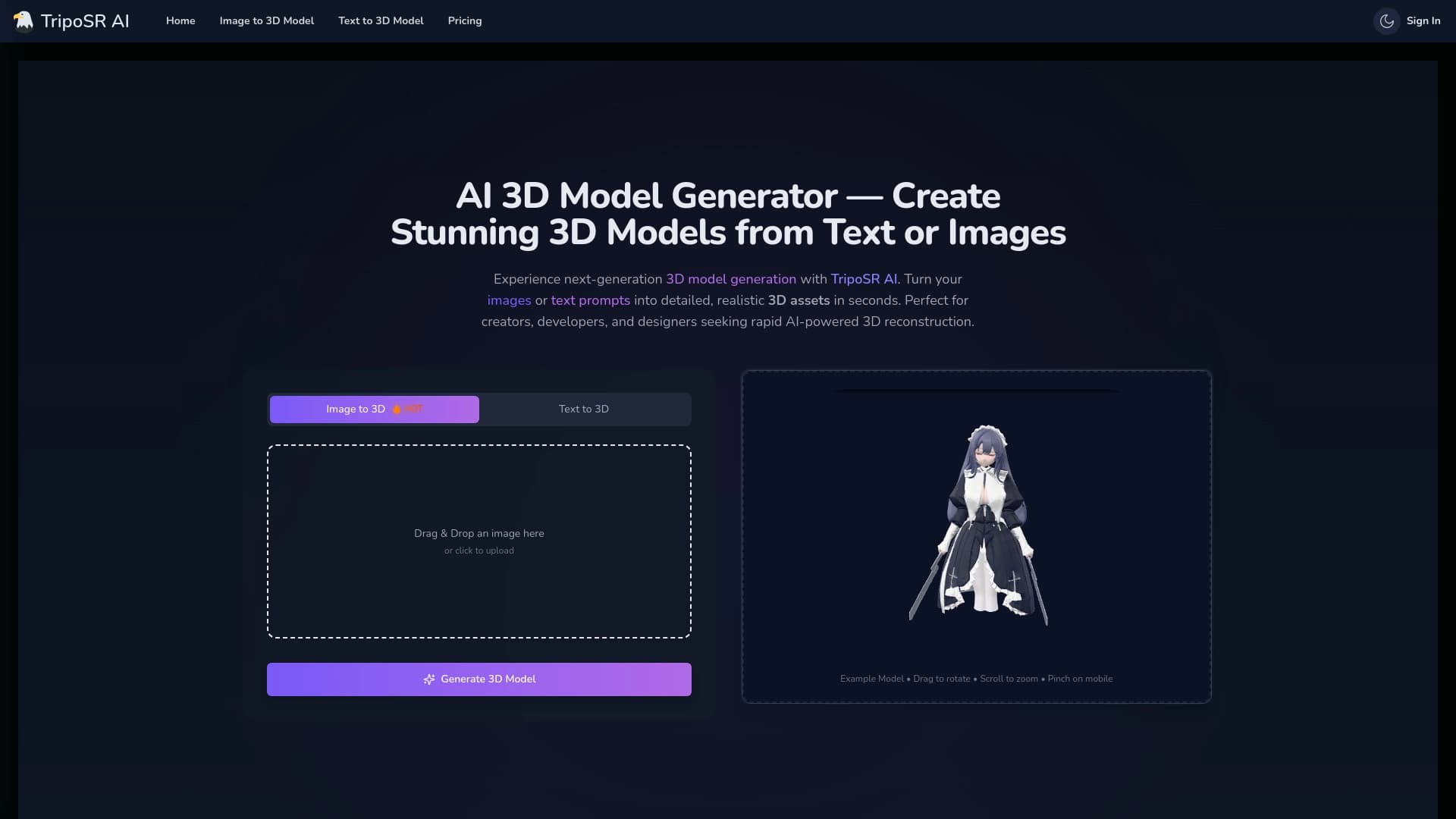

Инструмент с открытым исходным кодом для быстрого преобразования одного изображения в 3D-модель.

Расширение для Chrome, которое помогает выигрывать в учебной игре Blooket, подсказывая ответы и автоматизируя действия.
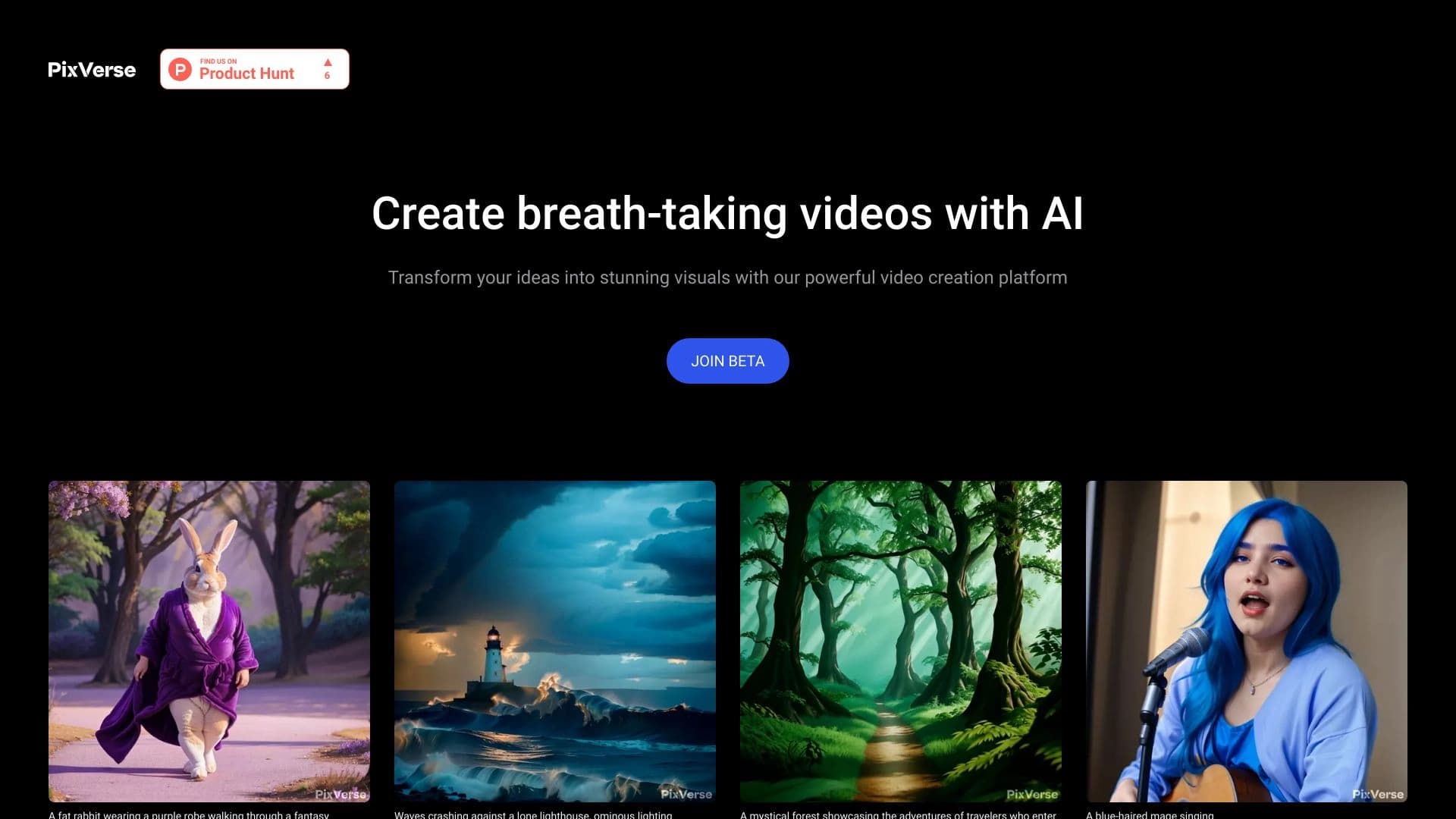

Нейросеть для генерации коротких видео по текстовым описаниям или изображениям.

Платформа для диалогов с ИИ-персонажами, включая готовых и созданных пользователем.
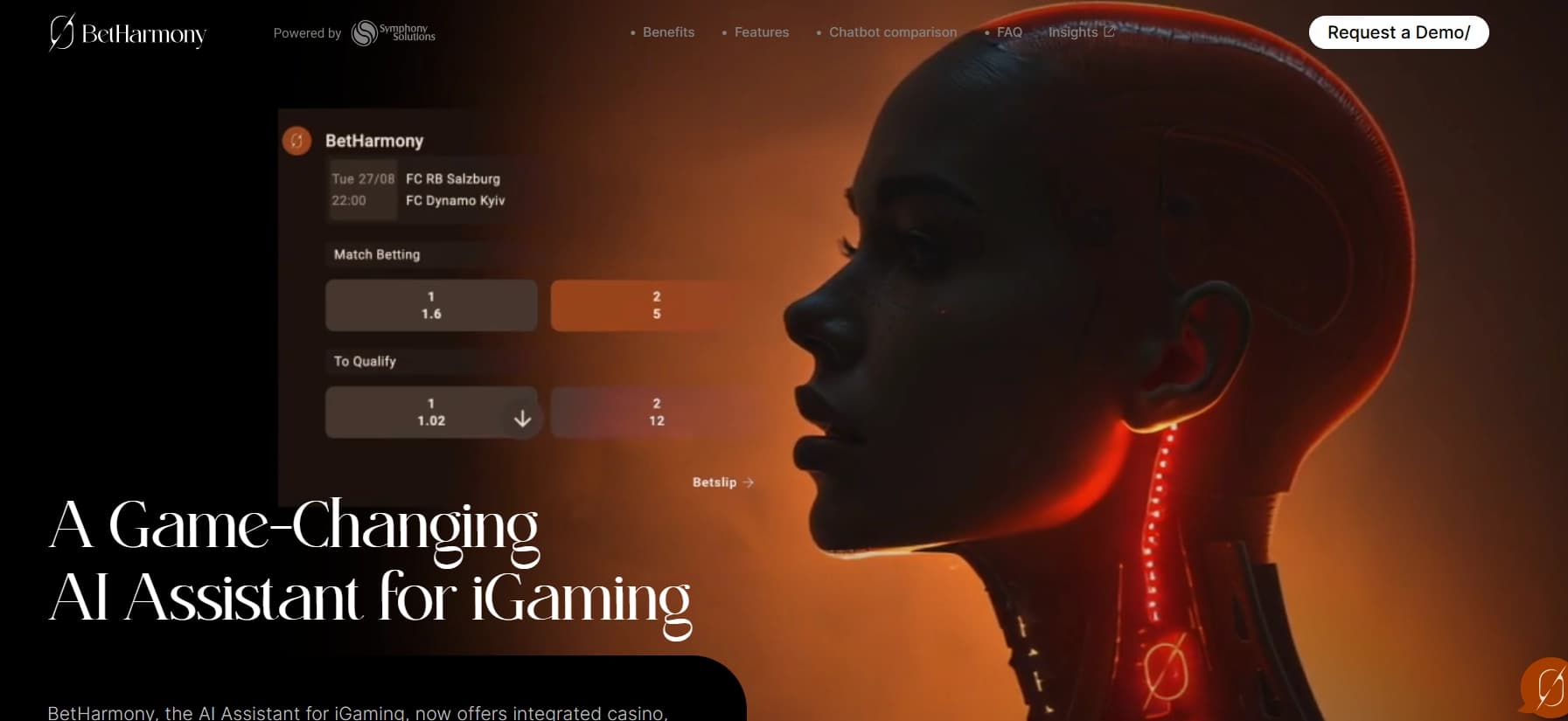

AI-помощник для ставок на спорт и казино, анализирующий прошлые действия пользователя для персонализированных советов.


ИИ-ассистент для создания текстового контента, изображений и работы с голосом, ориентированный на русскоязычных пользователей.

Инструмент для генерации 3D-моделей на основе текстового описания, изображений или набросков.
Облачный сервис на основе нейросетей для генерации 3D-моделей, текстур и анимаций по текстовому описанию или изображению.