
Google VEO
Модель генерации видео от Google DeepMind, создающая реалистичные ролики по текстовому описанию.
Обзор
Google VEO
Описание нейросети Google VEO
Google VEO — это передовая модель генерации видео, разработанная подразделением Google DeepMind. Нейросеть способна создавать реалистичные видеоролики на основе текстовых описаний, делая акцент на высокой детализации, качественной проработке освещения и плавном развитии сюжета. Инструмент позволяет генерировать видеосегменты длительностью до 2 минут с разрешением до 4K. На текущем этапе сервис находится в ограниченном доступе и требует от пользователя подробного текстового описания сцены для формирования результата. Google VEO ориентирована на создание контента, который визуально приближен к профессиональной видеосъёмке, а не к простым анимированным заставкам.
Характеристики Google VEO
| Характеристика | Значение |
|---|---|
| Тип | Генератор видео с ИИ |
| Разработчик | Google (DeepMind) |
| Категории | Генераторы видео с ИИ, Генераторы видео с помощью нейросетей, Генераторы коротких видео |
| Формат доступа | Сайт |
| Ежемесячные посещения | 110M |
| Research доступ | Ограниченно (доступ через тестирование) |
| Enterprise доступ | По запросу (для компаний и партнёров) |
| Публичные тарифы | Не объявлены (массовый запуск ожидается) |
| Максимальная длительность видео | До 2 минут |
| Максимальное разрешение | До 4K |
Для кого подходит нейросеть Google VEO?
Креативные специалисты и маркетологи
Google VEO будет полезна создателям контента, которым необходимо быстро визуализировать идеи для рекламных роликов или социальных сетей. Инструмент позволяет получить качественный видеоконцепт без привлечения съёмочной группы, что особенно ценно на этапе предпродакшна и презентации идей клиентам.
Дизайнеры и визуализаторы
Специалисты, работающие с раскадровками, презентациями и сложными сценами, могут использовать VEO для генерации видеосцен, максимально приближенных к реальному продакшену. Нейросеть подходит для тех, кто готов уделить время детальной проработке текстового описания, чтобы добиться нужного визуального результата.
Компании, тестирующие AI-решения
Поскольку Enterprise-доступ открыт по запросу, Google VEO представляет интерес для организаций, желающих первыми интегрировать передовые технологии генерации видео в свои рабочие процессы и оценить потенциал инструмента для коммерческого использования.
Как использовать нейросеть Google VEO?
Подготовка текстового описания
Работа с VEO строится вокруг детализации запроса. Сценарий задаётся через текстовое описание сцены, движения, атмосферы и окружения. Чем точнее и подробнее описаны детали — освещение, поведение объектов, движение камеры, — тем выше вероятность получить результат, соответствующий ожиданиям.
Корректировка и перегенерация
После того как модель сформировала видеоролик на основе заданных параметров, пользователь может оценить результат. Если видео отличается от задумки, допускается корректировка текстового описания и повторная генерация. Инструмент может потребовать нескольких попыток для достижения идеального кадра, особенно при работе со сложными сценариями.
Основные функции Google VEO
Глубинная проработка сцены
Модель уделяет особое внимание созданию сцен с реалистичным светом, движением камеры и детализированным окружением. Это позволяет добиться эффекта «живой» съёмки, где каждый элемент кадра выглядит естественно и продуманно.
Длинные видеосегменты с логикой
В отличие от многих генераторов, VEO способна создавать видеоролики, где действия развиваются последовательно на протяжении до двух минут. Видео не распадается на отдельные, слабо связанные кадры — сохраняется логика происходящего и плавность переходов.
Визуальная точность при описании деталей
Нейросеть демонстрирует высокую точность при воспроизведении описанных параметров — от общей атмосферы до конкретного поведения объектов в кадре. Это делает инструмент эффективным для насыщенных и сложных сценариев.
Преимущества Google VEO
Высокое качество картинки
Качество изображения выше среднего: детали, свет и движение выглядят проработанными и приближенными к профессиональной съёмке. Видео выглядит «кинематографично» и не напоминает простую анимацию.
Поддержка сложных описаний
Чем подробнее описание, тем лучше конечный результат. Модель способна обрабатывать насыщенные сценарии с множеством элементов, что расширяет возможности для творческой реализации.
Ощущение последовательности
Генерируемые ролики не воспринимаются как набор отдельных кадров. Благодаря логичному развитию сюжета и плавности, видео сохраняет целостность восприятия на протяжении всей длительности.
Потенциал интеграции с экосистемой Google
В будущем ожидается интеграция VEO с другими сервисами Google, что может существенно расширить функциональность и удобство использования инструмента.
Недостатки Google VEO
Отсутствие массового доступа
На данный момент нет открытого массового доступа к сервису. Большинство пользователей не могут самостоятельно протестировать инструмент — доступ предоставляется только в рамках тестирования или по запросу для партнёров.
Зависимость от качества описания
Для получения хорошего результата требуется детальное описание сцены, что предполагает определённый опыт у пользователя. Новичкам может быть сложно сформулировать запрос так, чтобы нейросеть поняла замысел.
Неполный контроль над сценой
Пользователь не может управлять каждым отдельным элементом сцены. Результат иногда отличается от ожиданий, и для достижения нужного кадра может потребоваться несколько итераций перегенерации.
Статус ранней версии
Инструмент находится на раннем этапе внедрения, поэтому возможны ограничения функционала и ошибки в работе. Полноценная коммерческая версия пока не представлена.
Какие задачи решает Google VEO
Создание концептов рекламных роликов
Инструмент позволяет генерировать прототипы рекламных видео с качеством, близким к финальному продакшену. Это ускоряет процесс согласования идей с заказчиками до начала реальных съёмок.
Визуализация сложных сцен для презентаций
Google VEO подходит для подготовки высокодетализированного видеоконтента, который можно использовать в презентациях проектов, питчах или демонстрации концепций.
Генерация контента для соцсетей и медиа
Модель способна создавать качественные видеоролики для публикации в социальных сетях и на медиаплатформах, где важно визуальное качество и реалистичность.
Подготовка раскадровок и сценариев
С помощью готовых видеосцен можно быстро сформировать наглядные раскадровки и визуальные сценарии для дальнейшей работы над проектом.
Цены Google VEO
Публичные тарифы на использование Google VEO на данный момент не объявлены. Массовый запуск сервиса ожидается, но точные даты и стоимость подписки или разового использования пока не раскрываются. Информация о ценах будет доступна после выхода инструмента в открытый доступ.
Условия использования Google VEO
Доступ к Google VEO в настоящее время ограничен. Пользователи могут получить доступ к модели через программу тестирования (Research доступ), которая предполагает участие в закрытом бета-тестировании. Для компаний и партнёров предусмотрен Enterprise доступ, который предоставляется по отдельному запросу. Полноценное коммерческое использование инструмента пока недоступно.
Доступность Google VEO
Сервис доступен через веб-сайт. Research доступ строго ограничен и предоставляется только участникам тестирования. Enterprise доступ открыт по запросу для организаций и партнёров Google. Публичные тарифы и широкий доступ для всех пользователей пока не введены — запуск ожидается в будущем.
Чем отличается Google VEO от аналогов
Основное отличие Google VEO от других AI-генераторов видео — это качество и глубина проработки сцены. Видео, созданные с помощью VEO, выглядят более «кинематографично»: свет, движение объектов и камеры, а также логика происходящего проработаны на уровне, близком к профессиональной видеосъёмке. В то время как многие аналоги предлагают простую генерацию анимированных последовательностей, VEO стремится создать целостное видео с ощущением живого действия. Это делает инструмент более подходящим для сложных и насыщенных сценариев, где важна визуальная точность и реалистичность.
Заключение
Google VEO представляет собой перспективный инструмент в области генерации видео с помощью искусственного интеллекта, разработанный командой Google DeepMind. Нейросеть демонстрирует высокое качество изображения, реалистичную проработку света и деталей, а также способность создавать длинные видеосегменты с последовательным сюжетом. На данный момент сервис находится на стадии ограниченного доступа, и его полноценный запуск с публичными тарифами ожидается в будущем. Google VEO будет особенно полезна для креативных специалистов и компаний, которым требуется качественная визуализация сложных сцен для рекламы, презентаций и медиаконтента.
Часто задаваемые вопросы
Похожие нейросети







Смотрите также
Многофункциональная AI-платформа для создания контента, объединяющая синтез речи, генерацию текста, создание аватаров и редактирование видео.


ИИ-ассистент для создания текстового контента, изображений и работы с голосом, ориентированный на русскоязычных пользователей.

Десктопное приложение для Windows, которое повышает разрешение видео до 4K/8K и улучшает качество старых записей с помощью ИИ.
Cabina AI — это единая платформа для работы с разными генеративными нейросетями, позволяющая создавать тексты, изображения и видео.
Облачная платформа для создания видео с помощью ИИ-аватаров, синтезированной речи и автоматического перевода роликов на десятки языков.
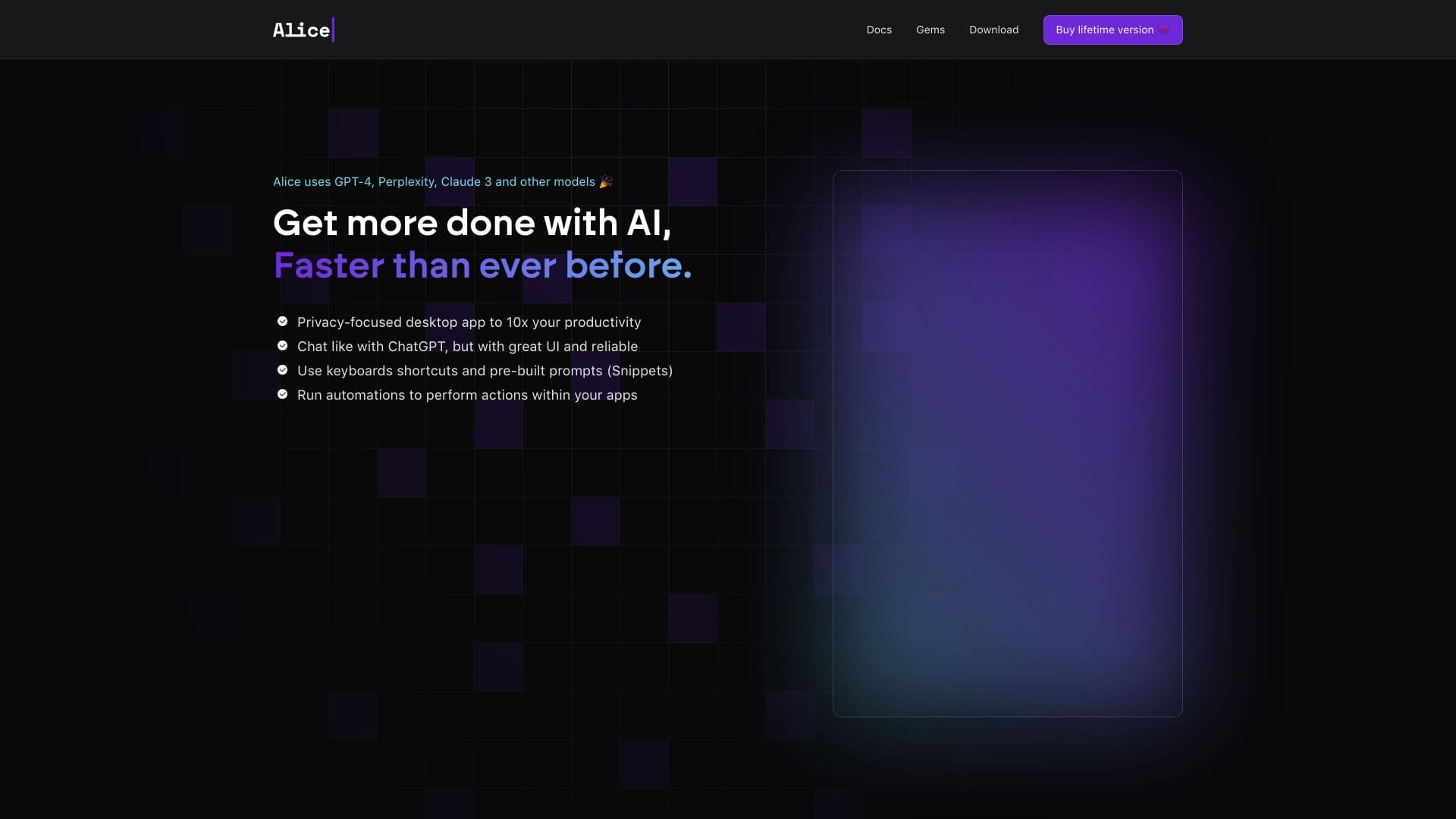

Настольный AI-ассистент для macOS, Windows и Linux, который запускается по хоткею поверх всех окон и объединяет несколько языковых моделей в одном интерфейсе.
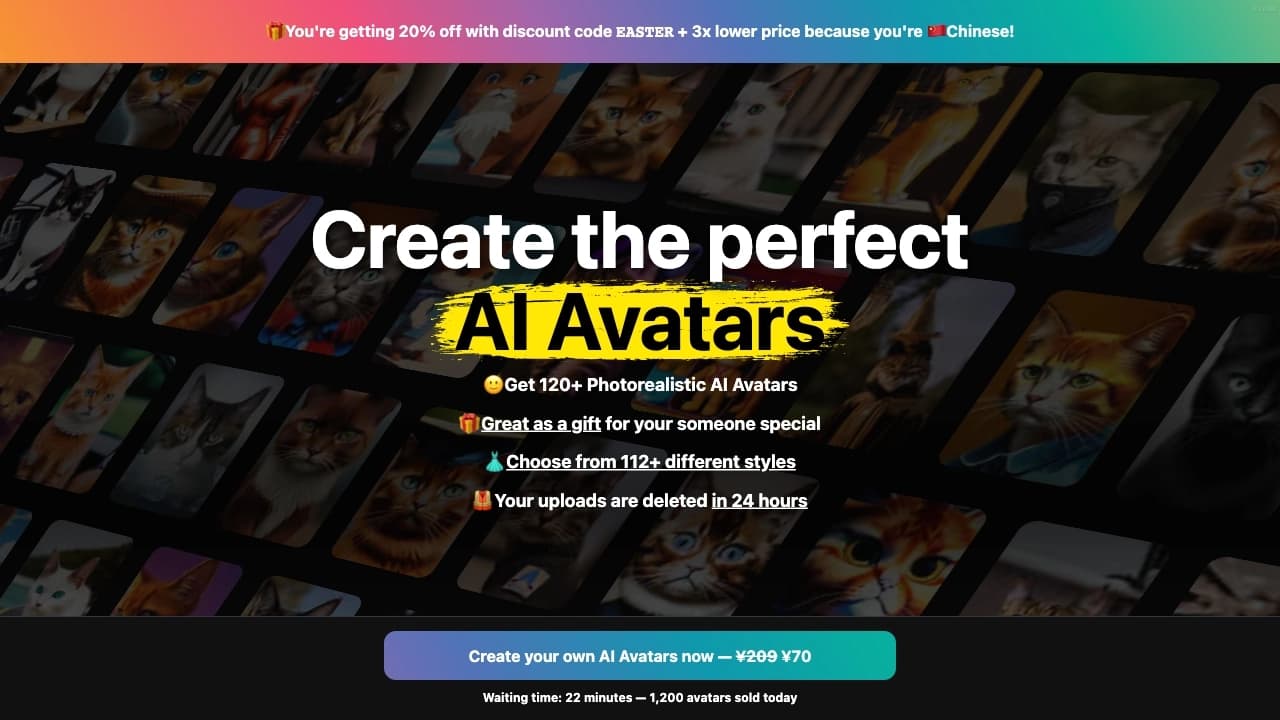
Сервис для создания персонализированных аватаров и фотосессий с помощью ИИ на основе загруженных селфи.
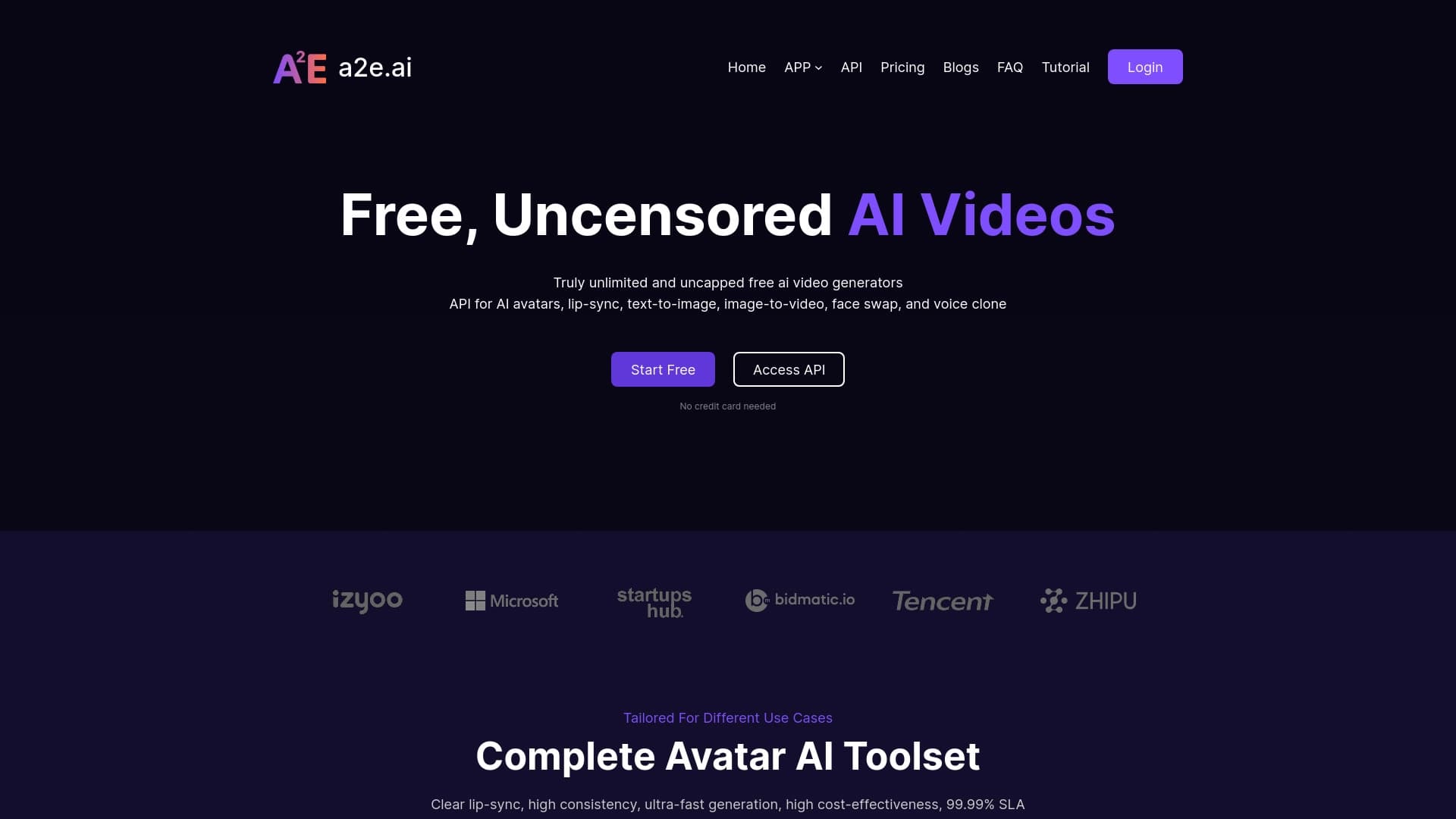

Набор инструментов для генерации и редактирования видео с помощью ИИ, включая аватары, липсинк и клонирование голоса.