

Fibery
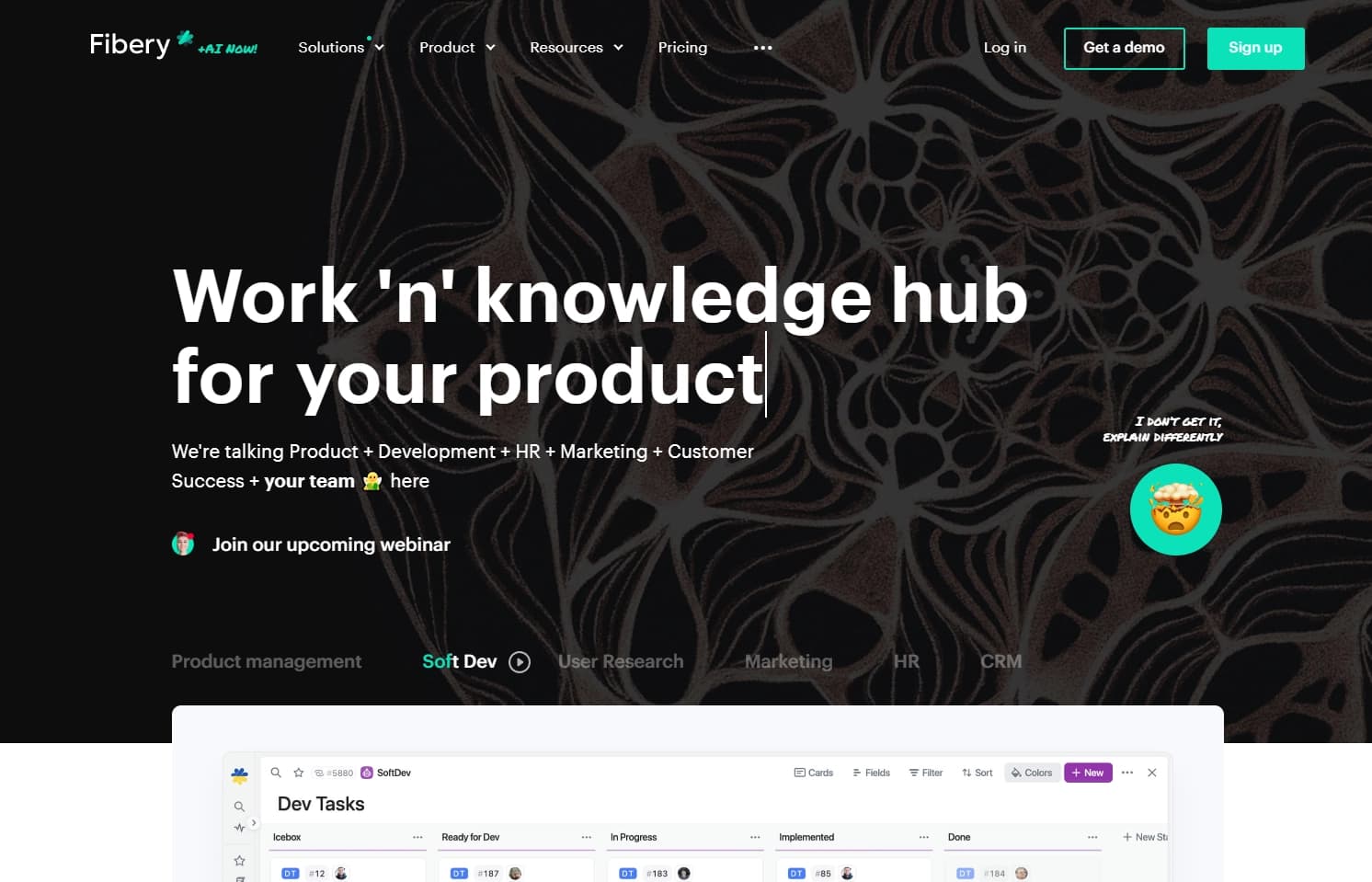
Fibery is a no-code product management platform that combines feedback collection, analytics, and task tracking in a single workspace.
Ranked in
Overview
Fibery is a no-code platform designed to consolidate product discovery and development processes. Instead of juggling a dozen disparate services, teams get a single space where user feedback is collected, analyzed, and systematized, ideas are born and discussed, and their implementation is then tracked. Essentially, it's a digital hub that connects research, planning, and execution into a continuous workflow, without requiring programming skills from the user.
The platform's core idea
Fibery's main value lies in its ability to link disparate data into a single structure. Its modular architecture allows you to create a custom data model tailored to a specific process. Thanks to flexible views (kanban, tables, timelines, etc.) and linked databases, teams can build a transparent picture of what's happening. The platform eliminates the need to manually transfer information between tools, thereby reducing the likelihood of errors and the loss of important context.
Product philosophy
Fibery aims to replace the "multiple apps for different tasks" bundle with a single customizable workspace. This helps maintain data integrity and keeps the team focused on the end goal. This approach is especially useful for product teams, where feedback analysis and backlog management must be inextricably linked. Instead of forcing the team to adapt to the rigid framework of a ready-made template, the system adapts to the organization's actual processes.
Fibery Characteristics
| Characteristic | Value |
|---|---|
| Type | AI-powered project management platform |
| Category | Project management, No-code and Low-code platforms, API and integrations |
| Distribution model | Freemium |
| Website | fibery.io |
| Data publication date | August 3, 2025 |
| Availability | Web platform (requires a stable internet connection) |
| Integrations | Support for popular external services |
Who is Fibery suitable for?
Fibery will be useful for teams that value control over workflows and transparency in data sharing. This primarily includes product teams that want to move away from communication chaos and get a single source of truth for all stages of work — from idea to release.
Managers and project managers
For team leads and product managers, the platform provides tools for tracking task statuses, managing priorities, and monitoring resources. The ability to customize dashboards and views for a specific project allows you to quickly get a snapshot of the current situation without having to compile reports manually.
No-code enthusiasts and small startups
Because there's no need to write code, Fibery suits teams that want to build their own workflows. Flexible databases allow small groups to model complex relationships (e.g., "feature → task → bug") without involving developers. This is convenient for quickly prototyping processes and evolving them as the business grows.
Distributed and cross-functional teams
Since the platform works through a web interface, it requires a stable connection and allows participants from different time zones to work with up-to-date data. A unified knowledge base and linked documents help new employees get up to speed on project context faster, while everyone else avoids losing important information in correspondence.
How to use Fibery?
Getting started with Fibery is fairly simple, but using all its features effectively will require some time to learn. The process of getting acquainted with the system can be roughly divided into several stages that will help integrate the tool into your daily routine.
Stage 1: Registration and template selection
To begin, you need to register on the official website fibery.io. After logging in, users are offered a choice of a starter template or creating a workspace from scratch. For a quick start, it's better to use ready-made configurations to see examples of linked databases and the logic of building relationships.
Stage 2: Setting up the data model
Fibery's key difference from simple task trackers is the ability to create your own data types and relationships between them. Users can define entities (e.g., "Customer," "Task," "Feature") and establish links between them. At this stage, it's important to think through the structure so that automations and views work correctly later. To master this stage, it's worth consulting the platform's detailed guides.
Stage 3: Data import and automation
After setting up the structure, you can integrate services and import existing data. At this stage, automations for routine operations are configured: changing statuses, notifications, creating linked tasks. The system allows you to create rules without code, which speeds up team work and reduces the risk of human error.
Key Fibery Features
Fibery provides an extensive set of tools covering the full product management cycle. Below are the key capabilities that set it apart from classic task managers.
Linked databases
Instead of separate tables, the platform offers a unified database where all entities can be linked to each other. Documents, tasks, users, and feedback can reference one another, creating a cohesive picture. This allows you, for example, to see all related tasks and user comments directly from a feature card.
Customizable views and automations
Users can create any views (kanban, table, timeline, etc.) to review the data they need. Automations (rules) allow you to configure the system's logic: when one field changes, others change automatically, notifications are sent, or new records are created. This frees the team from routine work.
AI analytics and feedback collection
Unlike regular trackers, Fibery includes artificial intelligence support. This helps analyze large volumes of user feedback, identify trends, and uncover key insights. The platform also allows you to collect, organize, and prioritize user ideas and requests, turning them into concrete tasks for the team.
Fibery Advantages
Fibery has several strengths that make it attractive to a wide range of users — from technical specialists to managers without programming experience.
- Low entry barrier for beginners. The interface is quite user-friendly and easy to grasp. Users with varying levels of technical skill can quickly learn to work with basic functions, and detailed guides are available for mastering advanced features.
- A comprehensive approach to management. The platform successfully combines workflow management and AI analytics. You don't need to buy a separate tool for feedback collection and another for task management — everything is in one system, simplifying data exchange.
- Scalability. Fibery adapts to business needs. It suits both small projects and startups, as well as large organizations with complex structures and numerous data relationships.
Fibery Disadvantages
Despite its flexibility and functionality, Fibery also has objective limitations that should be considered when choosing a platform.
- Steep learning curve. New users may need time to master all the features and configuration. Unlike simple task lists, Fibery requires an understanding of the logic of relationships and data structuring, which can seem challenging at first.
- Free version limitations. The free plan is limited in settings and functionality. To fully use all capabilities, you'll likely need to upgrade to a paid plan, which isn't always convenient for small teams with limited budgets.
- Dependence on internet connection. Since this is a web platform, all operations are performed through a browser. With an unstable internet connection, work can be difficult or interrupted, which is critical for teams with poor connectivity.
What tasks does Fibery solve?
Fibery provides tools for solving a wide range of tasks related to product and teamwork. The platform aims to eliminate information gaps between the data collection stage and execution.
Project and task management
The platform supports the full task lifecycle: from assignment to delivery. Convenient views help visualize team workload, track deadlines, and monitor completion statuses. Linked databases allow you to store all necessary information in the task context: from discussions to attached files.
Project tracking and process automation
Using timelines and other views, you can track project progress in real time. Automation helps eliminate manual steps: setting statuses, assigning assignees, and sending notifications. This speeds up workflows and reduces the likelihood of errors due to human factors.
Workflow control and data sharing
The system ensures transparency and control over workflows, allowing managers to see the full picture. Centralized data storage guarantees that all team members work with current information and can easily share it without searching through chats or email.
Fibery Pricing
Fibery operates on a freemium distribution model.
The free version exists and is sufficient for an initial introduction to the core features and interface. However, it is limited in settings and capabilities, which doesn't allow you to fully appreciate the system's scale within complex team processes.
To unlock all features and expand limits, you'll need to purchase a paid subscription. Exact figures and pricing plans are not detailed in public sources, so for up-to-date information on subscription costs and current plans, it's recommended to refer to the official website fibery.io.
Fibery Terms of Use
Registration on the official website fibery.io is required to start using the platform. The registration process is standard and requires providing work-related data. The terms of use, as with most web services, involve complying with the service's rules and having a stable internet connection to work with the system.
Fibery Availability
Fibery is a web platform. This means it's accessible through a browser on any device: desktop computer, laptop, or tablet. The main technical requirement for the environment is a stable and fast internet connection. No software installation is required on the device, ensuring easy access to the workspace from anywhere in the world.
How Fibery differs from alternatives
Fibery's main difference from most solutions on the market is its combination of workflow management and AI analytics in a single system, rather than a set of disparate tools. While competitors often specialize in one thing (e.g., only kanban boards or only feedback collection), Fibery offers a hybrid approach.
Another differentiator is the depth of data customization. The ability to create interconnected databases, rather than just using rigidly defined structures, allows the system to be adapted to a specific company's needs. Such customization is difficult to achieve in standard task trackers, which are usually limited to predefined task types.
Conclusion
Fibery is a powerful and flexible no-code project management platform that combines feedback collection, analytics, and operational activities. It suits teams of various sizes looking to bring order to their product processes, but the main focus is on teams willing to invest time in setting up their own data structure. The platform effectively solves its intended tasks, but it requires time for initial learning and has limitations in the free version, which should be considered before fully migrating your workflows.
Frequently asked questions
See also
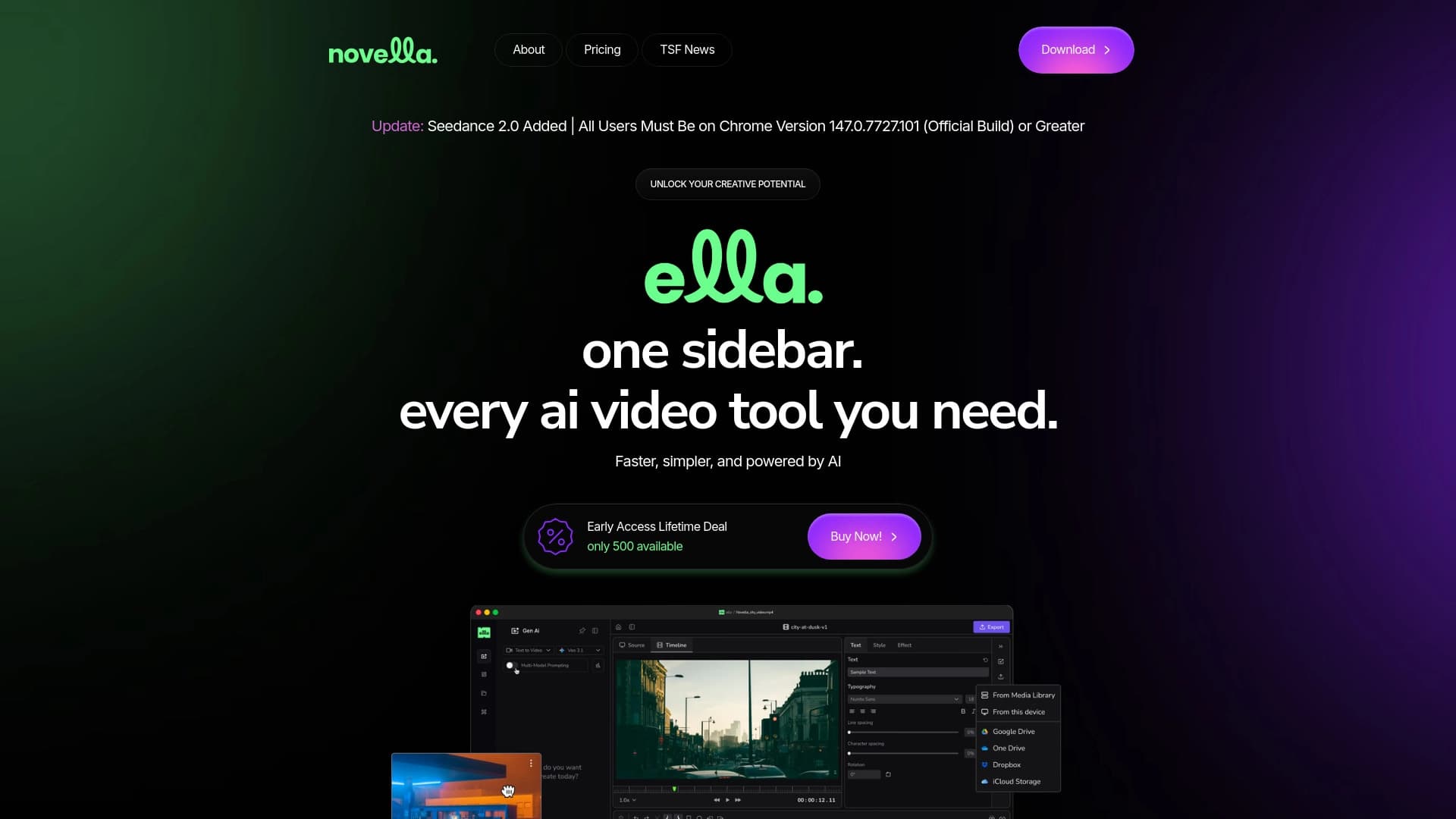

AI platform for creating and editing videos, working directly in the Chrome browser.
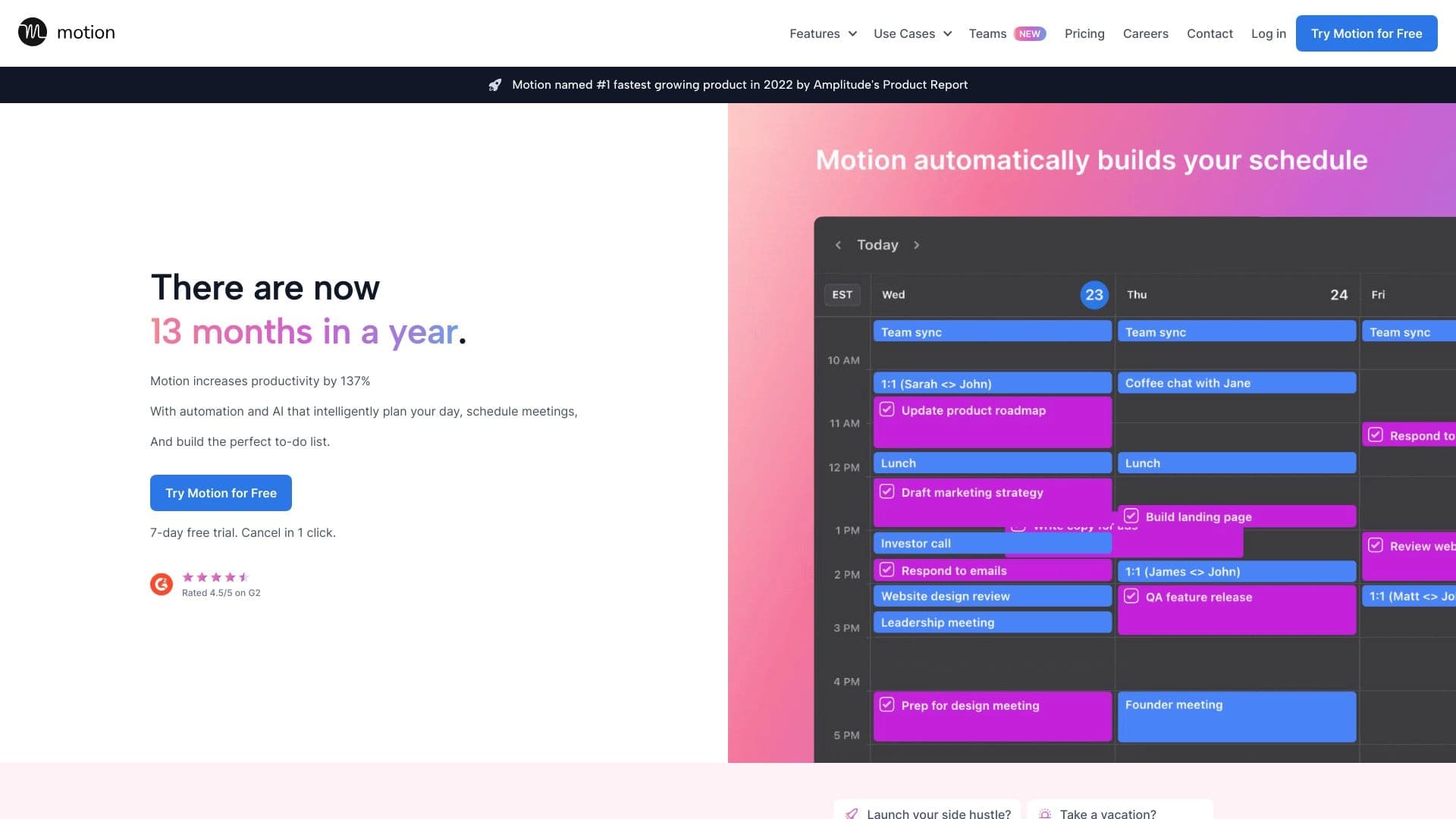

AI platform for automatic workday planning, task management, and prioritization.
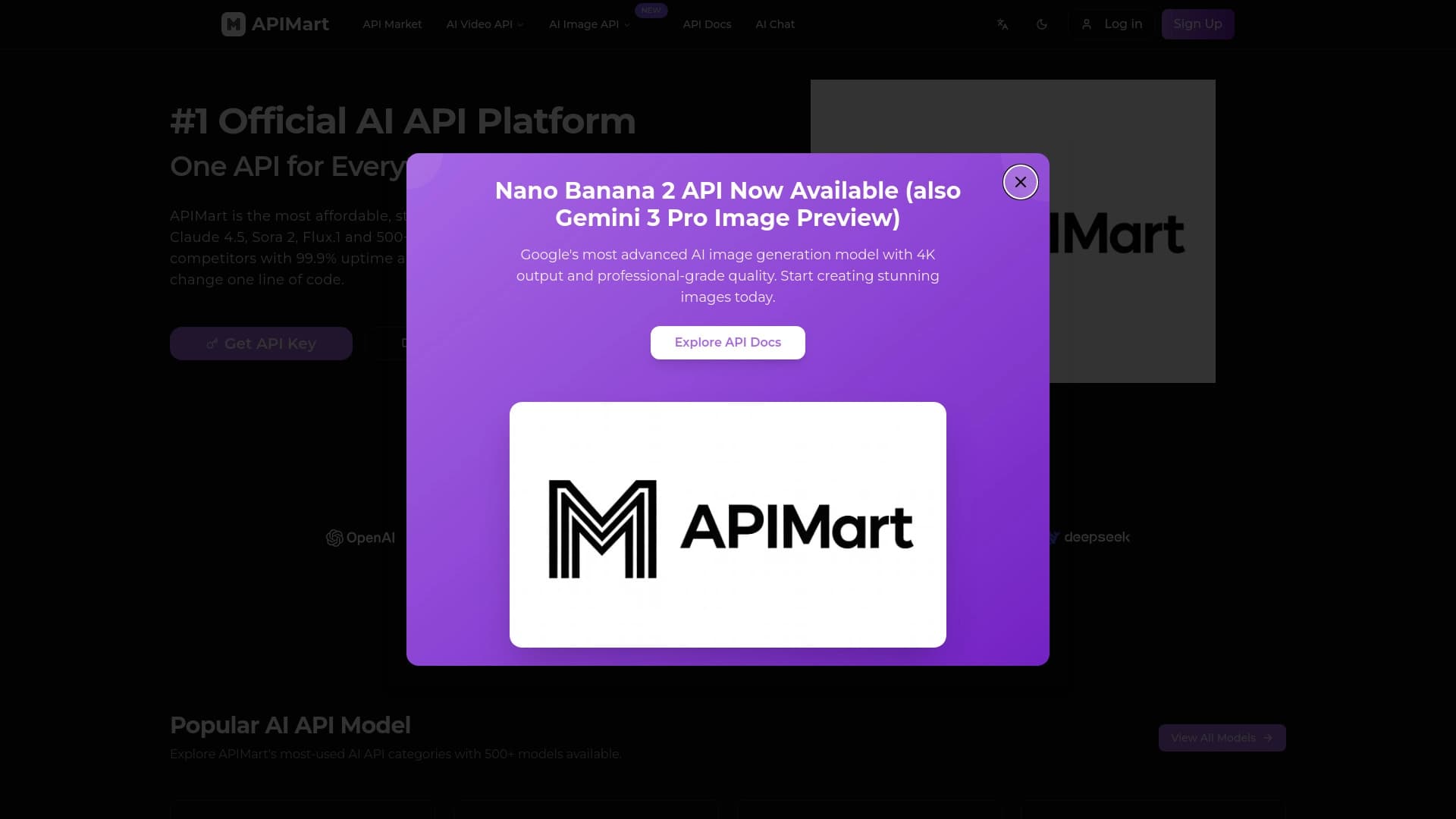
Unified API access to more than 500 AI models, including GPT-5 and Claude 4.5, with the ability to save on costs.
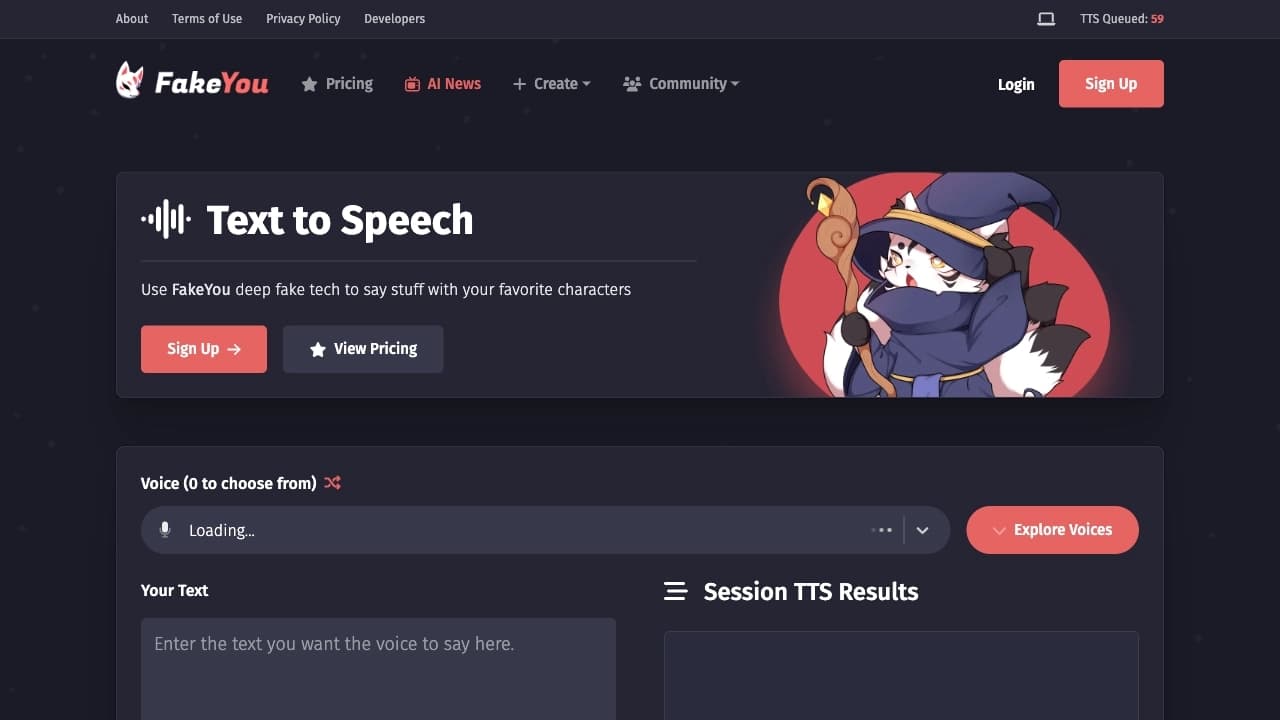

Online AI speech synthesis platform that allows generating audio with voices of famous characters and celebrities.
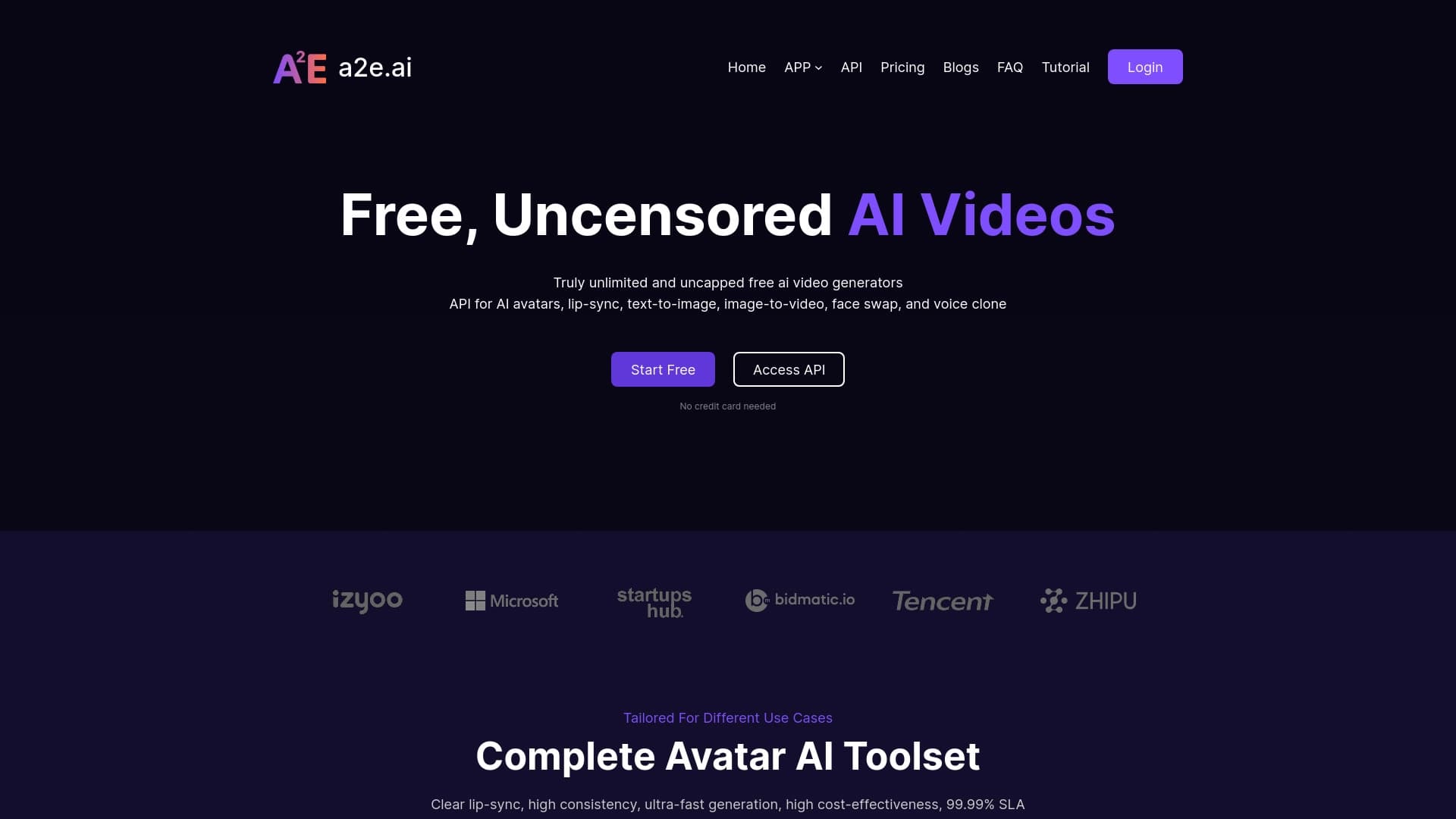

AI toolkit for video generation and editing, including avatars, lip-sync, and voice cloning.


Platform for increasing organic traffic and creating content with the help of AI and expert participation.

A platform for content creators that combines link management, email marketing, an online store, and analytics in a single visual editor without coding.
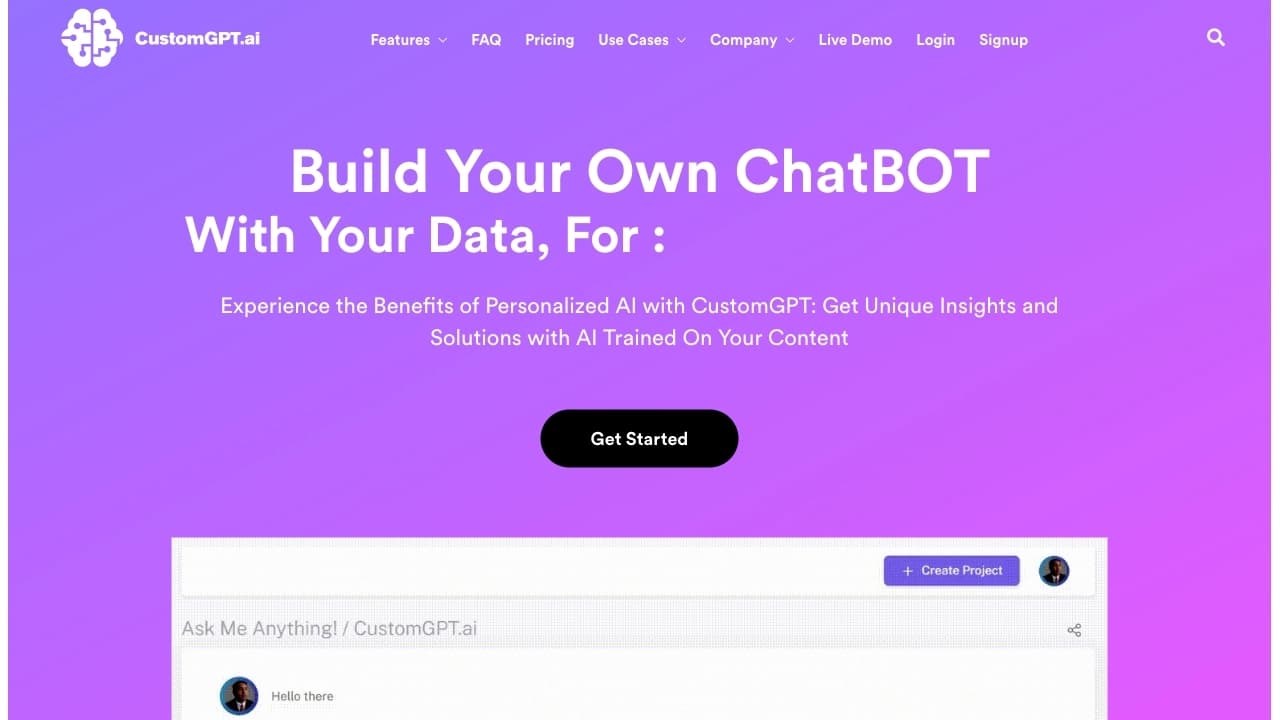

A platform for creating corporate chatbots based on your own documents without coding.