
Docus
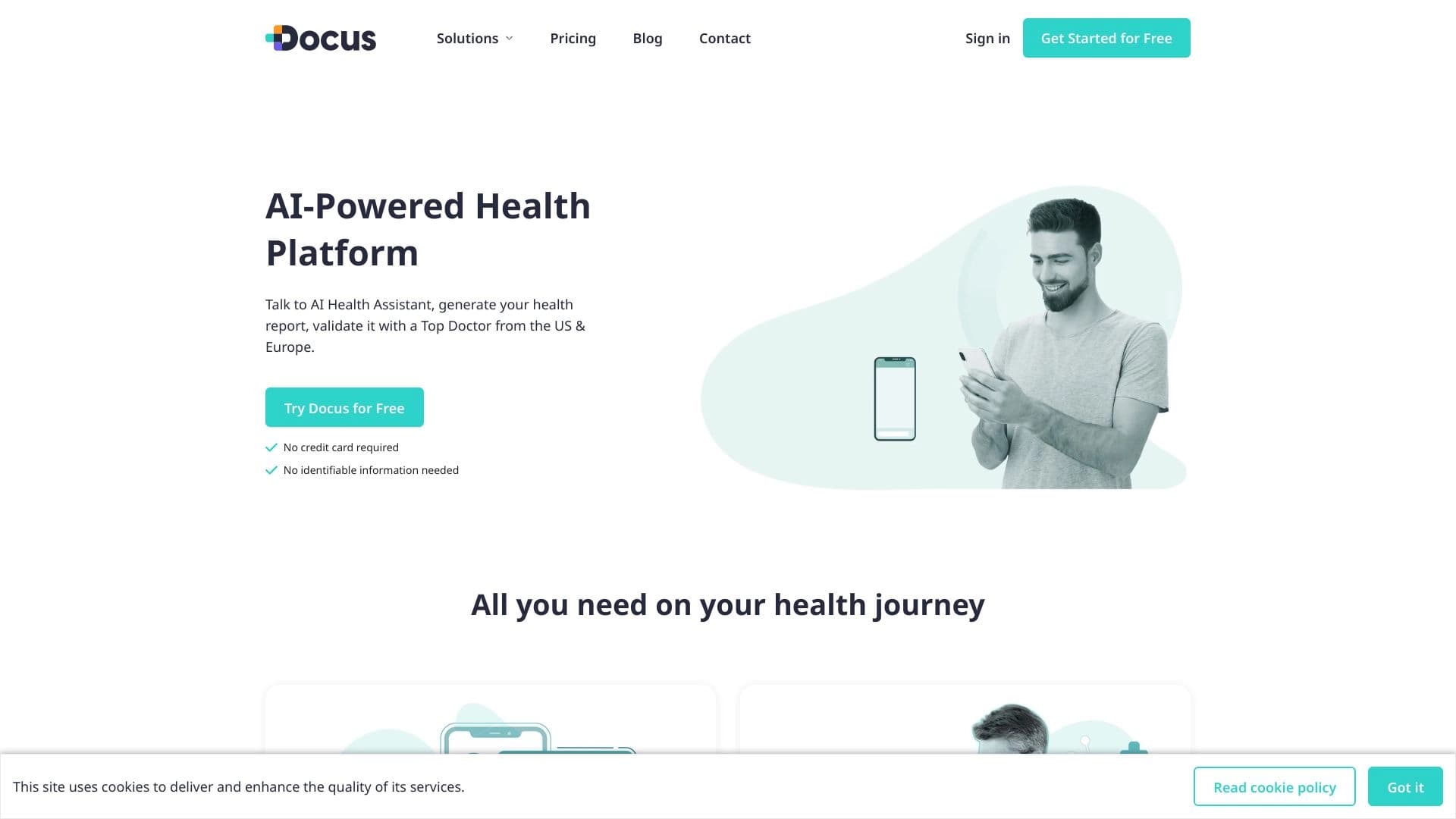
AI health management platform providing personalized medical consultations and access to doctors from the US and Europe.
Ranked in
Overview
Docus is a digital platform for personal health management that combines the capabilities of artificial intelligence with access to practicing physicians from the US and Europe. The service is positioned as a tool for a proactive approach to healthcare: it allows users to interpret laboratory test results, create personalized examination plans, and receive detailed consultations without needing to align with a clinic's operating schedule.
The key feature of Docus is its two-level operating model. At the first level, the user interacts with an AI doctor that analyzes symptoms and test data. At the second level, real medical specialists join the conversation, providing expert assessment of the situation. All transmitted information is processed in accordance with HIPAA and GDPR standards, ensuring the confidentiality of medical data.
Docus Characteristics
| Characteristic | Value |
|---|---|
| Type | Personal health management platform |
| Category | Medical consultations, Medical diagnostics, Symptom checking |
| Website | docus.ai |
| Standards compliance | HIPAA and GDPR |
| Security features | HIPAA/GDPR-level privacy and security |
| Distribution model | Paid |
Who is Docus suitable for?
Users with chronic conditions
The platform will be useful for people who need regular monitoring of their health indicators. The system helps track the dynamics of their condition and adjust examination plans in a timely manner, without requiring frequent clinic visits for routine consultations.
Prevention-oriented individuals
Docus suits those who prefer to manage their health before serious symptoms appear. The service allows users to regularly interpret test results and receive recommendations for next steps, which is especially important for early detection of abnormalities.
Patients seeking a second opinion
Users who want to verify a diagnosis or treatment plan with independent specialists can take advantage of access to doctors from the US and Europe. This is relevant for complex cases where an outside perspective is needed without crossing borders.
How to use Docus?
Getting started with the platform
The process begins with registering on the docus.ai website and creating a personal profile. The user needs to enter basic data about their health status, current symptoms, and available medical documents so the system can build an initial picture.
Interacting with the AI doctor
The main working tool is a chat with an AI consultant. Users can upload laboratory test results, symptom descriptions, and other relevant information into it. The neural network analyzes the provided data and forms preliminary conclusions, which then become the basis for building an examination plan.
Connecting live specialists
When necessary, the user can request a consultation with a real doctor from the platform's partner network. The physician gets access to the interaction history with the AI, allowing them to quickly get up to speed and provide expert recommendations based on already processed data.
Key features of Docus
AI doctor
An intelligent algorithm capable of conducting a dialogue with the user, asking clarifying questions, and providing preliminary medical recommendations based on described symptoms and uploaded test results.
Laboratory test interpretation
The service converts complex laboratory indicators into understandable explanations, highlighting deviations from reference values and suggesting possible causes for such changes.
Personalized examination plans
Based on collected data, the system generates individual recommendations for further diagnostic steps: which tests to take, which specialists to see, and which indicators require re-checking.
Round-the-clock access to expert support
Users can get a consultation from a doctor in the pool of US and European specialists at any time of day, without waiting for an appointment at a local clinic.
Advantages of Docus
HIPAA and GDPR compliance
The platform ensures the protection of medical information at the level of strict international standards. User data is not used for third-party purposes, which is a critical factor for medical services.
Personalized medical recommendations
Unlike general symptom reference guides, Docus adapts advice to the user's specific clinical picture, taking into account their history, current tests, and chronic conditions.
Access to international-level experts
The ability to get a second opinion from physicians practicing in the US and Europe expands diagnostic horizons and allows consideration of approaches unavailable in local medicine.
Disadvantages of Docus
Initial learning curve
New users may need time to understand the platform's structure: how to properly upload data, interpret AI conclusions, and interact effectively with doctors.
Limited integration with external services
The platform deliberately minimizes connections to third-party applications to ensure privacy. However, this creates inconvenience for users accustomed to syncing data with wearable devices or electronic medical records.
Does not replace professional in-person diagnostics
Despite its broad functionality, Docus cannot replace a physician's physical examination, instrumental studies, and other procedures that require direct patient contact with a medical professional.
What tasks does Docus solve?
Personal health management
The platform provides a unified space for storing information about the body's condition, indicator dynamics, and specialist recommendations, helping the user structure the monitoring process.
Laboratory test interpretation
Patients receive explanations of test results without needing to separately book a doctor's appointment, and can also clarify unclear indicators through the AI consultant.
Working with chronic conditions
The service provides regular monitoring of chronic diseases, allowing users to track changes in their condition and receive updated recommendations as the situation evolves.
Getting consultations from US and European doctors
Users who do not have access to foreign specialists or want to verify a local doctor's opinion can receive qualified assessments from international experts.
Building examination plans
The platform helps plan further diagnostics, determining the list of necessary tests and procedures based on current complaints and results of previous studies.
Docus pricing
The exact subscription cost for the Docus platform is not disclosed based on available data. The service operates on a paid distribution model; however, specific pricing plans, payment terms, and the availability of a free trial period are not published in the open sources used to compile this review. For up-to-date pricing information, it is recommended to contact the platform's official website docus.ai directly.
Terms of use for Docus
The platform operates in accordance with the requirements of the HIPAA and GDPR medical standards, which imposes certain obligations on both the service and its users. Collected medical data is used strictly for the purpose of providing consultation services and is not shared with third parties. Access to information is limited to authorized specialists involved in processing user requests. It is important to understand that the service is informational and consultative in nature and does not replace full-fledged medical care.
Docus availability
The platform is available through a web interface at docus.ai. The service targets an international audience, given the ability to receive consultations from doctors in the US and Europe. Information about the availability of mobile applications for iOS and Android, as well as geographic restrictions on access to the service, is not mentioned in the analyzed sources.
How Docus differs from alternatives
Priority on data privacy
The main difference between Docus and competing services is its strict commitment to privacy standards. User medical data is not used for third-party purposes, such as algorithm training or marketing research. Access to information is limited to the minimum necessary circle of specialists.
Limited third-party integration
While other platforms actively integrate with fitness apps, wearable devices, and external medical systems, Docus deliberately limits such scenarios. This reduces the risk of data leaks through third-party channels but simultaneously reduces the platform's functional flexibility.
Combined format
Unlike purely algorithmic symptom-checking services, Docus combines AI capabilities with real expertise from live doctors. This hybrid model reduces the likelihood of errors associated with the limitations of machine analysis and provides users with a higher level of trust in the recommendations received.
Conclusion
Docus is an innovative platform for personal health management that combines the responsiveness of artificial intelligence with the depth of expertise of practicing physicians from the US and Europe. The service targets users seeking proactive control over their condition and offers tools for interpreting tests, building examination plans, and obtaining international medical consultations. The key competitive advantage is strict adherence to HIPAA and GDPR security standards, ensuring the protection of sensitive medical data. At the same time, the platform does not claim to replace in-person diagnostics and requires users to invest some time in learning the interface, which should be considered when choosing this tool.
Frequently asked questions
See also
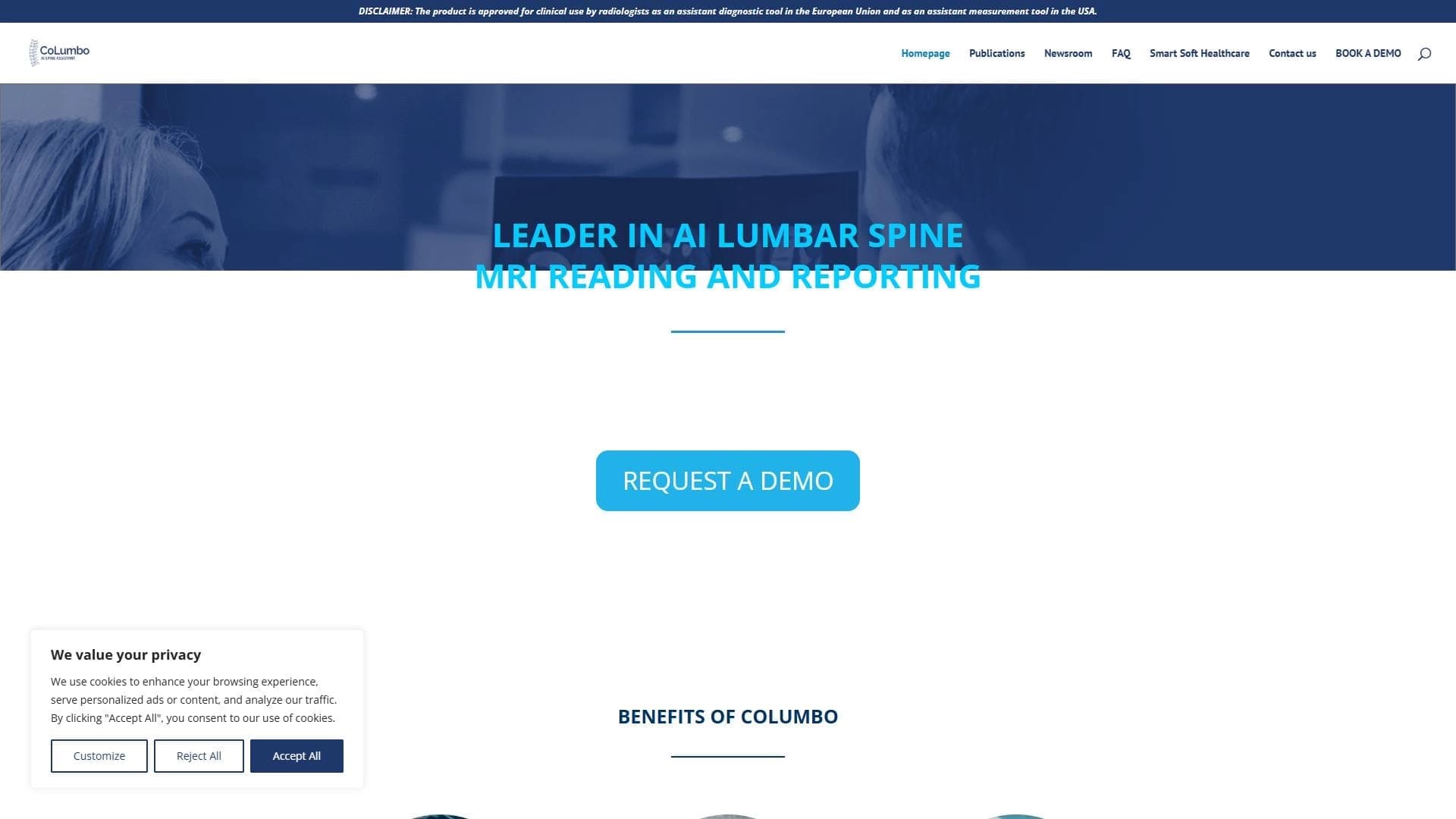

Neural network for automating the analysis of lumbar spine MRI and report preparation.
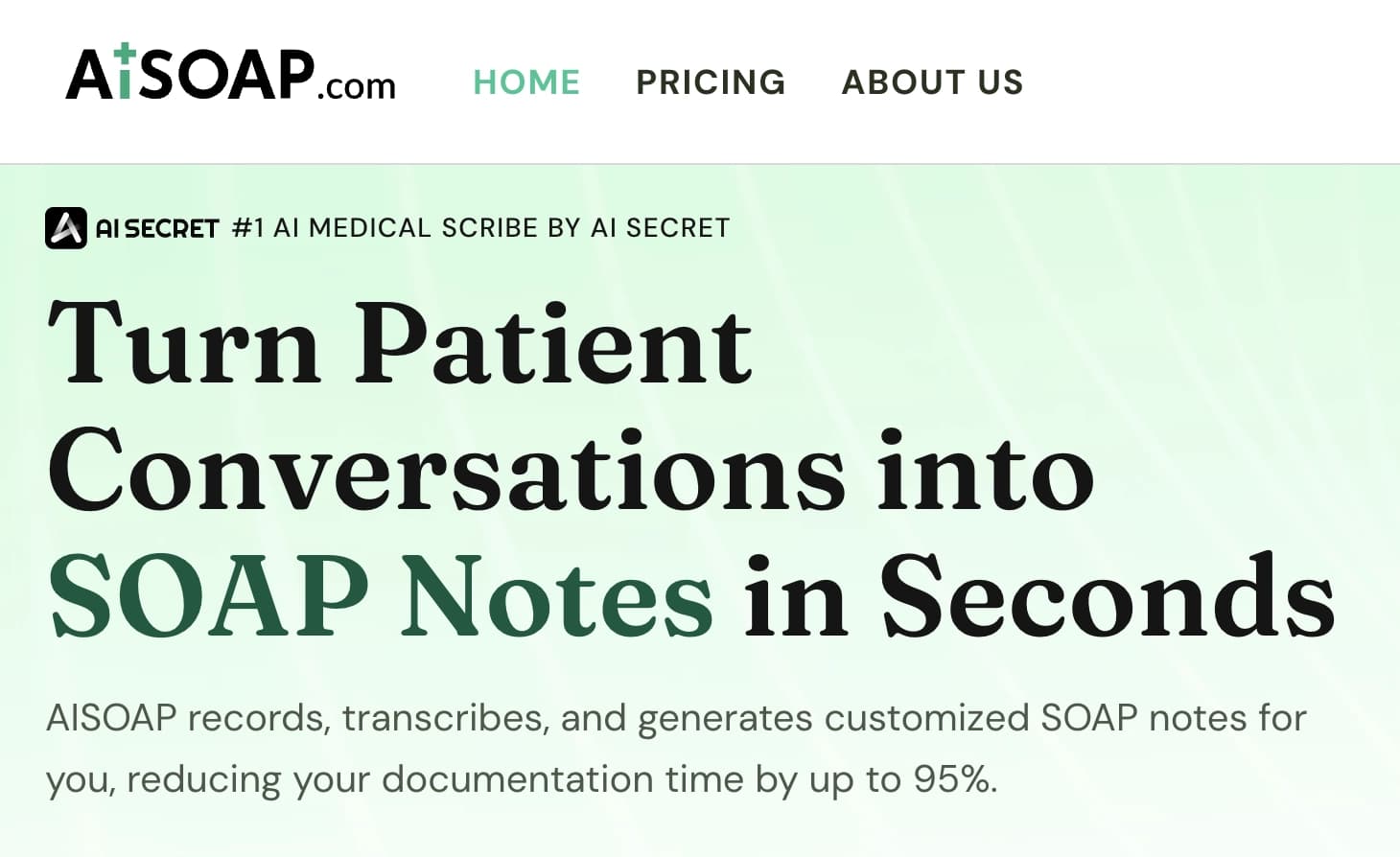

AI assistant for doctors that automatically creates structured SOAP notes from appointment audio recordings.
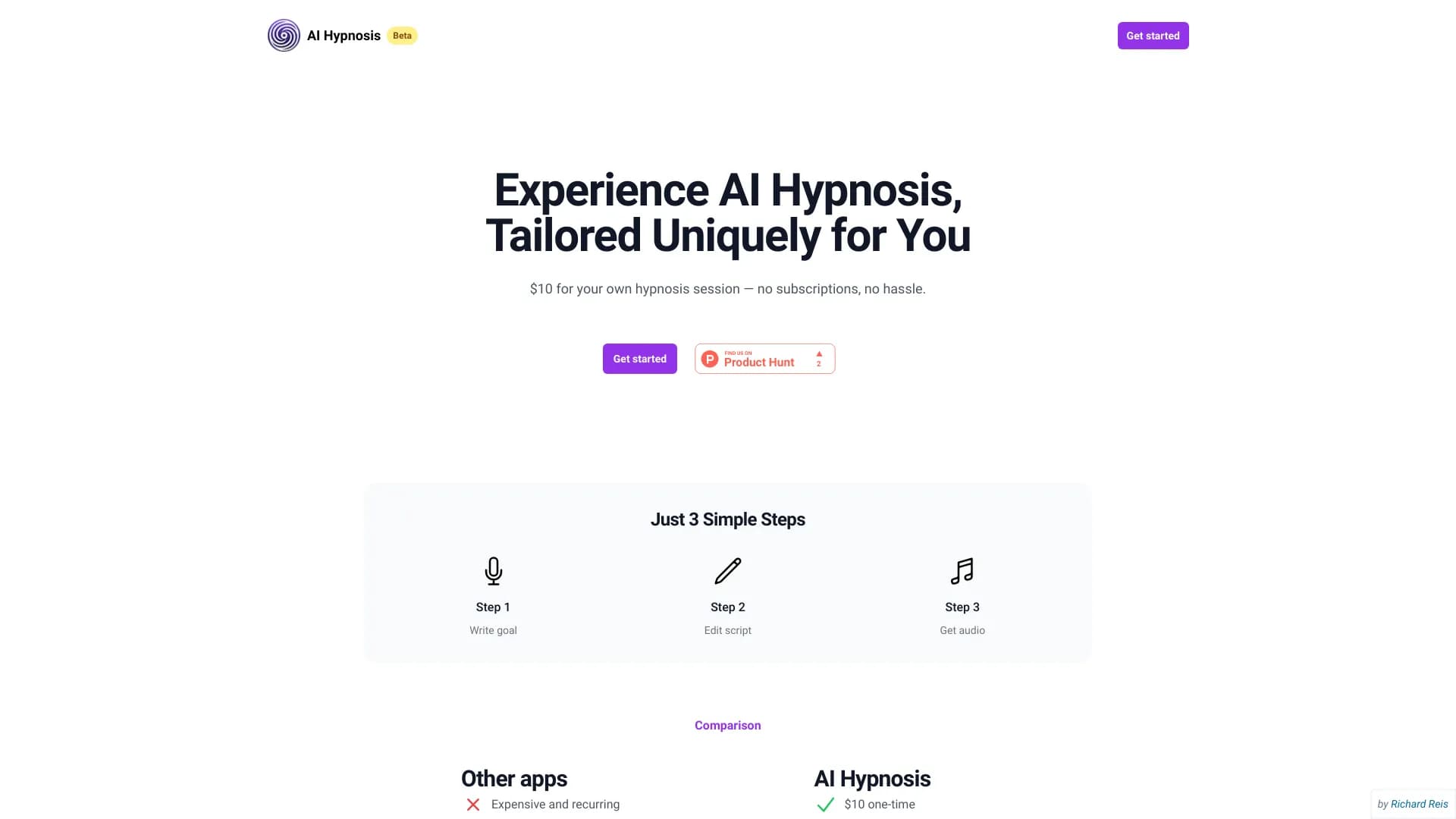

AI-powered service that creates personalized hypnotic audio sessions.
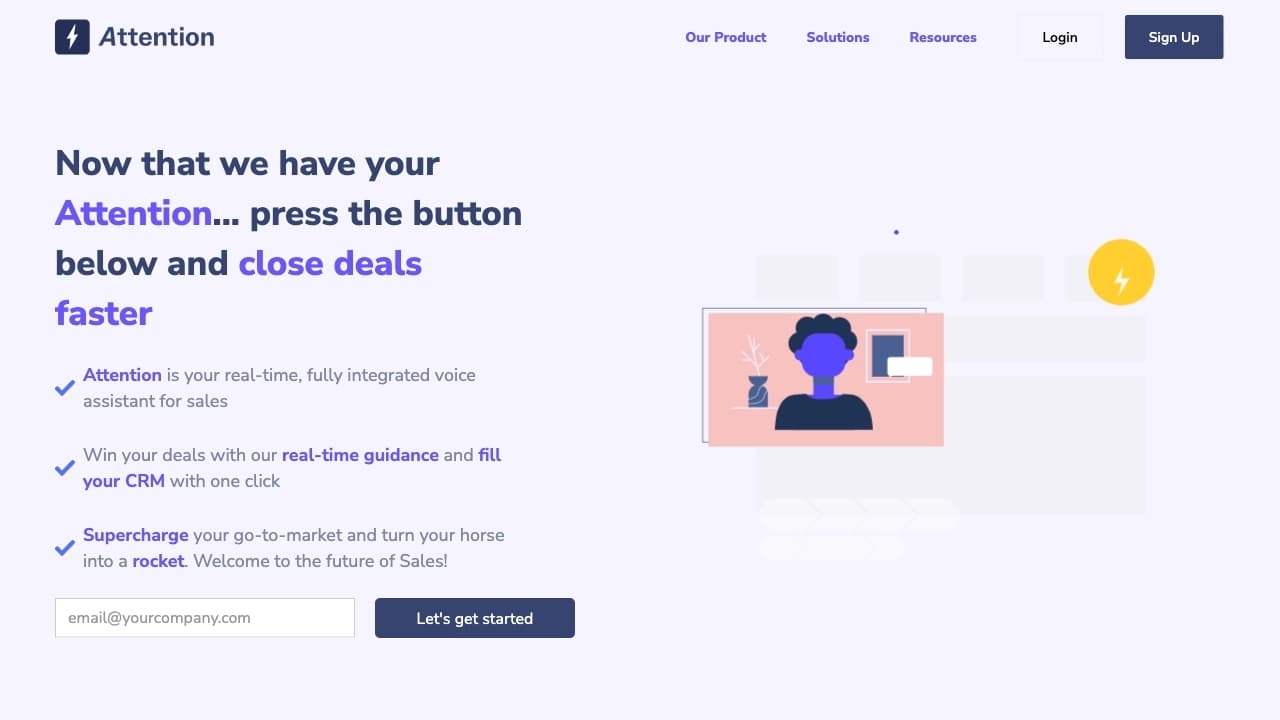

AI platform for CRM automation, call analytics, and real-time sales training.
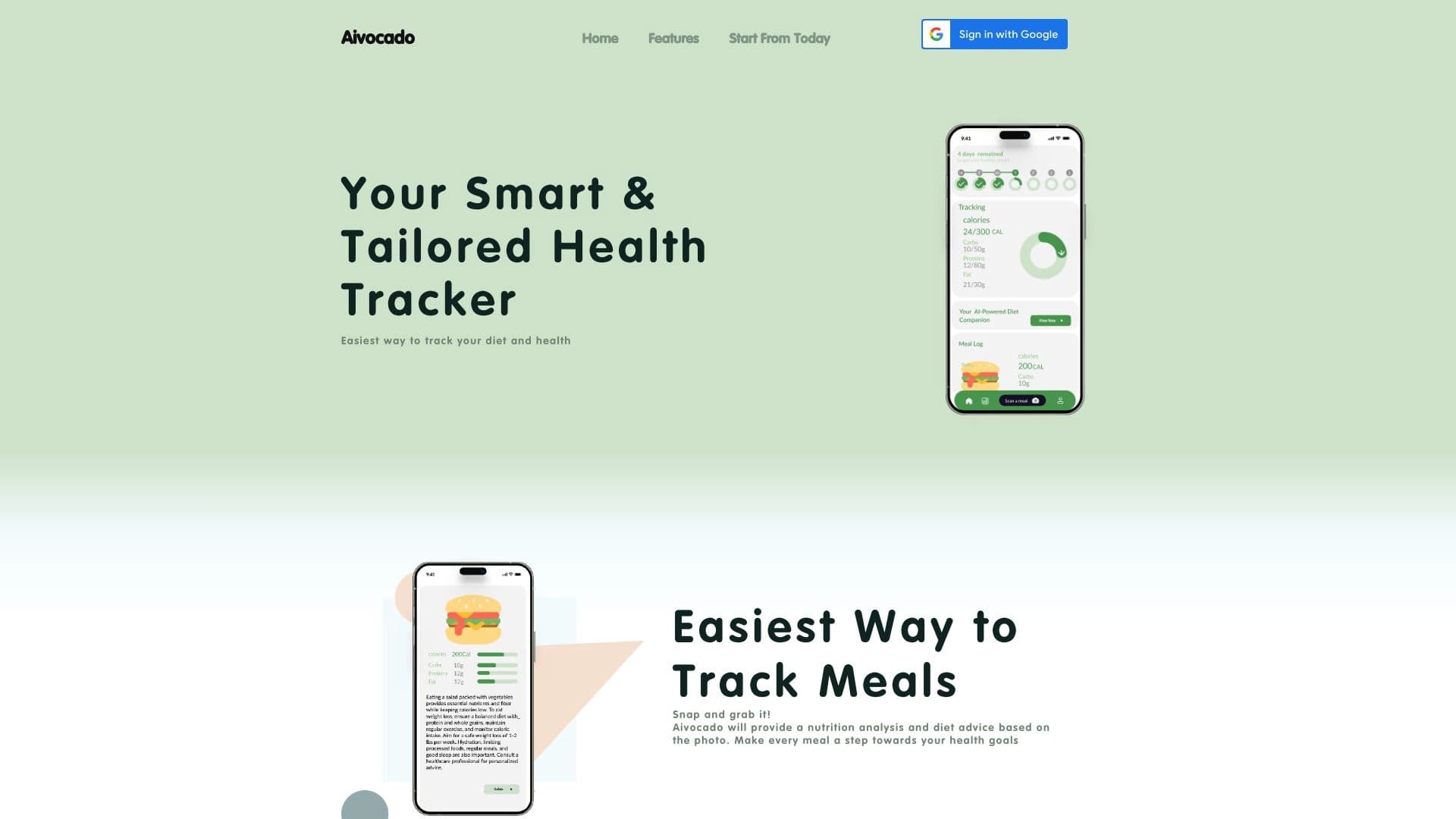
AI service for analyzing nutrition and creating personalized meal plans based on food photos.
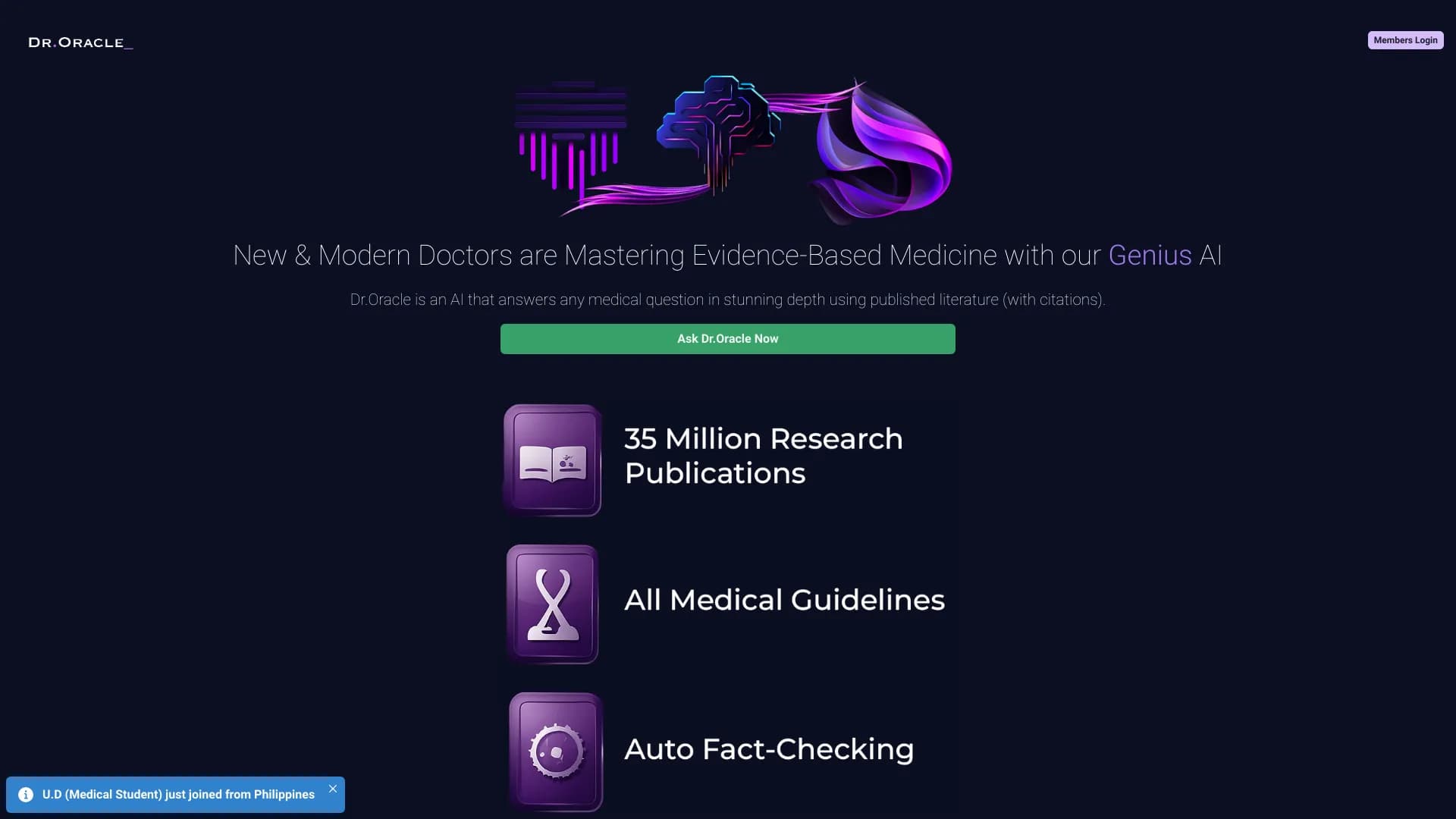
AI platform for medical research and consultations, providing structured answers based on clinical guidelines.
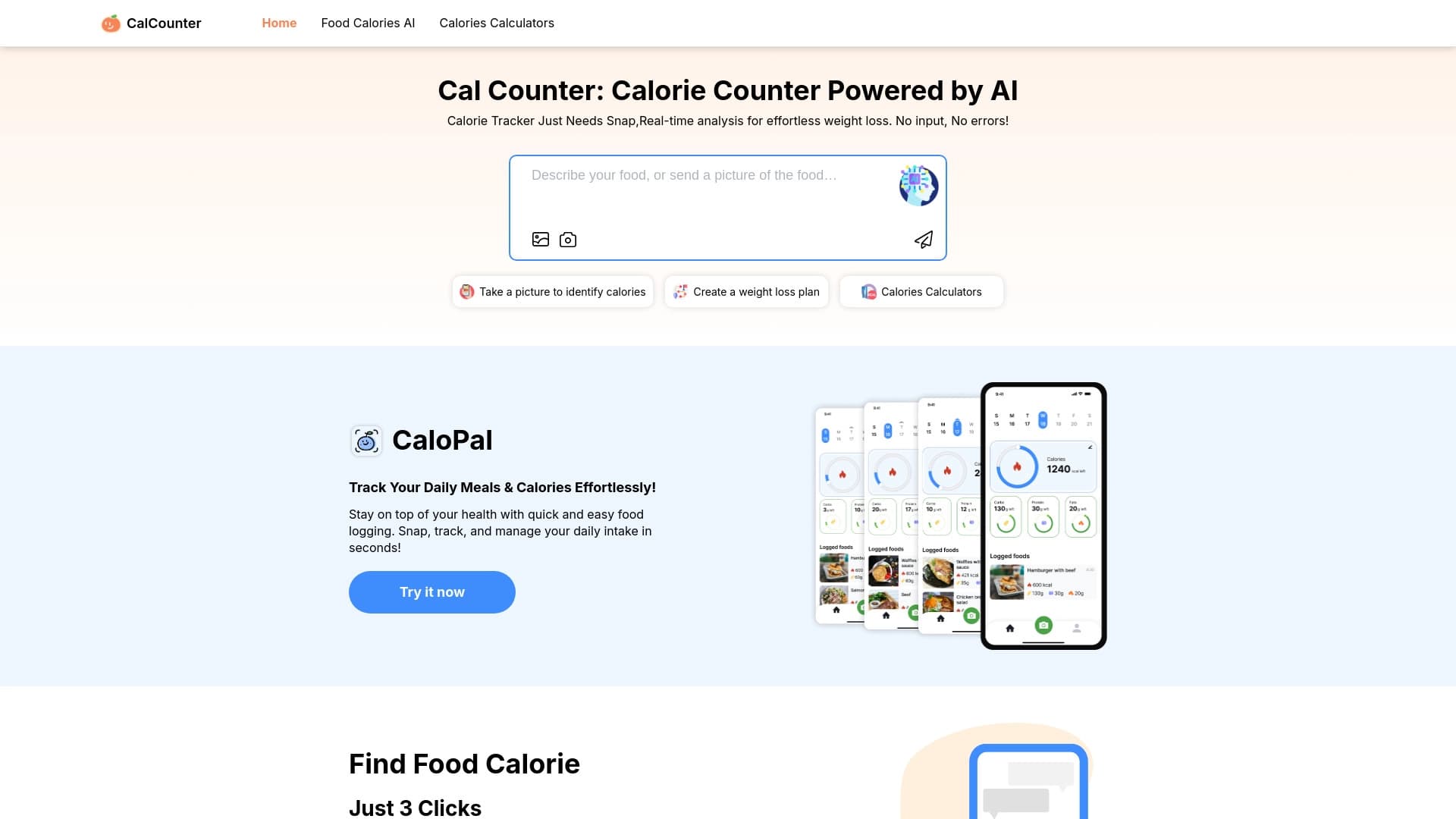
AI tool for counting calories from a photo of food.

A multifunctional chatbot from OpenAI that works with text, images, audio, and video in a single conversation.