

Dia
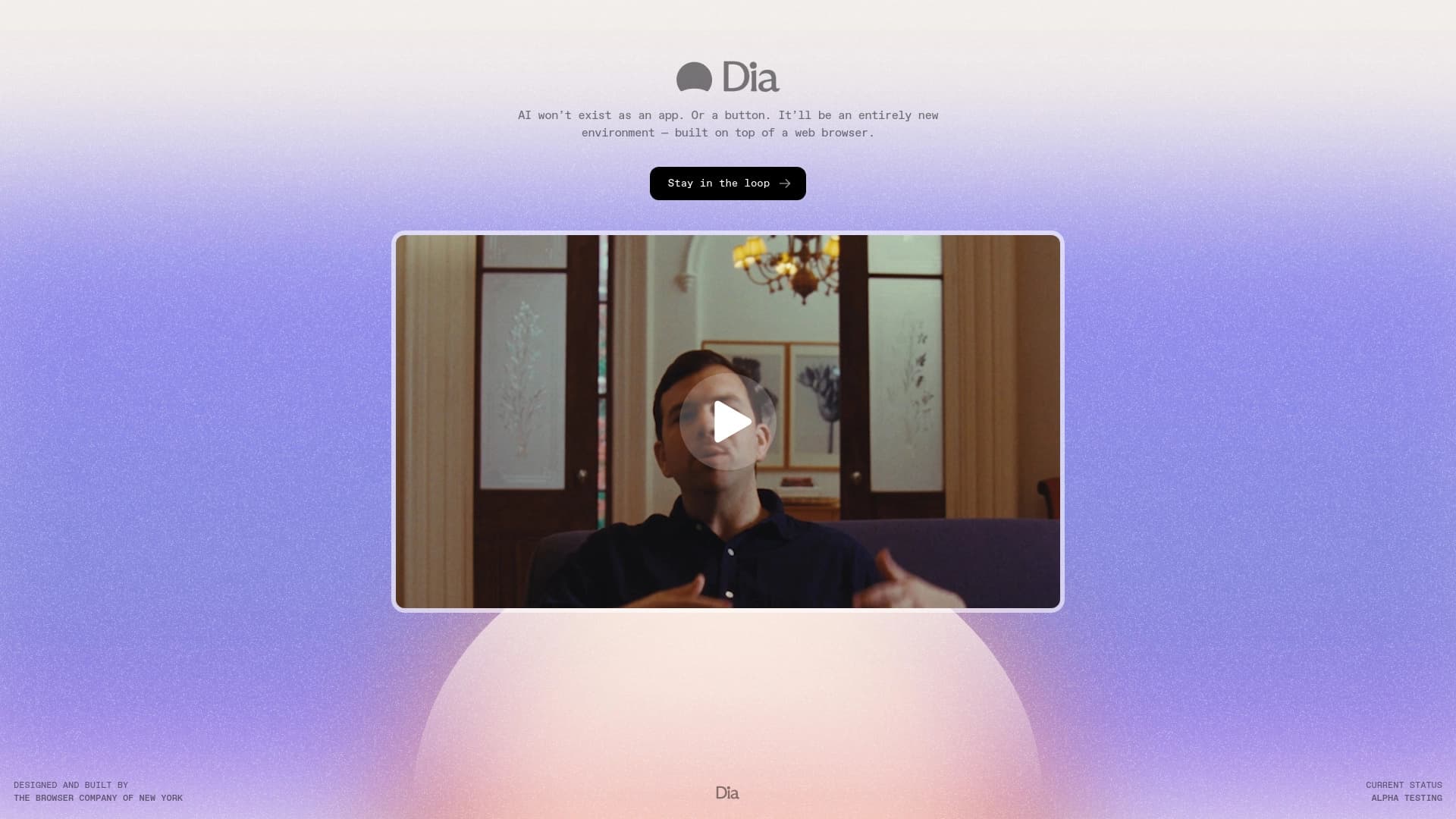
Experimental AI browser from the creators of Arc with a built-in assistant for search, tab management, and action automation.
Ranked in
Overview
Dia AI Browser Description
Dia is an experimental AI-powered browser created by the development team known for the Arc project. The main idea behind the project is to embed an assistant directly into the browser, allowing users to interact with the internet through chat or voice commands. The assistant helps find the needed information, manage open tabs, and automate repetitive actions. An important feature is that all collected data is encrypted locally, and the interface is kept minimalist. The project is currently in its early stages: access is only available through a waitlist.
Dia Features
| Feature | Value |
|---|---|
| Type | AI browser |
| Developer | Arc team |
| Pricing model | Currently free |
| Categories | Task automation, Assistants, Apps and services, Productivity |
| Date added | 16.06.2025 |
Who is Dia AI Browser for?
Tech enthusiasts
Dia is designed for those who love being the first to try new digital tools. The project's experimental status means users participate in shaping the product at an early stage.
Productivity specialists
A browser with routine automation can be useful for people who spend a lot of time online: researchers, analysts, students, or those who work with many open tabs and need to streamline their workflow.
How to use Dia AI Browser?
Getting access
To start using Dia, you need to submit a request to the waitlist via the form on the product's official page. There is no direct registration or open installation available yet.
Interacting with the assistant
Once you gain access, interaction happens through chat or voice commands. The assistant is built into the browser interface, and you can delegate tasks like searching for information, switching tabs, or other actions. You can also "talk" to open tabs — ask them questions or request to find a specific fragment.
Key Dia Features
Built-in adaptive AI assistant
The assistant in Dia doesn't just process commands — it also learns from user preferences. It remembers typical behavior and, over time, offers more relevant suggestions.
Search, suggestions, and step prediction
The tool helps find information and can suggest similar pages based on the current context. Additionally, Dia predicts the user's next steps, speeding up navigation and reducing the number of manual operations.
Automation and tab management
One of the key capabilities is automating routine actions. Users can delegate repetitive scenarios to the browser and manage tabs via voice or text commands.
Dia Advantages
Minimalism and privacy
The browser interface is not overloaded with unnecessary details, allowing users to focus on page content. At the same time, all data is encrypted locally, which is a significant plus for privacy-conscious users.
Self-learning capability
Dia is not static: it remembers the owner's habits and provides more accurate suggestions and relevant pages based on them. This creates the feeling of a "living" assistant that adapts to your work style.
Dia Disadvantages
The main limiting factor at the moment is the product's closed nature. To test the browser, you need to join the waitlist, and the exact timeline for granting access is not disclosed. Also, since the project is experimental, unstable performance and a lack of the full functionality typical of classic browsers are possible. Users should be prepared for some features to be refined during use.
What problems does Dia solve?
The tool focuses on three main scenarios: simplifying information search, automating routine browser tasks, and managing tabs. The first is achieved through suggestions and similar-page search, the second through automatic execution of repetitive actions, and the third through commands to the assistant via chat or voice.
Dia Pricing
At the current stage, the browser is provided free of charge. There is no official information about a future pricing model or paid plans in public sources, so it's premature to discuss exact costs.
Dia Terms of Use
Registration on the waitlist is mandatory to use the browser. Without a prior request, it's impossible to start using it. The experimental product status also implies that terms may change as the project evolves.
Dia Availability
Access to Dia is currently limited. The tool cannot be freely downloaded or installed — access is granted only through the waitlist. When exactly the geographic reach or user base will expand has not been officially announced.
How Dia differs from alternatives
Key difference — the browser environment
Unlike standalone assistants (e.g., ChatGPT Work or Siri AI), Dia is embedded directly into the browser. This allows it to interact not only with user queries but also with open tabs, page context, and action history. This integration enables deeper automation than a typical chat assistant.
Focus on privacy
Local data encryption and a minimalist interface set Dia apart from solutions like Comet or ChatGPT Agent. Privacy concerns are addressed by storing data on the user's device rather than in the cloud.
Conclusion
Dia is an experimental AI browser from the creators of Arc, focused on simplifying information search and automating routine actions. Its strengths include a built-in self-learning assistant, voice control support, local data encryption, and a minimalist interface. However, the product is currently unavailable to a broad audience: access is only possible through a waitlist, and future terms of use and pricing have not yet been announced. Nevertheless, for tech enthusiasts and those looking to reduce time spent on routine browser operations, Dia could become an interesting tool in the future.
Frequently asked questions
See also

Platform for creating custom AI chats trained on your own business data.


A web service that automates job search using artificial intelligence.
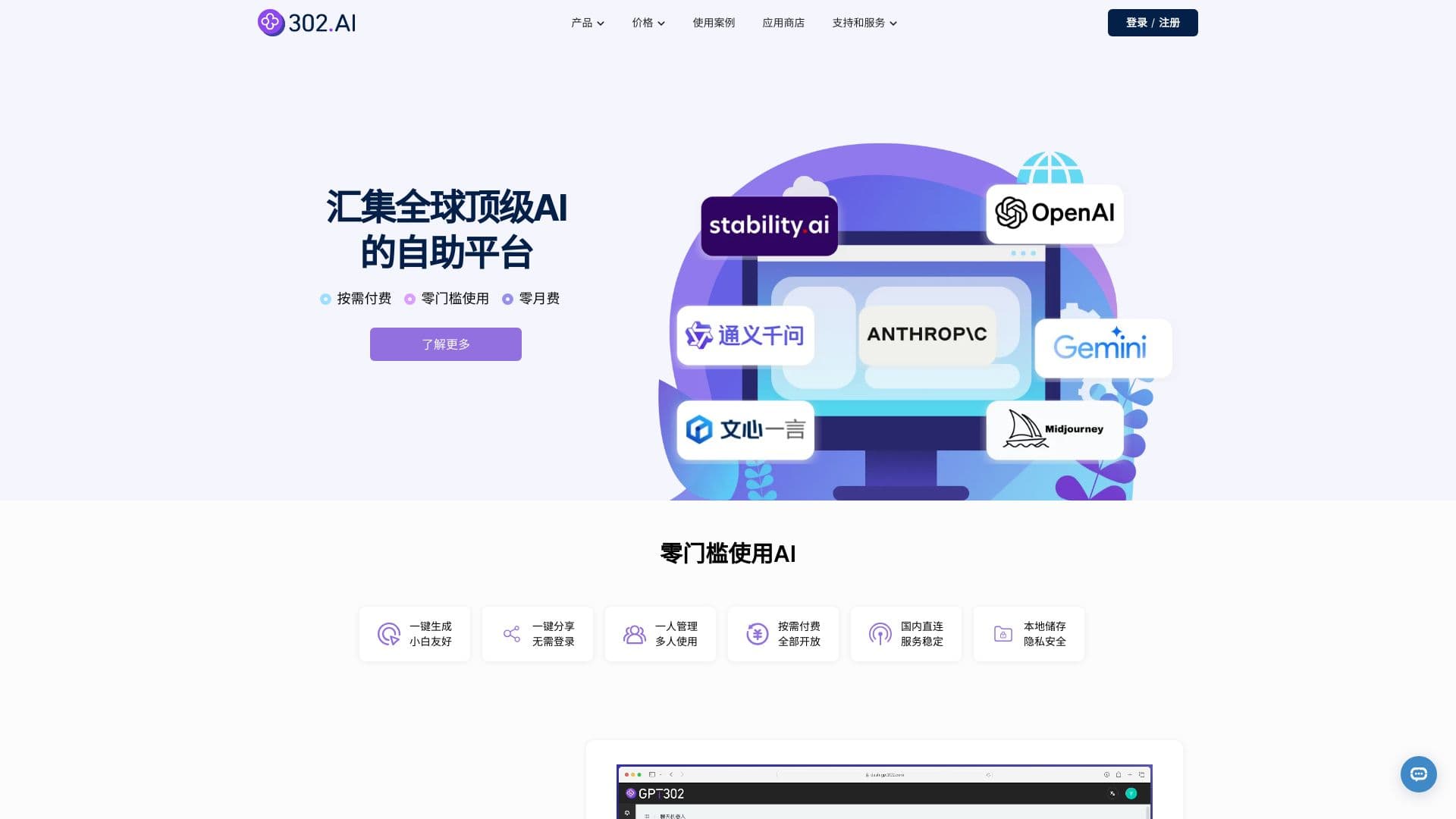

Aggregator platform that brings together various AI tools and language models with pay-as-you-go pricing.
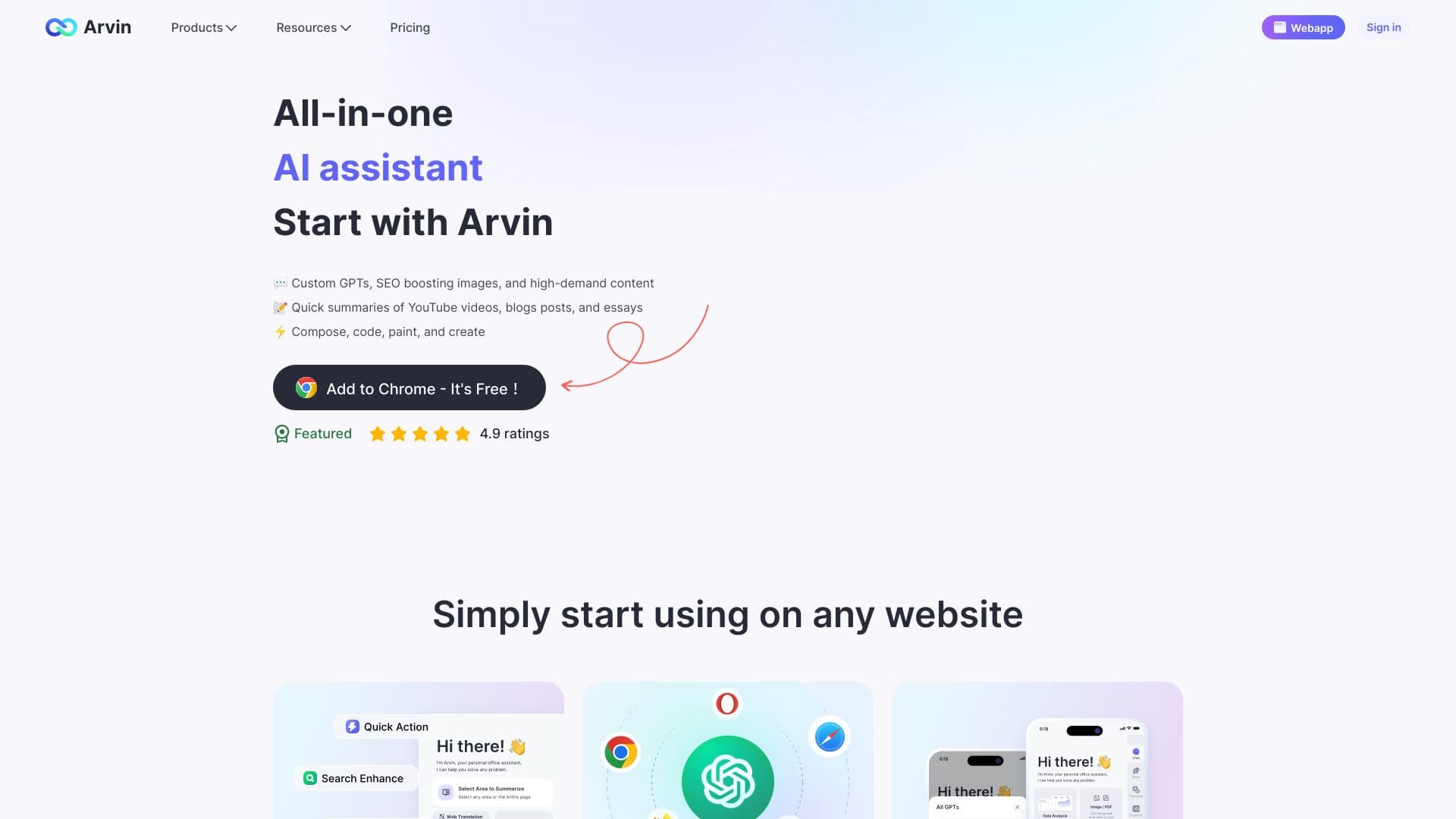
Browser extension and web service with AI assistant features: answering queries, summarizing videos and documents, and translating text.

AI travel planner that creates personalized itineraries and helps you choose flights, accommodation, and activities in a chat.
AI assistant for automating retail tasks and optimizing call center operations.
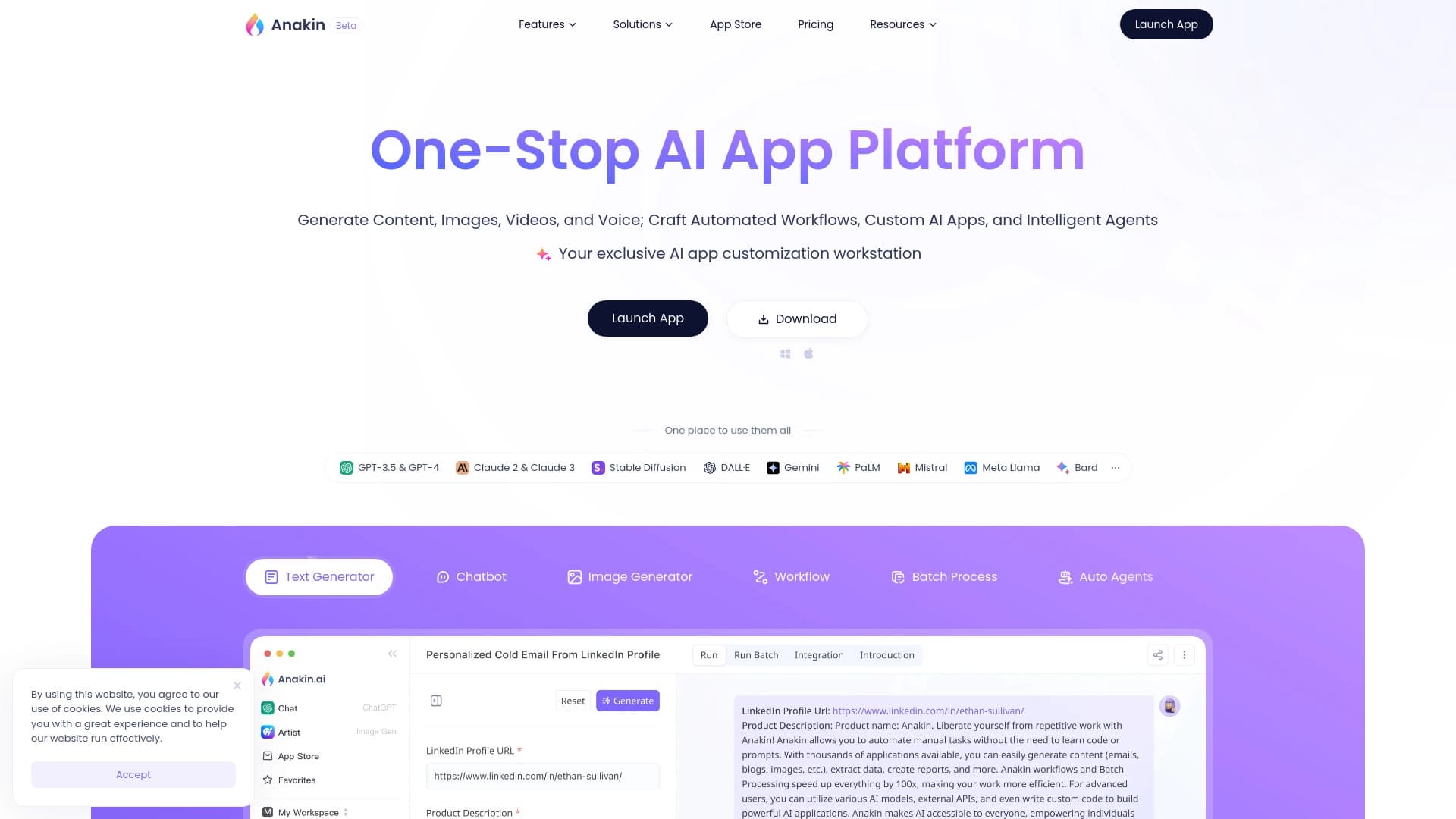
Anakin.ai is a low-code platform that combines various AI models for content creation and workflow automation without coding.
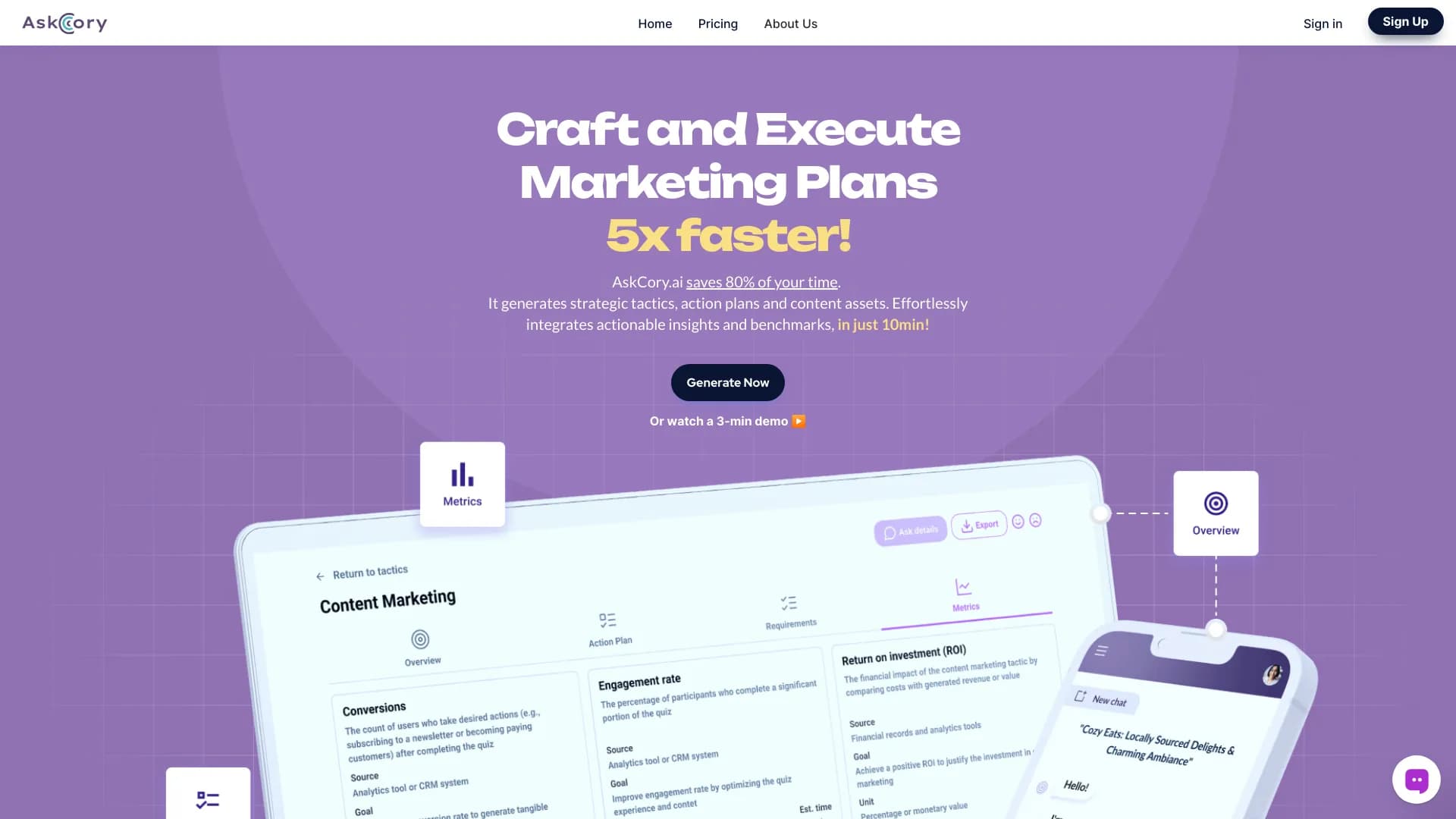

AI marketing assistant that helps create promotion strategies and optimize advertising campaigns.