
Deep Daze
Neural network for generating artistic images from a text description.
Overview
Deep Daze is a neural network designed to generate artistic images based on a text description. The project is an experimental tool in the field of generative art that allows users to create unique visual images by entering a simple text prompt in natural language.
At the core of Deep Daze's operation is the combination of two key machine learning models. The first model, CLIP, is responsible for understanding the relationship between text and images, while the second, SIREN, handles the direct generation of visual content. This combination allows the neural network to interpret the meaning of a prompt and transform it into an abstract artistic image, which often looks like a surreal painting or a hallucination.
It is important to note that Deep Daze does not aim for photorealism. Instead, the focus is on the creative reinterpretation of input and the creation of unusual, often psychedelic or dreamlike compositions. This makes the tool interesting for artists, designers, and anyone who wants to explore the boundaries of human-AI interaction in creativity.
Deep Daze Features
Below are the main technical and functional characteristics of the neural network, based on available information.
| Characteristic | Value |
|---|---|
| Purpose | Image generation from text descriptions |
| Base models | CLIP (understanding text and images) and SIREN (image generation) |
| Runtime environment | Google Colab (cloud environment, no local installation required) |
| Type of generated content | Abstract, artistic images |
| Distribution model | Free |
Who is Deep Daze suitable for?
Deep Daze is a niche tool aimed at a specific audience interested in art and technology. First and foremost, it will be useful for the following categories of users:
Artists and Illustrators
For creative people, Deep Daze can serve as a source of inspiration or a tool for generating references. Artists can use the unusual textures and shapes created by the neural network as a basis for their work or as standalone pieces in the style of generative art.
AI Researchers and Enthusiasts
Those interested in the capabilities of artificial intelligence and how neural networks work will find Deep Daze interesting as a practical example of using CLIP and SIREN models. It is an opportunity to see how algorithms "understand" text and transform it into visual images.
Experimental Designers
Deep Daze is suitable for creating unique background textures, abstract patterns, or conceptual screensavers. If standard stock images seem boring, this neural network allows you to create truly original visual solutions.
How to use Deep Daze?
The process of using Deep Daze has its own peculiarities related to its technical implementation. The tool is not a web service with a familiar interface, but requires certain actions from the user.
Running in a Cloud Environment
To work with Deep Daze, you need to use the Google Colab environment. This is a cloud service that allows you to run Python code in a browser without installing additional software on your computer. This significantly simplifies access to the neural network and allows you to work with it on any device with internet access.
Entering a Text Prompt
The main interaction with the neural network occurs through writing a text prompt. The user needs to formulate the desired image or concept. However, it is worth understanding that the result will be very different from a simple "image search" — the neural network interprets the text creatively, creating an abstract composition rather than a precise illustration.
Preliminary Preparation
Successful launch requires a basic understanding of how to work with the Google Colab interface (running code cells). Beginners may need time to figure out the settings and parameters, but the process itself does not require deep programming knowledge.
Core Functions of Deep Daze
Deep Daze's functionality is focused on one key task — converting text into images. However, within this task, several aspects of its operation can be highlighted:
Text-to-Image Generation
This is the main function. The user enters text, and the neural network creates a unique image. The process is iterative: the model repeatedly improves the image until it matches the text description from the CLIP model's perspective.
Creating Abstract Compositions
Unlike many modern generators, Deep Daze does not try to build clear scenes or portraits. Its strength lies in creating abstract, surreal images that may resemble hallucinations or dreams. This opens up wide possibilities for experimenting with form and color.
Experimenting with Prompts
A key feature is the ability to endlessly experiment with text prompts. By changing phrasing, adding or removing words, you can get completely different artistic results, exploring how the neural network perceives certain concepts.
Advantages of Deep Daze
Despite its niche nature, Deep Daze has a number of advantages that attract users:
- Creative uniqueness: The generated images have a high level of originality and are unlike typical results from other neural networks.
- Free access: The model is distributed free of charge, allowing anyone to try their hand at generative art without financial costs.
- No hardware requirements: Thanks to running via Google Colab, no powerful computer with an expensive graphics card is needed. Any device with a browser is sufficient.
- Easy entry: No complex software installation is required. The entire process happens in the browser through a cloud service.
Disadvantages of Deep Daze
Deep Daze also has certain disadvantages that are important to consider before starting:
- Complex setup and launch: Despite using Colab, the launch process can be non-trivial for beginners unfamiliar with cloud environment interfaces and the basics of working with code.
- Time-consuming generation: Creating a single image is an iterative process that can take a significant amount of time, unlike fast web services.
- Specific style: The neural network cannot create photorealistic images. Its style is strictly limited to abstract and surreal directions, which is not suitable for all tasks.
- Unpredictable results: The generation outcome is often unpredictable. Sometimes it is difficult to achieve the desired image, requiring a large number of experiments with text prompts and settings.
What tasks does Deep Daze solve?
Deep Daze is a specialized tool, so it solves a fairly narrow range of tasks. Its main application lies in the creative sphere.
Finding Inspiration and Ideas
Deep Daze can act as an inexhaustible source of creative inspiration. The resulting images can spark new ideas, unconventional color combinations, or unusual shapes for an artist or designer to use in further work.
Generating Art for Non-Commercial Projects
The neural network is suitable for creating abstract illustrations for various creative projects, such as designing music albums, creating art for blogs, or social media posts. The resulting images can become the basis for unique visual content.
Exploring Generative Modeling Capabilities
For researchers and students studying artificial intelligence, Deep Daze is an excellent visual aid. It demonstrates the practical application of CLIP and SIREN models and allows for the study of image generation principles.
Deep Daze Pricing
As of today, Deep Daze's distribution model is completely free. Users do not need to pay for using the neural network or purchase a subscription to access its functionality.
However, it is worth noting that the work happens through the Google Colab service, which may have its own limitations. The free tier of Colab may have limits on the usage time of computing resources. If a user exceeds these limits, they may need to either wait until the next day to continue working or switch to a paid plan of the Google service itself, but this is not directly related to paying for Deep Daze.
Terms of Use for Deep Daze
The tool is distributed in a format that assumes a certain level of user engagement. Since this is not a ready-made web service but rather research code, the terms of use come down to free access to the code and its execution in a cloud environment.
It is important to understand that Deep Daze requires knowledge of the Google Colab interface to run. This means the user will have to independently figure out the notebook structure, run code cells, and possibly adjust certain generation parameters, such as the number of iterations. This process is more like working with a research prototype than a commercial product. The license for use does not impose restrictions on the creative application of generated works, but one should not expect technical support typical of commercial services.
Availability of Deep Daze
Deep Daze is available to all users worldwide who have access to the Google Colab service. Since it is a free, open-source tool, no special permission or registration on a developer platform is required to use it.
The only technical limitation on availability is the need for a stable internet connection to work with Google's cloud environment. It is also worth remembering that obtaining a result may require a significant amount of time, since image generation is a multi-step process. Thus, Deep Daze is a free and publicly accessible, albeit technically complex, tool for experiments in the field of generative art.
How Deep Daze differs from alternatives
Deep Daze occupies a special place among image generation tools. Its main difference is the architecture based on the pair of CLIP and SIREN models. This predetermines its unique artistic style and approach to generation.
Focus on Abstraction Rather Than Realism
Unlike popular neural networks that often try to build complex scenes with clear shapes, Deep Daze creates images more akin to abstract painting. Its goal is not to accurately depict an object, but to convey the overall mood, texture, and color palette associated with the text prompt.
Technical Complexity of Launch
Most modern alternatives, such as Midjourney or DALL-E, offer a convenient web interface. Deep Daze, on the other hand, requires users to have skills in working with Google Colab, making it less accessible to the mass user but more attractive to technically savvy enthusiasts.
Priority on Experimentation
While commercial services aim for predictable results that can be used in professional work, Deep Daze is pure experimentation. The generation result is often unpredictable, but it is precisely in this unpredictability that its main artistic value lies. The project looks like an exploration of AI capabilities rather than a ready-made commercial product.
Conclusion
Deep Daze is a unique, free experimental tool for generative art that will appeal to those who want to explore the creative possibilities of artificial intelligence. Its main feature is the creation of abstract and surreal images based on text using the combination of CLIP and SIREN models. Despite the complexity of launching it via Google Colab and not always predictable results, Deep Daze provides the opportunity to create truly original visual images and serves as an excellent platform for experiments at the intersection of technology and art.
Frequently asked questions
See also


Service for creating music track covers based on audio analysis.
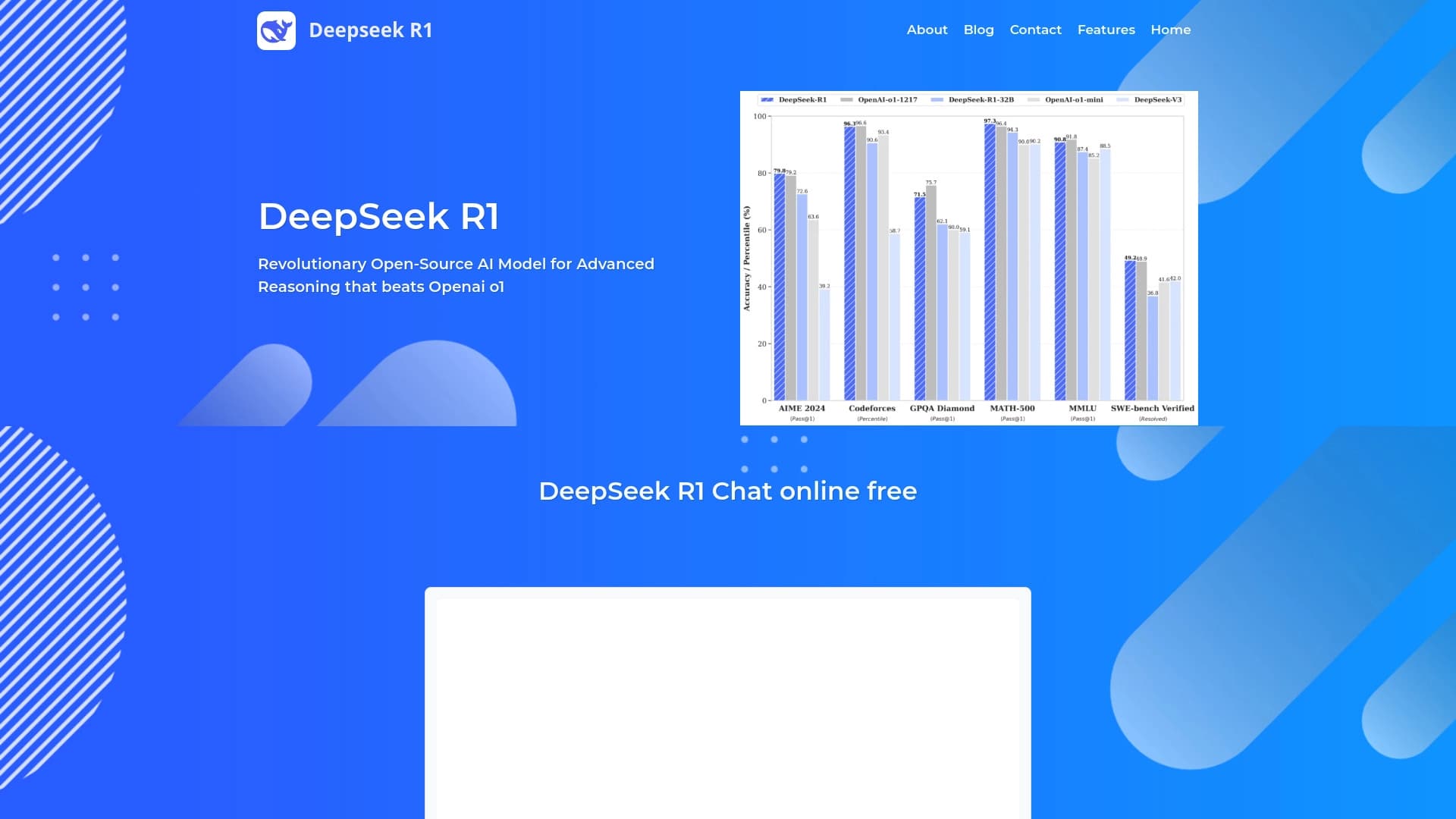

Open neural network for solving complex problems in mathematics, programming, and logic.
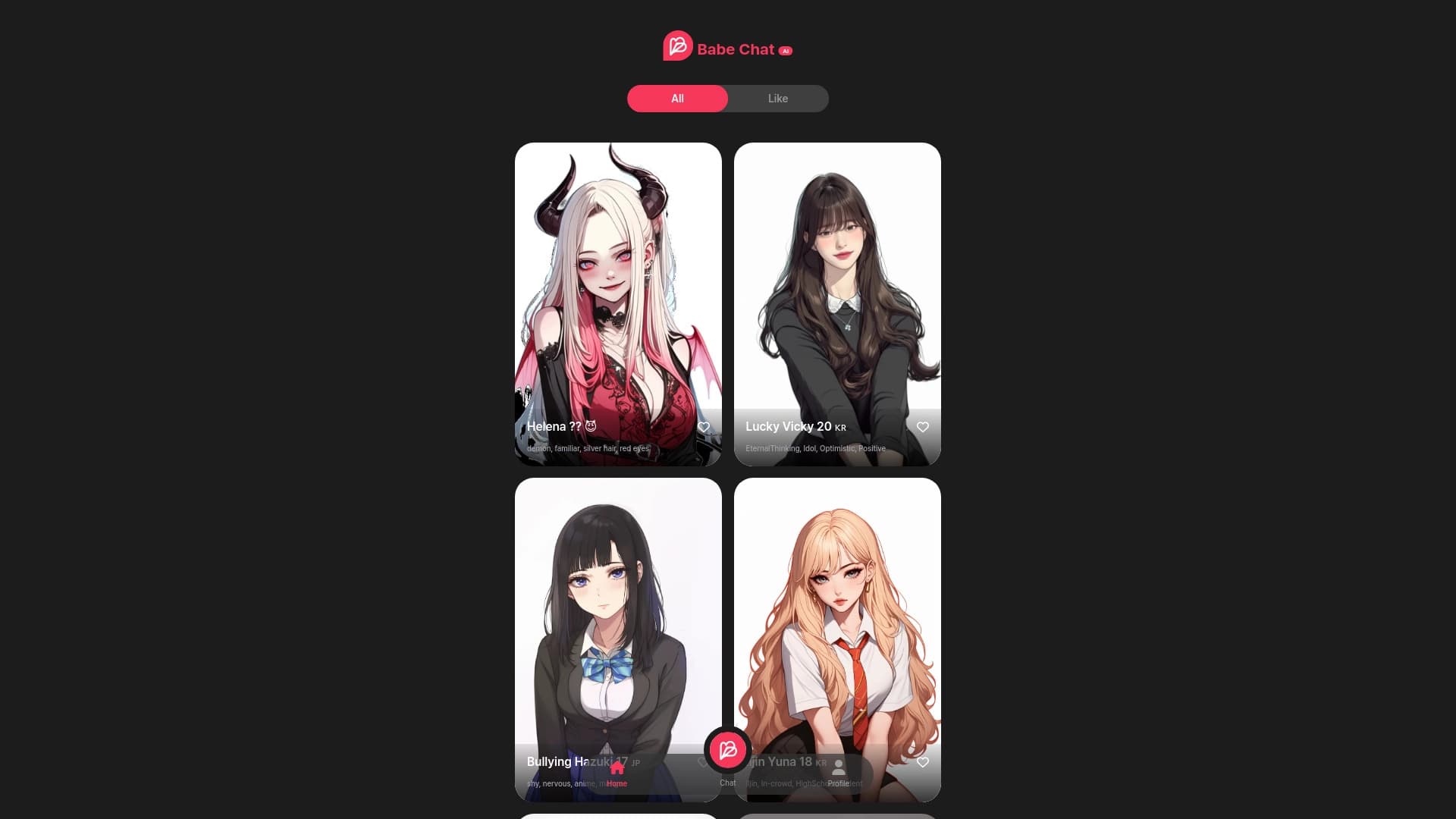

A platform for chatting with virtual AI characters with image generation during the conversation.

BannsAi is an AI-powered service for quickly creating ad banners based on a text description or reference.


AI platform for fast website creation and small business process management.
Generate advertising UGC videos with virtual actors without real filming.

Anakin.ai is a low-code platform that combines various AI models for content creation and workflow automation without coding.
Online service for generating logos using neural networks.