
Cursor Agent
Autonomous AI agent for development, built into the Cursor IDE environment and capable of performing multi-step coding tasks.
Overview
Cursor Agent is an autonomous AI agent built directly into the Cursor IDE development environment. Unlike standard autocomplete features or chat assistants, this agent can independently execute multi-step tasks: from initial code writing to final bug fixing. Its key feature is deep analysis of the entire project codebase, not just the open file. This allows the agent to make changes across multiple files at once, maintaining architectural integrity.
A significant advantage is support for background tasks through cloud-based Background Agents. This lets you launch a long-running operation — such as large-scale refactoring or test writing — and switch to other work while the agent works in the background and ultimately creates a branch with a ready Pull Request. This approach saves time and enables parallel development processes.
Cursor Agent Features
| Feature | Value |
|---|---|
| Type | Autonomous AI agent for development, built into Cursor IDE |
| Release date | March 1, 2026 |
| Platforms | Cursor IDE (VS Code fork) |
| Supported models | Claude Opus 4.6, Claude Sonnet 4.6, GPT-5.4, GPT-4.1, Gemini 3.1 Pro, and others; option to connect your own API key |
| Free tier | Yes (Free) |
| Distribution model | Freemium |
Who is Cursor Agent for?
Developers tired of routine
Cursor Agent is an ideal tool for programmers who spend a significant portion of their time on repetitive but labor-intensive tasks: refactoring existing code, writing unit tests, performing database migrations, or generating boilerplate code. The agent can take over this work, freeing developers for more creative and strategic tasks.
Teams working on complex projects
For projects with large codebases, the ability to analyze the entire architecture and make related changes across multiple files becomes critical. Background agents enable parallel work: while one developer writes a new feature, the agent updates documentation or refactors another module in the background.
Who the tool is not for
It's important to understand: complex architectural design, high-level decision-making, and work with unconventional, tangled legacy systems still require human oversight and expertise. The agent is a powerful executor and assistant, but not a replacement for an architect or technical lead.
How to use Cursor Agent?
Working with Cursor Agent revolves around interacting with it through the Cursor IDE interface.
Getting started and setup
First, you need to install Cursor IDE. In settings, you can choose a preferred model (e.g., Claude Opus 4.6 or GPT-5.4) or specify your own API key if you want to use a specific model or already have a subscription. After that, the agent is available for use directly in the editor.
Task assignment and autonomous mode
To delegate a task to the agent, you need to switch to Agent Mode. In this mode, you describe the goal — for example, "refactor the authentication module" or "write tests for the payment processing function." The agent independently analyzes the codebase, creates a plan, writes code, runs tests, and if something goes wrong, fixes errors and runs tests again — until a working result is achieved. You can observe the process and intervene at any time.
Running background tasks
Background Agents are used for background work. You can send a task to a cloud agent, such as "update API documentation" or "migrate to a new library," and continue writing code elsewhere. The background agent will create a separate branch, make changes, and submit a Pull Request, and you will be notified.
Key features of Cursor Agent
- Autonomous Agent Mode: The AI independently plans its actions, writes code, runs tests, and fixes emerging errors, striving to fully complete the assigned task.
- Background Agents: Cloud agents that can work in parallel, creating branches and Pull Requests for tasks such as refactoring, test writing, and documentation updates, without blocking your local work.
- Deep codebase integration: The agent analyzes not only the open file but the entire project structure, understanding relationships between modules. This allows it to make changes to multiple files at once while preserving architectural integrity.
- Support for top models: Access to advanced LLMs such as Claude Opus 4.6, Claude Sonnet 4.6, GPT-5.4, GPT-4.1, Gemini 3.1 Pro, as well as the ability to connect your own API key for flexibility.
Advantages of Cursor Agent
- Autonomous task execution: The "code → test → fix" loop runs without constant developer involvement, significantly speeding up work.
- Parallel work via Background Agents: You can run multiple background tasks simultaneously, making efficient use of time and resources.
- High model quality: Access to cutting-edge AI models ensures high-quality generated code and analysis.
- Deep integration: Understanding the entire codebase allows the agent to offer more meaningful and architecturally sound solutions.
Disadvantages of Cursor Agent
- Tied to a proprietary IDE: Cursor Agent is not open-source and only works within the Cursor editor, which may not suit users accustomed to other tools.
- Limits on Premium models: On plans with request limits, access to the most powerful models (Claude Opus, GPT-5.4) can be exhausted, requiring an upgrade to a more expensive plan.
- Risk of breaking code: Background agents working without direct oversight can sometimes make changes that break existing functionality, so Pull Request review is required.
What tasks does Cursor Agent solve?
The range of tasks Cursor Agent handles effectively is broad:
- Code writing and autocomplete
- Running tests and fixing errors
- Code refactoring
- Performing migrations
- Writing boilerplate code
- Updating documentation
Cursor Agent Pricing
Cursor Agent is distributed under the Freemium model. Here's a detailed breakdown of the plans:
| Plan | Price | Key features |
|---|---|---|
| Free | $0/month | 2000 requests to base models, autocomplete, basic chat |
| Pro | $20/month | 500 Premium requests (Claude, GPT), access to Agent Mode and Background Agents |
| Business | $40/month | Unlimited Premium requests, admin panel, SAML SSO |
Terms of use for Cursor Agent
The primary requirement is working within the Cursor IDE environment, as the agent is an integrated component of it. To get started, simply install the editor and register. For access to more powerful features and models, a paid subscription (Pro or Business) is required. The ability to connect your own API key allows you to use the agent with the models you prefer, expanding the tool's flexibility.
Cursor Agent availability
The tool is available to all users who can install Cursor IDE on platforms supported by the editor (a VS Code fork). This covers the major operating systems that VS Code supports. You can start using it for free on the Free tier, allowing you to evaluate the agent's capabilities before purchasing a subscription.
How Cursor Agent differs from alternatives
The main difference between Cursor Agent and regular Cursor (without Agent Mode) is autonomy. While the standard mode offers completions and chat, Agent Mode allows the AI to independently plan work, write code, run commands, and fix errors, acting as a full-fledged team member.
As for comparison with tools like Claude Code, each has its own strengths:
- Cursor Agent (GUI): Visually more convenient thanks to the Cursor IDE graphical interface. Working with multiple files and visually tracking changes is clearer for many developers.
- Claude Code: Perceived as a more powerful tool for complex, non-trivial tasks requiring deep contextual understanding.
In practice, many developers use both tools, combining them for the best results in different scenarios. Another alternative operating in a similar AI-assistant-for-development paradigm is Windsurf.
Conclusion
Cursor Agent represents a significant step forward in automating routine developer tasks. Its main value lies in autonomously executing the full code work cycle, which, combined with background cloud agents, seriously boosts the productivity of an individual specialist or team. The tool has access to advanced language models and deeply integrates with the project codebase. Despite being tied to a proprietary environment and having some limitations, Cursor Agent is a practical and effective assistant for accelerating everyday development — though it leaves the final architectural vision to the human.
Pricing
Frequently asked questions
See also
A platform for professional audio processing with AI features for track separation, mastering, and voice changing.
AllChat is a universal platform that combines several popular language models in a single interface for communication, image generation, file analysis, and code execution.
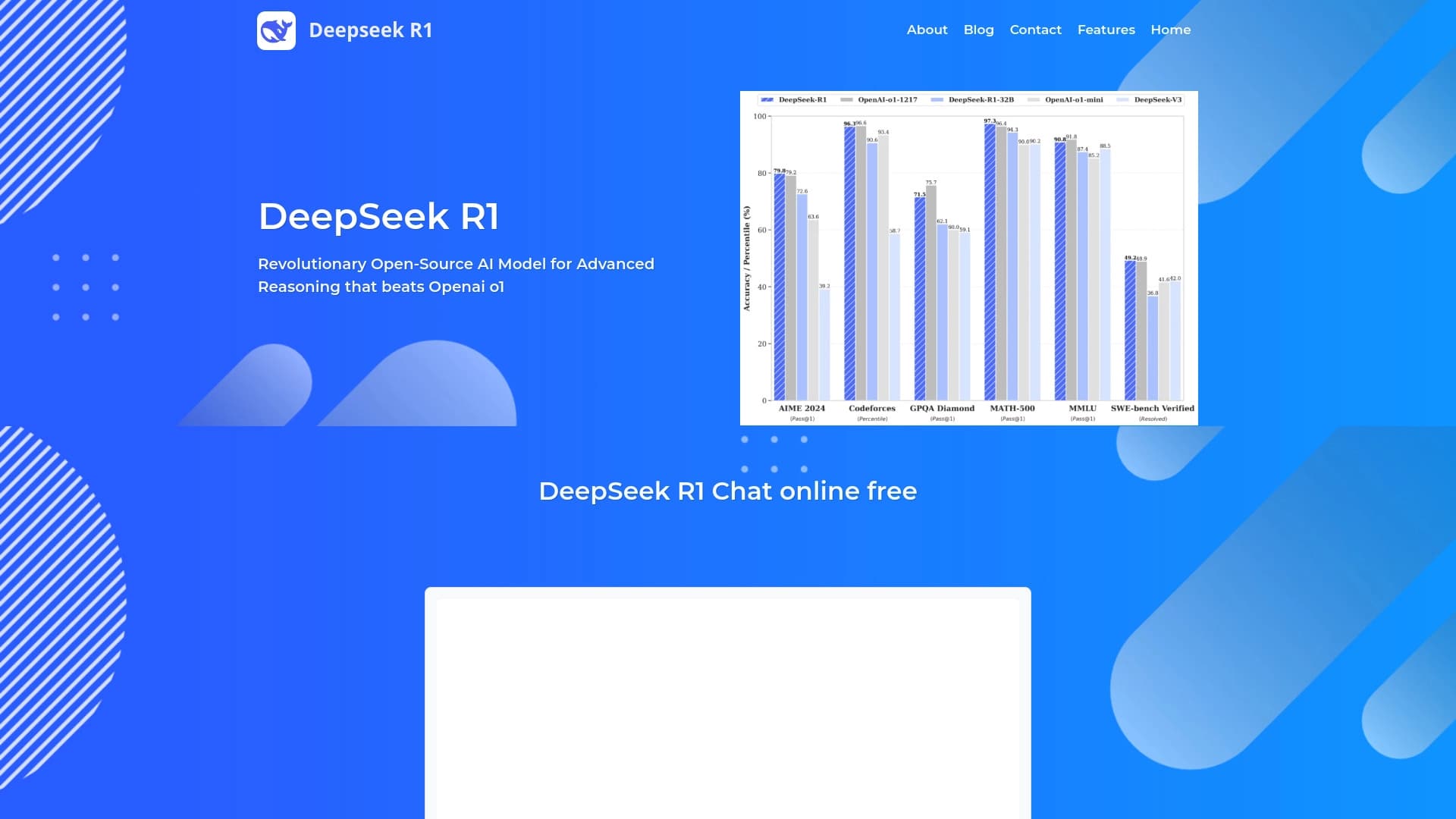

Open neural network for solving complex problems in mathematics, programming, and logic.


AI platform for user support in applications, including a chatbot and ticketing system.


AI toolkit for video generation and editing, including avatars, lip-sync, and voice cloning.


AI-powered platform for generating legal documents, contract analysis, and obtaining legal information.

Online image editor with AI-powered features for photo processing, design, and content generation.
AI platform for voice synthesis and cloning that converts text into realistic speech.