
Confer
Private AI assistant with full end-to-end encryption of correspondence.
Overview
Confer is a private AI assistant built entirely around end-to-end encryption. In terms of how it works, it resembles secure messengers like Signal: every request sent and every response received is encrypted on the user's device and decrypted only there. This means that even the service's developers technically have no access to the content of conversations.
Unlike most popular chatbots, which analyze conversation history to improve models or advertising algorithms, Confer eliminates the very possibility of such a scenario. Data does not settle on servers in plain text, does not end up in training datasets, and is not shared with third parties. In essence, Confer resolves the key problem of modern AI — the conflict between usability and privacy — in favor of the latter.
Confer Characteristics
| Characteristic | Value |
|---|---|
| Type | AI agent |
| Business model | Freemium |
| Distribution model | Not specified |
| Access | Website |
| Key feature | End-to-end encryption of all requests and responses |
| Key storage | User-only |
| Developer access to conversations | Technically impossible |
| Use of data for training | Excluded |
| Sharing data with third parties | Excluded |
| Pricing | Not specified (free tier available) |
Who is Confer AI suitable for?
Professionals working with sensitive information
Confer is primarily aimed at lawyers, journalists, and doctors. These professions deal daily with data whose leakage could cause serious harm: medical records, details of court cases, confidential sources of information. For such users, using a regular AI assistant carries risk, while Confer allows them to ask questions to the neural network without worrying about data security.
Users in countries with strict internet control
Since Confer does not store conversations in plain text and encryption keys remain solely with the user, the tool suits people living in states with restrictions on freedom of speech and surveillance of internet traffic. The ability to use AI without the risk of dialogue interception is critically important for them.
Anyone who values privacy
Finally, Confer is designed for ordinary users who consciously do not want to share their personal thoughts, work projects, or everyday questions with tech corporations. For this audience, the choice is obvious: the convenience of AI should not mean losing control over one's own information.
How to use Confer AI?
Confer requires no special technical skills. The interface is designed as a familiar chatbot: the user enters a question in a text field and receives a detailed answer. All communication happens within a secure tunnel that is automatically created with each interaction with the service.
To get started, you need to visit the Confer website. No complex settings, key management, or manual activation of encryption is required — the process happens automatically and seamlessly for the user. No additional actions beyond formulating your request are needed: the system handles everything else.
Key Features of Confer
End-to-end encryption of conversations
Every request and every response is encrypted on the user's device. Decryption is only possible on the recipient's side. Confer's servers act merely as a transit node and have no ability to read the content of transmitted data.
User-side key storage
Encryption keys are generated and stored only with the account owner. The service has no access to them, making it impossible to decrypt conversations even upon an official request from government agencies or in the event of infrastructure compromise.
Complete data isolation
User data is not used to train models, is not shared with advertising partners, and is not analyzed for behavioral targeting. The system does not collect telemetry, does not profile users, and does not engage in covert metric collection.
Advantages of Confer
Maximum privacy without compromises
Confer's main advantage is a guaranteed level of privacy that no other AI service with centralized data storage can provide. The user gets the functionality of a modern assistant while maintaining full control over their information.
Protection against leaks and surveillance
Data does not settle on servers in plain text, so even in the event of a leak or infrastructure compromise, attackers will not be able to access the content of conversations. Correspondence is also protected from marketers, analytics systems, and intelligence agencies.
No covert surveillance
Unlike services that study user behavior to improve their algorithms or sell advertising, Confer does not use covert tracking methods. No telemetry, no profiling, no creation of a digital profile of the individual based on conversations.
Disadvantages of Confer
No information about the service's disadvantages is available in public sources. There is no data on possible limitations of the free tier, speed of operation, quality of responses compared to competitors, or regional access restrictions. System requirements and performance characteristics under weak internet connections are also not specified. One could assume that a possible limitation is availability only through a web interface, but even this assumption is not confirmed by official data.
What tasks does Confer solve?
Working with confidential projects
Confer is suitable for discussing work projects containing trade secrets, medical confidentiality, or other legally protected information. Lawyers can analyze case details, doctors can consult on complex clinical cases, and journalists can verify facts without fear of exposing sources.
Personal topics and medical questions
Users can ask questions on personal or medical topics without the risk of information leakage. Unlike traditional AI platforms where such requests are saved in history, Confer guarantees that the dialogue remains between the user and the neural network.
Safe use of AI in everyday life
The tool solves a broader problem — gaining all the benefits of an AI assistant without losing security. Users from any country can use the neural network without fearing that their correspondence will become the subject of analysis, blocking, or legal proceedings.
Confer Pricing
Confer operates on a Freemium model. The basic version of the service is provided for free, allowing users to explore the functionality and assess the level of privacy. Specific prices for paid tiers are not specified in available sources. For current information on premium subscription costs, you need to visit the service's official website.
Confer Terms of Use
Detailed terms of use for the service are not described in public sources. It is known that getting started requires visiting the website and, likely, creating an account. Detailed rules, including restrictions, data processing policies, and liability terms, are presented on Confer's official resource.
Confer Availability
The service is accessible via a website and requires no additional software installation. Information on regional access restrictions is absent: it is not specified whether a VPN is needed to use the service in certain countries, although given its target audience, global availability can be expected. There is no official data on the launch of mobile apps or an offline version.
How Confer differs from alternatives
Most AI assistants collect conversation history to improve models, analyze user behavior, or tailor advertising. Confer is built on a fundamentally different scheme: the service technically has no access to the content of conversations. This is a fundamental difference that makes it closer to secure messengers than to standard chatbots.
While competitors ask users to trust their privacy policies at face value, Confer was designed from the ground up to eliminate the possibility of reading conversations even at the infrastructure level. This is comparable to the difference between an encrypted connection (where the server sees the data but promises not to read it) and end-to-end encryption (where the server cannot read it in principle). Confer chooses the second, more secure option.
Conclusion
Confer is a private AI bot that solves the key problem of the modern neural network market: the problem of privacy. Through end-to-end encryption modeled on Signal, the service guarantees that the content of conversations is inaccessible to developers, third parties, and government structures alike. The tool is aimed at professionals working with sensitive information and at all users for whom privacy matters more than marketing promises. Confer represents a rare case where security is built into the architecture rather than into legal policy — making it a justified choice for those who are not willing to risk their data in exchange for AI convenience.
Frequently asked questions
See also
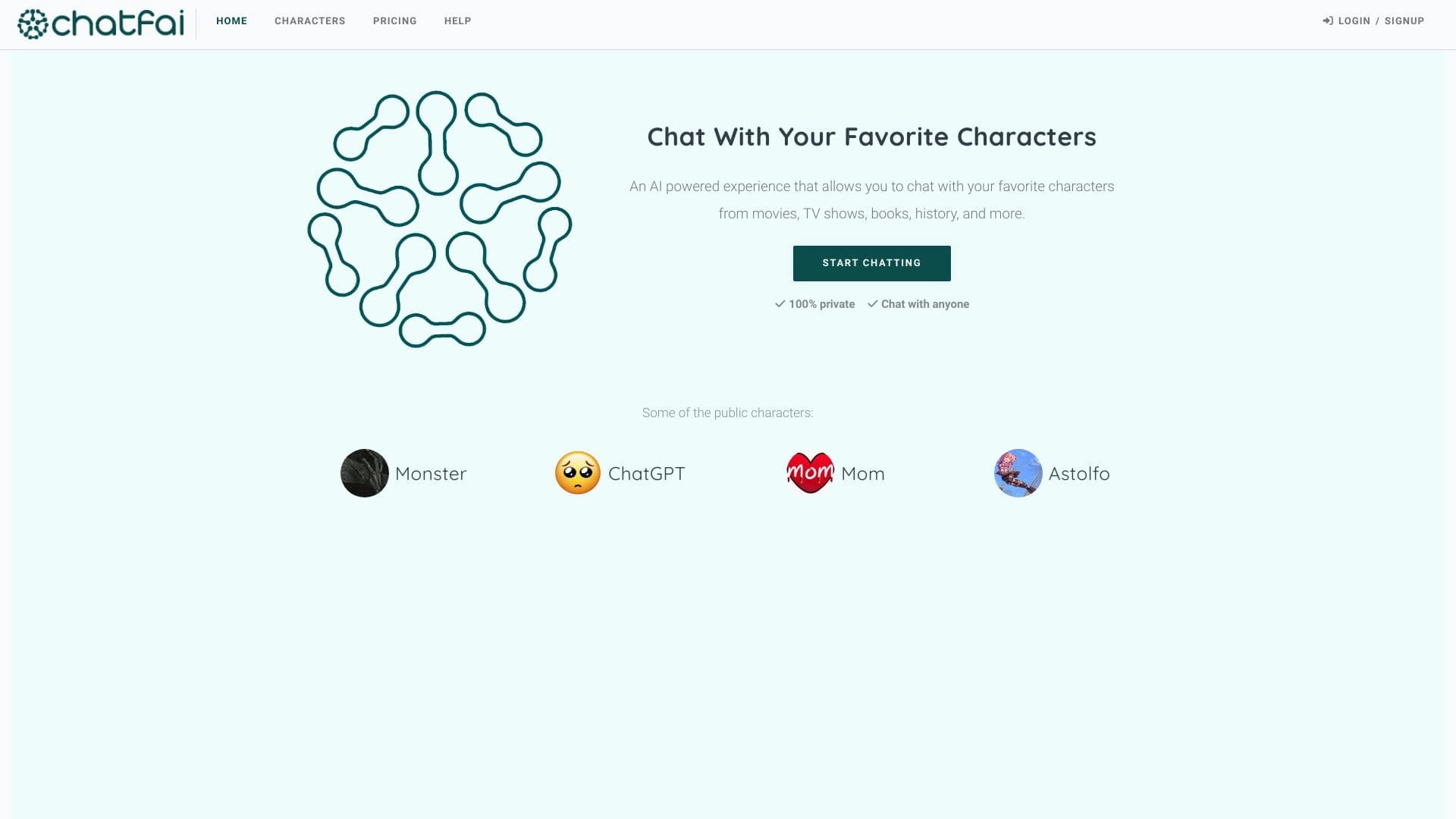

A platform for conversations with AI characters, including pre-made and user-created ones.
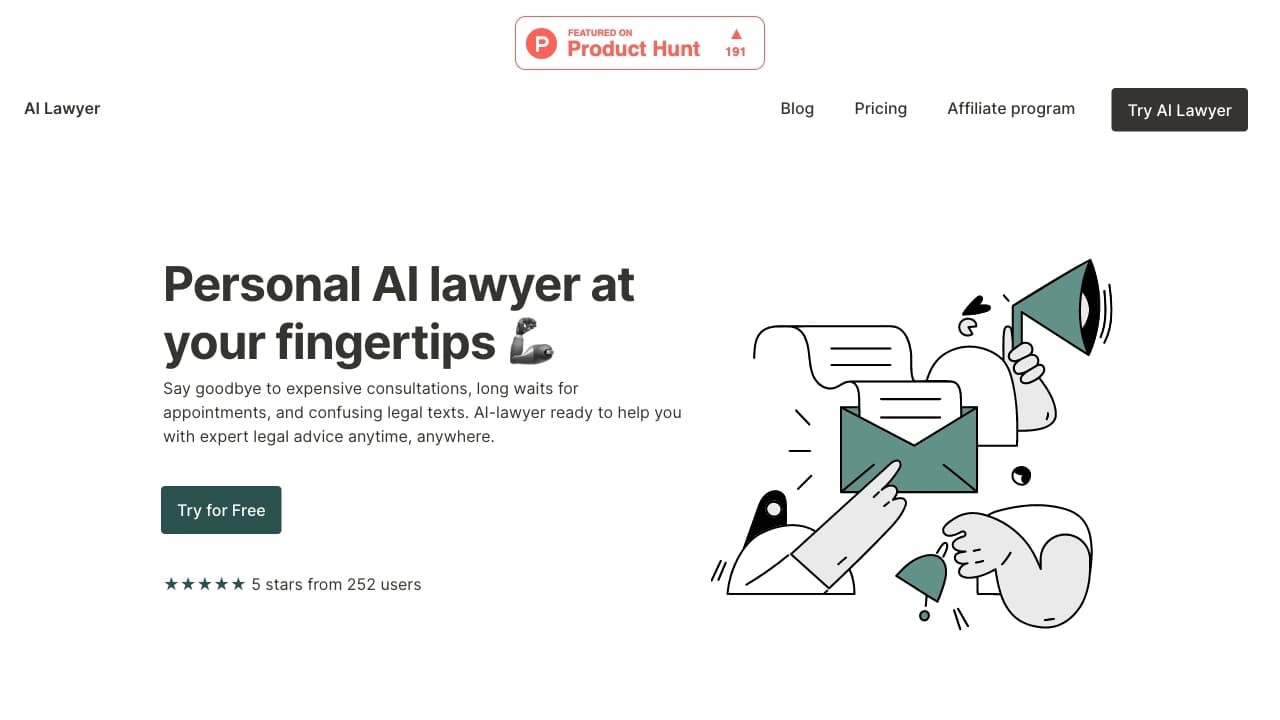

AI-powered platform for generating legal documents, contract analysis, and obtaining legal information.
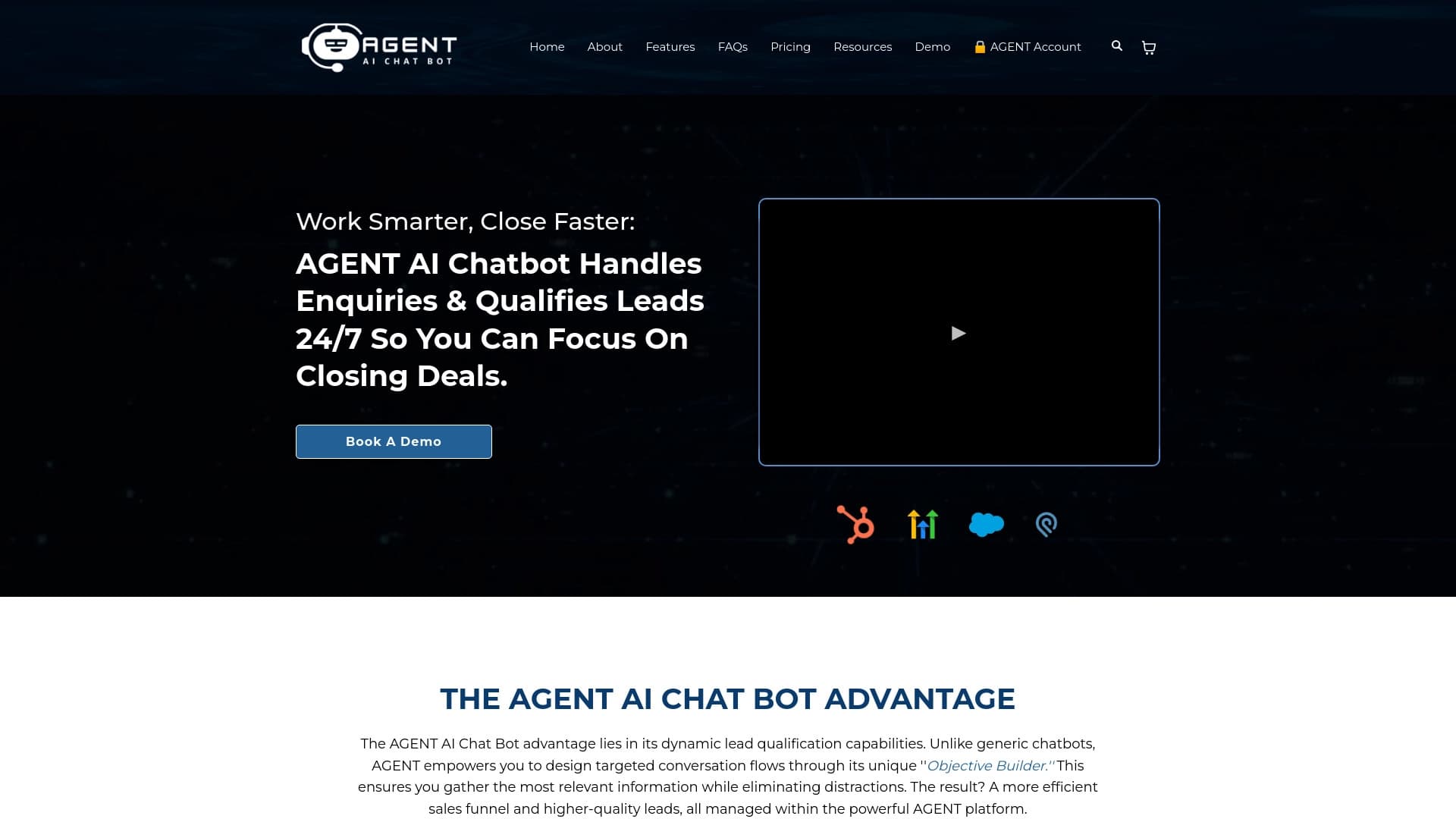

AI chatbot for automating customer communication and lead qualification.
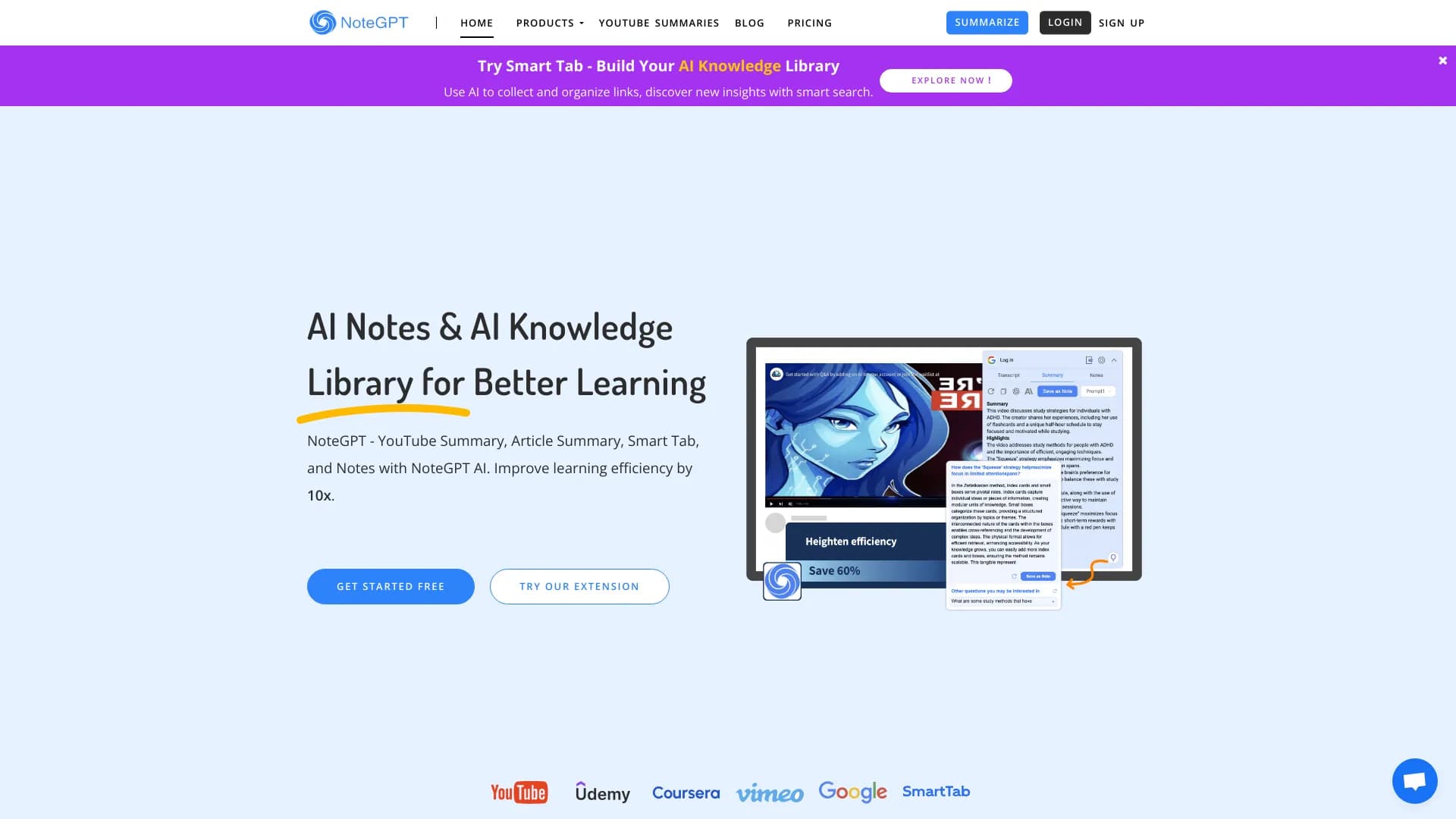

AI assistant for creating short summaries of videos, PDF documents, and web pages.

Platform for creating multi-agent AI systems and chatbots to automate customer support and lead generation.

AI-powered platform for automated API security testing and vulnerability discovery in code and cloud infrastructure.

Project management platform with task assignment, time tracking, and employee workload monitoring features.
Catalog of AI tools with educational materials and guides for selecting neural networks.