
Codia AI
Codia AI turns mockups, screenshots, PDF files, and web pages into editable Figma designs and code.

Ranked in
Overview
Codia AI is a tool that automates the transfer of static visual materials into editable Figma projects and program code. Instead of manually redrawing every interface element, a designer or developer uploads a screenshot, PDF file, or a link to a web page to the service, and the neural network independently recognizes the layout structure.
The algorithm analyzes the arrangement of blocks, finds buttons, text fields, images, and grids, and then converts them into Figma components. In parallel, code matching the recognized design is generated. This helps bridge the gap between a visual concept and a working product.
The tool is especially useful when you need to quickly rebuild a project from an existing sample, redesign a legacy interface, or break down someone else's layout down to the smallest details. Codia AI is suitable both for one-off conversion tasks and for regular work with a large number of screens.
Codia AI Features
| Feature | Value |
|---|---|
| Type | AI for converting layouts to Figma and code |
| Category | Design assistants and layouts, code generation |
| Platform | Web application |
| Input data | Screenshot, PDF file, web page link |
| Output | Figma project and markup code |
Who is Codia AI for?
Product and interface designers
For professionals who regularly work in Figma, Codia AI significantly speeds up layout preparation. Instead of recreating elements from scratch, you can upload a source image, and the neural network will offer a structured project with components already identified. This is especially convenient when working with legacy interfaces that need to be modernized or adapted.
Interface developers
Frontend developers get ready-made code based on the recognized design. This simplifies the transition from the mockup stage to implementation: there is no need to manually verify spacing, color palettes, and typography. It's enough to refine the generated markup to meet the specific technical requirements of the project.
Teams with close design and development collaboration
In organizations where designers and developers work together on every screen, Codia AI acts as a bridge. Fast conversion of layouts into code reduces the number of iterations and misunderstandings, as both sides work with consistent data.
How to use Codia AI?
Uploading source data
To get started, you need to prepare the source material — this can be a screenshot, a PDF document with a layout, or a direct link to a web page. The tool accepts files through a web interface, so no additional software installation is required.
Automatic project creation
After uploading, Codia AI begins analyzing the image or document. The neural network identifies block boundaries, recognizes text elements, buttons, and other interface components. Upon completion of the analysis, the service creates an editable Figma project where each element is represented as a separate layer or component.
Getting the code
Based on the recognized interface, the tool generates markup code. The result can be used for further integration into a working project. It's important to note that the final code often requires refinement for specific frameworks and project styling, but the basic structure is created automatically.
Key Features of Codia AI
Converting static layouts into working designs
The service's main function is turning static images, PDF documents, and web pages into full-fledged Figma projects. Each recognized element becomes an editable object: you can change colors, sizes, texts, and other parameters.
Interface structure analysis
The neural network analyzes the structure of the source material in detail, identifying logical blocks, grids, spacing, and relationships between elements. This ensures accurate reproduction of the original composition in Figma.
Transferring components to Figma
Buttons, input fields, navigation elements, and other typical interface parts are automatically converted into Figma components. This speeds up the designer's workflow, as components can be easily reused across other screens.
Automatic code generation
In parallel with creating the Figma project, the tool generates code based on the recognized interface. The markup reflects the structure, elements, and their placement, giving developers a starting point for implementation.
Codia AI Advantages
Time savings on layout preparation
Designers no longer need to manually recreate the interface structure from a screenshot or PDF. The neural network handles element recognition and project assembly, reducing routine work several times over.
Faster transition to development
Developers get a ready-made base for implementing the interface. The generated code allows them to start integrating logic and functionality faster, since the basic markup is already created.
Fewer manual errors
Automatic recognition minimizes errors related to human factors: inaccuracies in transferring sizes, spacing, colors, and fonts. The final Figma project and code match the original layout with high precision.
Simplified work with legacy interfaces
Old projects created in other tools or assembled from various fragments can be easily converted into current formats. This is especially important for redesigns or migrations to new technologies.
Codia AI Limitations
Information about Codia AI's limitations is not available in public sources. It can be assumed that, like any automated conversion tool, the service may struggle with highly specialized or visually complex interfaces that require manual refinement. Also, the final code and Figma project structure will likely need review and adaptation to specific quality standards and technical requirements.
What tasks does Codia AI solve?
Redesigning old projects
When updating legacy interfaces, it's often necessary to rebuild the layout structure in modern tools. Codia AI automates this process by converting old screenshots or PDFs into editable Figma projects.
Rapid prototyping
Creating a prototype from an existing image or screenshot takes minimal time. The tool allows you to quickly get a working mockup for presentations or client approvals.
Analyzing other interfaces
When you need to study another interface in detail — for example, a competitor's or a reference product — Codia AI helps recreate its structure in Figma. This simplifies the analysis of composition, typography, and element placement.
Transferring layouts into a working product
The service acts as a bridge between design and development: the code and Figma project derived from the layout are used by the team to quickly create finished product screens.
Codia AI Pricing
Current information about Codia AI's pricing policy is not disclosed in available sources. To clarify the cost of using the service, available plans, and subscription terms, it is recommended to visit the official website codia.ai or contact the company's representatives directly.
Codia AI Terms of Use
Detailed terms of service, including rules for processing uploaded data, license agreements, and restrictions, are not publicly documented in the analyzed materials. Before starting to work with the tool, it is recommended to review the official documentation on the codia.ai website to familiarize yourself with the current rules and requirements.
Codia AI Availability
Codia AI is available as a web application and does not require additional software installation. To use the service, simply visit codia.ai and have internet access. The tool accepts screenshots, PDF files, and web page links as source data.
How Codia AI differs from alternatives
Codia AI's key difference lies in its comprehensive approach: the tool simultaneously creates an editable Figma project and generates code based on the recognized interface. Many similar services focus on only one direction — either converting to design tools or generating code from images.
An additional advantage is the ability to work with various input formats: screenshots, PDF documents, and web pages. This makes the service a universal solution for teams that need to transfer interfaces from different sources.
Conclusion
Codia AI is a practical tool for designers and developers that automates the transfer of static layouts into editable Figma projects and program code. It is useful for speeding up routine processes, working with legacy interfaces, and quickly creating prototypes. Although automatic conversion requires subsequent review and refinement, the tool significantly reduces the time spent on layout preparation and transitioning to development. For up-to-date information on pricing and terms of use, it is recommended to visit the official codia.ai website.
Frequently asked questions
See also


An open platform for generating images and other visual content from text descriptions using AI.

Mobile app for photo editing and creating stylized avatars using AI.
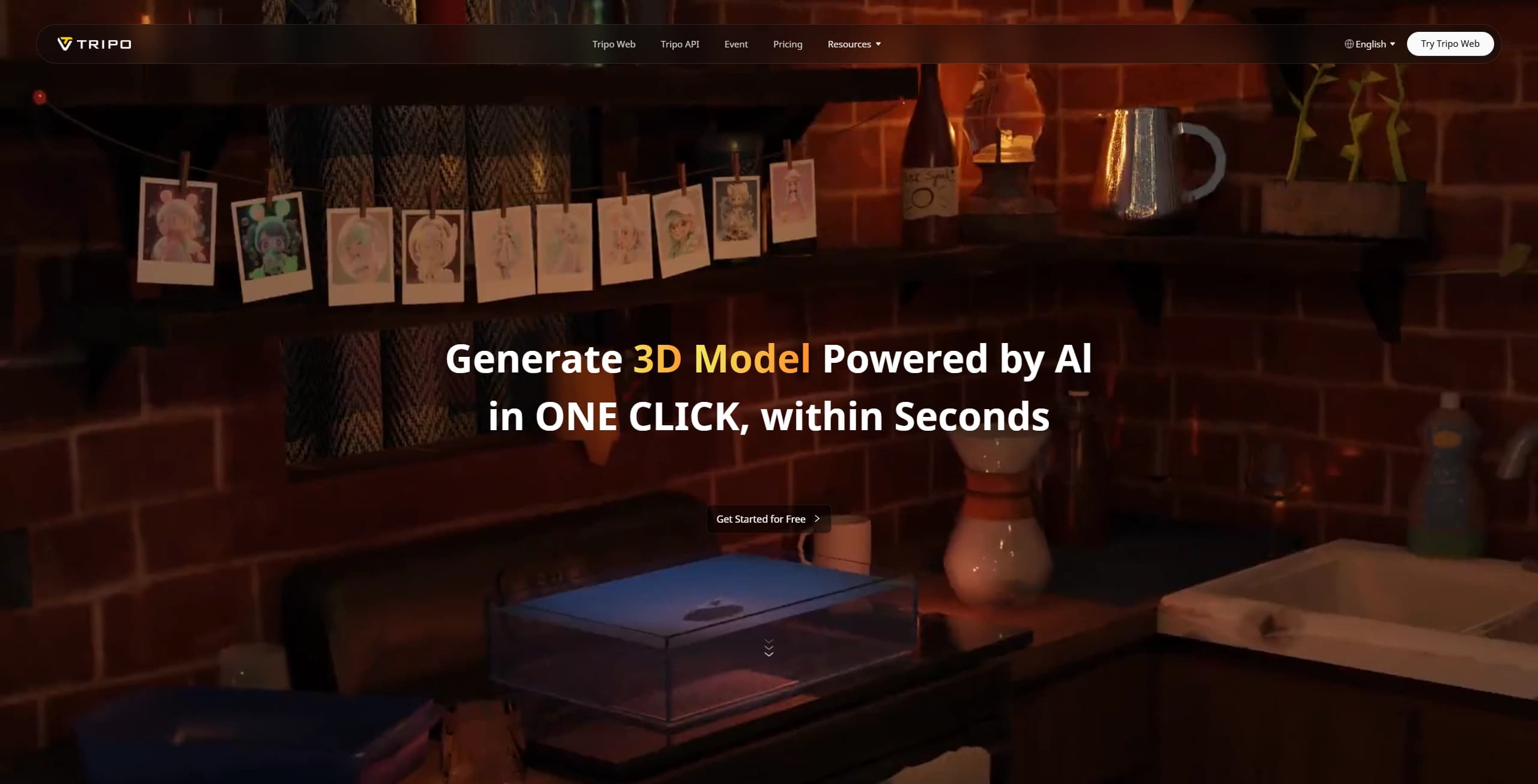

A tool for generating 3D models based on text descriptions, images, or sketches.
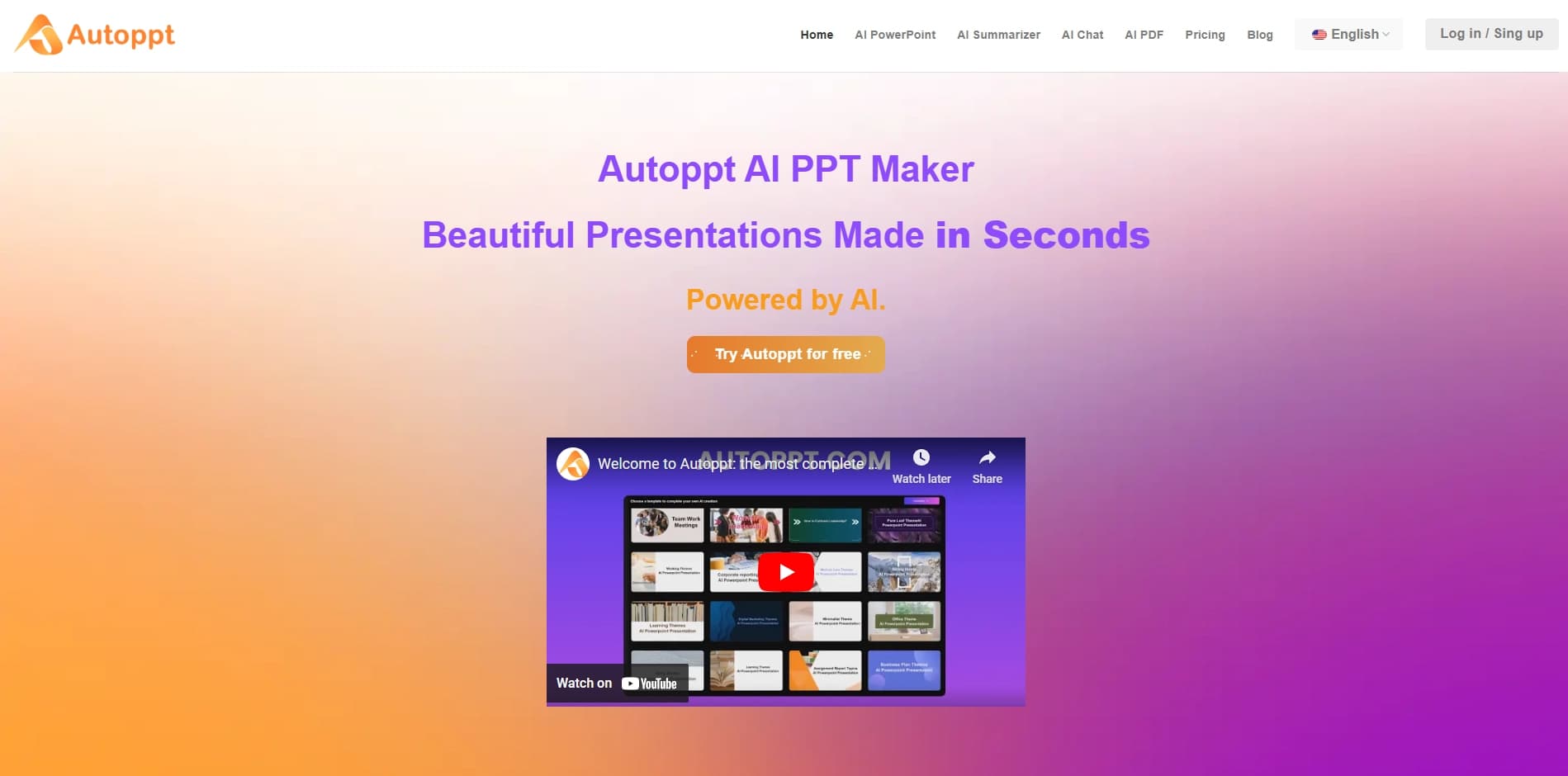

Online AI-powered service for quickly creating presentations based on a given topic or an uploaded document.


Aggregator platform that brings together various AI tools and language models with pay-as-you-go pricing.
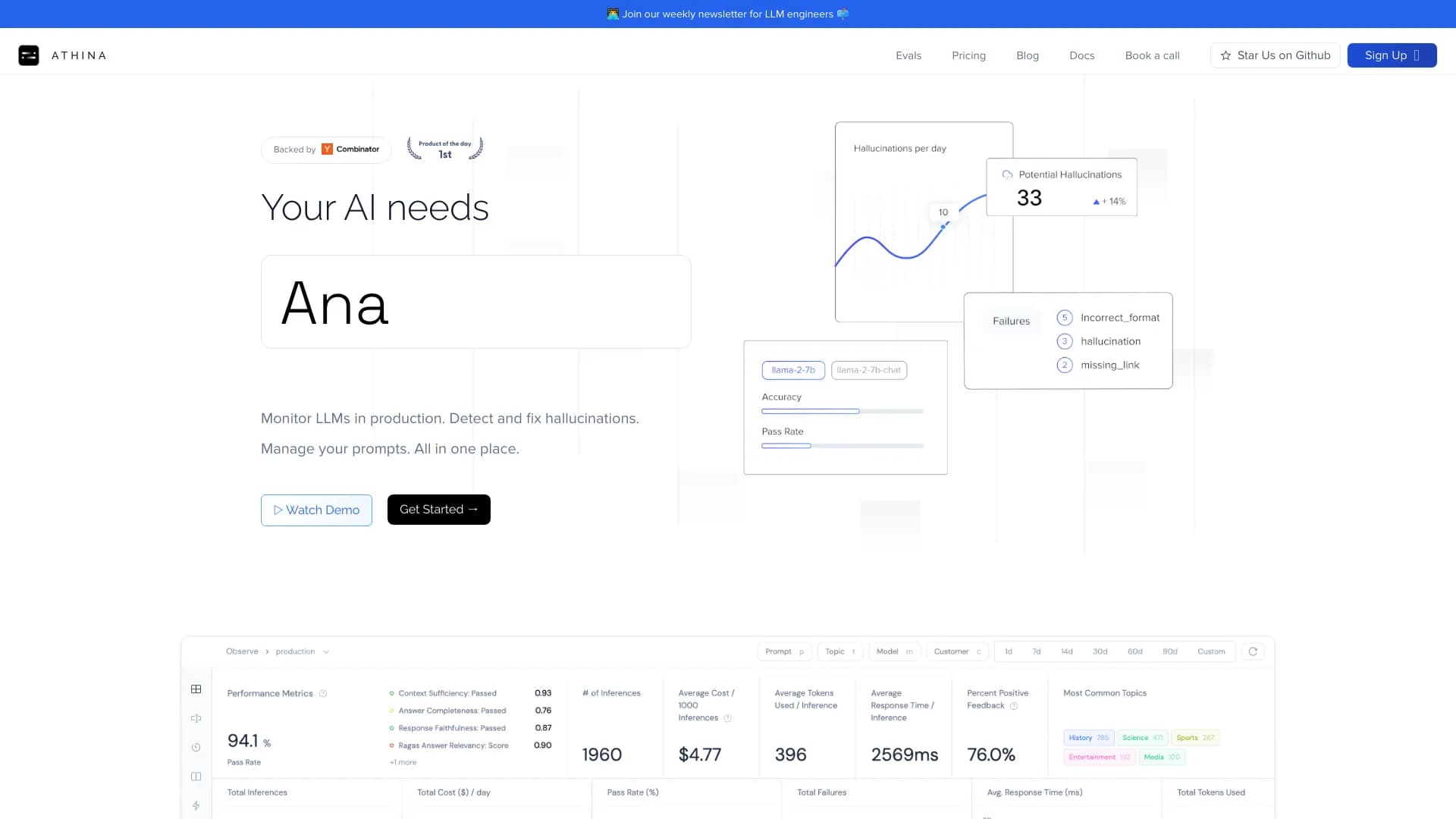

Platform for developing, monitoring, and evaluating AI applications based on large language models.
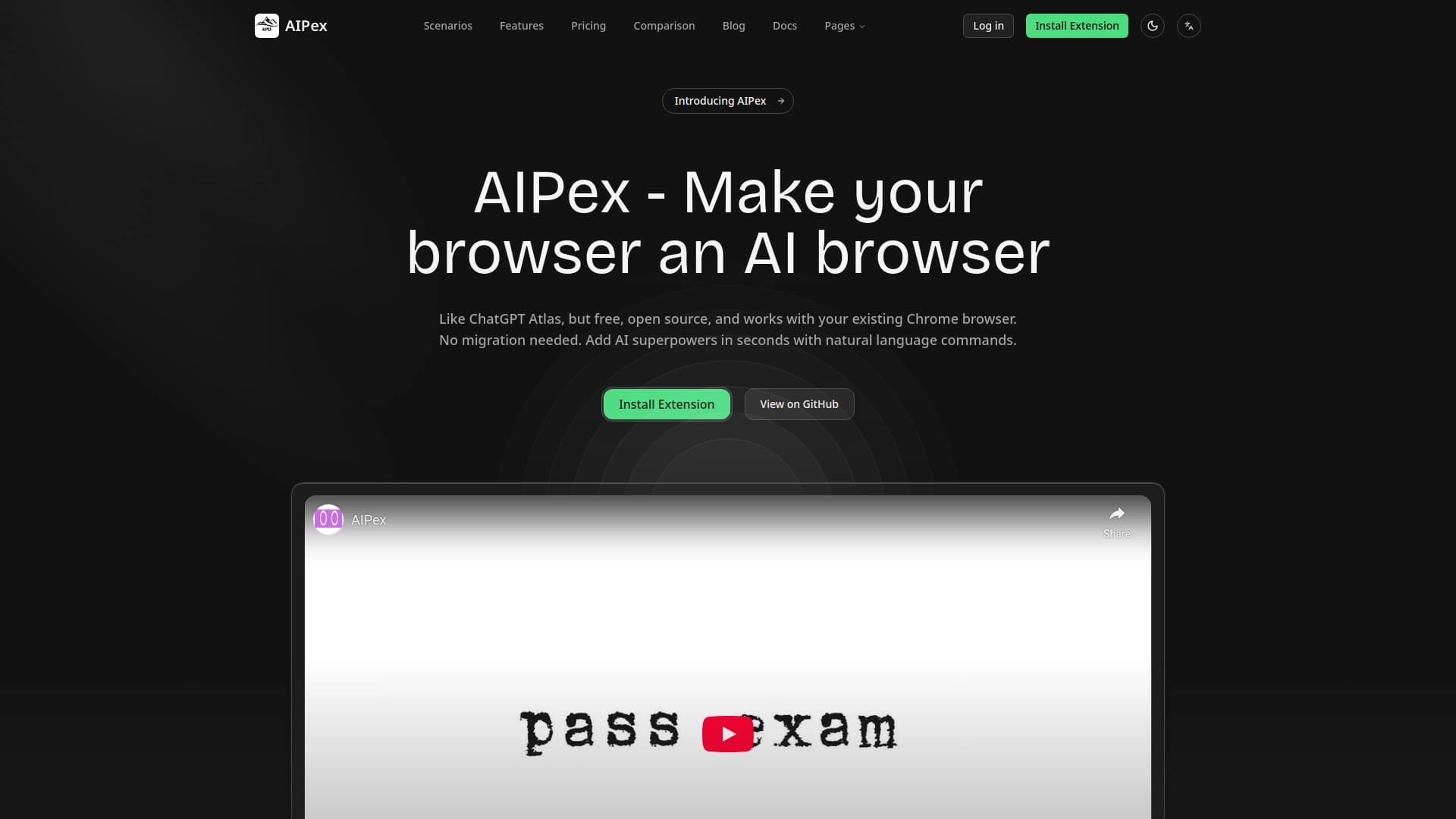

Chrome extension that helps manage tabs, history, and bookmarks with an AI assistant.

AIJOURNEY is a catalog and search platform for discovering AI tools, updated daily.