

Cartesia
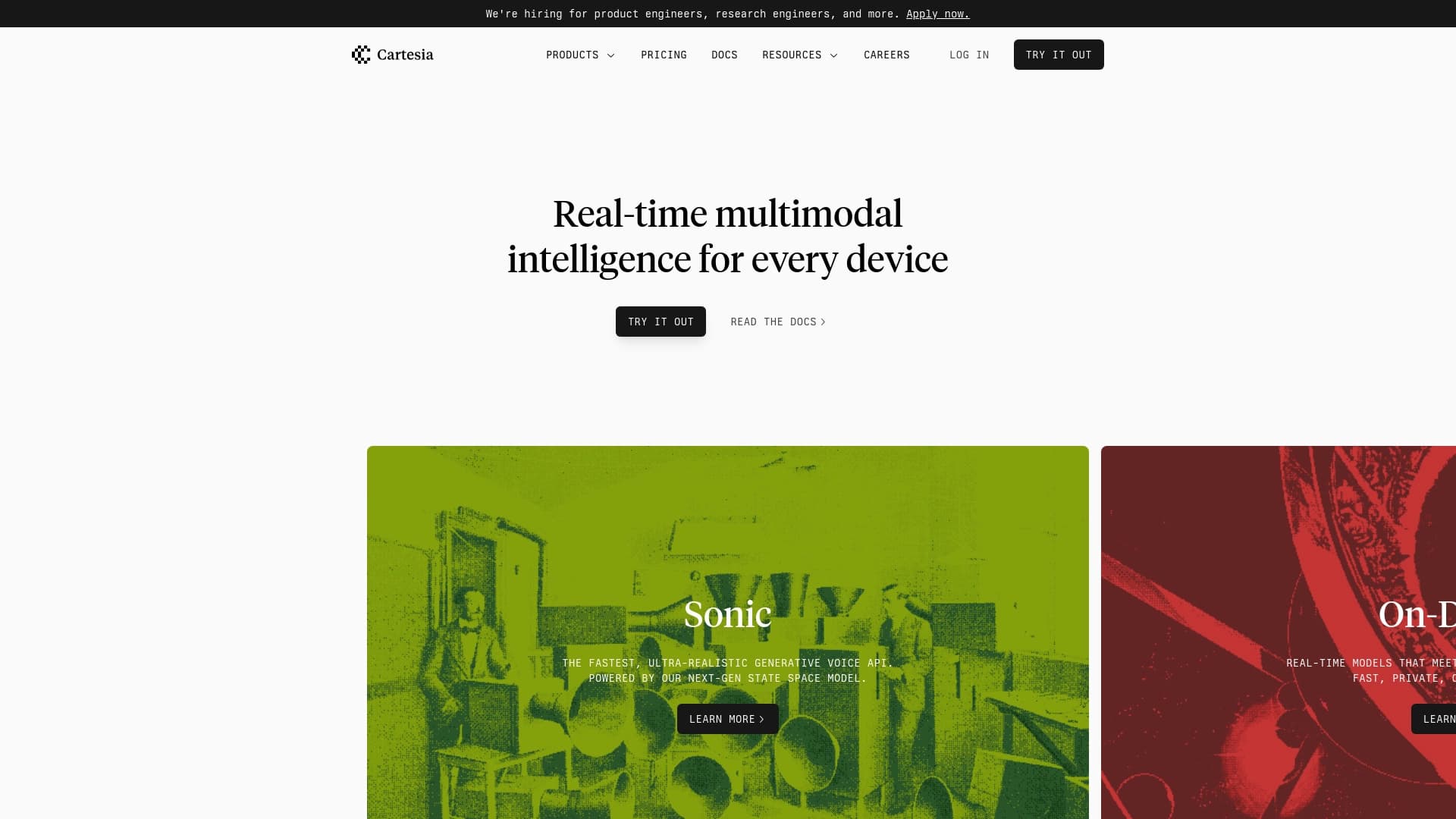
Cartesia is a developer platform providing APIs for high-speed generation of realistic speech from text and voice cloning.
Ranked in
Overview
Cartesia is a specialized voice AI platform built for developers who need to integrate high-quality speech synthesis into their applications. The platform is powered by State Space Model (SSM) technology, which underlies the Cartesia Sonic model. This architecture is what enables the unique combination of low latency and realistic sound.
The tool's primary purpose is to power voice agents and real-time text-to-speech features. The platform doesn't just convert text to speech — it provides a full infrastructure for building interactive voice interfaces. This makes Cartesia a solution for use cases where system response speed and voice naturalness are critical, including the ability to correctly handle complex phrases such as phone numbers and addresses.
Cartesia Features
| Feature | Value |
|---|---|
| Type | Voice AI platform / Neural network for audio generation and processing |
| Category | Text-to-speech, Audio editing, API and integrations |
| Business model | Freemium (free tier available; full functionality may require payment) |
| Core technology | State Space Model (SSM), Cartesia Sonic model |
| Key products | Sonic (voice API with 90 ms latency), On-Device (offline processing) |
| Interface language | English |
| API access | Yes |
| Supported languages | Multiple languages and accents |
| SDK | JavaScript/TypeScript and Python |
| Integrations | Rasa, MCP, LiveKit, Pipecat, Thoughtly, Twilio |
Who Is Cartesia For?
Voice Application Developers
Cartesia is primarily aimed at developers building voice agents, assistants, or interactive systems that require instant response. The tool suits projects where standard cloud solutions fall short due to network latency, and where high response generation speed is needed to maintain natural conversation flow.
AI Voice Integration Specialists
The platform is useful for teams integrating AI voices into existing business processes and products. With support for popular services like Twilio and LiveKit, developers can quickly connect speech synthesis to their systems without writing complex code from scratch.
Offline Solution Developers
The On-Device product is designed for those who need data processing directly on the user's device. This is relevant for systems working with sensitive data or applications that need reliable operation without a stable internet connection.
How to Use Cartesia
Getting Started
To begin, you need to register on the official website and choose the right product — the cloud Sonic API or the local On-Device solution. After registration, it's recommended to review the documentation and API Reference, and try out the functionality in the Playground to understand the model's capabilities.
Integration into a Project
The platform provides SDKs for two popular languages: JavaScript/TypeScript and Python. Integration comes down to connecting the appropriate library, configuring model parameters (speed, emotion, pronunciation), and calling methods for speech generation. For complex architectures, ready-made integrations with voice platforms are available, simplifying deployment.
Testing and Launch
After configuring parameters, you need to test the solution in a development environment. Cartesia allows fine-tuning pronunciation, which is critical for accurately rendering phone numbers and identifiers. Once the quality meets your standards, you can deploy the solution to production.
Key Cartesia Features
Voice Generation and Cloning
The platform can create realistic voices from text, supporting multiple languages and accents. A key capability is instant voice cloning, allowing you to create unique voice models for personalized scenarios.
High-Precision Pronunciation
The model is specifically trained to correctly pronounce complex elements: phone numbers, addresses, and other identifiers. This saves developers from writing additional text normalization scripts.
Offline Processing and API
The platform offers two operating modes: the cloud Sonic API with record-low 90 ms latency and On-Device for local processing on devices. The second option ensures data privacy and independence from internet connectivity.
Cartesia Advantages
High Performance
Thanks to the State Space Model architecture, Cartesia Sonic delivers minimal latency of 90 ms. This enables truly interactive dialogue systems where pauses between responses don't disrupt the natural flow of conversation.
Flexibility and Privacy
The ability to work offline on user devices is a significant advantage. It guarantees data processing privacy and allows the platform to be used in systems with high security requirements. Support for numerous integrations simplifies adoption.
Quality and Accuracy
Accurate pronunciation of complex character and number combinations, combined with support for different languages and accents, makes the service a reliable tool for international projects and services with heavy voice interface loads.
Cartesia Limitations
Language Barrier
The platform interface and most of the documentation are available only in English. This can be an obstacle for developers who don't have sufficient English proficiency and may slow down the learning and integration process.
Unclear Pricing Policy
Based on available information, the free tier is not the primary offering, and full feature access may require a paid subscription. Specific pricing plans are not detailed on the website, so budget assessment requires contacting the company directly.
What Problems Does Cartesia Solve?
Building Real-Time Voice Agents
The platform's main task is powering voice agents that respond instantly to user requests. The 90 ms latency allows Cartesia to be used in customer service, telemedicine, and other fields where live dialogue is essential.
Text Content Narration
The tool can be used to narrate text content in applications: from reading articles and books to voicing interfaces and notifications. High pronunciation accuracy makes the narration suitable for professional purposes.
Audio Data Analysis and Processing
Despite its primary focus on synthesis, the platform is also positioned as an audio analysis tool. This allows deeper tuning of generation parameters based on input data, as well as creating personalized voice profiles.
Cartesia Pricing
Sources indicate the platform operates on a Freemium model: a free tier exists that lets you explore basic functionality. However, one review notes that access may be provided on a paid basis.
Specific figures and pricing plan details are not disclosed. To find out current prices and terms, you need to visit the service's official website or contact company representatives for a commercial proposal tailored to your needs.
Cartesia Terms of Use
Registration on the official website is required to start working with Cartesia. Detailed terms of use, including license agreements and privacy policies, are not detailed in public sources.
Presumably, users agree to the terms when creating an account and using the API. Developers are advised to carefully review the documentation on the website to understand all legal aspects before launching commercial projects.
Cartesia Availability
The service is accessible via a web interface for configuration and testing, as well as through an API for programmatic integration. The entire interface and documentation are in English.
Information about geographic availability restrictions is absent from the source data. Given the cloud-based nature of the primary Sonic product, global availability is assumed; however, for local On-Device deployment, this is addressed on a case-by-case basis.
How Cartesia Differs from Alternatives
Cartesia's main differentiator from competitors is its focus on ultra-low latency and high response speed. The Sonic model with 90 ms latency is optimized for real-time dialogue systems where minimal pause between responses is critical for simulating live conversation.
The technological foundation based on State Space Model is a more modern alternative to traditional transformers, providing a better speed-to-quality ratio. The dual-mode architecture — cloud API and local On-Device solution — also stands out, as not all competitors offer this in a ready-to-use form.
Conclusion
Cartesia is a high-tech platform for developers building voice interfaces and applications that demand high speed and realism. It stands out in the market thanks to its minimal 90 ms latency, use of the advanced State Space Model architecture, and deployment flexibility (cloud or on-premises). Despite some limitations, such as the English-only interface and unclear pricing policy for full feature access, Cartesia is a powerful tool for those who prioritize interactivity and naturalness in synthesized speech.
Frequently asked questions
See also
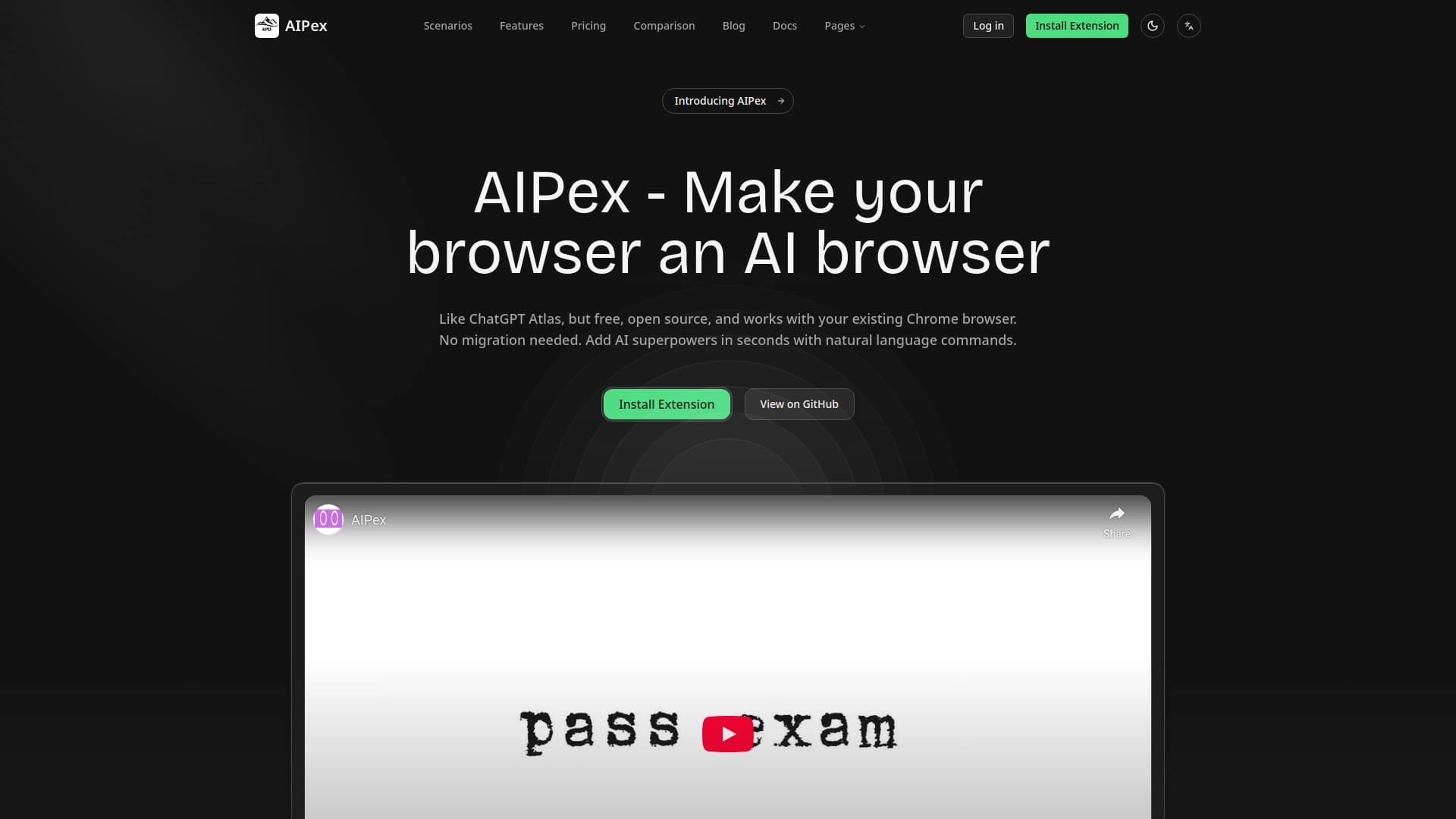

Chrome extension that helps manage tabs, history, and bookmarks with an AI assistant.

AI tool for automated code review that analyzes changes in real time and suggests fixes.
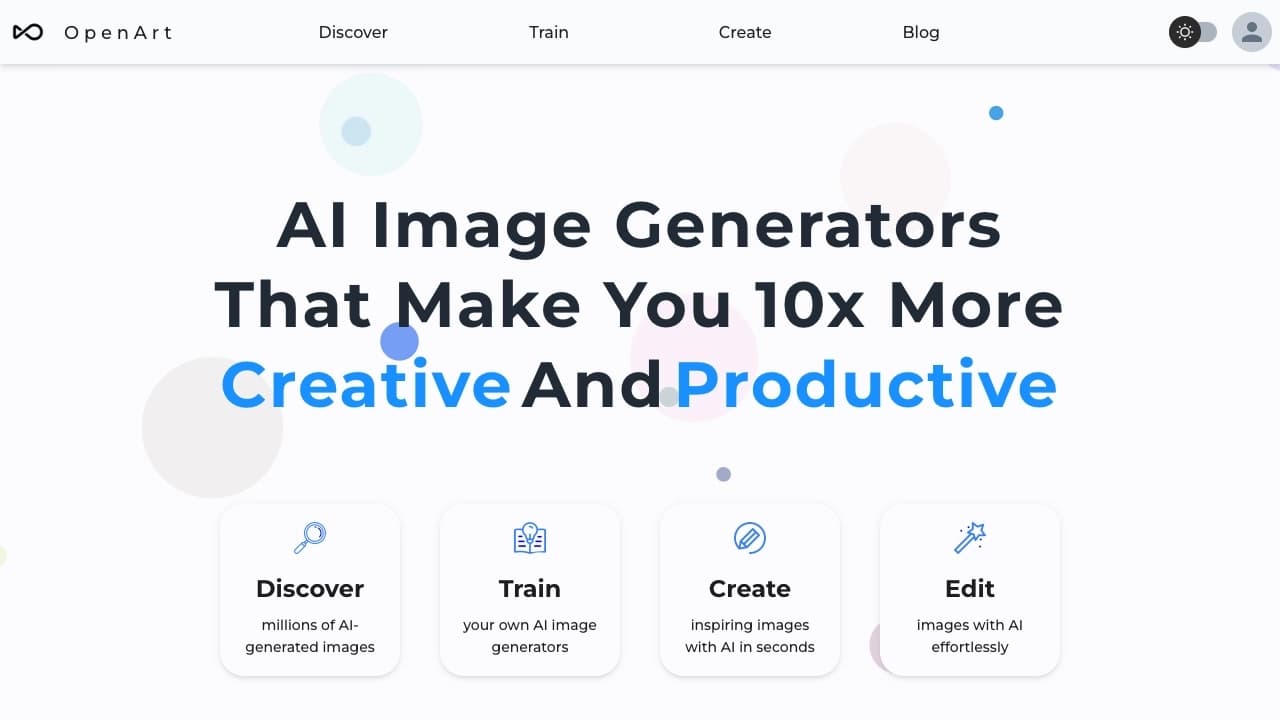

AI-powered platform for generating and editing images and videos.

AI-powered online platform for quickly creating text content, including blogs, articles, and social media posts.

A neural network for generating short videos from text descriptions or images.

Online image editor with AI-powered features for photo processing, design, and content generation.

Aggregator platform that brings together various AI tools and language models with pay-as-you-go pricing.

AI toolkit for video generation and editing, including avatars, lip-sync, and voice cloning.