
Browser Use
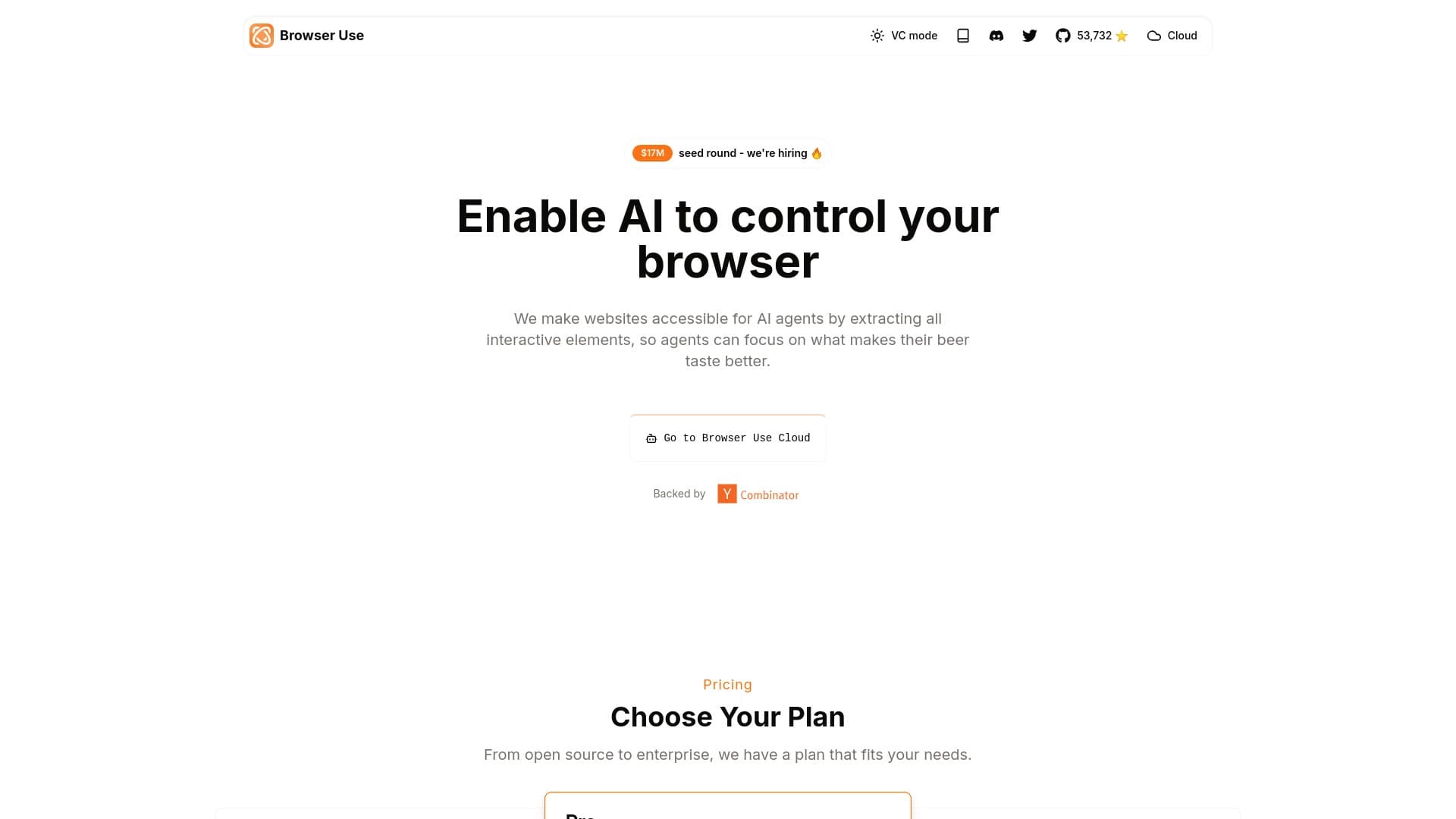
Open-source library for building AI agents that automate browser actions.
Ranked in
Overview
Browser Use AI Description
Browser Use is an open-source library designed for creating AI agents that automate web browser interactions. Developers can use it to assign agents tasks such as data collection, form filling, and website navigation. The tool integrates with popular language models, including ChatGPT-4o, Claude 3 Sonnet, and Deepseek-R1, allowing you to choose the right "brain" for a specific scenario.
A key feature of Browser Use is the ability to run locally. This means the entire data processing can happen on your own hardware, ensuring privacy and eliminating the need for a mandatory paid subscription, unlike many proprietary services. Essentially, it's a toolkit for building personal browser robots powered by artificial intelligence.
Browser Use Features
| Feature | Value |
|---|---|
| Type | Library for browser AI agents and website automation |
| Category | Web scraping and parsing |
| Code Availability | Open Source |
| Supported AI Models | ChatGPT-4o, Claude 3 Sonnet, Deepseek-R1 |
| Free Tier | Yes (local setup) |
| Website | github.com/browser-use/browser-use |
| Catalog Publication Date | March 25, 2025 |
Who is Browser Use for?
Browser Use is aimed at developers and technical professionals who want to automate browser tasks using artificial intelligence. It's not a ready-made solution for end users, but a tool for building such solutions.
Developers and Programmers
The primary audience consists of specialists familiar with Python and experienced with APIs. They can use the library to embed AI agents into their projects, applications, or internal tools.
Automation Specialists
Technical professionals focused on optimizing routine processes will find Browser Use a powerful tool for automating data collection, web interface testing, and interactions with various online services without requiring constant human involvement.
How to Use Browser Use
Working with Browser Use involves several key steps. Thanks to its flexible configuration, you can adapt it to your specific tasks.
Installation and Setup
The first step is to clone the repository from GitHub and install the library, following the instructions in the documentation. After that, you need to set up your Python environment, install dependencies, and connect your chosen language model (e.g., ChatGPT-4o or Claude 3 Sonnet) via an API key.
Task Definition and Execution
Interaction with the agent happens through text prompts. You simply formulate a task in natural language, for example: "Find the price of this product on website X and save it to a file." Then you run the agent, which interprets the request, performs actions in the browser, and returns the result for you to analyze.
Key Functions of Browser Use
Browser Use provides a wide range of capabilities for automating web interactions, from simple data collection to complex scenarios integrated into web applications.
Web Action Automation
It allows you to create agents that can fill out forms, click elements, follow links, and perform other actions on websites, mimicking human behavior. This automates routine processes such as portal registration or submitting requests.
Information Collection and Analysis
You can assign agents to monitor product prices, collect and analyze reviews, or search for information based on specific criteria. The tool can handle websites using dynamic JavaScript, making it effective for extracting data from modern web resources.
Testing and Agent Creation
The library is suitable for testing the capabilities of various language models in real-world web conditions. Additionally, you can create highly specialized agents for specific tasks. Integration with popular web applications such as Google Docs, Trello, and Notion is supported.
Advantages of Browser Use
Browser Use attracts users through its combination of openness, flexibility, and cost-effectiveness.
Cost Savings and Privacy
The main advantage is free access with local setup. You don't pay for a subscription, and all processed information stays on your computer, which is critical for tasks involving sensitive data.
Flexibility and Openness
As an open-source project, Browser Use provides complete freedom to configure agents to your needs. You can choose any of the supported language models, making the tool more versatile compared to closed services.
Efficiency and Integration
Automating routine browser tasks saves significant time. The ability to integrate with popular web services and search for information makes it a powerful assistant in daily work, while offering a lower cost compared to proprietary alternatives.
Disadvantages of Browser Use
Despite its extensive functionality, Browser Use has limitations that are important to consider.
Technical Barrier to Entry
Setting up and running the library requires programming skills and command-line proficiency. Beginners without technical background will find it challenging to deploy and use this tool.
Performance Speed
In some cases, performance may be lower than ready-made commercial solutions. This is due to the need for manual configuration, the lack of optimized infrastructure, and dependence on the speed of the chosen language model.
What Tasks Does Browser Use Solve?
With this tool, you can automate a wide range of browser-related tasks.
Daily Automation
Agents can perform routine actions: searching for information, filling out repetitive forms, interacting with websites, and automating the registration process on many resources.
Analytics and Monitoring
You can set up data collection and analysis from websites, including product price monitoring or customer review analysis. This allows you to stay informed about market changes without manual checks.
Development and Testing
For specialists, the ability to test various models in real web scenarios and create specialized AI agents that can be integrated into larger software systems is particularly interesting.
Browser Use Pricing
Browser Use is available under two main models that differ in cost and usage method.
Free Local Version
The primary tier is free. It involves installing and running the library locally on your own computer. In this case, you only pay for API usage of your chosen language model (e.g., OpenAI or Anthropic API costs) if it isn't fully local.
Paid Cloud Version
For those who prefer not to set up their own infrastructure, there's a cloud version with a simplified interface available at a subscription fee. This option offers convenience and ease of use for users who want a managed solution.
Browser Use Terms of Use
To get started, you'll need to complete a few technical steps. The main condition is that the library is free to use, without any mandatory subscription, unlike competitors.
Technical Requirements
For local setup, you need to install the library via GitHub, configure your Python environment, and connect your chosen language model. This could be models such as ChatGPT-4o, Claude 3 Sonnet, or Deepseek-R1.
No Obligations
You can use the library on your own terms. There's no forced payment, and you're not tied to a single vendor's ecosystem. This makes the tool attractive for developers who value freedom of choice and control over their data.
Browser Use Availability
Browser Use is available to everyone thanks to its open distribution model.
Open Source Code
The project's source code is publicly available on GitHub (github.com/browser-use/browser-use). This allows any developer to download, study, and modify the library according to their needs.
Deployment Options
The tool can be used in two ways: locally, by installing it on your computer, or through the cloud version. This provides a flexible choice between data control (local setup) and ease of use (cloud service).
How Browser Use Differs from Alternatives
Several tools for browser automation exist on the market, but Browser Use stands out in several key aspects.
Key Comparison with Proprietary Services
The most obvious difference is from proprietary browser automation services. Browser Use is fully open-source and free for local use, whereas such services are closed and require a paid subscription. Browser Use allows you to choose any compatible language model, while proprietary options are often limited to a single ecosystem. It's worth noting that Browser Use requires technical skills and may run slower, while proprietary services offer simplicity but are typically cloud-only.
Flexibility Advantages
Unlike services that provide a ready-made but limited solution, Browser Use gives developers the freedom to configure agents for specific scenarios. You can experiment with different LLMs and adapt bot behavior more effectively than closed alternatives allow.
Conclusion
Browser Use is a powerful and flexible open-source library for creating browser AI agents. Its main advantages are free local setup, support for multiple language models, and extensive customization options. The tool is an excellent choice for developers and technical professionals who need web task automation with control over data and budget, and who are looking for a more cost-effective and open alternative to proprietary solutions.
Pricing
Frequently asked questions
See also
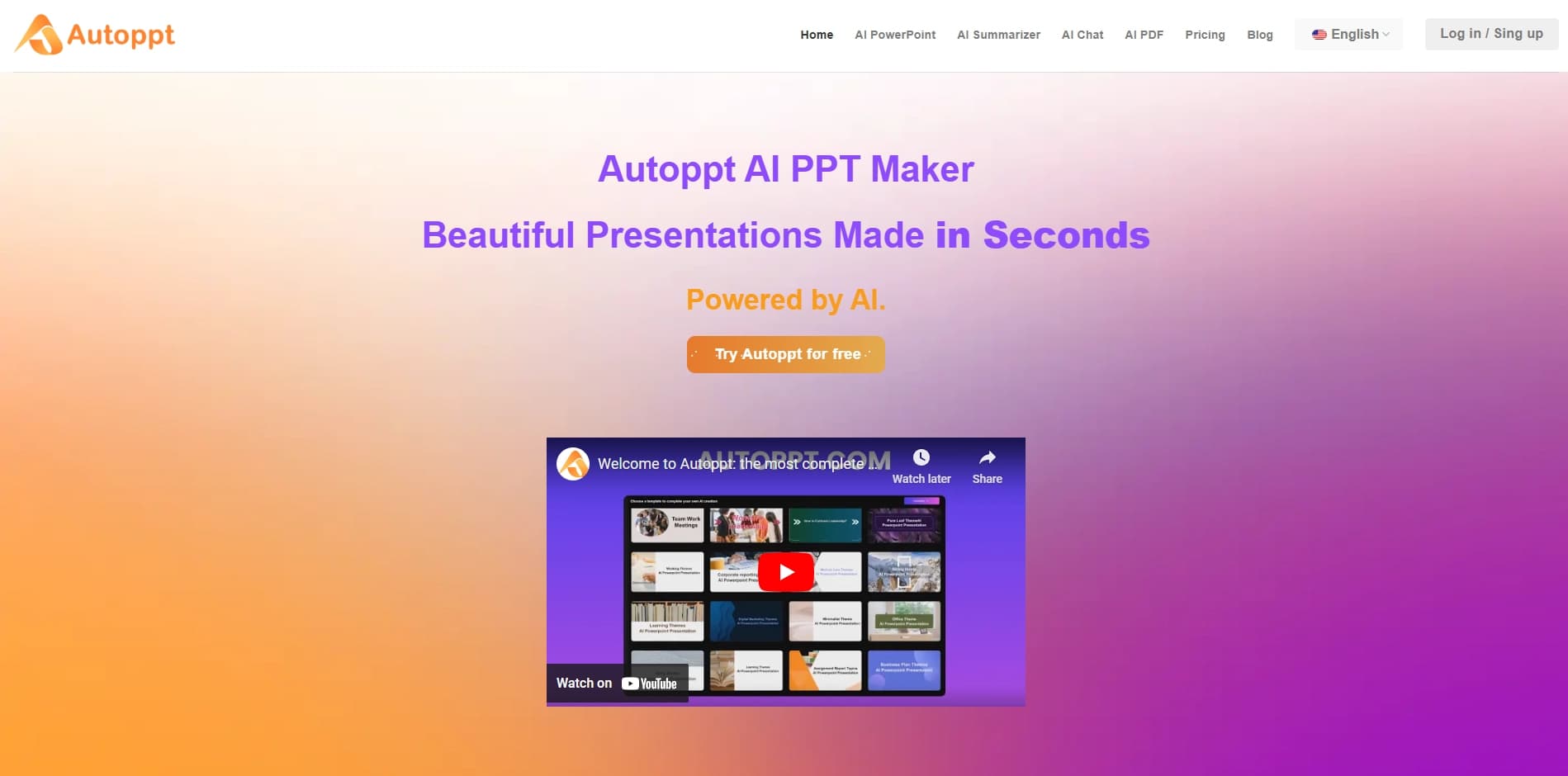

Online AI-powered service for quickly creating presentations based on a given topic or an uploaded document.
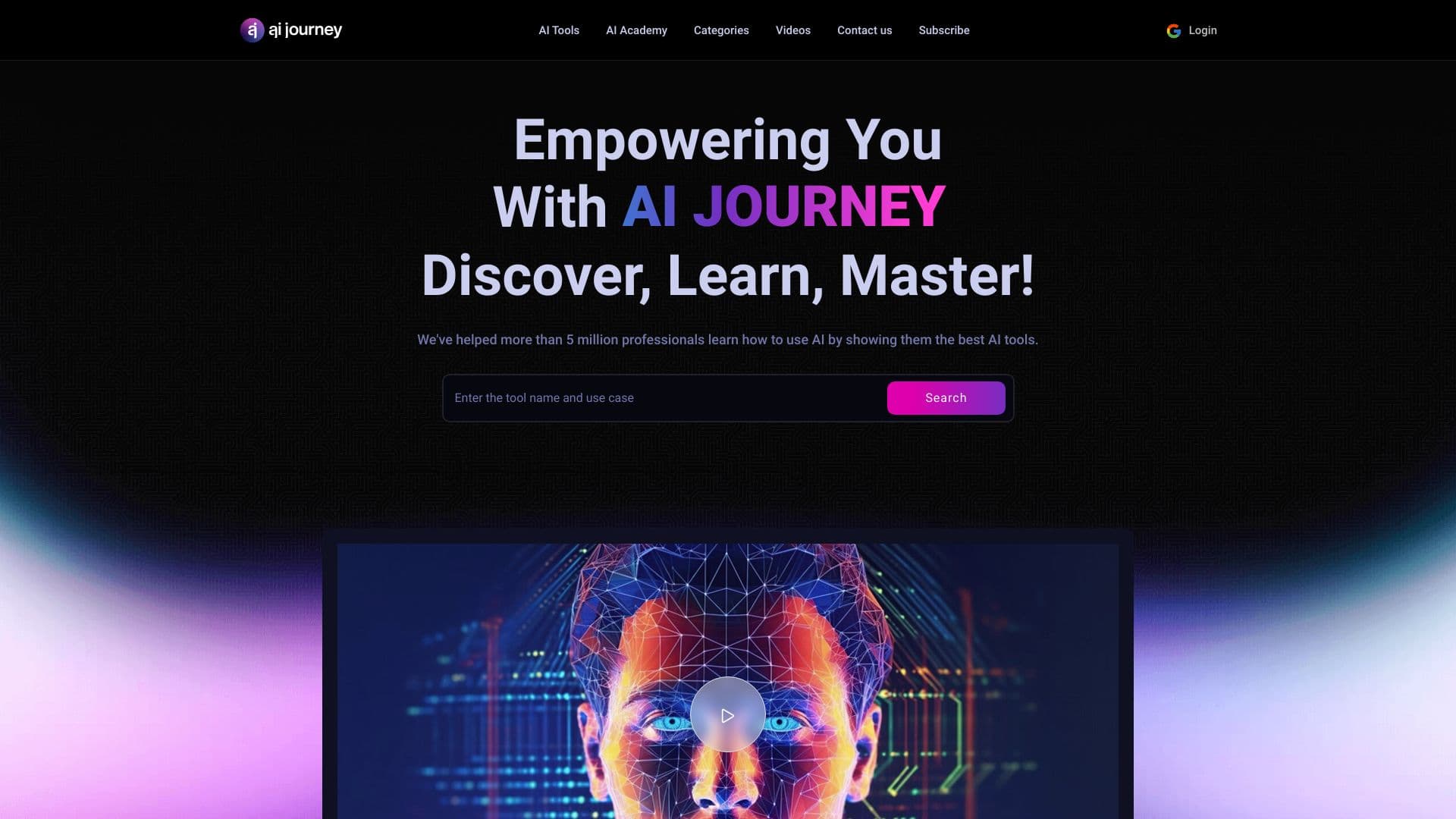
AIJOURNEY is a catalog and search platform for discovering AI tools, updated daily.


Service for live AI conversations, including text generation, voice, and speech recognition.
A tool for creating diagrams and mind maps from text descriptions in natural language.
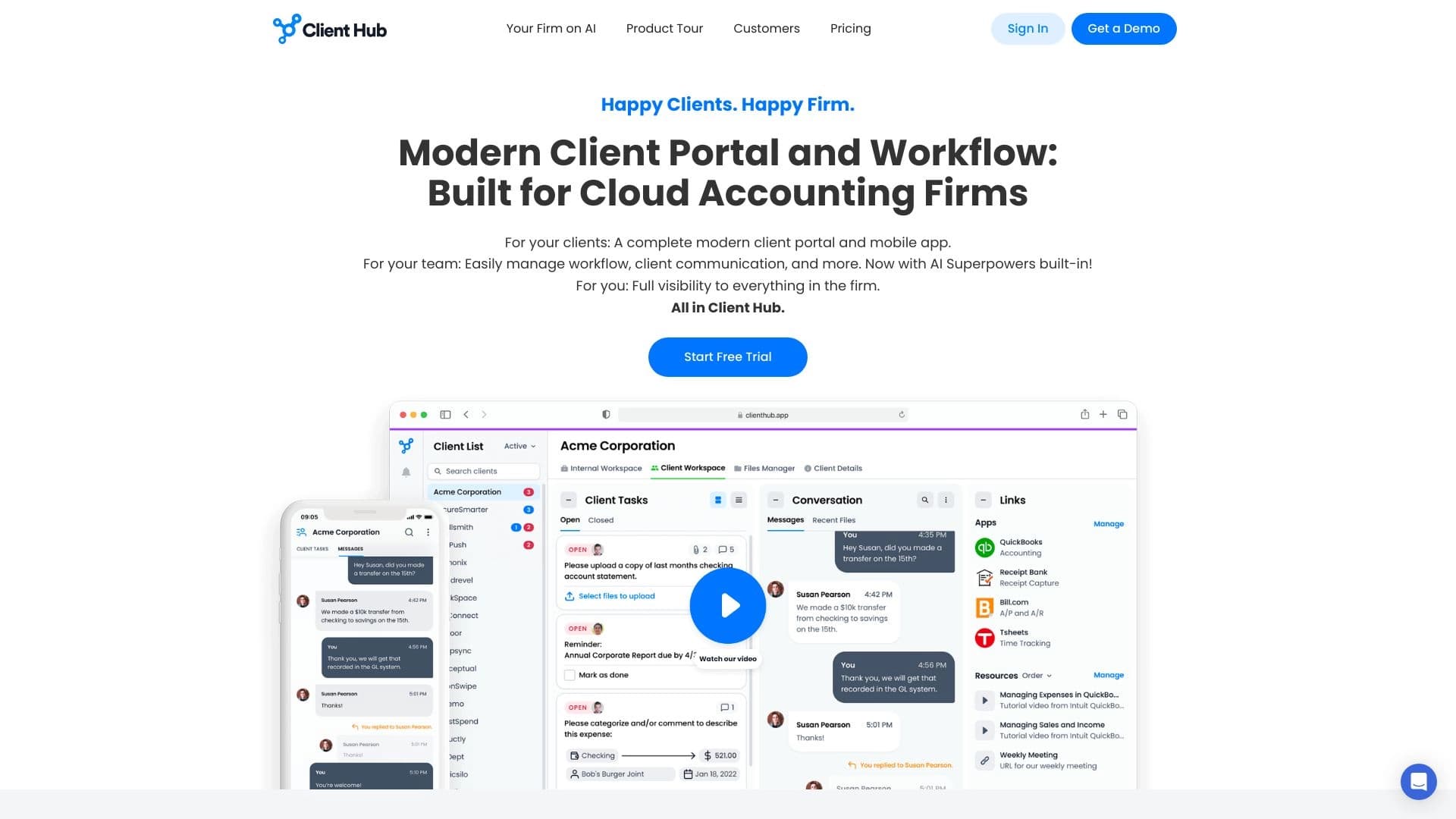
A platform for accountants that combines task management, file sharing, and client communication in a single interface.
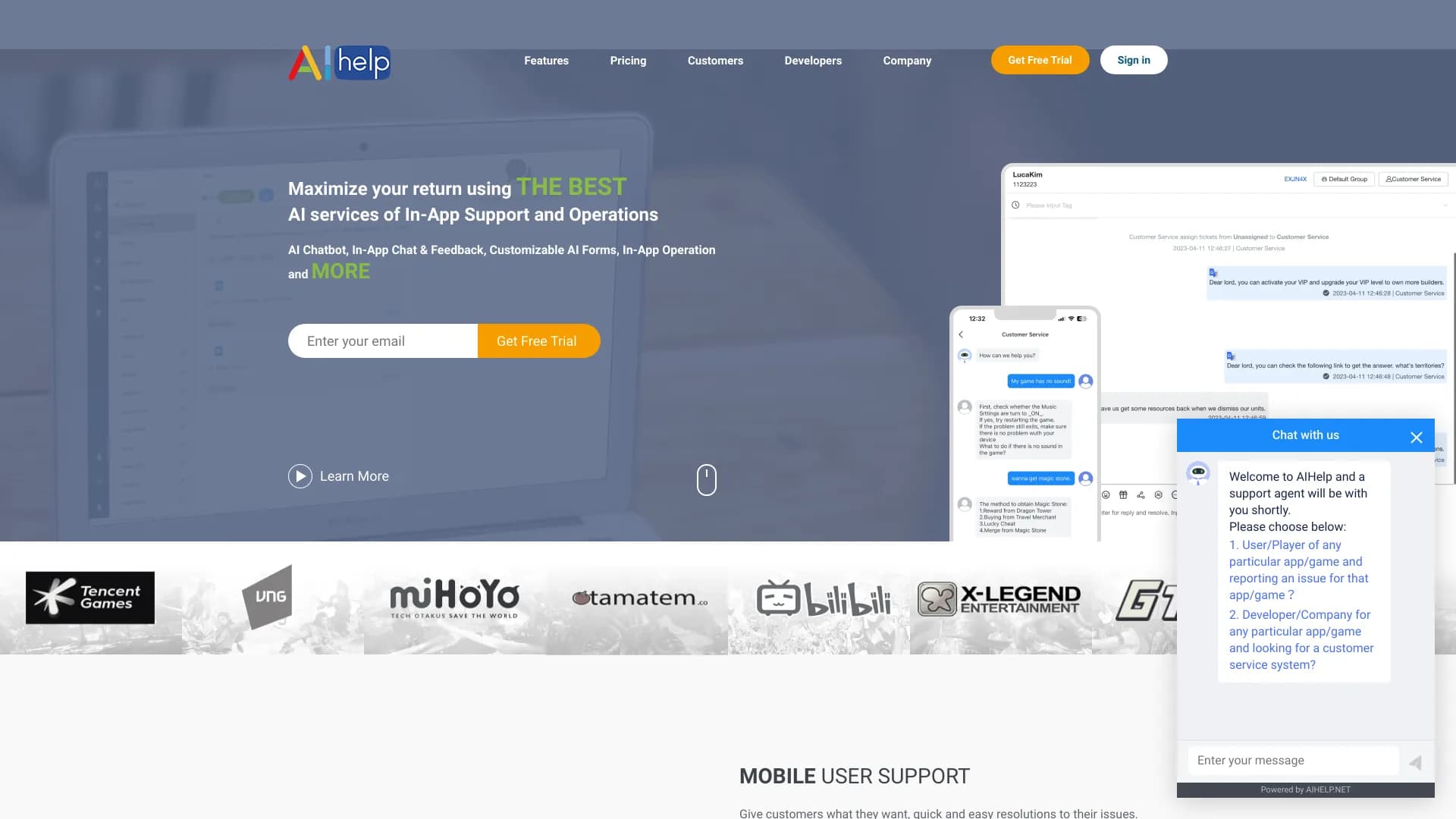

AI platform for user support in applications, including a chatbot and ticketing system.
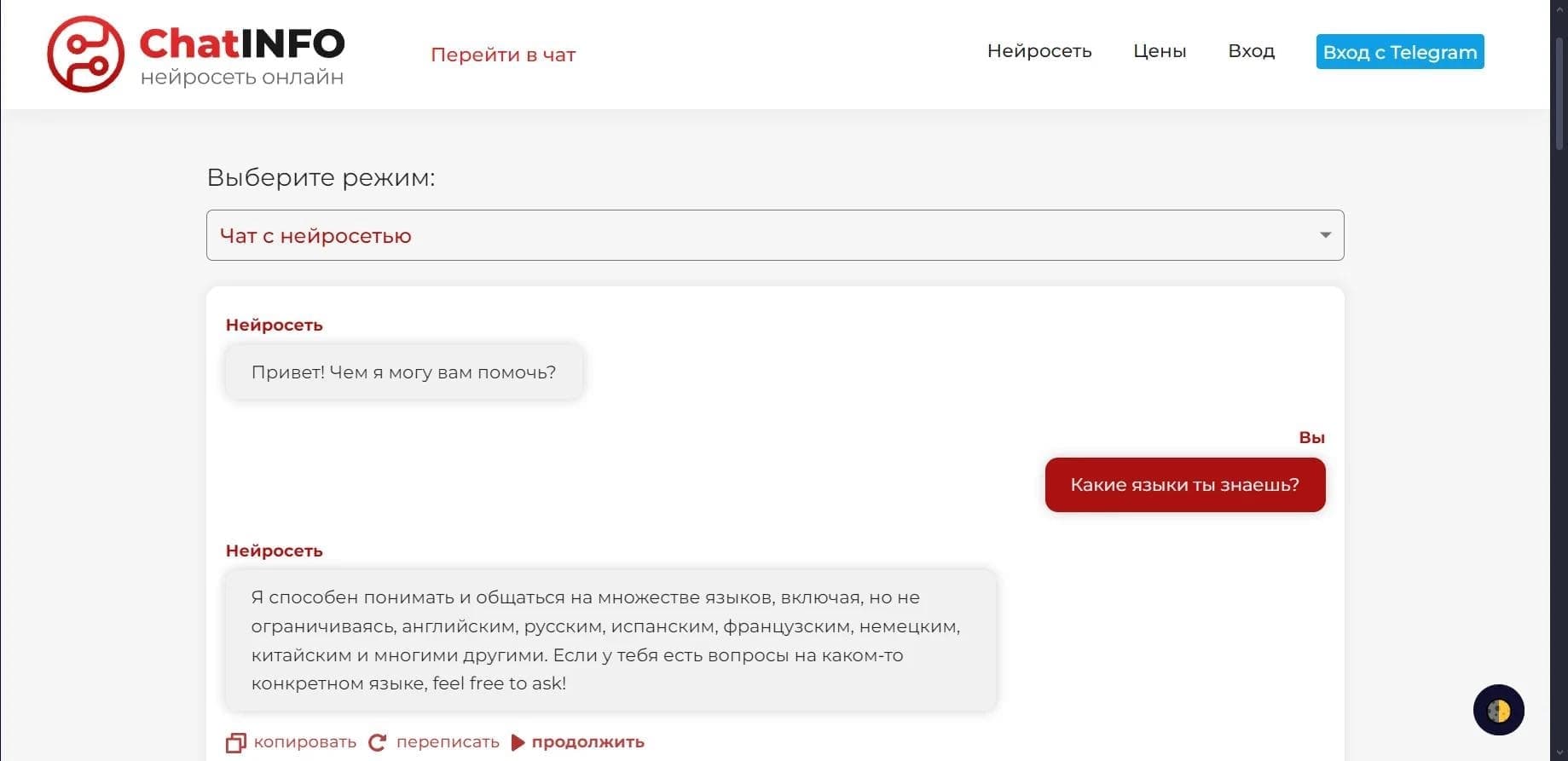

Russian-language GPT-based AI chatbot for information retrieval and text generation.
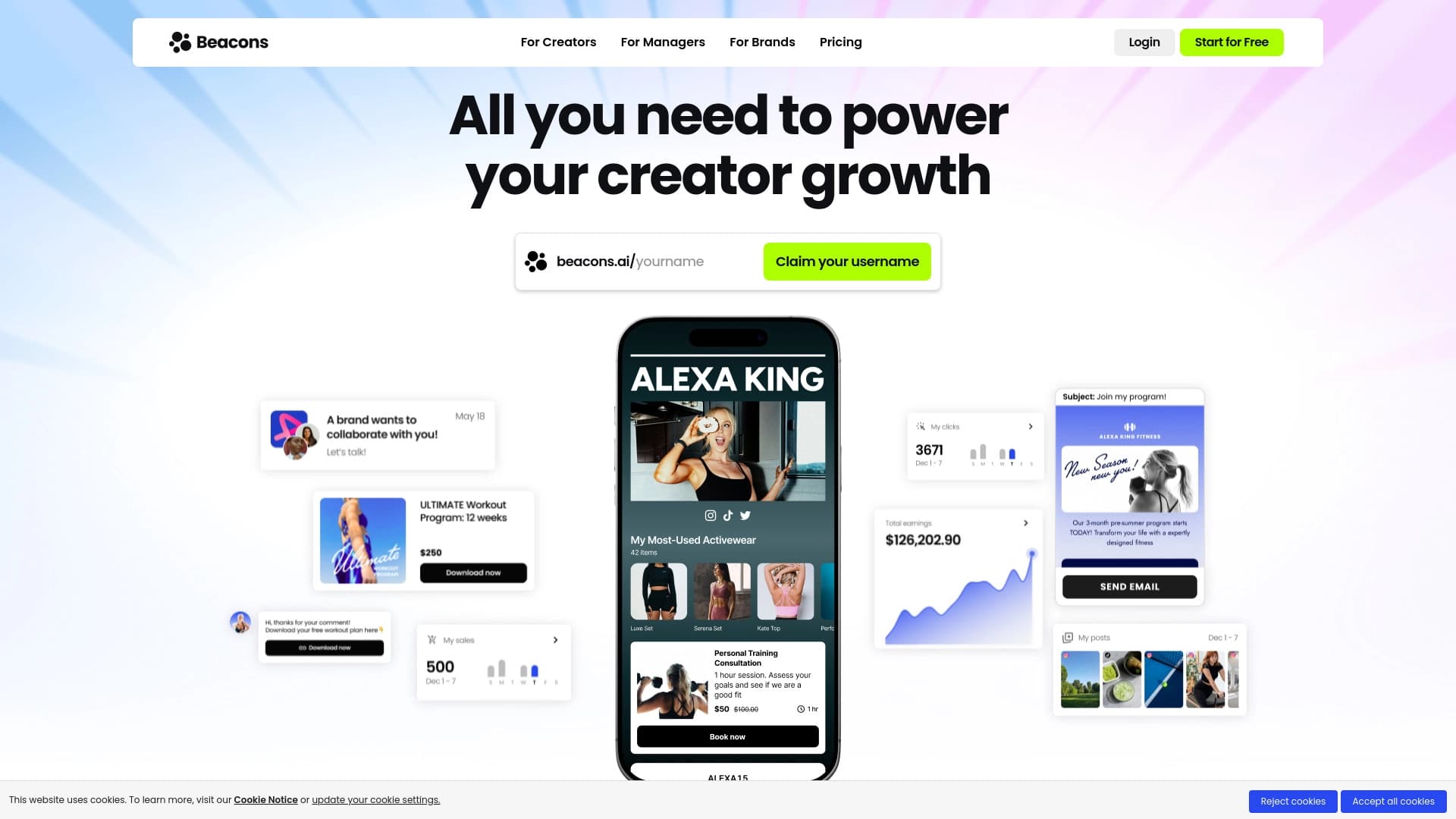
A platform for content creators that combines link management, email marketing, an online store, and analytics in a single visual editor without coding.