

Auto Localize
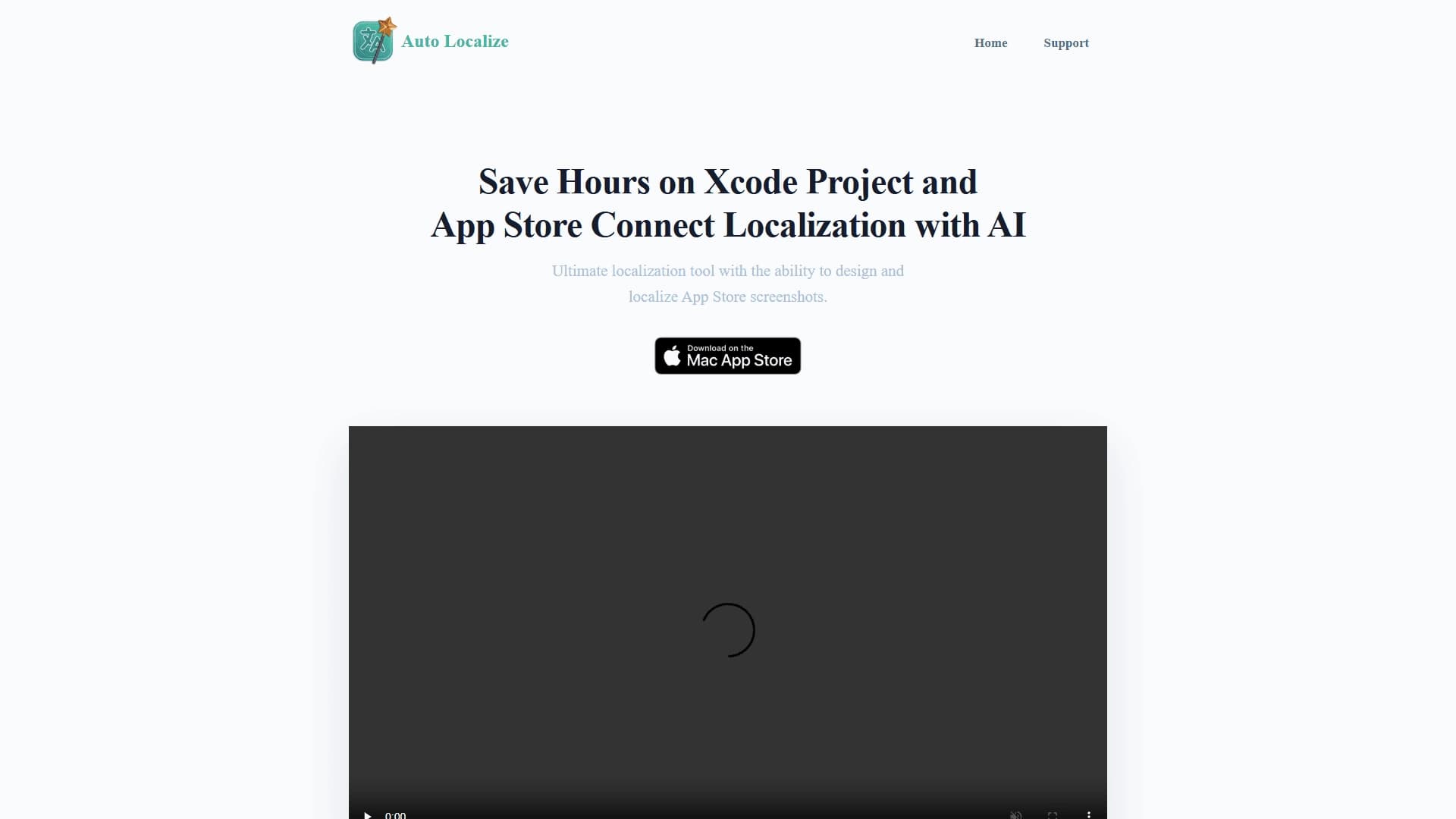
AI editor for automating translation of localization files in projects across various development platforms.
Overview
Auto Localize Neural Network Description
Auto Localize is a specialized AI editor designed to automate the translation of localization files in software projects. The tool is aimed at developers working with popular environments and platforms such as Xcode, Android Studio, Unity, Flutter, and .NET. Instead of manually translating thousands of interface strings, a developer can upload localization files to the service, and the artificial intelligence based on large language models will perform the translation automatically.
A key feature of Auto Localize is context awareness. The neural network translates not individual words but entire strings, taking into account their meaning in the application interface. This achieves higher accuracy compared to simple machine translators. The tool supports many file formats, including XLIFF, XCLOC, RESX, ARB, STRINGS, PROPERTIES, XML, and JSON, making it a versatile solution for various development stacks.
The service works through the cloud: all files are uploaded to external servers, processed by AI models, after which the user receives ready translated files. A constant internet connection is required for operation.
Auto Localize Characteristics
| Characteristic | Value |
|---|---|
| Type | AI tool for application localization |
| Category | Code assistants; Programming assistance tools |
| Platforms | Xcode, Android Studio, Unity, Flutter, Java, .NET |
| Supported file formats | XLIFF, XCLOC, RESX, ARB, STRINGS, PROPERTIES, XML, JSON |
| Models used | OpenAI GPT, Google Gemini, local LLMs |
| Distribution form | Web service (cloud-based) |
| Free tier | Yes (basic features for small projects) |
| Developer | Auto Localize |
| Website | autolocalize.app |
| Monthly visits | 38.2K |
Who is Auto Localize suitable for?
Mobile app developers
The tool is primarily aimed at developers of mobile applications for iOS and Android. Deep integration with Xcode and Android Studio allows automating the translation of string catalogs and metadata for App Store Connect, significantly speeding up the release of applications to new markets.
Cross-platform teams
Auto Localize is suitable for teams developing for multiple platforms at once — Unity, Flutter, Java, and .NET. Instead of setting up separate localization processes for each project, you can use a single tool that understands the file formats of all the listed environments.
Small teams without a translator
The service is especially useful for startups and small studios that do not have a dedicated translator or localizer on staff. Thanks to AI-based translation automation, such teams can independently release applications in several languages without involving contractors.
How to use the Auto Localize neural network?
Connecting a project
To work with Auto Localize, you need to register on the service and upload localization files. For example, if the project is developed in Xcode, it is enough to add it and press the localization button — all string catalogs will be translated automatically.
Working with the editor
After uploading files, the user enters the built-in editor, where each string and its translation can be reviewed. The text can be edited manually if the automatic result is unsatisfactory, or you can fully trust the neural network and generate the translation immediately.
Building and launching the project
Once translations are ready, the files are uploaded back to the project. The developer builds and launches the application — the localized version is ready for publication.
Key features of Auto Localize
Automatic file translation
The service uses neural networks (OpenAI GPT, Google Gemini, or local LLMs) to translate localization files with context awareness. The user does not need to manually prepare terms or glossaries — the AI processes the uploaded strings automatically.
Format and platform support
Auto Localize understands XLIFF, XCLOC, RESX, ARB, STRINGS, PROPERTIES, XML, and JSON formats. This covers the needs of projects on Xcode, Android Studio, .NET, Unity, Flutter, and Java — virtually any popular technology stack.
Built-in translation editor
In addition to automatic translation, the service has a convenient editor. All uploaded strings are displayed in a single window, allowing quick review, editing, and approval of translations without switching between different applications.
App Store Connect integration
For Xcode projects, integration with App Store Connect is available: manage descriptions, versions, and application metadata from one place. Auto Localize can also create and localize screenshots for app stores, adapting marketing materials for different markets.
Advantages of Auto Localize
Saving time and budget
AI-based translation automation significantly reduces the time spent on localizing large volumes of text. This is especially noticeable with regular application updates, when each release requires translating new strings.
Deep integration with the Apple ecosystem
For iOS developers, the tool offers direct integration with Xcode and App Store Connect. This allows not only translating strings but also managing marketing materials, including screenshots, directly within the service.
Versatility and compatibility
Support for most popular development platforms and file formats allows Auto Localize to be embedded into virtually any workflow. The tool is suitable for cross-platform teams and projects running on different stacks.
Ease of use
The service interface is intuitive and requires no lengthy training. A couple of clicks — and the translation for a new language is ready.
Disadvantages of Auto Localize
Inaccuracies in technical terms
A neural network, no matter how powerful, can make errors in translating technical terms. For highly specialized texts related to medical, legal, or financial topics, automatic translation may distort the meaning. It is recommended to proofread the results manually.
Internet dependency
The service works only through the cloud. Without an internet connection, using the tool is impossible, which can be a limitation for teams working offline or with restricted network access.
Data security concerns
All localization files pass through external servers, which creates potential risks for projects with sensitive data. For applications containing confidential information, using a cloud localization service may be undesirable.
What tasks does Auto Localize solve?
Localizing interface strings
The main task of the service is the automatic translation of application interface strings. The tool processes string catalog files, turning them into fully localized versions ready for use in the project.
Automating the translation process
Auto Localize relieves developers of routine work: no need to manually copy strings into third-party translation services, track format compliance, or transfer results back. The entire cycle — from file upload to receiving the finished translation — takes minimal time.
Managing app store metadata
The service allows localizing not only code but also marketing materials: descriptions, feature lists, and screenshots for the App Store. This speeds up preparing an application for publication in new markets.
Translating projects for different platforms
Auto Localize is suitable for localizing projects developed in Xcode, Android Studio, Java, .NET, Unity, and Flutter. Teams can use a single tool for all their products regardless of the technology stack.
Auto Localize Pricing
Information about pricing plans is available on the service website. Payment options vary depending on the scope of features and team size:
- Free tier — basic localization features for small projects. Suitable for getting acquainted with the service and simple tasks.
- Professional plan — approximately $15 per month. Includes advanced automatic translation capabilities and integrations.
- Business plan — approximately $30 per month. Provides full access to all features, priority support, and the ability for large teams to work.
Terms of Use for Auto Localize
Registration (login) in the system is mandatory to work with the service. All operations are performed in the cloud: the user uploads localization files to Auto Localize servers, where they are processed by the neural network, after which the ready results are downloaded.
Since the service is fully cloud-based, a constant internet connection is required throughout the entire workflow. Data is transmitted through external servers, which should be considered when localizing projects containing confidential information.
Auto Localize Availability
Auto Localize is available as a web service through a browser. To use it, simply go to autolocalize.app and register — no additional software installation is required.
The source data does not specify specific regions or languages in which the service is available on the page. The main condition for operation is an internet connection. Without a network, using the tool is impossible.
How Auto Localize differs from alternatives
Specialization in localization
Most AI tools for developers (for example, GitHub Copilot, Tabnine, AskCodi, Replit, Cursor AI, Qwen AI) focus on code generation and autocompletion. Auto Localize occupies a separate niche: it is a highly specialized editor for translating localization files, not a universal programming assistant.
Support for localization formats
Unlike universal tools, Auto Localize understands specific localization file formats — XLIFF, XCLOC, RESX, ARB, STRINGS, PROPERTIES. This allows working with projects on various platforms without losing data structure.
App Store Connect integration
The ability to manage application metadata and localize screenshots for App Store Connect is a feature rarely found in alternatives. For iOS developers, this is a notable advantage, as it allows closing the full cycle of preparing an application for international markets.
Flexibility in model selection
Auto Localize uses not one AI model but several: OpenAI GPT, Google Gemini, and local LLMs. This gives the user the ability to choose a suitable model for a specific task, balancing between translation accuracy and confidentiality requirements.
Conclusion
Auto Localize is a practical tool for automating the translation of localization files in projects on Xcode, Android Studio, Unity, Flutter, Java, and .NET. It uses OpenAI, Google Gemini, and local LLM neural networks to translate strings with context awareness, supports many file formats, and includes a built-in editor for manual corrections. The main advantages are saving time and budget, deep integration with Xcode and App Store Connect, and compatibility with most popular development platforms. At the same time, potential inaccuracies in technical terms, internet dependency, and data security concerns when transferring files to external servers should be considered. The service offers a free tier for small projects, as well as paid plans for professional teams.
Frequently asked questions
See also
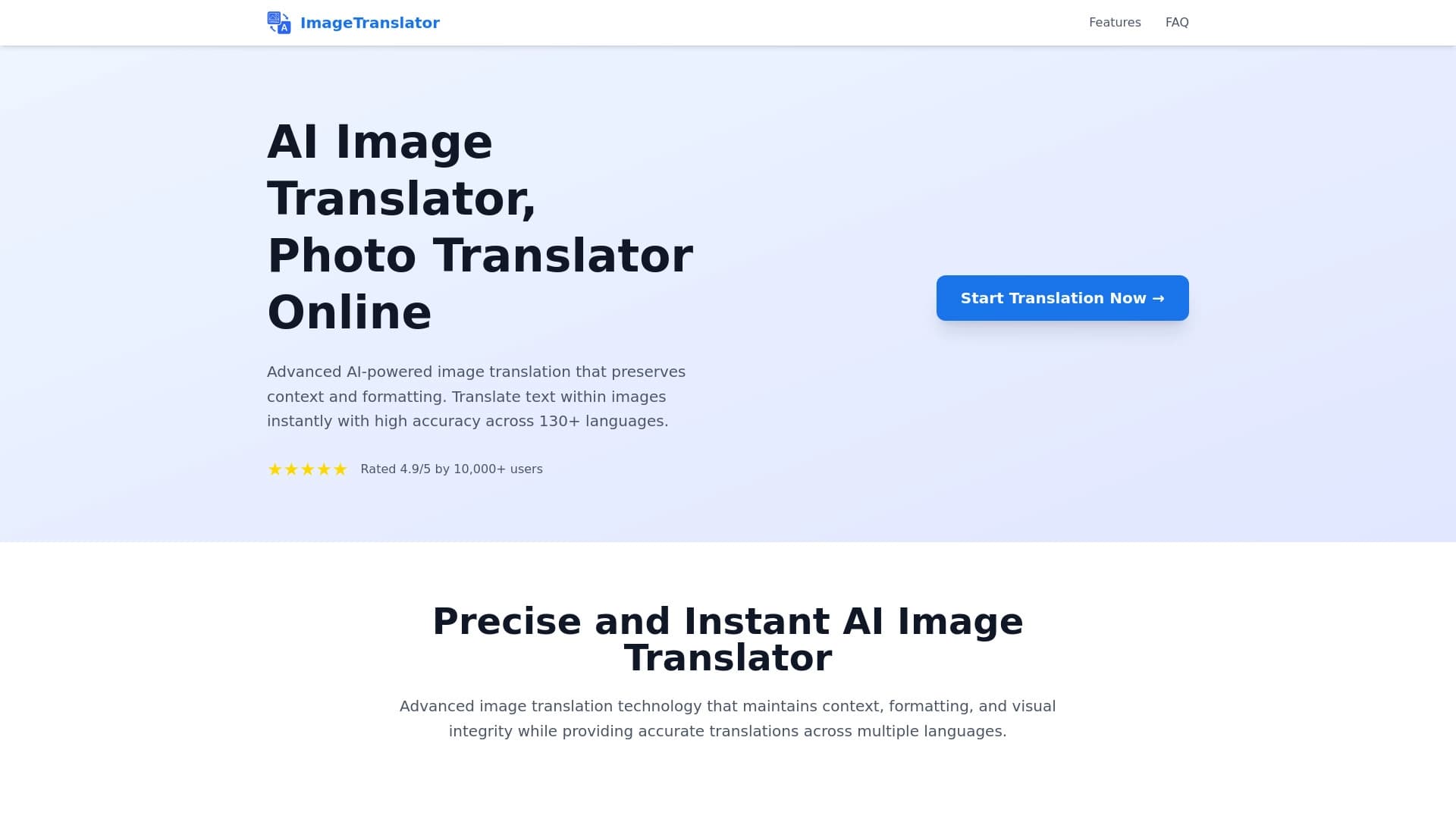
Tool for translating text directly in images while preserving the original design.
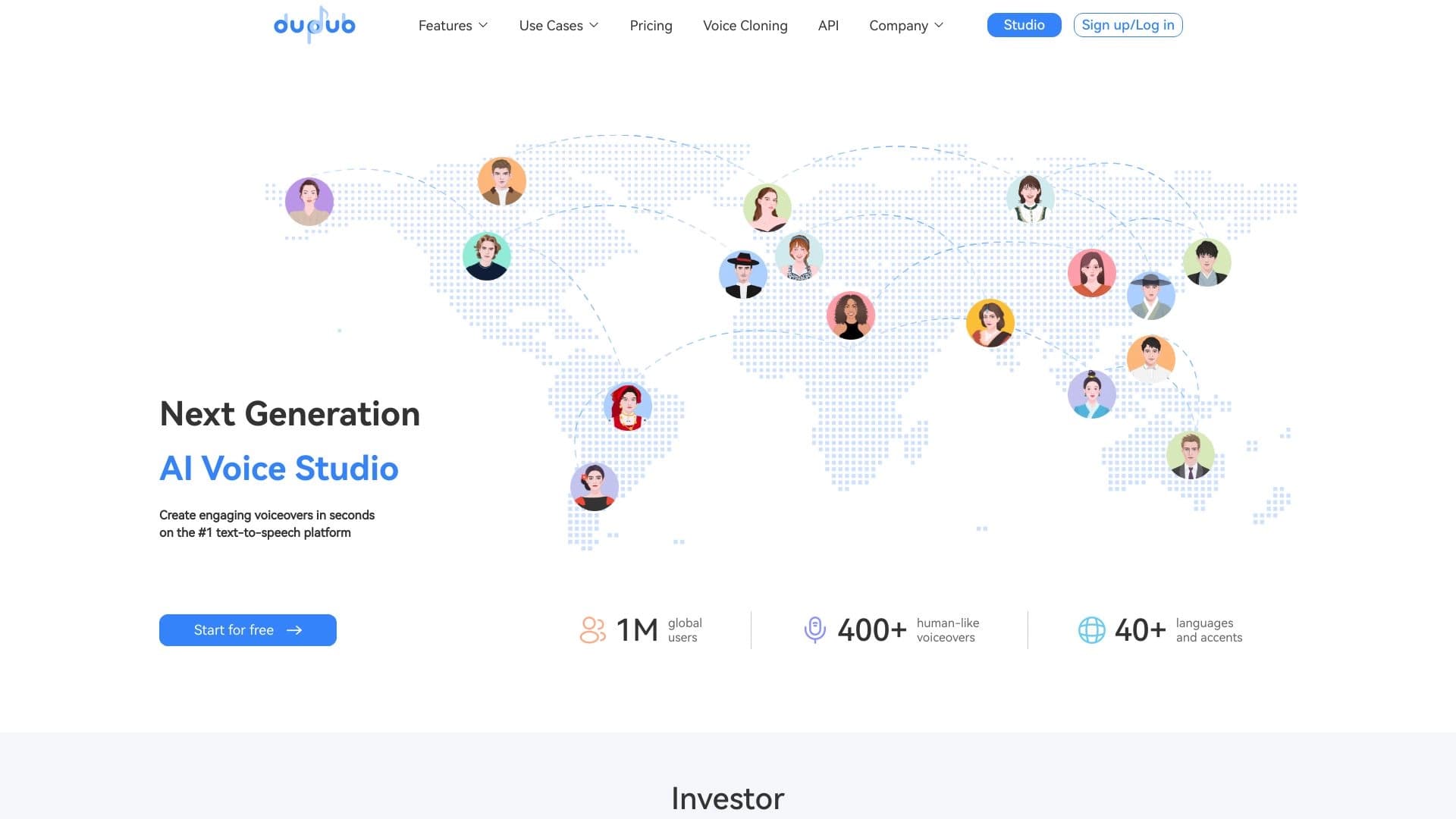
Multifunctional AI platform for content creation, combining speech synthesis, text generation, avatar creation, and video editing.
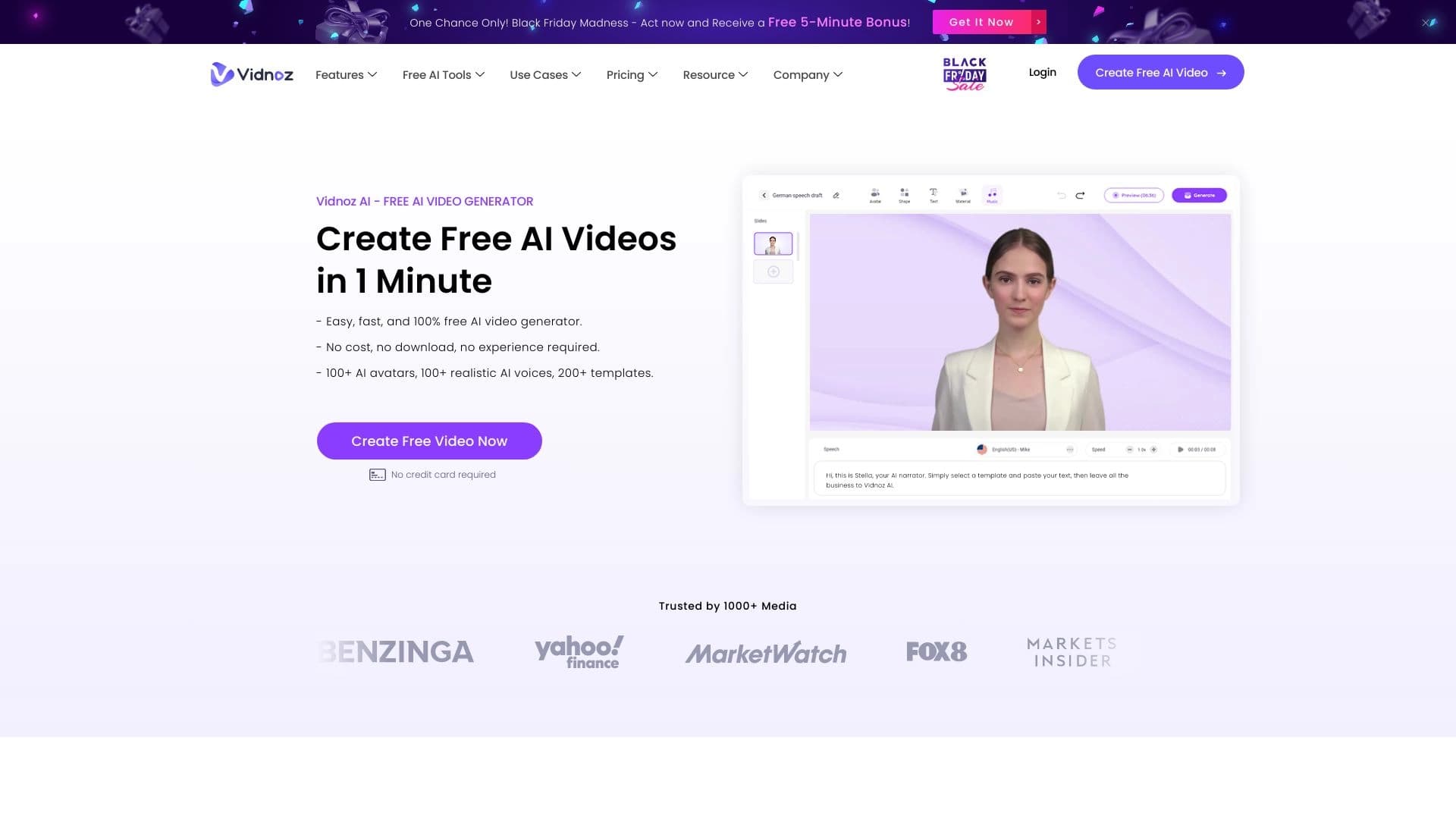
Cloud platform for creating videos using AI avatars, synthesized speech, and automatic translation of clips into dozens of languages.

AI agent for automating customer communications and support.


Platform for creating multi-agent AI systems and chatbots to automate customer support and lead generation.
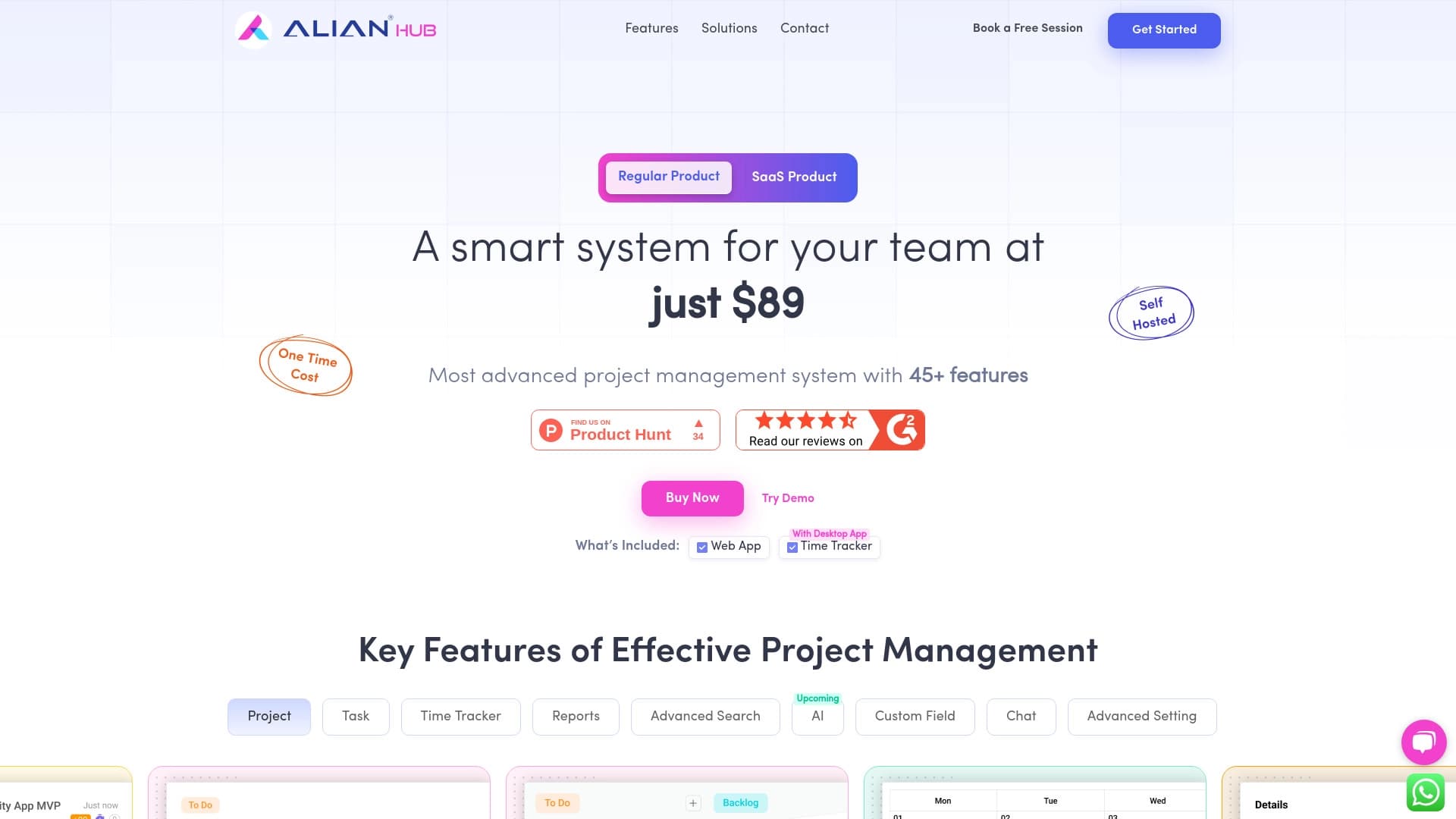

Project management platform with task assignment, time tracking, and employee workload monitoring features.
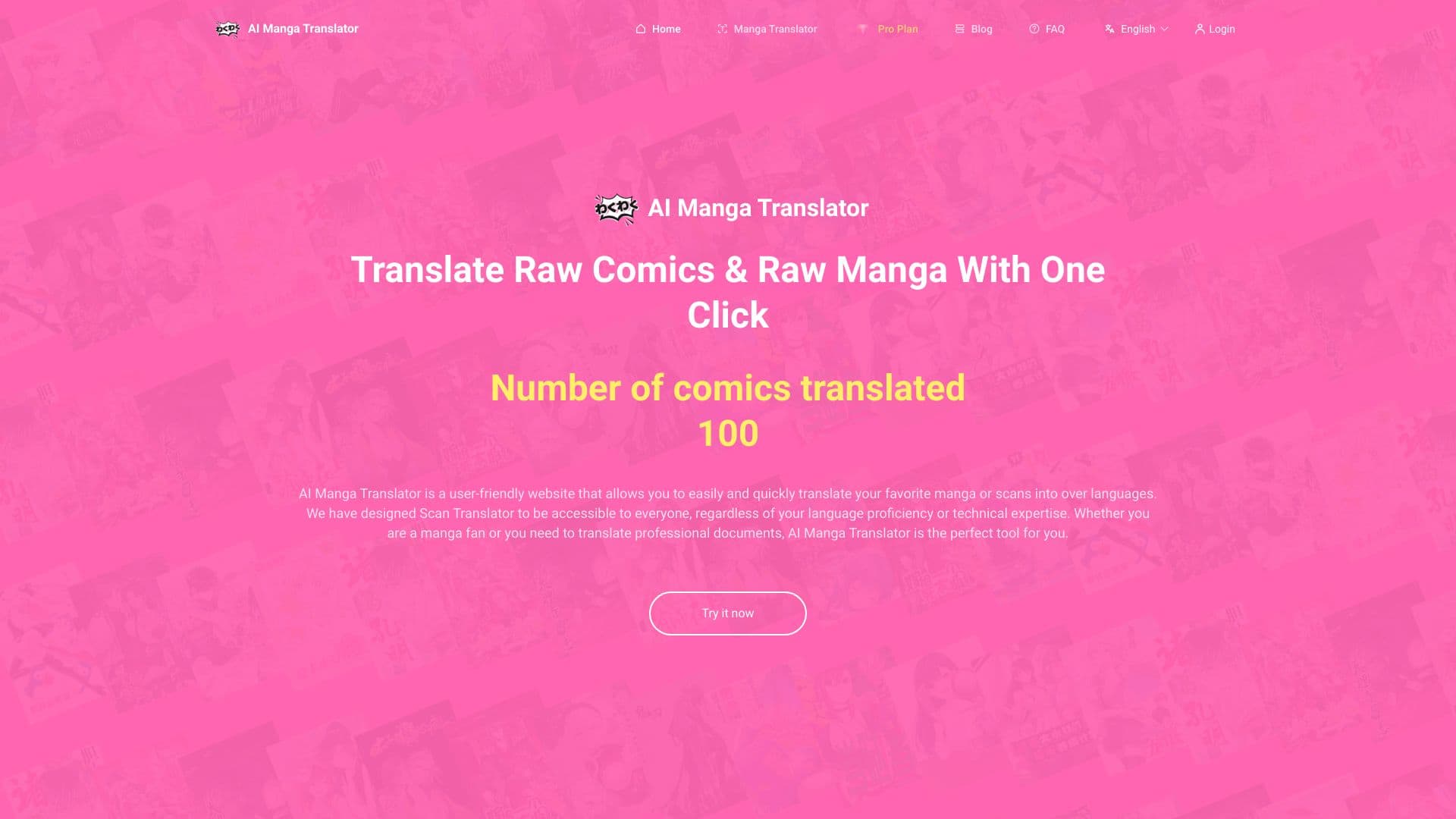

An online service that recognizes text on manga and manhwa pages, translates it into different languages, and embeds it back into the image without damaging the original artwork.
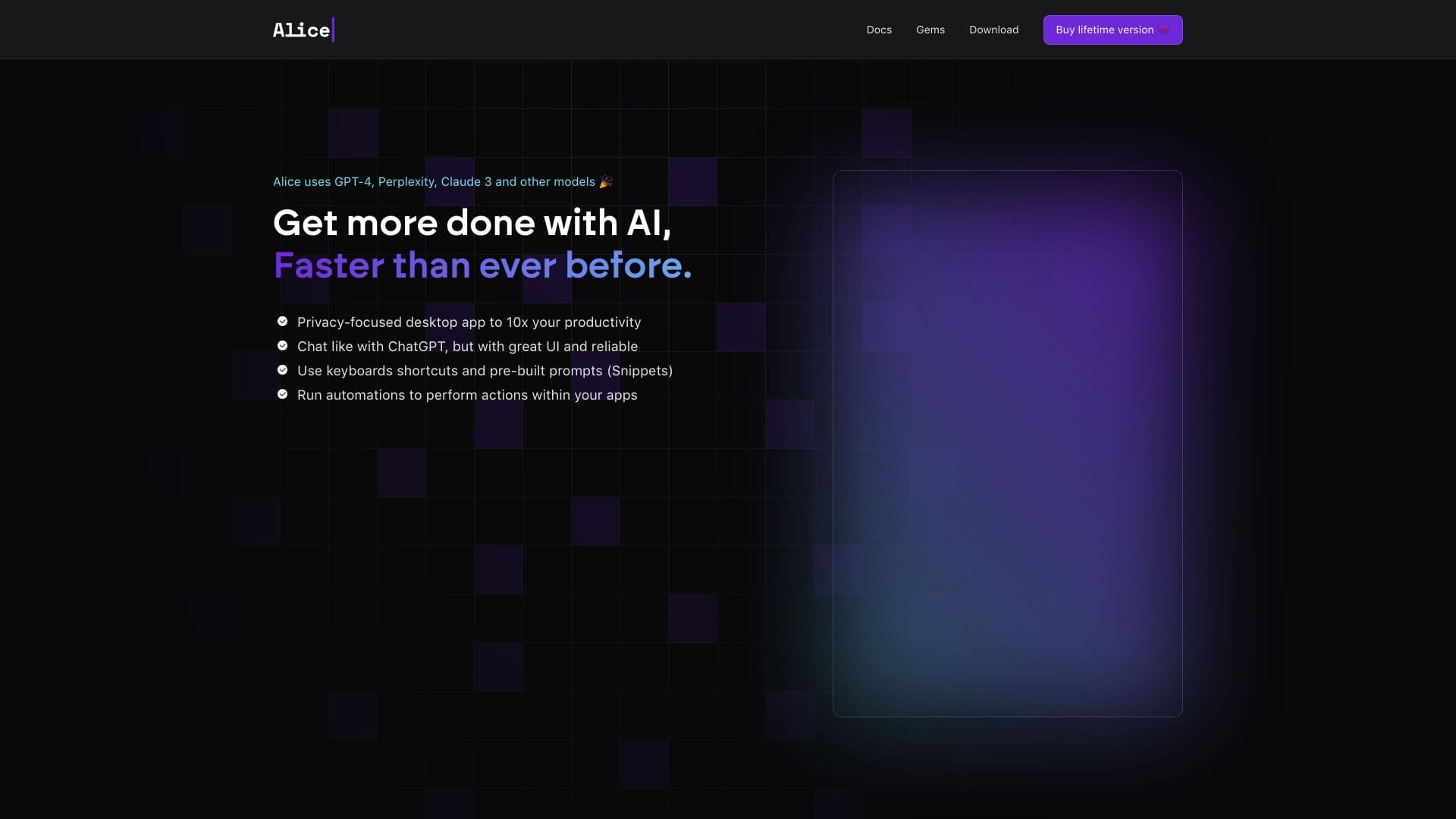

Desktop AI assistant for macOS, Windows, and Linux that launches via hotkey above all windows and combines multiple language models in one interface.