
AI Music API
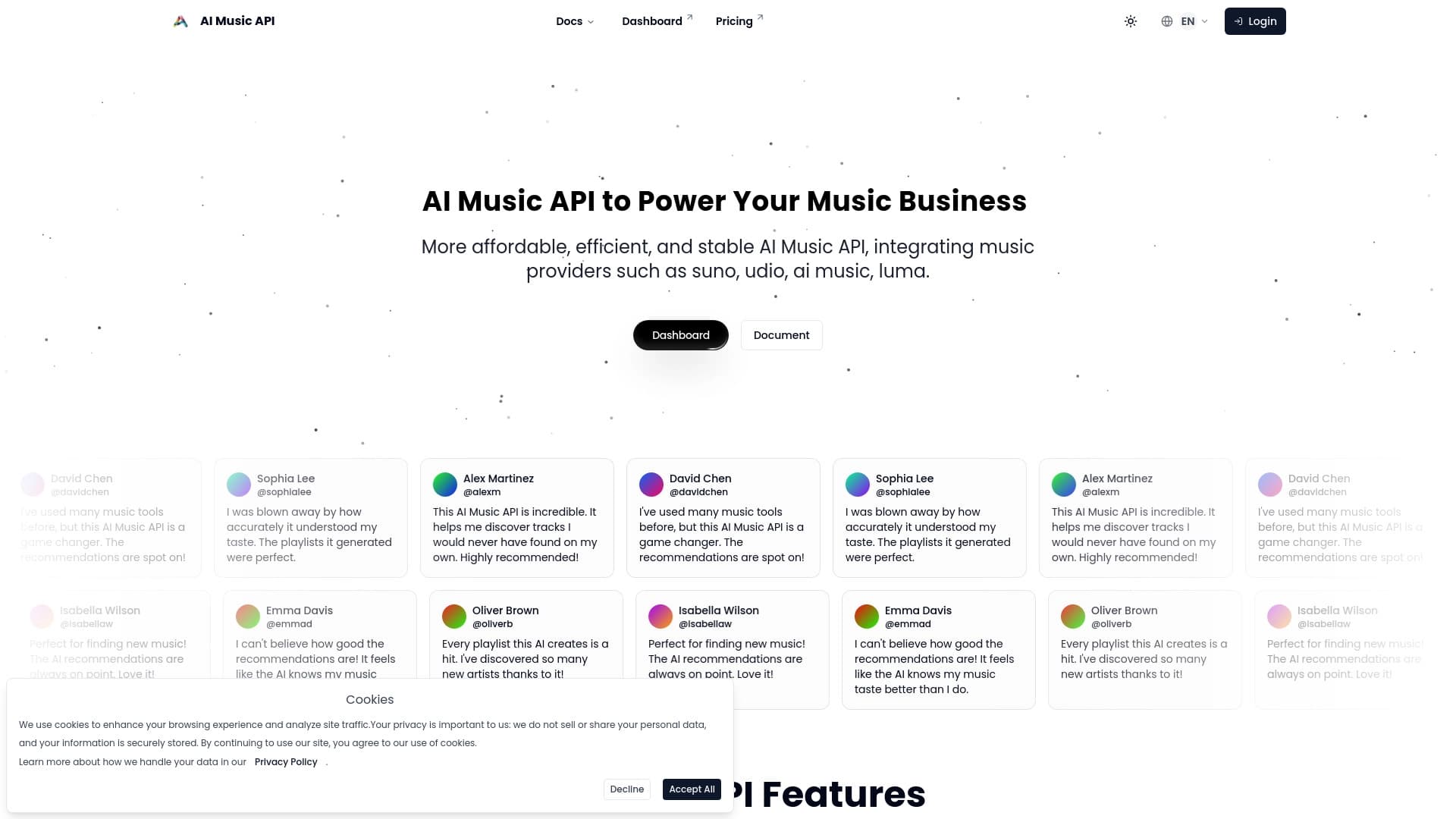
A unified API for integrating music generation and recommendations from multiple providers into applications.
Overview
AI Music API Description
AI Music API is a unified interface for developers who want to add music features to their applications. Instead of connecting to each music service separately and figuring out their documentation, developers get a single access point.
Why a Unified API Matters
The service brings together the capabilities of several providers — Suno, Udio, and Luma — under one roof. This means an application can generate tracks on demand and deliver smart recommendations to users without spending time on manual integration with each platform. For a startup or a small team, this saves weeks of development.
Technical Stability
The platform positions itself as a reliable solution: the API runs around the clock, without outages or delays. Data transmitted between the application and the service is encrypted, which is important when handling user preferences and listening history.
AI Music API Features
| Feature | Value |
|---|---|
| Type | API for developers |
| Category | AI music generators |
| Platforms | Website (web service) |
| Free tier | Yes (basic) |
| Monthly visits | 38.4K |
| Supported providers | Suno, Udio, Luma |
| Pricing | ~20% of the official cost of provider API requests |
Who Is AI Music API For?
Developers and Technical Teams
The main audience of the service is developers building applications with music functionality. These can be mobile apps or web services. Instead of long and painstaking work with each provider, they get a ready-made solution with a unified interface.
Startups and Small Projects
The service is especially useful for startups with limited budgets. The ability to pay roughly a fifth of the official price of requests makes the technology accessible to small teams. For projects that want to quickly test a music feature in the market, this is a practical option.
How to Use AI Music API?
Connecting to an Application
A developer needs to register on the service and get API access. After that, integration happens in a standard way — by sending requests to a single endpoint. No manual configuration for each provider is required.
Working with Features
After connecting, the application can use music generation and a recommendation system. Users get the ability to create tracks online and receive playlists that are generated automatically based on their preferences.
Key Features of AI Music API
Online Music Generation
The service lets you create unique tracks on demand. The neural network matches notes, style, and arrangement to a description or mood. Many genres are supported — from rap and classical to techno.
Smart Recommendations and Playlists
Algorithms analyze user tastes and build personalized track selections. Playlists are created automatically based on the client's mood or the context of app usage.
Unified Provider Integration
Working with Suno, Udio, and Luma through a single API is the service's key feature. The developer doesn't need to study three different documentations, pay three companies, or maintain three integrations. The platform handles all of that.
Advantages of AI Music API
Development and Launch Speed
One API instead of multiple integrations is a significant time saver. The product can be launched faster, and team resources can be directed toward developing other features.
Cost Savings
The payment system is transparent: you pay roughly 20% of the official cost of API requests. For startups just entering the market, this makes a noticeable difference to the budget.
Reliability and Security
The API runs stably and around the clock. The service doesn't crash or lag, and data is encrypted. For applications working with user data, this is an important trust factor.
Disadvantages of AI Music API
Generation Quality
The quality of generated music is sometimes average — tracks can sound similar to one another. For projects where music is a key element of the product, this can be critical.
Copyright Concerns
There is a possibility of accidental similarity to existing melodies. In such cases, copyright issues may arise.
Dependence on Third Parties
The service works through third-party music platforms — Suno, Udio, Luma. If they experience outages, the API may temporarily stop working. The developer has no control over this part of the infrastructure.
What Problems Does AI Music API Solve?
Personalized Recommendations in an App
The service lets you add a recommendation system that matches music to a specific user's taste. This boosts engagement and keeps the audience in the product.
Automatic Mood-Based Playlists
An application can create playlists automatically — based on the client's mood or a specific use case. For example, for workouts, work, or travel.
Fast Music Generation Without Manual Integration
A developer doesn't need to manually configure a connection to each provider. Integrating the API once is enough, and the application gets access to music generation from several models.
AI Music API Pricing
The service offers three pricing plans for different usage levels.
Basic Plan
A free plan for beginners and testing. Good for getting familiar with the functionality and understanding whether the service fits your project.
Premium Plan
Designed for active use with expanded features — suitable for projects that have moved past the prototype stage.
Business Plan
Aimed at professionals and companies that need full access to the service's capabilities on an ongoing basis.
Overall, the cost is roughly 20% of the official price of API requests at the providers. The payment system is transparent: you pay for what you use.
Terms of Use for AI Music API
To get started, registration on the service is required. API requests are paid according to the selected plan. Exact technical limits, such as requests per minute or data volumes, are not specified in public sources — these should be clarified after registration.
Availability of AI Music API
The service is available through its website (https://udioapi.pro/). Interface languages and regional restrictions are not specified, and there is no mention of a need for VPN. This means the service may be available from most regions, but exact information should be checked on the official website.
How AI Music API Differs from Alternatives
Providers Combined in One Place
The main difference from alternatives is the aggregation of several music platforms under a single API. For example, Suno AI and Udio are standalone music generators, while AI Music API acts as an intermediary, providing access to them and to Luma at the same time.
Pricing Model
A pricing system of 20% of the providers' official prices is a rare offering on the market. This makes the service more attractive to startups compared with direct integrations.
Developer Focus
Unlike end-user music products such as Mubert or AIVA, AI Music API is built from the ground up for embedding into other applications. It doesn't compete with generators directly but extends their capabilities.
Conclusion
AI Music API is a practical solution for developers who want to add music generation and smart recommendations to their applications without complex integration with each provider separately. The service combines Suno, Udio, and Luma, saves development time, and offers a transparent payment system that benefits startups. At the same time, you should consider the potential dependence on third-party platforms and possible copyright issues. Overall, it's a good option for projects where music is a supporting, not central, element of the product.
Frequently asked questions
See also

A multifunctional AI assistant for chat, text and image generation, translation, and programming help.
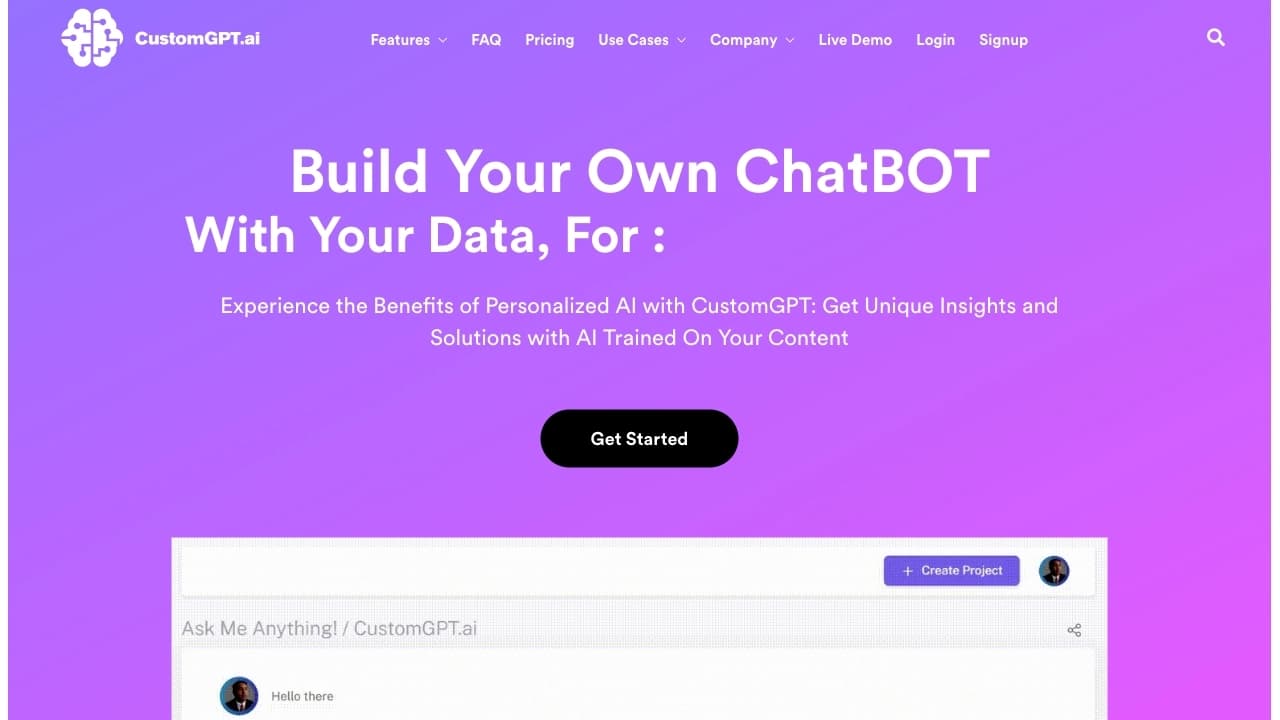

A platform for creating corporate chatbots based on your own documents without coding.
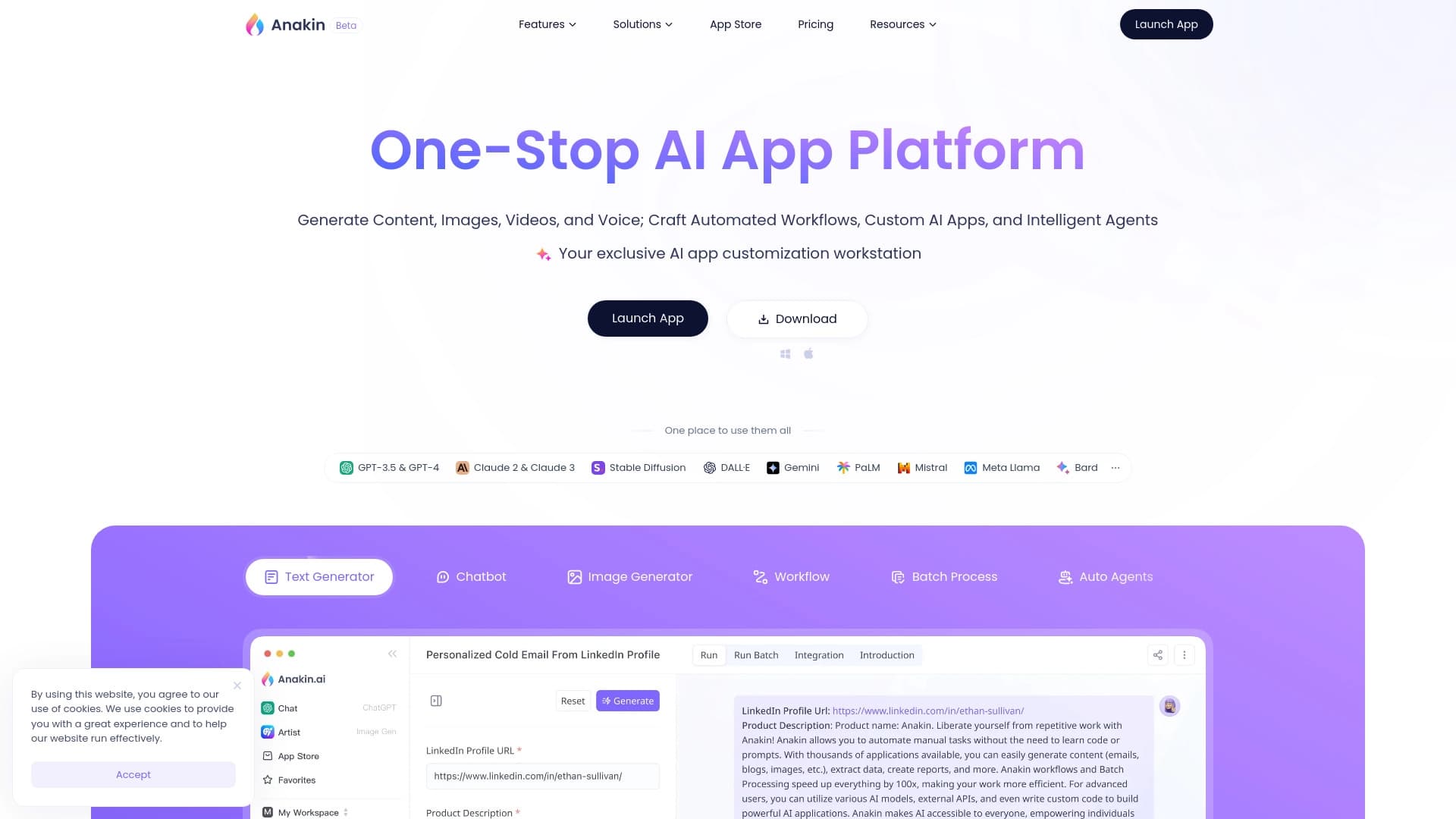
Anakin.ai is a low-code platform that combines various AI models for content creation and workflow automation without coding.
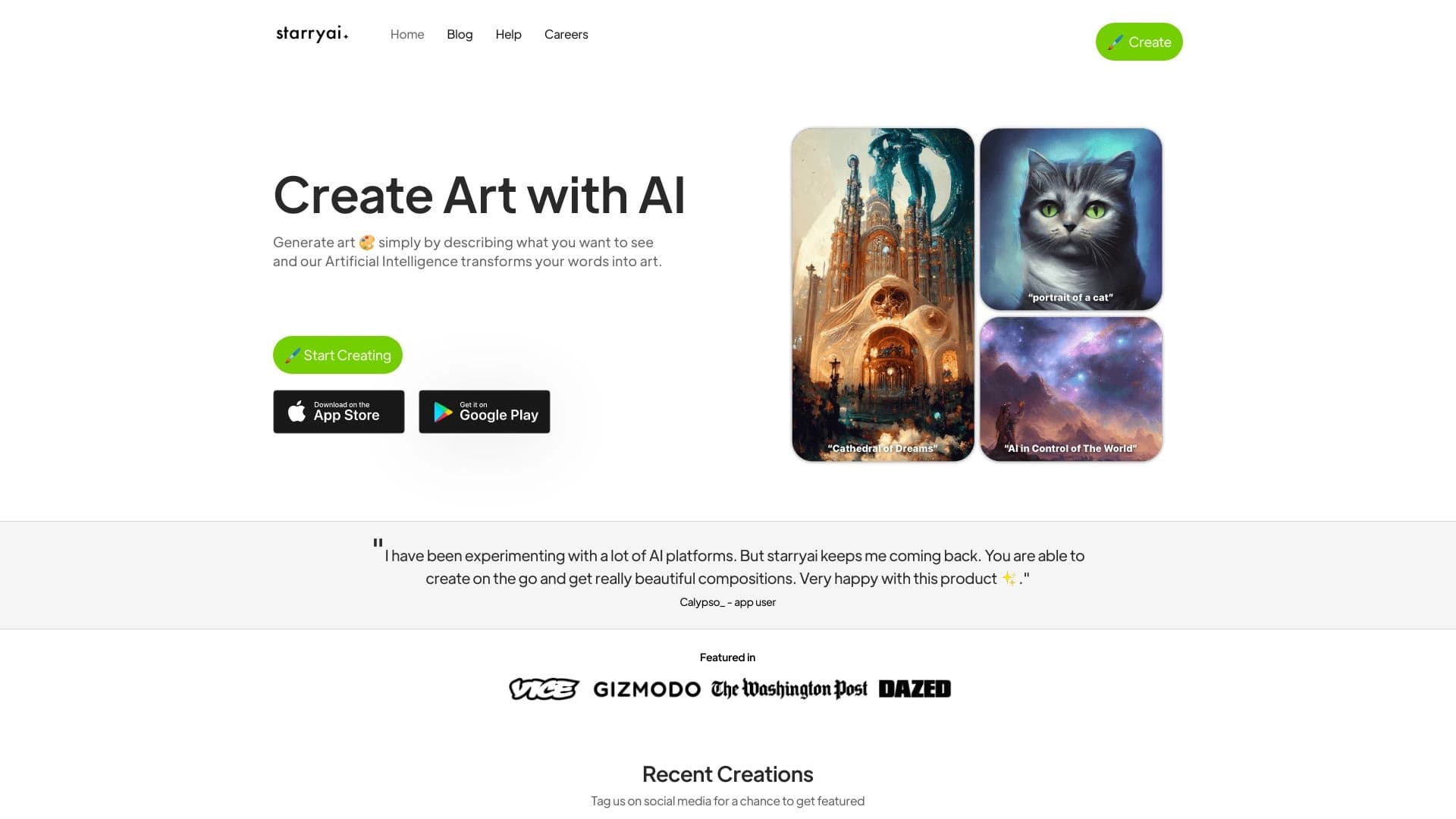

Neural network that generates images and illustrations based on a text description.
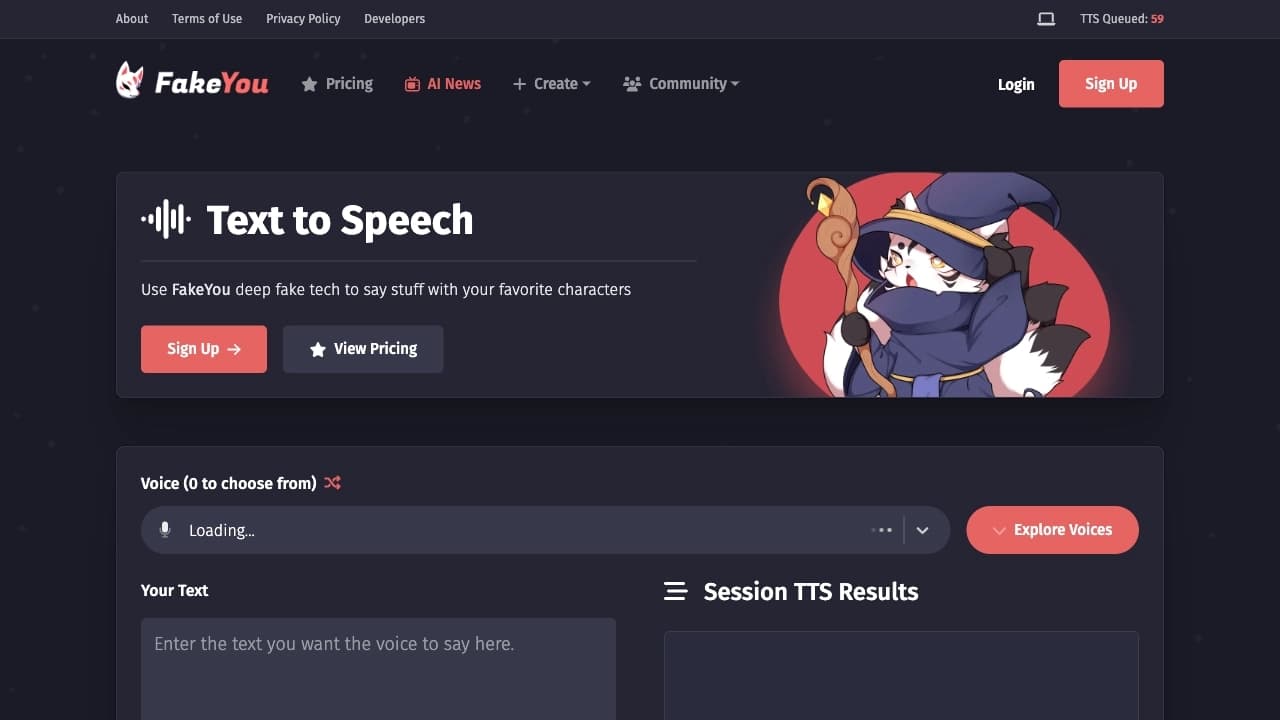

Online AI speech synthesis platform that allows generating audio with voices of famous characters and celebrities.
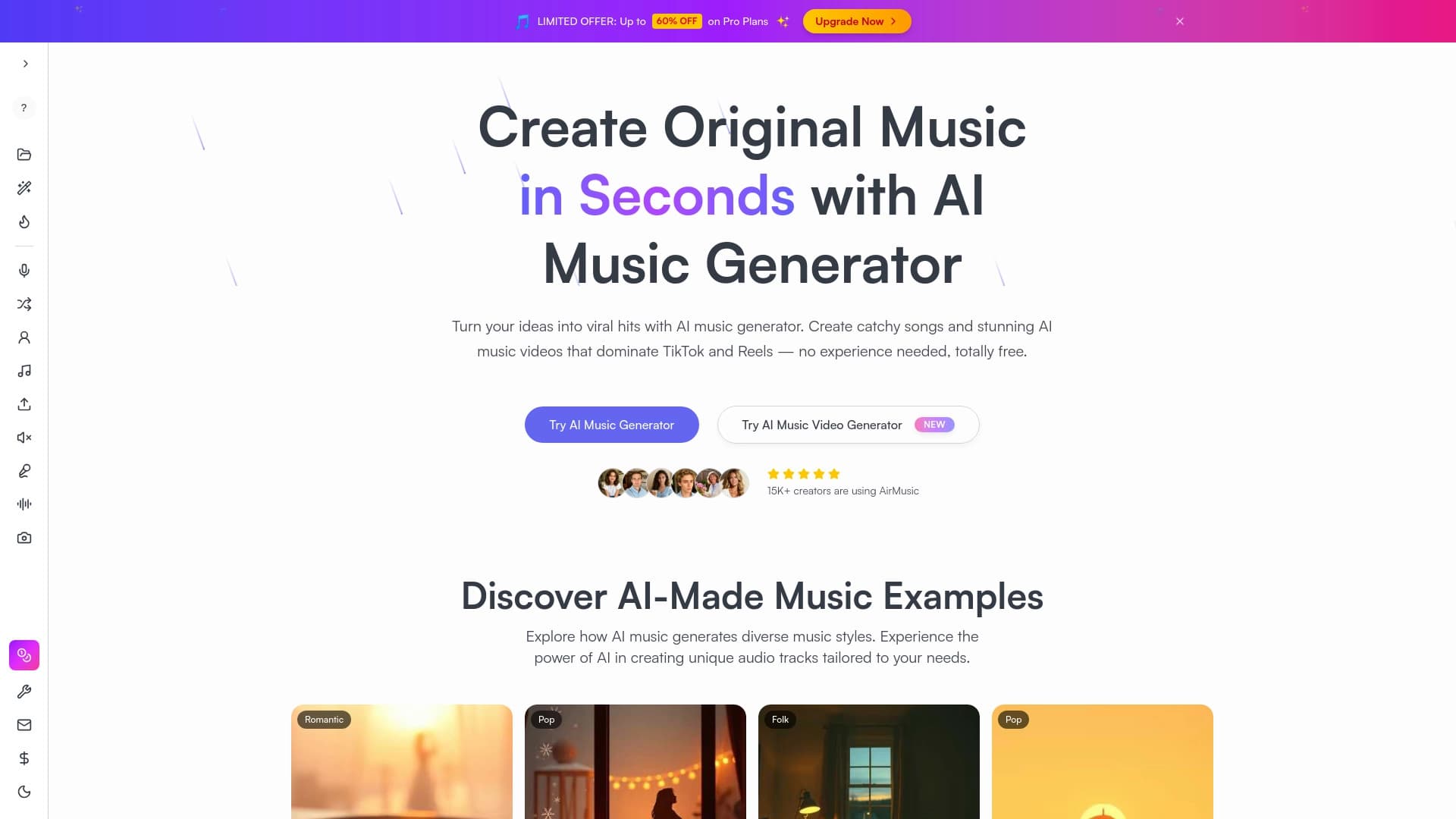
Music generator from text descriptions with style and mood customization, as well as export of individual tracks.

Terminal AI agent for programming that dynamically adapts to developer tasks.
Intelligent assistant from Microsoft, built into the Bing search engine and Edge browser, powered by GPT-4.