

AI Law
AI-powered platform for automating routine legal tasks: drafting documents, searching and analyzing information.
Overview
AI Law Neural Network Overview
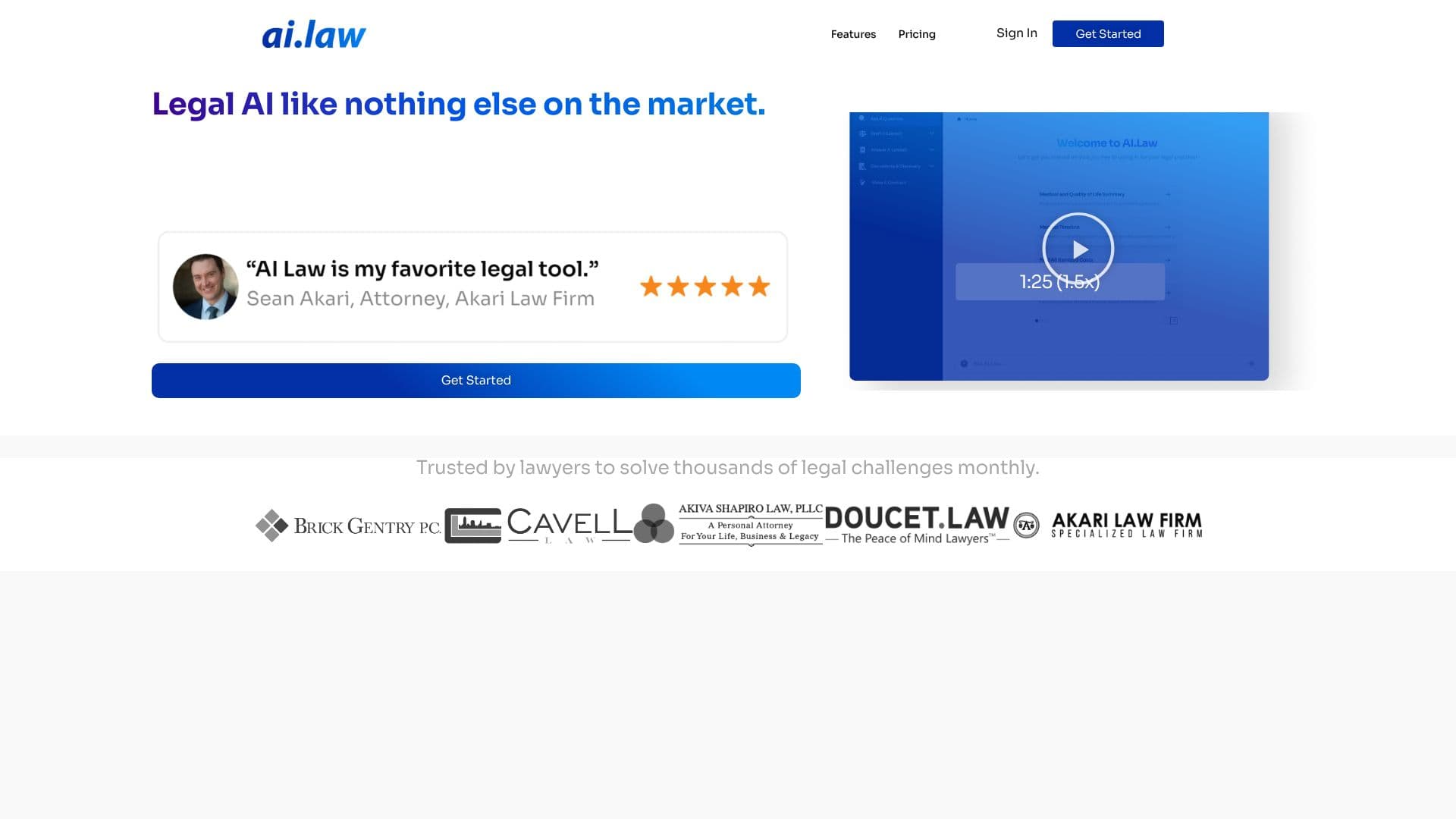
AI Law is an online platform that uses artificial intelligence to automate routine operations in legal practice. The service is focused on accelerating workflows: it helps create initial versions of documents, process requests, and conduct preliminary information analysis. Instead of spending time on mechanical work, a lawyer can delegate the preparation of the base to the system and then focus on expert evaluation of the result.
It is important to understand that AI Law does not replace a specialist but acts as an assistant. The platform works through a web interface, ensuring access from any device. Despite automation, the service honestly warns: in non-standard or complex cases requiring deep contextual understanding, the neural network's output must be reviewed by a professional.
AI Law Characteristics
Below are the main technical and user parameters of the service, compiled from open sources.
| Characteristic | Value |
|---|---|
| Type | AI-based legal assistant |
| Category | Text processing tools, Legal support tools |
| Platform | Website (online interface) |
| Developer | AI Law |
| Monthly visits | 5.8K |
| Price | Subscription-based (standard plan) |
| Free plan | Trial period available |
Who Is AI Law Neural Network For?
Lawyers and Attorneys
First and foremost, the tool is designed for practicing lawyers who deal with a large volume of standard documentation daily. AI Law helps reduce time spent on preparing claims and contracts, freeing up resources for more complex tasks.
Corporate Legal Departments
Employees of corporate legal departments can use the platform to quickly process internal requests and prepare responses to information disclosure inquiries. This simplifies inter-departmental communication and accelerates document flow.
Independent Consultants
For private specialists and small firms, the service serves as an alternative to hiring an assistant. It handles the initial data processing and draft preparation functions, helping to save budget.
How to Use AI Law Neural Network?
Getting Started
To start using the service, simply register on the platform. After logging in, users are presented with a clear interface that requires no special technical knowledge.
Document Creation Process
The workflow follows a simple scenario: the user uploads a file with source data or describes case details in a text field. The AI then automatically compiles a structured legal document. The entire process happens online and, according to the developers, takes just a few minutes.
Review and Finalization
After the draft is generated, the responsibility for reviewing it falls on the lawyer. The expert makes corrections, analyzes compliance with legal standards, and approves the final version. This step is critical for complex and non-standard situations.
Key AI Law Features
The platform combines several useful tools in one window, eliminating the need to switch between different programs.
- AI-powered legal document generation: Automatic creation of drafts for claims and other standard forms based on input data.
- Responses to data disclosure requests: Quick drafting of official responses to information requests.
- Document search and summarization: A tool that finds relevant information across files and presents it in a condensed form.
- AI chat: The ability to ask the AI questions and receive instant guidance or clarification on basic legal topics.
AI Law Advantages
Time and Resource Savings
The service handles routine operations that traditionally take hours of work. This allows lawyers to redistribute their workload and focus on strategically important tasks.
Improved Document Accuracy
Automation reduces the risk of accidental errors and typos that occur during manual typing. The machine follows templates, ensuring consistency and neat formatting.
Comprehensive Approach
AI Law combines the functions of a search engine, document generator, and consultant in one. Instead of purchasing several separate programs, users get everything they need within a single subscription.
AI Law Disadvantages
Limited Understanding of Nuances
The neural network is not always able to correctly interpret complex legal conflicts and non-standard wording. In such cases, the result requires mandatory review and refinement by a specialist.
Confidentiality Concerns
When working with sensitive data, there is a certain risk associated with transmitting information to cloud services. One hundred percent security guarantees are not provided, so caution is recommended when uploading confidential materials.
Infrastructure Dependency
The service requires a stable internet connection to operate. In the event of server outages or network unavailability, access to the tools will be temporarily limited, which may disrupt workflows.
What Tasks Does AI Law Solve?
The platform's primary purpose is to assist with standard, recurring operations. Key use cases include:
- Preparing claims: Quickly generating a draft based on the factual circumstances of a case.
- Drafting responses to information disclosure requests: Automatically composing official letters.
- Document search and analysis: Processing large volumes of text to identify relevant fragments.
- Handling complex legal tasks: Using the chat to obtain clarifications and additional context.
AI Law Pricing
The cost of accessing the service is fixed. A subscription is required to use the full functionality.
- Standard plan: Subscription-based pricing.
- What's included: Legal document creation, response generation for requests, document search and summarization, and access to the AI chat.
A trial period is available for new users, allowing them to evaluate the platform's capabilities for free and make an informed purchasing decision.
AI Law Terms of Use
Registration on the website is required to get started. An active internet connection is also necessary. Since the service involves data processing, the developers recommend being careful when uploading confidential information and taking appropriate precautions. Specific terms of the license agreement and privacy policy are not disclosed in general descriptions, so users should review the official documentation before use.
AI Law Availability
The service is available exclusively as a website, meaning a browser is required. The lack of desktop and mobile apps may be inconvenient for some users, but this is offset by the interface's cross-platform nature. Information gathered from open sources does not specify interface languages or regional restrictions. The platform's target audience may be primarily local, but this assumption needs to be verified on the official website.
How AI Law Differs from Alternatives
Legal Specialization
Unlike universal AI assistants such as Perplexity AI or general-purpose voice assistants, AI Law is tailored to a specific industry. It does not attempt to answer all the world's questions but focuses on generating strictly structured legal documents.
Pricing Model
While many competitors offer free versions with limited functionality or operate on a pay-as-you-go model, AI Law uses a simple subscription with a clear price. This makes expense forecasting more predictable.
Comprehensive Solution
AI Law addresses three key lawyer needs at once: information search, text writing, and consulting. Alternatives, such as GenAPI or BLUUBRIDGE, may specialize in just one area, requiring the purchase of additional tools.
Conclusion
AI Law is a practical tool for automating everyday legal procedures. It will be useful for professionals who want to reduce time spent on document preparation and data search. However, it is important to remember its limitations: the service is not a full replacement for an expert and requires result verification, especially in complex situations. The security of uploaded data should also be carefully considered. With reasonable use, AI Law can become a reliable assistant that improves work efficiency, but the final decision on its adoption remains with the user.
Frequently asked questions
See also
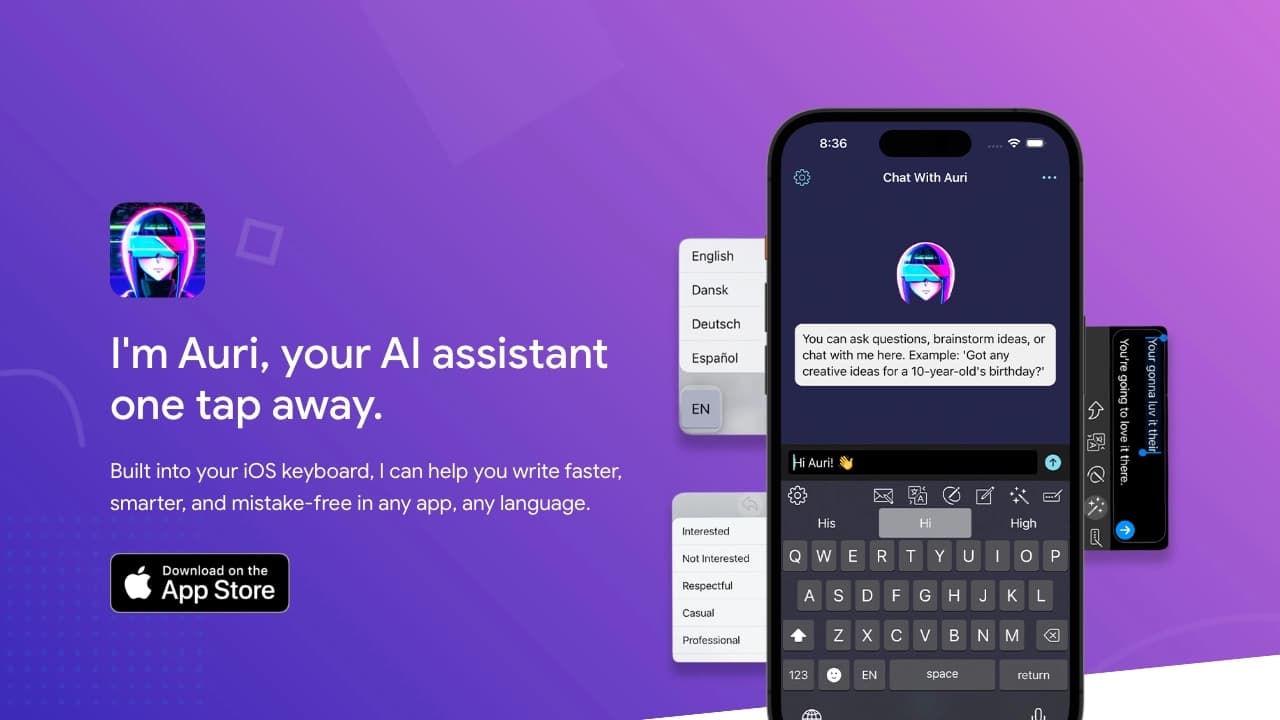
AI keyboard for Apple devices that speeds up typing with corrections, translation, and response generation.
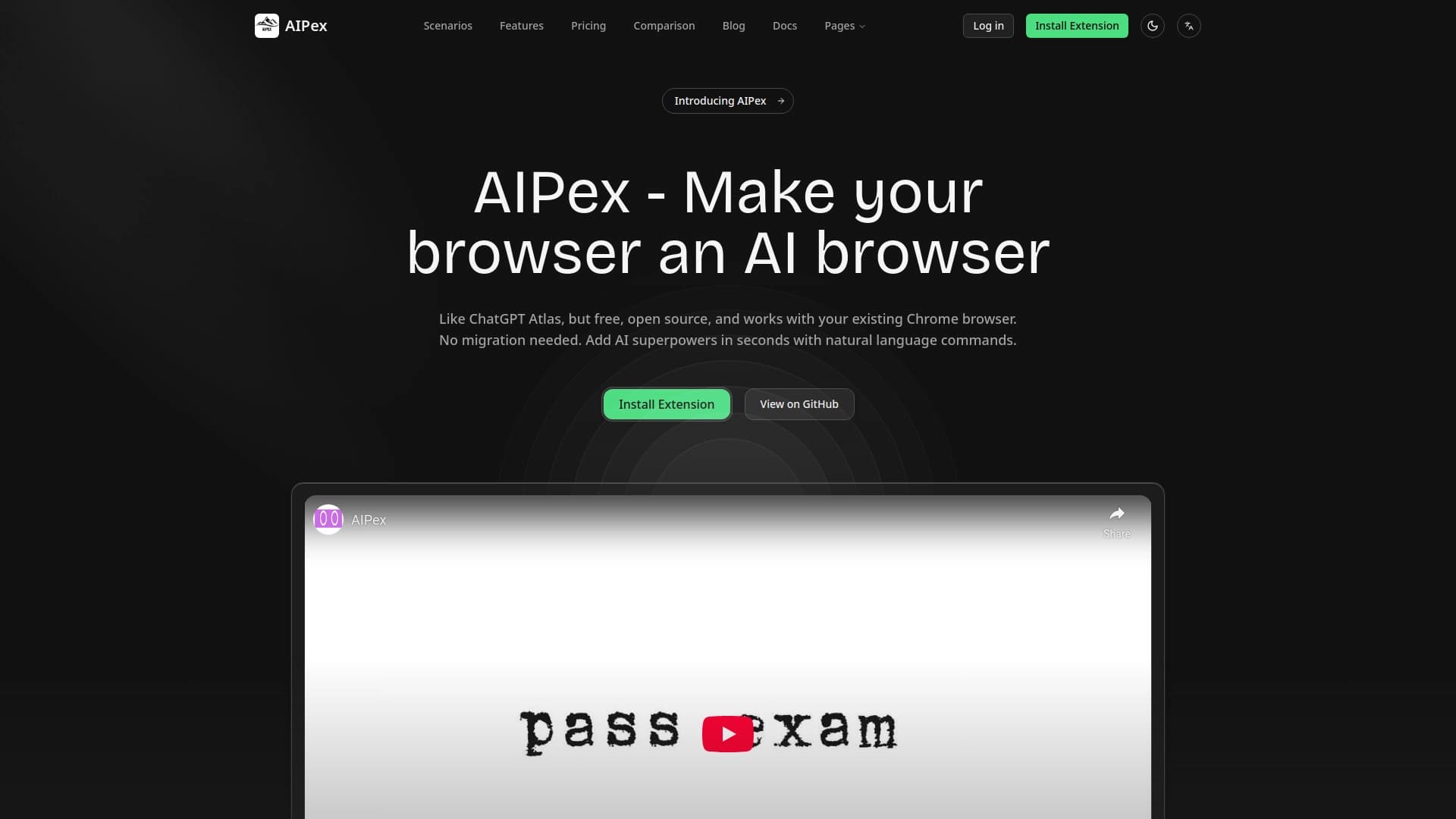

Chrome extension that helps manage tabs, history, and bookmarks with an AI assistant.
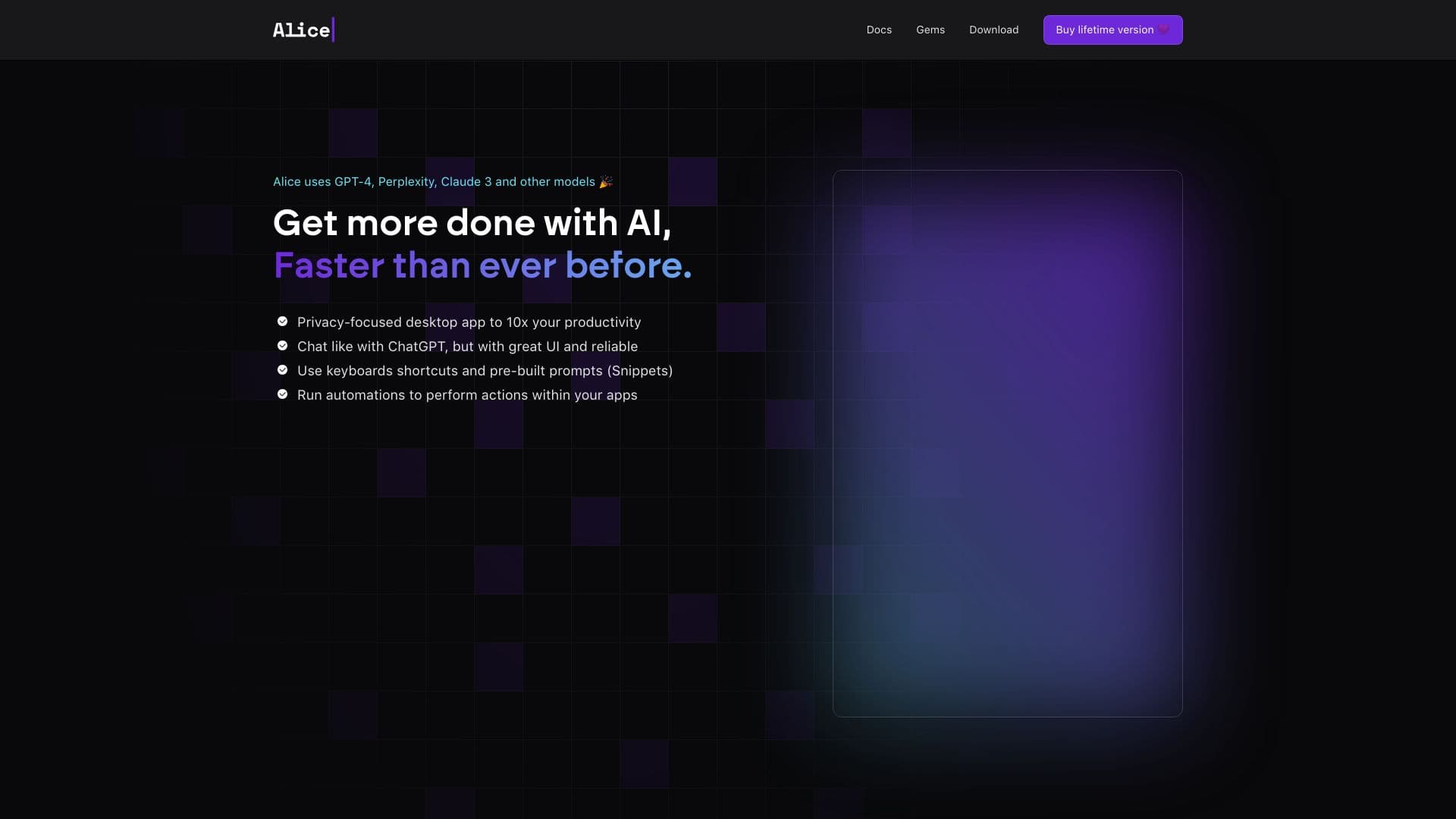

Desktop AI assistant for macOS, Windows, and Linux that launches via hotkey above all windows and combines multiple language models in one interface.
A neural network for document analysis that extracts key information, creates summaries, and answers questions about the contents of uploaded files.

AI agent for automating customer communications and support.

AI platform for fast website creation and small business process management.

AI assistant for business that helps manage tasks and automate routine through dialogue.
AllChat is a universal platform that combines several popular language models in a single interface for communication, image generation, file analysis, and code execution.