
AI Interior Design
Online service for generating interior design options based on a photo of a room.
Overview
AI Interior Design Neural Network Overview
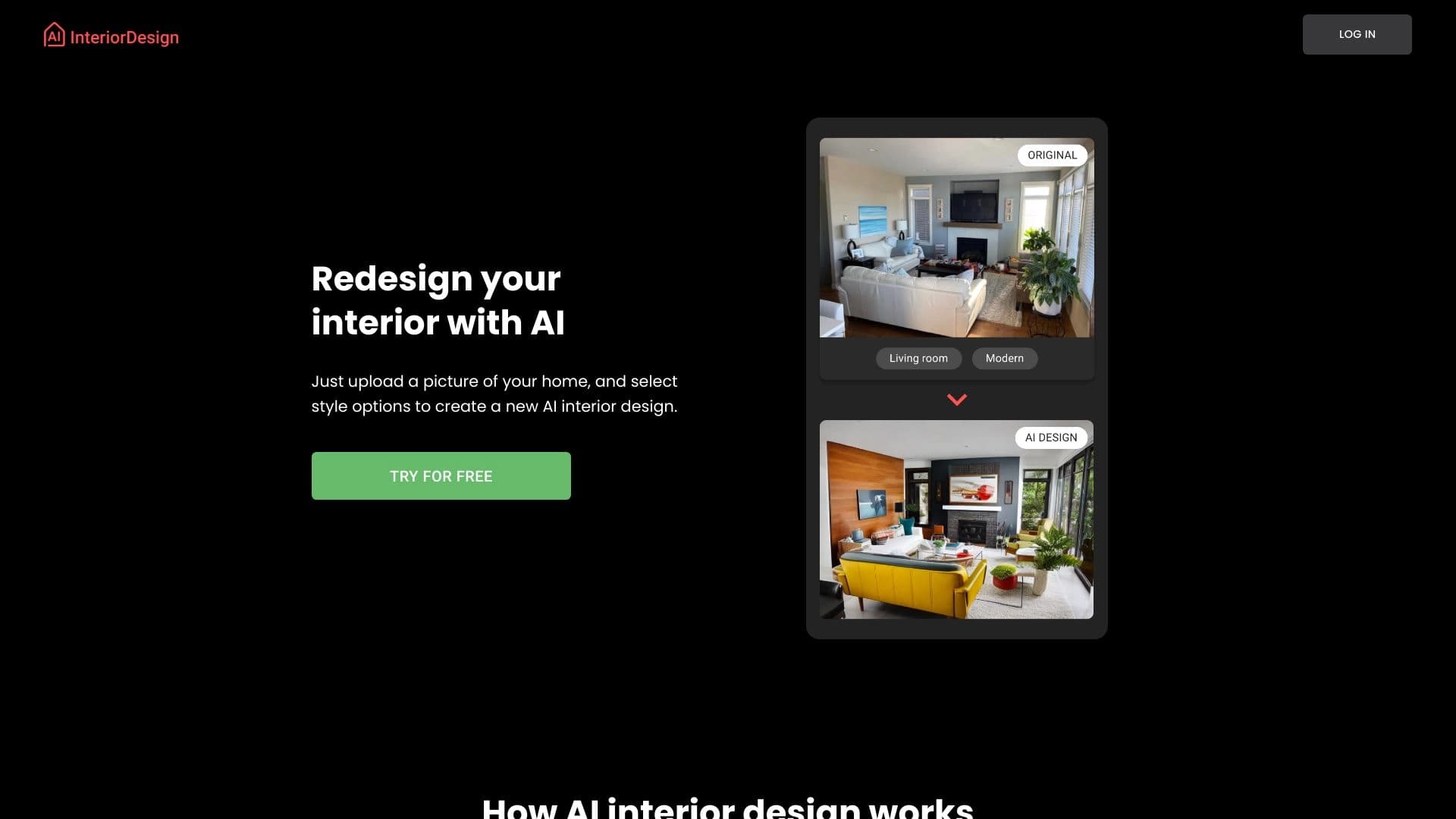
AI Interior Design is an online service that lets you quickly transform any room using artificial intelligence. Instead of spending hours manually selecting furniture, colors, and decor, you simply upload a photo of your room. The neural network analyzes the space's geometry, lighting, and existing furnishings, then offers several ready-made design options in your chosen style.
The service works in a very simple way: upload a photo, pick a style you like (such as modern or classic), and within seconds you get a finished interior image. It's an ideal tool for quickly visualizing ideas and requires no special knowledge of architecture or color theory.
AI Interior Design Features
| Feature | Details |
|---|---|
| Type | AI-powered interior design tool |
| Categories | Design generators, Design assistants, Graphic design tools, Text processing |
| Developer | AI Interior Design Inc. |
| Distribution model | Not specified |
| Availability | Website (online service), browser-based |
| Languages | Not specified |
| Pricing | Free plan, Standard (monthly subscription), Professional (monthly subscription) |
Who Is AI Interior Design For?
Design Beginners
The service is designed for people without specialized training. You don't need to understand styles, trends, or how textures combine — the neural network handles all the technical work. You just need a basic sense of what you like.
People Planning a Renovation
If you're planning to update your apartment but don't want to hire a designer at the initial stage, this tool helps you settle on a direction. You can try different styles on your own room and pick the one that suits you best.
Those Looking for Inspiration
Even if you're not planning a renovation, the service is useful for generating ideas. You can experiment with colors and furniture to see how to change a space without major expenses. It's a quick way to "try on" a new look for a room.
How to Use AI Interior Design
Step 1: Upload a Photo
First, you'll need a good-quality photo of the room. The final result depends directly on how well the photo is taken. It's best to use shots with good lighting and minimal clutter in the frame.
Step 2: Choose a Style
After uploading the image, the service shows a list of available styles: minimalism, modern, classic, and others. Pick the direction you'd like to see and start the processing.
Step 3: Get the Result
The neural network processes the request and delivers finished images within a minute. You can see how the room would look in the new style and, if needed, repeat the process with a different direction.
Key Features of AI Interior Design
Photo-Based Generation
The service's core feature is creating design options based on an uploaded image. The AI analyzes the layout and scale, replacing finishes, furniture, and decor according to the selected style.
Style Catalog
Users have access to a wide range of directions — from strict classic to modern minimalism. This allows for experimentation and finding unexpected solutions for the same space.
Instant Visualization
The service requires no manual parameter adjustments. Everything happens automatically: upload a photo, choose a style, get an image. This is its main difference from professional editors.
Advantages of AI Interior Design
Time Savings
The generation process takes just a few minutes. There's no need to sketch ideas, browse material samples in stores, or consult specialists at the start.
Simple Interface
The tool is understandable even for those who have never worked with graphic editors. All actions boil down to two steps: uploading a photo and choosing a style.
Wide Range of Styles
The large number of available directions lets you experiment with a room's look without spending money on real materials and furniture. It's a great way to compare different concepts.
Disadvantages of AI Interior Design
Template-Like Results
Sometimes the results look generic. Since the AI works on specific algorithms, some options may resemble typical pictures from glossy magazines, without an individual touch.
Geometry Errors
The neural network doesn't always correctly determine room dimensions and proportions. This can lead to furniture in the image looking disproportionately large or, conversely, too small.
Sensitivity to Photo Quality
The final result depends heavily on the original photo. Poor lighting, perspective distortion, or a cluttered frame can negatively affect the quality of the generation.
What Problems Does AI Interior Design Solve?
Quick Idea Generation
The tool provides ready-made design concepts without hiring a professional designer. This is convenient at the initial planning stage.
Style Visualization
The service's main purpose is to show how a room would look in a particular style. You can compare modern and classic on the same photo and understand what suits you best before starting the actual renovation.
AI Interior Design Pricing
The service offers three pricing plans:
- Free — includes basic features for getting started.
- Standard — a monthly subscription that expands limits and capabilities.
- Professional — a monthly subscription for those who need more generations and styles.
The exact feature set for each plan isn't disclosed, but it's reasonable to assume the paid versions differ in the number of generations and access to additional settings.
Terms of Use for AI Interior Design
Detailed terms of use for the service are not disclosed in public sources. There's no information about licenses for generated images, rules for commercial use of results, or the policy for handling uploaded photos. Users are advised to review the user agreement on the official website themselves before starting to work with the service.
AI Interior Design Availability
The service is a web application that works through a browser on any modern device — computer, tablet, or smartphone. No special software installation is required. All you need is a stable internet connection and an up-to-date browser version.
How AI Interior Design Differs from Alternatives
Focus on Interiors
Unlike universal image generators (such as Midjourney or Stable Diffusion), this service is specifically tailored to room redesign. It understands the specifics of spaces rather than just drawing pretty pictures from text descriptions.
Simplicity for Non-Professionals
Tools like Kandinsky or Yandex Art require thoughtful prompt writing to get quality results. Here, you just upload a photo and press a button — the entry barrier is much lower.
Time Savings vs. Manual Work
Services like Leonardo.ai offer more control over the process but require experience. AI Interior Design works "out of the box," offering ready-made solutions without deep configuration, which makes it a strong choice for everyday use.
Conclusion
AI Interior Design is a practical tool for quickly visualizing design ideas. It's well suited for beginners who want to refresh their interior without spending much time or money, as well as for those who want to "try on" different styles for their room. However, the service has limitations: results can be template-like, and output quality depends directly on the source photos. For professional use with unique, custom projects, the AI's capabilities may not be enough, but as an assistant for inspiration and rough drafts, it's quite effective.
Frequently asked questions
See also
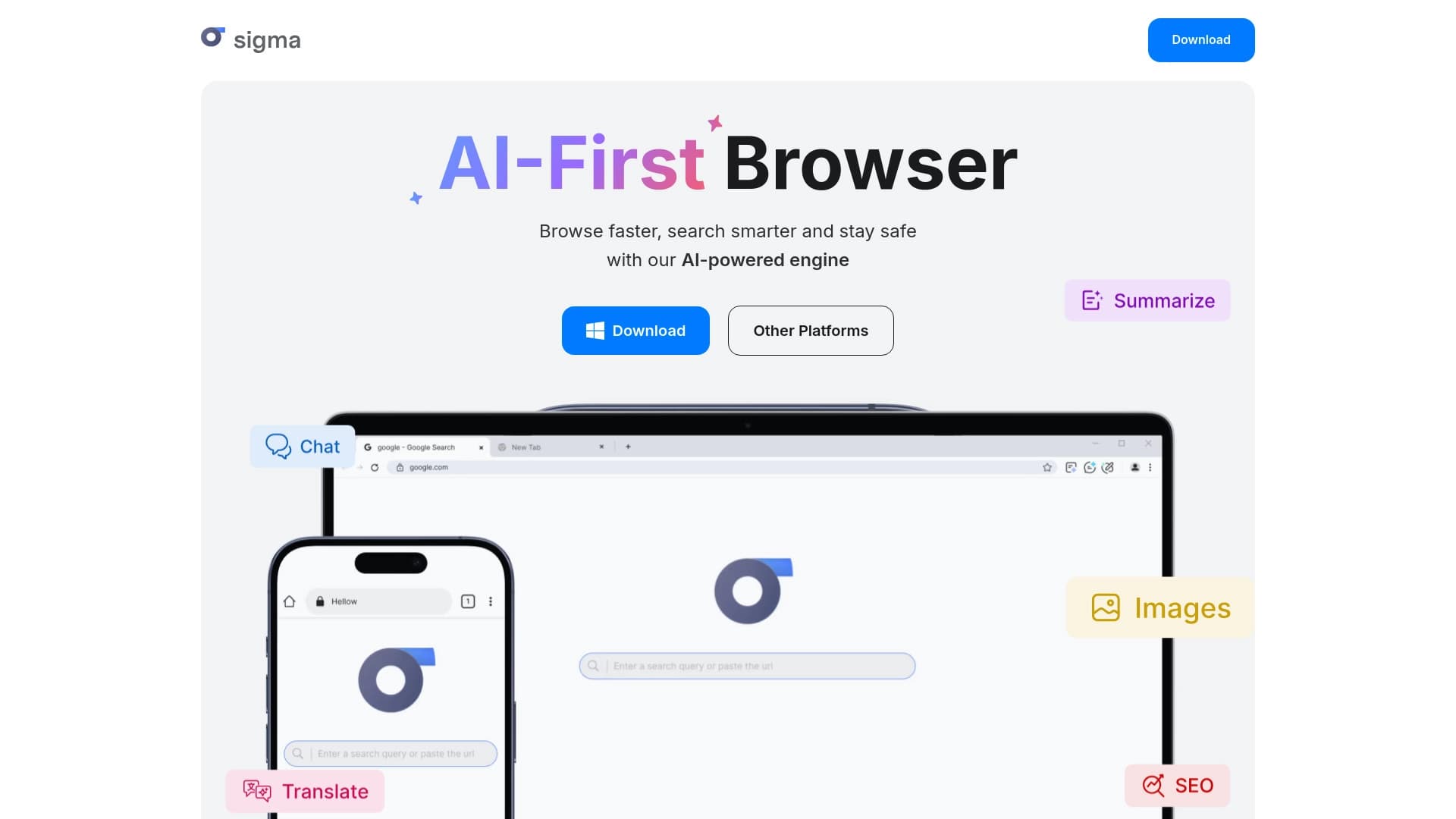

A browser with built-in AI tools for chatting with neural networks, generating texts and images, translating and summarizing pages.

Cloud platform for creating videos using AI avatars, synthesized speech, and automatic translation of clips into dozens of languages.

A service that automatically generates enhanced photos for dating site profiles.


Service for creating music track covers based on audio analysis.
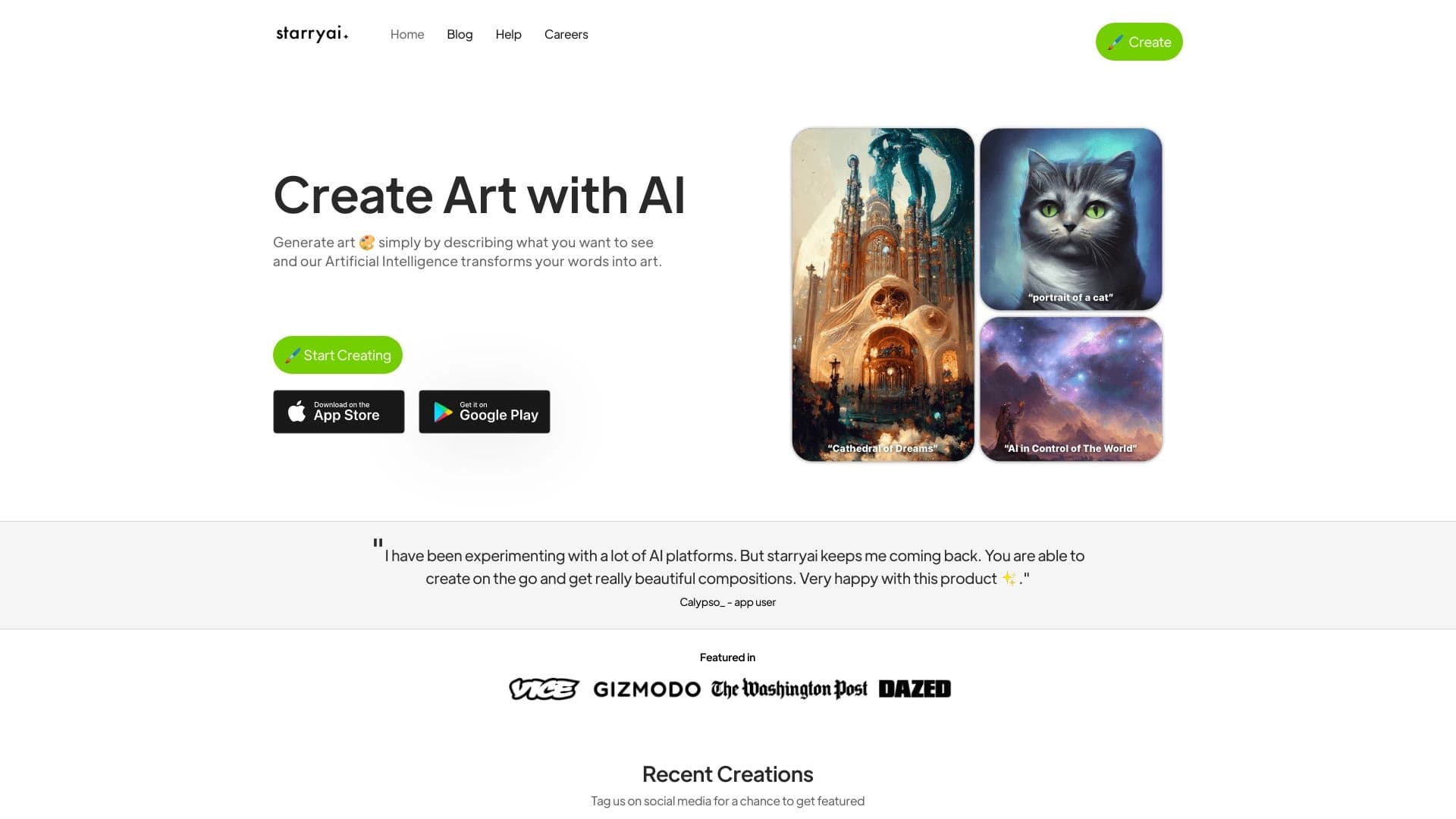

Neural network that generates images and illustrations based on a text description.


Platform for creating anime art, comics, and videos with AI.
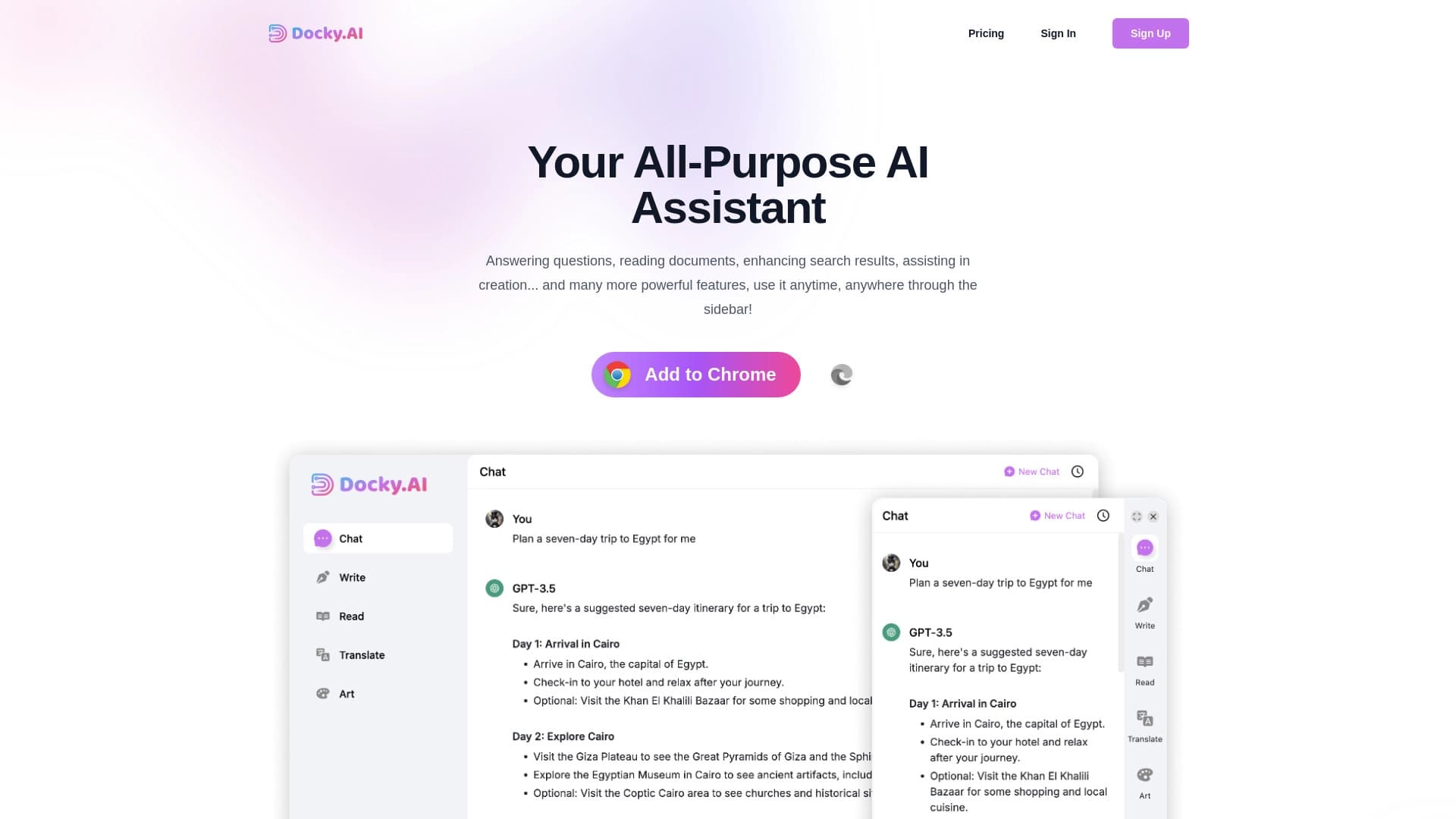

Side AI panel that helps answer questions, work with documents, and generate images.

A community platform for discovering, publishing, and sharing open AI image generation models.