

AI Image Detector
Service for checking images for signs of AI generation.
Overview
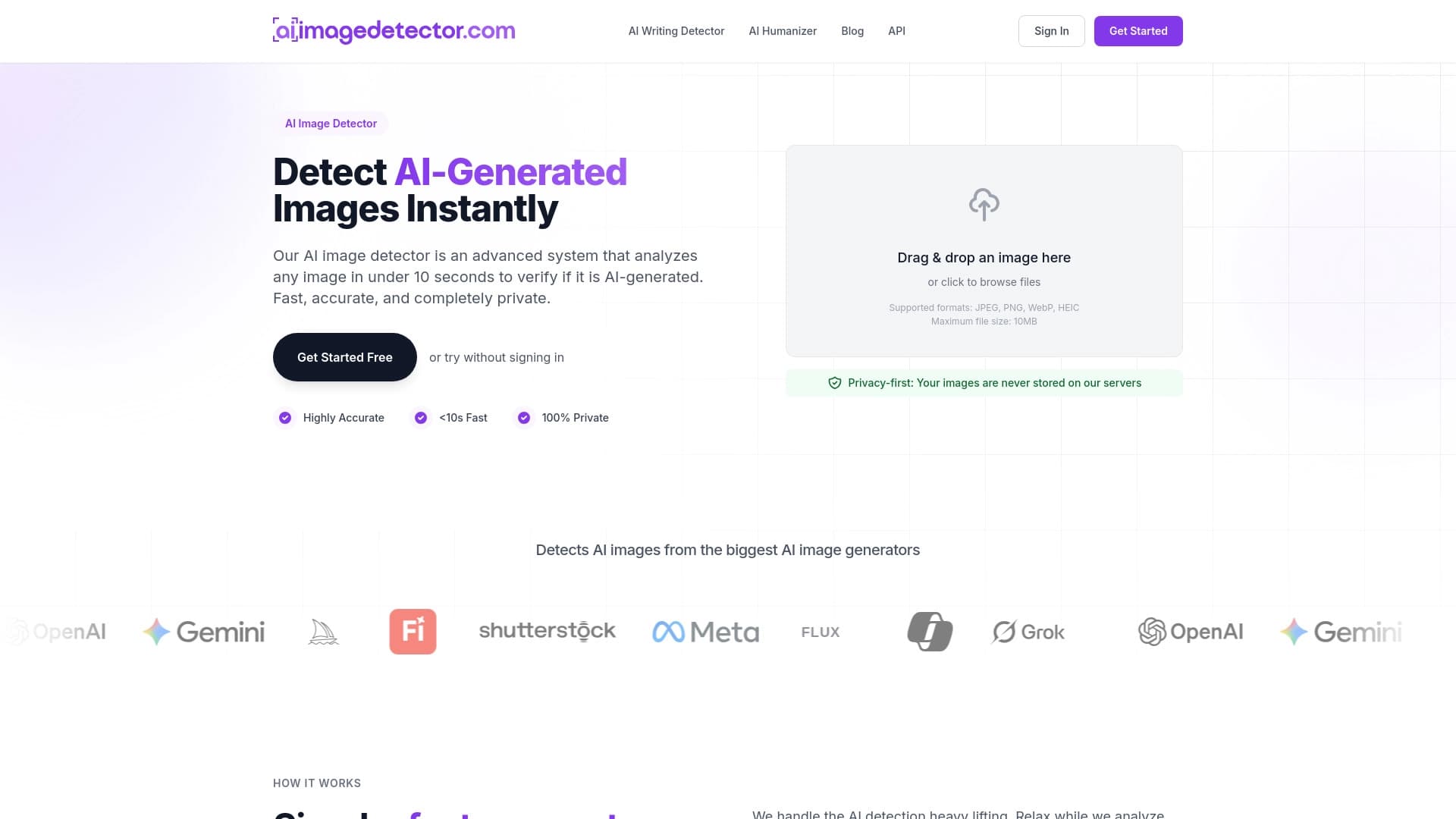
AI Image Detector is a specialized service designed to check images for AI-generated content. The tool helps users distinguish real photographs from synthetic ones by analyzing a combination of technical characteristics.
Unlike simple classifiers that rely on a single method, this service uses a multi-layered approach. It combines C2PA metadata verification, which is often embedded in the file during generation, with consensus from multiple algorithms. This approach provides a more balanced assessment of an image's origin, reducing the likelihood of errors.
Technological Foundation of Analysis
C2PA standard verification is one of the key elements of the service. This open technical standard makes it possible to record the origin and modification history of digital content. Many modern generative models have this standard built in by default.
Assessment Approach
The second important component is consensus among algorithms. The service does not rely on a single classifier but compares the conclusions of several trained models. Agreement among them increases confidence in the result, while discrepancies may indicate a complex or deliberately altered case.
AI Image Detector Features
| Feature | Value |
|---|---|
| Analysis Type | Metadata verification and algorithm consensus |
| Standards Used | C2PA |
| Batch Upload | Up to 50 files at once |
| Scope of Application | Detecting signs of AI-generated images |
| Methodology | Combined analysis of technical characteristics |
Who Is AI Image Detector For?
The tool will be useful for professionals who need to understand the nature of the visual content they work with. It can serve as an additional filter for verifying materials from unreliable sources.
Editorial and Media
Journalists and editors can use the service for initial verification of photos obtained from social media or freelance correspondents. This helps minimize the risk of publishing deliberately generated or manipulated images in news materials.
Business and Marketing
Company representatives can use the tool to monitor brand-related visual content and control advertising campaigns. This makes it possible to identify potentially fake images used by competitors or contractors.
How to Use AI Image Detector?
The process of working with the service comes down to uploading images and receiving analysis results. The interface is designed for simplicity and requires no special knowledge of machine learning.
Uploading Files
The user needs to upload one or more images. The built-in batch processing feature allows adding up to 50 files at once, significantly saving time when working with large data sets.
Analysis and Results
After uploading, the service runs verification using the selected methods. Upon completion of the analysis, the user receives information about whether the image contains signs of AI generation, as well as, likely, explanations of the data on which the conclusion is based.
Key Features of AI Image Detector
The tool offers a set of features focused on comprehensive visual data verification.
- C2PA Metadata Scanning: Searching the image file for metadata left by generative models.
- Forensic Metadata Verification: Analyzing metadata that may have been altered or removed to find traces of editing.
- Consensus Algorithm Analysis: Running the image through several independent classifier neural networks to obtain a combined result.
- Batch Upload: The ability to upload up to 50 images simultaneously for mass verification.
Advantages of AI Image Detector
The service's strengths include a methodology that reduces the number of false positives.
- Comprehensive Approach: Using multiple verification methods (C2PA, metadata, algorithms) instead of just one.
- Time Savings: Support for batch file processing to speed up workflows.
- Confidence in Results: Consensus among algorithms increases the reliability of the final conclusion.
Disadvantages of AI Image Detector
Unfortunately, public sources do not contain detailed information about the weaknesses of this service.
For this reason, one can only assume that, like any AI tool, it does not guarantee 100% accuracy. Detection effectiveness may decrease with heavy image post-processing or the use of the latest generation models that the service does not yet have data on. There is also no information about limits on individual file size.
What Problems Does AI Image Detector Solve?
The main task of the service is to determine whether an image was created by a neural network. This seemingly simple function, however, has several practical aspects.
- Authenticity Assessment: Helps users verify whether an image is a real photo or synthetic generation, which is important when working with evidentiary materials.
- Content Labeling: Makes it possible to separate AI content from human work, which can be critical on stock sites and in galleries.
- Combating Disinformation: Serves as a tool for quickly filtering out potentially fake images in news channels.
AI Image Detector Pricing
Currently, available sources contain no information about the service's pricing policy.
It is unknown whether the tool is completely free, operates on a subscription model, or offers one-time paid packages for verification. To obtain accurate cost data, you need to visit the developer's official website or contact their support service.
Terms of Use for AI Image Detector
Information about the legal terms of use for the service is not disclosed in the public sources that were analyzed.
Users are recommended to review the user agreement on the website before starting work, which typically describes content upload rules, privacy policy regarding processed files, and the service's liability limitations.
AI Image Detector Availability
Apparently, the service is a web application and is accessible through a browser. The description mentions a batch upload feature, which is typical for online services.
Information about mobile applications (Android, iOS) or a desktop version, as well as any API integrations, is absent from the source data.
How AI Image Detector Differs from Alternatives
The key difference of this service is that its methodology is built on "combined" verification, which is a fairly reliable strategy.
Many other AI detection utilities often rely solely on pixel analysis through a single neural network. In contrast, AI Image Detector uses three levels of protection:
- C2PA: A proprietary digital standard.
- Metadata: Forensic examination of file information.
- Consensus: Voting by several independent algorithms.
This comprehensive approach allows for more effective filtering of suspicious images, examining the generation problem not only from the perspective of "noise" in pixels but also from the perspective of digital "fingerprints" left by programs.
Conclusion
AI Image Detector is a technically grounded tool for checking images for AI generation. Its main strength lies in the combination of analysis methods: from examining embedded C2PA standard metadata to the consensus opinion of multiple algorithms. The ability to upload up to 50 files at once makes it convenient for professional tasks involving the verification of large volumes of content. Despite the lack of information about pricing and terms of use, the service's approach itself demonstrates a commitment to maximum accuracy in the context of the growing prevalence of synthetic images.
Frequently asked questions
See also
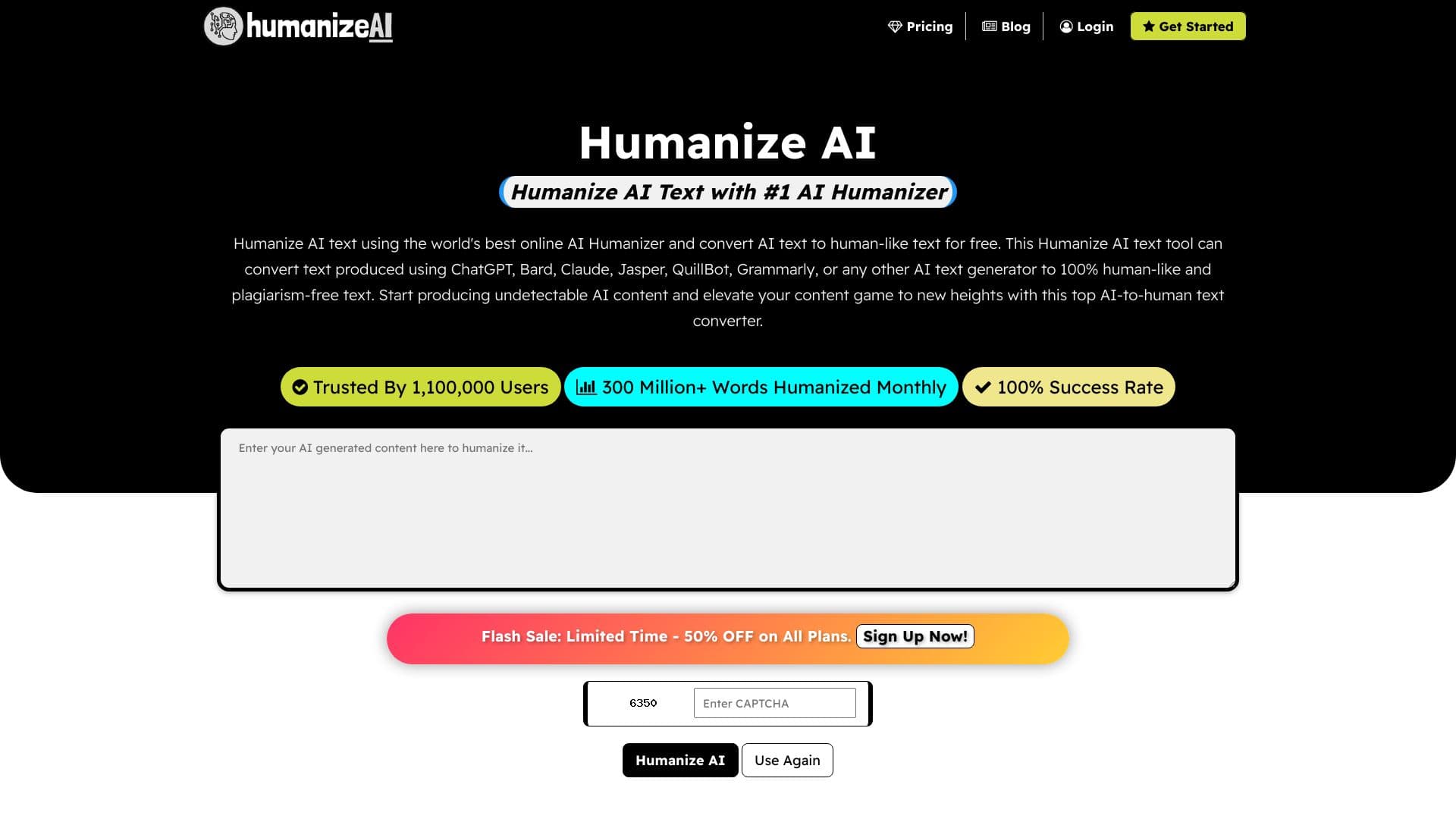

An online service that reworks text generated by a neural network into a more natural and human-like form.

A multimedia AI toolkit for editing and enhancing photos, videos, and PDF documents.
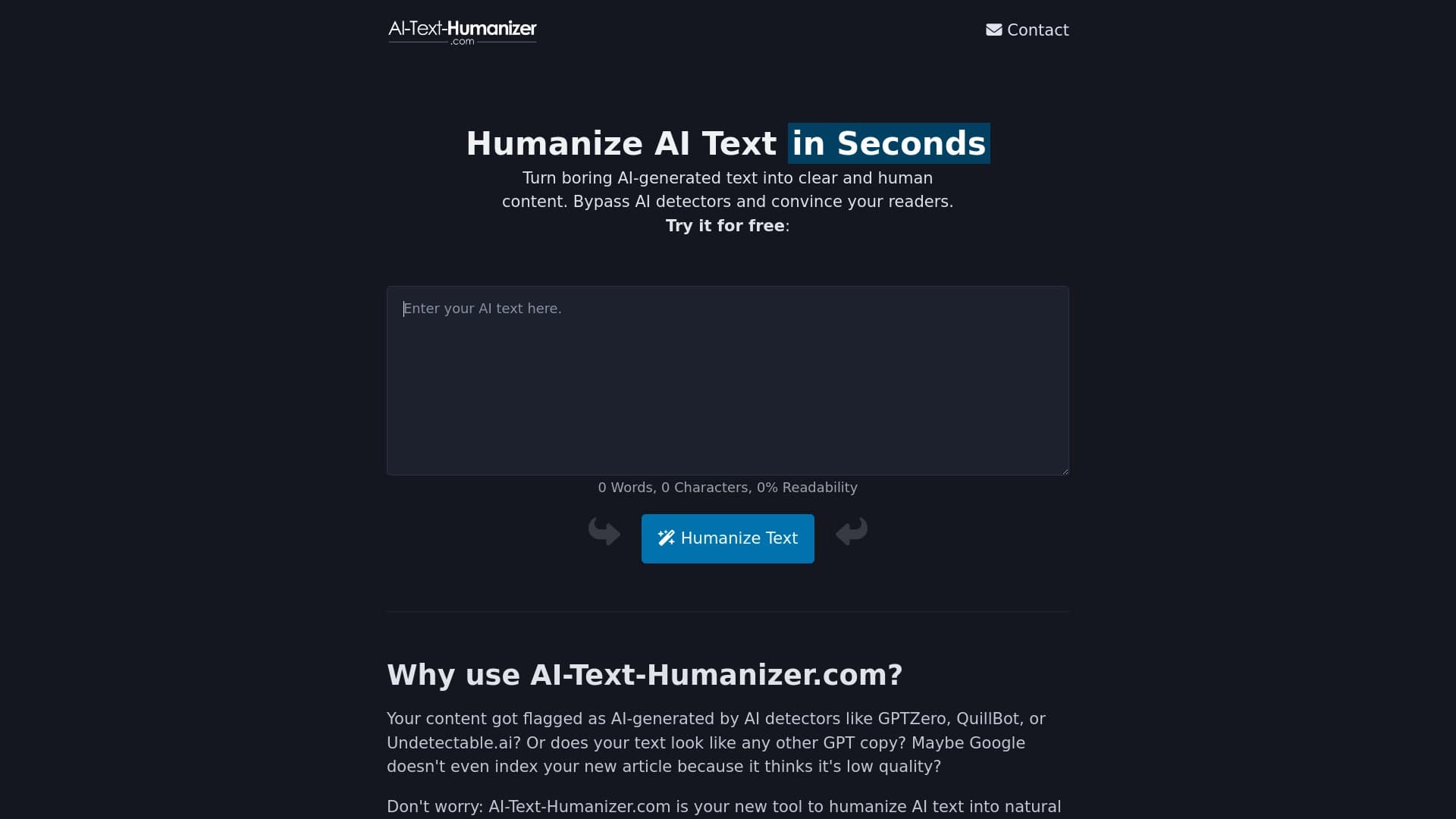
An online service that reworks text created by a neural network to make it sound natural and undetectable by AI detectors.
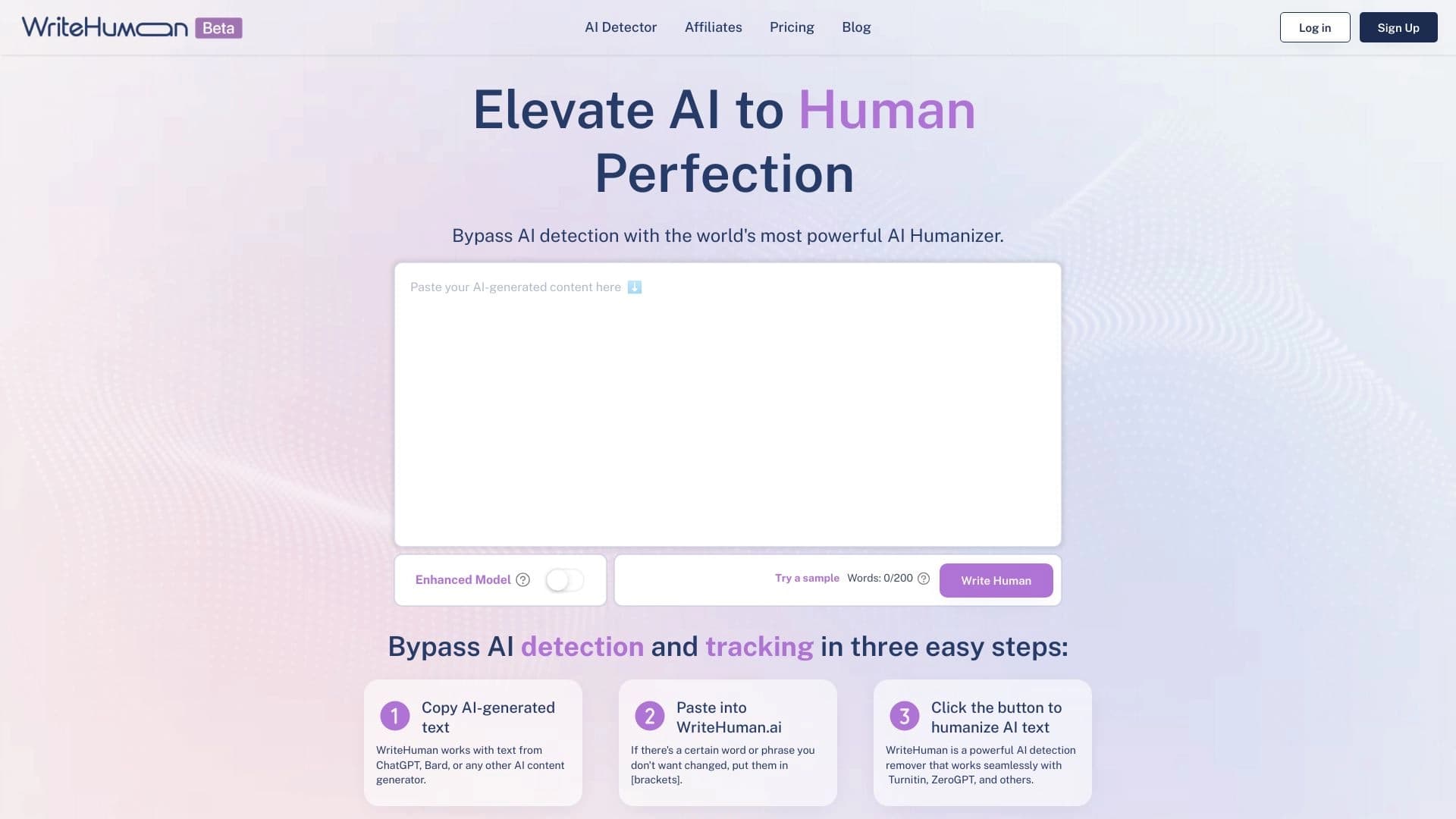

Service for transforming AI-generated text into a more natural-looking form that is harder for artificial intelligence detectors to recognize.

Online image editor with AI-powered features for photo processing, design, and content generation.

Online service for rewriting texts to make them look human-written and bypass AI detectors.

Free web tool from Google that uses machine learning to turn rough sketches into neat icons and illustrations.

A set of AI tools for image editing: background removal, object removal, quality enhancement, and variation generation.